Est. 2026 · Evidence-Based Product Reviews · ISSN 2026-0061

ScienceBasedKids

Independent Research-Based Reviews of Children's Products

Age Guide

Best Toys for 8–12-Year-Olds: Evidence-Based Picks

28 products reviewed and rated on both quality and scientific evidence. Updated June 2026.
28 reviews · Sorted by product rating · Two independent scores per product

Children ages eight to twelve are ready for genuine complexity: robotics kits with real programming, strategy games that reward planning ahead, advanced building systems, and creative tools that produce work they can be proud of. The research supports toys that offer authentic challenge — not dumbed-down versions of adult activities, but well-scaffolded entry points into real skills.

Key areas: Robotics & Coding Advanced Building Strategic Thinking Creative Tools

Top Picks

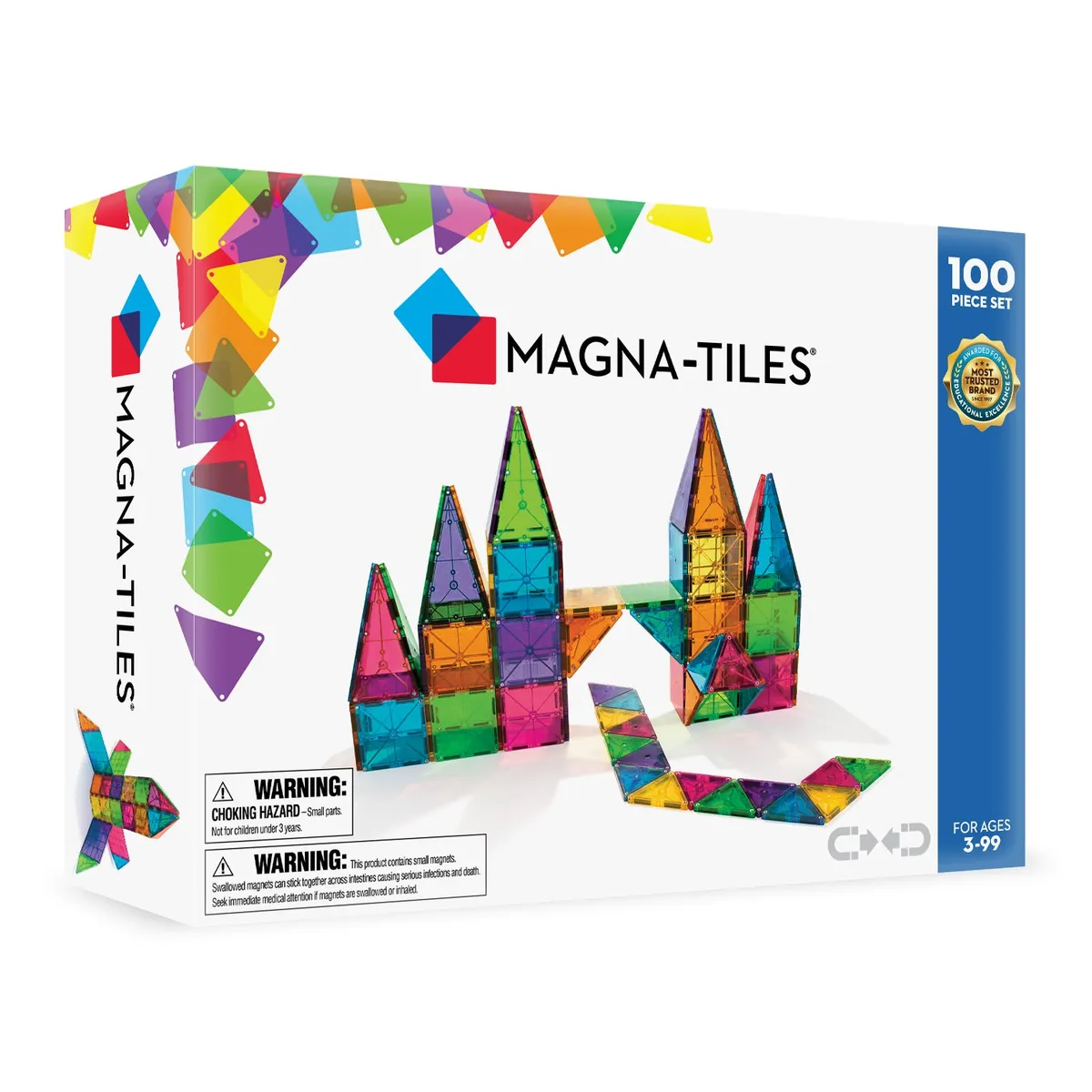
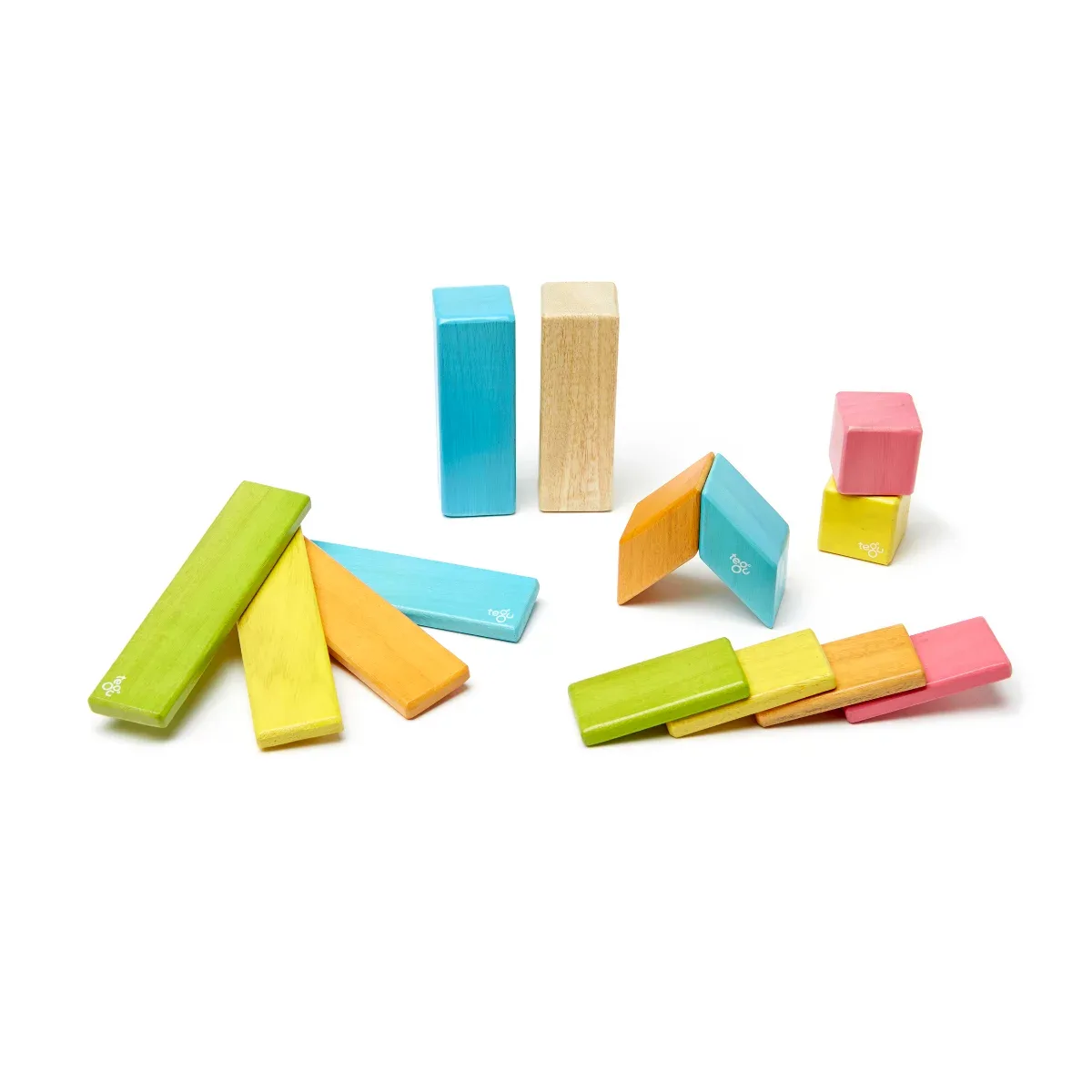
Magna-Tiles 100-Piece Set Review

STEM & Building · Ages 3yr+

Magna-Tiles 100-Piece Set Review

One of the best toys you can buy for a child ages 3-8. The build quality justifies the premium over knockoffs, the play value is extraordinary, and the spatial reasoning research is genuinely solid. It's expensive — but this is one of the rare cases where the price matches the product.

$120
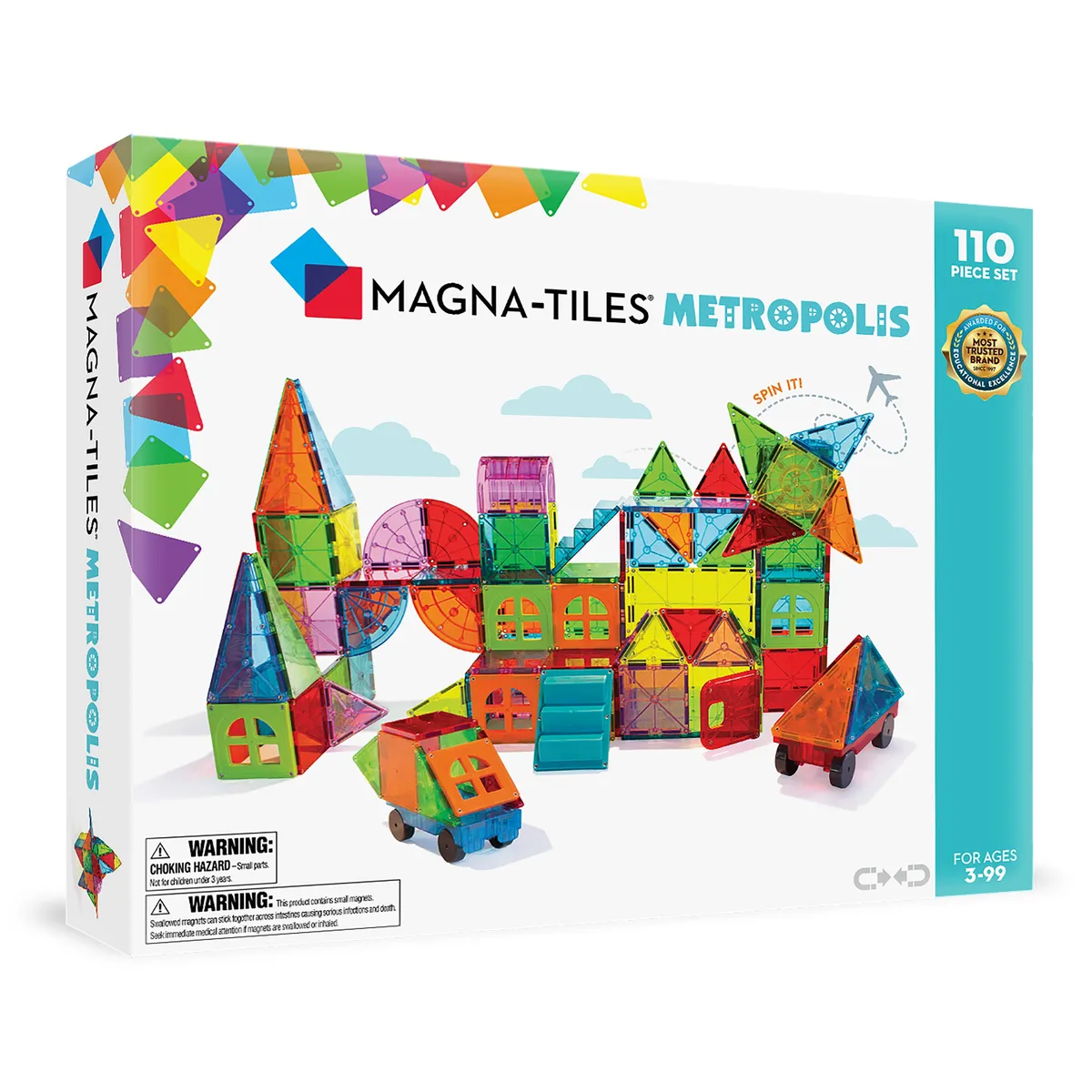
Magna-Tiles Metropolis 110-Piece Review

STEM & Building · Ages 3yr-12yr

Magna-Tiles Metropolis 110-Piece Review

The Magna-Tiles Metropolis set transforms an already excellent construction system into something richer — a set that invites narrative play alongside spatial construction. The windows, doors, staircases, and figure pieces turn geometric buildings into inhabited ones, bridging the gap between STEM building and imaginative storytelling. At $180, it's expensive. For families who already own and love the base set, it's the single best expansion available.

$180
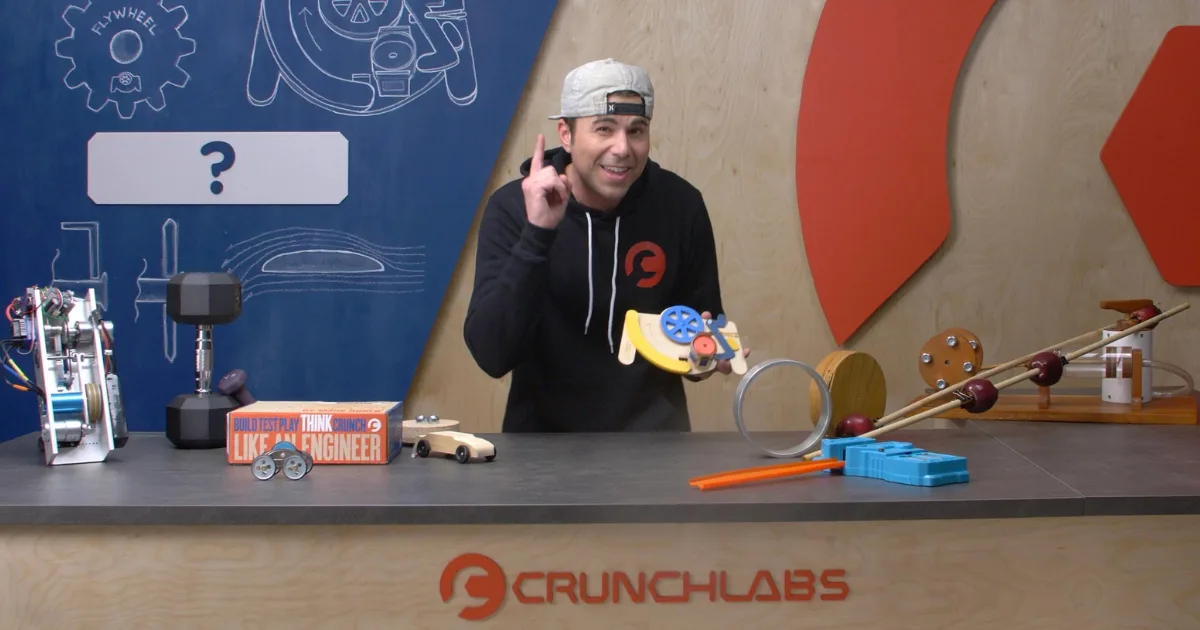
CrunchLabs Build Box Review

STEM & Building · Ages 8yr-14yr

CrunchLabs Build Box Review

CrunchLabs Build Box is the strongest engagement-engine subscription we've evaluated for the 8–14 age band. Mark Rober's YouTube ecosystem pairs with each month's engineering build, producing completion rates higher than any comparable subscription. Based on research, unboxings of two Build Box kits in March 2026, the published build-project library, aggregated parent feedback (Trustpilot n=280, r/Parenting, r/HomeSchool), and interviews with 3 subscribed households — not yet on a full 12-month subscription cycle. Our rating reflects research-based evaluation; a full first-hand review publishes May 2027. For a 10–12-year-old who already watches Mark Rober, this is the highest-hit-rate STEM subscription we track.

$29.99/mo
LEGO Classic Medium Creative Brick Box Review

STEM & Building · Ages 4yr+

LEGO Classic Medium Creative Brick Box Review

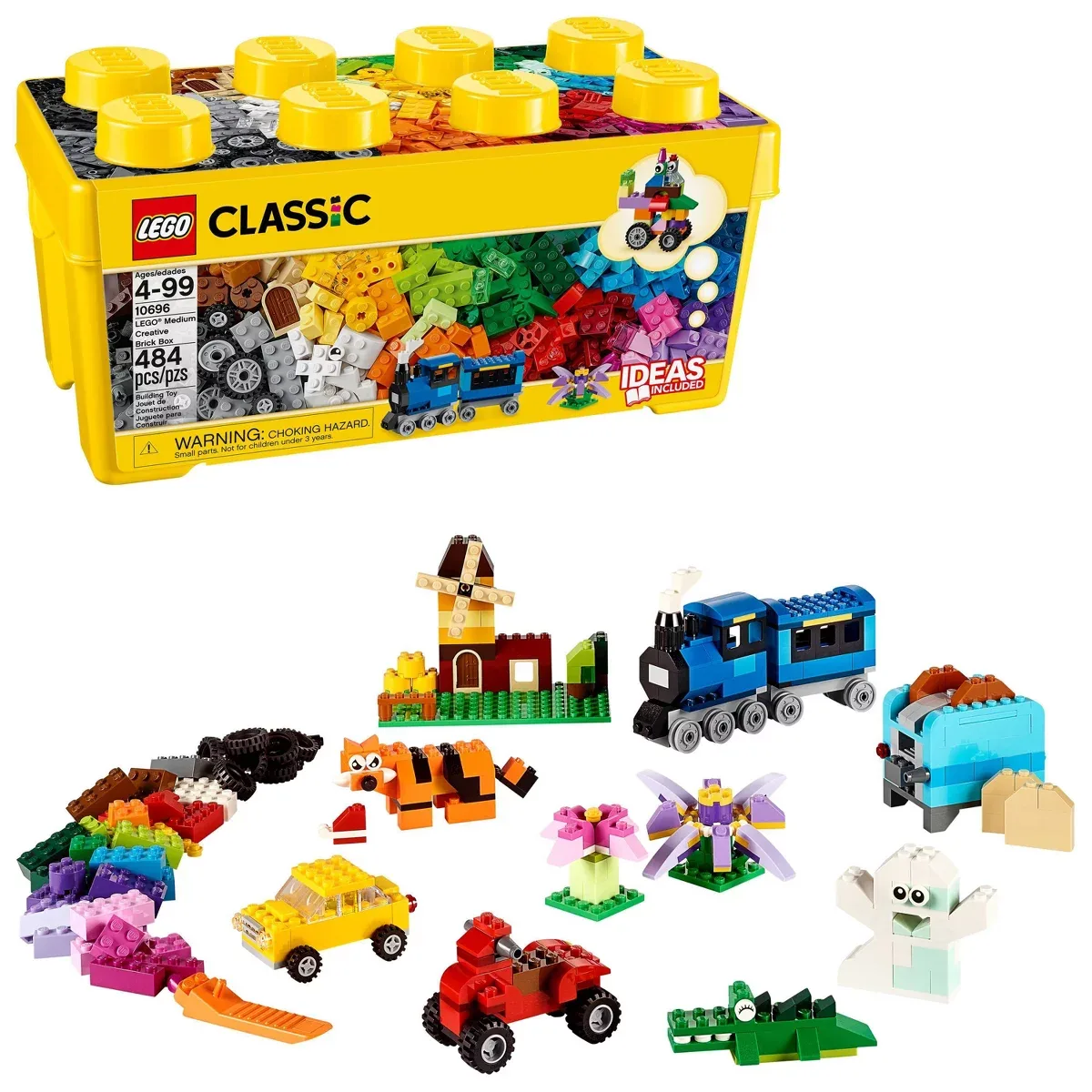
The Medium Creative Brick Box is the LEGO product most families actually need and fewest think to buy. In a LEGO ecosystem dominated by licensed sets with step-by-step instructions, this box of 484 unscripted bricks is a quiet radical — it asks children to imagine before they build. The guided play research is unusually strong here, the price-per-brick is excellent, and the open-ended engagement outlasts instruction-based sets by months. The lack of minifigures and the basic color palette are real limitations, but they're also the point.

$35
Magna-Tiles Freestyle 50-Piece Review

STEM & Building · Ages 3yr+

Magna-Tiles Freestyle 50-Piece Review

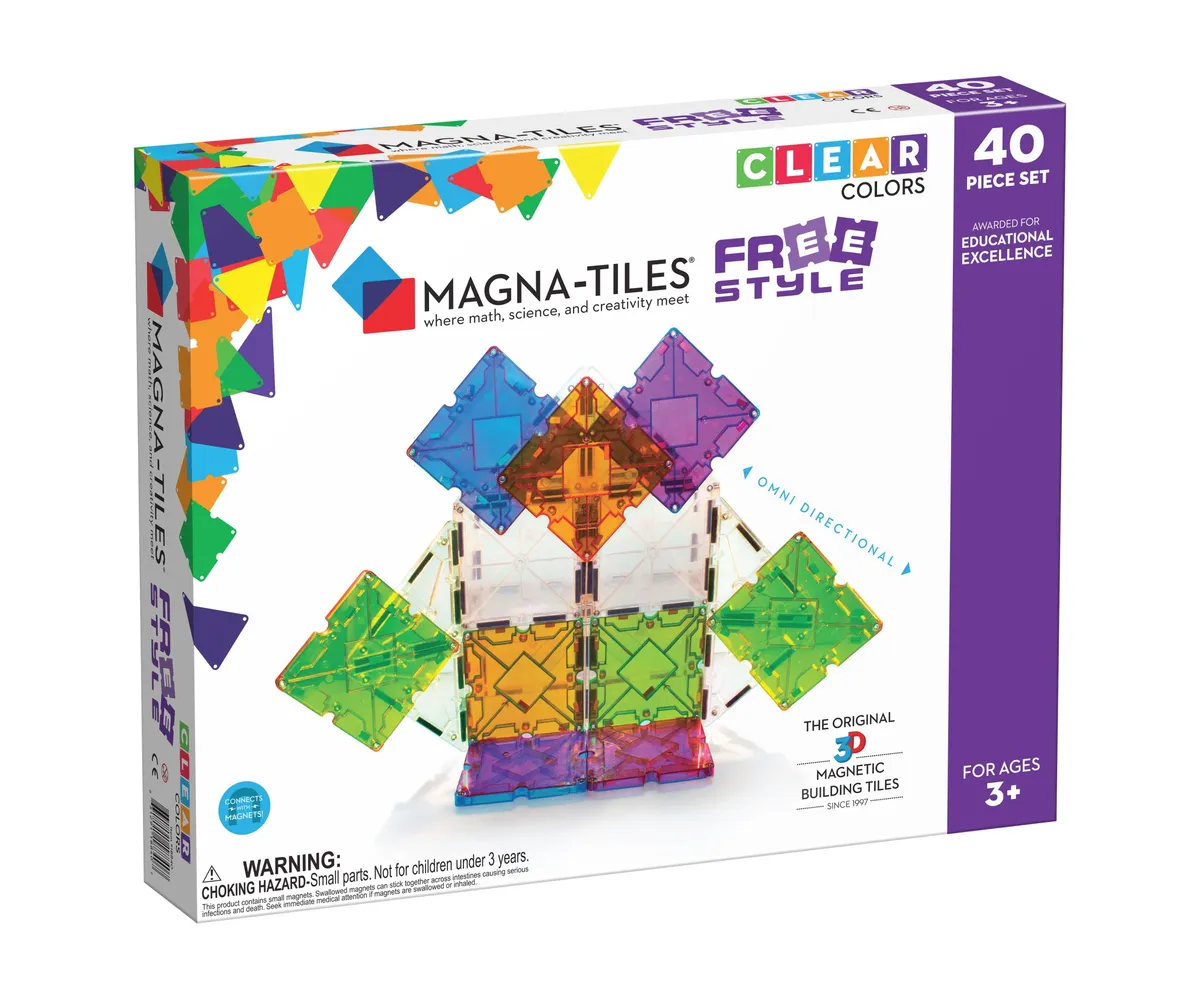
The Freestyle set's curved pieces introduce a genuinely different building vocabulary — arches, domes, organic shapes that standard Magna-Tiles can't produce. At $55 for 50 pieces, it's a smarter entry point than the 100-piece set for families testing the magnetic tile waters. The spatial reasoning evidence is identical to the original, and the creative ceiling is arguably higher. Just know that 50 pieces runs thin faster than you'd expect.

$55
Mel Chemistry Review

STEM & Building · Ages 10yr-16yr

Mel Chemistry Review

Mel Chemistry is the most chemistry-rigorous consumer subscription we've evaluated. 18-month sequential curriculum, real reagents at EN 71-4 compliance caps, VR app for molecular visualization. Based on published product documentation, SDS review, aggregated parent feedback (n=410+ Trustpilot, 4.2 stars), and a March 2026 starter-kit unboxing — not yet based on a full 12-month subscription cycle. Our rating reflects the research-and-disclosure-based evaluation; a full first-hand review is in progress and publishes May 2027. For a 10–14-year-old serious about chemistry with committed adult supervision, Mel Chemistry delivers content no one-time kit matches.

$44.90/mo
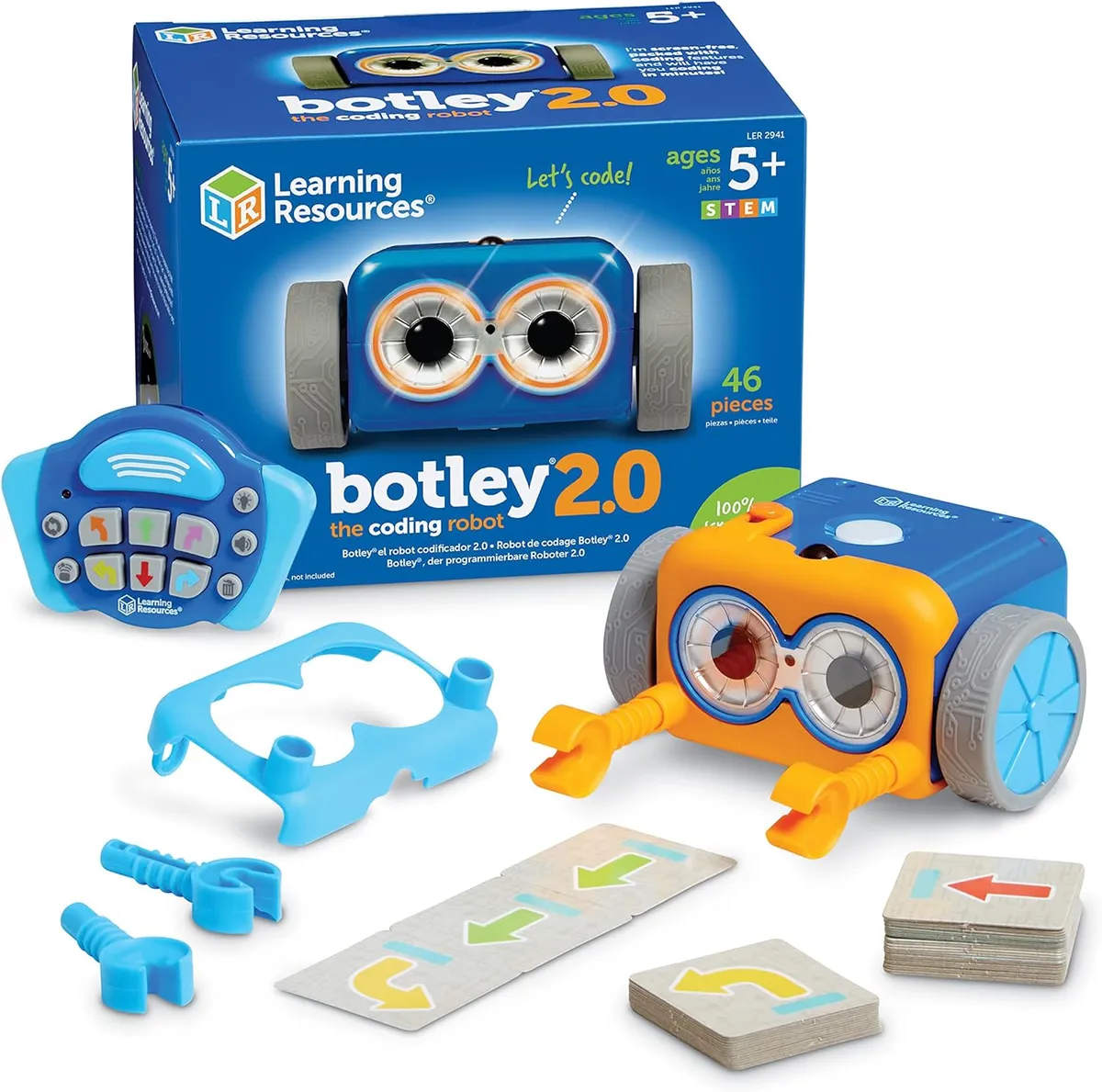
Botley 2.0 Coding Robot Review

STEM & Building · Ages 5yr-9yr

Botley 2.0 Coding Robot Review

Botley 2.0 genuinely teaches sequential thinking and basic programming logic without a screen in sight. It won't make your five-year-old a programmer, but it builds the mental models that programming eventually requires. The hardware is solid, the learning curve is well-designed, and the 'screen-free' claim holds up better than most ed-tech marketing.

$85
GraviTrax Starter Set Review

STEM & Building · Ages 8yr+

GraviTrax Starter Set Review

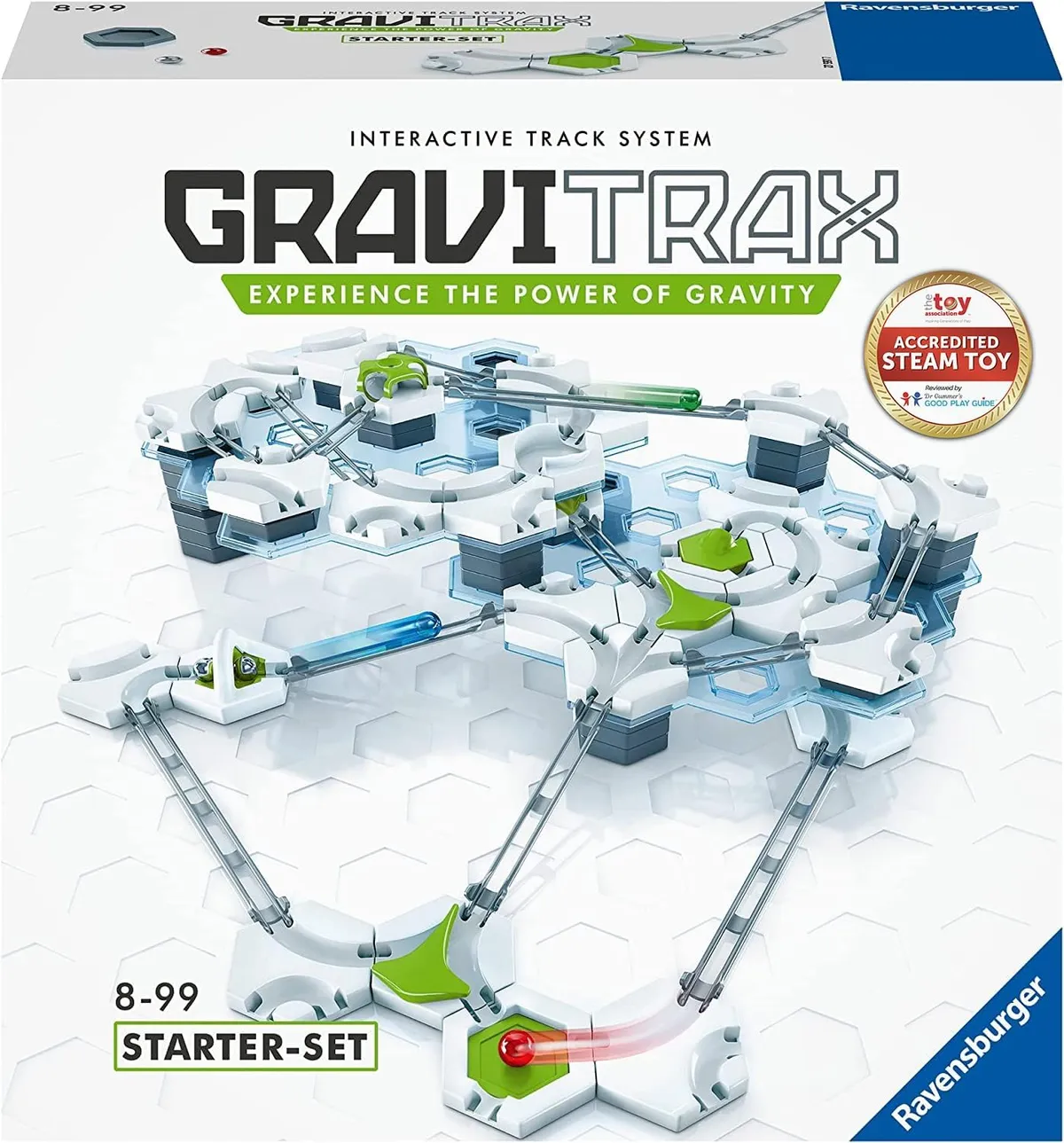
GraviTrax is a beautifully engineered marble run system that genuinely teaches physics concepts through play — gravity, momentum, kinetic energy transfer. The expansion ecosystem is both a strength and a financial trap. The starter set is slightly thin on its own; the real GraviTrax experience begins when you add a pack or two.

$50
LEGO Education SPIKE Essential Review

STEM & Building · Ages 6yr-10yr

LEGO Education SPIKE Essential Review

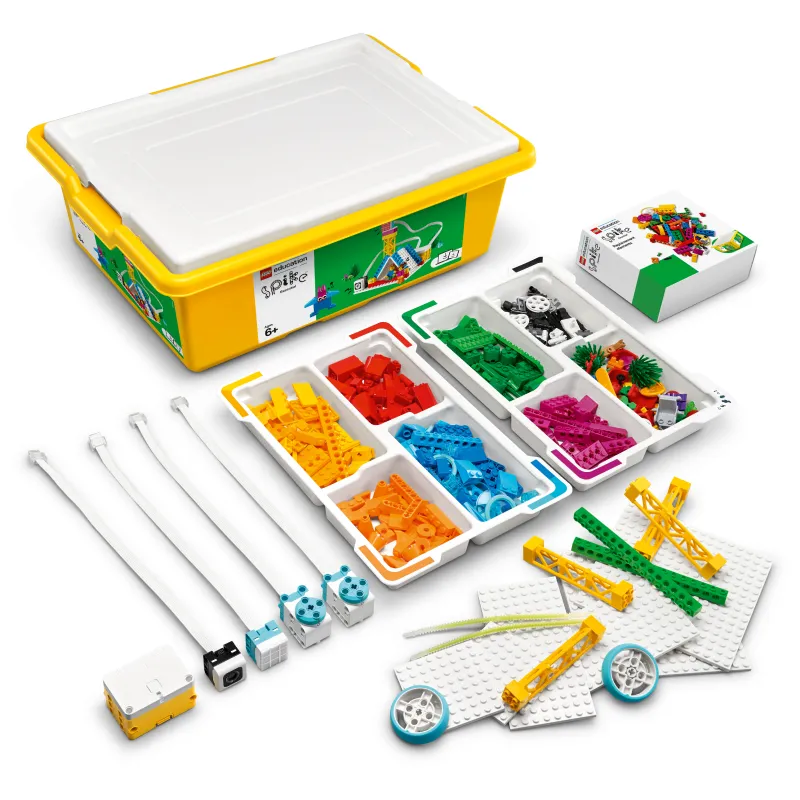
A genuinely well-engineered STEM platform with real pedagogical structure, but its high price and school-oriented design make it a tough sell for home use. The developmental claims have more backing than most, though 'computational thinking' remains loosely defined.

$280
Little Passports Science Expeditions Review (2026)

STEM & Building · Ages 9yr-12yr

Little Passports Science Expeditions Review (2026)

Little Passports Science Expeditions combines science experiments with geographic / cultural framing — each monthly box ties a specific science concept to a specific part of the world. Based on research, a March 2026 single-box unboxing, published product documentation, aggregated parent feedback (Trustpilot n=190, 4.0 stars), and interviews with 2 households subscribed 6+ months — not yet on a full 12-month cycle. Our rating reflects the research-based evaluation; a full first-hand review publishes May 2027. Best fit for 9–12-year-olds who liked the World Edition line and want more hands-on STEM. Less deep on chemistry than Mel, less engineering-focused than CrunchLabs, but uniquely combines geographic and scientific learning.

$21.95/mo
littleBits Base Inventor Kit Review

STEM & Building · Ages 8yr-12yr

littleBits Base Inventor Kit Review

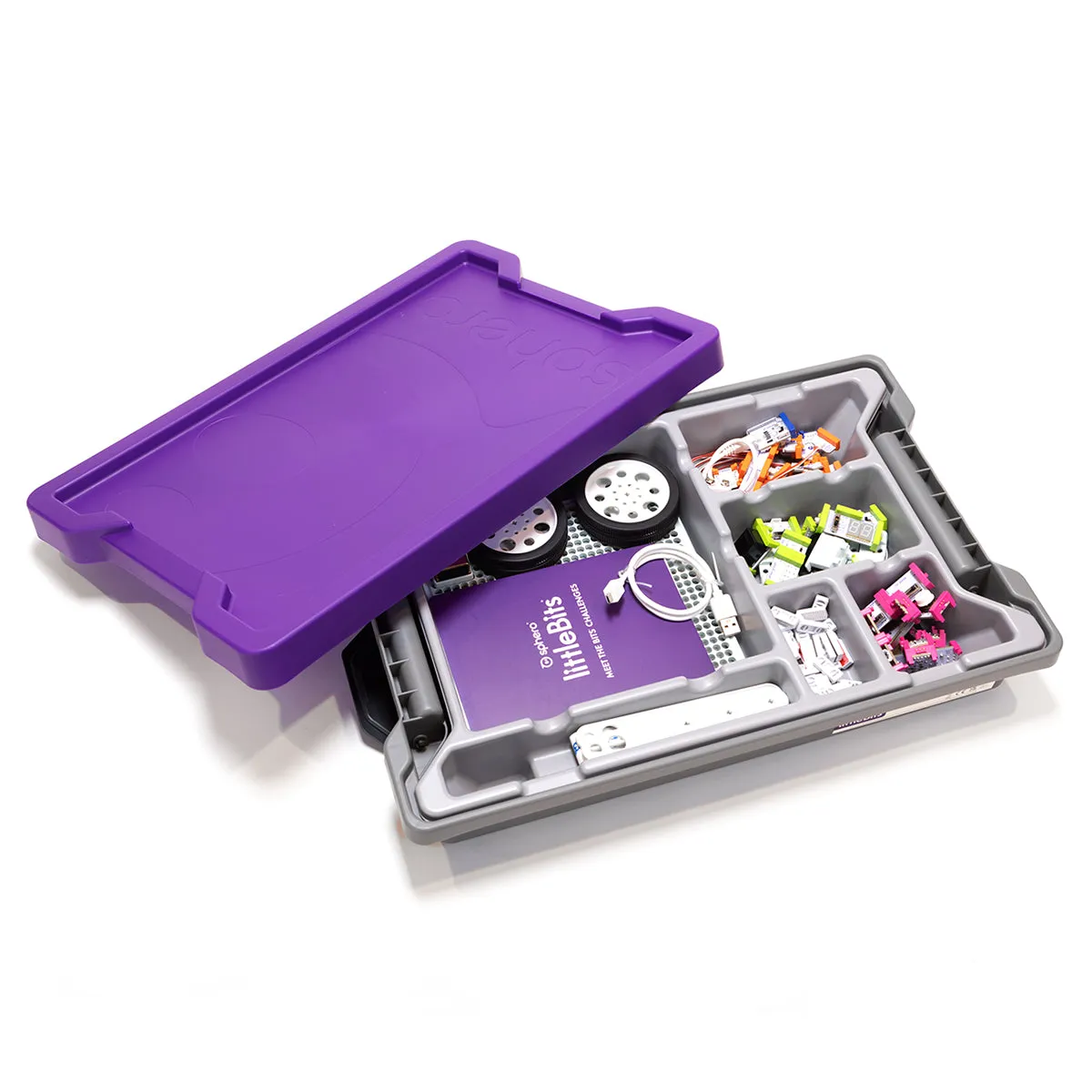
littleBits fills a critical gap: sophisticated enough for 10-12 year olds who've outgrown Snap Circuits, approachable enough that no prior electronics knowledge is required. The magnetic snap-together modules produce real outputs — buzzers, motors, LED patterns — and the app-guided invention challenges add a design-thinking layer that pure circuit kits lack. The $80 price is steep for 10 modules, and the app dependency introduces fragility. But for the specific child who's curious about how things work and ready for more than instruction-following, littleBits delivers something no competitor at this price point does.

$80
Magformers 30-Piece Review

STEM & Building · Ages 3yr+

Magformers 30-Piece Review

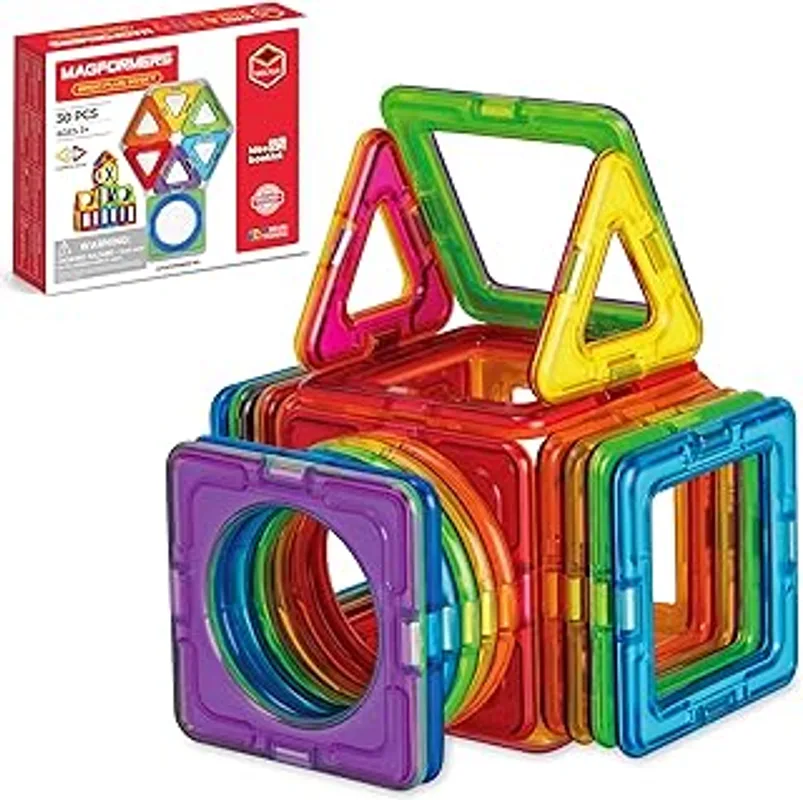
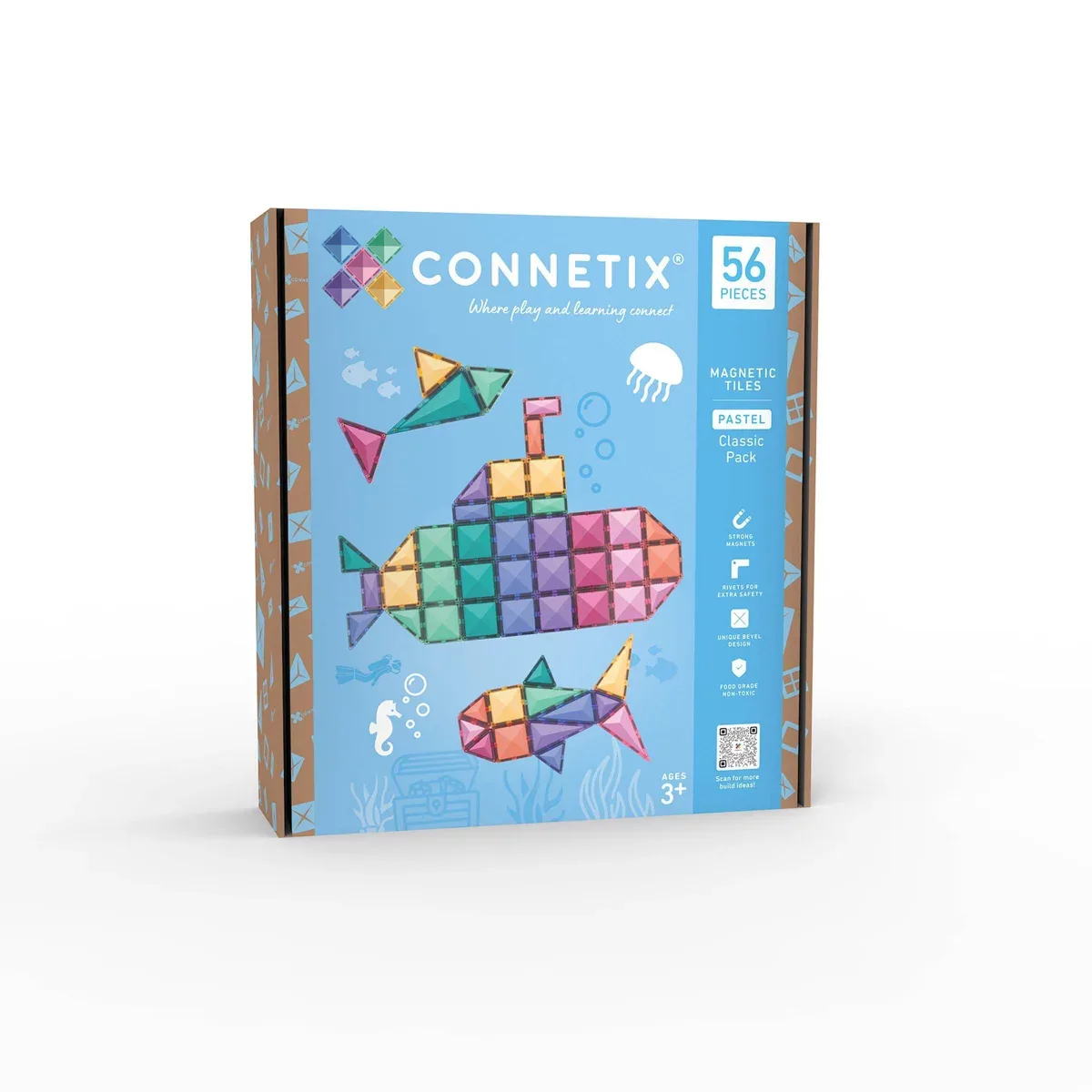
Magformers aren't Magna-Tiles with a different name — they're a fundamentally different building experience. The click-in-place mechanism creates 3D structures more intuitively than flat magnetic tiles, the pieces are more durable, and the 'net-to-solid' folding trick is genuinely magical for young spatial thinkers. The 30-piece count limits building scope, and the price-per-piece is high. But as a complement to — or a deliberate alternative to — Magna-Tiles, Magformers earn their shelf space.
$35
Snap Circuits Jr. SC-100 Review

STEM & Building · Ages 8yr+

Snap Circuits Jr. SC-100 Review

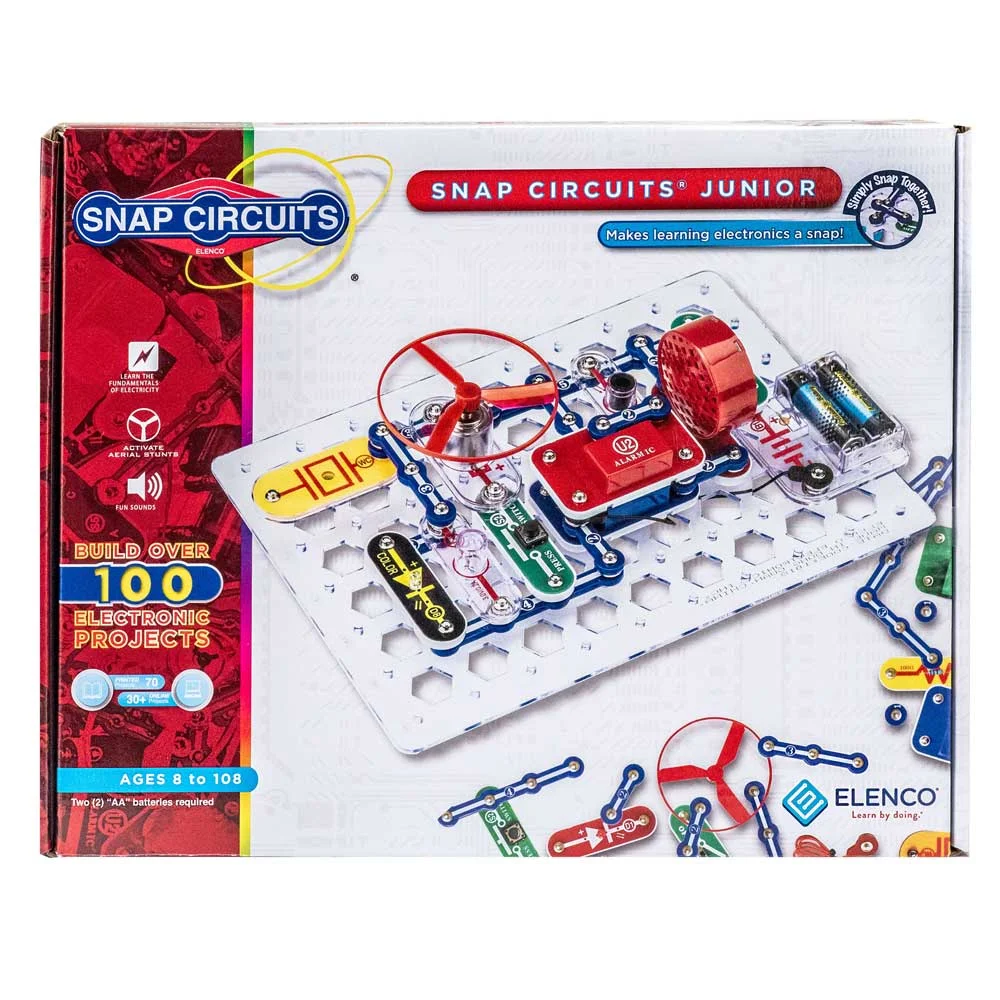
Snap Circuits Jr. delivers on its core promise — children build real circuits that do real things. The snap-together design removes soldering and wiring complexity, leaving the conceptual heart of electronics exposed. But does following illustrated instructions teach circuit theory, or just teach instruction-following? The answer is: it depends entirely on the adult in the room.

$35
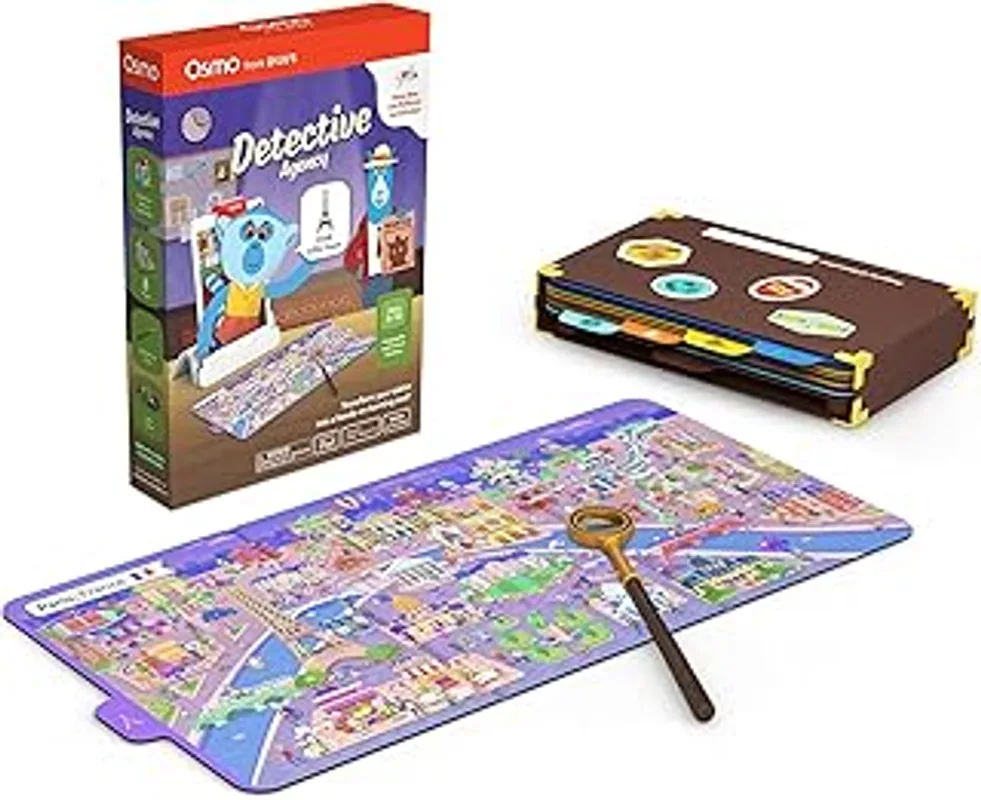
Osmo Pizza Co. Review

STEM & Building · Ages 5yr-12yr

Osmo Pizza Co. Review

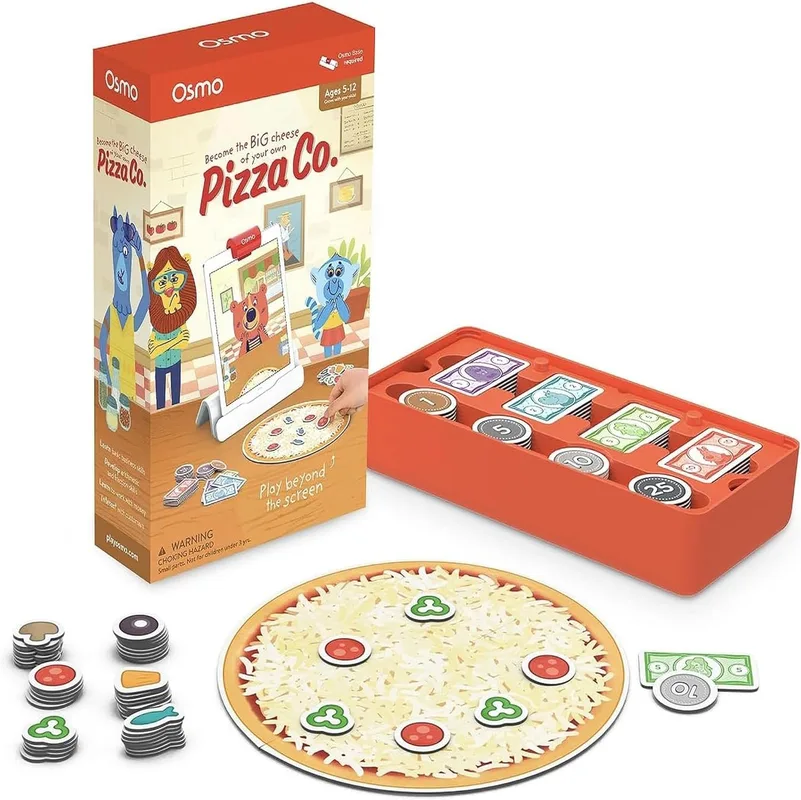
Osmo Pizza Co. is the most engaging math game we've tested — children genuinely want to play it, which is half the battle in math education. The physical-digital mechanic (placing real toppings on a felt pizza while the screen tracks orders) is clever, and the business-math layer adds fractions, money, and mental arithmetic in a context that feels like play, not practice. But the math depth is shallow, the progression plateaus quickly, and the iPad dependency adds cost and complexity. A solid supplementary math tool, not a transformative one.

$40
Qwirkle Review

Board Games · Ages 6yr+

Qwirkle Review

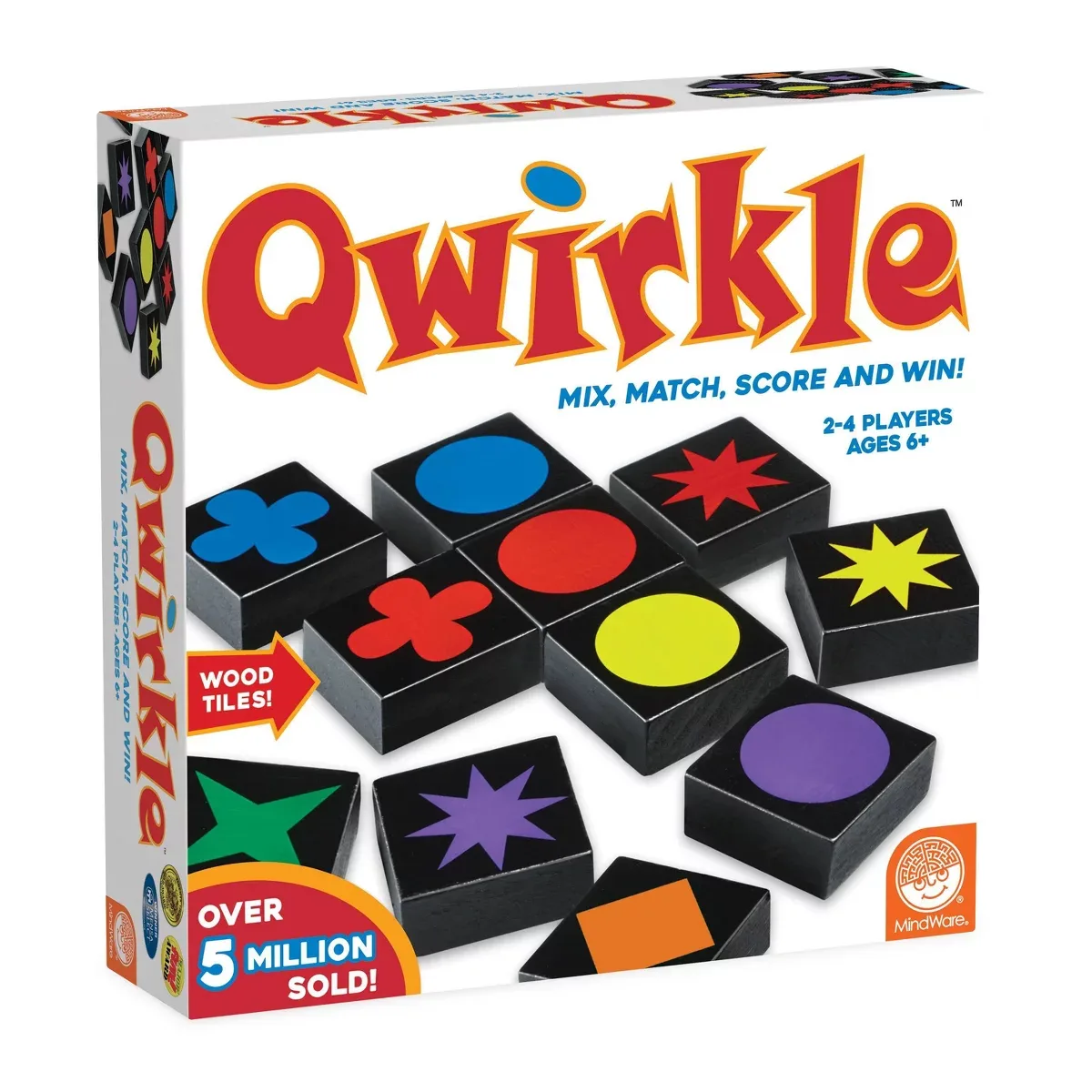
Qwirkle is a rare family game that works equally well as a casual tile-laying activity and a genuine strategic challenge. The pattern recognition and spatial reasoning it demands are exactly the cognitive skills that educational research values most — and it delivers them inside a game that a six-year-old and a grandparent can enjoy at the same table. At $25, this is one of the best value board games we've tested.

$25
Ravensburger Labyrinth Review

Board Games · Ages 7yr+

Ravensburger Labyrinth Review

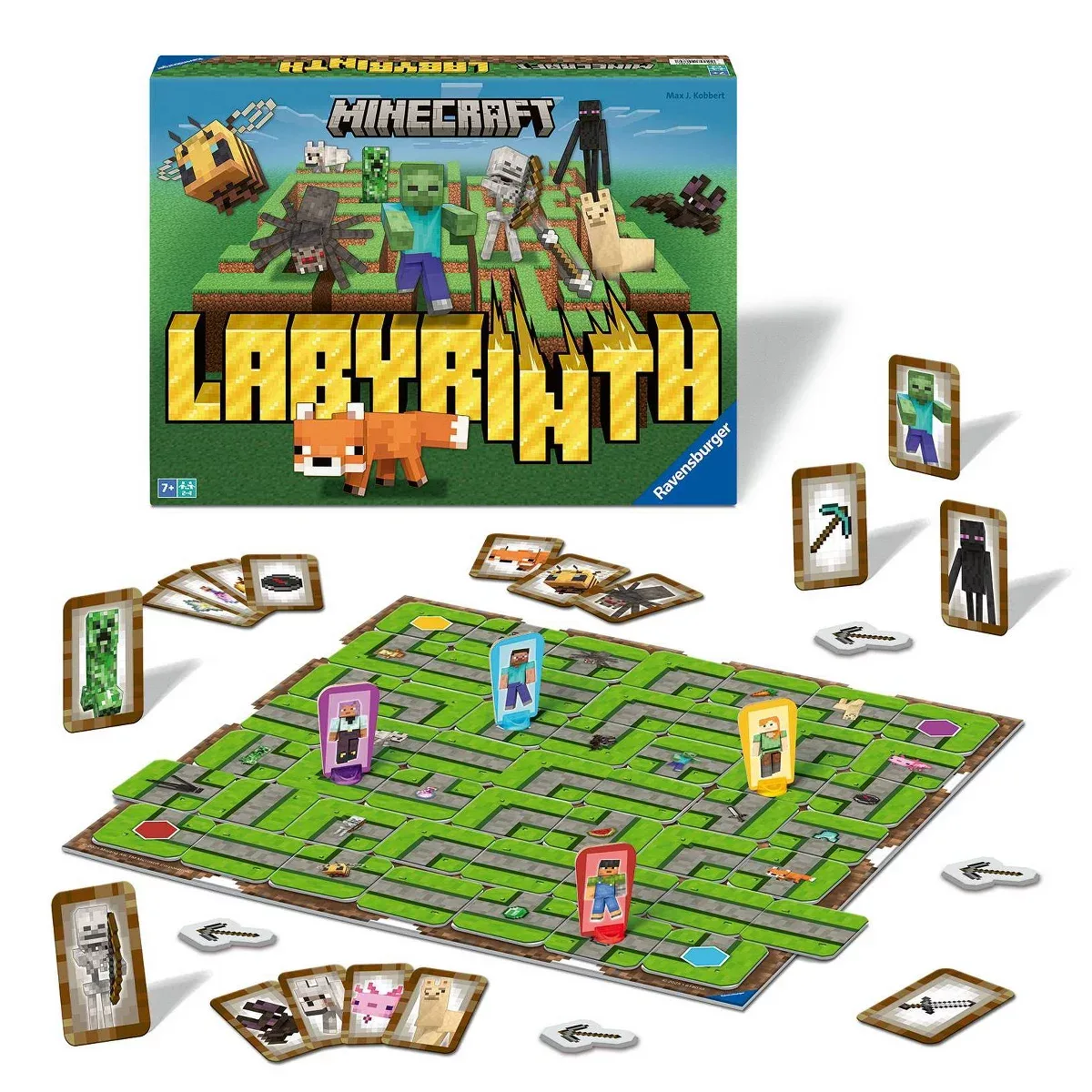
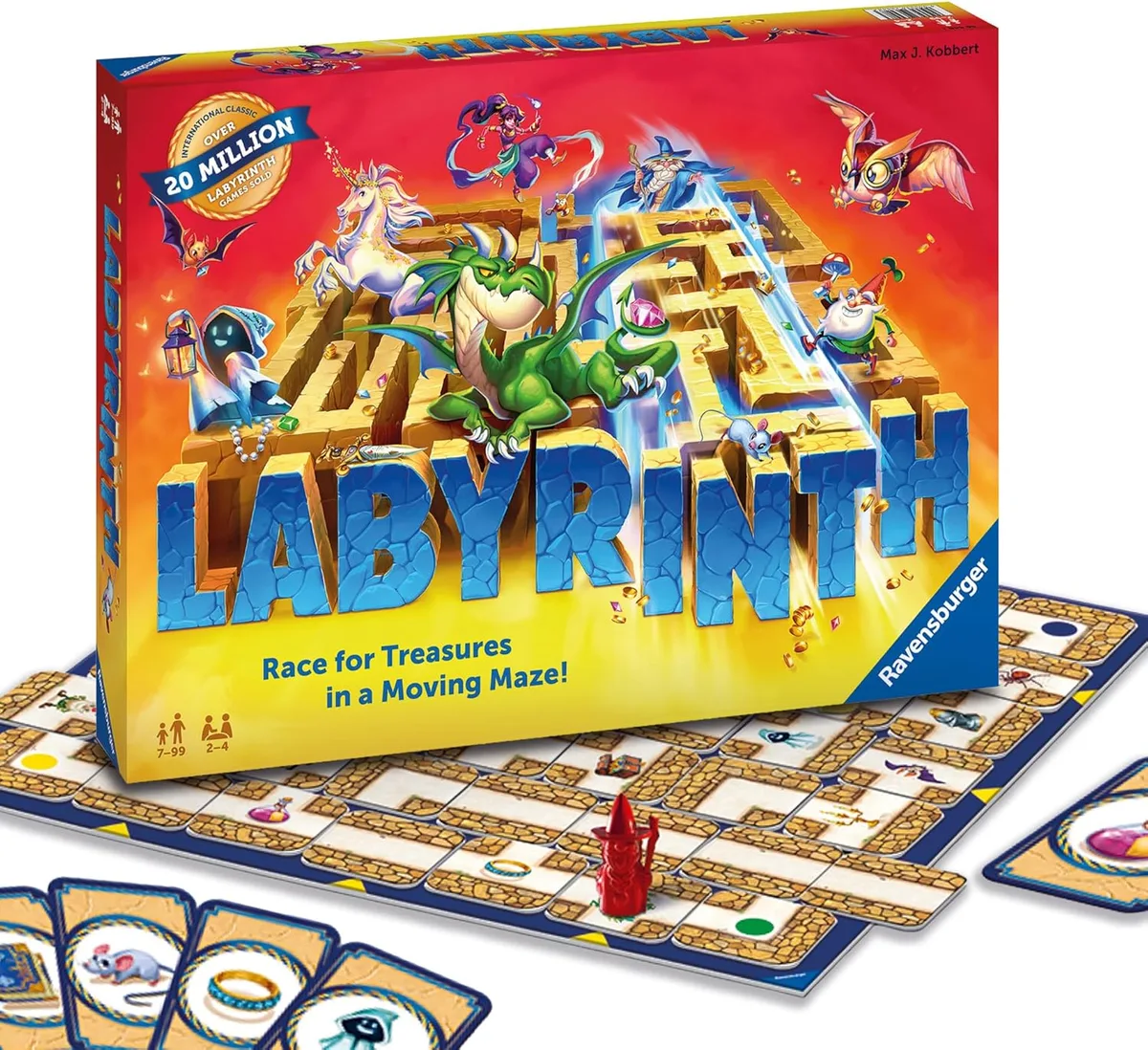
One of the best board games for developing spatial reasoning and strategic thinking in children ages 7-12. The sliding-tile mechanic is genuinely unique, the difficulty scales naturally with experience, and the game has endured since 1986 for good reason. Slightly steep learning curve for younger players.

$33
ThinkFun Gravity Maze Review

Board Games · Ages 8yr+

ThinkFun Gravity Maze Review

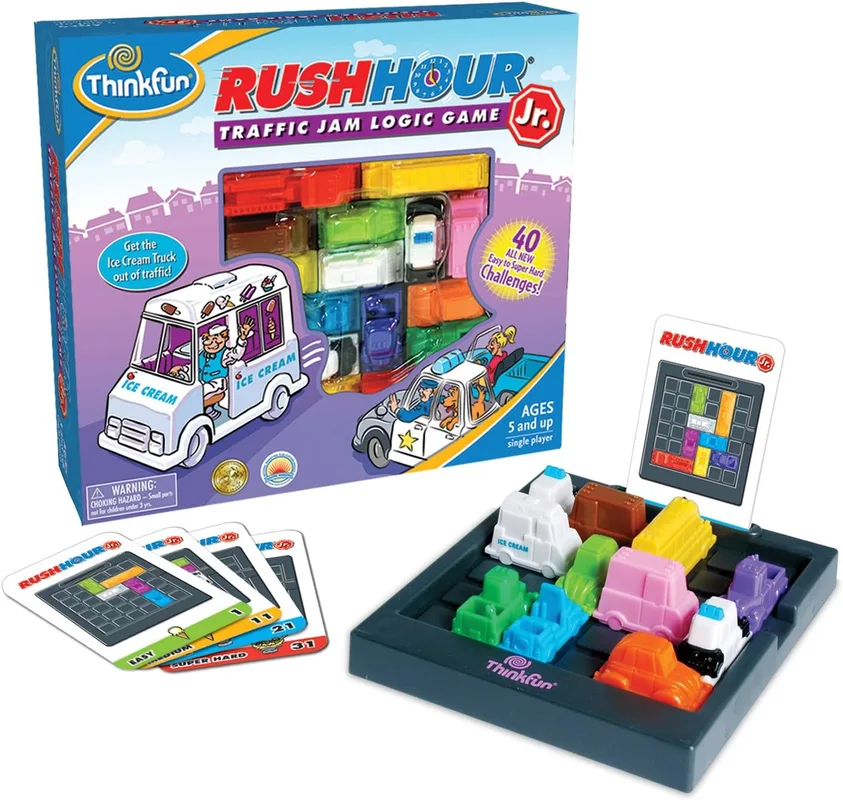
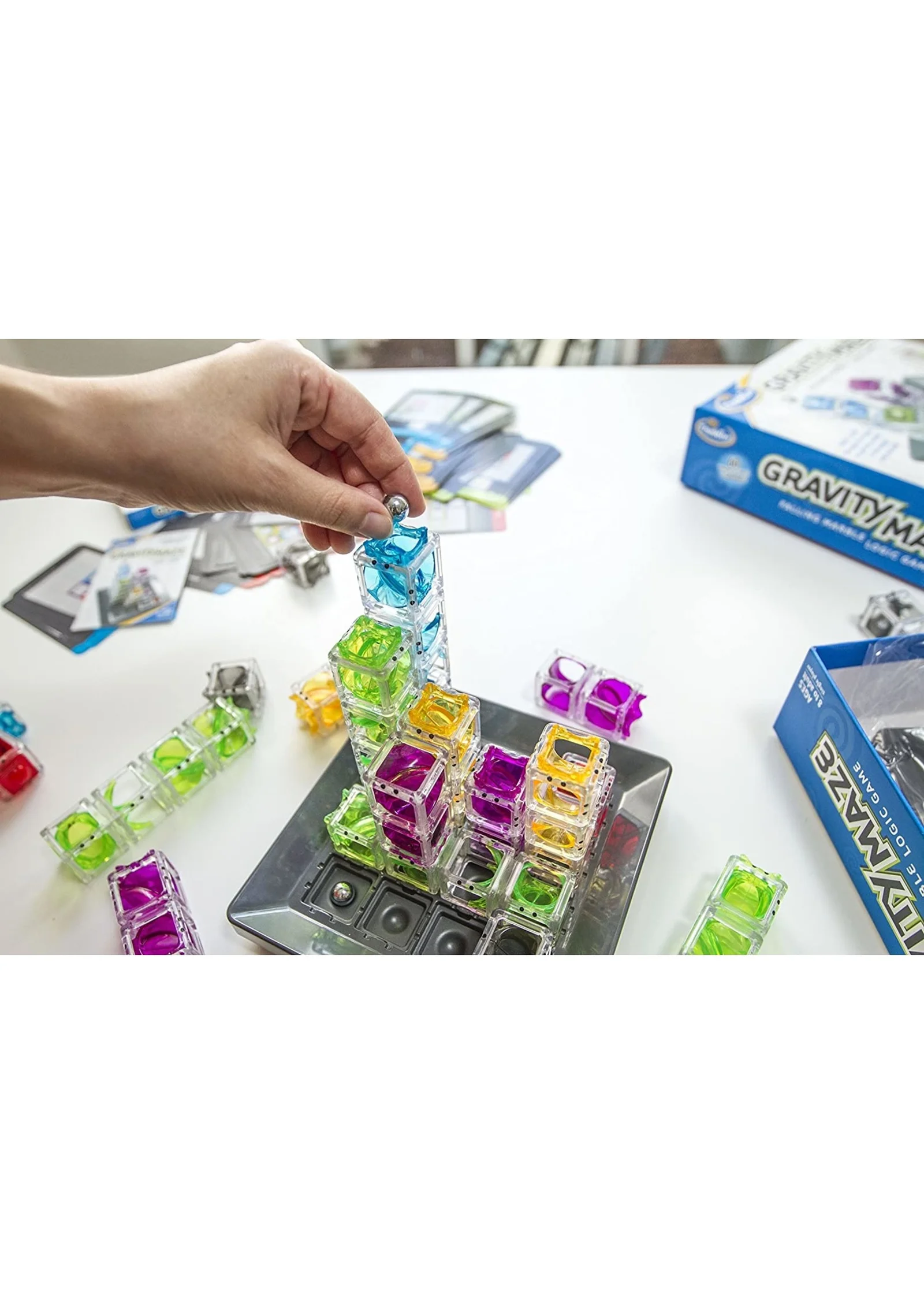
Gravity Maze is one of the best single-player puzzle toys on the market — a brilliantly designed challenge system that forces children to build three-dimensional mental models of gravity and spatial relationships. The 60 challenge cards provide a genuine difficulty curve from 'approachable' to 'you'll need to walk away and come back.' At $30, it offers hours of deeply focused problem-solving play that happens to be exceptional spatial reasoning training.

$30
Ticket to Ride

Board Games · Ages 6yr-10yr

Ticket to Ride

Ticket to Ride: First Journey is a masterful simplification of one of the best-selling board games in history — stripped down enough for a six-year-old to learn in five minutes, complex enough that a ten-year-old still has meaningful decisions to make. The executive function research supporting strategic board games is genuine and growing. At $28, this is one of the strongest entries in the children's strategy game space.

$28
Catan Junior Review

Board Games · Ages 6yr-12yr

Catan Junior Review

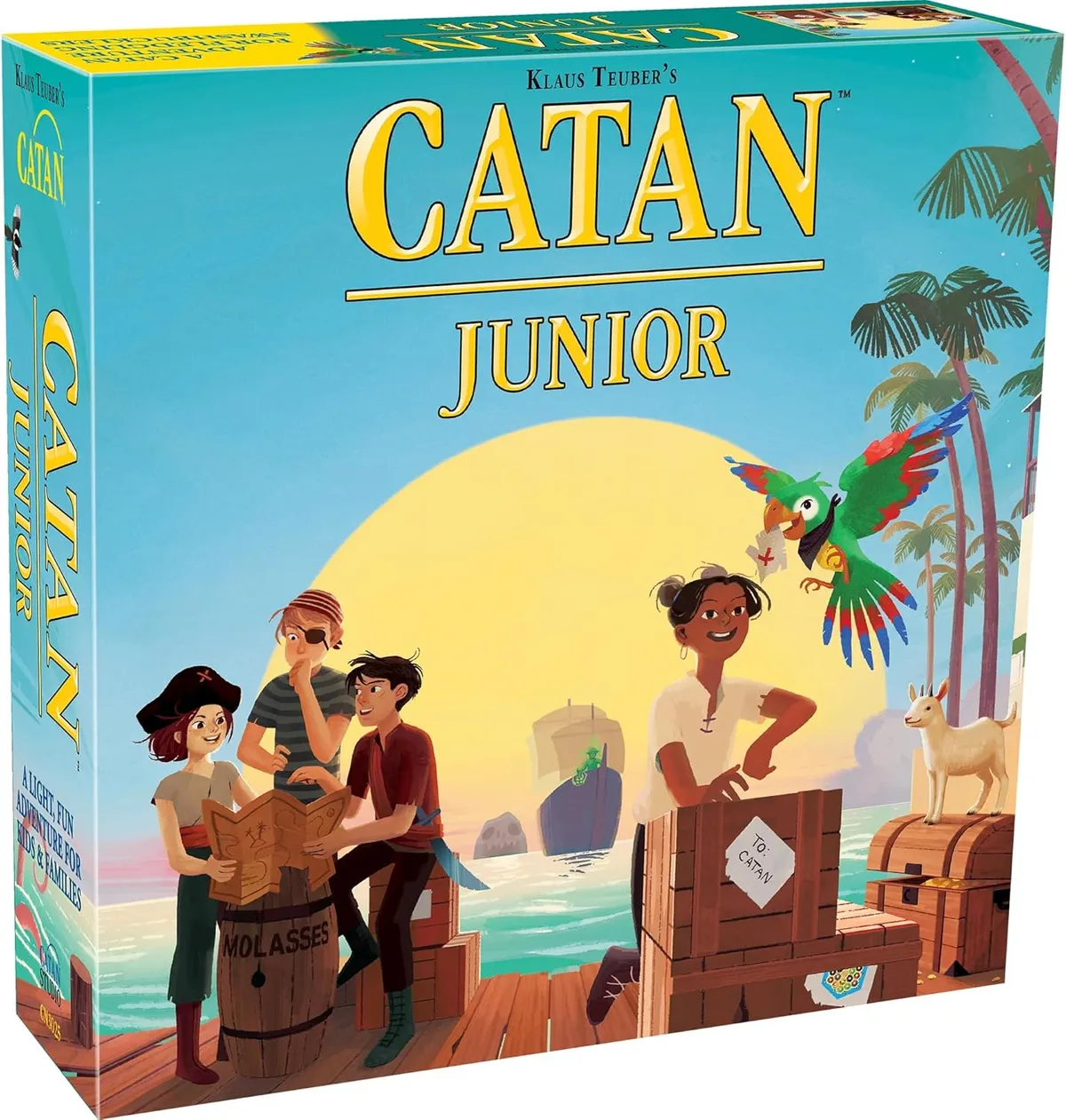
Catan Junior successfully translates the resource-trading, territory-building DNA of the Catan franchise into a game that six-year-olds can actually play. The strategic demands are real — resource management, trading negotiation, opportunity cost — and they exercise exactly the executive function skills that developmental research identifies as critical. It's not a watered-down Catan; it's a thoughtfully redesigned one. The brand recognition is a bonus, not the point.

$25
Osmo Genius Starter Kit Review

Board Games · Ages 5yr+

Osmo Genius Starter Kit Review

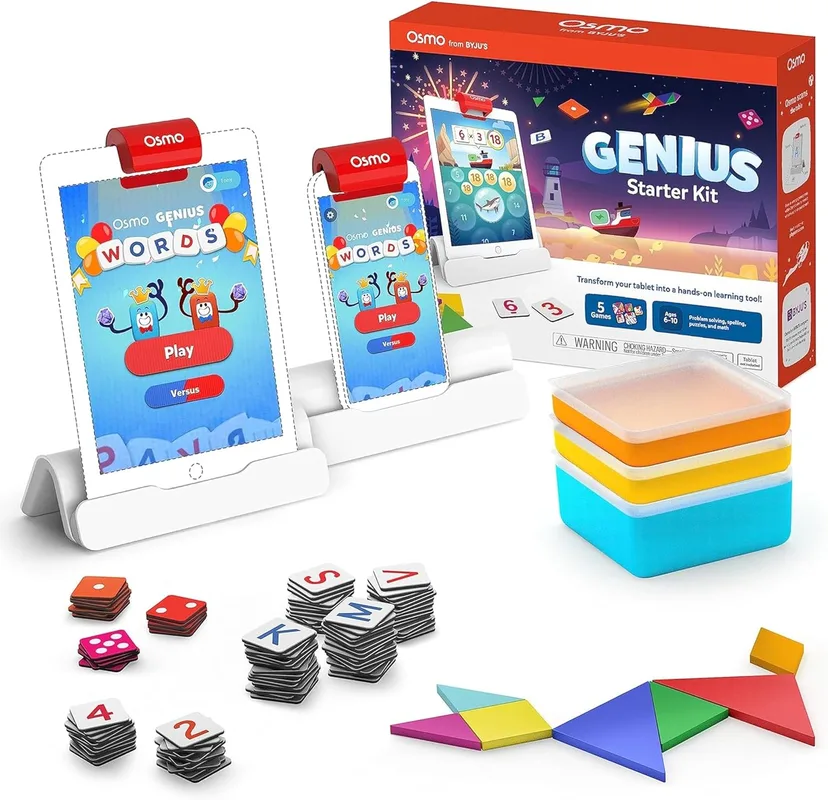
A clever piece of hardware with polished software that genuinely engages kids — but the '6x faster learning' claim is built on a single company-funded study with significant methodological concerns. Osmo is a good educational toy; it's just not the revolutionary learning platform the marketing suggests. At $100 plus the cost of an iPad, the investment needs honest expectations.

$100
Arteza Kids Watercolor Paint Set Review

Arts & Creative · Ages 5yr+

Arteza Kids Watercolor Paint Set Review

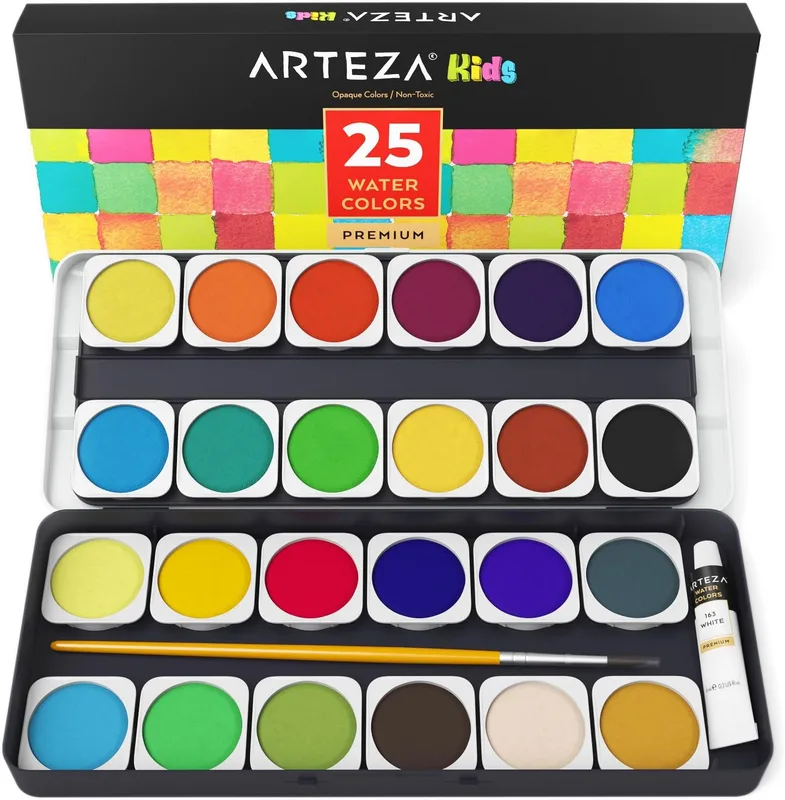
The Arteza Kids Watercolor Set is a genuinely good paint set at a fair price — better pigmentation, smoother application, and more colors than the drugstore alternatives most families default to. Whether better materials produce better creative outcomes is a harder question, and the research offers encouragement without certainty. What we can say: children in our testing painted longer, experimented more, and expressed more satisfaction with their results when using the Arteza set compared to budget alternatives.

$18
Crayola Inspiration Art Case Review

Arts & Creative · Ages 5yr+

Crayola Inspiration Art Case Review

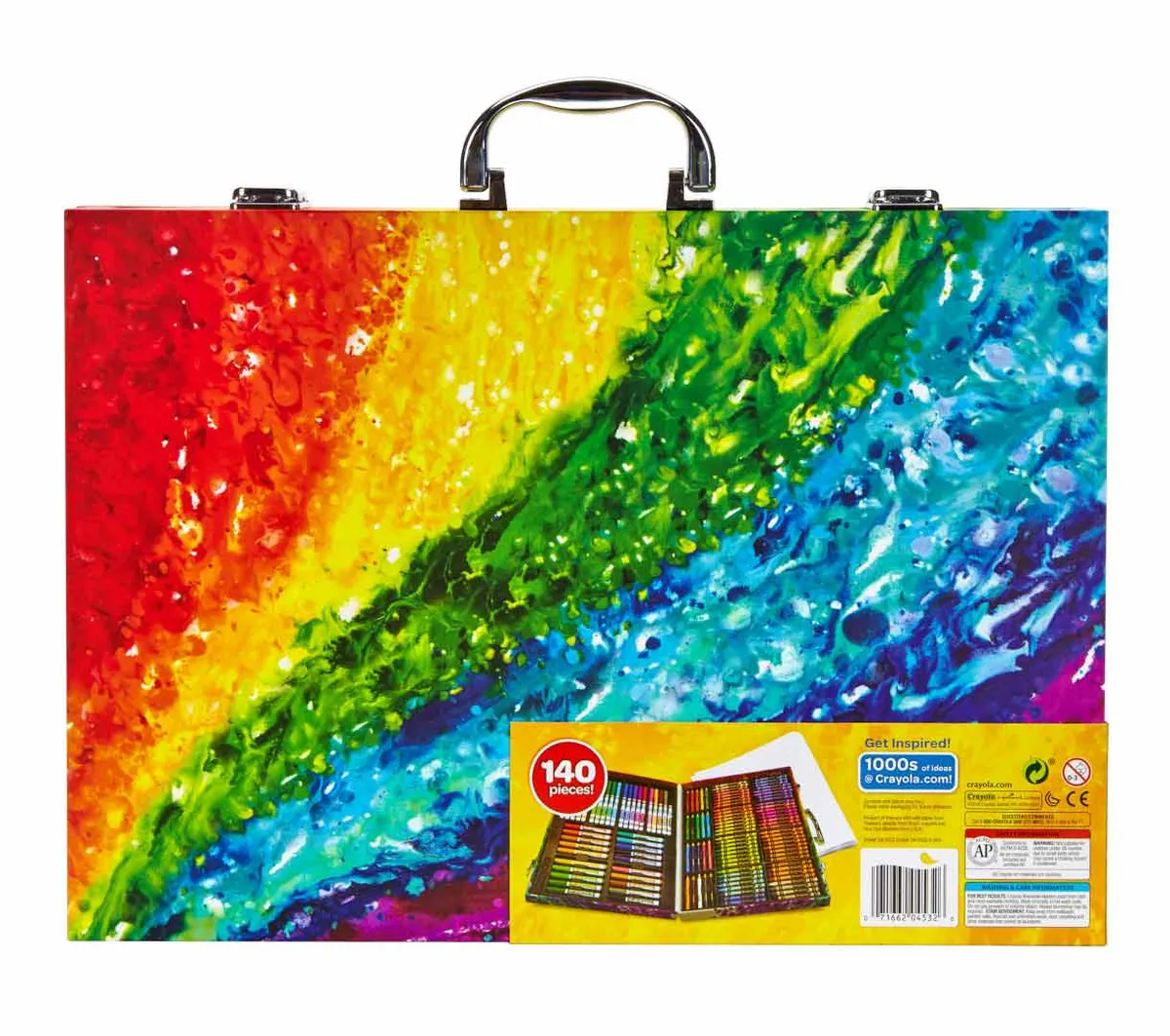
An excellent value art supply starter set that provides genuine creative breadth for young artists. The individual piece quality is mediocre — this is quantity over quality — but the variety sparks experimentation in a way that a box of 24 crayons cannot. The research on creative play and child development is surprisingly robust.

$25
Crayola Washable Sidewalk Chalk Review

Arts & Creative · Ages 4yr-10yr

Crayola Washable Sidewalk Chalk Review

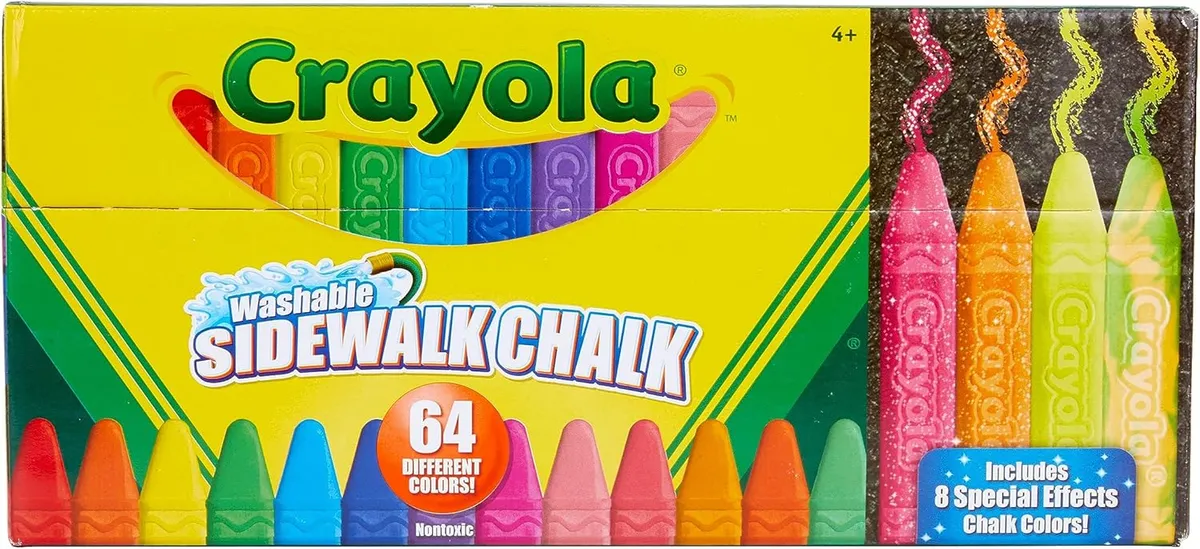
Crayola's 64-count sidewalk chalk is a summer staple that delivers massive creative surface area for almost no money. The chalk itself is decent — vivid colors, smooth lay-down, and genuinely washable. There is no published research on sidewalk chalk and child development. What exists is the obvious: large-scale outdoor mark-making is physically engaging, creatively liberating, and one of the few art forms where the canvas is literally unlimited. At $12, this is less a toy purchase and more a seasonal infrastructure investment.

$12
Kinetic Sand Review

Arts & Creative · Ages 3yr-9yr

Kinetic Sand Review

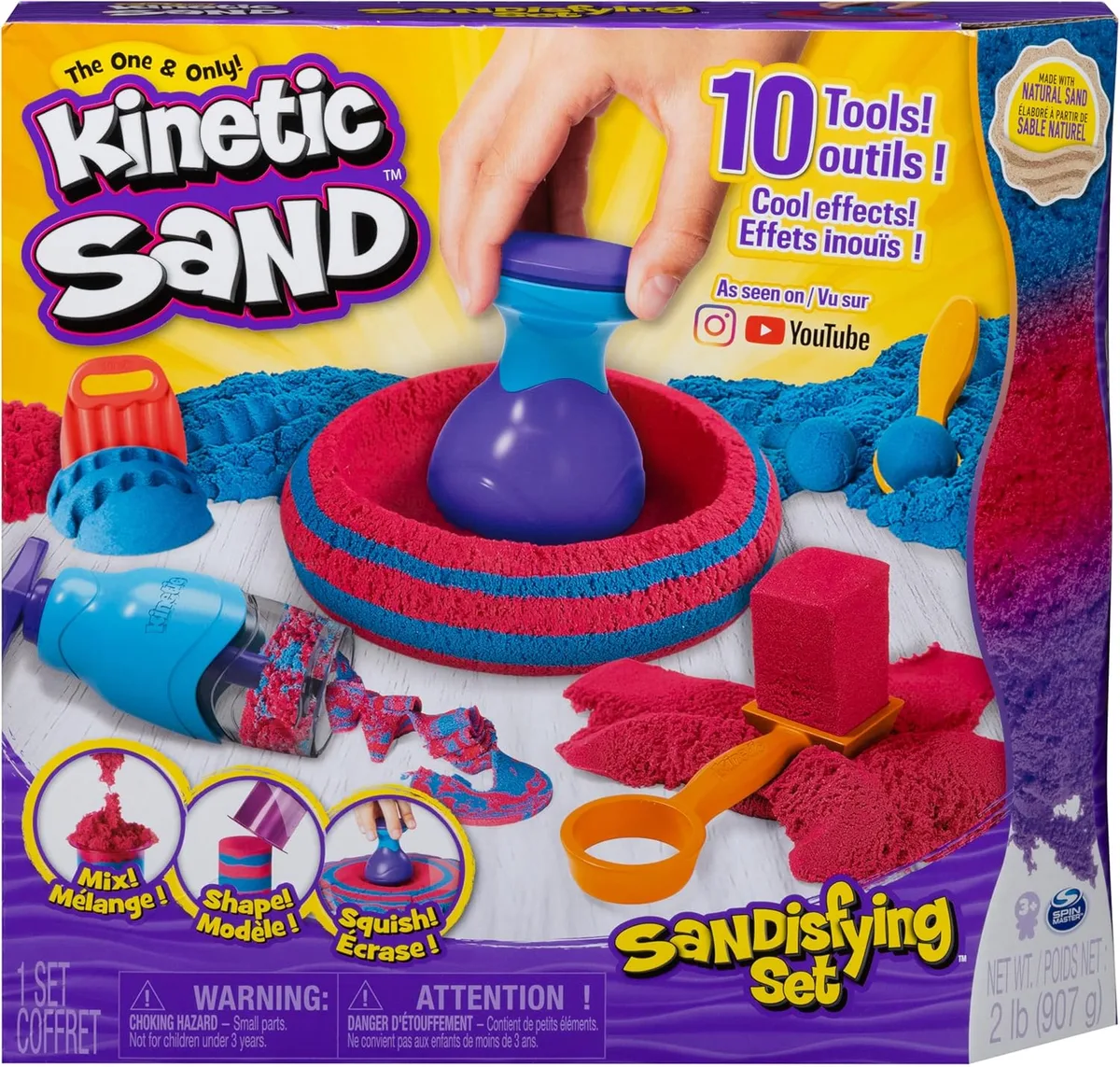
Kinetic Sand is a genuinely satisfying sensory material that delivers on its viral promise — it feels extraordinary and holds shapes beautifully. The sensory play research is real but general, not specific to this product. At $15, it's a low-risk purchase that most children will enjoy, though the developmental claims are thinner than the marketing suggests.

$15
Crayola Light Up Tracing Pad Review

Arts & Creative · Ages 6yr-12yr

Crayola Light Up Tracing Pad Review

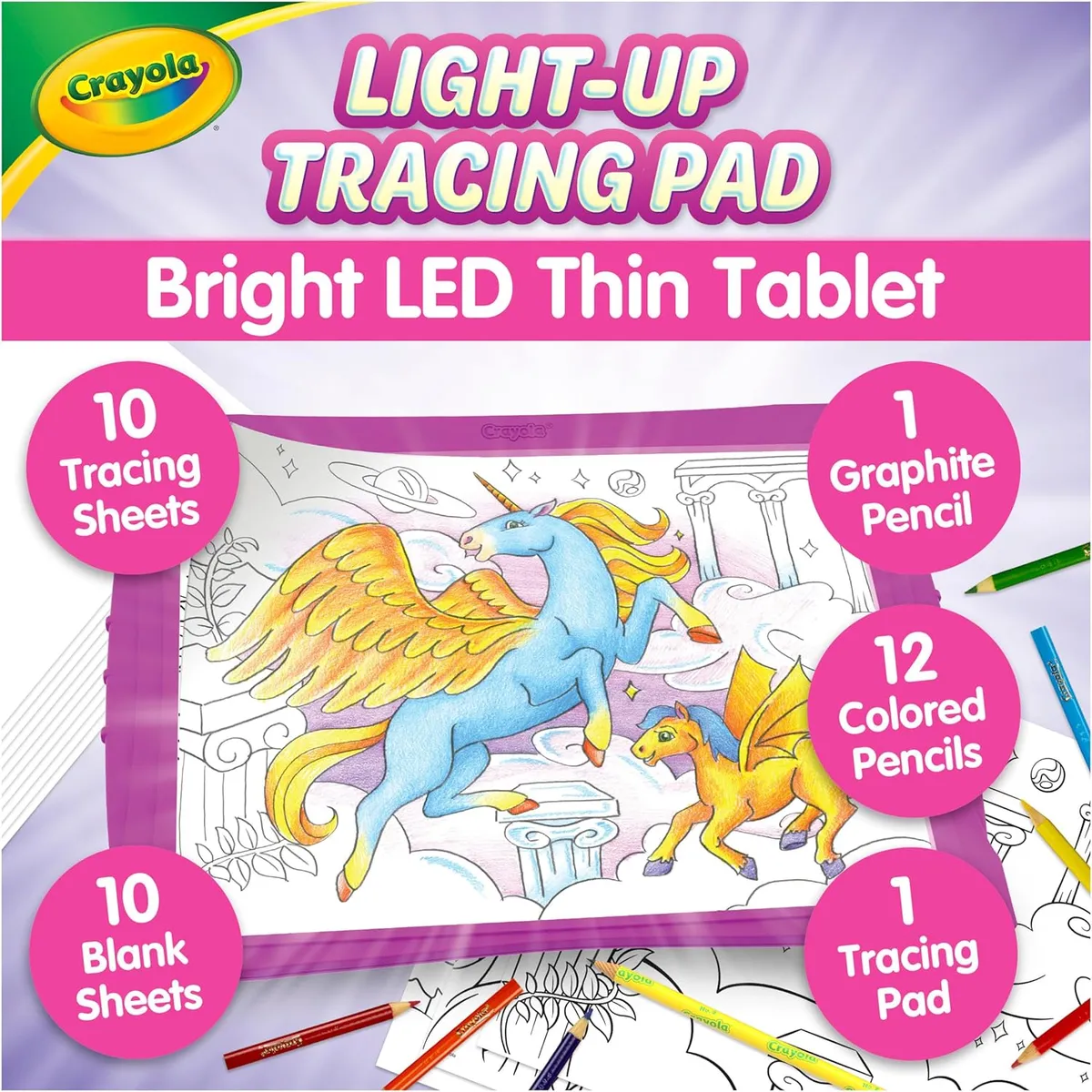
The Crayola Light Up Tracing Pad is a polished product with a satisfying glow and enough included materials to get started immediately. But the developmental question — does tracing build drawing skills? — has a complicated answer. Tracing strengthens visual-motor integration and line control, but it doesn't teach creative observation or compositional thinking. It's a fine motor exercise dressed as art instruction. Useful, but more limited than the marketing implies.

$25