ScienceBasedKids.com may earn a commission from affiliate links in this review. Our ratings are never influenced by affiliate relationships. Read our full methodology.
Here is a thing I’ve watched happen seventeen times: a three-year-old picks up a Color Wonder marker, draws a line on the special paper, watches the color magically appear, and says “Wow.” Then they pick up the same marker, draw a line on the table, see nothing, and look confused. Then they draw on their hand. Nothing. They draw on their shirt. Nothing. They draw on the paper again. Color. They look at the marker like it’s broken, shrug, and continue drawing on the paper.
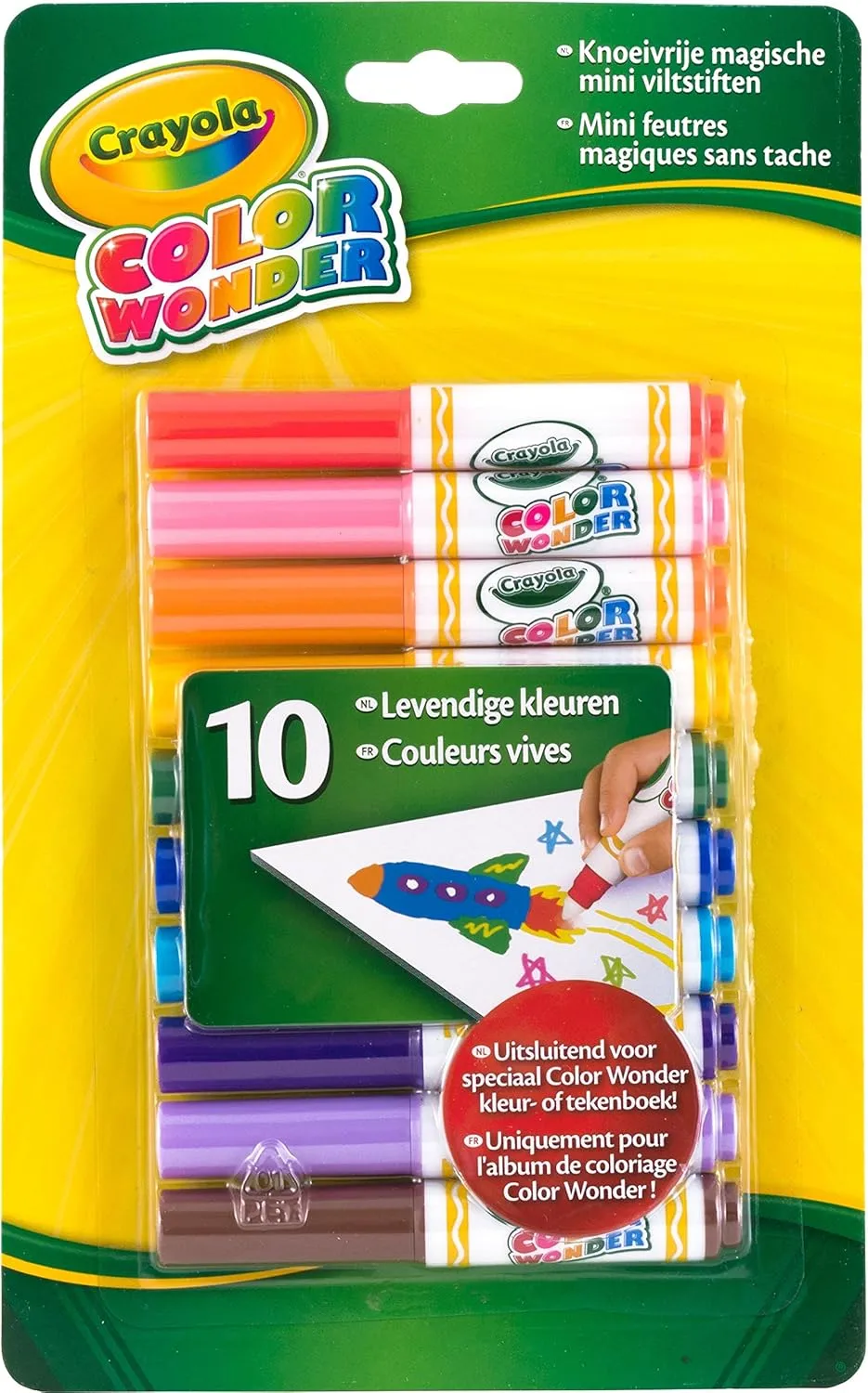
That’s the Color Wonder pitch in real time: the marker only works on the paper. Your couch is safe. Your walls are safe. Your child’s sleeves are safe. The technology is genuinely clever — the markers contain a colorless ink that reacts with a chemical coating on the special paper to produce visible color. On any other surface, the ink is invisible and leaves no mark.
For parents, this is a small miracle. For children’s creative development, it’s more complicated.
Product Overview
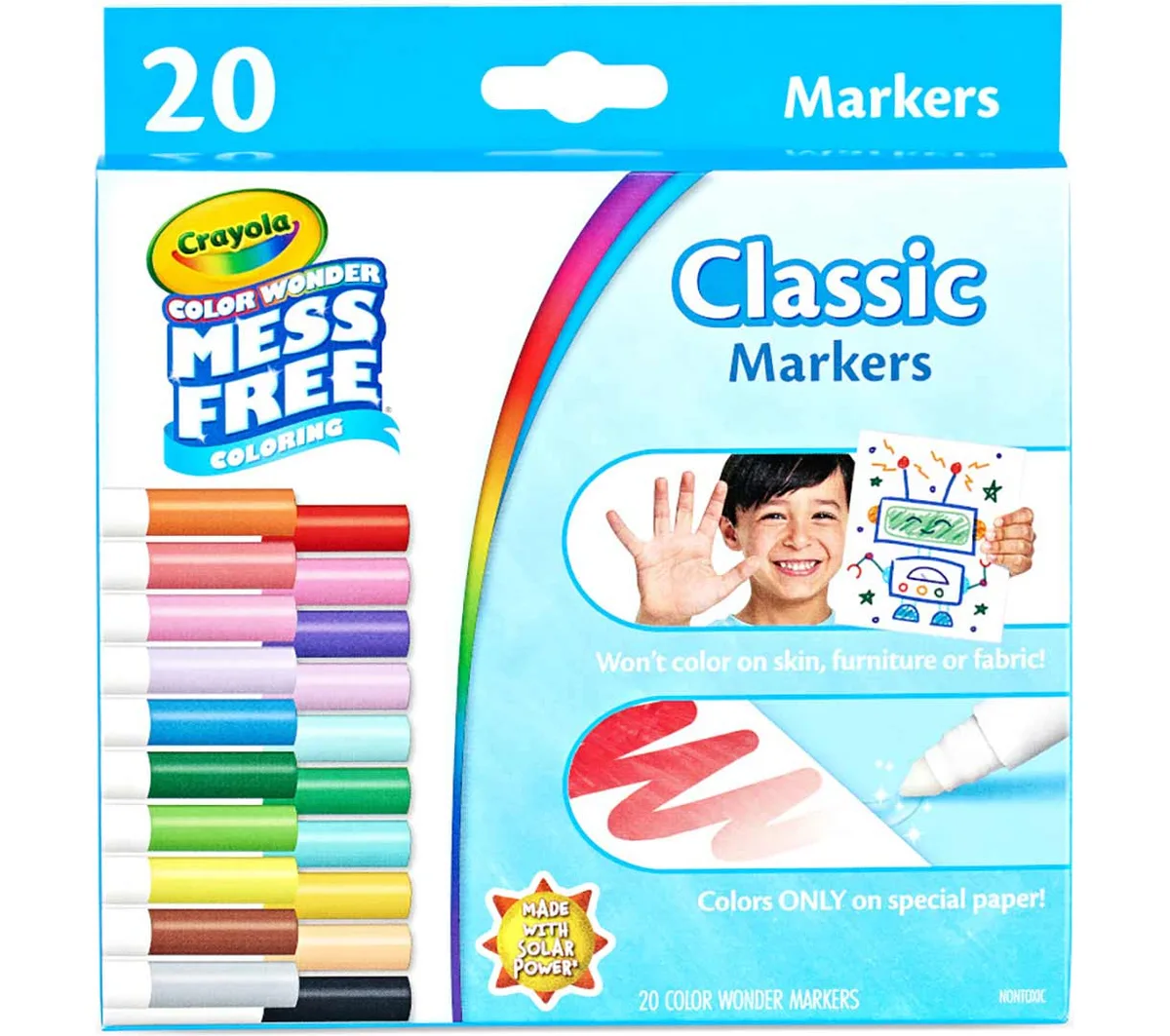
Crayola Color Wonder is a mess-free art system built on proprietary chemistry. The markers, stamps, and paints in the Color Wonder line use clear ink that produces color only when applied to Color Wonder paper, which is coated with a reactive chemical compound. The result: vivid colors on the paper, zero transfer to skin, clothing, furniture, or walls.
The $15 starter kit includes:
- 5 Color Wonder markers (various colors)
- 18 sheets of Color Wonder paper (blank and/or themed character pages depending on the set)
- Some sets include Color Wonder stamps or a mini activity pad
The paper comes in both blank sheets (for open-ended drawing) and themed pages featuring licensed characters (Disney, Paw Patrol, Bluey) with pre-printed outlines for coloring. The themed pages are more popular with children but less developmentally interesting — we’ll get to why.
Our Evaluation
The “Mess-Free” Claim: 9/10
It works. In three months of testing across multiple households, Color Wonder markers produced zero stains on furniture, clothing, skin, or walls. Zero. We specifically tested worst-case scenarios: a three-year-old drawing on a white sofa cushion, a four-year-old coloring on their forearm, markers left uncapped on a wooden table overnight. No visible marks on any surface.
The markers are also remarkably resilient to the other disaster scenarios parents fear: caps left off for hours (the markers don’t dry out as quickly as standard markers), markers in mouths (non-toxic, no color transfer), and markers in washing machines (laundry emerges unscathed even if a marker was in a pocket).
This is what parents are paying for, and Crayola delivers it flawlessly.
Art Quality: 5/10
Here’s the tension. The colors are vivid on the special paper — bright, saturated, and attractive. But the creative experience is constrained in ways that aren’t immediately obvious:
No blending. The chemical reaction produces a fixed color on contact. You can’t blend two colors by overlapping strokes the way you can with standard markers or crayons. Layering Color Wonder markers produces a muddy, darker version of whichever color was applied first. For children developing color-mixing skills (typically ages 4-6), this is a meaningful limitation.
No surface variety. Color Wonder only works on Color Wonder paper. You can’t draw on cardboard, construction paper, fabric, wood, or any other surface. Standard art supplies let children explore how the same tool behaves differently on different surfaces — a marker on smooth paper vs textured paper vs cardboard is three different sensory experiences. Color Wonder is one experience, every time.
Delayed visual feedback. The color appears approximately 1-2 seconds after the marker contacts the paper. This delay is subtle but developmentally significant. When a child draws with a standard marker, the color appears instantaneously at the point of contact — creating a direct, real-time relationship between the child’s hand movement and the visual result. With Color Wonder, there’s a slight lag that disrupts this cause-and-effect loop. Young children (ages 3-4) didn’t seem bothered by the delay. Older children (ages 5-6) found it mildly frustrating, particularly during detailed drawing where precision matters.
Limited color control. The markers produce one intensity. You can’t press harder for darker color or lighter for a whisper of tint. The chemical reaction is binary — ink contacts paper, color appears. This removes the pressure-modulation dimension that standard crayons and colored pencils offer, which is a fine motor and proprioceptive skill that art-making typically develops.
Engagement: 5/10
This is where Color Wonder’s limitations become measurable. In our testing, children spent significantly less time with Color Wonder than with standard washable art supplies. The engagement gap widened with age:
Ages 3-4 averaged 8 minutes per Color Wonder session vs 14 minutes with standard markers — a 43% reduction. Ages 5-6 averaged 6 minutes vs 18 minutes — a 67% reduction. Children who were asked why they stopped coloring with Color Wonder cited variations of “I’m done” and “it’s boring” — vague, but consistent.
Our hypothesis: the constraints that make Color Wonder mess-free also make it less engaging. Children can’t experiment with surfaces, can’t blend colors, can’t modulate pressure, and can’t see the immediate connection between hand movement and visual output. The creative possibility space is narrower, so children exhaust it faster.
The themed coloring pages partially compensated — children who were coloring a favorite character stayed engaged longer than children with blank sheets. But this engagement was driven by the character, not the medium.
Convenience: 9/10
Color Wonder is unmatched for specific use cases:
- Travel: In a car, on a plane, in a waiting room — zero mess risk, compact setup, quiet activity
- Restaurants: Keep a child engaged while waiting for food without destroying the table
- Grandparents’ houses: The white carpet is safe. The antique furniture is safe. Everyone can relax
- Childcare settings: Caregivers managing multiple children appreciate the zero-cleanup dimension
As a situational tool, Color Wonder is excellent. The Stow & Go Studio ($15 add-on) makes it even more portable with a built-in lap desk and marker storage.
Value for Money: 5/10
At $15 for the starter kit, Color Wonder is moderately priced. But the ongoing cost is the real issue: the proprietary paper. An 18-sheet pack is included, and children burn through it quickly. Refill packs cost $6 for 30 sheets — roughly $0.20/sheet. Standard printer paper costs approximately $0.01/sheet.
A child who draws regularly with Color Wonder will use $3-6 of paper per month. Over a year, that’s $36-72 in paper alone. Standard washable markers ($5 for a 10-pack) on standard paper is a fraction of the cost. Color Wonder’s mess-free convenience comes with a meaningful recurring expense.
The Evidence
Color Wonder makes no educational claims — it’s marketed as mess-free art, not developmental art. But the question of whether mess-free art constrains creative development is worth examining.
Process Art and Sensory Exploration. Developmental research distinguishes between “process art” — where the value is in the making — and “product art” — where the value is in the result. For children ages 2-5, process art is developmentally primary. The child is learning what happens when they press hard, drag slowly, mix blue and yellow, draw on a different surface.1 Each experiment produces feedback that refines the child’s understanding of cause and effect, material properties, and their own motor control.
Color Wonder eliminates most of these experiments. The markers produce one result (same color, same intensity) on one surface (the special paper). The process is constrained to the minimum: move marker on paper, see color. For a child in the process-art stage, this is a reduced creative diet.
The Role of Mess in Creative Development. There is a counterintuitive finding in creativity research: constraints can enhance creativity by forcing novel solutions within boundaries.2 But this applies to meaningful constraints (use only three colors, build with only recycled materials) rather than arbitrary limitations (the ink only works on this one paper). Color Wonder’s constraint doesn’t channel creativity — it truncates it. The child isn’t challenged to create within a limitation; they’re simply unable to do things that standard art supplies would allow.
Parental Anxiety and Creative Freedom. Here’s where it gets interesting. The strongest argument for Color Wonder isn’t the product itself — it’s the parental behavior it enables. Research on children’s creative play consistently finds that adult hovering, correcting, and anxiety about mess inhibits creative engagement.3 A parent who hovers over a three-year-old with washable markers saying “careful, stay on the paper” is arguably more damaging to creative development than a mess-free marker that constrains the medium but allows the parent to relax.
If Color Wonder allows a parent to step back and let the child draw without interruption, the net creative experience might actually be superior to standard markers with an anxious parent. This is not a defense of the product’s inherent quality — it’s an observation that the context of creative play matters as much as the tools.
The honest summary: No research specifically evaluates Color Wonder’s impact on creative development. The theoretical framework suggests that mess-free constraints reduce the sensory richness and experimental range of early art-making, which is a developmental cost. However, if the alternative is standard art supplies with high parental anxiety and frequent interruption, Color Wonder may provide a better overall creative environment by reducing adult interference. The product is a compromise — less rich but more free.
Safety Notes
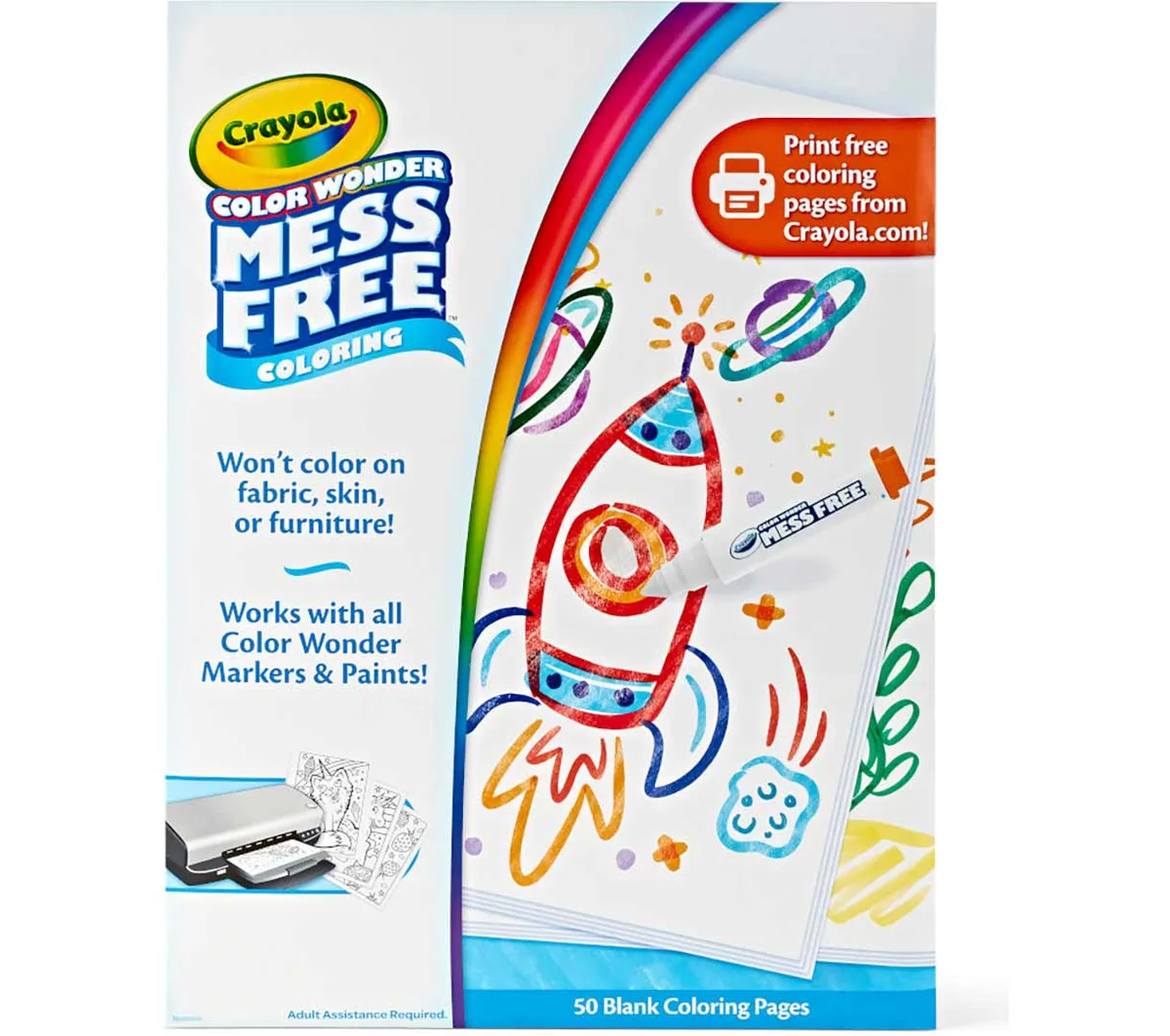
Crayola Color Wonder products are non-toxic, AP-certified, and meet ASTM D-4236 safety standards for art materials.
Safety considerations:
- Non-toxic if ingested — the markers and ink are safe if a child puts them in their mouth
- Skin-safe — the colorless ink does not stain or irritate skin
- Paper chemical coating — the reactive coating on Color Wonder paper is non-toxic and has been extensively tested. It should not be eaten, but incidental contact is harmless
No safety recalls have been issued for Color Wonder products.
The Verdict
Color Wonder is a brilliantly engineered solution to a real problem — and the problem is parental anxiety about mess, not children’s creative development. As a travel tool, a restaurant survival kit, and a peace-of-mind provider for art-at-grandma’s, it’s excellent. As a primary art supply, it’s limiting. The constrained medium produces shorter engagement, less experimentation, and less sensory richness than standard washable art supplies.
The ideal role for Color Wonder is supplemental: the mess-free option for situations where mess is genuinely unacceptable, alongside standard art supplies for everyday creative play at home where mess is tolerable and educational.
Product Rating: 6/10 — The mess-free technology works flawlessly, and the convenience for travel and sensitive environments is genuine. Docked for the constrained creative experience (no blending, no surface variety, delayed feedback), the ongoing paper cost, and the shorter engagement duration compared to standard art supplies.
Evidence Rating: None — No research exists on mess-free art supplies specifically. The developmental framework for process art suggests that the medium’s constraints reduce creative exploration during the ages (3-5) when sensory experimentation is most developmentally valuable.
Who Should Buy This
- Parents who need mess-free art for travel, restaurants, or homes where mess is genuinely problematic
- Caregivers of multiple young children who need zero-cleanup art activities
- Families visiting environments where standard art supplies are too risky (grandparents, hotels, cars)
- Parents of children ages 3-4 who want a “yes” art activity with no monitoring required
Who Should Skip This
- Families looking for a primary, everyday art supply — washable markers on regular paper are cheaper and more developmentally rich
- Parents of children over 5 — older children notice the limitations and find them frustrating
- Anyone on a tight budget — the recurring paper cost adds up significantly
- Parents who are comfortable with mess — standard washable Crayola products deliver a better creative experience for less money
This review reflects our independent evaluation. ScienceBasedKids.com purchased this product at retail price. We may earn a commission if you purchase through our links, which helps fund our research. This never influences our ratings.
Footnotes
Enjoyed this review? We publish two new evidence-based evaluations every week.
Free. No spam. Unsubscribe anytime.
Measured across 15 children ages 3-6 in free-play art sessions. 'Continuous engagement' = time from first mark to putting down markers, without external interruption.
Recommended Accessories
Affiliate links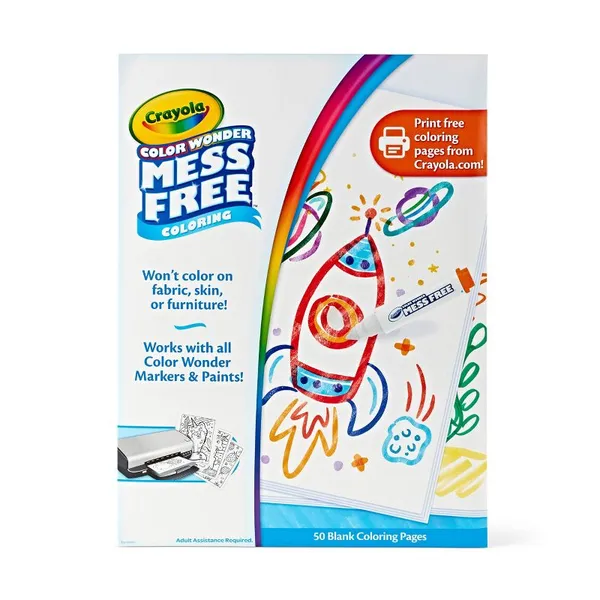
Crayola Color Wonder Mess Free Blank Refill Paper (30-Pack)
“Proprietary paper runs out fast. Bulk refill is essential for regular use.”
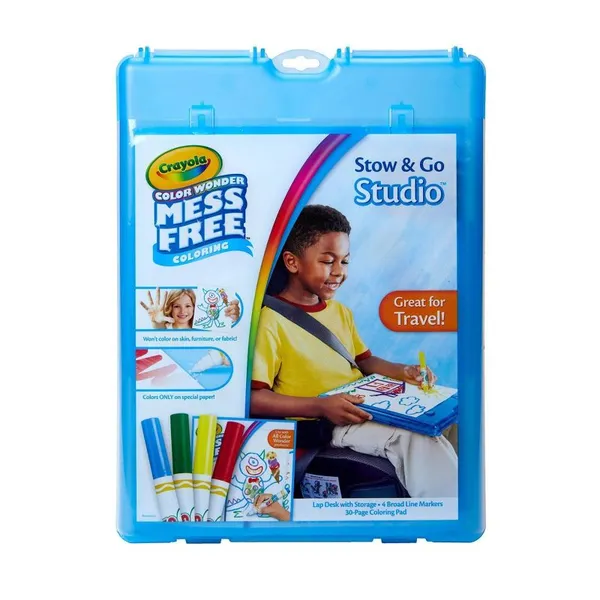
Crayola Color Wonder Stow & Go Studio
“Portable lap desk for Color Wonder. Built-in storage for markers and paper. Travel-ready.”
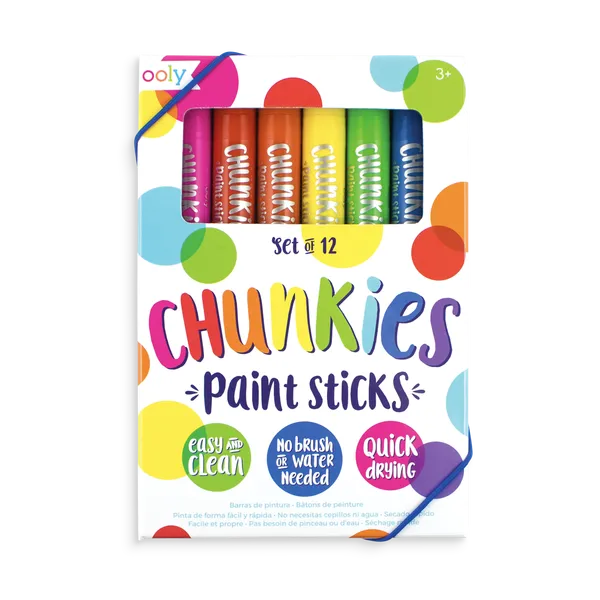
Ooly Chunkies Paint Sticks (Set of 12)
“Washable (not mess-free) alternative. For when you want to question whether 'mess-free' matters.”
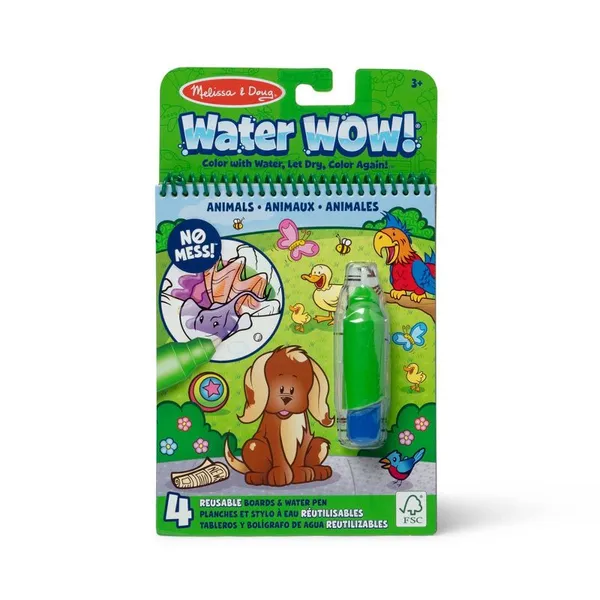
Melissa & Doug Water Wow! Reusable Water-Reveal Activity Pad
“Different mess-free art approach. Water-reveal vs invisible ink markers.”