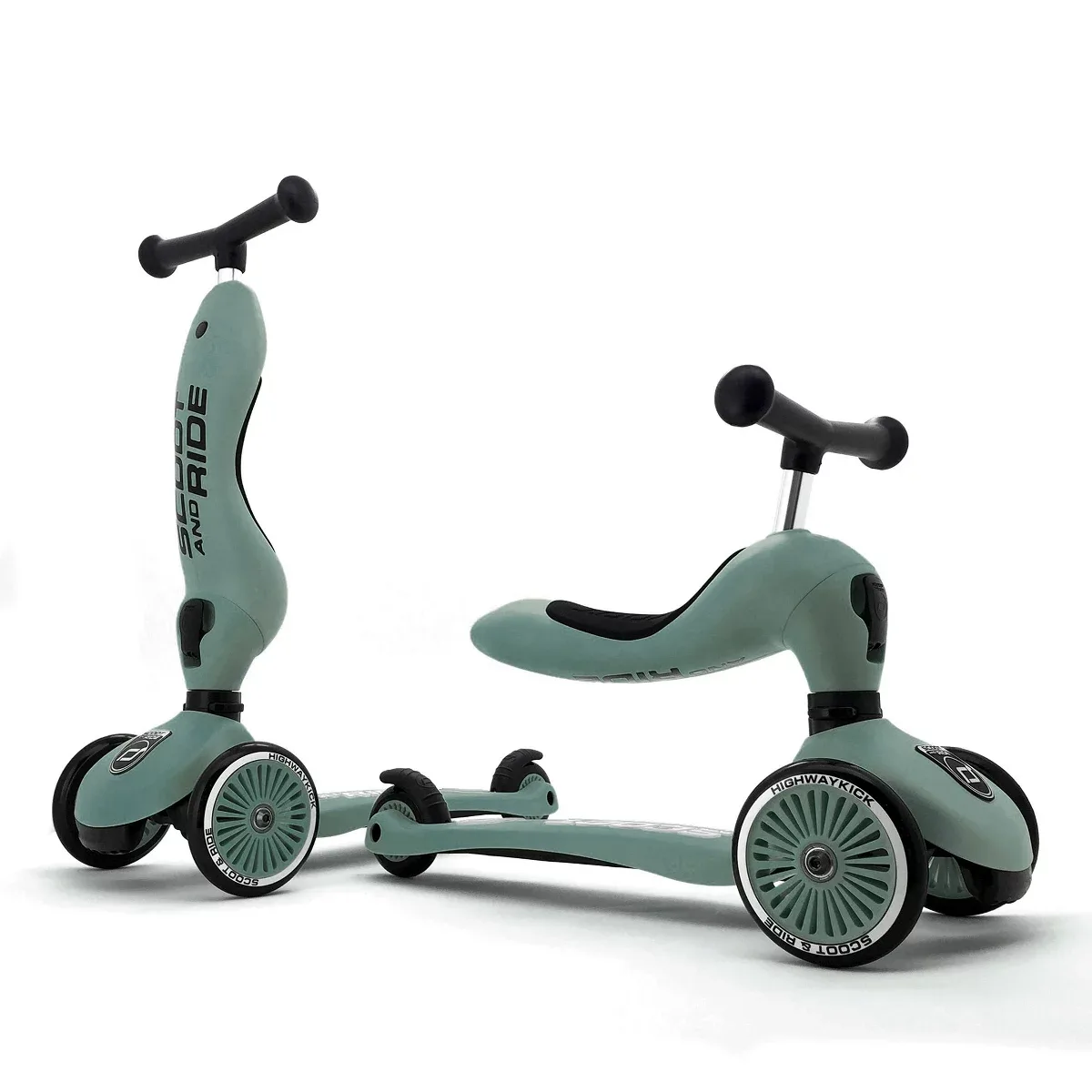
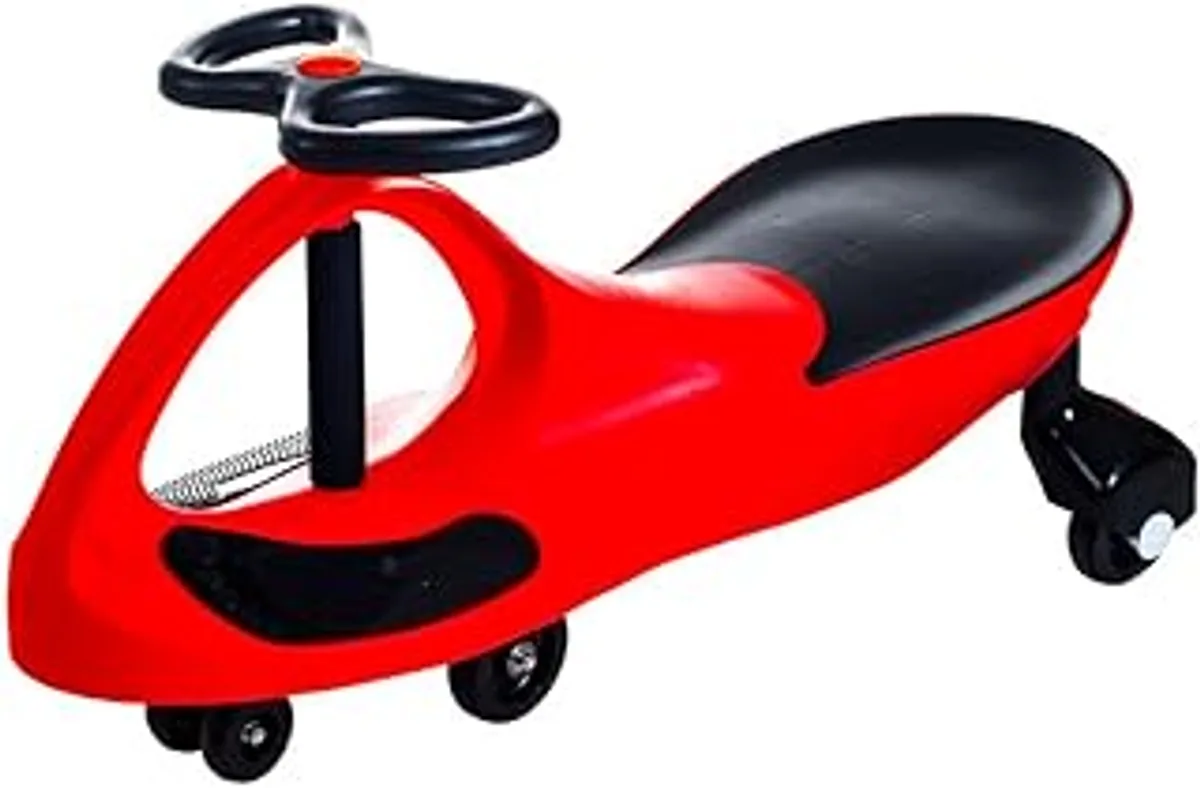
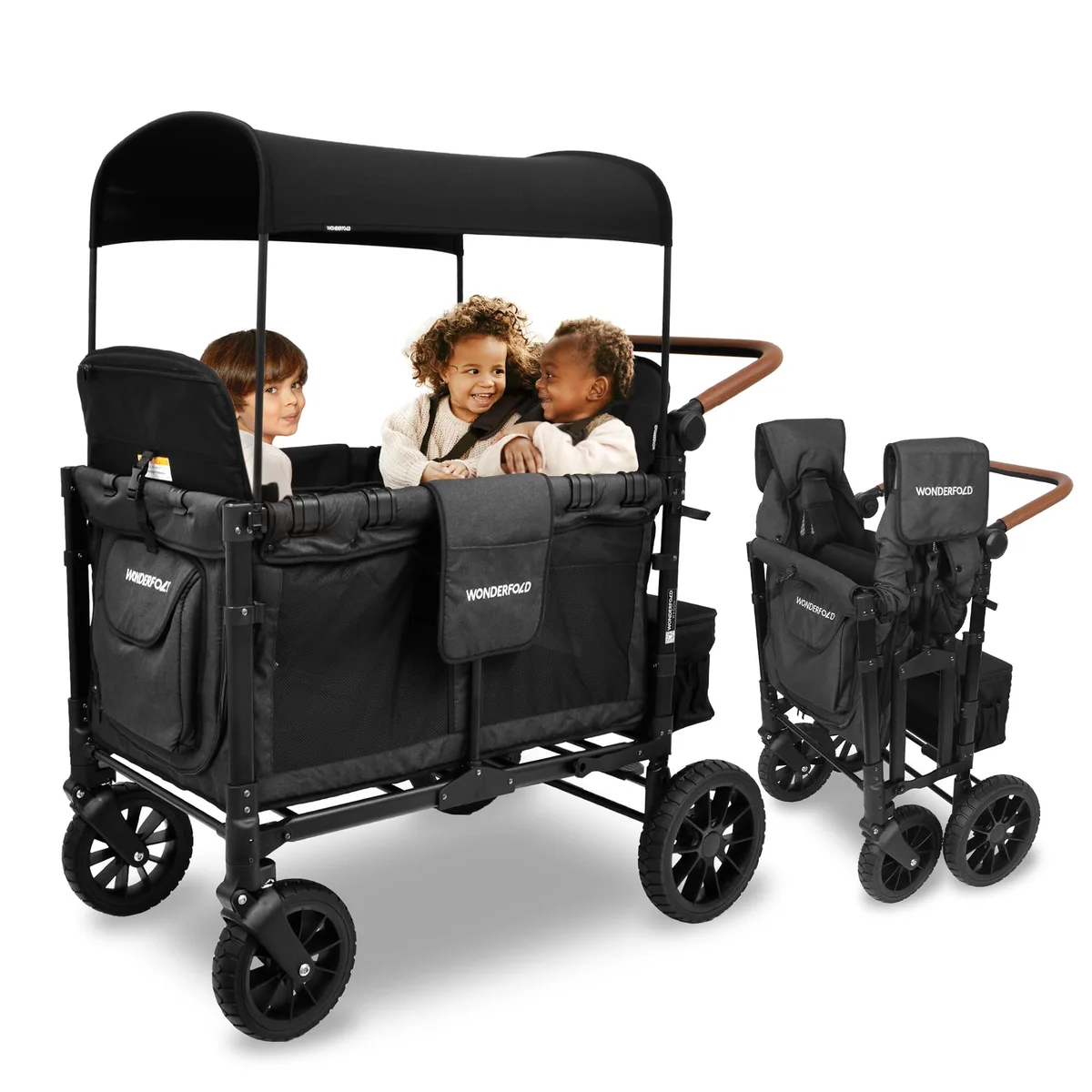
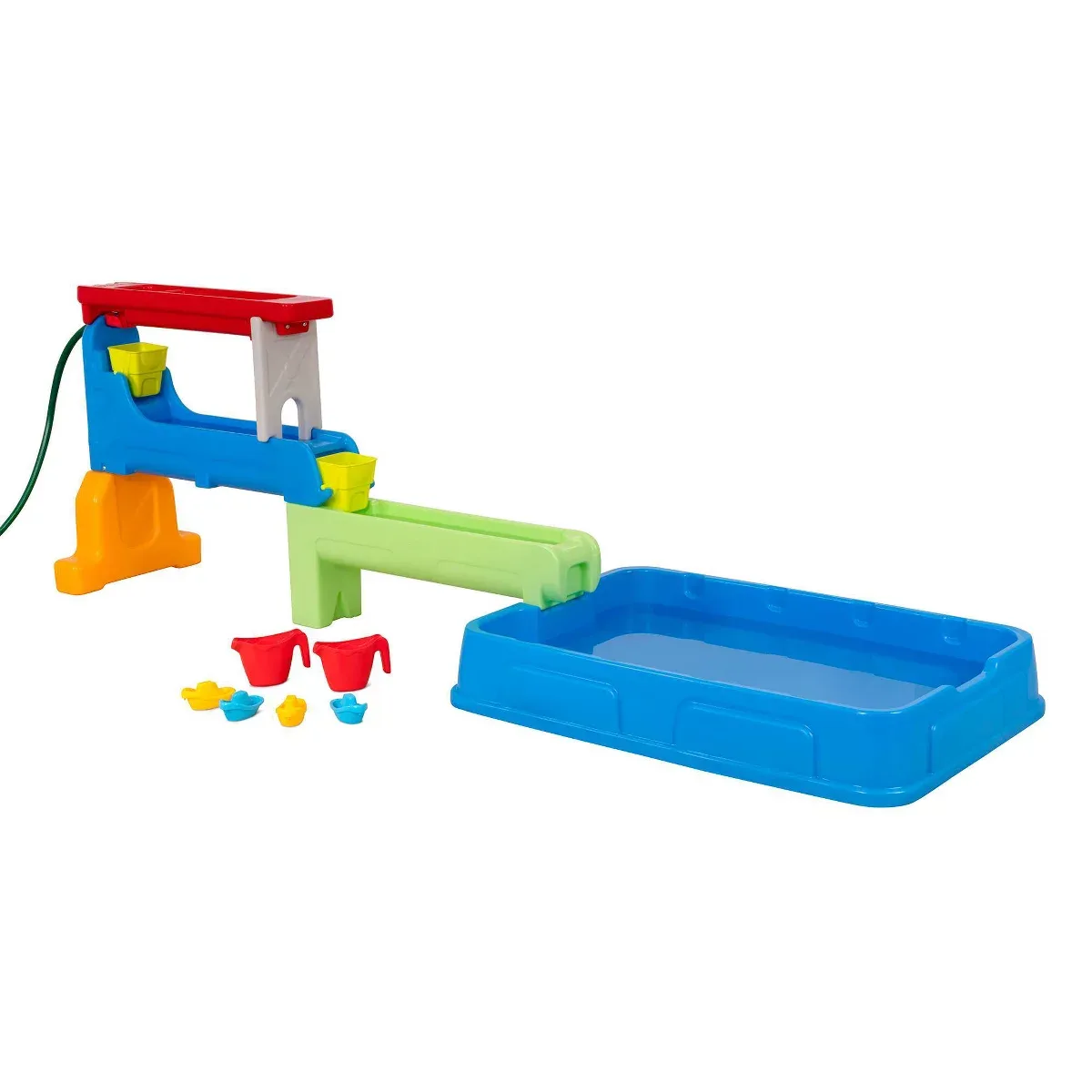
Outdoor & Active Play
The case for outdoor and active play is one of the most robust in developmental science — and one of the least controversial. Regular physical activity in early childhood supports gross motor development, cardiovascular health, emotional regulation, and social skill-building. 1 Unstructured outdoor play, specifically, has been linked to improvements in executive function — the set of cognitive skills that let children plan, focus, and manage impulses. 2
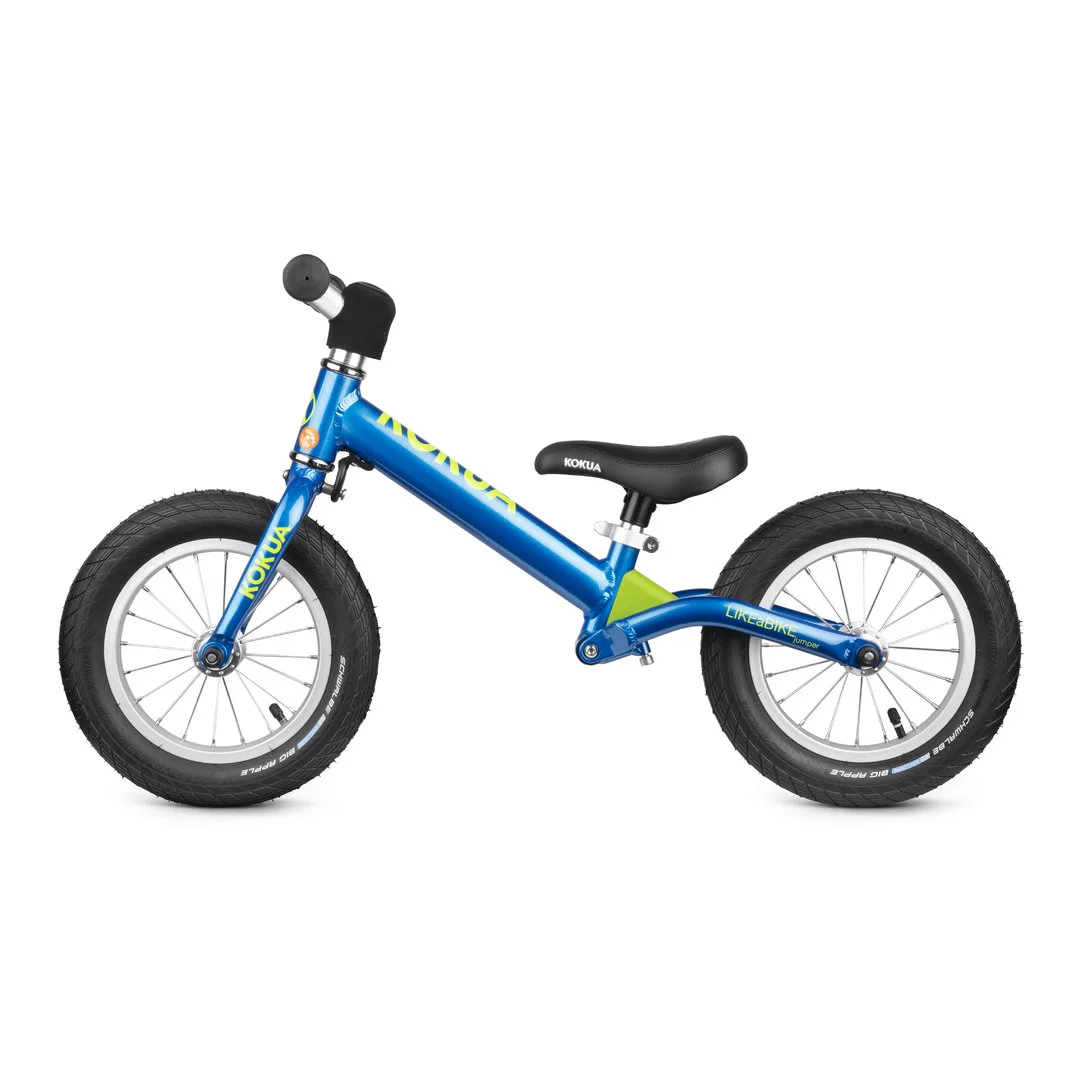
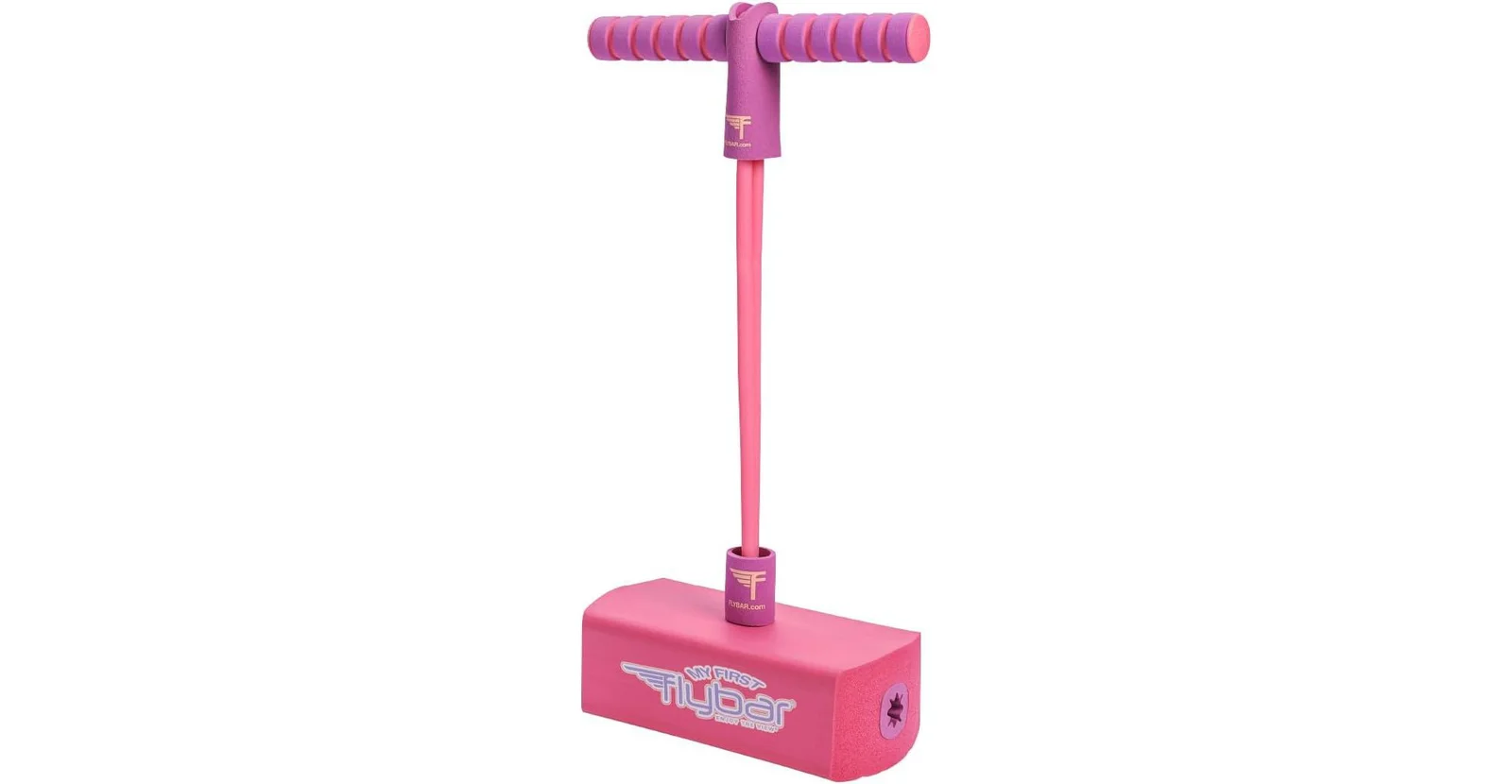
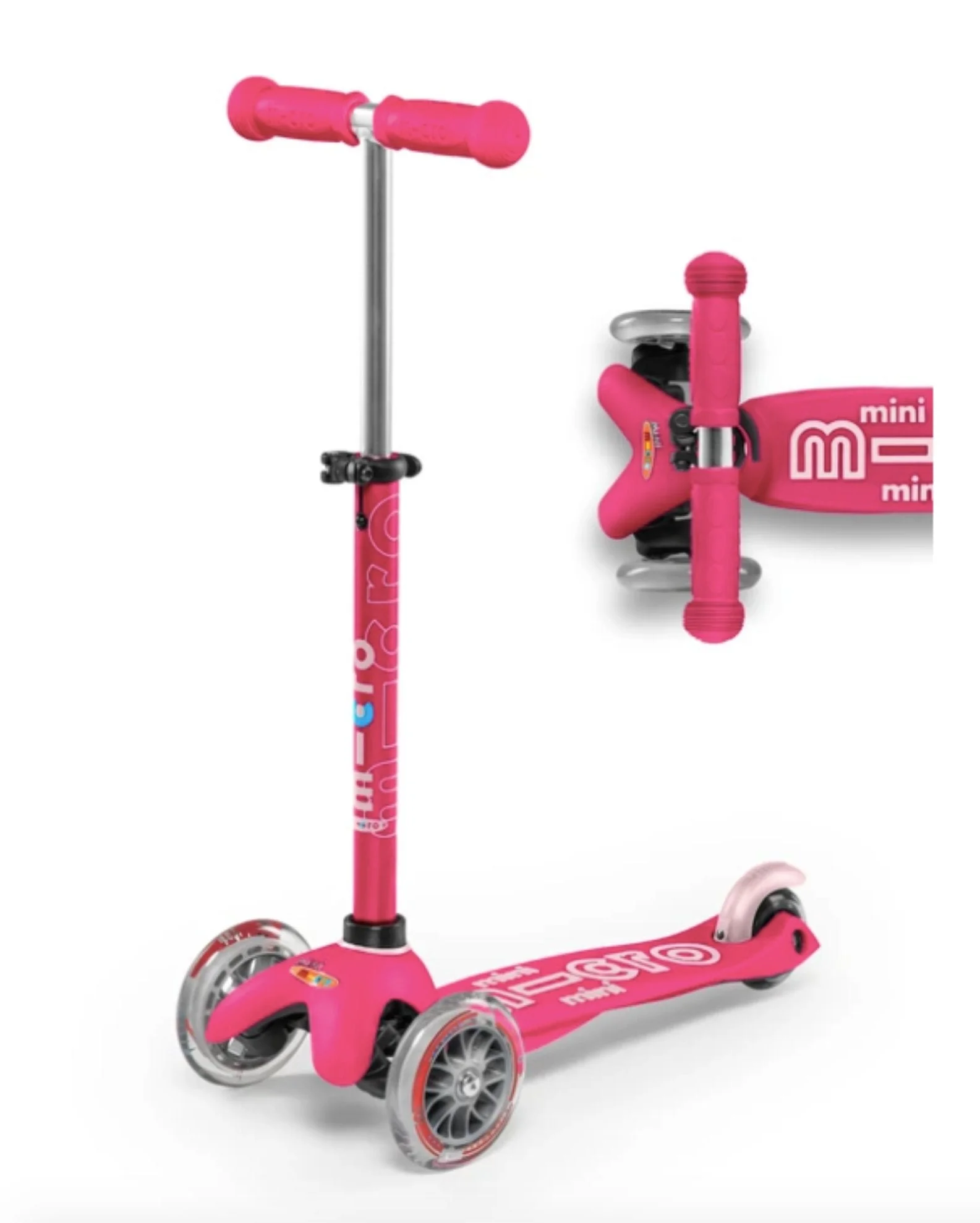
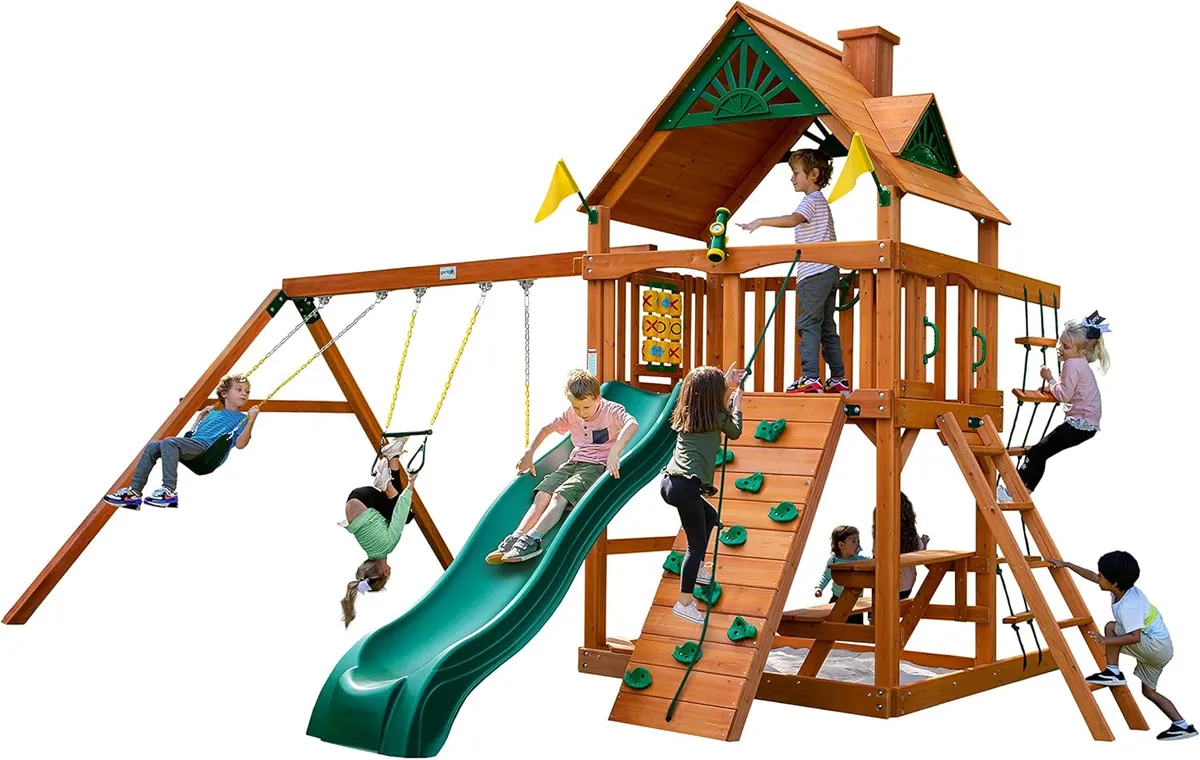
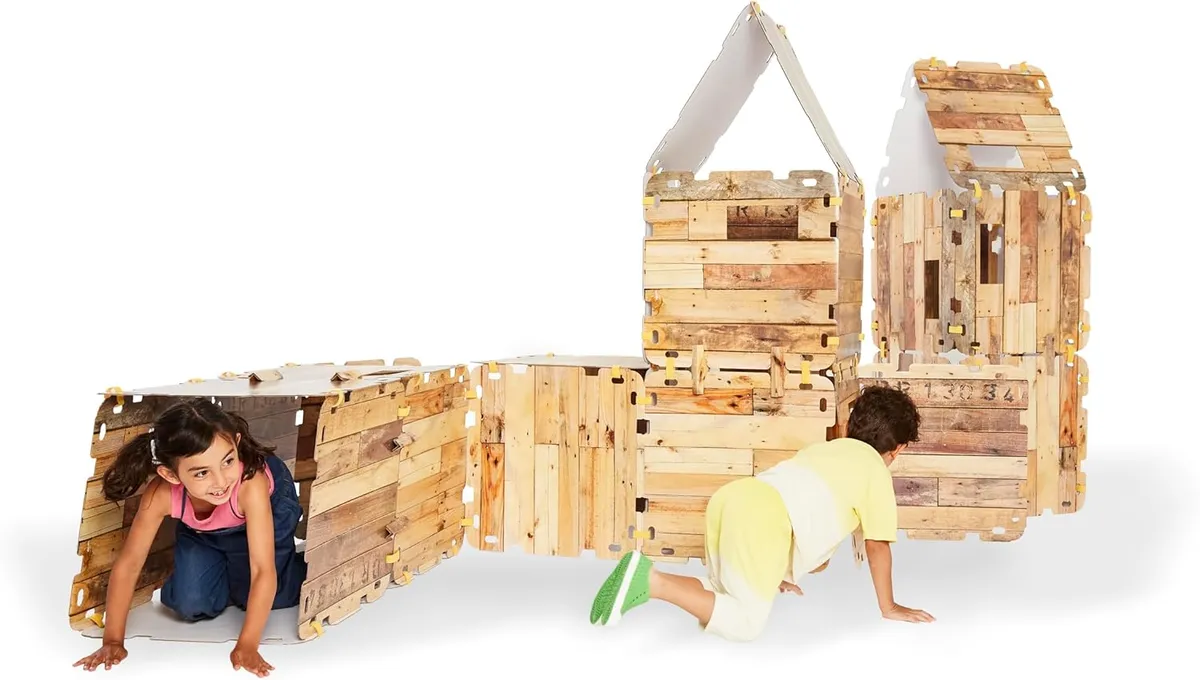
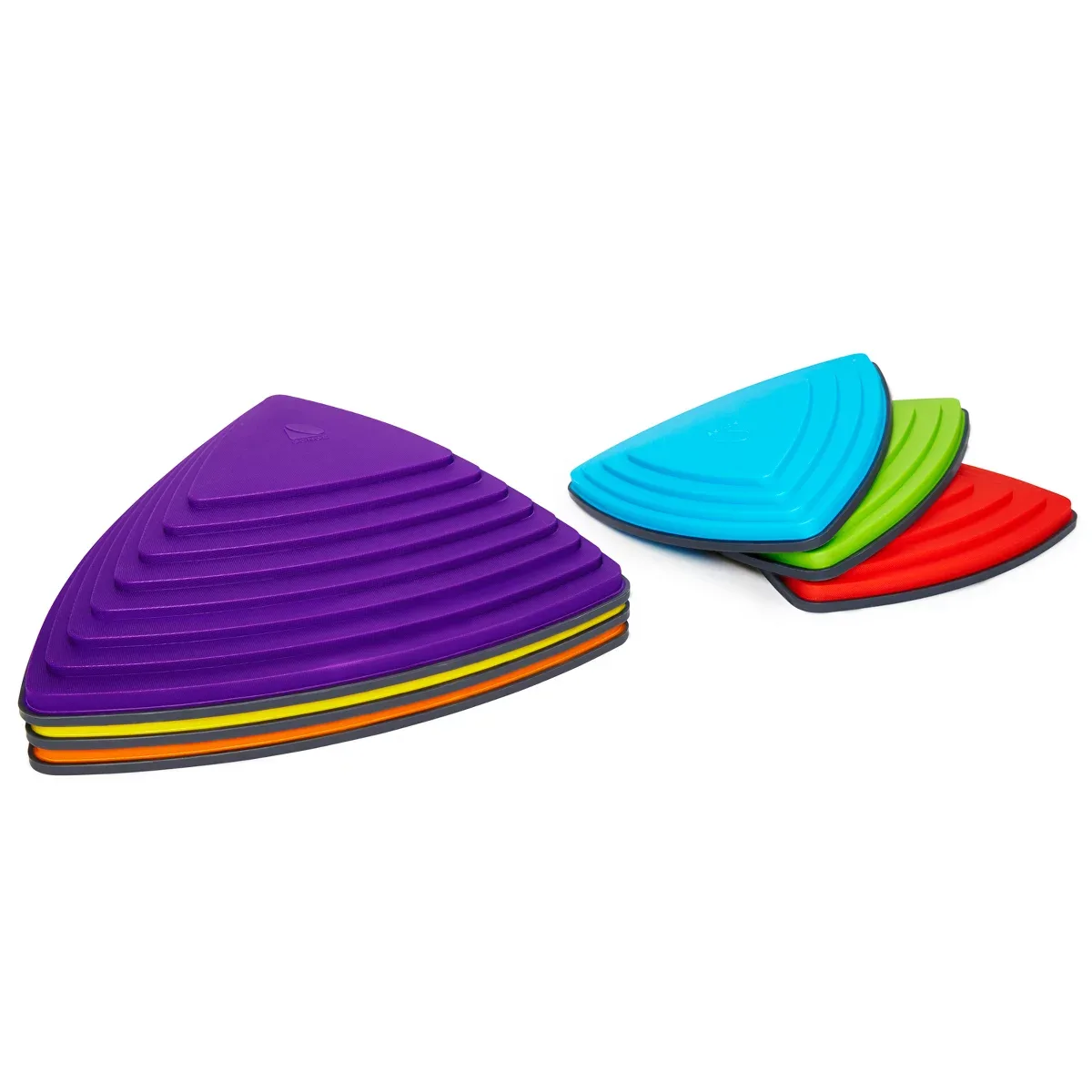
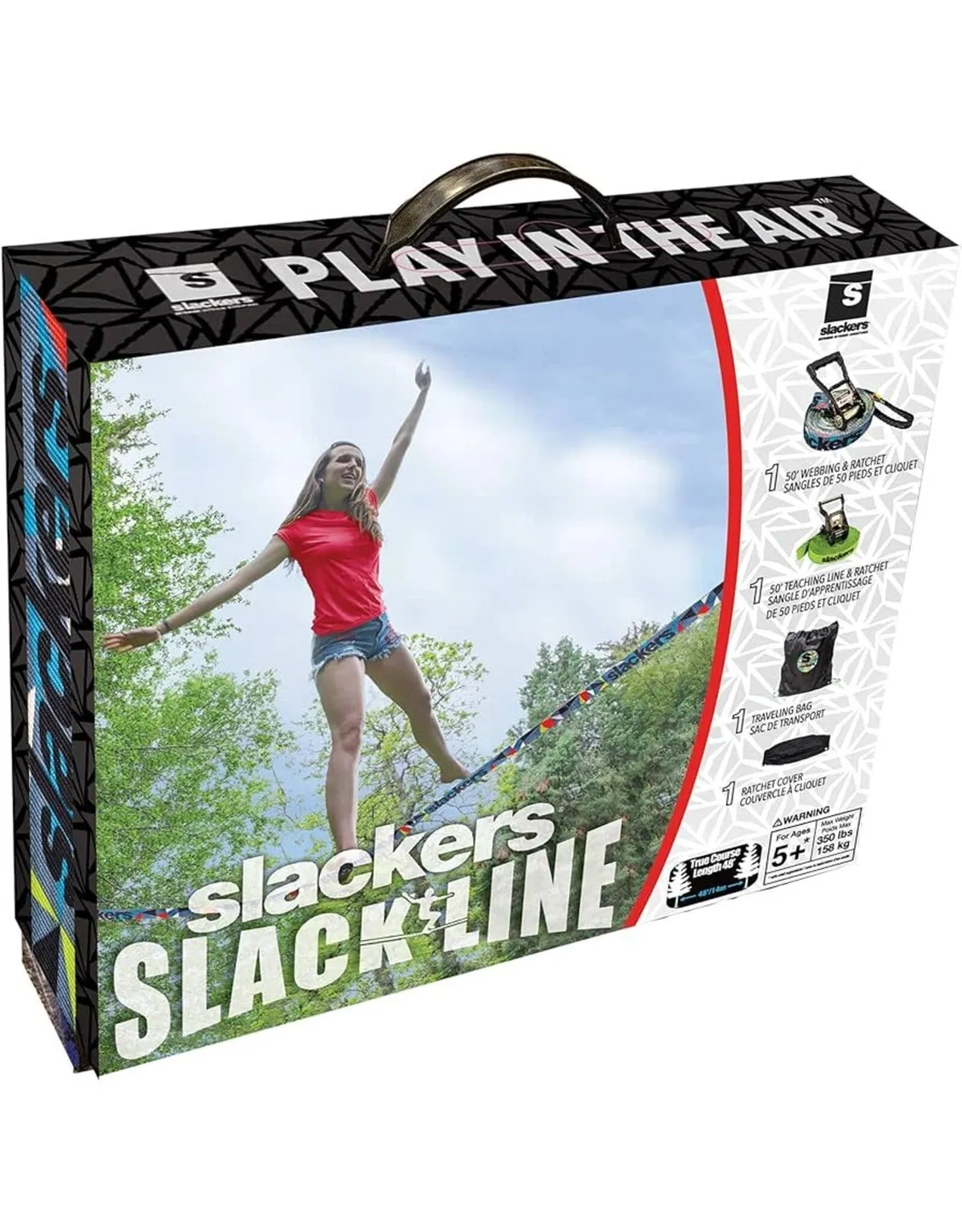
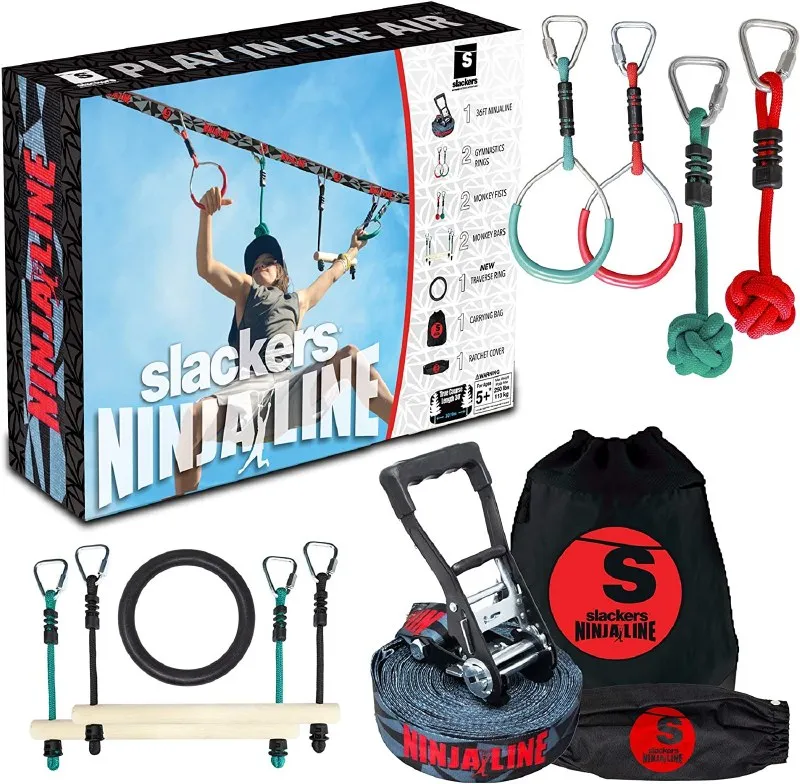
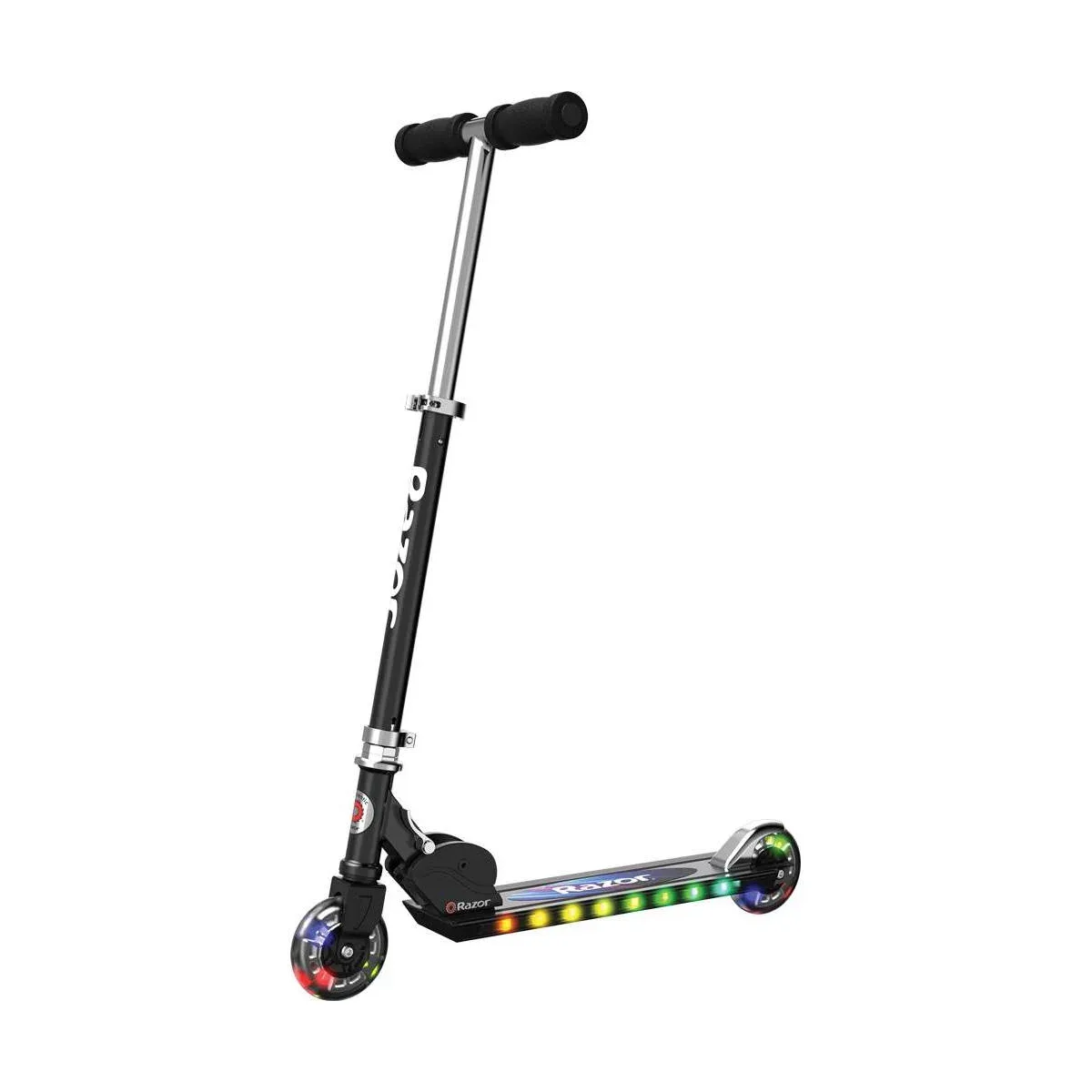
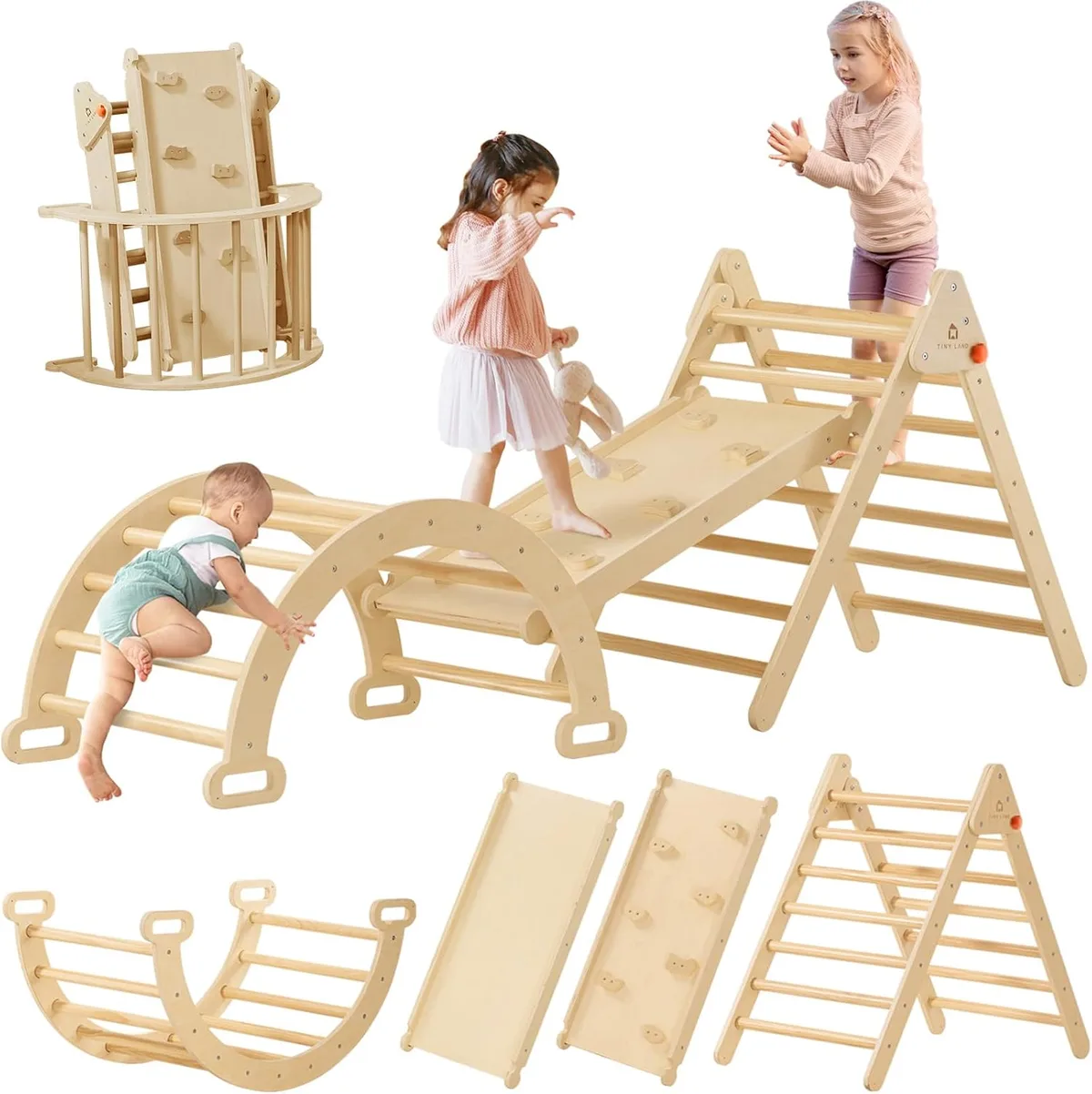
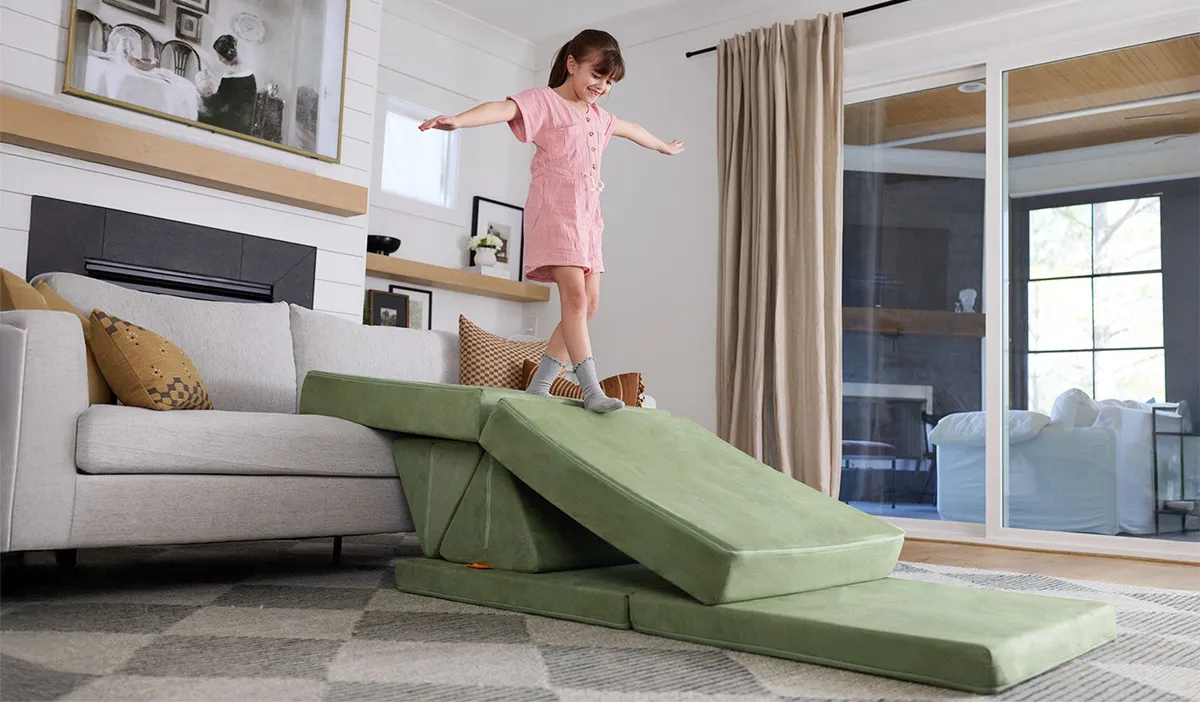
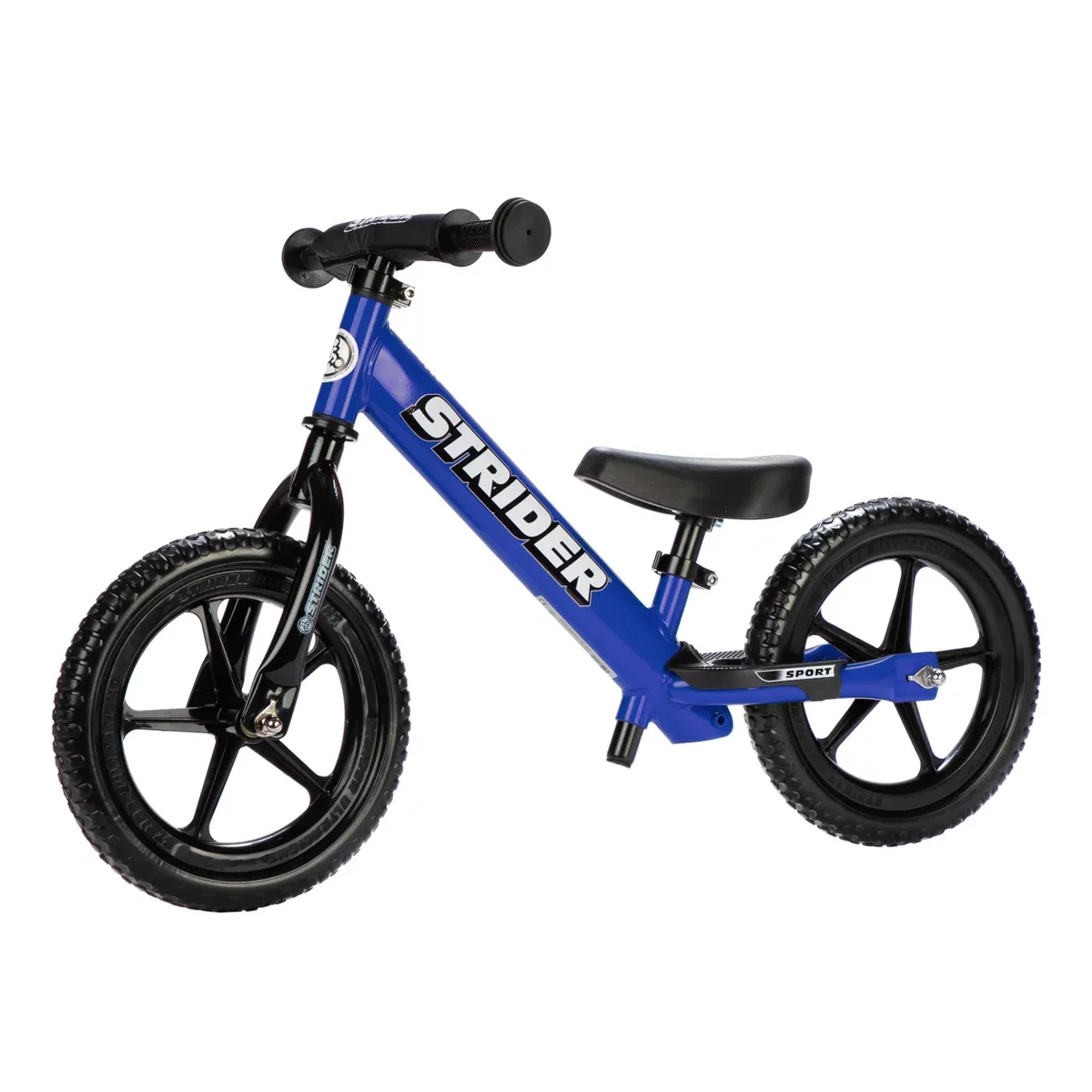
The products in this category range from balance bikes and climbing structures to water tables and backyard games. What they share is a primary design goal of getting children moving, and we evaluate them with two things in constant tension: adventure and safety. A product that’s so cautious it bores a four-year-old is failing at its job. A product that exposes children to unnecessary physical risk is failing at something more important. The best outdoor toys find the line — what developmental psychologists call “risky play” — where challenge and safety coexist. 3
This is also the category where our safety review earns its keep. Outdoor products present unique safety considerations: fall heights, tip-over risks, entrapment hazards, UV exposure for material degradation, and the fact that children will use these products in ways the manufacturer never imagined. Every product in this category receives a detailed safety evaluation.
What We Evaluate
- Gross motor engagement. Does this product genuinely promote physical activity, or is it outdoor furniture marketed as a toy?
- Safety. Fall heights, structural stability, material durability under weather exposure, and compliance with ASTM outdoor play equipment standards.
- Developmental range. How long will this product remain challenging and interesting as the child grows?
- Parent practicalities. Assembly complexity, storage requirements, footprint, and weather resistance. An outdoor toy that can’t survive outside is a design failure.