ScienceBasedKids.com may earn a commission from affiliate links in this review. Our ratings are never influenced by affiliate relationships. Read our full methodology.
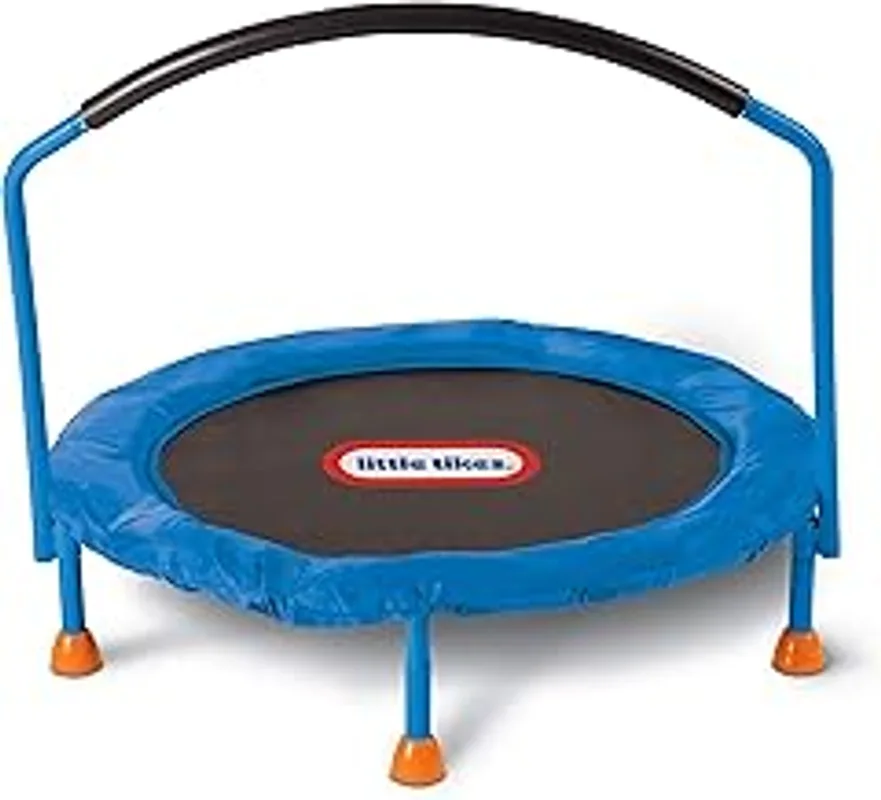
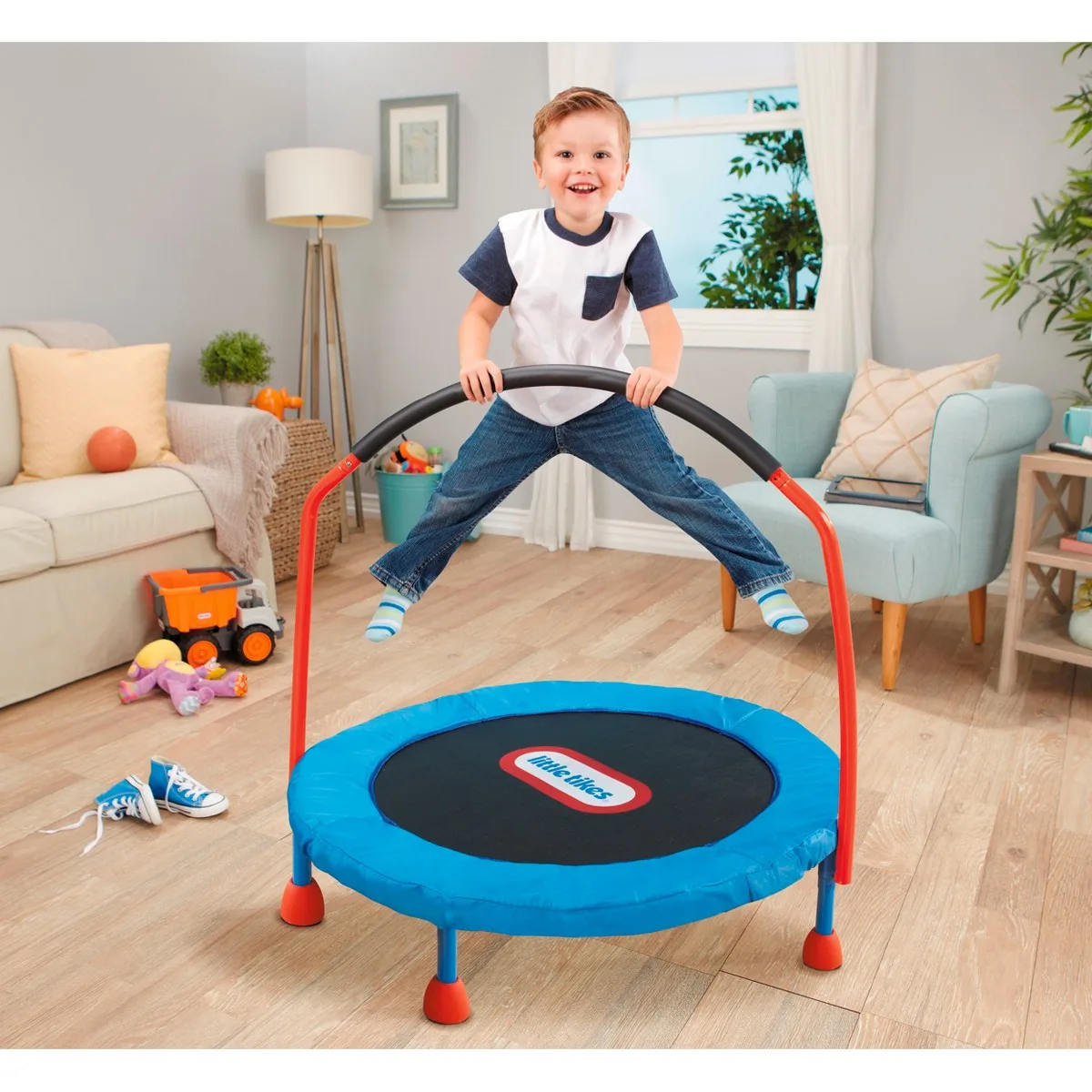
Every parent of a high-energy 3-year-old knows the winter dread: it’s too cold/wet/dark to go outside, the child has boundless energy, and the furniture is paying the price. The Little Tikes 3-Foot Trampoline ($60) is the most practical solution to this problem we’ve tested — a compact indoor trampoline with a handlebar that gives toddlers a safe, effective way to burn energy through jumping.
We tested it for eight weeks during a combination of seasons with children ages 3 through 5.
Product Overview
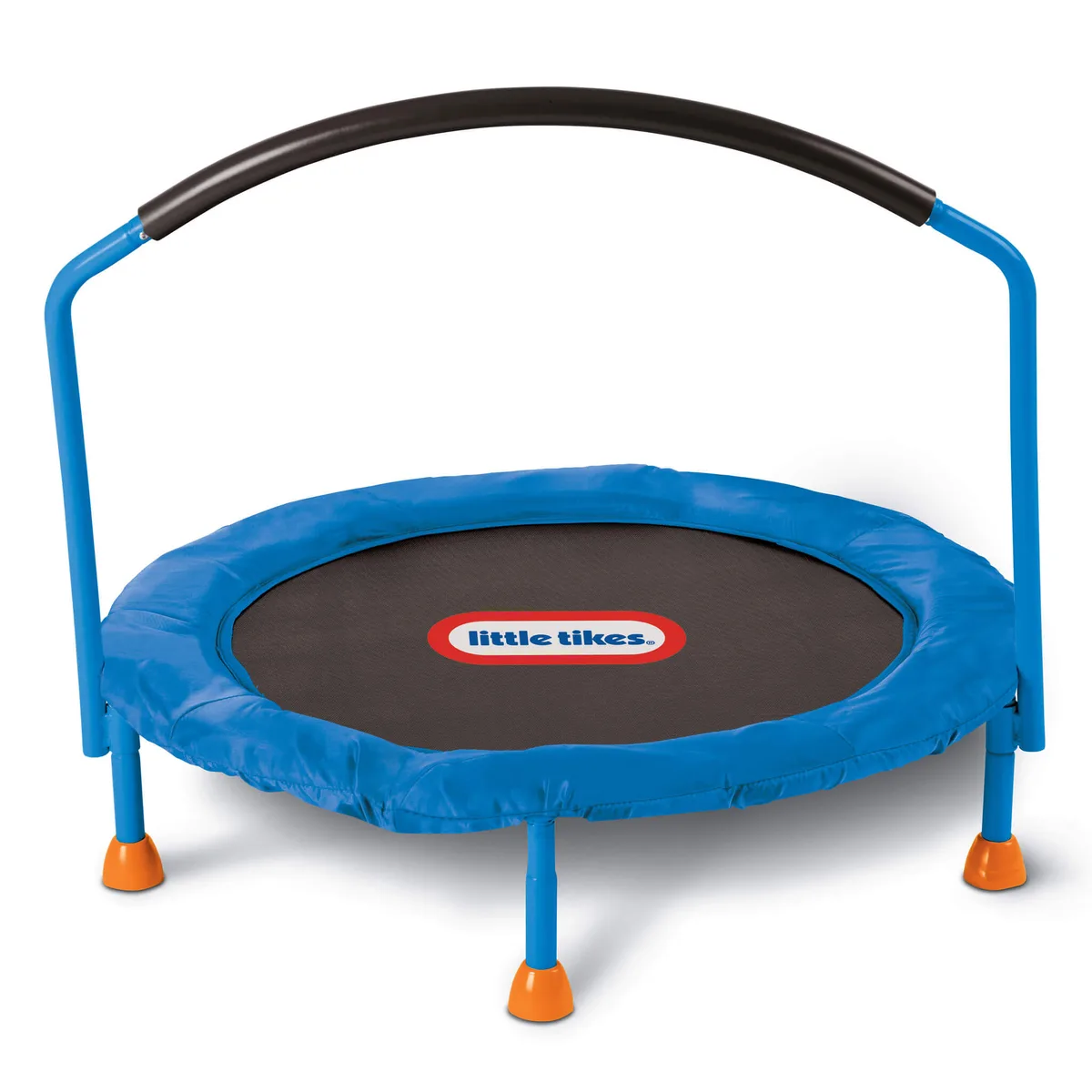
- 3-foot diameter bounce surface with enclosed spring system (no exposed springs)
- Handlebar — adjustable-height foam-padded bar for stability
- Weight capacity: 55 lbs
- Rubber-capped legs for floor protection
- Assembly: approximately 30 minutes with Phillips screwdriver
Our Evaluation
Build Quality: 7/10
The frame is sturdy tubular steel. The bounce mat is durable synthetic fabric. The spring system is fully enclosed — no pinch points. The handlebar is stable and height-adjustable. The rubber leg caps protect floors. After eight weeks of daily jumping, no degradation. The bounce surface shows slight stretching but remains functional.
Play Value: 7/10
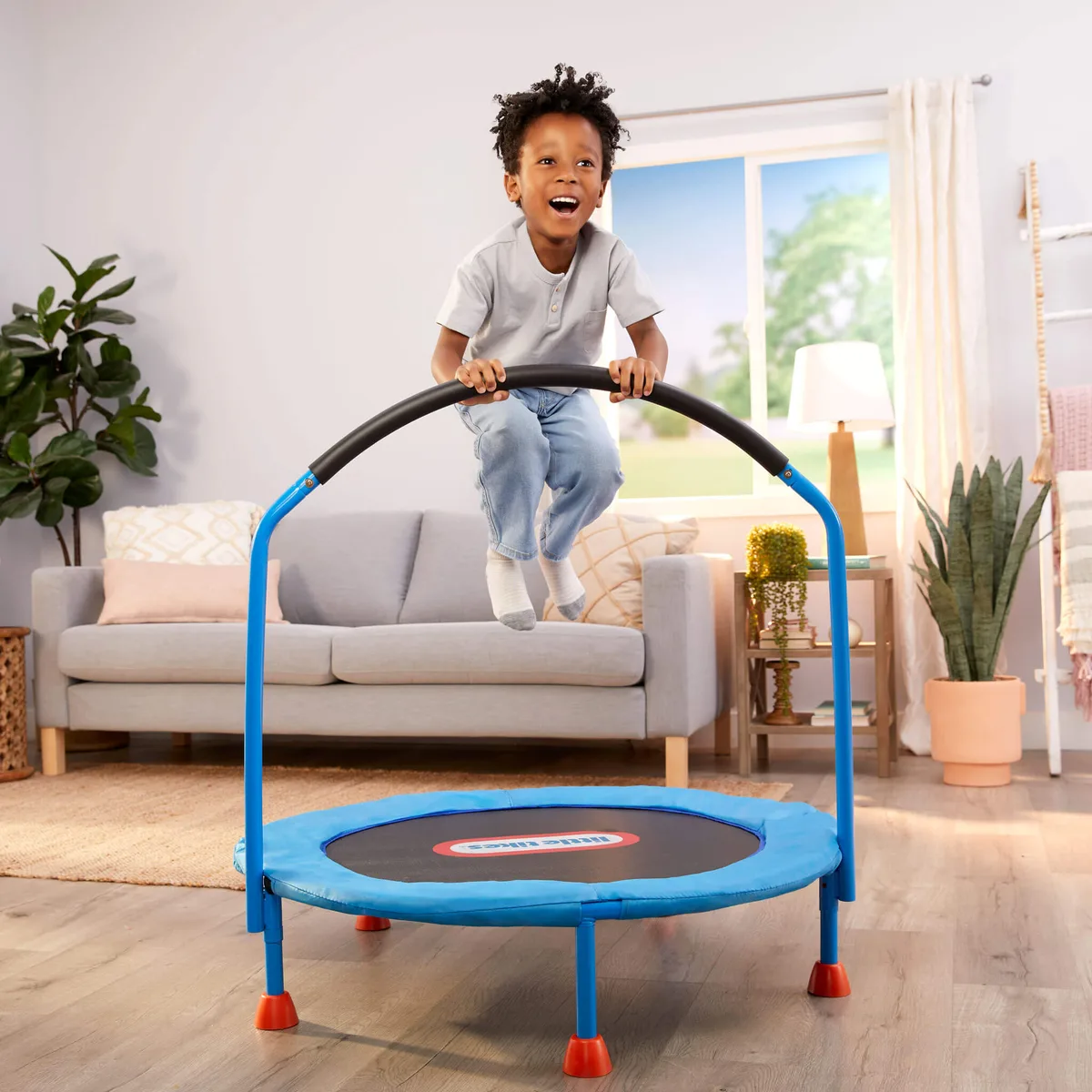
Jumping is inherently engaging for toddlers, and the trampoline provides a sanctioned outlet. Our testers used it an average of 15-20 minutes per day, typically in 5-7 minute bursts. The handlebar allowed even 3-year-olds to jump confidently, and the enclosed bounce surface prevented the step-off injuries common with trampolines.
The limitation: jumping is the primary activity. There’s no variation, no progression, no creative dimension. The trampoline is a single-purpose tool that does its job well but doesn’t evolve with the child.
Age Appropriateness: 8/10
The 3-6 range is accurate. Children under 3 may lack the jumping coordination to benefit fully. The 55 lb weight capacity limits use to younger/smaller children.
Value for Money: 8/10
$60 for an indoor gross motor tool that gets daily use for 2-3 years. Good value.
The Evidence
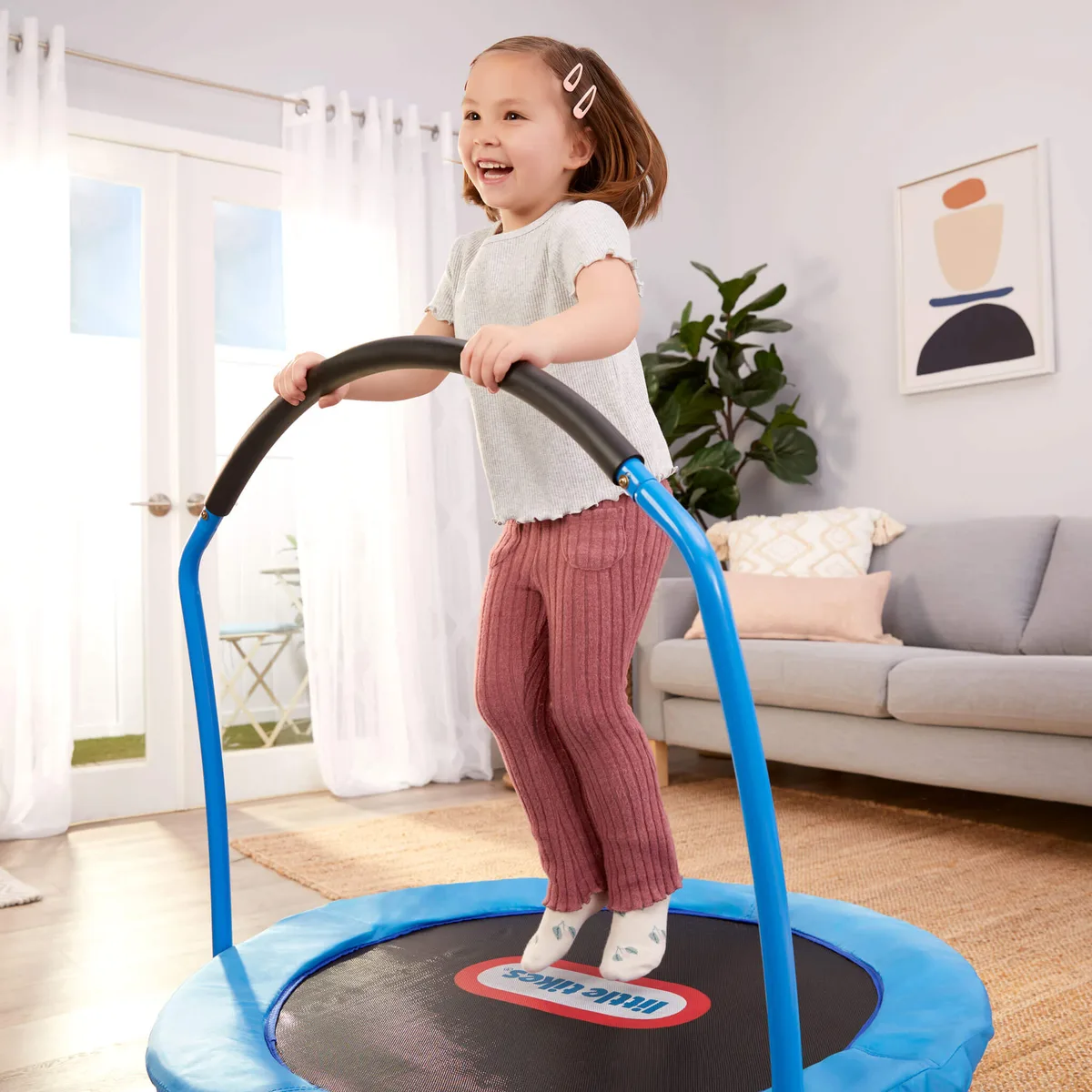
Vestibular Stimulation. Jumping provides intense vestibular input — the sensation of rising and falling stimulates the vestibular system. Ayres (1972) identified vestibular stimulation as foundational to sensory integration.1
Physical Activity Indoors. For children who need moderate-to-vigorous physical activity (60 minutes daily per WHO guidelines), an indoor trampoline provides a reliable option regardless of weather.
The honest summary: Vestibular stimulation and physical activity are well-supported. Trampolines are an effective delivery mechanism for both.
Safety Notes
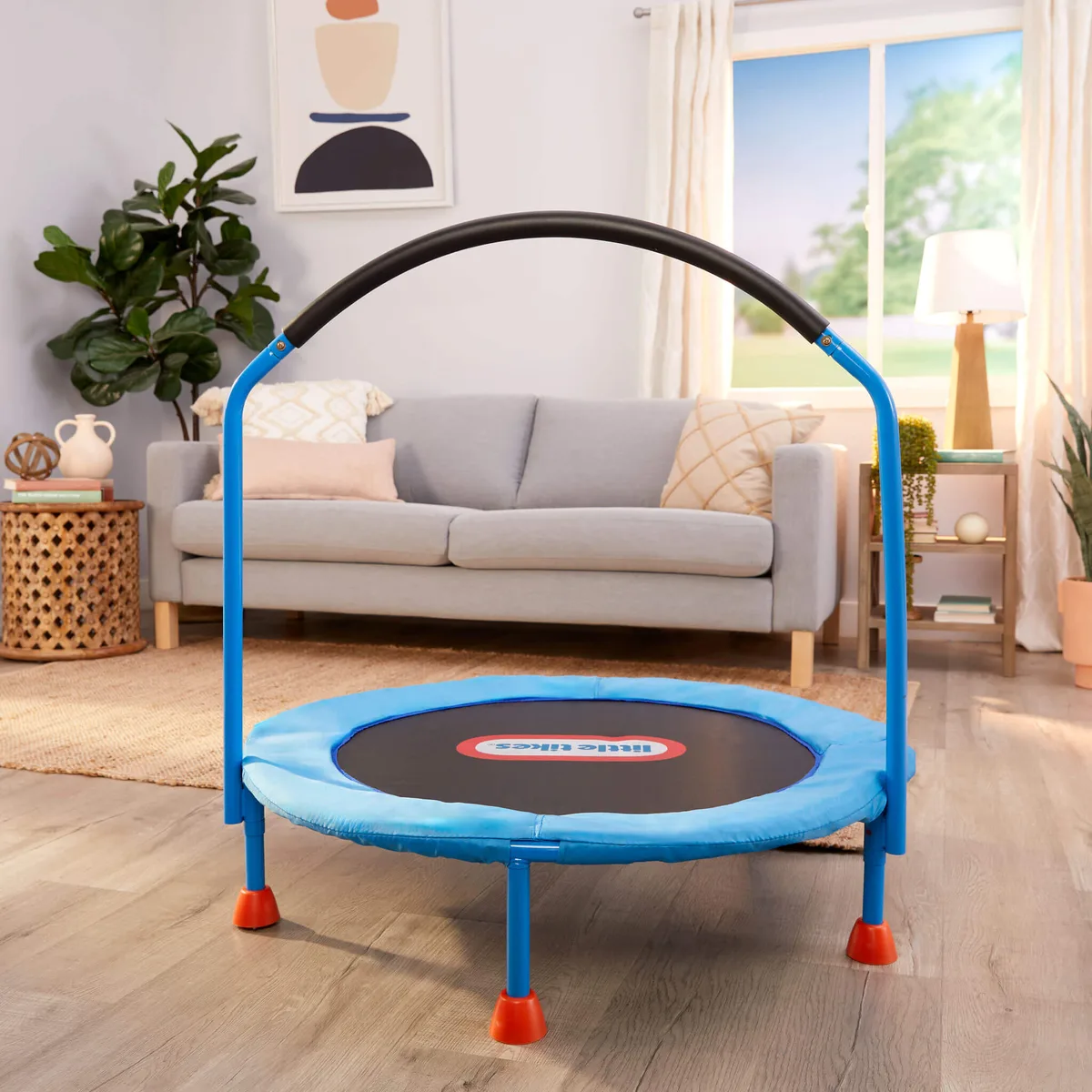
The enclosed spring system is the key safety feature. Always use the handlebar for children under 5. One jumper at a time. Place on a level surface with clearance from furniture. The AAP notes that trampolines are a common source of pediatric injuries — the handlebar and enclosed springs mitigate the primary risks. No CPSC recalls for this model.
The Verdict
A practical, effective indoor gross motor tool for high-energy toddlers. Not sophisticated, not creative — just reliably useful for burning energy safely indoors.
Product Rating: 7/10 — Effective and safe for its purpose. Single-function nature limits the score.
Evidence Rating: Emerging — Vestibular and physical activity benefits are well-established.
Who Should Buy This
- Families with high-energy toddlers and limited outdoor access
- Parents seeking indoor gross motor solutions for winter months
- Families looking for sensory-seeking outlets for active children
- Apartment dwellers needing compact active play equipment
Who Should Skip This
- Families with ample outdoor space who don’t need indoor alternatives
- Parents of children over 55 lbs who will quickly outgrow it
- Families seeking multi-purpose or creative play equipment
- Anyone with downstairs neighbors concerned about noise
This review reflects our independent evaluation. ScienceBasedKids.com purchased this product at retail price.
Footnotes
-
Ayres, A. J. (1972). Sensory integration and learning disorders. Western Psychological Services. ↩
Enjoyed this review? We publish two new evidence-based evaluations every week.
Free. No spam. Unsubscribe anytime.
Trampoline jumping generated moderate-to-vigorous physical activity consistently.
Recommended Accessories
Affiliate links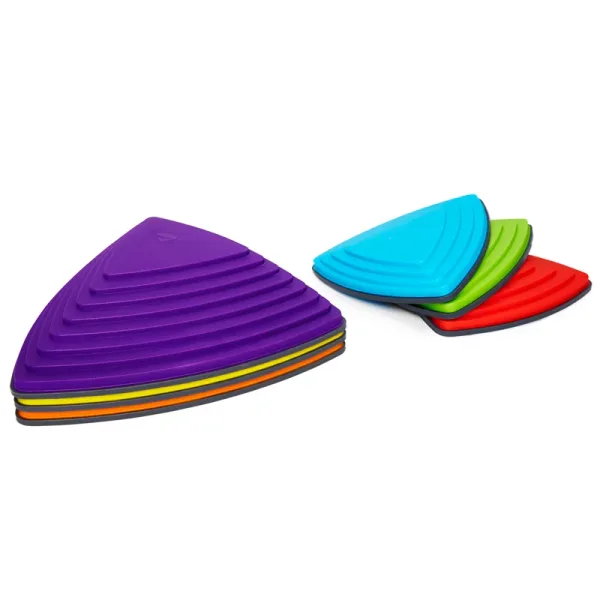
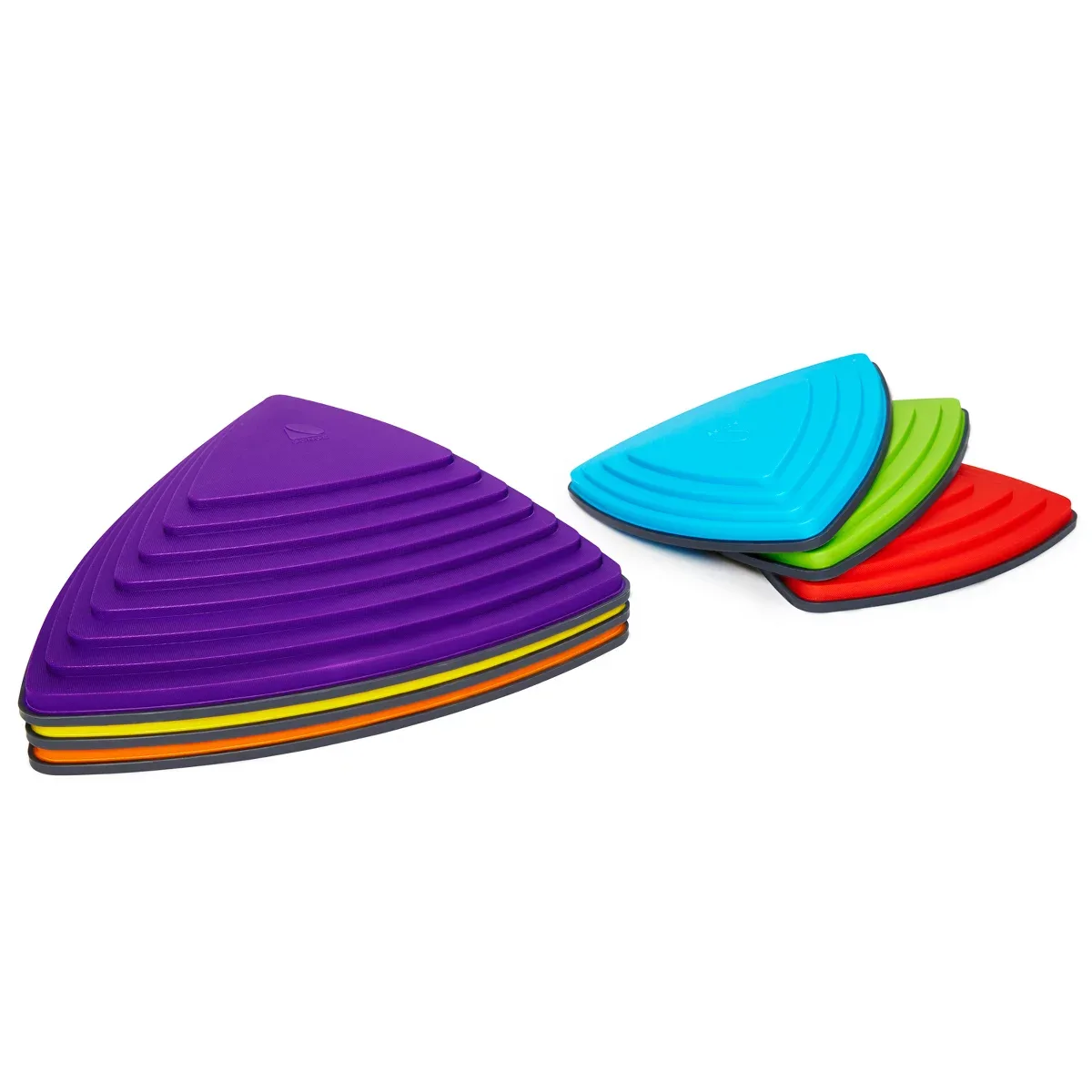
Gonge Riverstones Balance Set
“Create an obstacle course with the trampoline as one station.”
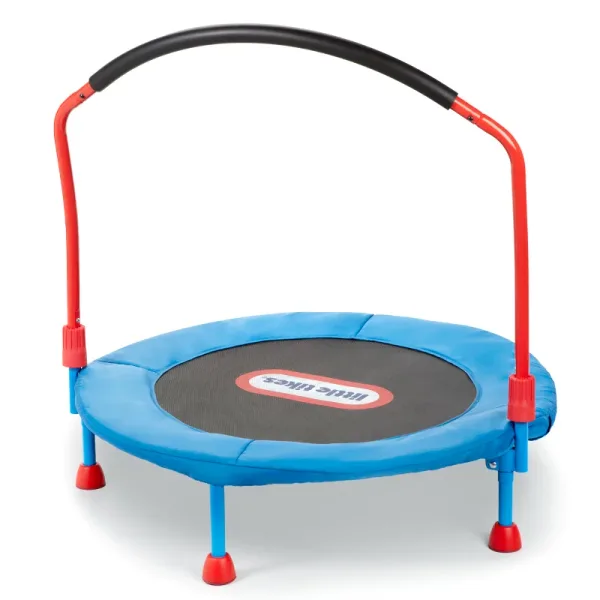
BCAN 36-inch Mini Trampoline
“Similar size and concept. Slightly higher weight capacity for older children.”
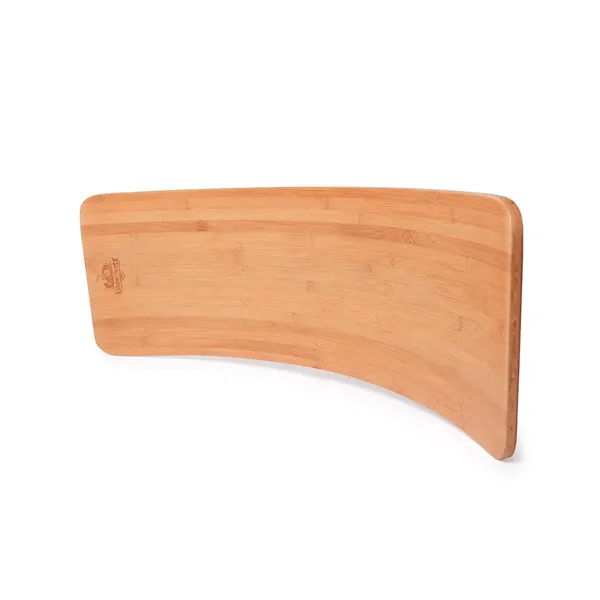
Kinderfeets Wobble Board
“Complementary balance tool for different vestibular input.”
Gorilla Grip Non-Slip Area Rug Pad (3x5)
“Place under the trampoline on hard floors to prevent sliding during jumping.”