ScienceBasedKids.com may earn a commission from affiliate links in this review. Our ratings are never influenced by affiliate relationships. Read our full methodology.
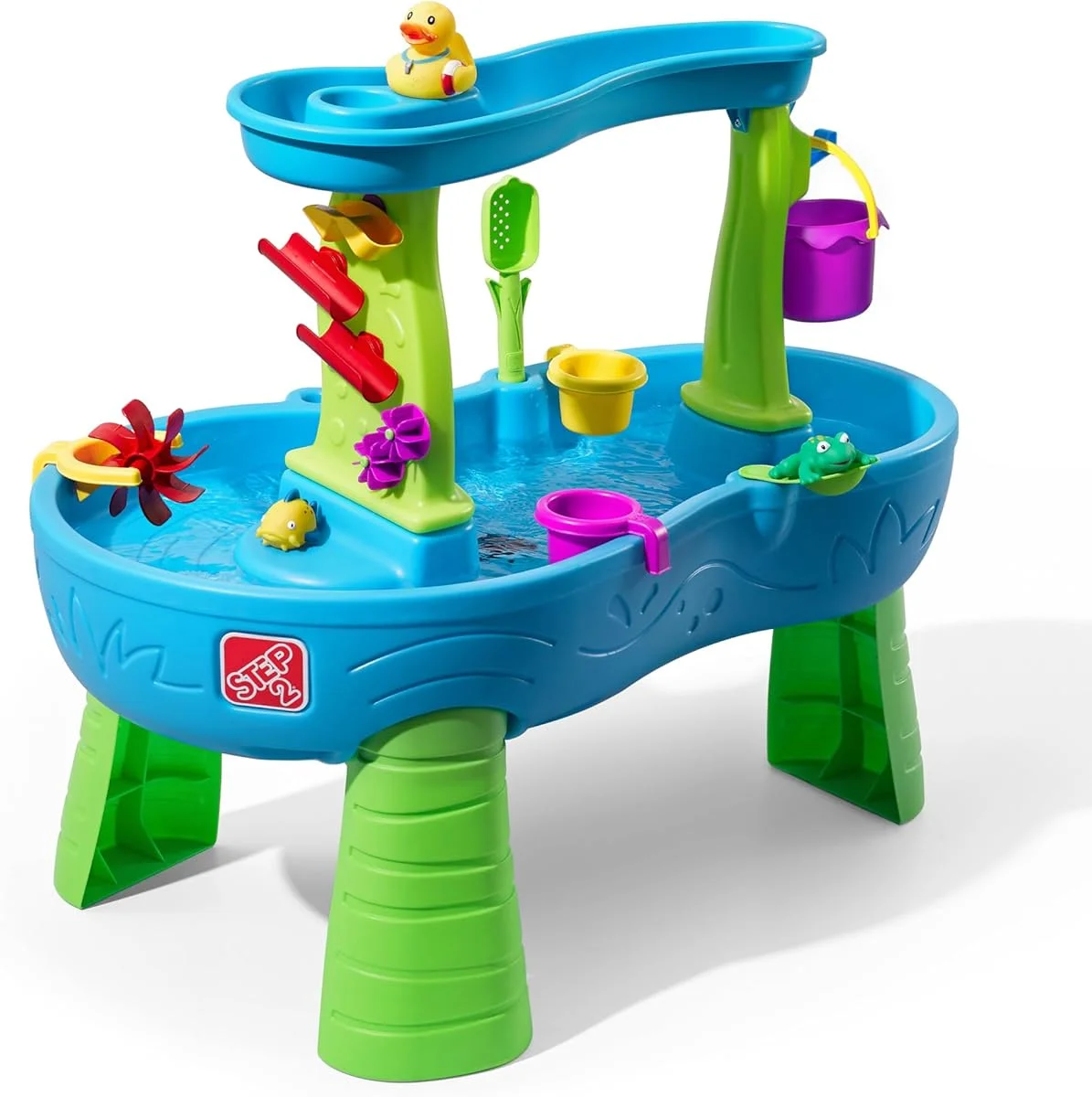
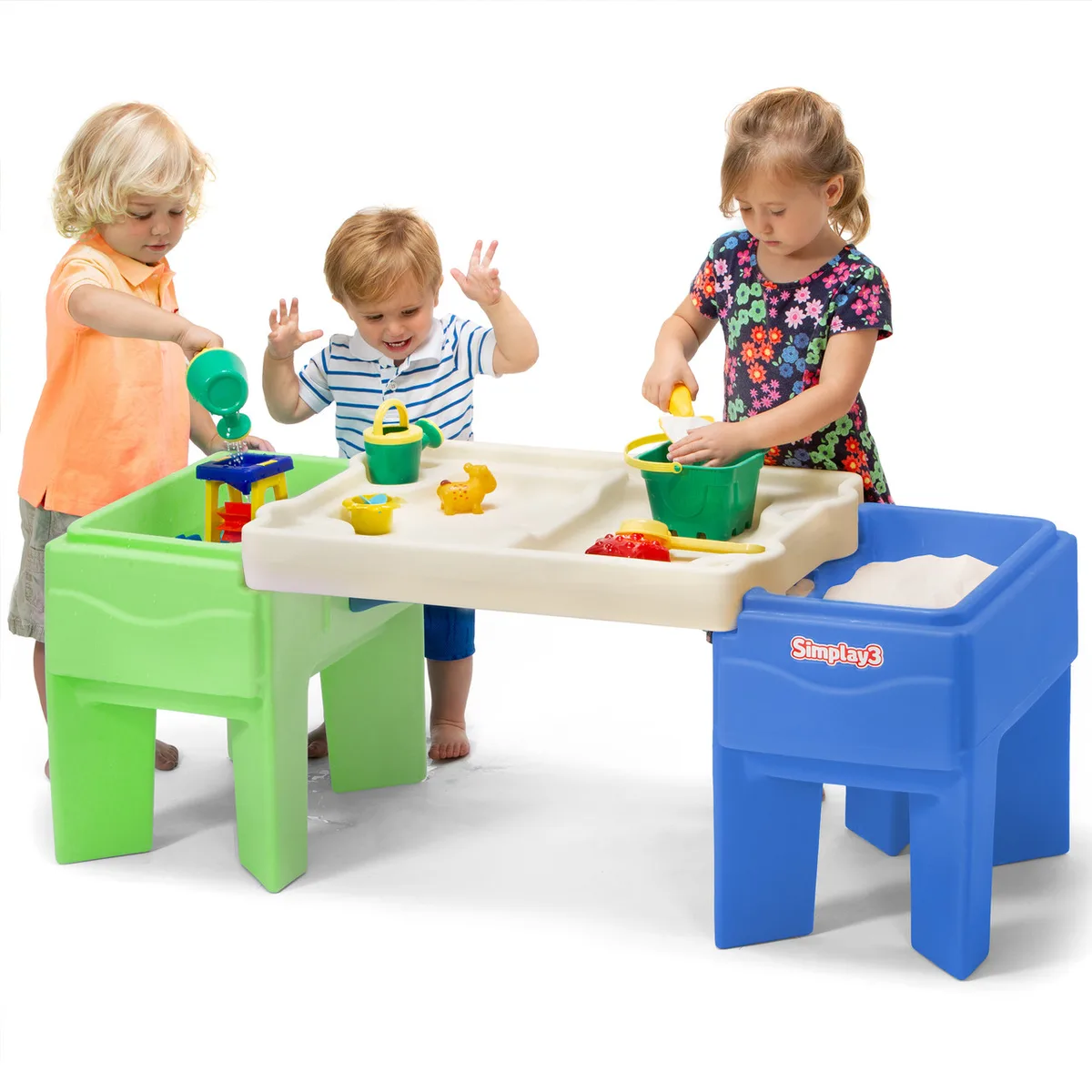
Sand and water play is one of the most research-supported sensory activities in early childhood. The tactile exploration, the pouring and measuring, the cause-and-effect of flowing water — these experiences support sensory integration, fine motor development, and early scientific thinking. The Simplay3 Sand and Water Activity Table ($100) is the premium entry in the outdoor sensory table category, and we tested it for eight weeks alongside the more common Step2 Rain Showers table.
Product Overview
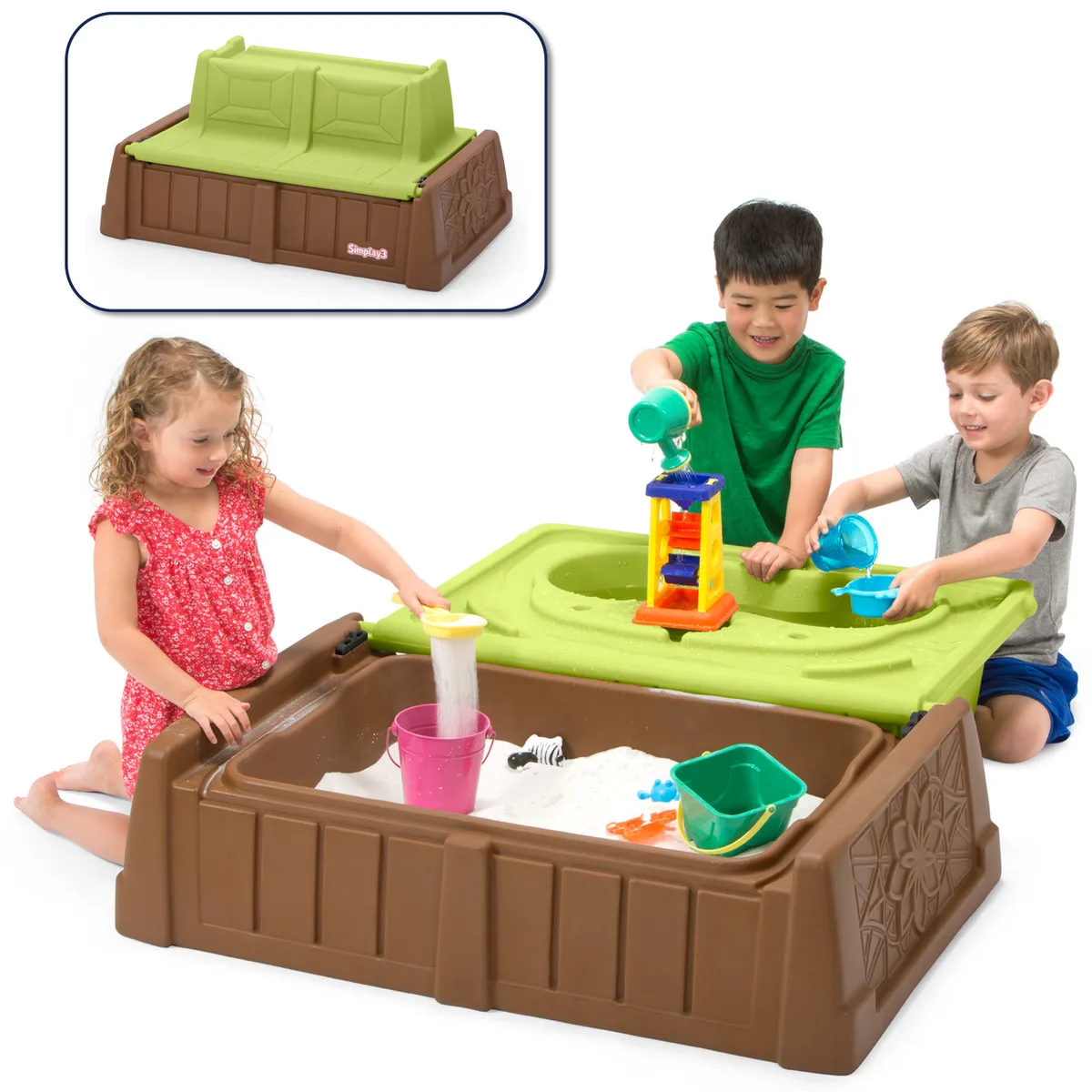
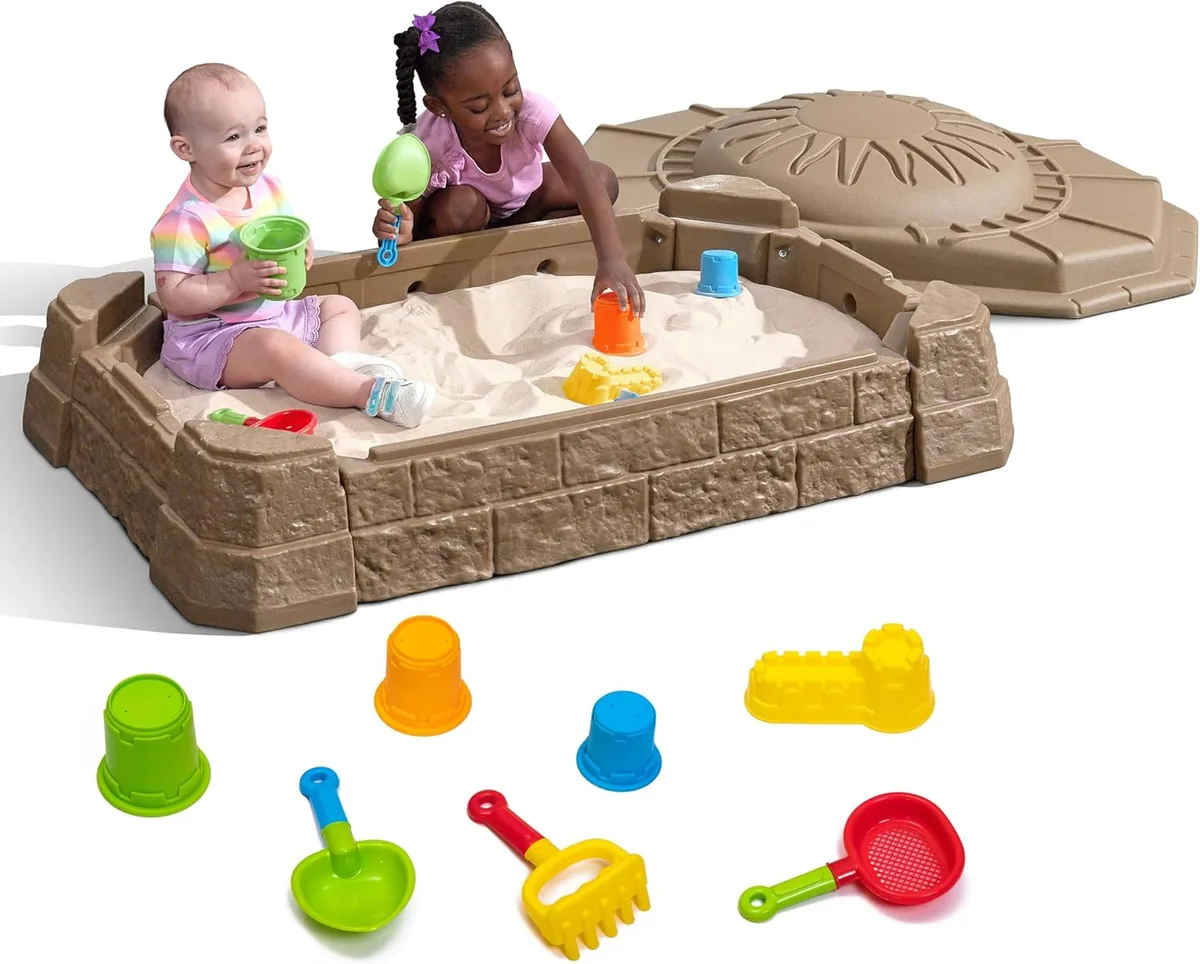
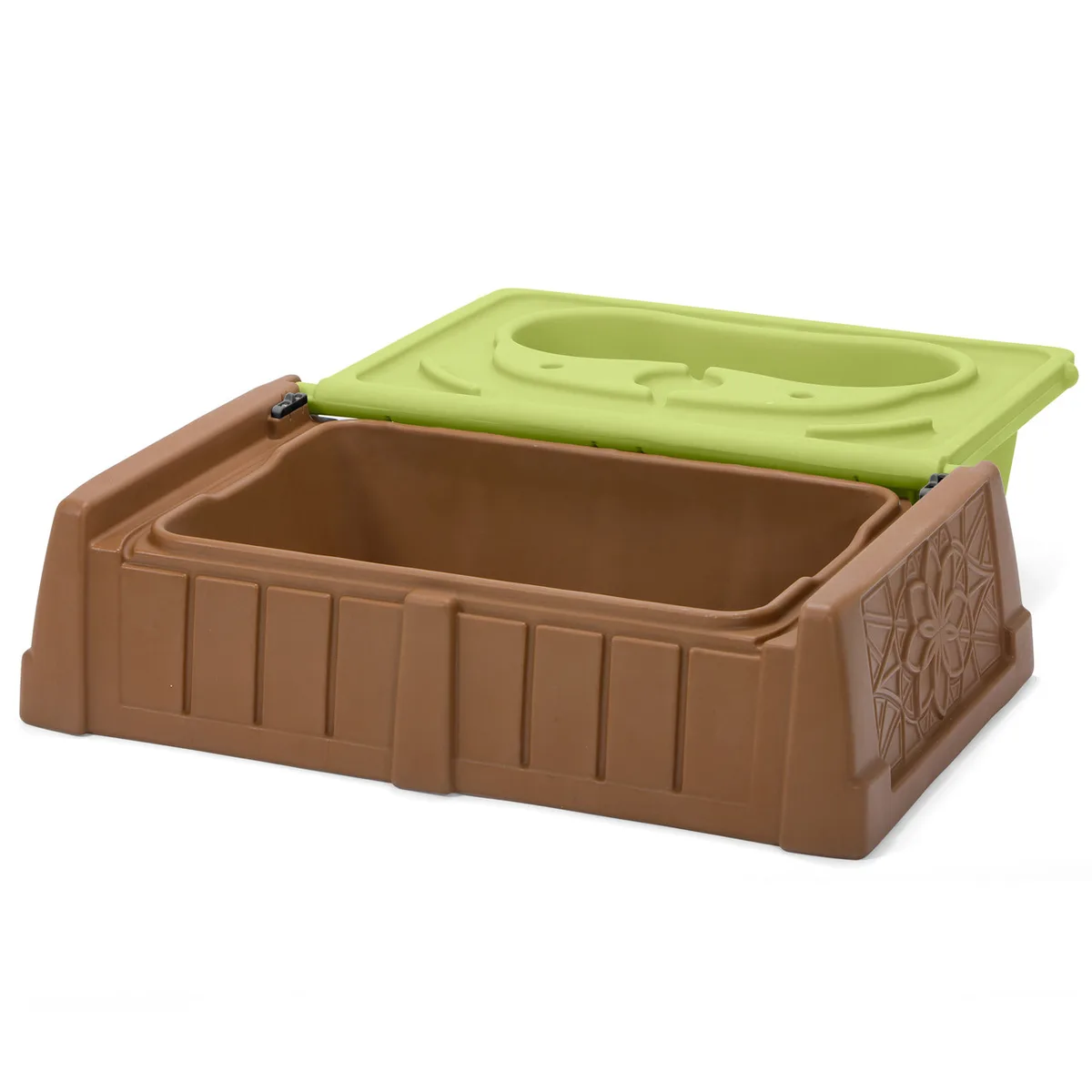
Dual basins with removable lids, drain plugs, and a sturdy rotomolded polyethylene construction. Made in the USA. No assembly required beyond unboxing.
Our Evaluation
Build Quality: 9/10
The rotomolded plastic is significantly thicker and more rigid than the Step2’s blow-molded construction. The table feels like outdoor furniture, not like a toy. UV resistance is excellent — no fading after 8 weeks in direct sun. The drain plugs are functional (a surprisingly common failure point in competitor tables).
Play Value: 7/10
Sand and water play is inherently engaging for the target age range. The dual basins allow separate sand and water stations, or children can combine them for mud-making, dam-building, and other cross-media experiments. The play is sensory and open-ended — children pour, scoop, fill, dump, and explore the properties of granular and fluid materials.
Age Appropriateness: 8/10
Heights work for ages 18 months through 5 years. Engagement peaks at 2-3 years and gradually declines as children develop interests beyond basic sensory exploration.
Value for Money: 7/10
$100 is 40-60% more than Step2 alternatives, but the durability difference is significant. The Simplay3 will last through multiple children and many outdoor seasons; budget alternatives often crack or fade within 2-3 years.
The Evidence
Sensory Play and Development. Gascoyne (2012) documented that sensory play — particularly with sand and water — supports fine motor development, scientific thinking (volume, capacity, flow), and emotional regulation through the calming properties of repetitive sensory activities.1
Safety Notes
Supervise all water play — drowning risk exists in any water container. Drain water after use to prevent mosquito breeding. Cover sand to prevent animal contamination. No CPSC recalls.
The Verdict
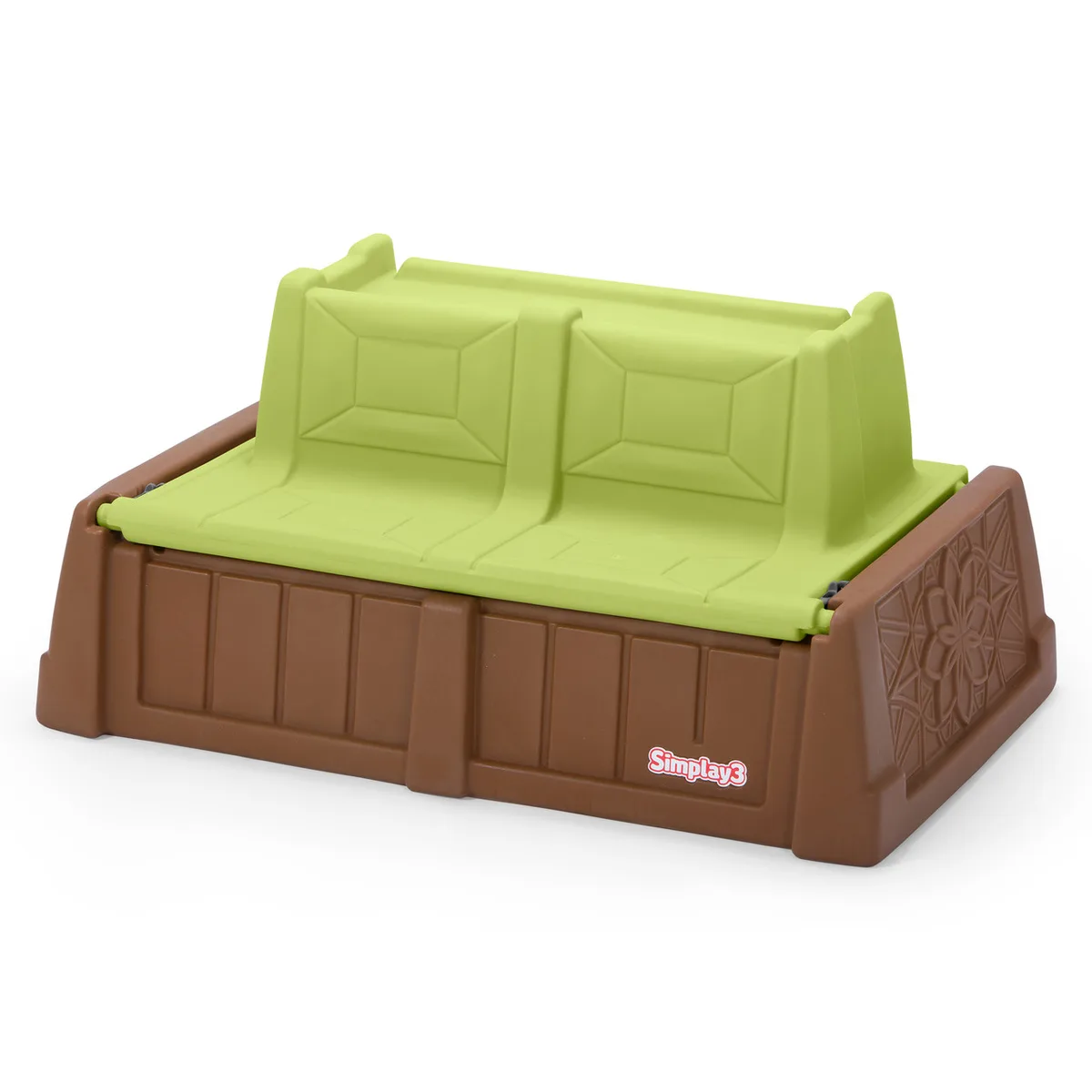
The best-built sand and water table we’ve tested. The Simplay3’s durability and design justify the premium over budget alternatives for families planning multi-year outdoor use.
Product Rating: 7/10 — Premium construction and genuine sensory play value. Single-purpose nature limits overall score.
Evidence Rating: Emerging — Sensory play is well-supported for early childhood development.
Who Should Buy This
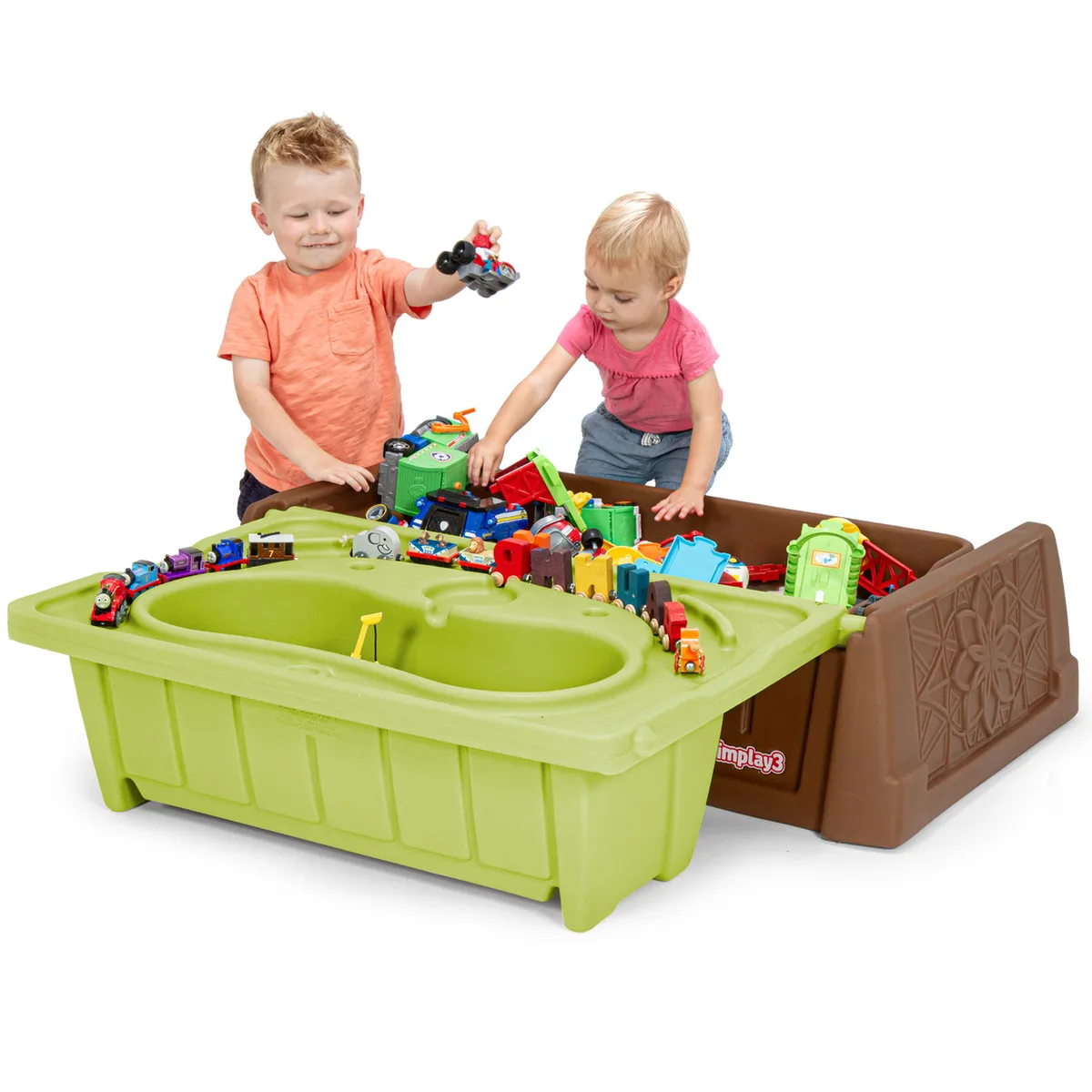
- Families with outdoor space seeking durable sensory play equipment
- Parents of toddlers ages 1.5-4 in the peak sensory exploration stage
- Families planning for multiple children who need long-lasting equipment
- Anyone frustrated by flimsy water tables that crack and fade
Who Should Skip This
- Budget-conscious families — Step2 tables at $60 are adequate
- Families without outdoor space
- Parents of children over 5 whose sensory play interests have evolved
- Anyone in climates where outdoor play is limited to a few months
This review reflects our independent evaluation. ScienceBasedKids.com purchased this product at retail price.
Footnotes
-
Gascoyne, S. (2012). Sensory play: Play in the EYFS. Andrews UK Limited. ↩
Enjoyed this review? We publish two new evidence-based evaluations every week.
Free. No spam. Unsubscribe anytime.
Engagement peaked at ages 2-3, consistent with the sensory exploration developmental stage.
Recommended Accessories
Affiliate links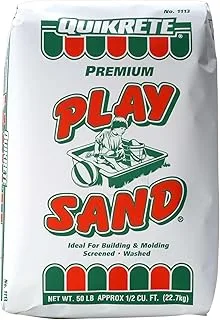
QUIKRETE 50 lb Premium Play Sand
“Washed, screened play sand. One 50 lb bag fills one basin adequately.”
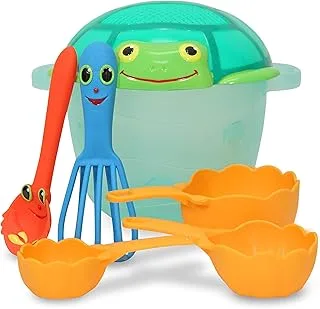
Melissa & Doug Seaside Sand Toy Set
“Sand molds, shovels, and sifters sized for water table play.”
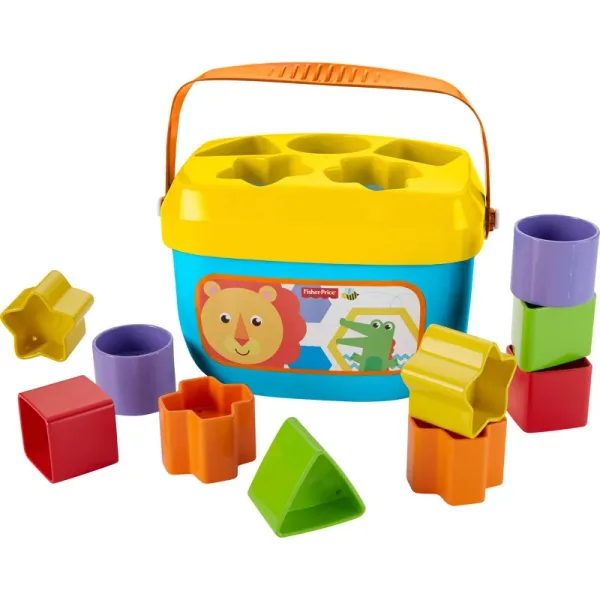
Green Toys Stacking Cups (6-pack)
“Recycled plastic cups that double as sand molds and water scoops.”
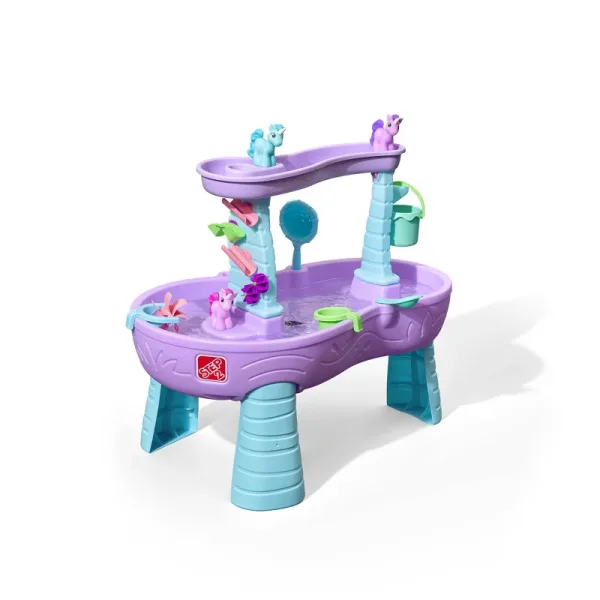
Step2 Rain Showers Splash Pond Water Table
“Budget alternative with interactive water features. Less durable, more playful.”