ScienceBasedKids.com may earn a commission from affiliate links in this review. Our ratings are never influenced by affiliate relationships. Read our full methodology.
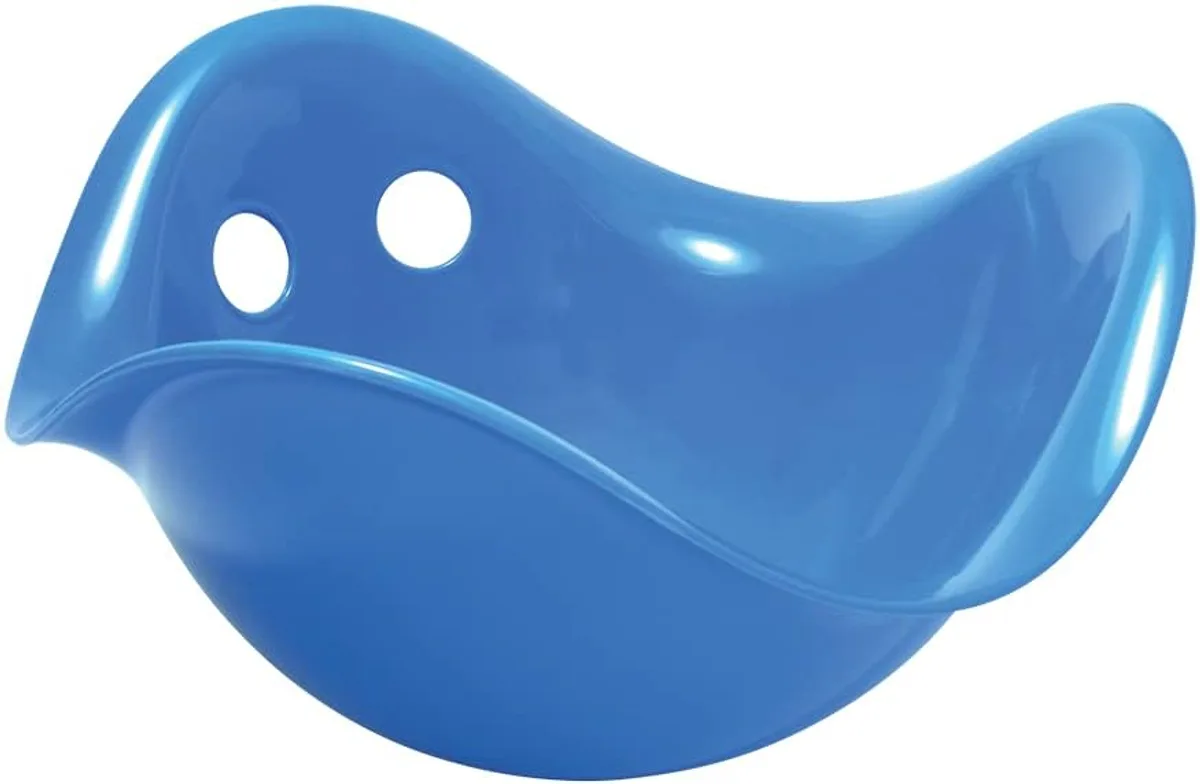
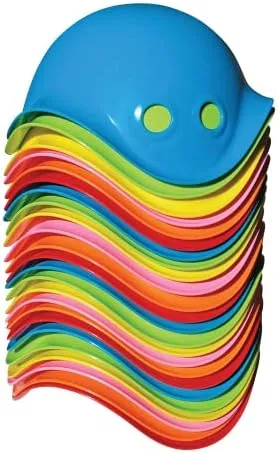
The Bilibo defies product categorization. It’s not a chair, though children sit in it. It’s not a helmet, though they put it on their heads. It’s not a drum, though they beat on it. It’s not a spinning top, though they spin in it. It’s a large, injection-molded shell — roughly the size and shape of a turtle shell — with two hand holes and a smooth, curved interior. The Swiss manufacturer describes it as “the toy that does nothing and becomes everything.” After six weeks of testing, we can’t improve on that description.
We placed the Bilibo in testing households with children ages 2 through 8 and tracked every use they invented. The list grew longer every week.
Product Overview
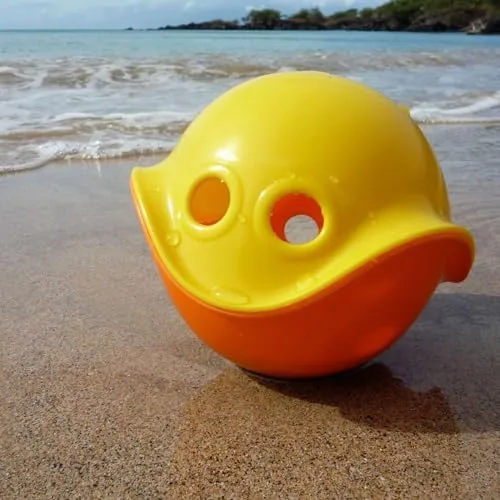
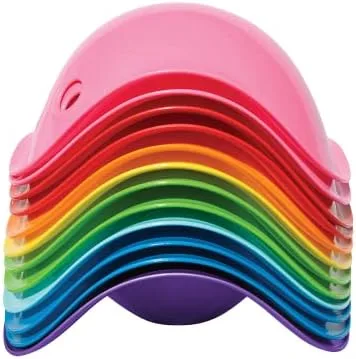
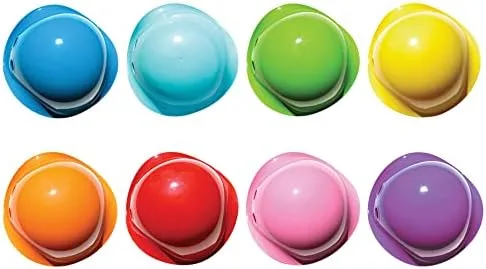
The Bilibo is a single piece of injection-molded high-density polyethylene. It’s approximately 15 inches wide, 15 inches long, and 8 inches tall. It weighs about 1.3 lbs. It has two oval hand holes. That’s it. Available in 8 colors.
Our Evaluation
Build Quality: 9/10
The polyethylene is thick, smooth, and flexible enough to absorb impact without cracking. The hand hole edges are rounded. The surface resists scratching. It works indoors and outdoors, in water, in sand, and in snow. We subjected it to every environmental condition available and it showed no degradation.
Play Value: 9/10
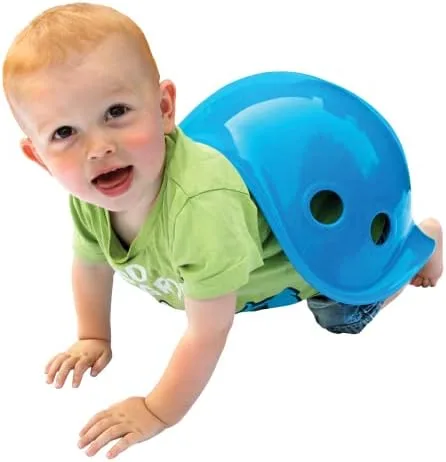
The Bilibo’s play value is paradoxically high precisely because it does nothing. With no prescribed use, children project their own imagination onto its form. We documented over 20 distinct uses across our testing group — spinning, rocking, wearing, carrying, sledding, drumming, bridging, hiding, nesting, and more.
The most popular use by far: sitting inside and spinning on a smooth floor. The curved bottom allows 360-degree rotation with minimal effort, providing intense vestibular stimulation that children find simultaneously exciting and calming.
Age Appropriateness: 9/10
Ages 2-8 is accurate. The youngest testers used it primarily for sitting and spinning. Older children incorporated it into elaborate pretend play and obstacle courses.
Value for Money: 9/10
$30 for a virtually indestructible, infinitely versatile play object that works indoors and outdoors. Exceptional value.
The Evidence
Open-Ended Play and Creativity. The Bilibo is the purest implementation of open-ended play in our portfolio. Russ and Wallace (2013) found consistent associations between open-ended play and divergent thinking.1 Toys without prescribed uses encourage children to generate their own play ideas — a creative exercise in itself.
Vestibular Stimulation. The spinning use provides vestibular input. Ayres (1972) identified vestibular stimulation as foundational to sensory integration.2
Safety Notes
No small parts. UV-stabilized plastic safe for outdoor use. No BPA or phthalates. Meets EN-71, ASTM F963. No CPSC recalls.
The Verdict
The Bilibo is proof that the best toys are often the simplest. A curved shell that does nothing becomes everything in children’s hands. The open-ended design, indestructible construction, and versatile format make it one of the best play objects we’ve tested.
Product Rating: 8/10 — Exceptional open-ended play value. The initial adult skepticism (“It’s just a shell?”) is the only barrier.
Evidence Rating: Emerging — Open-ended play and vestibular stimulation are well-supported.
Who Should Buy This
- Families who value open-ended, imagination-driven play
- Parents seeking indoor AND outdoor versatile toys
- Sensory-seeking children who benefit from spinning/vestibular input
- Minimalist families who prefer fewer, more versatile toys
Who Should Skip This
- Families who prefer toys with clear instructions and purposes
- Children who need more structured play guidance
- Parents who want to see obvious “educational” content
- Anyone who will be frustrated by a toy that “does nothing”
This review reflects our independent evaluation. ScienceBasedKids.com purchased this product at retail price.
Footnotes
Enjoyed this review? We publish two new evidence-based evaluations every week.
Free. No spam. Unsubscribe anytime.
The number of uses INCREASED over time — children kept inventing new ones.
Recommended Accessories
Affiliate links
Bilibo Mini (6-pack)
“Tiny Bilibos for sorting, sand play, water play, and imaginative miniature scenes.”
Bilibo Game Box
“Adds 36 colorful chips and a die for structured games using the Bilibo.”
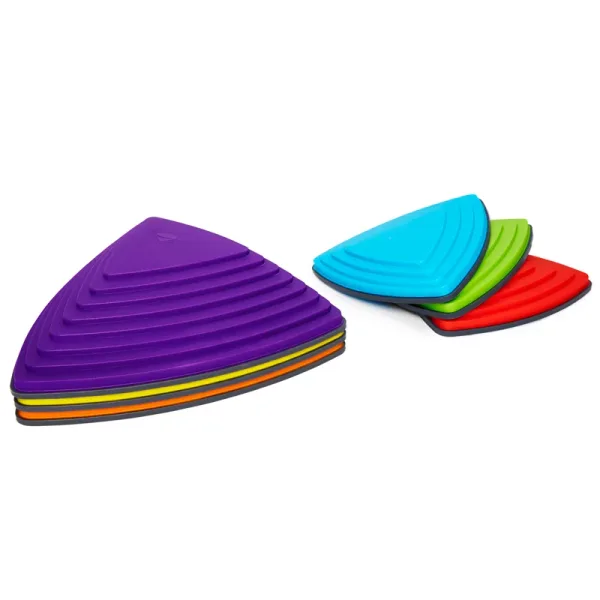
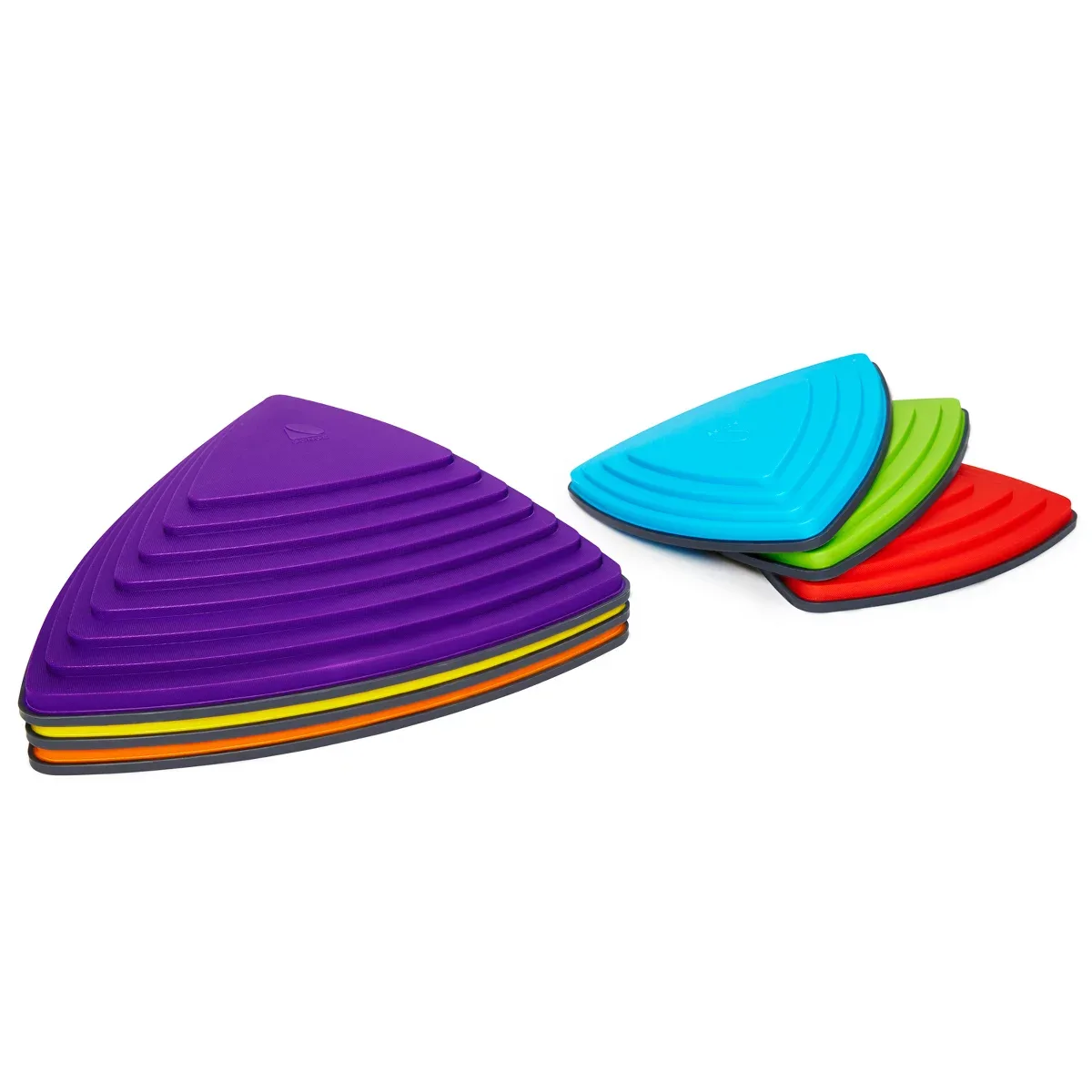
Gonge Riverstones Balance Set
“Stepping stones pair with the Bilibo for indoor obstacle courses.”
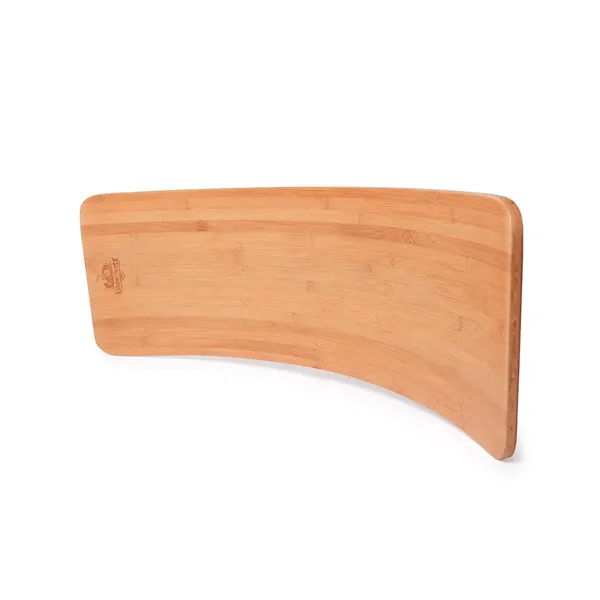
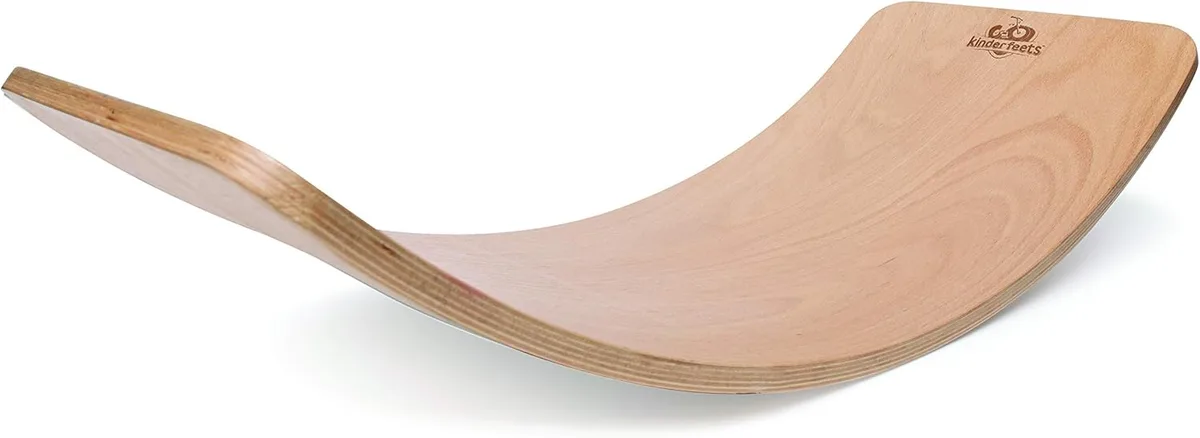
Kinderfeets Wobble Board
“Another open-ended movement toy. Different form, similar philosophy.”