ScienceBasedKids.com may earn a commission from affiliate links in this review. Our ratings are never influenced by affiliate relationships. Read our full methodology.
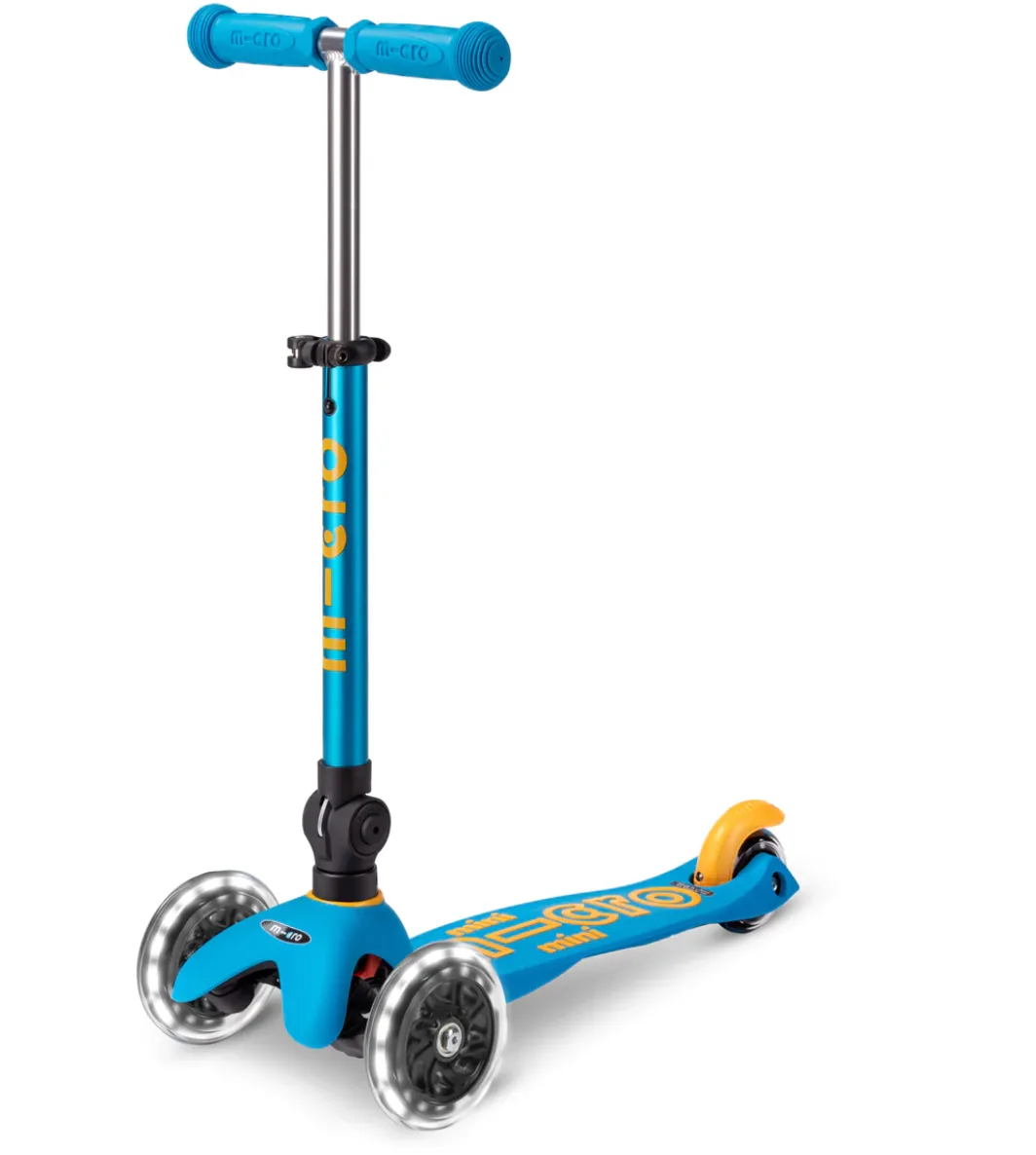
The problem with buying a scooter for a one-year-old is that one-year-olds can’t scooter. They can barely walk. But by age three, most children can ride a standard kick scooter with confidence — and by then, you’ve already spent two years watching the unopened scooter gather dust in the garage. The Micro Mini 3in1 Deluxe ($100) solves this timing problem with a modular design that transforms from a ride-on seat to a push-along to a standalone scooter, covering the developmental progression from first steps through confident scooting.
We tested it for eight weeks with children ages 13 months through 4 years, tracking how the configuration changes mapped to actual developmental milestones.
Product Overview
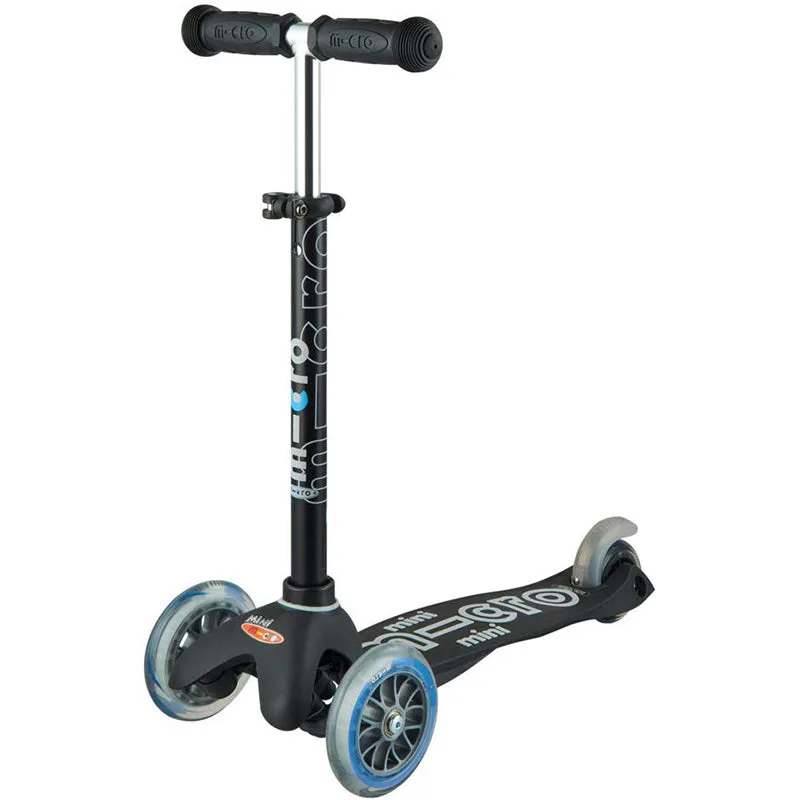
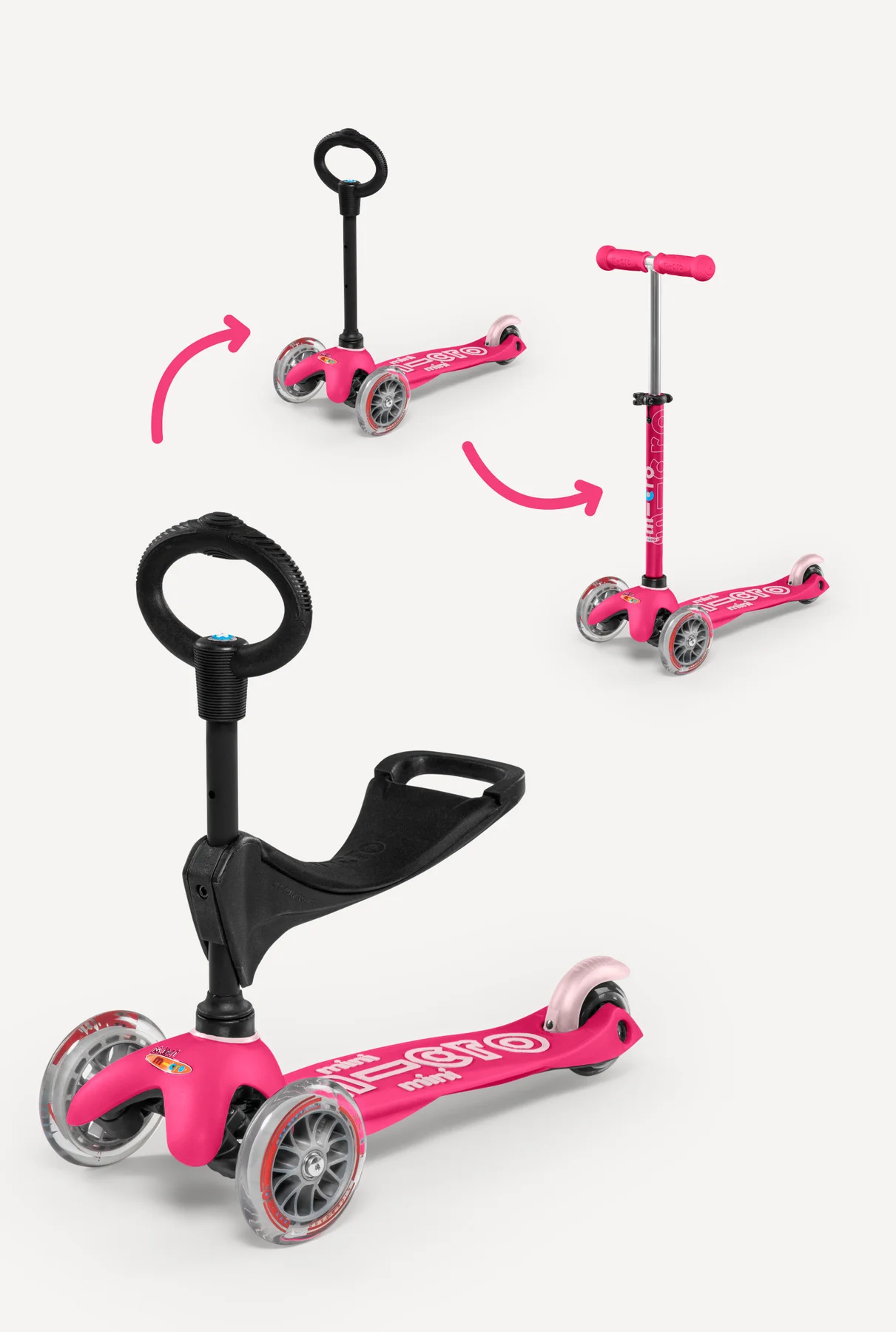
The 3in1 system includes three configurations:
- Stage 1 (12+ months): A seat attachment creates a low ride-on that children propel with their feet while seated. Parent handle optional.
- Stage 2 (18+ months): The O-bar (parent push handle) attaches for parent-guided standing scooter rides.
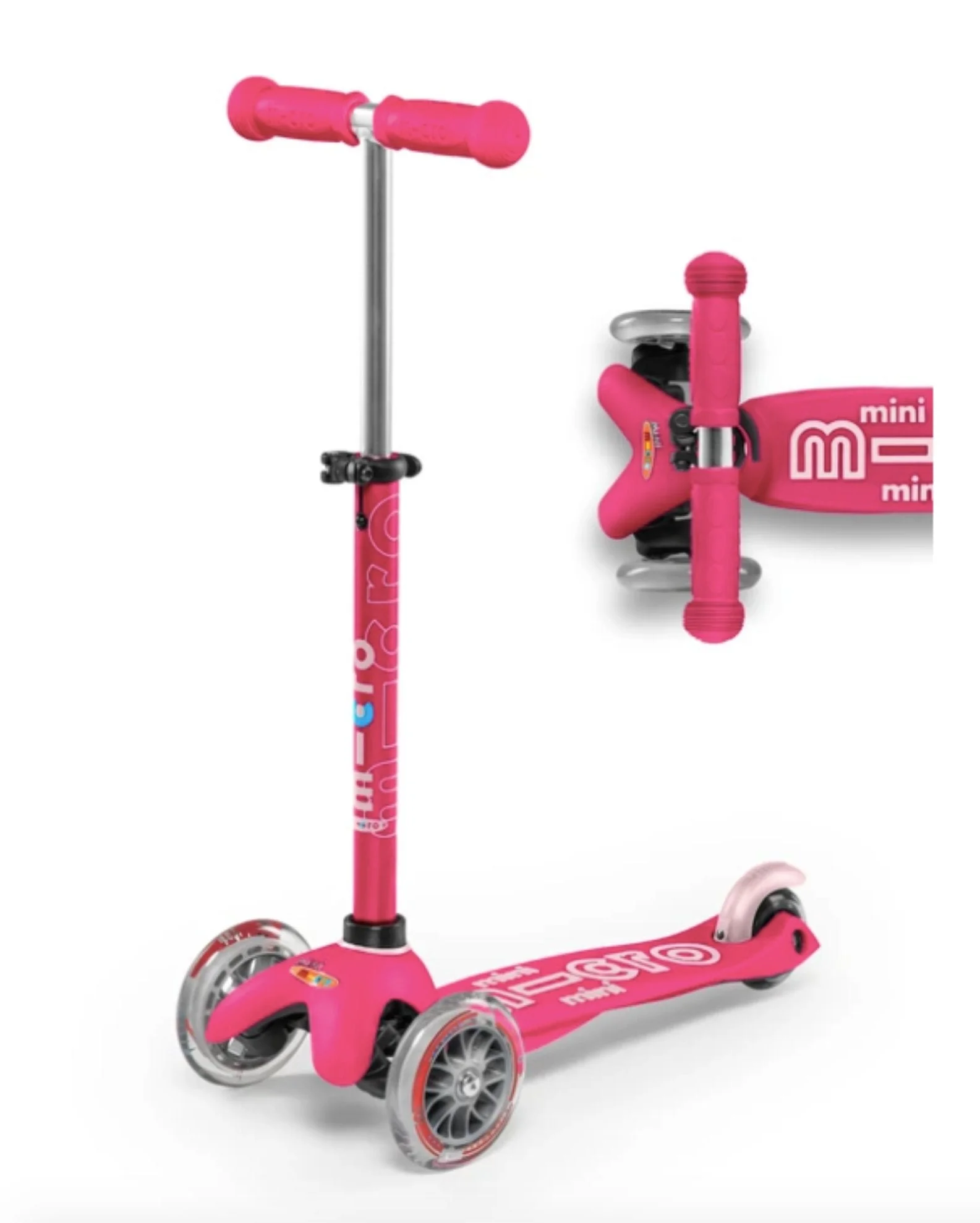
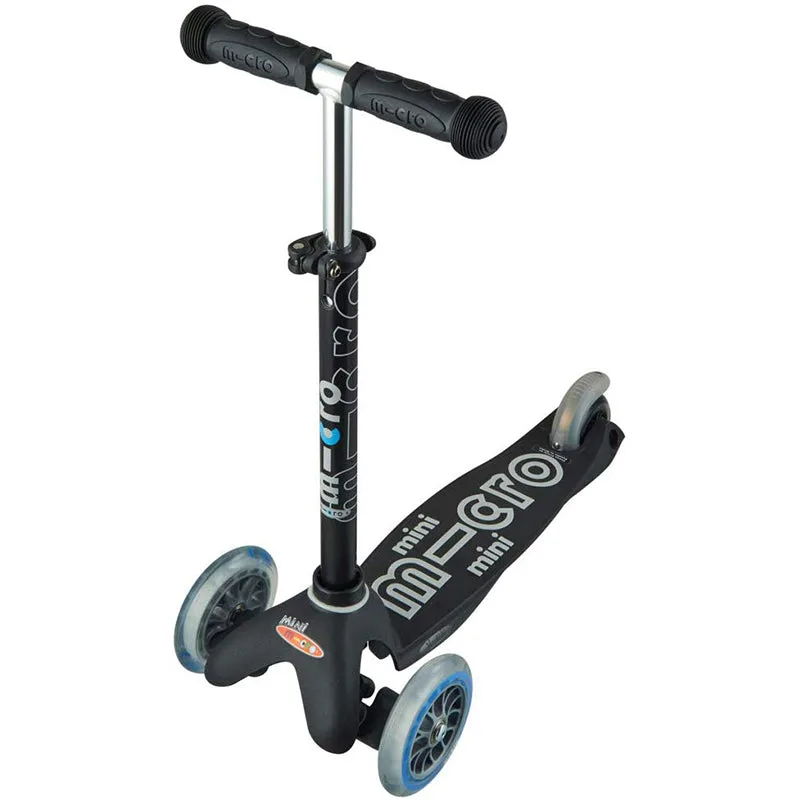
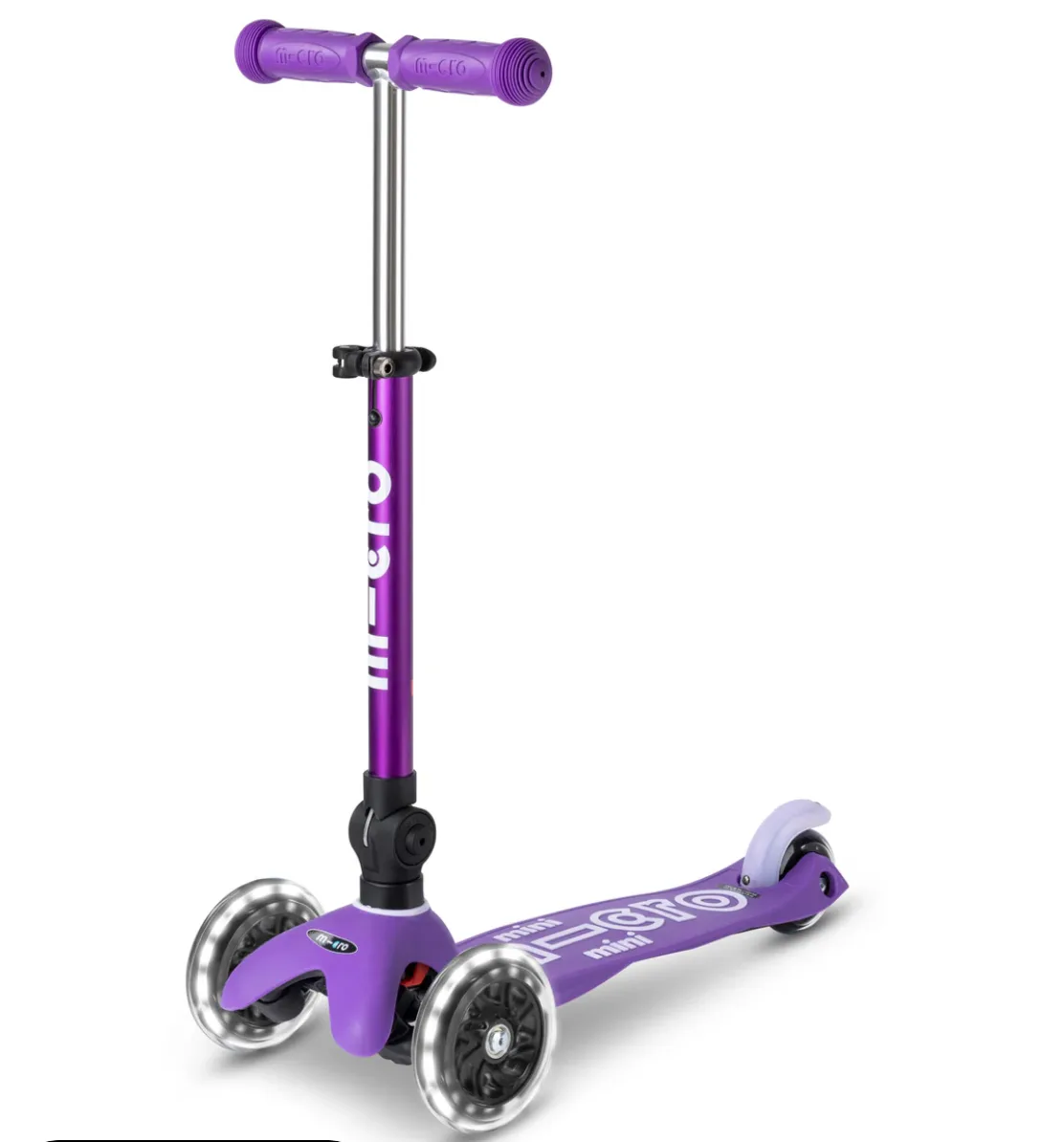
- Stage 3 (24+ months): The seat and O-bar remove, leaving the standard Mini Micro scooter with lean-to-steer technology.
The base is the same quality Mini Micro platform used in Micro Kickboard’s standalone scooters: three-wheel design (two front, one rear), lean-to-steer mechanism, silicone-injected PU wheels, and fiberglass-reinforced deck.
Our Evaluation
Build Quality: 9/10
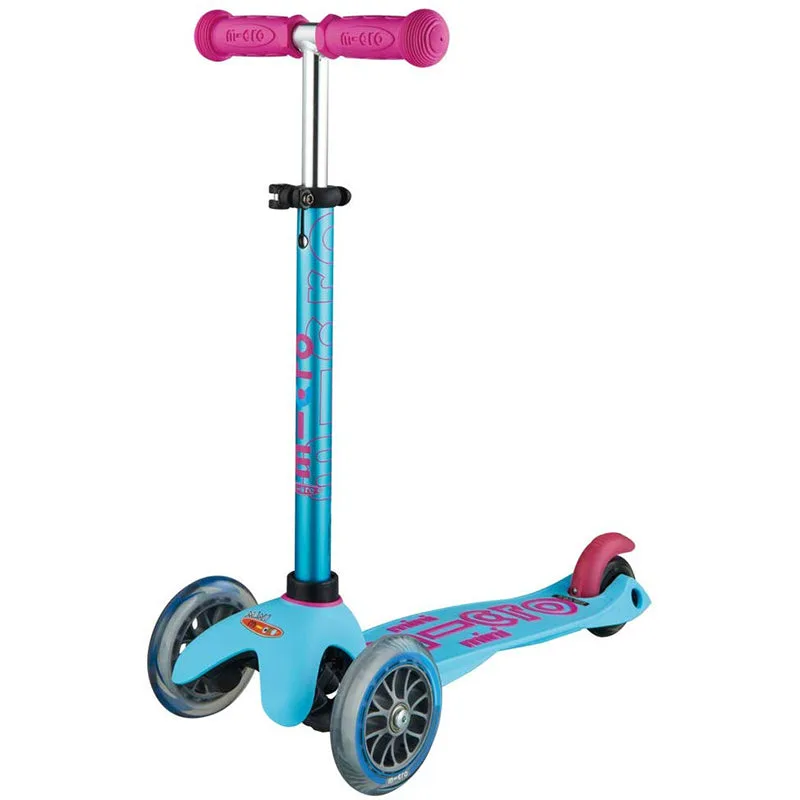
Swiss-designed precision. The frame is anodized aluminum, the wheels are smooth and durable, and the configuration changes use a simple, tool-free click system. Every component feels solid. The lean-to-steer mechanism is smooth and predictable. After eight weeks of daily use across multiple children, no degradation.
Play Value: 8/10
Each configuration provides appropriate challenge for its developmental stage:
- Seat stage: Our 13-month tester used it as a ride-on, propelling with feet while seated. The low center of gravity prevented tipping, and the three-wheel design provided stability.
- Push stage: The 20-month tester stood on the deck while a parent guided with the O-bar. This introduced standing balance on a moving platform.
- Scooter stage: The 3-year tester rode independently, using lean-to-steer intuitively. The progression from seat to scooter was remarkably smooth.
Age Appropriateness: 9/10
The three-stage design genuinely matches developmental progression. Each configuration introduces skills that prepare for the next stage.
Value for Money: 8/10
At $100 for a product covering ages 1-5, the per-year cost is $25 — excellent for a premium scooter. The base platform is the same as the $90 standalone Mini Deluxe, so the seat and O-bar attachments effectively cost $10 for two additional years of use.
The Evidence
Gross Motor Development and Wheeled Toys. Scooting develops dynamic balance, bilateral coordination, and spatial awareness. Adolph and Franchak (2017) documented that motor skill development involves continuous calibration between body and environment.1 The 3in1’s staged approach provides progressively challenging environments as skills develop.
The honest summary: Gross motor benefits of scooter riding are well-established. The staged approach is developmentally appropriate but not researched specifically.
Safety Notes
Helmet required for all configurations. The seat stage should be used on flat surfaces only. Adult supervision required for children under 3. Meets ASTM F963. No CPSC recalls.
The Verdict
The Micro Mini 3in1 Deluxe is the smartest investment in toddler mobility equipment. Three configurations, four years of use, and Swiss engineering quality make it the clear category leader.
Product Rating: 8/10 — Excellent design, quality, and developmental progression. Premium price is the only limiting factor.
Evidence Rating: Emerging — Gross motor development through wheeled play is well-supported.
Who Should Buy This
- Families with children approaching their first birthday who want an early-start scooter
- Parents who value buy-once quality over replacement purchases
- Families who already love the Micro Kickboard brand
- Urban families seeking efficient outdoor mobility for toddlers
Who Should Skip This
- Budget-conscious families — a standalone Mini Deluxe at age 3 is $90
- Families with children over 3 who can start directly with a standard scooter
- Parents who prefer balance bikes as a first wheeled vehicle
- Anyone who dislikes the lean-to-steer mechanism (rare but real preference)
This review reflects our independent evaluation. ScienceBasedKids.com purchased this product at retail price.
Footnotes
-
Adolph, K. E., & Franchak, J. M. (2017). “The development of motor behavior.” Wiley Interdisciplinary Reviews: Cognitive Science, 8(1-2), e1430. ↩
Enjoyed this review? We publish two new evidence-based evaluations every week.
Free. No spam. Unsubscribe anytime.
Each stage naturally builds on skills developed in the previous configuration.
Recommended Accessories
Affiliate links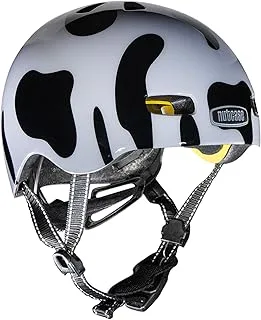
Nutcase Baby Nutty Helmet
“MIPS-equipped toddler helmet. Essential for all wheeled activity.”
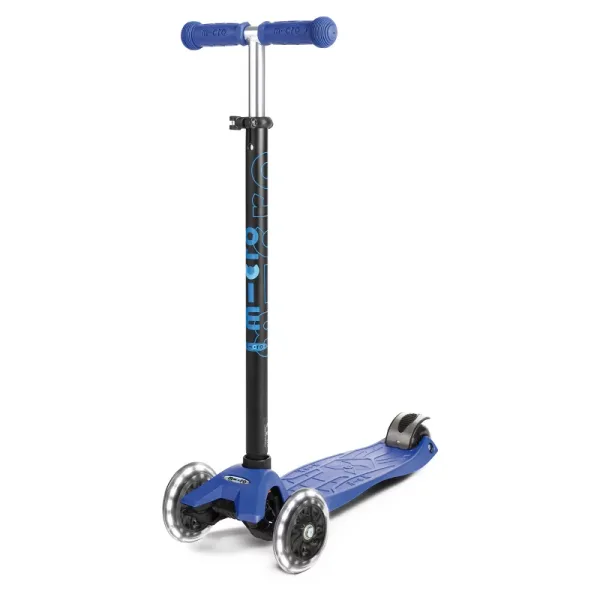
Micro Kickboard Mini Deluxe LED
“The natural upgrade when your child outgrows the 3in1 seat. Same quality, LED wheels.”
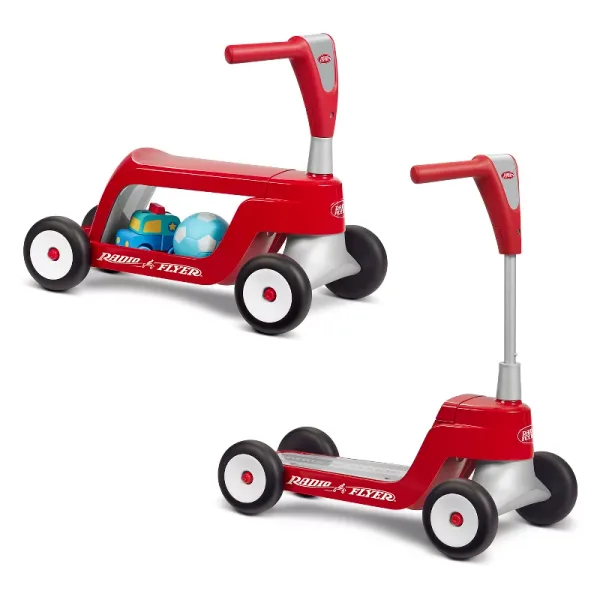
Radio Flyer Scoot 2 Scooter
“Budget 2-in-1 alternative at half the price. Adequate quality but less smooth ride.”

Micro Kickboard Bottle Holder
“Clips to the handlebar. Keeps water accessible on scooter adventures.”