ScienceBasedKids.com may earn a commission from affiliate links in this review. Our ratings are never influenced by affiliate relationships. Read our full methodology.
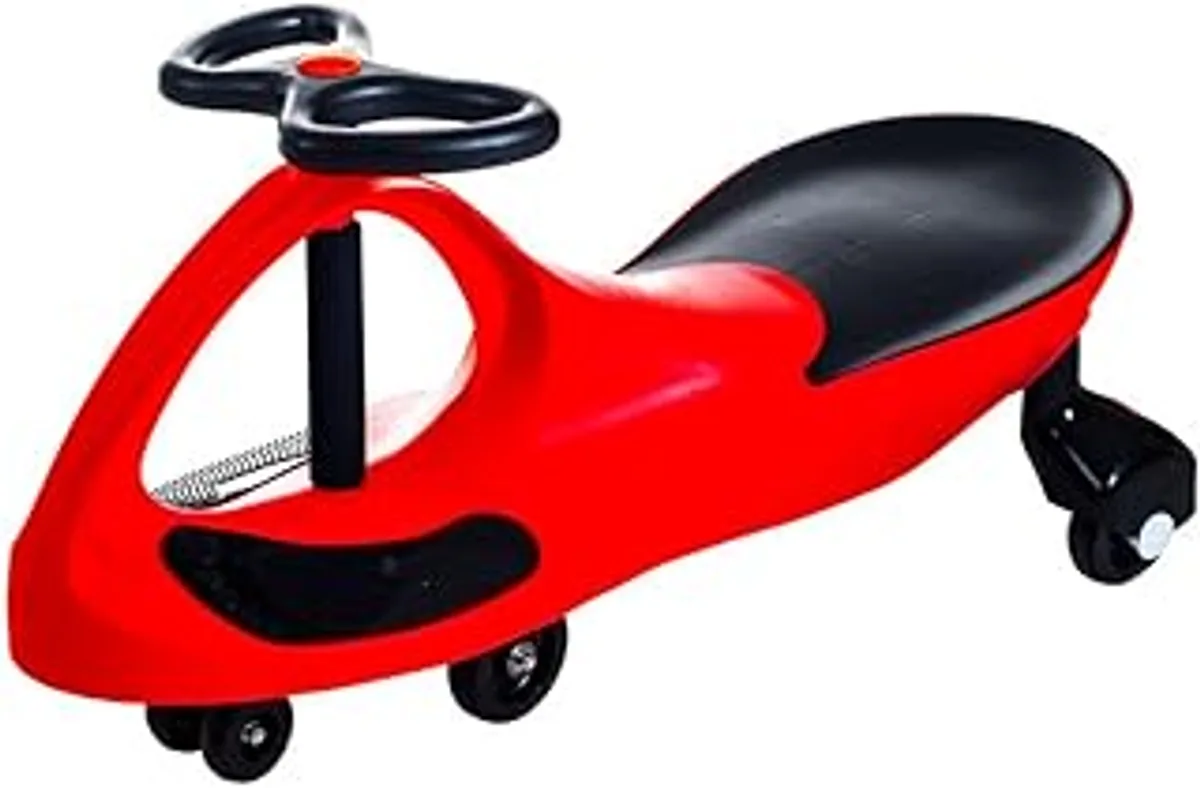
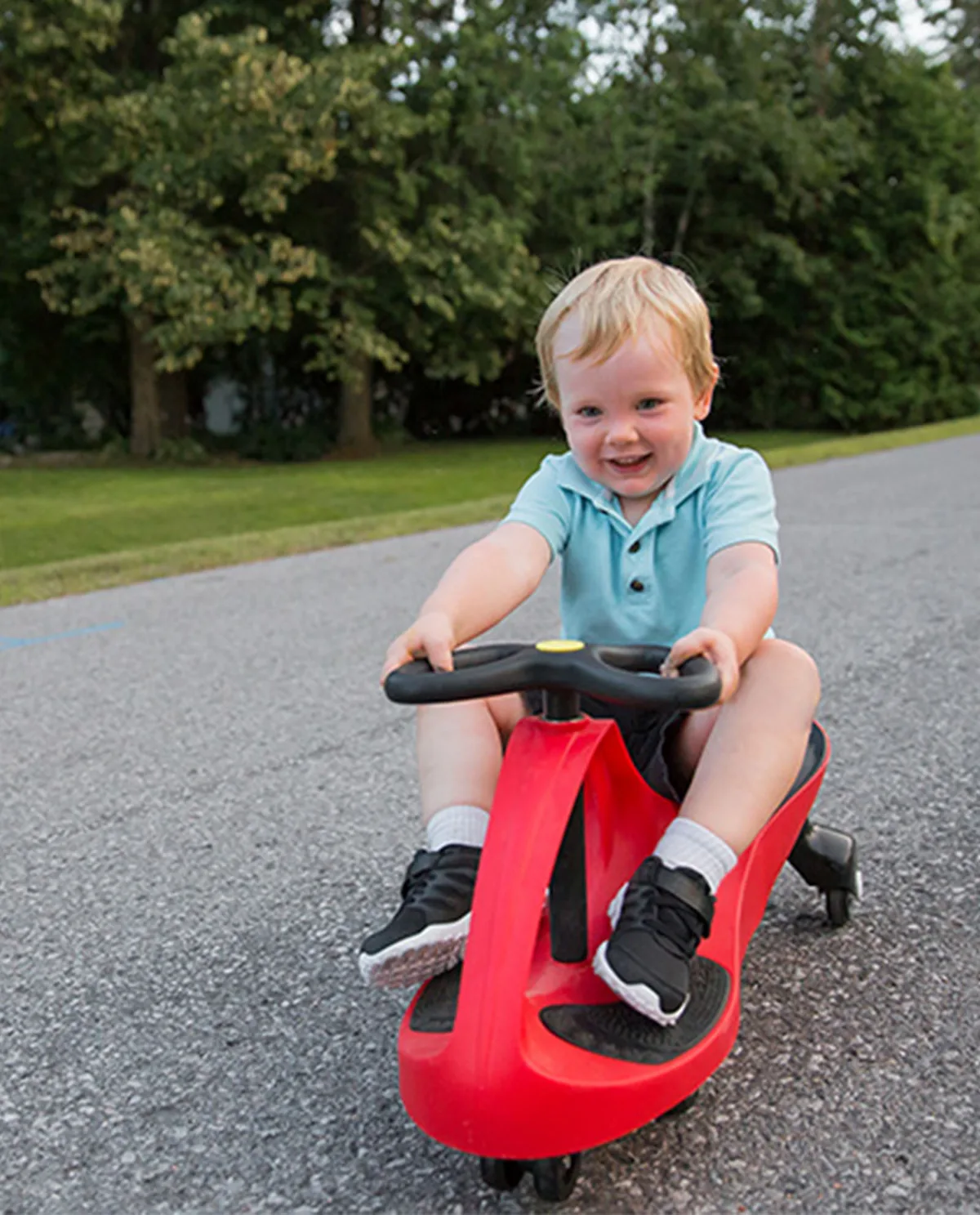
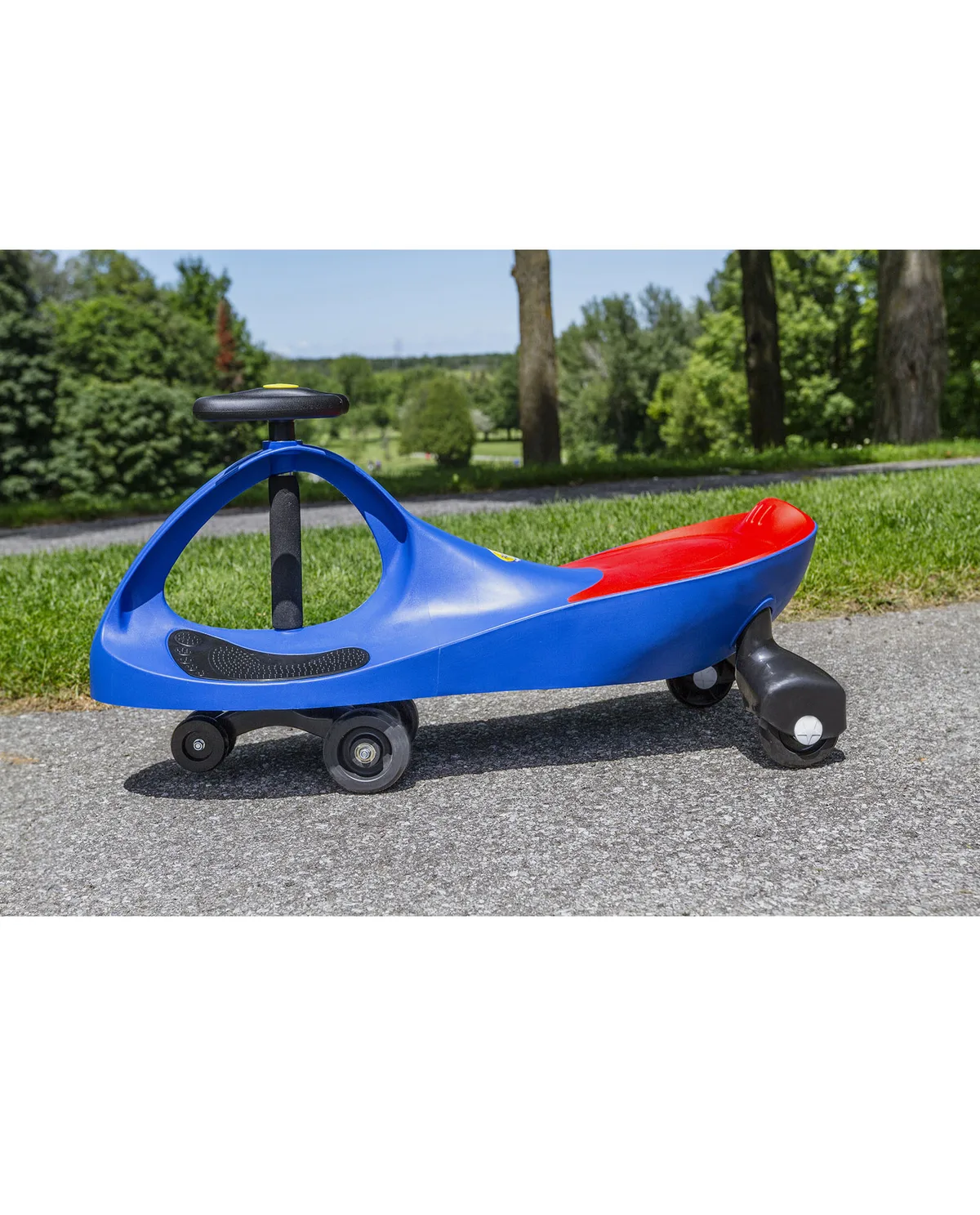
The PlasmaCar shouldn’t work. There are no pedals, no batteries, no gears, no chains. The rider sits down, turns the steering wheel left and right, and the car moves forward on any smooth surface. The first time you see it, you check for hidden motors. There are none. The propulsion comes from the interaction between the rider’s steering input, the car’s front caster wheel, and basic physics — specifically, the forces generated by rapid oscillation of the steering axis.
We tested the PlasmaCar for eight weeks with children ages 3 through 10 and several adults.
Product Overview
A low-profile plastic ride-on with a T-bar steering handle, four polyurethane wheels (one front caster, two rear fixed, one rear caster), and a seat. Weight capacity: 220 lbs. Weight: 5.5 lbs. No assembly required beyond attaching the steering column.
Our Evaluation
Build Quality: 7/10
The ABS plastic body is durable and handles the impacts of recreational use. The wheels are the wear item — they lose tread on rough surfaces. The steering mechanism is simple and reliable.
Play Value: 9/10
The movement mechanism is inherently fascinating. Children figure out the steering-to-movement relationship intuitively — usually within 5 minutes of first sitting down. Once mastered, the riding becomes fluid and genuinely fast (up to 6 mph on smooth surfaces). Children race each other, create obstacle courses, and ride for extended periods.
The adult-capable weight limit means parents can ride too, which is both entertaining and confidence-building for cautious children.
Age Appropriateness: 9/10
Ages 3-12 is accurate, and the adult capacity extends it further. Three-year-olds can ride slowly; older children develop significant speed and control.
Value for Money: 9/10
$55 for a no-battery, no-maintenance ride-on that works for ages 3 to adult. Exceptional value per year of use.
The Evidence
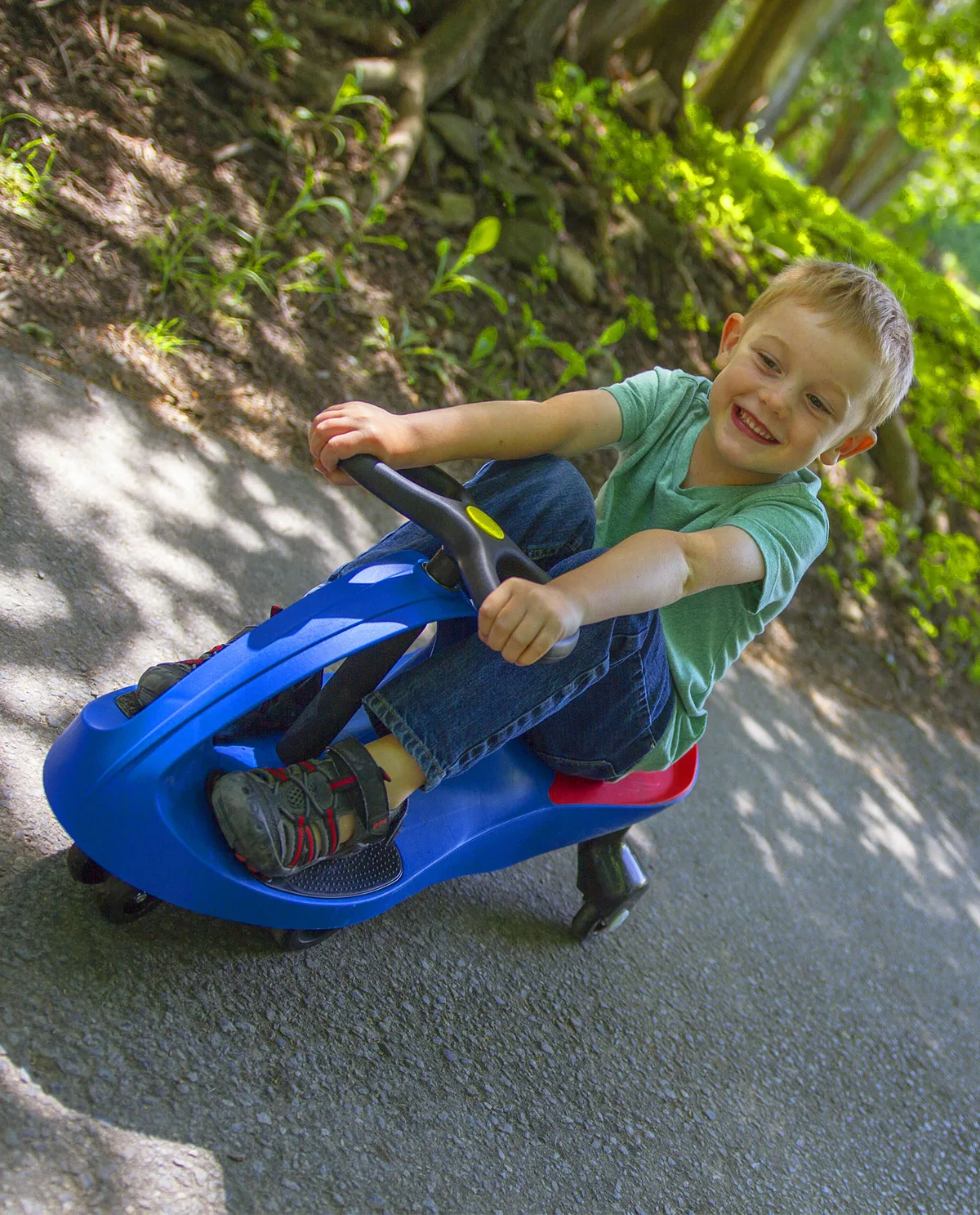
The PlasmaCar engages bilateral coordination (alternating steering), core stability (maintaining seated balance during motion), and upper body strength (steering force). These are well-established components of gross motor development (Adolph & Franchak, 2017).1
Safety Notes
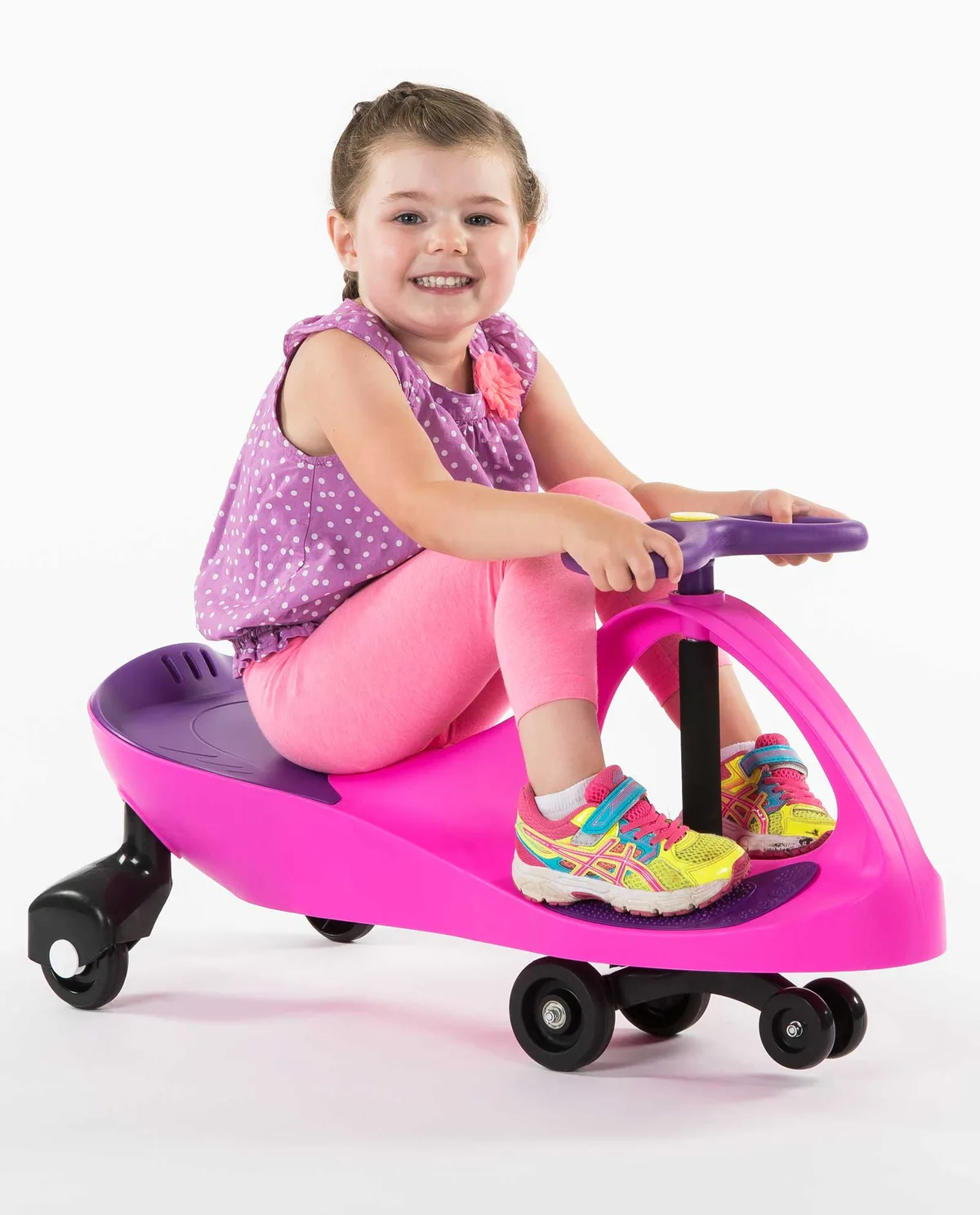
Helmet recommended. Use only on smooth, flat surfaces. Not for hills or streets. Wheel wear on rough surfaces can affect performance and safety. Meets ASTM F963. No CPSC recalls.
The Verdict
One of the most cleverly designed ride-on toys available. The physics-defying propulsion mechanism is genuinely engaging, and the no-battery, no-maintenance design means it just works.
Product Rating: 8/10 — Brilliant design, genuine fun, wide age range. Surface requirements limit versatility.
Evidence Rating: Emerging — Gross motor engagement is well-supported.
Who Should Buy This
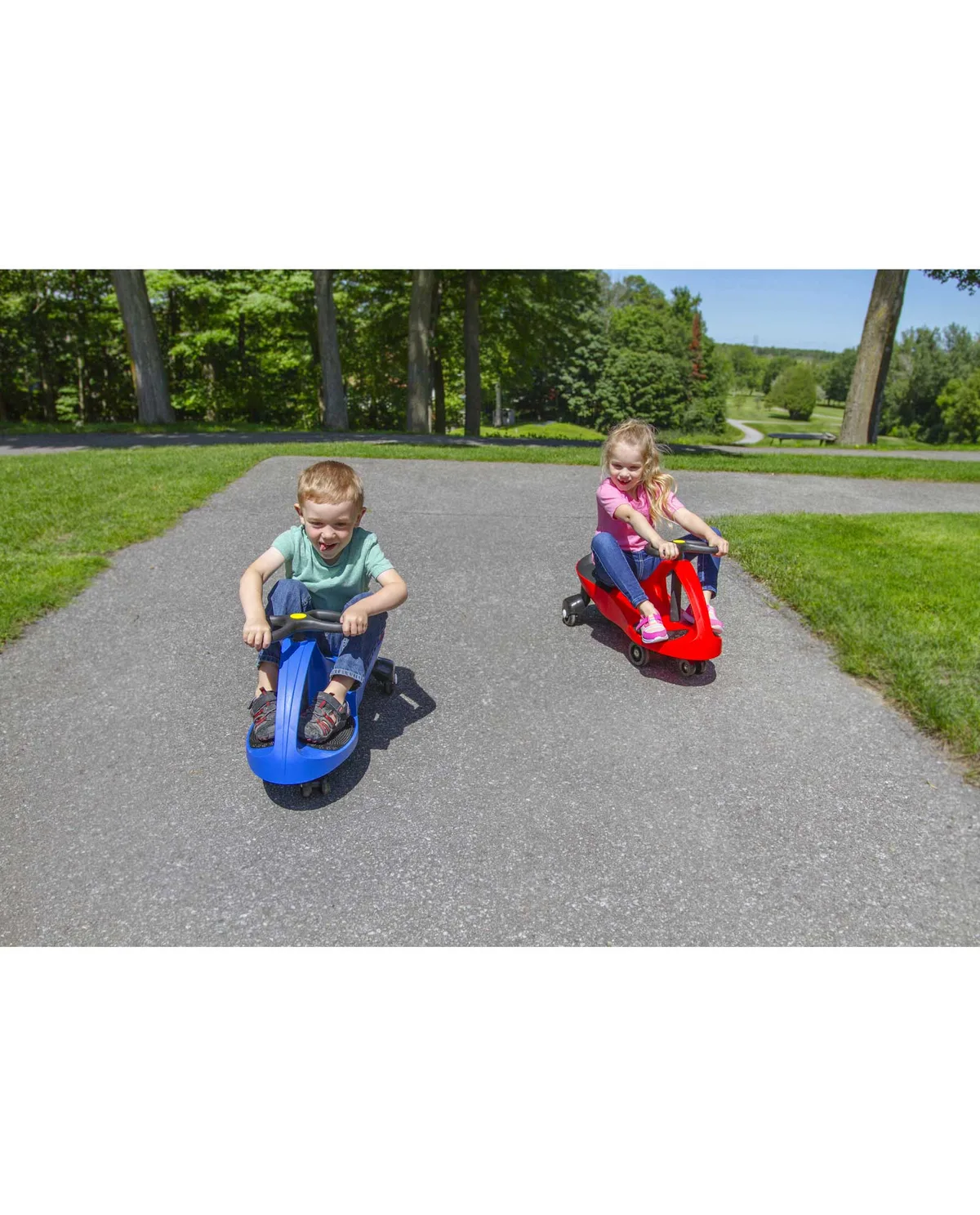
- Families with smooth outdoor surfaces (patios, driveways, garages)
- Children ages 3-10 who enjoy wheeled toys
- Parents who want to ride alongside their children
- Families seeking battery-free, maintenance-free active toys
Who Should Skip This
- Families without smooth riding surfaces — grass and gravel won’t work
- Families needing outdoor-rough-terrain toys
- Very cautious parents — the car can reach 6 mph
- Children who prefer pedal-powered vehicles
This review reflects our independent evaluation. ScienceBasedKids.com purchased this product at retail price.
Footnotes
-
Adolph, K. E., & Franchak, J. M. (2017). “The development of motor behavior.” Wiley Interdisciplinary Reviews: Cognitive Science, 8(1-2), e1430. ↩
Enjoyed this review? We publish two new evidence-based evaluations every week.
Free. No spam. Unsubscribe anytime.
Despite being a ride-on, PlasmaCar riding engages core and upper body significantly.
Recommended Accessories
Affiliate links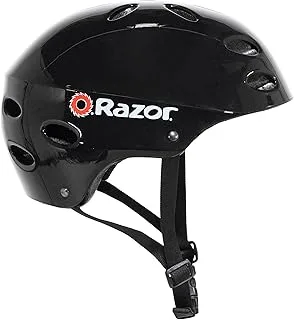
Razor Youth Multi-Sport Helmet
“Recommended for any wheeled ride-on. Safety first.”
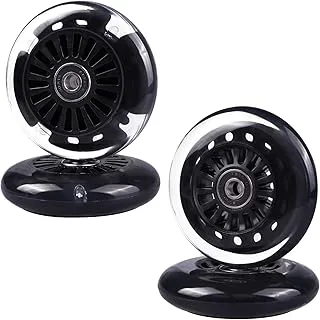
PlasmaCar Polyurethane Replacement Wheels
“Replacement wheels for when originals wear down after extended outdoor use.”
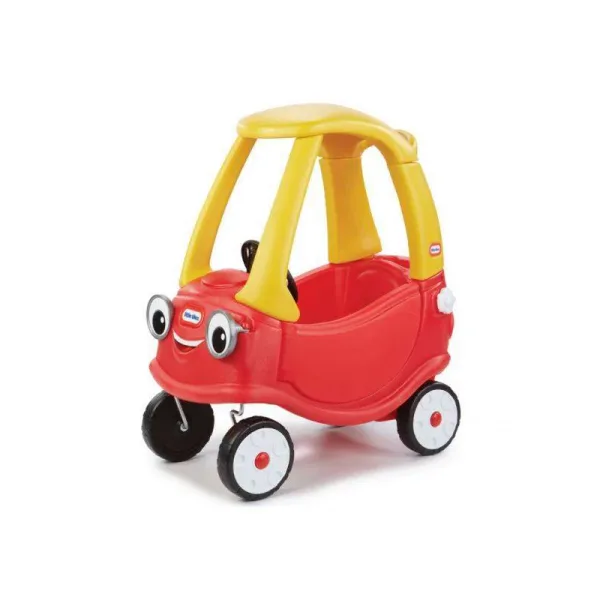
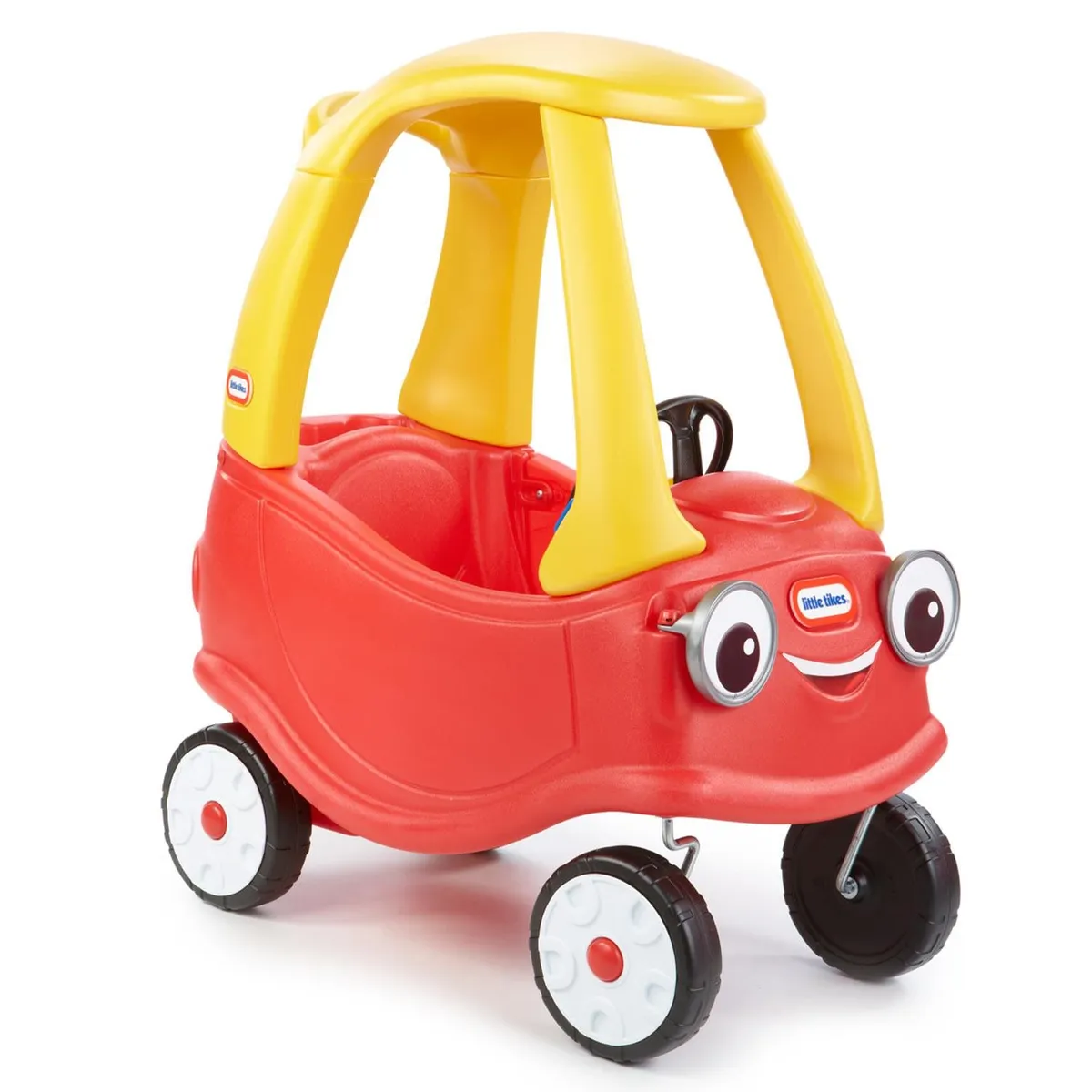
Little Tikes Cozy Coupe
“Foot-powered alternative with enclosed body. Different mechanism, similar age range.”
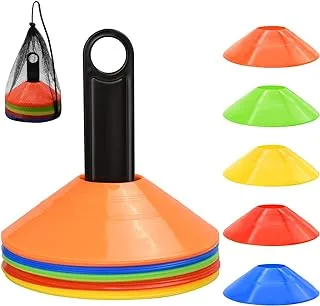
Cones (Training Cones 50-pack)
“Set up obstacle courses for PlasmaCar racing. Adds challenge and fun.”