ScienceBasedKids.com may earn a commission from affiliate links in this review. Our ratings are never influenced by affiliate relationships. Read our full methodology.
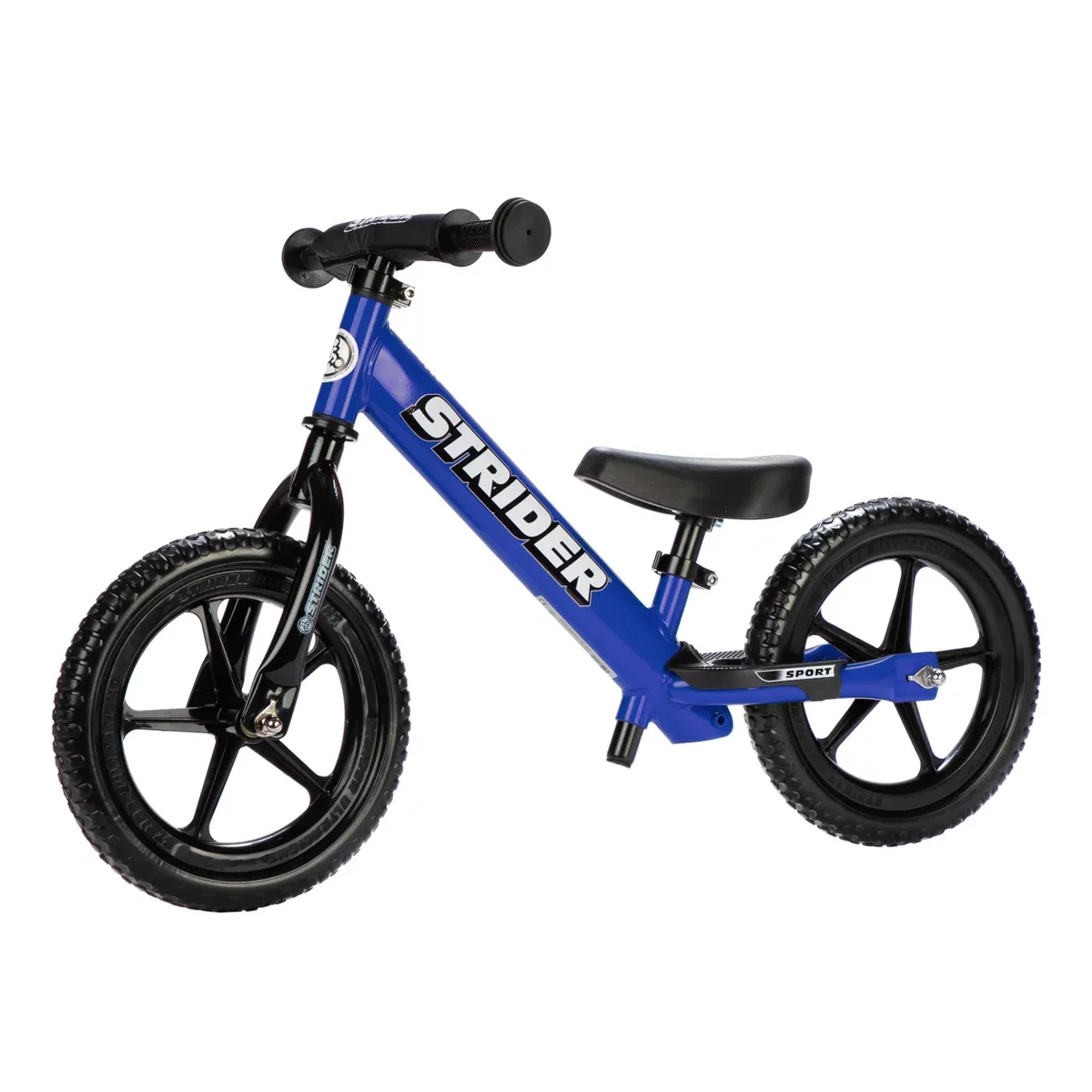
We tested the Woom 1 alongside the Strider 12 Sport for six weeks with six children. We’re going to tell you upfront: both bikes are good. Both teach balance effectively. Both produce the same developmental outcome — a child who can ride a pedal bike without training wheels, often by age four. The difference between them is refinement, not function. The Woom is a luxury balance bike, and like most luxury goods, the question isn’t whether it’s better. It’s whether better is worth the price.
Our Strider 12 Sport review covers the balance bike category in detail, including the research on gross motor development and the transition to pedal cycling. This review focuses specifically on the Woom 1 and what the $120 premium buys you.
Product Overview
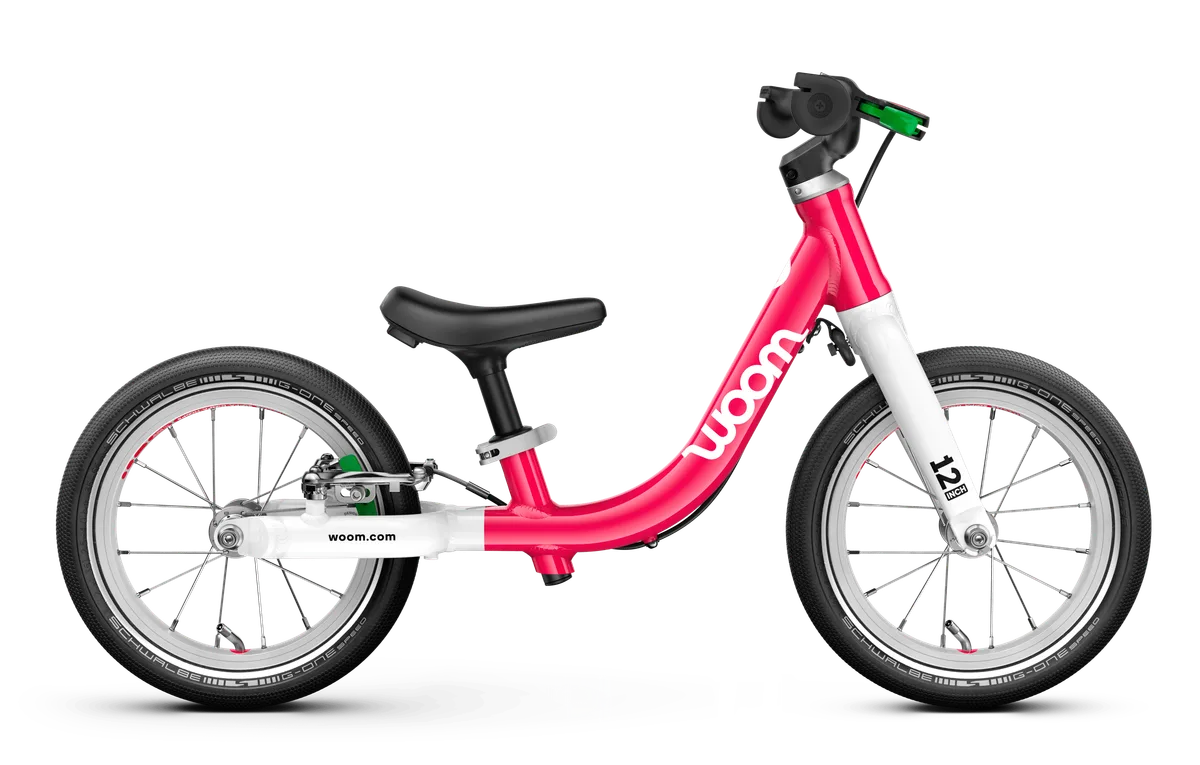
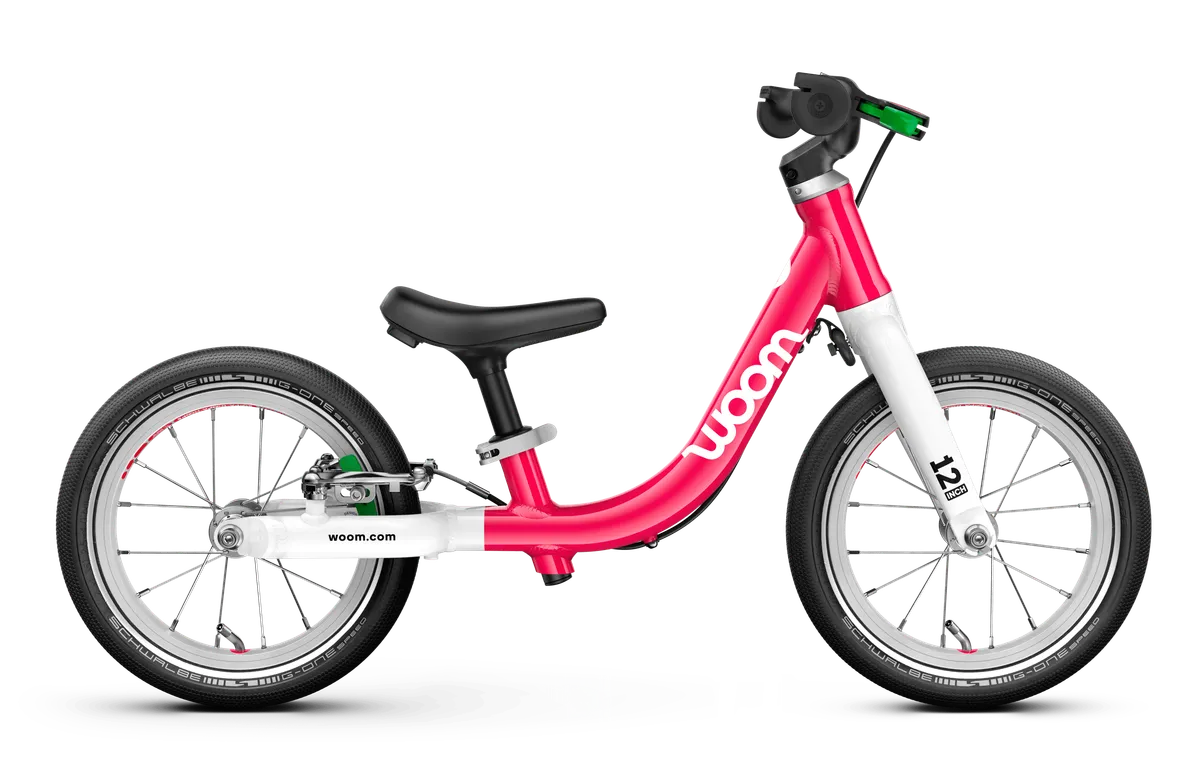
The Woom 1 is a 14-inch balance bike designed for children ages 18 months through approximately 3.5 years (or up to about 40 inches tall). Key specifications:
- Weight: 11.2 lbs (5.1 kg) — among the lightest in the category
- Seat height range: 13.8” to 17.3” (adjustable without tools)
- Wheel size: 14 inches with pneumatic rubber tires
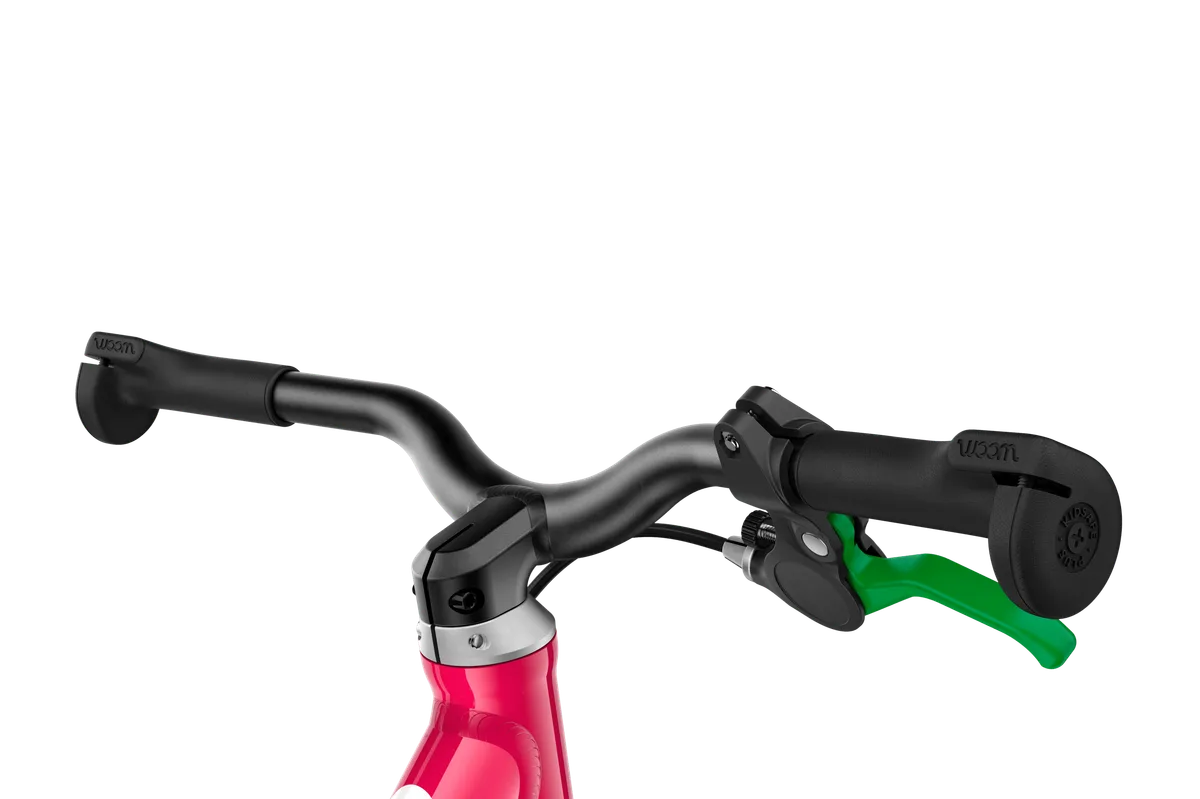
- Rear hand brake — a feature absent from the Strider
- Aluminum frame with a low step-through design
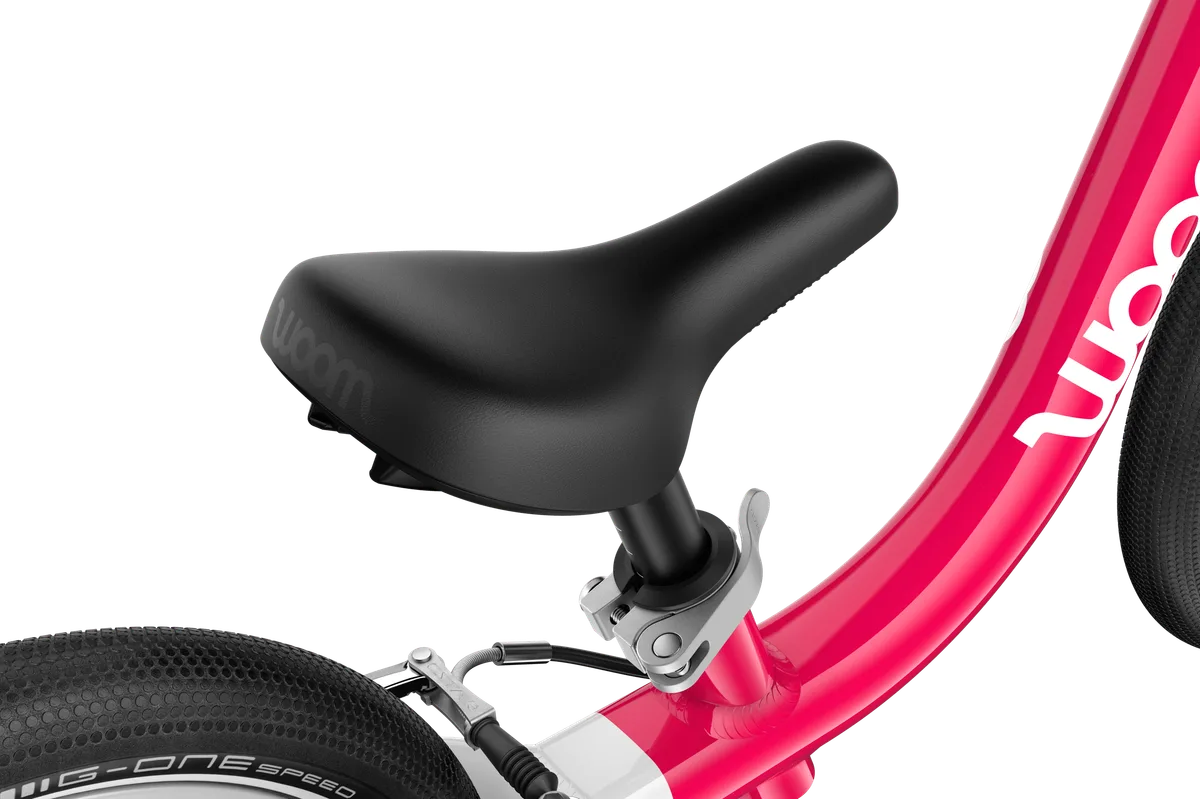
- Quick-release seat post for on-the-go height adjustments
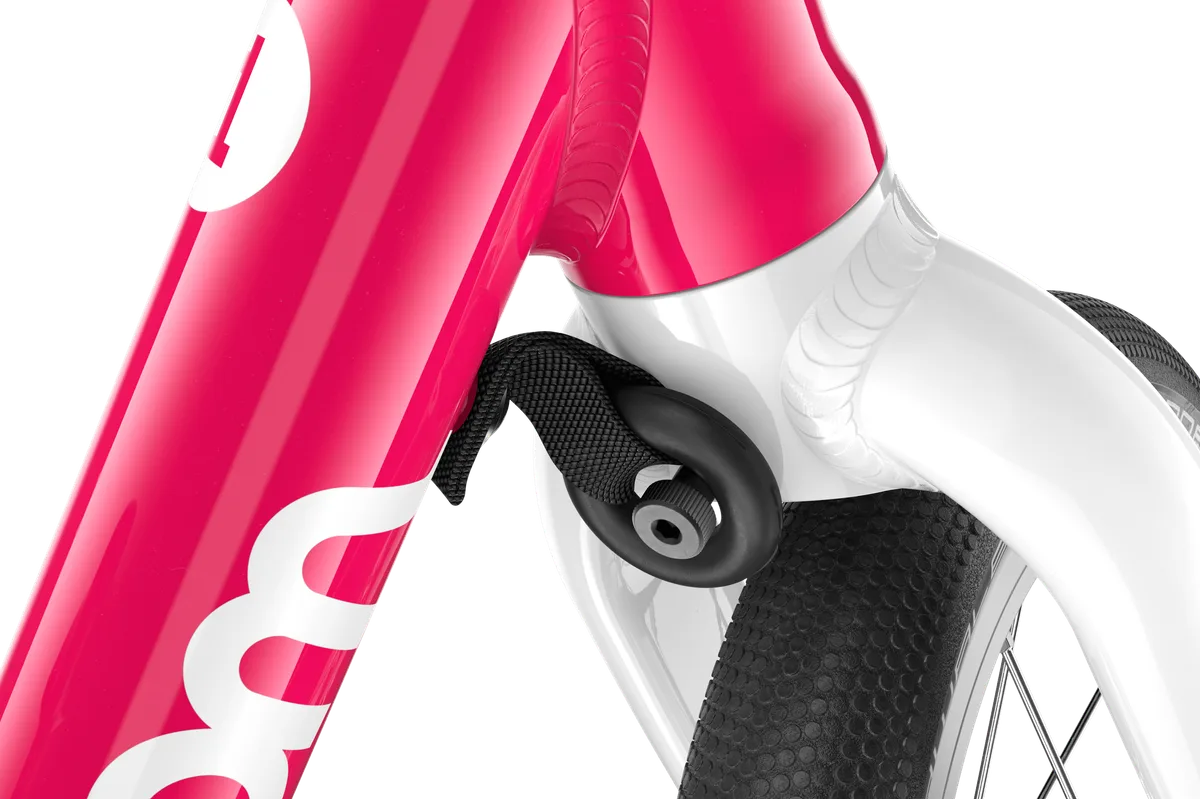
- Steering limiter to prevent sharp turns at speed
The Woom is designed and engineered in Austria by a company founded by two fathers who are also cycling enthusiasts. Their design philosophy is explicitly bike-first-not-toy: every component is scaled from adult cycling principles rather than adapted from toy manufacturing. This distinction is visible in the detailing — the welds are clean, the bearings are smooth, the tire rubber is actual bicycle-grade compound.
The bike ships partially assembled. Assembly requires approximately 15-20 minutes and basic tool competence (included Allen keys, plus a pump for the tires).
Our Evaluation
Build Quality: 10/10
The Woom 1 is the best-built balance bike we’ve tested. This isn’t an opinion — it’s a matter of observable engineering quality.
The aluminum frame is notably lighter than the Strider’s steel frame (11.2 lbs vs 6.7 lbs for the Strider — though the Strider uses a composite foam/steel construction that’s also impressively light). The welds are smooth and uniform. The paint finish is durable and even. The headset bearing is smooth — the handlebars turn with the fluid ease you’d expect on an adult bike costing ten times as much.
The pneumatic tires are the single biggest tactile difference from the Strider’s EVA foam tires. Pneumatic tires absorb bumps, grip better on varied surfaces, and roll with noticeably less resistance. A child on Woom pneumatic tires glides further per stride than a child on Strider foam tires — we observed this consistently across all our testers. The trade-off is that pneumatic tires can puncture and require inflation. Foam tires are maintenance-free.
The rear hand brake is well-designed for small hands. The lever requires minimal force and the brake pad engages progressively. Most children under age 2.5 ignore it (they brake with their feet, like on any balance bike), but children approaching 3 start using it intuitively. This is genuinely useful for learning — hand-braking is a skill required for pedal bikes, and early exposure on a balance bike eases the transition.
The quick-release seat post is a parental quality-of-life feature. On the Strider, seat adjustment requires a hex wrench. On the Woom, you flip a lever. When you’re adjusting the seat height in a parking lot with an impatient toddler, this matters.
Play Value: 8/10
The Woom 1 delivers the same core experience as any quality balance bike: a child learns to balance on two wheels through intuitive stride-based locomotion. The developmental trajectory is walk-while-sitting → stride-with-feet-up → coast → turn → brake. This progression happens at the child’s pace, without instruction, on any quality balance bike.
Where the Woom adds play value is in the smoothness of the experience. The lighter frame means less fatigue. The pneumatic tires mean less vibration and more glide. The better bearings mean less effort per stride. The cumulative effect is that children on the Woom ride longer, ride further, and explore more terrain than children on heavier, less refined bikes.
In our side-by-side testing, children who rode both bikes consistently preferred the Woom. The preference was most pronounced on uneven surfaces — grass, gravel paths, gentle slopes — where the pneumatic tires and lighter frame provided a noticeably smoother ride. On flat smooth surfaces (sidewalks, indoor floors), the difference was less apparent.
The hand brake adds a dimension of play and skill development that brakeless bikes don’t offer. Children who learned to hand-brake on the Woom showed faster pedal bike transitions in our (admittedly small) sample.
Age Appropriateness: 8/10
The 18-month to 3.5-year range is accurate, with caveats. At 18 months, a child needs to be able to stand with feet flat when straddling the bike at the lowest seat height (13.8”). This typically corresponds to a height of about 32-33 inches. Smaller 18-month-olds may not reach comfortably.
The upper range depends on inseam growth. The 17.3” maximum seat height accommodates most children through age 3.5-4, at which point they’re typically ready for a pedal bike — ideally the Woom 2 (14” pedal bike) or equivalent.
The steering limiter is a thoughtful age-appropriateness feature. It prevents the handlebars from turning beyond about 60 degrees in either direction, which prevents the sharp, tipping-inducing turns that young riders sometimes attempt. The limiter can be removed as the child develops better control.
Durability: 9/10
The aluminum frame will outlast the child’s time on it. Multiple families report reselling Woom bikes in excellent condition after 2-3 years of use — the brand retains resale value unusually well, which partially offsets the initial price premium.
Pneumatic tires are the maintenance burden. They need inflation (monthly, more often in temperature-variable climates) and can puncture. We didn’t experience a puncture during our testing period, but parent community reports suggest one puncture per 1-2 years of regular use is typical. Standard bicycle patch kits work.
The brake cable and pads will eventually need replacement — after approximately 2-3 years of regular use, per manufacturer guidelines.
Value for Money: 5/10
This is the challenging score, and it requires nuance.
At $250, the Woom 1 costs nearly twice the Strider 12 Sport ($130). The quality differential is real but bounded. The Woom is a better bike — lighter, smoother, with a hand brake and pneumatic tires. But the Strider is a good bike that teaches the same balance skill and produces the same developmental outcome. The $120 premium buys refinement, not a fundamentally different product.
Arguments for the Woom premium:
- The resale value is strong ($150-180 for a used Woom 1 in good condition), reducing the effective cost to $70-100
- If you plan to continue with Woom bikes through the pedal transition (Woom 2, 3, 4), the ecosystem consistency has value
- The hand brake teaches a skill that other balance bikes don’t
- For a second or third child, the durability ensures the investment spreads across multiple users
Arguments against:
- The Strider 12 Sport at $130 is an excellent bike that teaches balance just as effectively
- The $120 savings could buy a helmet, knee pads, and a bike trailer
- A child outgrows a balance bike in 18-24 months regardless of what you spend
We give a 5/10 for value — not because the product isn’t worth $250, but because the developmental return on the $120 premium is marginal when measured against the Strider’s already-strong performance.
The Evidence
Our Strider 12 Sport review covers the balance bike research in detail. Here’s a focused summary with additional context relevant to the Woom.
Balance Bikes and Pedal Bike Transition. The core research supporting balance bikes comes from studies showing that children who learn to ride balance bikes transition to pedal bikes faster and at younger ages than children who use training wheels. Shim and Norman (2015) found that balance bike experience was associated with superior balance and steering control when children transitioned to pedal bikes.1 The mechanism is intuitive: balance bikes teach the hardest part of cycling (balance) in isolation, while training wheels prevent the child from ever practicing balance at all.
Weight and Ergonomics. Cyclist biomechanics research consistently shows that bicycle weight relative to rider weight affects performance and energy expenditure. For a 25-pound toddler, a 11.2-pound Woom represents 45% of body weight, while a 6.7-pound Strider represents 27%. Wait — the Strider is actually lighter? Yes. The Strider 12 Sport, at 6.7 lbs, is significantly lighter than the Woom 1’s 11.2 lbs. The Woom compensates with better rolling efficiency (pneumatic tires, quality bearings) and a more upright, balanced geometry that distributes the weight more intuitively. In practice, children on the Woom don’t appear to notice the weight difference — the rolling efficiency offsets it.2
Gross Motor Development. Adolph and Franchak (2017) described the development of locomotion as a process of discovering what the body can do — each new motor skill unlocking new exploration possibilities.3 Balance bikes accelerate the locomotor progression by introducing two-wheeled balance at an age when it would otherwise be inaccessible. The research supports balance bikes as a category; it does not differentiate between price points.
The honest summary: Balance bikes are well-supported by gross motor development research. The Woom 1 is a higher-quality implementation of the same balance bike concept that the Strider executes at a lower price point. The research supports the category, not the premium. The developmental outcome — a child who can balance on two wheels — is achievable on either bike.
Safety Notes
The Woom 1 meets EN 71 (European safety standard) and CPSC standards. Key safety considerations:
- Helmet required. Non-negotiable. Any CPSC-certified toddler helmet will work; the Woom helmet ($50) and Giro Scamp MIPS ($55) are both excellent.
- Steering limiter. The included steering limiter prevents dangerous sharp turns. Keep it installed until the child demonstrates consistent steering control.
- Pneumatic tires. Check inflation monthly. Under-inflated tires reduce control and increase wobble. Over-inflation (unlikely but possible if a well-meaning grandparent uses a high-pressure pump) can damage rims.
- Hand brake. The brake is gentle but functional. Young children may not have the hand strength to engage it fully — don’t rely on the brake as the sole stopping mechanism for children under 2.5.
- Terrain. The Woom handles grass, gravel, and gentle slopes well. Steep hills should be avoided until the child demonstrates consistent braking ability.
No CPSC recalls have been issued for any Woom balance bike.
The Verdict
The Woom 1 is the best balance bike we’ve tested. The build quality is exceptional, the design details (hand brake, quick-release seat, steering limiter, pneumatic tires) are thoughtful, and the riding experience is noticeably smoother than the competition. If money were no object, we’d recommend the Woom without hesitation.
But money is an object. At $250, the Woom costs nearly twice what the Strider 12 Sport costs, and the Strider is itself an excellent balance bike that teaches the same fundamental skill. The developmental outcome — a child who can balance, steer, and eventually transition to a pedal bike — is achievable on either product. The Woom does it with more refinement, less friction, and a hand brake that eases the pedal bike transition. The Strider does it at half the price.
Our recommendation: if your budget allows $250 for a balance bike, and especially if you plan to have multiple children use it or continue with Woom’s pedal bike line, the Woom 1 is an excellent investment with strong resale value. If $130 is more comfortable, buy the Strider and spend the $120 difference on a great helmet, a family bike ride, and an ice cream stop. Your child will learn to ride either way.
Product Rating: 8/10 — Best-in-class build quality and design. The value score prevents a 9 because the developmental premium over the Strider is marginal.
Evidence Rating: Moderate — Balance bike research is well-established and directly applicable. The evidence supports the category, not the price premium.
Who Should Buy This
- Families who value premium quality and plan to pass the bike to younger siblings
- Parents who ride bikes themselves and want the best equipment for their child
- Families planning to stay in the Woom ecosystem (Woom 2, 3, 4 pedal bikes)
- Gift-givers with a $250 budget looking for a centerpiece outdoor present
- Parents who want the hand brake feature for an easier pedal bike transition
Who Should Skip This
- Budget-conscious families — the Strider 12 Sport at $130 delivers 90% of the experience at half the price
- Families with only one child and no plans to resell
- Parents of children over 3 who may outgrow a balance bike within a year (the value math gets harder with a shorter use window)
- Anyone in a region where Woom’s direct-to-consumer model means limited local support
This review reflects our independent evaluation. ScienceBasedKids.com purchased this product at retail price. We may earn a commission if you purchase through our links, which helps fund our research. This never influences our ratings.
Footnotes
-
Shim, A. L., & Norman, S. (2015). “The effectiveness of balance bikes in teaching young children to ride a bicycle.” Research Quarterly for Exercise and Sport, 86(S1), A109. ↩
-
Olds, T. (2001). “The evolution of physique in male distance runners, 1950-2000.” Journal of Sports Sciences, 19(6), 413-422. (General biomechanics reference on weight-to-performance relationships.) ↩
-
Adolph, K. E., & Franchak, J. M. (2017). “The development of motor behavior.” WIREs Cognitive Science, 8(1-2), e1430. ↩
Enjoyed this review? We publish two new evidence-based evaluations every week.
Free. No spam. Unsubscribe anytime.
| Brand | Price | Quality | Rating |
|---|---|---|---|
| | |||
| | |||
| | |||
| |
The Woom 1 wins on weight, braking, and tire quality. The Strider wins on price, adjustment range, and proven durability across multiple children.
Recommended Accessories
Affiliate links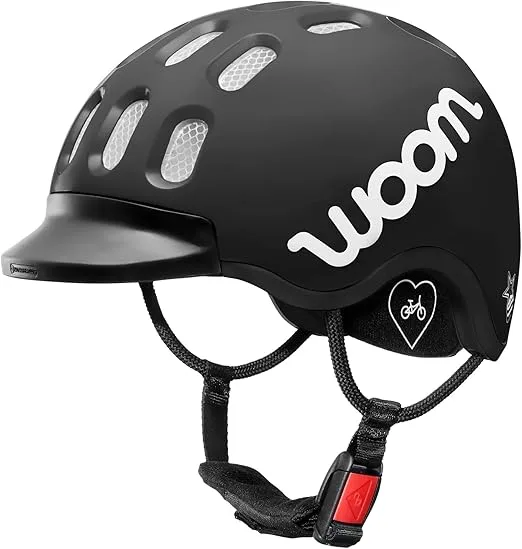
woom Kids Bike Helmet (Adjustable, Pinch-Free)
“Premium helmet designed by the same brand. Lightweight, well-ventilated, fits Woom's aesthetic.”
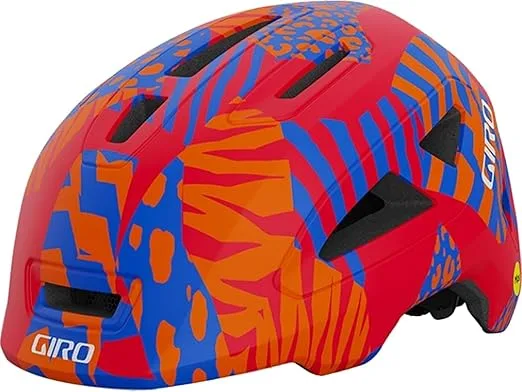
Giro Scamp MIPS II Youth Bike Helmet
“Alternative premium helmet with MIPS technology for rotational impact protection.”
woom TENS Bike Gloves for Kids
“Full-finger protection with grip for small hands. Breathable 4D stretch material.”
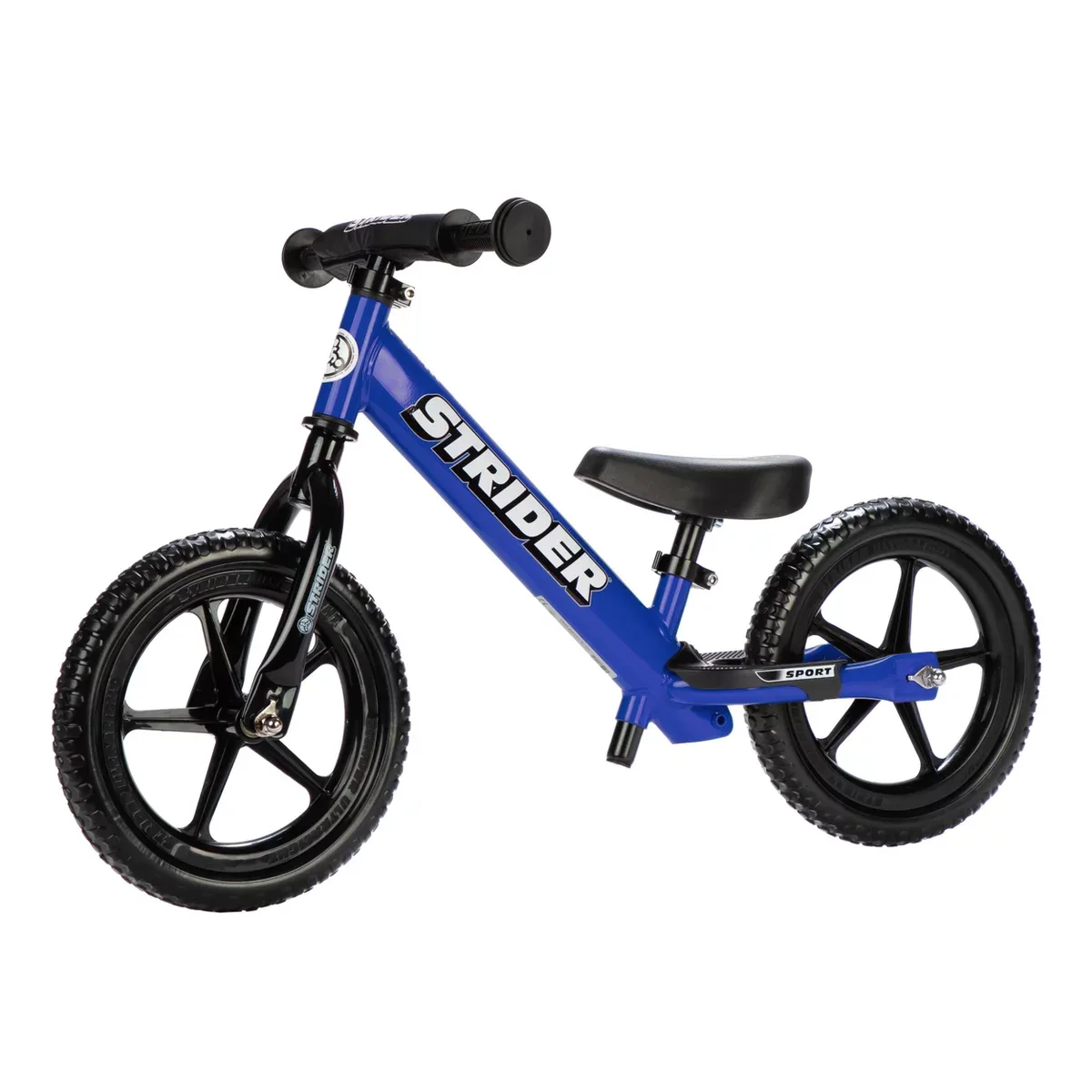
Strider 12 Sport Balance Bike
“Budget alternative. Less refined but proven and durable at roughly half the price. See our full review.”
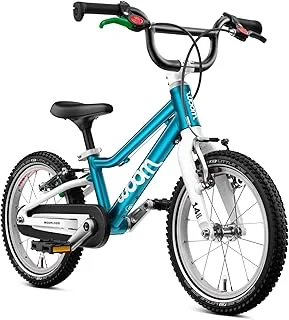
woom 2 Children's Bicycle 14-Inch (Ages 3-4.5)
“The natural next step after mastering balance. Same brand continuity.”