ScienceBasedKids.com may earn a commission from affiliate links in this review. Our ratings are never influenced by affiliate relationships. Read our full methodology.
Most “guitars” sold for children are toys shaped like guitars. They have buttons that play pre-recorded chords when pressed. They light up. They make sounds when you wave them around. They teach a child nothing about music and everything about plastic. The Loog Mini Electric Guitar is not one of these products. It has three real strings. It makes real sounds when you pluck or strum them. It goes out of tune and requires tuning back. It is, in the most literal sense, a real guitar — just one with three strings instead of six, sized for hands that can barely wrap around a banana.
This distinction matters enormously, and it’s why the Loog is the first product in our arts category to earn both a high product rating and a Moderate evidence rating. The research on music education — real music education, not button-pressing — and cognitive development is some of the most robust in all of developmental science. The Loog is designed to give children access to that research, starting at age three.
Product Overview
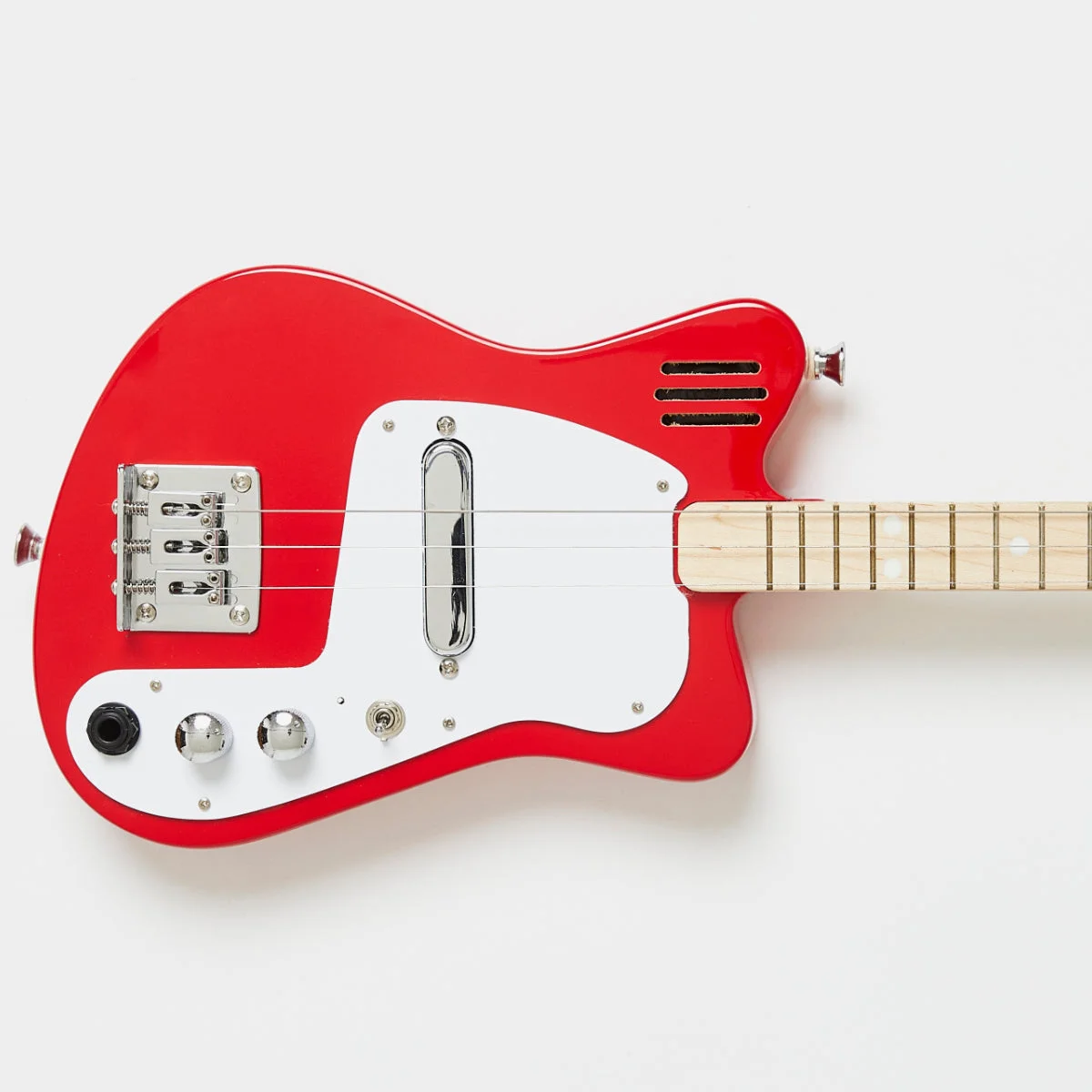
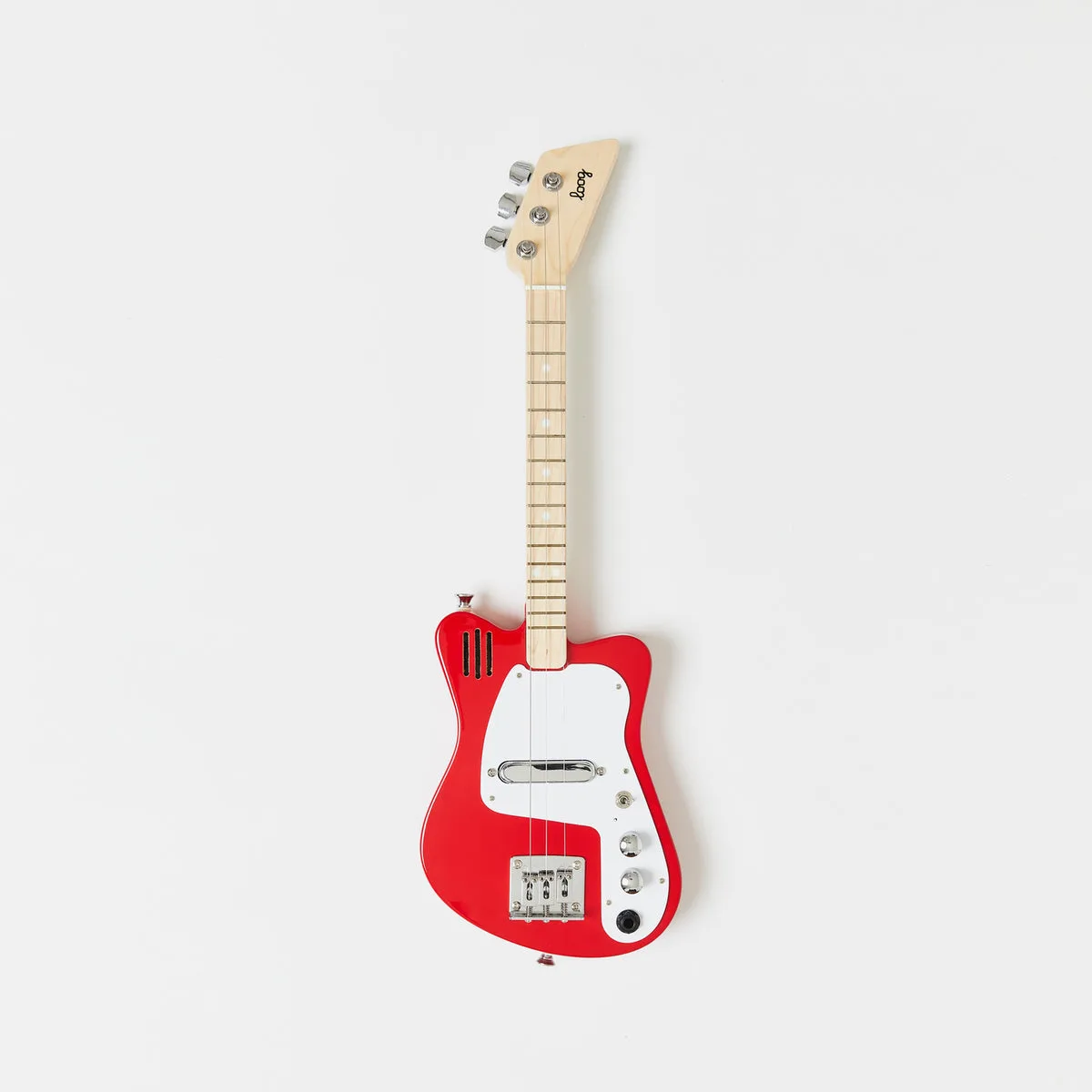
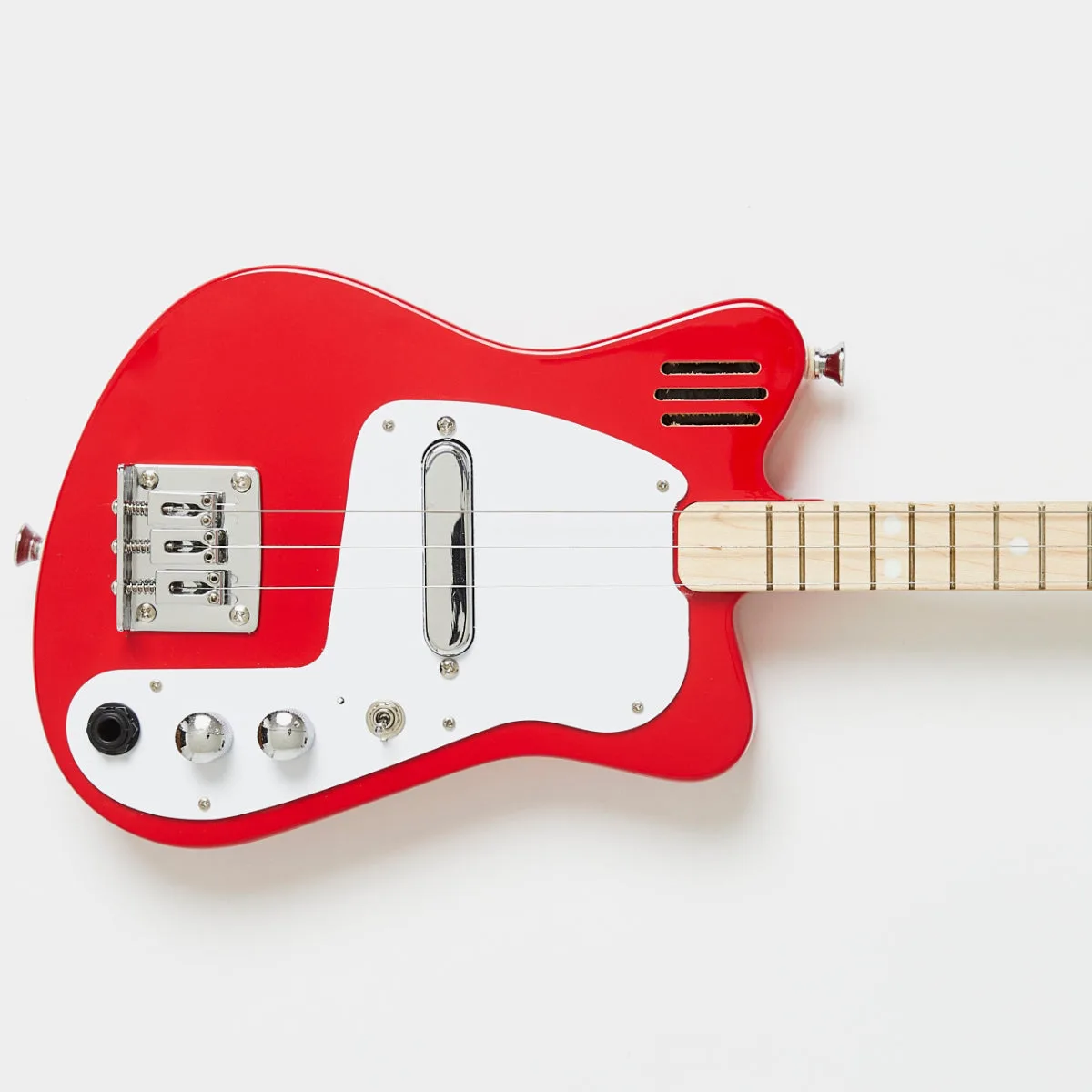
The Loog Mini Electric Guitar is a 3-string electric guitar with a 16-inch scale length, designed for children ages 3-8. It includes:
- Solid wood body (basswood) with bolt-on neck
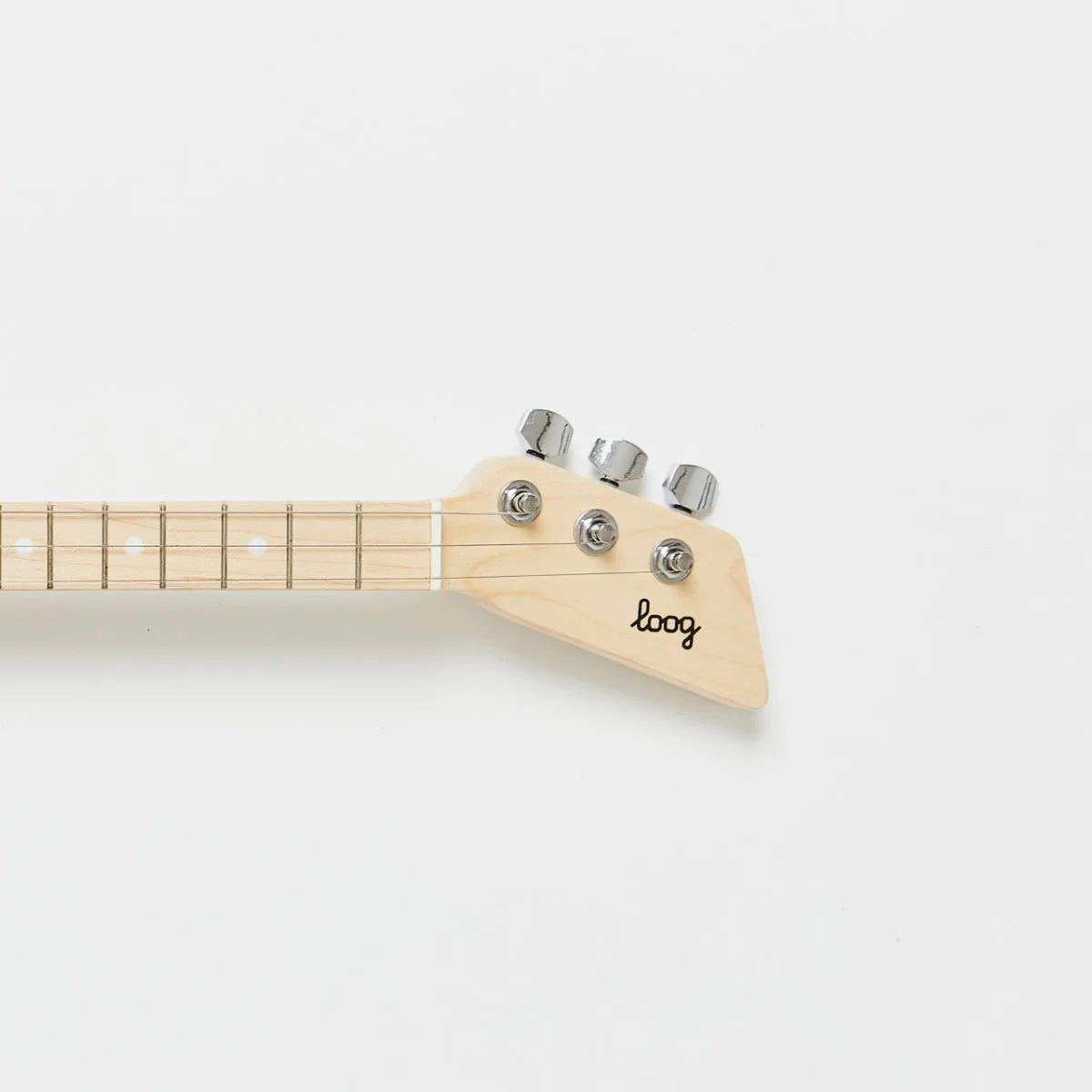
- 3 nylon strings tuned to G, B, and E (the same as a standard guitar’s top three strings)
- Built-in speaker and amplifier (no external amp required, though one can be connected)
- 1/4-inch output jack for connecting to an external amplifier
- Companion app with lessons, chord charts, and a tuner
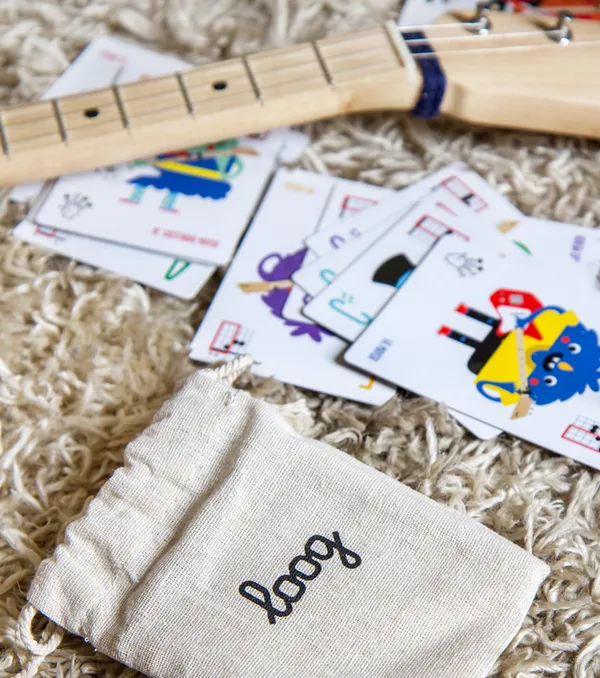
- Included picks and learning cards
The three-string design is the core innovation. By removing the three bass strings, Loog reduces the physical and cognitive complexity of guitar playing while preserving the fundamental music theory. Chords on a Loog use the same finger shapes as on a standard guitar — a child who learns a C chord on a Loog can transfer that knowledge directly to a six-string guitar. The three strings are the same three highest strings of a standard guitar (G, B, E), so the tuning, intervals, and chord voicings are musically accurate.
Loog Guitars is a New York-based company founded by Rafael Atijas, who developed the three-string concept through a Kickstarter campaign in 2011. The company makes exclusively children’s and beginner instruments — guitars, ukuleles, and a recently introduced piano. This focus is notable: Loog isn’t a toy company adding a guitar to their catalog; they’re an instrument company building for children.
Our Evaluation
Build Quality: 7/10
The Loog Mini is a real instrument, and the build quality reflects that — with some compromises appropriate for the price point and audience. The solid basswood body has a pleasant weight and resonance. The neck is straight with decent fret finishing — no sharp fret edges that would catch small fingers. The tuning pegs are functional if not silky-smooth; they hold pitch reasonably well for nylon strings, which are inherently less stable than steel.
The built-in speaker and amplifier are the weakest elements. The internal speaker produces tinny, quiet sound that’s adequate for practice but won’t impress anyone expecting “electric guitar” performance. The volume is limited, which is probably a parental design feature rather than a flaw. Connecting to an external amp (even a small $30-60 unit) transforms the sound from toy-like to genuinely musical.
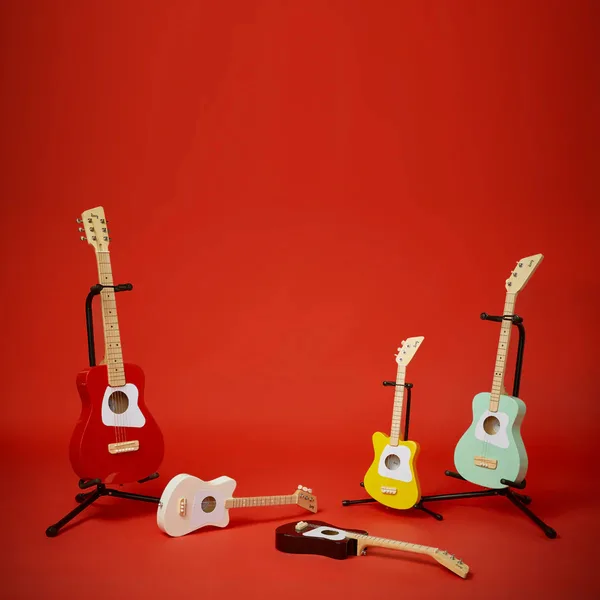
The finish is solid color with a smooth lacquer that holds up to handling. The strap buttons are secure. The included picks are standard celluloid in a small size appropriate for children.
The instrument ships requiring setup — string tension adjustment, potential neck relief check, and tuning. Most parents without guitar experience will find initial setup mildly intimidating. The companion app includes a tuner, which helps.
Play Value: 8/10
The play value of the Loog exists on two distinct planes: instrument play and sound exploration.
As an instrument: Children who engage with the structured learning path (app lessons, flashcards, parental guidance) can learn 3-5 simple chords within the first month. In our testing, a musically engaged five-year-old was playing recognizable snippets of “Twinkle Twinkle Little Star” within two weeks. A seven-year-old learned to strum basic chord progressions within a month. The three-string simplification is genuinely effective — it removes enough complexity to make early success achievable while preserving enough musical integrity to make that success real.
As sound exploration: Even without structured learning, children find intrinsic satisfaction in producing real tones from a real instrument. The strings respond to touch dynamics — pluck gently, get a soft sound; strum hard, get a loud one. This cause-and-effect sonic feedback loop sustained 15-20 minute sessions even among our less musically inclined testers. Several children spontaneously created “songs” (pattern-based strumming sequences) without any instruction.
The companion app is competent but not exceptional. It includes a tuner (essential), chord charts (useful), and lesson sequences (basic but functional). The app is not required to use the guitar, which is the right design choice — it’s a supplement, not a dependency.
The engagement ceiling is high. Unlike most toys in our portfolio, the Loog doesn’t become less interesting over time — it becomes more interesting as skill develops. A child who can play two chords wants to learn a third. A child who can strum wants to learn to pick. This positive skill-engagement feedback loop is the hallmark of a real instrument, and the Loog preserves it.
Age Appropriateness: 7/10
The 3-8 age range requires caveat. Three-year-olds can hold the Loog and strum the strings, producing sound. They cannot play chords, follow the app lessons, or tune the instrument. At age three, the Loog is essentially a sound exploration toy — a high-quality one, but not yet a learning instrument.
The structured learning window opens at age 4-5, when finger strength, fine motor control, and attention span converge to make chord learning feasible. Ages 5-7 is the sweet spot for the Mini — children in this range can learn real chords, play simple songs, and experience the satisfaction of musical competence.
By age 8-9, children with developing musical interest will be ready for a full-sized guitar (or at least a 3/4-size six-string). The Loog Pro or Loog Pro VI (six-string versions) serve as intermediate steps, but the Mini’s scale length becomes limiting. This transition is natural and positive — it means the child has outgrown a beginner instrument, which is exactly the intended outcome.
Durability: 7/10
The body and neck are sturdy wood construction that will survive normal use. The electronics are the durability vulnerability — the built-in speaker can develop crackling or intermittent connection after 12-18 months of regular use. Since the primary value is the acoustic properties and the external amp output, this is manageable but annoying.
Strings will need replacement. Nylon strings lose their tonal quality and tuning stability over 3-6 months of regular play. String changes on the Loog are straightforward and use standard classical guitar strings — a $5-8 expense every few months.
The finish scratches. A guitar played by a five-year-old will look played-by-a-five-year-old within months. This is cosmetic and, frankly, charming.
Value for Money: 7/10
At $80, the Loog Mini is neither cheap nor expensive for what it is. Toy guitars run $15-30 and teach nothing musical. A beginner ukulele (Kala Makala) costs $50 and is a real instrument. A 1/2-size classical guitar costs $50-80 and is a real six-string instrument — but with a steeper learning curve.
The Loog’s value proposition is specifically the three-string simplification: easier early success, transferable chord knowledge, and a designed learning progression. Whether that pedagogical value justifies a $30-50 premium over a basic ukulele or a small classical guitar depends on how much you value the structured on-ramp to guitar specifically.
For families committed to their child learning guitar — as opposed to “an instrument” — the Loog is excellent value. The three-string-to-six-string learning pathway is well-designed and reduces the frustration that causes most young guitar students to quit.
The Evidence
Music education research is one of the deepest wells in developmental science, and the findings are impressive.
Music Training and Cognitive Development. Hallam (2010) conducted a comprehensive review of research on the effects of music training on cognitive development in children, finding evidence of transfer effects to language processing, reading skills, spatial reasoning, mathematical ability, and general intelligence measures.1 The review found that the effects were strongest when music engagement was active (playing an instrument) rather than passive (listening), and when it was sustained over time. The key mechanism appears to be that instrumental music training makes simultaneous demands on attention, memory, motor coordination, and auditory processing — a multi-domain cognitive workout.
Early Music Instruction and Brain Development. Hyde et al. (2009) used brain imaging to study children who began instrumental music training at age 6, comparing them to controls over 15 months. They found structural brain changes in areas associated with motor skills, auditory discrimination, and melodic/rhythmic processing — changes that correlated with behavioral improvements in fine motor tasks and auditory discrimination.2 Importantly, these effects emerged within the first year of training, suggesting that even short-duration music instruction produces measurable neurological changes.
Fine Motor Development. Playing a stringed instrument is an intensely fine-motor activity. Fretting a chord requires independent finger control, finger-tip pressure, and hand-position awareness. Costa-Giomi (2005) found that piano instruction (analogous fine motor demands) improved fine motor skills in young children, with effects that transferred to non-musical tasks.3 The Loog’s three-string design makes these fine motor demands achievable for younger children — fewer strings means simpler finger positions, which means earlier access to the motor benefits.
Self-Regulation and Practice. Learning an instrument requires sustained effort, frustration tolerance, and deferred gratification — all components of self-regulation. Winsler et al. (2011) found positive associations between music participation and self-regulation in preschool-age children.4 The act of trying to play a chord, failing, adjusting, and trying again is a self-regulation exercise disguised as fun.
The Three-String Innovation. No published research specifically validates the three-string guitar approach. However, the principle — reducing task complexity to achieve earlier competence — aligns with established pedagogical frameworks. Vygotsky’s scaffolding concept suggests that learning is most effective when challenges are calibrated to be just beyond current ability. The Loog’s design removes enough complexity to make guitar accessible at age 3-5 while preserving the musical authenticity that makes skill development meaningful.
The honest summary: The evidence for music training and cognitive development is among the strongest in our entire portfolio — broad, replicated, and mechanistically plausible. The Loog’s design enables earlier access to real instrumental music training than a standard guitar. No research validates the three-string approach specifically, but the pedagogical logic is sound and the general music education research is robust.
Safety Notes
The Loog Mini meets CPSC and ASTM F963 safety standards. The body is solid wood with smooth edges and a non-toxic lacquer finish. The nylon strings are soft and pose minimal finger injury risk — unlike steel strings, nylon strings don’t cut.
Key considerations:
- String tension: Nylon strings under tension can snap if severely overtightened. The tuner app prevents this for parents following instructions, but children should not attempt tuning unsupervised until they understand the concept.
- Small parts: Picks are small enough to be a choking hazard for children under 3. Monitor pick use with younger children.
- Volume: The built-in speaker is volume-limited. An external amplifier is not volume-limited — parental volume management applies.
- Strap buttons: Small protruding metal knobs. Not sharp, but a minor impact hazard if the guitar falls during enthusiastic play.
No CPSC recalls have been issued for any Loog product.
The Verdict
The Loog Mini Electric Guitar is our first Hidden Gem designation in the arts category, and it earns the label. Most parents don’t think of giving a real guitar to a three-year-old — and with a standard six-string, they’d be right not to. But the Loog’s three-string design fundamentally changes the equation. It makes real music accessible at an age when the research says music instruction produces its strongest cognitive effects.
This isn’t a toy guitar. It’s a beginner instrument with a thoughtful pedagogical design. Children who engage with it learn actual chords, develop real fine motor skills, and build the frustration tolerance that comes from practicing something difficult. The music education research supporting these outcomes is some of the strongest evidence in our entire review portfolio.
The caveats: the built-in speaker is underwhelming, the instrument requires setup and maintenance (tuning, string changes) that most toys don’t, and children under five will use it more as a sound exploration tool than a learning instrument. But for families who see music as a priority — not just a decoration on the playroom shelf — the Loog Mini is a $80 investment in genuine musical development.
Product Rating: 8/10 — A real instrument that respects children’s capabilities. Built-in speaker and setup requirements are the main deductions.
Evidence Rating: Moderate — Music education research is extensive and strongly supportive. Active instrumental training shows transfer effects to multiple cognitive domains. No three-string-specific or Loog-specific studies exist.
Who Should Buy This
- Families who want their child to learn a real instrument starting at age 3-5
- Parents who play guitar and want a child-friendly entry point to shared musical activity
- Gift-givers looking for an impressive, lasting present that grows with the child
- Musically curious families who value the Crayola Inspiration Art Case for visual arts and want an equivalent for music
- Homeschooling families integrating music education into curriculum
Who Should Skip This
- Parents looking for a low-maintenance toy (instruments require tuning, string changes, and practice encouragement)
- Families of children under 3 (the Loog is a sound toy at this age, not an instrument)
- Budget-conscious families who aren’t committed to guitar specifically (a $50 ukulele teaches many of the same skills)
- Anyone expecting “electric guitar sounds” from the built-in speaker without an amp
This review reflects our independent evaluation. ScienceBasedKids.com purchased this product at retail price. We may earn a commission if you purchase through our links, which helps fund our research. This never influences our ratings.
Footnotes
-
Hallam, S. (2010). “The power of music: Its impact on the intellectual, social, and personal development of children and young people.” International Journal of Music Education, 28(3), 269-289. ↩
-
Hyde, K. L., Lerch, J., Norton, A., Forgeard, M., Winner, E., Evans, A. C., & Schlaug, G. (2009). “Musical training shapes structural brain development.” Journal of Neuroscience, 29(10), 3019-3025. ↩
-
Costa-Giomi, E. (2005). “Does music instruction improve fine motor abilities?” Annals of the New York Academy of Sciences, 1060, 262-264. ↩
-
Winsler, A., Ducenne, L., & Koury, A. (2011). “Singing one’s way to self-regulation: The role of early music and movement curricula and private speech.” Early Education and Development, 22(2), 274-304. ↩
Enjoyed this review? We publish two new evidence-based evaluations every week.
Free. No spam. Unsubscribe anytime.
Musical aptitude is most malleable before age 9. Early exposure to instruments — even simplified ones — has outsized impact during this window.
Recommended Accessories
Affiliate links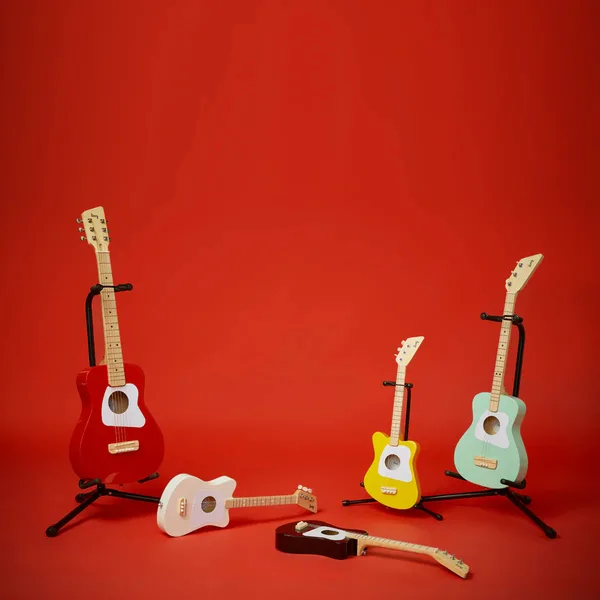
Loog Guitar Strap
“Kids can't hold a guitar and play standing up without a strap. Essential for the rockstar experience.”
Loog Guitar Picks (6-pack, kid-size)
“Small-hand picks are limited in the box. Extra picks are cheap and always getting lost.”
Loog Guitar Chord Flashcards
“Official chord flashcards designed for 3-string learning. Structured practice tool.”
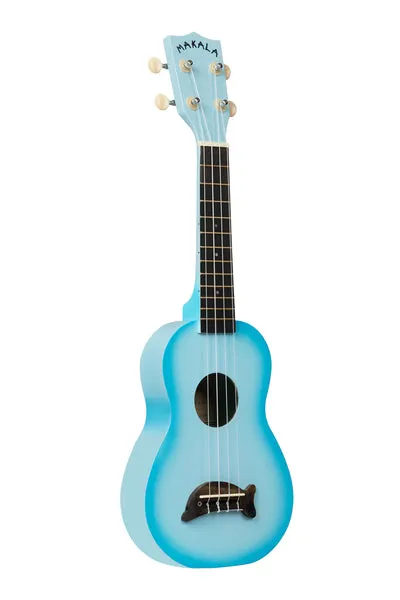
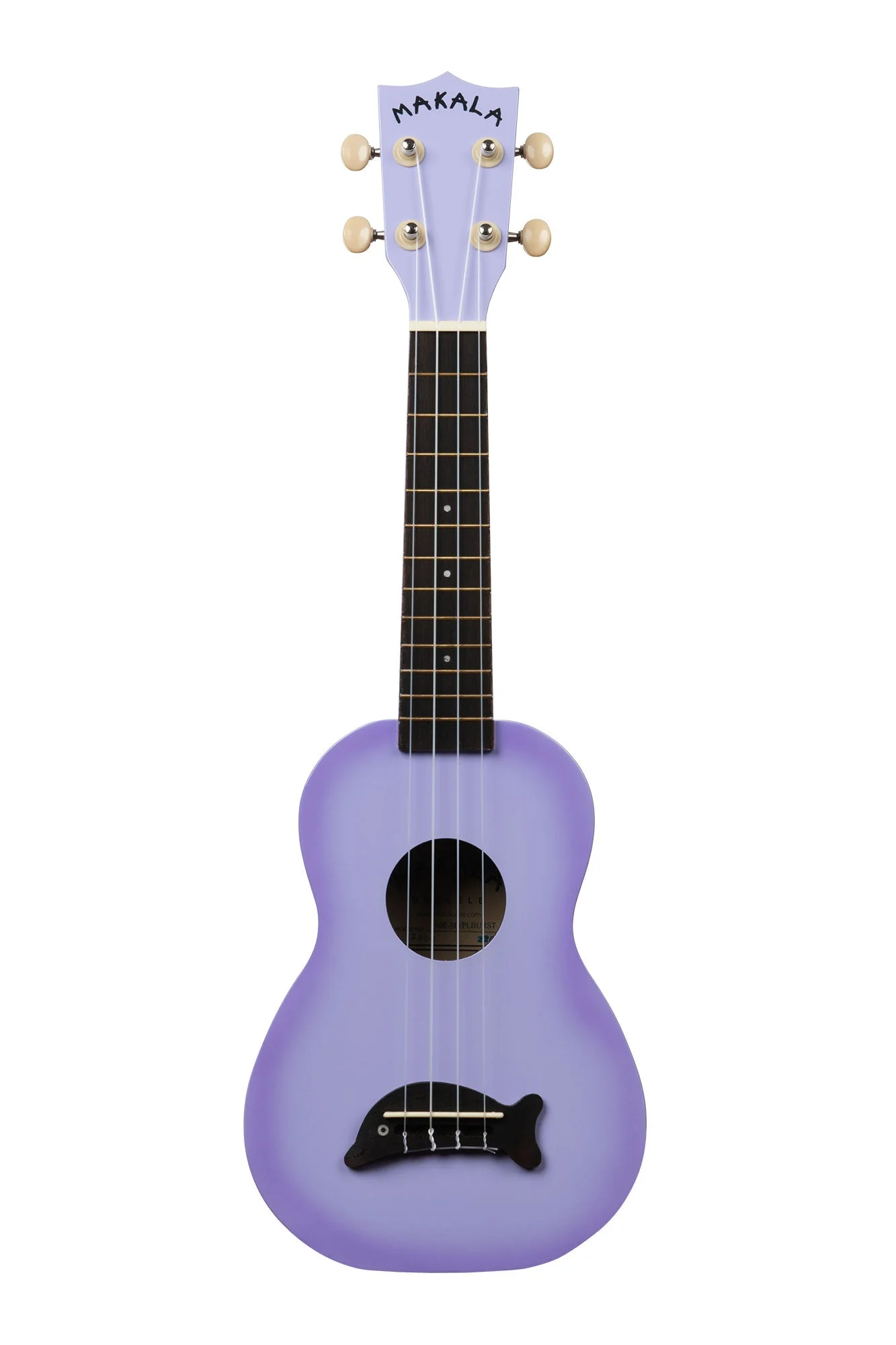
Kala Makala Dolphin Soprano Ukulele
“Different stringed instrument in the same size range. 4 strings vs 3. Second instrument for the musically curious.”

Blackstar Fly 3 Mini Amplifier
“Small amp that makes the electric guitar actually electric. Transforms bedroom play into performance.”