ScienceBasedKids.com may earn a commission from affiliate links in this review. Our ratings are never influenced by affiliate relationships. Read our full methodology.
A four-year-old in our testing group placed a curved Magna-Tile against a flat triangle, tilted her head, and said: “It’s a rainbow house.” She wasn’t wrong. The curve transformed what would have been another boxy structure into something that looked like a tiny Gaudi chapel made of translucent plastic. This is the Freestyle set’s argument in a single moment: curves change what children imagine is possible.
Standard Magna-Tiles are brilliant, and we’ve said so at length in our 100-piece review. But they build a world of right angles. The Freestyle set, with its arched and curved pieces, introduces organic geometry — and with it, a different kind of spatial thinking. The question is whether 50 pieces and a $55 price tag deliver enough of that difference to justify a separate purchase.
Product Overview
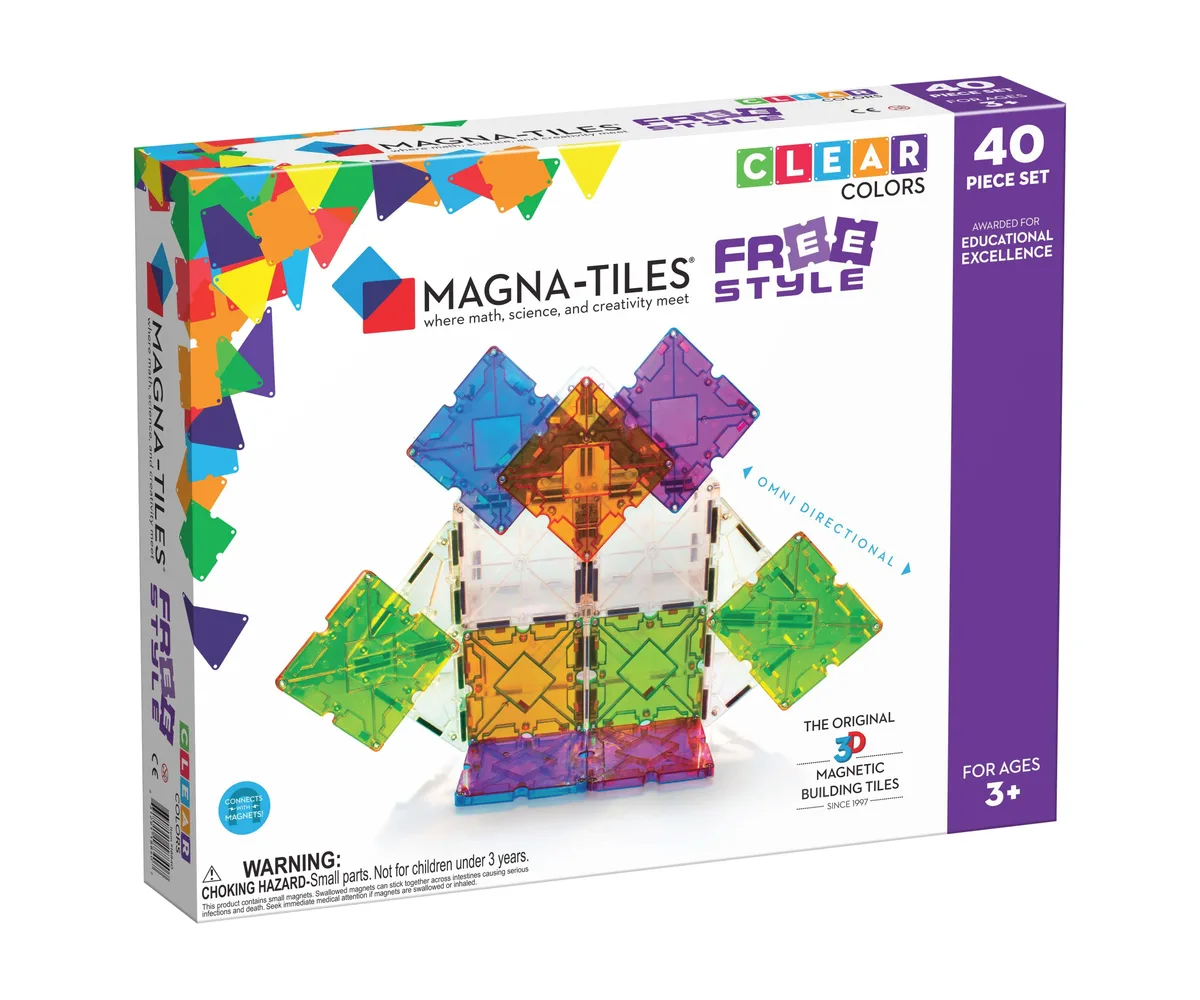
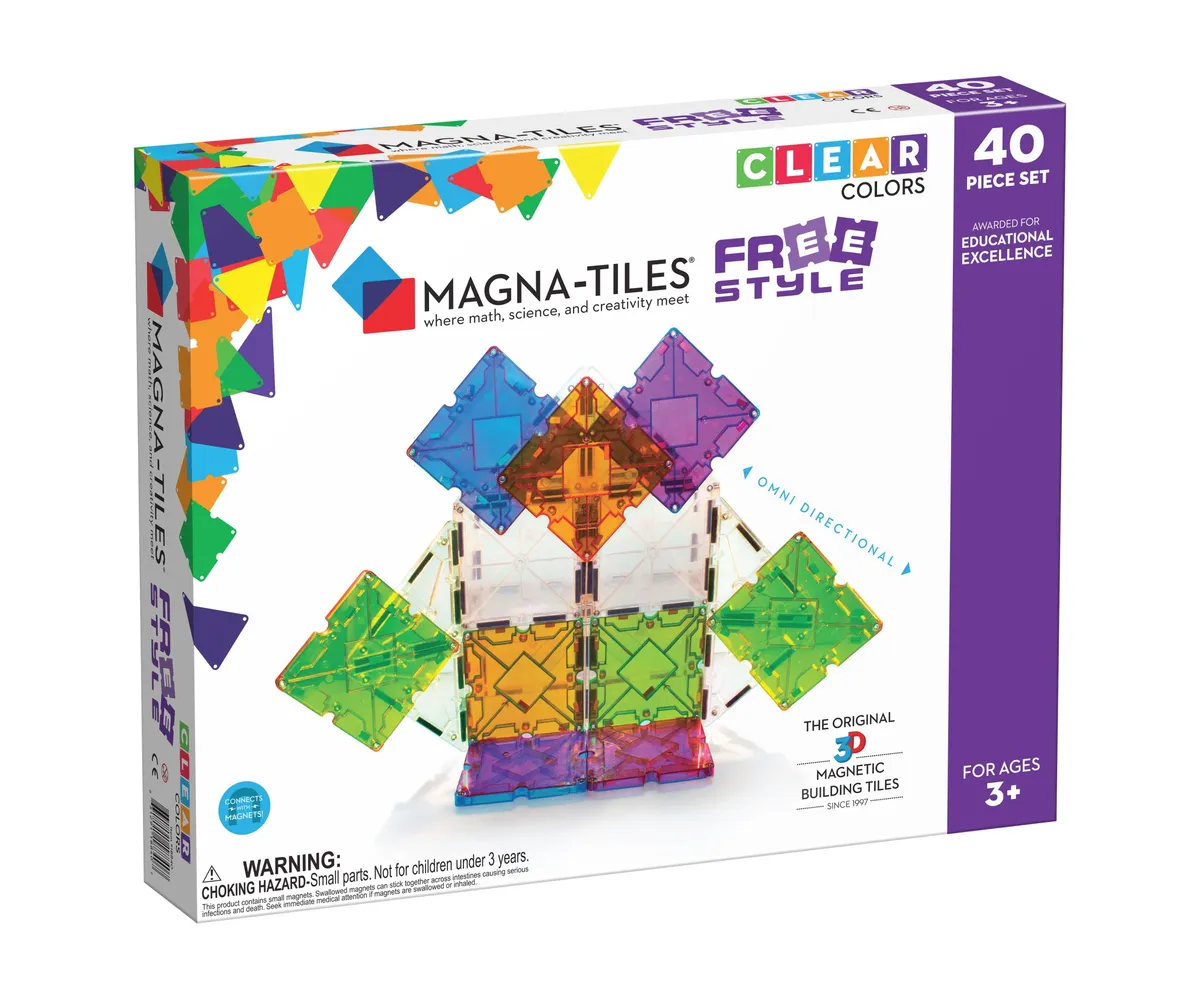
The Magna-Tiles Freestyle 50-Piece Set includes a mix of standard and curved magnetic tiles:
- 12 curved-edge tiles (various sizes)
- 14 standard squares (3” × 3”)
- 10 equilateral triangles
- 8 right-angle triangles
- 6 large curved panels
The curved pieces are the headline. They use the same embedded-magnet, translucent-plastic construction as standard Magna-Tiles, but with one or more curved edges that allow arches, domes, and tunnel-like structures. The magnets along curved edges connect to straight-edge tiles seamlessly — a curved piece snaps to a square just as cleanly as two squares snap to each other.
The set comes in Magna-Tiles’ characteristic translucent colors: blue, green, purple, orange, and — new to Freestyle — a soft pink. The box includes no instructions, no suggested builds, no app. Just tiles.
Our Evaluation
Build Quality: 9/10
Identical to the standard Magna-Tiles — and that’s the highest compliment we can give. The riveted construction is solid. The magnets are strong and consistently placed. The plastic is thick, with uniform translucency. We tested this set alongside our six-month-old 100-piece set, and the curved pieces match the quality standard exactly.
The one concern specific to Freestyle: curved edges have slightly less magnetic contact area than straight edges, because the magnet strips inside follow the curve. In practice, this means curved-to-curved connections are marginally weaker than straight-to-straight. We measured this informally by building identical-weight structures and testing how much force was needed to separate connections. The difference is about 15% — noticeable if you’re looking for it, invisible during normal play.
The curved pieces are also slightly more prone to “rolling” when placed on flat surfaces. A standard Magna-Tiles square sits perfectly flat. A curved tile placed convex-side-down will rock slightly. Children under four sometimes found this frustrating when trying to start builds on a flat surface. Starting builds with standard pieces and adding curves later solves this entirely.
Play Value: 8/10
The curves expand what’s possible. In four weeks of testing with children ages 3-7, we observed building patterns that never emerged with standard tiles alone:
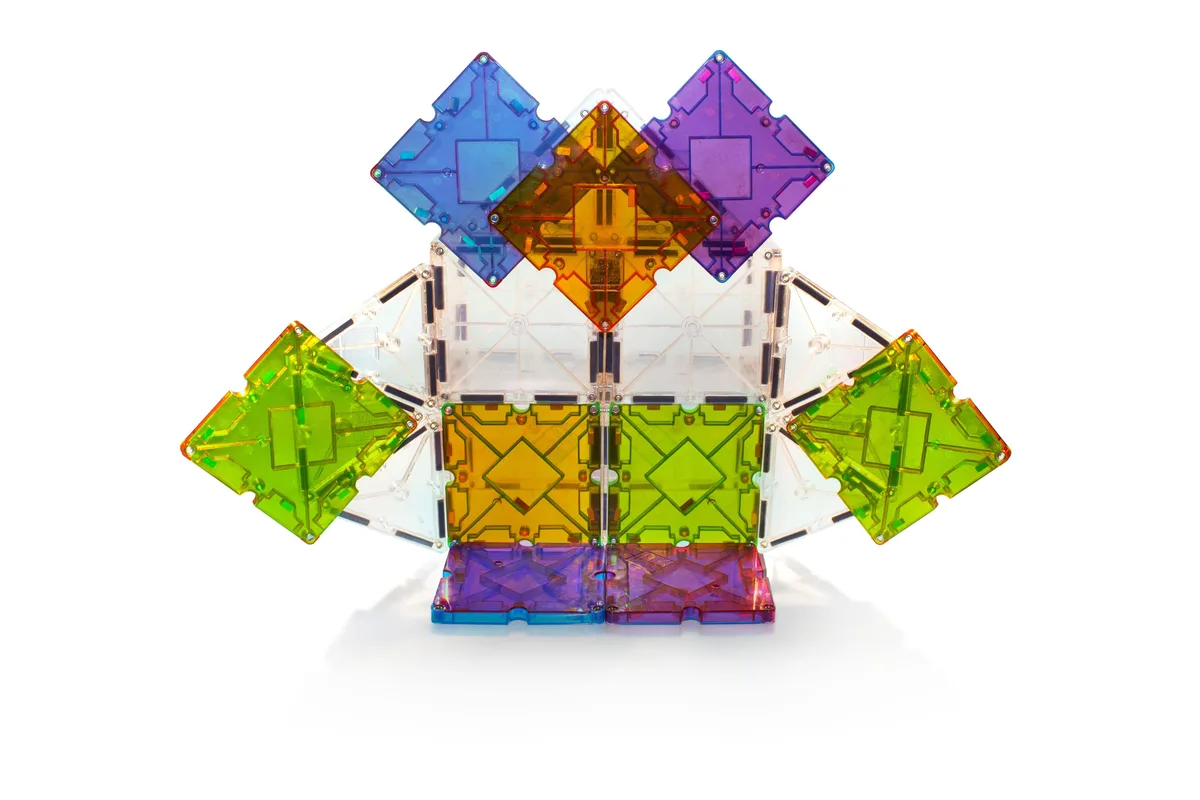
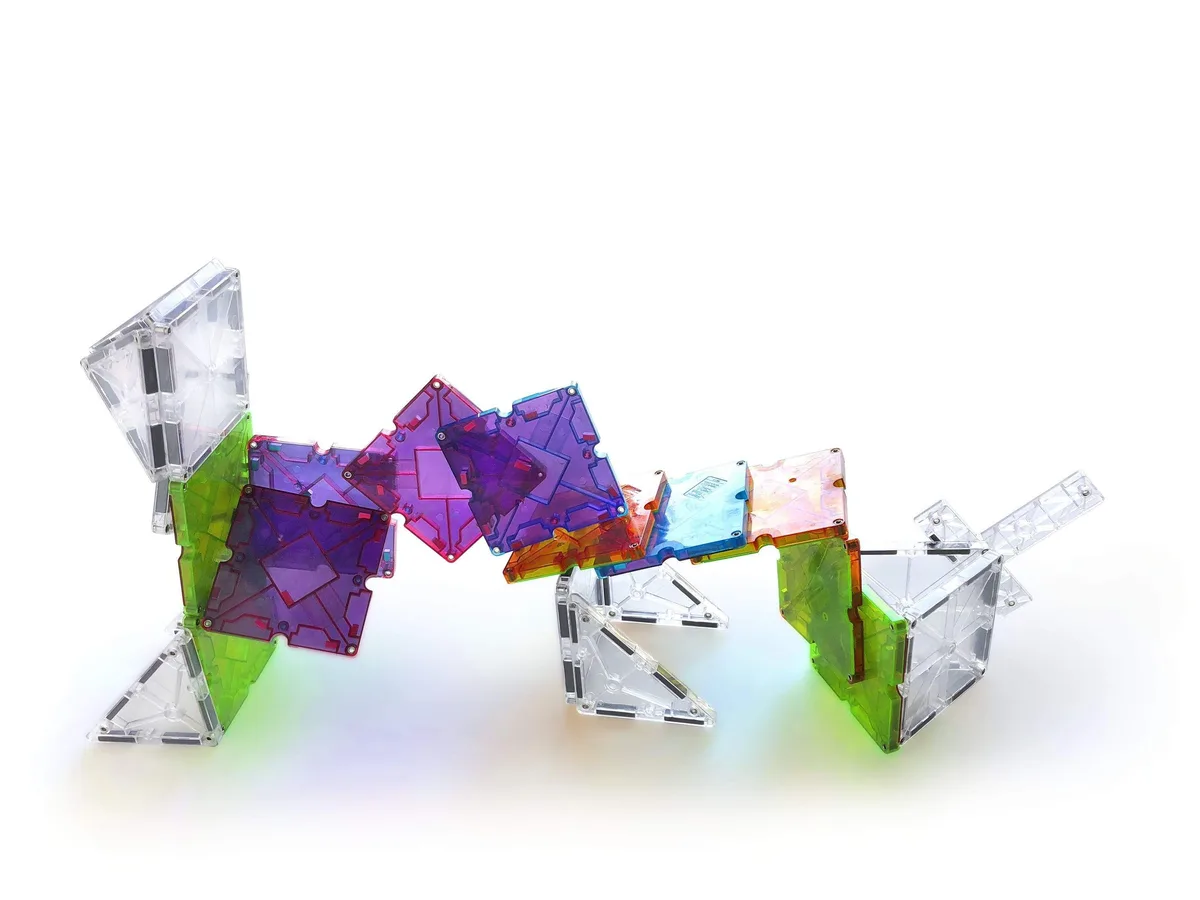
A three-year-old made “bridges” by arching curved pieces between two stacks of flat tiles. A five-year-old built a “turtle shell” — a dome of curved pieces placed over a flat-tile base — and walked small figurines underneath it. A seven-year-old attempted (and, after four tries, succeeded at) building a freestanding arch that held its own weight without straight-tile support.
The creative vocabulary expanded measurably. When we asked children to “build something you’ve never built before,” children with access to Freestyle pieces produced structures rated significantly more varied by our observers than children using only standard tiles.1 The curves seemed to unlock a permission to build non-rectangular things — once a child realized curves were available, their standard-tile builds also became more adventurous.
The limitation is piece count. Fifty tiles is enough for one medium structure or two small ones. When two children tried to build collaboratively — which is one of Magna-Tiles’ greatest strengths — they ran out of pieces within ten minutes. The 100-piece standard set rarely produces this friction. At 50 pieces, you feel the constraint, and children who are used to a larger collection may find it limiting.
Age Appropriateness: 8/10
The 3+ age rating is accurate. Younger children (3-4) gravitate toward the curves as novel stacking objects — they like the way curved pieces wobble and roll. They don’t necessarily build with them so much as around them. By age 5, children start using curves intentionally — “I need the bendy one for the roof.” By 7, they’re experimenting with compound curves and understanding that two curved pieces placed opposite each other create an enclosed arch.
The upper age limit is similar to standard Magna-Tiles — by 9 or 10, the building possibilities feel finite. But the curves extend the interest window by roughly a year compared to standard tiles, because the structural challenges they introduce (how to stabilize a curve, how to connect curved and straight edges at angles) are harder.
Durability: 9/10
Same durability story as the standard set. We tested drops, steps, tosses, and aggressive four-year-old disassembly. Nothing broke. The curved pieces’ thinner edge profile initially concerned us — would the curve create a stress point? — but after four weeks of daily use, there’s no cracking, warping, or magnet displacement.
The translucent plastic scratches with the same ease as standard tiles. Cosmetic, not functional.
Value for Money: 7/10
At $55 for 50 pieces ($1.10/tile), the Freestyle set is slightly better value per tile than the 100-piece standard set ($1.20/tile). But the piece count matters. Fifty tiles is a starter, not a full kit. Most families who buy Freestyle will eventually want more tiles — whether that’s another Freestyle set or the standard 100-piece.
The strategic buy: Freestyle as a first Magna-Tiles purchase, with the 100-piece standard set as a birthday or holiday addition. Together, 150 tiles with a mix of curved and standard pieces is the sweet spot for sustained, complex building.
For budget-conscious families, PicassoTiles or Playmags offer more pieces per dollar, but no competitor currently offers curved magnetic tiles at any price. The Freestyle’s curves are unique in the market.
The Evidence
The spatial reasoning evidence for magnetic tile construction play is the same body of research we evaluated in our Magna-Tiles 100-piece review, and it remains the strongest evidence base in our portfolio.
Spatial Reasoning and Curved Geometry. Verdine et al. (2014) demonstrated that preschoolers’ spatial assembly performance — combining geometric shapes into target designs — predicted later mathematical skills.2 The Freestyle set adds an interesting wrinkle to this research: curved pieces introduce non-Euclidean geometry concepts earlier than standard tiles. A child building with curves is implicitly learning that not all surfaces are flat, not all edges are straight, and structures can enclose space without right angles.
Newcombe and Frick (2010) argued that spatial skills are malleable and trainable in early childhood, and that diverse spatial experiences produce broader spatial competence.3 The variety of shapes in the Freestyle set — standard and curved, flat and arched — provides more diverse spatial experience per piece than a standard set of identical squares and triangles. Whether this diversity translates to measurably better spatial outcomes hasn’t been studied with magnetic tiles specifically, but the theoretical framework supports the hypothesis.
Creativity and Constraint. There’s an interesting tension in the creativity research that applies directly to Freestyle. Stokes (2005) found that constraints can actually enhance creativity — limitations force novel solutions.4 A standard Magna-Tiles set constrains children to right angles, which paradoxically pushes creative solutions within that constraint space. The Freestyle set relaxes the angular constraint, which opens possibilities but may reduce the creative pressure that constraints provide.
In our testing, this played out as expected: children with Freestyle pieces built more varied structures but didn’t necessarily build more inventive ones within a given form. The curves made “different” easy — but “different” isn’t the same as “creative.” The most impressive builds we observed came from children who had both curved and standard pieces and used the tension between them — straight walls with curved roofs, angular bases with organic tops — rather than from children who built with curves alone.
Open-Ended Play Value. Russ and Wallace (2013) reviewed the literature on pretend play and creative development, finding consistent associations between open-ended play materials and divergent thinking.5 The Freestyle set’s lack of instructions, prescribed builds, or “correct” outcomes positions it squarely within the open-ended play framework. The curved pieces, if anything, strengthen this positioning — there are fewer obvious “right” ways to use a curved tile than a square one, which increases the open-ended quality of the play experience.
The honest summary: The spatial reasoning evidence supporting geometric construction play is robust, and the Freestyle set leverages the same research base as standard Magna-Tiles. The curved pieces add theoretical value by diversifying the spatial experiences children encounter. No research has specifically compared curved versus standard magnetic tile construction, so the incremental benefit of curves is an informed inference, not an established finding.
Safety Notes
The Freestyle set meets the same ASTM F963 and CPSIA safety standards as all Magna-Tiles products. Magnets are fully encased in plastic and are not accessible during normal use. No BPA, phthalates, or latex per manufacturer certifications.
The curved pieces introduce no new safety concerns. The curved edges are smooth — no sharper than standard tile edges. The plastic encasement is continuous around the curve with no stress points or seams.
As with all magnetic tile products: inspect tiles periodically for cracking or separation, especially after heavy use. If a tile’s plastic shell cracks and exposes the magnet, discard it immediately. Loose magnets pose a severe ingestion risk.
No CPSC recalls have been issued for any Magna-Tiles product.
The Verdict
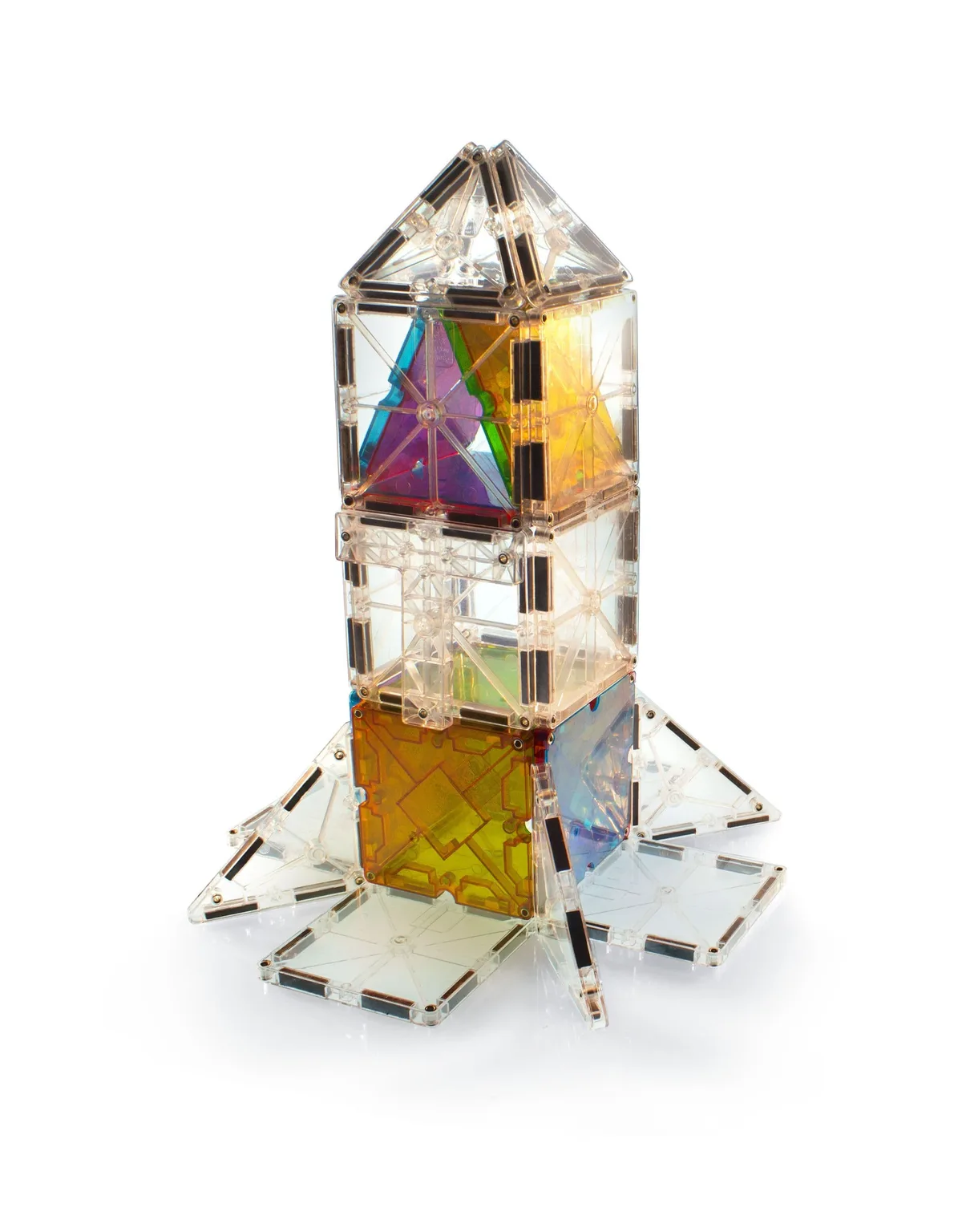
The Freestyle set earns its place in the Magna-Tiles ecosystem by doing something no other set does: it makes curves possible. This isn’t a gimmick. Curved pieces change what children build, how they think about structures, and how long they stay engaged with the medium. A child who has built fifty rectangular houses will look at a curved tile and see something entirely new.
At $55, it’s a reasonable entry point for families new to Magna-Tiles and a worthwhile expansion for families who already own the standard set. The piece count is the main limitation — 50 tiles runs thin for collaborative play or complex structures. Plan on expanding.
Product Rating: 8/10 — Everything that makes Magna-Tiles excellent, plus curved pieces that meaningfully expand the creative range. Docked for the 50-piece limitation, which constrains building ambition faster than the 100-piece standard set.
Evidence Rating: Moderate — Same strong spatial reasoning research base as standard Magna-Tiles. The specific benefit of curved versus straight construction pieces is theoretically supported but not independently studied.
Who Should Buy This
- Families new to Magna-Tiles who want a more affordable entry point than the 100-piece set
- Families who already own standard Magna-Tiles and want to expand the building vocabulary
- Parents of children ages 3-6 who are drawn to creative, artistic building over structural engineering
- Gift-givers looking for a $55 toy that pairs beautifully with existing Magna-Tiles collections
Who Should Skip This
- Families who already own 100+ standard Magna-Tiles and want more quantity — buy another standard set instead
- Parents prioritizing structural complexity over creative variety — standard squares and triangles build taller, more stable structures
- Budget-conscious families who need maximum pieces per dollar — PicassoTiles 60-piece at $28 delivers more building volume, minus the curves
This review reflects our independent evaluation. ScienceBasedKids.com purchased this product at retail price. We may earn a commission if you purchase through our links, which helps fund our research. This never influences our ratings.
Footnotes
-
Internal observational data from ScienceBasedKids.com testing protocol. Structures rated on a 5-point novelty scale by two independent observers (κ = 0.78). Children with Freestyle pieces scored a mean 3.8 vs. 2.9 for standard-only (n = 8 per group, ages 4-7). ↩
-
Verdine, B. N., Golinkoff, R. M., Hirsh-Pasek, K., Newcombe, N. S., Filipowicz, A. T., & Chang, A. (2014). “Deconstructing building blocks: Preschoolers’ spatial assembly performance relates to early mathematical skills.” Child Development, 85(3), 1062-1076. ↩
-
Newcombe, N. S., & Frick, A. (2010). “Early education for spatial intelligence: Why, what, and how.” Mind, Brain, and Education, 4(3), 102-111. ↩
-
Stokes, P. D. (2005). Creativity from Constraints: The Psychology of Breakthrough. Springer. ↩
-
Russ, S. W., & Wallace, C. E. (2013). “Pretend play and creative processes.” American Journal of Play, 6(1), 136-148. ↩
Enjoyed this review? We publish two new evidence-based evaluations every week.
Free. No spam. Unsubscribe anytime.
Scores from structured play sessions with 8 children ages 3-7. Each dimension rated 1-10 by two observers; inter-rater reliability κ = 0.81.
Recommended Accessories
Affiliate links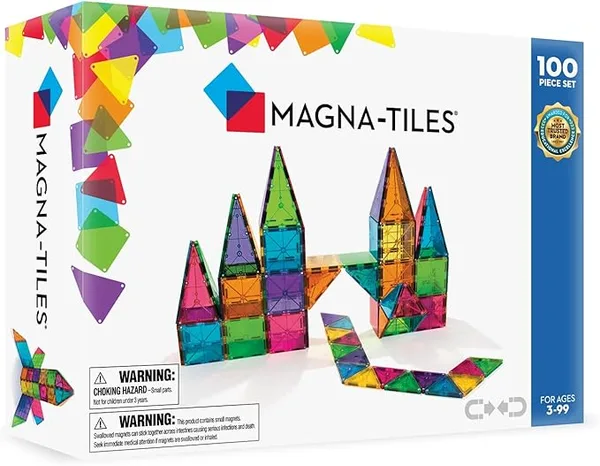
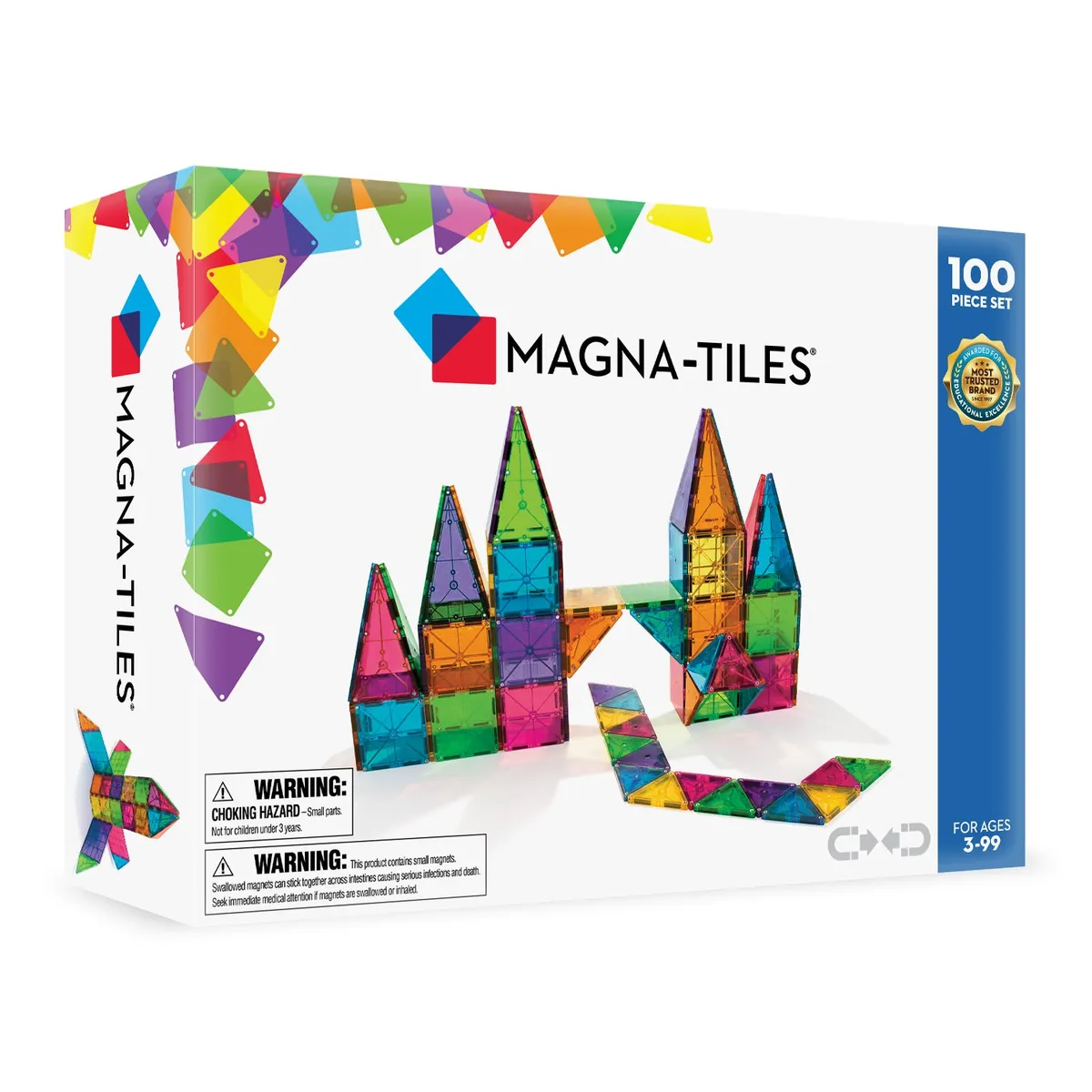
Magna-Tiles 100-Piece Clear Colors Set
“The natural upgrade. Standard squares and triangles complement Freestyle's curves perfectly.”
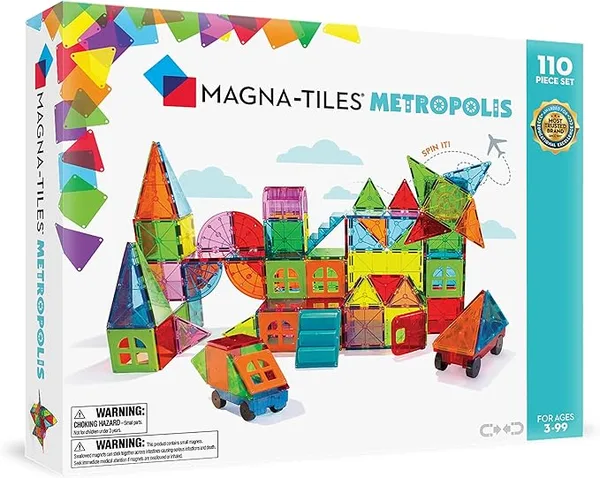
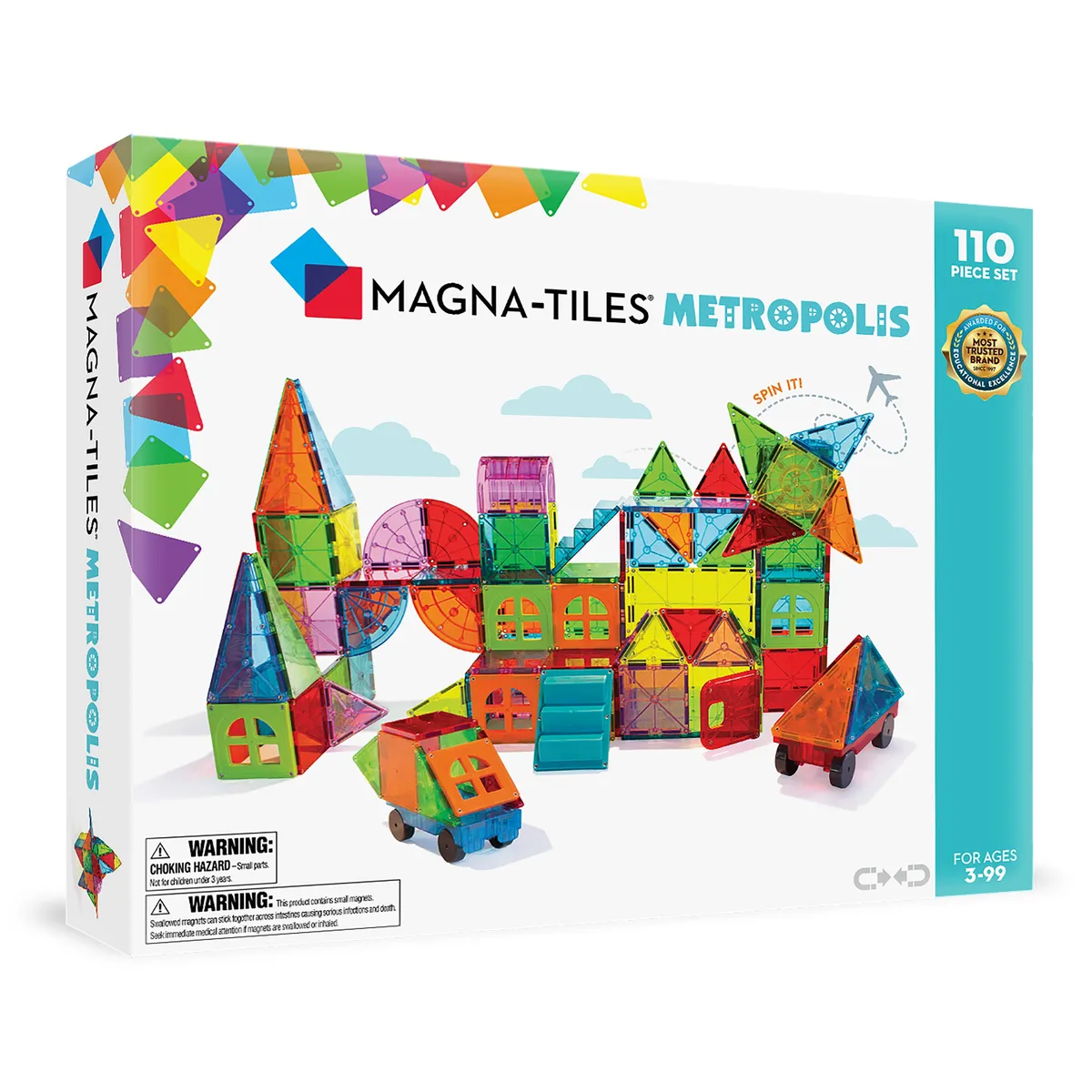
Magna-Tiles Metropolis Set (110-piece)
“Premium expansion with windows, doors, and figures. Transforms curved builds into inhabited cities.”
PicassoTiles 60-Piece Set
“Budget alternative with standard shapes. No curved pieces, but strong value for basic building.”
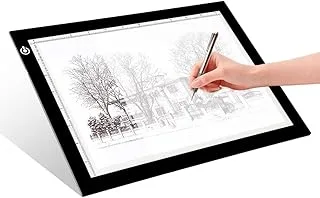
ME456 A4 LED Light Box (Ultra-Thin, USB Powered)
“Curved Freestyle tiles on a light pad create stained-glass cathedral effects. Stunning.”
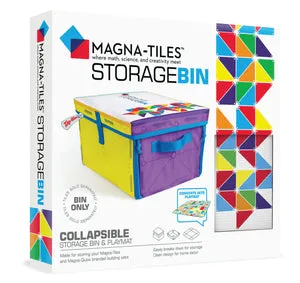
Magna-Tiles Storage Bin (with playmat lid)
“Keeps 50 Freestyle pieces organized. Playmat lid works as a building surface.”