Est. 2026 · Evidence-Based Product Reviews · ISSN 2026-0063

ScienceBasedKids

Independent Research-Based Reviews of Children's Products

The Editor's Desk · June 2026

ThinkFun Gravity Maze Review: A $30 Marble Run That's Actually a Spatial Reasoning Exam in Disguise

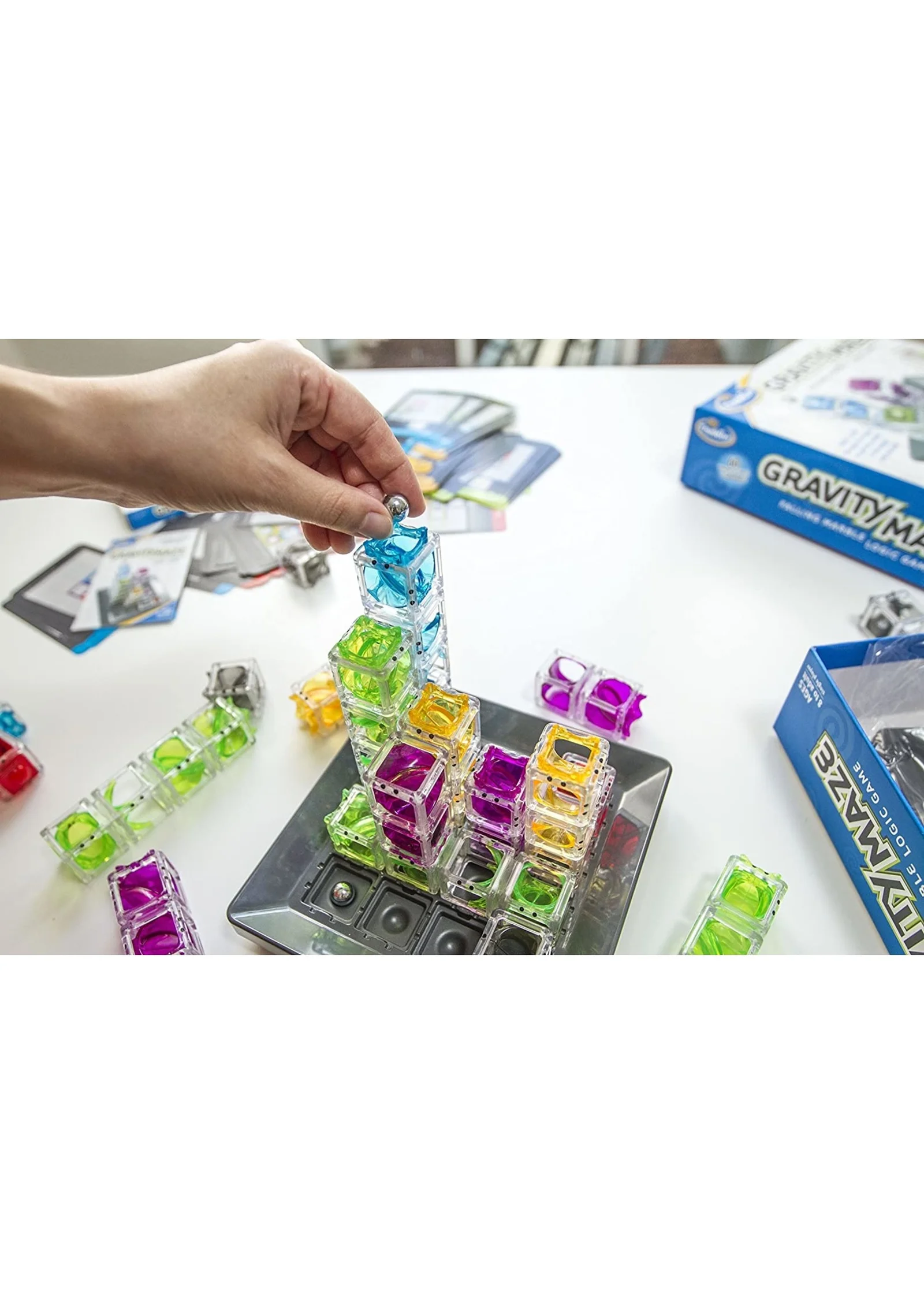
Fig. 1 — ThinkFun Gravity Maze Review, photographed in use.

Board Games / Ages 8yr+ / $30

ThinkFun Gravity Maze Review

A $30 Marble Run That's Actually a Spatial Reasoning Exam in Disguise

Gravity Maze is one of the best single-player puzzle toys on the market — a brilliantly designed challenge system that forces children to build three-dimensional mental models of gravity and spatial relationships. The 60 challenge cards provide a genuine difficulty curve from 'approachable' to 'you'll need to walk away and come back.' At $30, it offers hours of deeply focused problem-solving play that happens to be exceptional spatial reasoning training.

Product

8/10

Evidence

Continue reading →

Reviews Published

63

Strong Evidence

1

Rated Below 7/10

6

Mean Product Rating

7.3/10

Also This Week

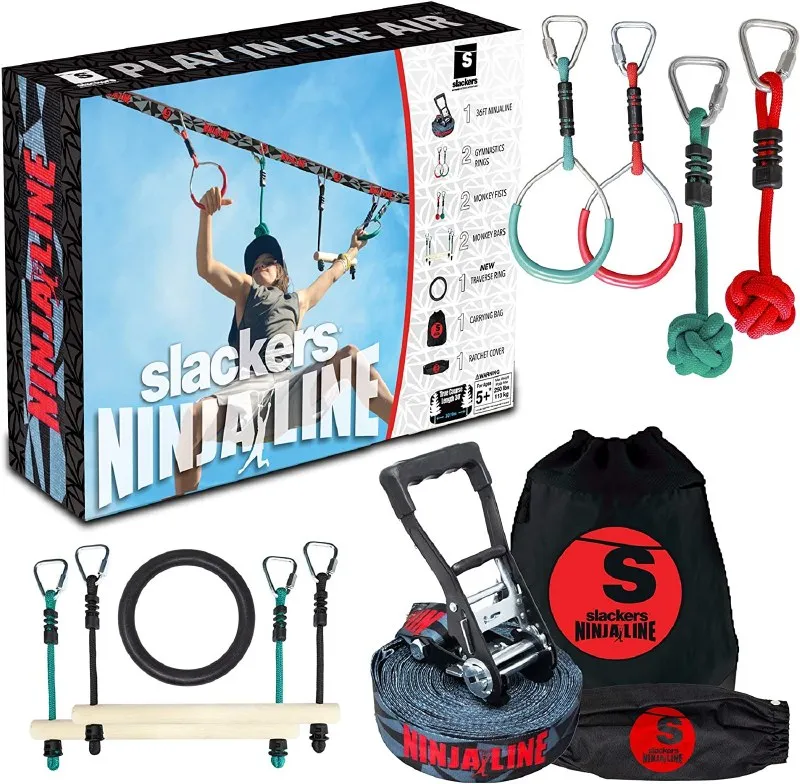
Slackers Ninja Line Review: Can a Backyard Obstacle Course Build Real Strength?

Outdoor & Active · Ages 5yr-12yr

Slackers Ninja Line Review

The Slackers Ninja Line delivers exactly what it looks like — a backyard obstacle course that turns trees into a gym. Children develop grip strength, upper body endurance, and body awareness through play that feels like adventure, not exercise. The limiting factor isn't the product; it's the installation requirements and the reality that most five-year-olds can't complete a single obstacle without significant modification.
7/10
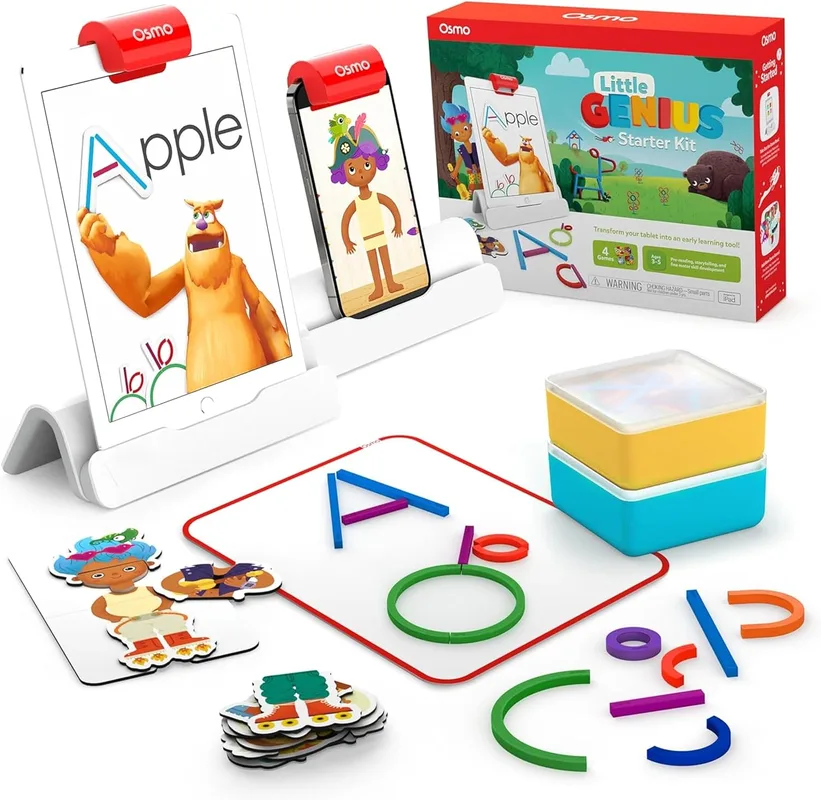
Osmo Little Genius Starter Kit Review: A Preschool Version of the Same Company-Funded Promises

STEM & Building · Ages 3yr-5yr

Osmo Little Genius Starter Kit Review

The Osmo Little Genius Starter Kit takes the same tangible-meets-digital concept from the Genius Starter Kit and aims it at preschoolers — physical pieces that interact with an iPad screen through a reflective AI camera. The hardware is clever, the games are polished, and 3-5 year olds are genuinely engaged. But the same evidence concerns we raised in our Osmo Genius review apply here: the learning claims rest on company-funded research, the iPad requirement adds significant cost, and the 'screen time that's not really screen time' framing deserves scrutiny.

6/10

“We publish negative reviews. We cite peer-reviewed studies. We buy products at retail and return them when we're done. The point isn't to sell you toys — it's to help you not buy the wrong ones.”

— The Editors · Read our full methodology

One Review From Each Department

Head to Head

STEM & Building

Snap Circuits vs LittleBits (2026)

Snap Circuits and LittleBits both use snap-together electronic components. They teach substantively different aspects of electronics — and cost very different amounts. Here's when each is the right pick.

Snap Circuits teaches circuit theory — how components combine into working circuits, what each component does, and how changing one thing affects the whole. LittleBits teaches modular system design — how functional building blocks (input, wire, logic, output) compose into larger systems. Both are legitimate electronics education but target different skills. For a first electronics purchase, Snap Circuits Classic SC-300 at $45 delivers more classical-circuit-theory content per dollar. For a child building specific inventions (a motion-sensing alarm, a light-activated toy, a custom gadget), LittleBits' modular model is better suited. Budget-conscious pick: Snap Circuits. Maker-oriented pick: LittleBits.

Read comparison →

STEM & Building

STEM Activities With Household Items (2026)

No kit, no trip to the store. Here are 25 hands-on STEM activities using only items from a typical household pantry, junk drawer, or recycling bin.

The best STEM activities often don't require specialized kits. The 25 experiments below use household items: paper, water, aluminum foil, vinegar, baking soda, string, rubber bands, pennies. Each teaches a real concept (chemistry, physics, engineering, biology), takes 10–40 minutes, and produces observable results. Organized by concept and time. Pairs well with our [rainy-day science experiments](/compare/rainy-day-science-experiments) guide. Total cost for materials most households already have: $0.

Read comparison →

STEM & Building

Snap Circuits Jr. (SC-100) vs Classic (SC-300)

Same snap-together system, same ages, same brand. Different project counts, different price, and one of them is the wrong buy for most families.

For most families, the Classic SC-300 is the smarter buy. At $10 more than the Jr. SC-100, it triples the project count, adds key components (transistor, 7-segment display, microphone), and covers a wider developmental arc — a child who starts with the Classic won't outgrow the set in a single afternoon. The Jr. is the right choice only in two specific cases: a very young builder (6–7) who needs a smaller component set to avoid overwhelm, or a gift where $35 is the firm budget. For the 8+ age the manufacturer targets, Classic wins on every axis that matters.

Read comparison →

Department § 5

Good Toy, Shaky Claims

Products we genuinely like — but whose developmental marketing we can't quite endorse.

The two ratings are independent for a reason. A toy can be a perfectly enjoyable object while its packaging makes claims the research doesn't support. We say so.

Baby & Infant

Fat Brain Toys Dimpl Review

Dimpl is sensory toy design reduced to its essence — five silicone bubbles in a plastic frame, each a different size and color, each producing a satisfying 'pop' when pushed through to the other side. There's nothing to break, nothing to lose, nothing to figure out. Babies push, pop, and repeat. The tactile feedback is genuinely compelling, and the simplicity means infants as young as 3-4 months can engage meaningfully. At $13, it's one of the most reliable baby toy recommendations we make.

Product 7/10

STEM & Building

Learning Resources Spike the Fine Motor Hedgehog Review

Spike the Fine Motor Hedgehog is a cheerful, well-designed peg-insertion toy that delivers genuine fine motor practice through a mechanic so simple it barely needs explaining — push colorful quills into a hedgehog's back, pull them out, repeat. The occupational therapy principles behind peg-board play are well-documented. At $15, Spike bridges the gap between baby toys and STEM toys with a product that toddlers find genuinely satisfying and parents find blessedly un-annoying.

Product 7/10

Outdoor & Active

Razor A Kick Scooter Review

The Razor A is the Honda Civic of kick scooters — reliable, unexciting, and quietly excellent at the thing it's supposed to do. It teaches balance, coordination, and risk assessment for $40, lasts through multiple children, and has the rare distinction of being a toy that kids actually use as transportation. The simplicity is the point: no batteries, no Bluetooth, no app — just aluminum, urethane, and gravity.

Product 7/10

On Our Method

Every Toy Gets Two Scores

Most review sites conflate two different questions: is this product well-made? and does it do what it claims? These are not the same. A beautifully-built wooden puzzle can still fail every claim about spatial reasoning its packaging makes. A plastic screen-based toy can genuinely boost early literacy.

We evaluate them separately. The Product Rating (1–10) covers quality, durability, play value, and safety. The Evidence Rating (None / Emerging / Moderate / Strong) is an independent assessment of the peer-reviewed science behind the developmental claims the manufacturer makes.

The two scores often disagree. That disagreement is the point.

Read the full methodology →