ScienceBasedKids.com may earn a commission from affiliate links in this article. Our ratings are never influenced by affiliate relationships. Read our full methodology.
The Household-Item Philosophy
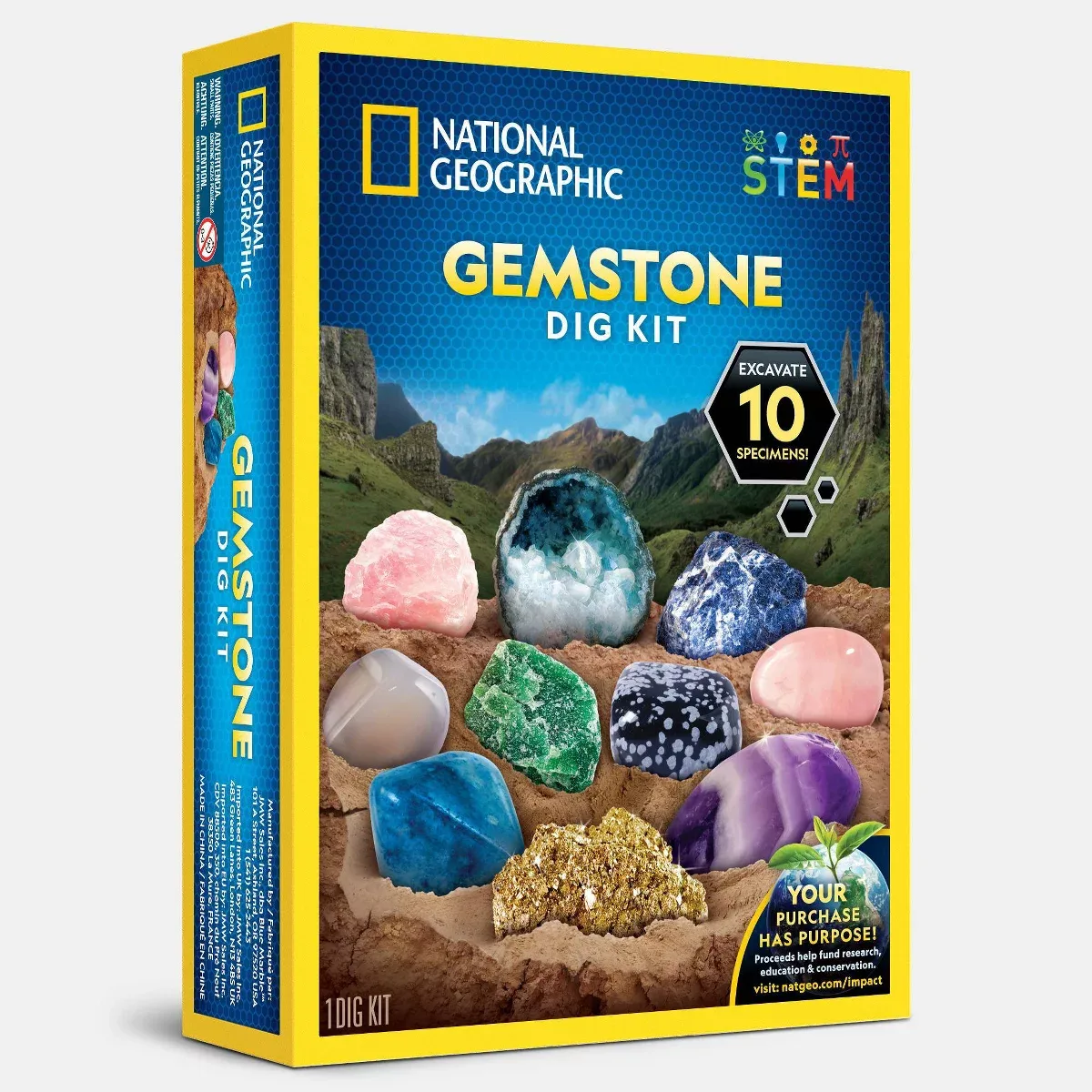
You don’t need a kit to do real science. Most elementary-school-level physics, chemistry, and biology concepts can be demonstrated with items in any kitchen or recycling bin.
What you’ll need across the 25 experiments:
- Paper, cardboard, pencils
- Water, salt, sugar, food coloring, vinegar, baking soda
- Rubber bands, paperclips, string, tape
- Cups (paper, plastic, or glass)
- Common kitchen tools (measuring cups, spoons)
- Optional: flashlight, magnifying glass, balloons
Chemistry (8 activities)
1. Dancing Raisins
Time: 5 min Items: Raisins, clear soda Steps: Drop raisins in soda. Watch CO2 bubbles carry them up and down. Teaches: Buoyancy, density changes.
2. Baking Soda + Vinegar Balloon
Time: 15 min Items: Baking soda, vinegar, balloon, empty bottle Steps: Put baking soda in balloon. Put vinegar in bottle. Stretch balloon over bottle. Lift to combine. Balloon inflates from CO2. Teaches: Acid-base reaction produces gas.
3. Invisible Ink (Lemon Juice)
Time: 20 min Items: Lemon juice, paper, lamp or iron Steps: Write with lemon juice. Let dry. Heat with lamp or iron. Writing appears brown. Teaches: Oxidation (lemon juice is an organic acid that browns with heat).
4. Colored Water Walking
Time: 15 min Items: 3 cups, water, food coloring, 2 paper towels Steps: Outer cups have colored water; middle cup empty. Fold paper towels and bridge cup rims. Watch water walk into middle cup. Teaches: Capillary action.
5. Egg in Vinegar (Rubber Egg)
Time: 24 hrs Items: Raw egg, vinegar, jar Steps: Put egg in vinegar. Wait 24 hours. Rinse. Result: Shell dissolves (calcium carbonate + acetic acid reaction); egg becomes rubbery. Teaches: Acid-base reaction; osmosis.
6. Homemade pH Indicator (Red Cabbage)
Time: 30 min Items: Red cabbage, hot water, household liquids Steps: Blend cabbage with hot water; strain. Test household liquids (vinegar, baking soda solution, lemon juice, soap). Colors indicate pH. Teaches: pH indicators.
7. Crystal Growing (Salt or Sugar)
Time: 2–7 days Items: Salt or sugar, water, string, pencil Steps: Dissolve salt (or sugar) until saturated. Hang string from pencil over jar. Teaches: Crystal formation, supersaturation.
8. Fizzing Rocks (Vinegar + Baking Soda + Color)
Time: 15 min Items: Baking soda + vinegar + food coloring + dish detergent Steps: Put baking soda in a tray; drop colored vinegar on top. Teaches: Acid-base reaction with foam (detergent creates foam that persists).
Physics (7 activities)
9. Lever with a Pencil
Time: 10 min Items: Pencil, book, 2 objects of different weight Steps: Balance pencil under book as fulcrum. Place objects at different distances. Teaches: Lever principle, torque.
10. Paper Helicopter
Time: 15 min Items: Paper, paperclip Steps: Fold paper helicopter. Drop from height. Teaches: Rotational physics, drag.
11. Water Pressure Test
Time: 10 min Items: Cup with 3 holes punched at different heights; water Steps: Fill cup; water shoots farther from lower holes. Teaches: Hydrostatic pressure.
12. Paper Airplane Test
Time: 20 min Items: Paper, measuring tape Steps: Fold 3 designs. Fly each 5 times. Measure. Teaches: Aerodynamics, variables.
13. Marble Ramp Physics
Time: 30 min Items: Cardboard, marbles, tape Steps: Build ramp. Roll marble from different heights; measure distance. Measure. Teaches: Potential vs kinetic energy; acceleration.
14. Balloon Rocket
Time: 15 min Items: Balloon, straw, string, tape Steps: String across room. Thread straw onto string. Tape balloon to straw. Inflate balloon; release. Teaches: Newton’s third law; thrust.
15. Static Electricity Experiments
Time: 15 min Items: Balloon, hair, small objects (paper bits, aluminum cans) Steps: Rub balloon on hair; use it to move objects without touching. Teaches: Static electricity, charge transfer.
Engineering (5 activities)
16. Paper Bridge Challenge
Time: 30 min Items: Paper, tape, pennies, 2 books as supports Steps: Build paper bridge spanning 8–12 inches. Add pennies until collapse. Teaches: Structural engineering.
17. Spaghetti Tower (Household Version)
Time: 30 min Items: Spaghetti, marshmallows (or masking tape balls) Steps: Tallest structure that stands alone for 10 seconds wins. Teaches: Tension/compression; iteration.
18. Straw-Rolled-Paper Catapult
Time: 30 min Items: Plastic straws, rubber bands, paper, cardboard Steps: Build a catapult. Launch crumpled paper. Measure distance. Teaches: Elastic potential energy.
19. Foil Boat
Time: 30 min Items: Aluminum foil, pennies, bowl of water Steps: Shape foil into a boat. Float. Add pennies until sinks. Teaches: Buoyancy, structural design.
20. Parachute Design
Time: 30 min Items: Plastic bags, string, weights (small objects) Steps: Make parachutes of 3 different sizes. Drop from same height; time fall. Teaches: Drag, aerodynamics.
Biology (3 activities)
21. Bean Seed Germination
Time: 7 days Items: Bean seed, paper towel, zip bag Steps: Wet paper towel; place seed; seal in bag. Tape to window. Teaches: Seed germination; embryo development.
22. Mold Growth
Time: 7 days Items: Bread, water, zip bag Steps: Wet bread; seal in bag; keep dark. Observe mold growth. Teaches: Microbial biology; decomposition.
23. Plant Color Experiment
Time: 1 day Items: White carnation, food coloring, water Steps: Put carnation in colored water. Leaves and petals color. Teaches: Vascular plant biology, capillary action.
Observation (2 activities)
24. Pencil in a Glass
Time: 5 min Items: Pencil, glass of water Steps: Put pencil partly into glass. View from side. Result: Pencil appears bent. Teaches: Light refraction.
25. Shadow Tracking
Time: All day (intermittent) Items: Chalk, pencil, stick (outside) Steps: Place stick; trace shadow every hour. Teaches: Earth’s rotation, sun’s apparent motion.
Organizing by Time
5-minute activities: #1, #15, #24 10-20 minute activities: #2, #3, #4, #6, #8, #9, #10, #11, #12, #14 30+ minute activities: #7, #13, #16, #17, #18, #19, #20 Multi-day (hands-off waiting): #5, #7, #21, #22, #23, #25
Organizing by Concept
- Chemistry: #1-#8
- Physics: #9-#15
- Engineering: #16-#20
- Biology: #21-#23
- Observation: #24-#25
Best for Indoor vs Outdoor
- Indoor: Most — #1-#24
- Outdoor: #14 (parachute), #20 (parachute), #25 (shadow)
Extensions for School or Co-op
Classroom pack: choose 3 activities from different categories. Run in 3 stations. Kids rotate.
Co-op pack: pick 5 activities spanning 2 weeks. Have kids document results in notebooks.
Safety Notes
Standard kitchen safety. Specific:
- Adult handles hot water (#6, #21)
- Adult handles lamp/iron (#3)
- Don’t eat experiments with non-food additives (#6 cabbage water after adding soap)
Related Guides
- Rainy-day science experiments — another 15 activities
- Backyard science experiments — outdoor focus
- Kitchen science experiments — kitchen focus
- Edible science experiments — food-focused
- Candy science experiments — candy as material
The Bottom Line
You don’t need a kit. These 25 activities prove it.
Best starters for 5–7 year olds: #1, #2, #14, #23 Best for 8–10 year olds: #7, #12, #16, #21, #22 Best for 11+: #13, #17, #18, #20, #24
Pick 3, gather materials in 10 minutes, do them in a 2-hour afternoon block. Kids remember these better than kit experiments because they own the materials.
All activities tested with kids aged 5–12.