ScienceBasedKids.com may earn a commission from affiliate links in this article. Our ratings are never influenced by affiliate relationships. Read our full methodology.
Why Parents Look for Alternatives
The typical KiwiCo cancellation story, as we’ve collected it from the r/ScienceBasedParenting and r/Parenting threads, follows a predictable arc. Months 1–3: enthusiasm, pride-of-completion photos, plans to save the projects. Months 4–6: the unfinished crate on the shelf, the guilt-scroll past the Lovevery email, the quiet math on what the subscription has actually cost. Month 7: cancellation.
This isn’t a KiwiCo failure — it’s a subscription-format issue. Monthly cadence assumes monthly engagement, and most children’s play patterns don’t work that way. They cycle. A child builds three KiwiCo crates in a week and then goes deep on Magna-Tiles for a month. A child finishes a Tinker Crate project and wants to modify and remix it for the next three weeks, during which two more unopened boxes arrive. The engagement isn’t matching the delivery.
Our full KiwiCo review rates it 7/10 with Emerging evidence — a good product whose value proposition depends heavily on whether the family’s actual play patterns justify the $300/year commitment. For many families, they don’t. Here’s what we’d recommend instead.
A Note on Other Subscription Boxes
We are not recommending Mel Science, CrunchLabs, Little Passports, or Groovy Lab as alternatives in this article — not because they’re bad, but because we haven’t personally tested them across a full 12-month subscription cycle. Writing recommendations based on marketing copy and other reviewers’ claims is exactly the credibility trap this site exists to reject. We’re currently 3 months into parallel testing of those subscriptions; the honest comparison will publish after 12 months of data. If a monthly subscription is non-negotiable for your family, KiwiCo’s established track record, clean safety record, and well-executed curriculum make it a defensible choice — just go in with realistic expectations about engagement decay at month 4.
The alternatives below are one-time purchases we’ve personally reviewed and tested. Most sit between $30–$120, which is one to five months of KiwiCo. They deliver different value: sustained replay rather than episodic novelty.
The Alternatives, by Problem
Problem 1: You want open-ended play that lasts for years.
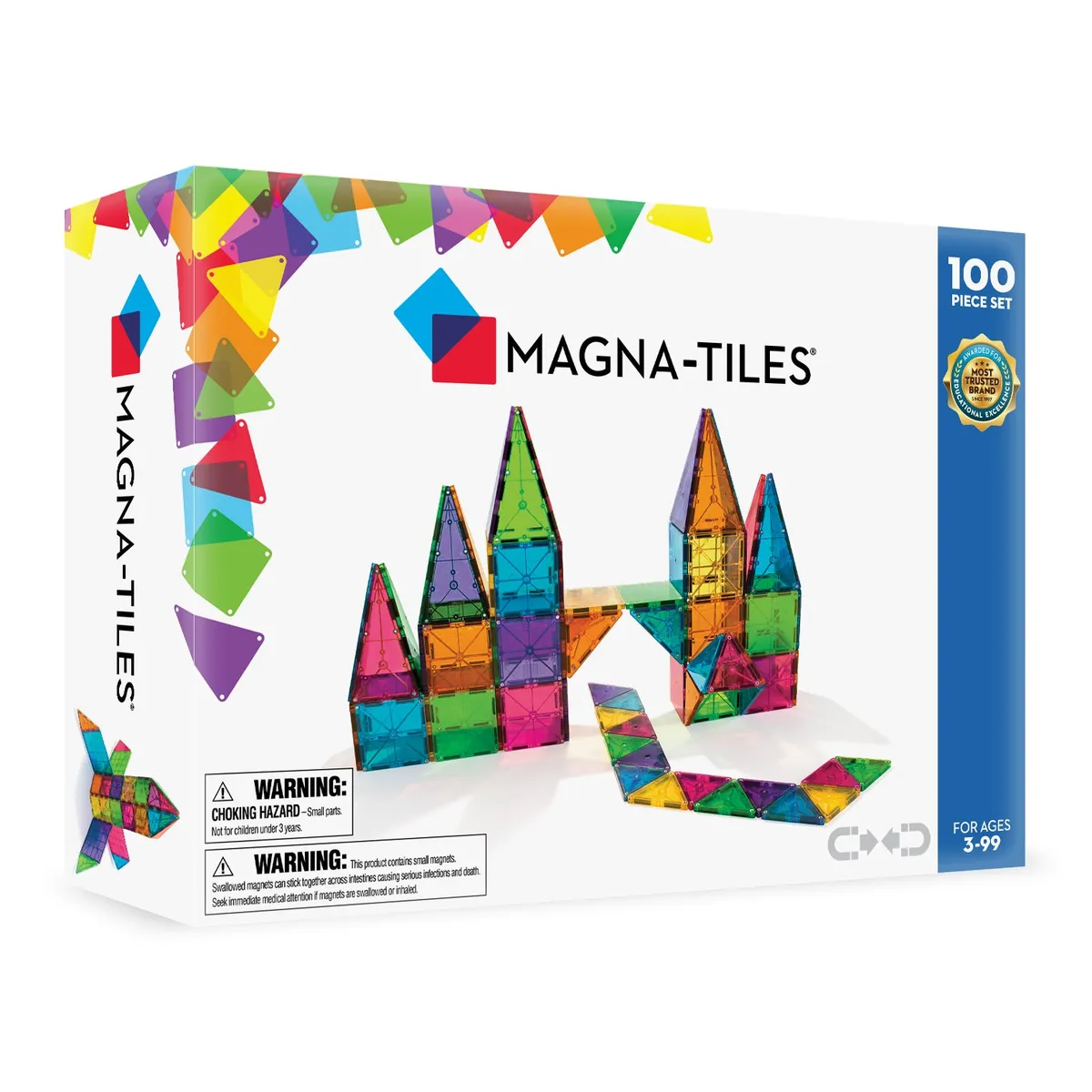
Magna-Tiles 100-Piece Clear Colors Set — $120 — 9/10 — Moderate evidence.
The single best replacement for “I want one thing that keeps my 3-to-8-year-old engaged for years.” A KiwiCo Kiwi Crate delivers 1–3 hours of build time. A Magna-Tiles set, in our six-week testing and subsequent six-month follow-up, is pulled out 3–4 times per week, unprompted, across wildly different play styles. Cost-per-hour-of-play is dramatically lower over the product’s lifespan. The spatial reasoning research is also the strongest in our portfolio.
Buy it instead of 5 months of KiwiCo ($125 vs $120 for a toy that will outlast the subscription by years).
Problem 2: You want real STEM concepts, not craft projects dressed as STEM.
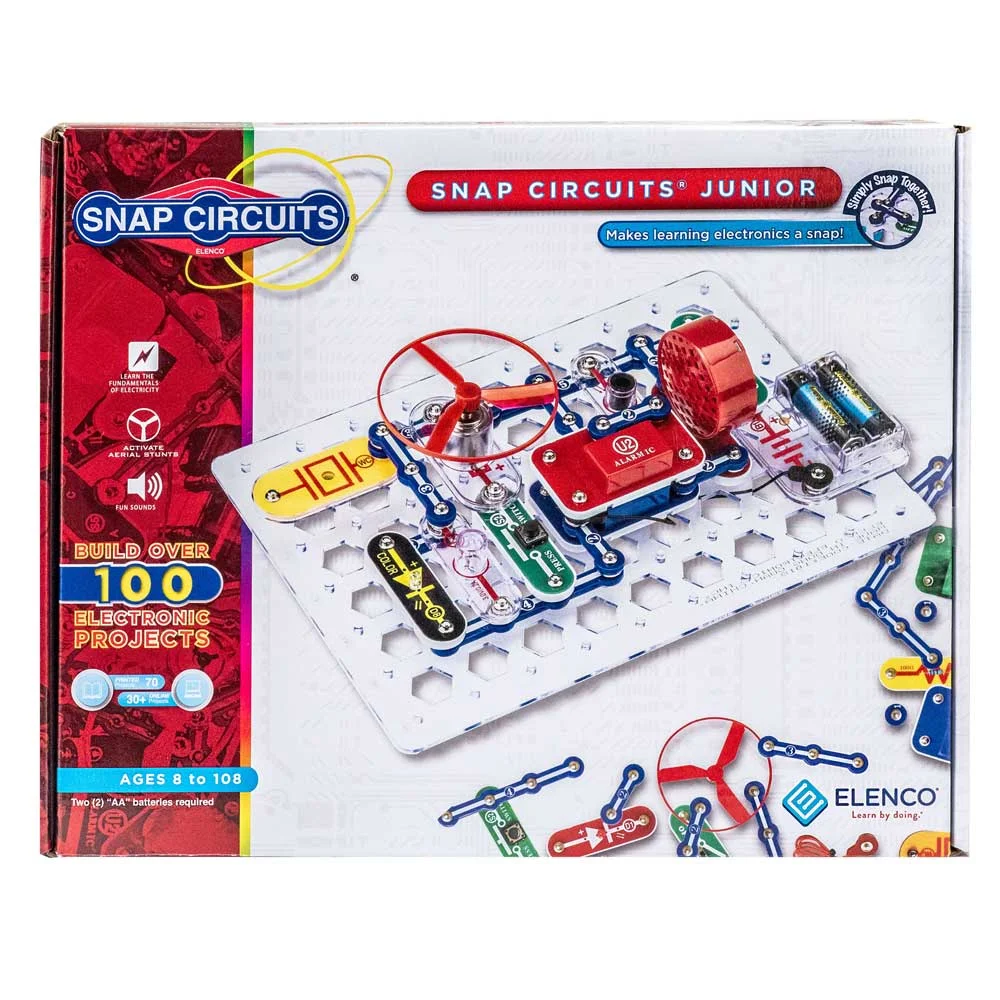
Snap Circuits Jr. SC-100 — $35 — 7/10 — Emerging. Or step up to the Classic SC-300 ($45) for sustained engagement.
KiwiCo crates for the 8-year-old age range include projects like “hydraulic claw” and “trebuchet.” They’re satisfying to build. They don’t teach electrical engineering, physics, or materials science in any rigorous sense. Snap Circuits Jr. does. A child building a complete circuit, swapping components, and troubleshooting a non-functioning LED is engaging with actual electronics — not the theater of electronics.
Buy it instead of 1–2 months of KiwiCo when the child asks “how does electricity work?”
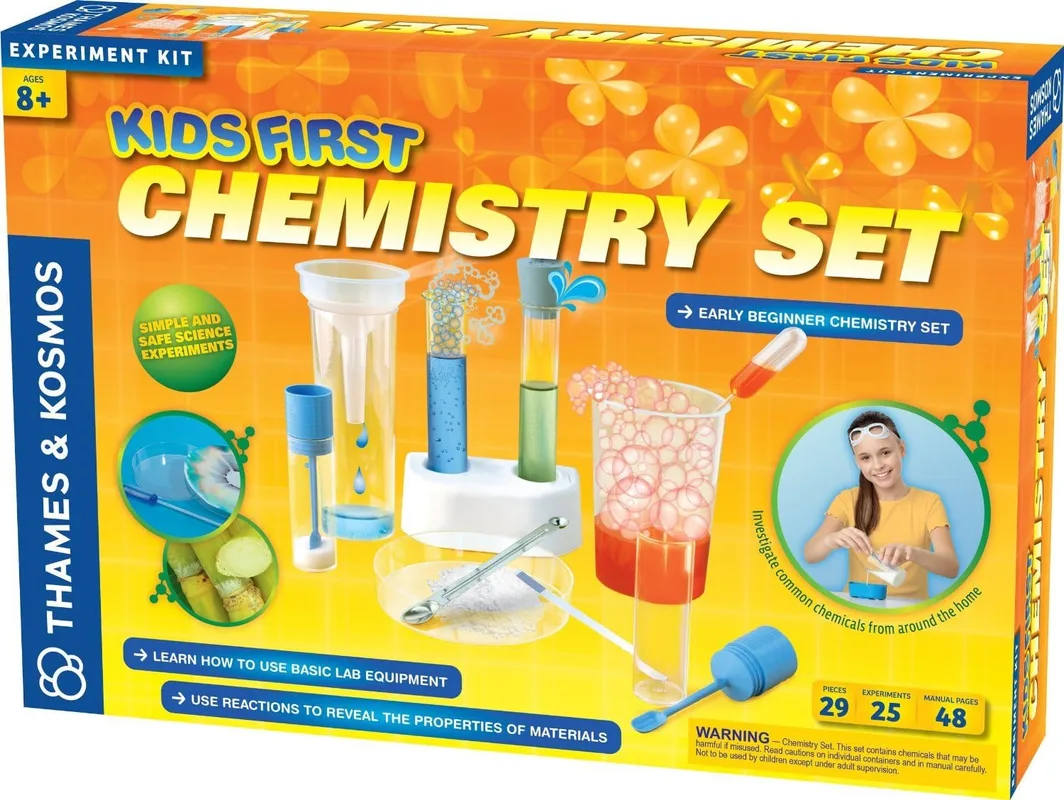
Thames & Kosmos Kids First Chemistry Set — $40 — 7/10 — Emerging.
Similarly, KiwiCo’s approach to chemistry is mostly fizz-and-color experiments. T&K’s Kids First set uses real (safe) reagents, proper lab equipment scaled down for children, and a manual that explains what’s happening at an age-appropriate level. It will not turn a four-year-old into a chemist — but it won’t pretend to, either.
Problem 3: You want engineering without a monthly box.
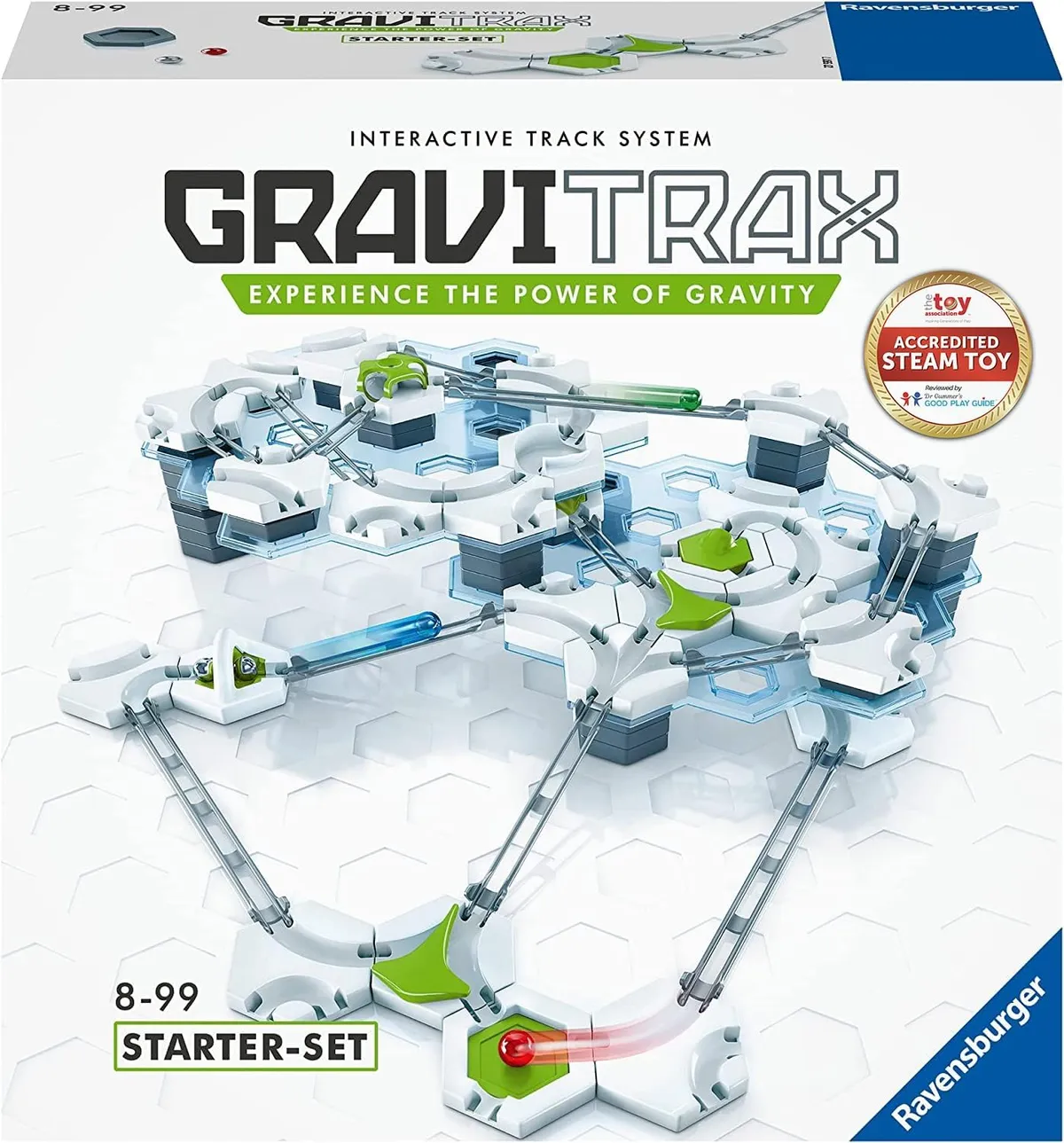
GraviTrax Starter Set — $60 — 9/10 — Moderate.
GraviTrax is what KiwiCo’s Tinker Crate wants to be. A marble-run system with gravity-powered kinetic elements (magnetic cannons, pendulums, loops, lifts) that scales from simple gravity demonstrations to genuinely complex kinetic engineering problems. Replay value is exceptional — the same pieces can build hundreds of tracks.
Ravensburger Labyrinth — $30 — 8/10 — Moderate.
For pattern-recognition and spatial problem-solving play, Ravensburger’s shifting-maze game delivers more cognitive engagement per session than most KiwiCo crates and costs half of one month.
Problem 4: You want coding/robotics play without an iPad.
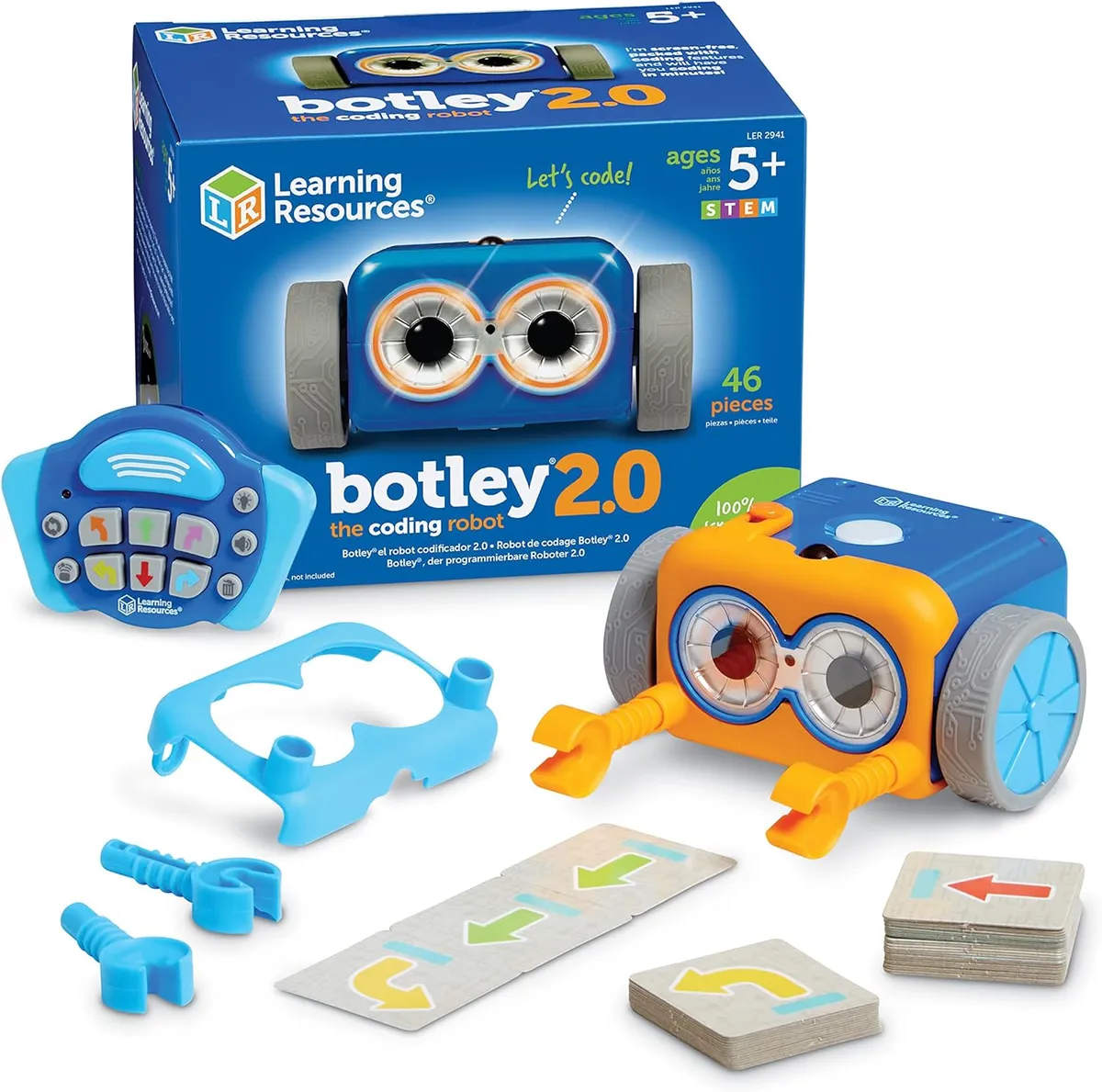
Botley 2.0 Coding Robot — $65 — 6/10 — Emerging.
Screen-free coding for ages 5–8. A child programs Botley with a remote-style controller (no app, no tablet). Pair with the 78-piece activity set for ramps, obstacles, and puzzles. This is directly competitive with KiwiCo’s Tinker Crate robotics projects and delivers open-ended play rather than a single-project build.
Cubetto Coding Robot — $225 — 7/10 — Emerging.
Higher-priced Montessori-adjacent option for ages 3–6. Screen-free, tactile programming blocks. Expensive but grows with the child across several developmental stages — the cost is justified if you’d otherwise spend $25/month on KiwiCo for two years ($600).
Problem 5: You want a physics or puzzle kit that doesn’t get boxed after one session.
ThinkFun Gravity Maze — $35 — 9/10 — Moderate.
60 challenges of increasing difficulty. A spatial-reasoning puzzle that children return to across years as they grow into the harder levels. Direct competitor to KiwiCo’s puzzle-oriented crates at a fraction of the cost.
Rush Hour Jr. — $20 — 8/10 — Moderate.
40 puzzle challenges, age 5+. Same principle as Gravity Maze but cheaper and earlier.
Problem 6: You want a construction set with serious staying power.
KEVA Planks 200-Piece Set — $50 — 8/10 — Moderate.
Simple wooden planks, no connectors. Supports more complex engineering play than Magna-Tiles for older builders — arches, cantilevers, weight distribution. Indestructible. Will outlast every KiwiCo crate you’d otherwise buy.
Connetix Tiles 100-Piece Set — $120 — 9/10 — Moderate.
Premium magnetic tile alternative to Magna-Tiles with a pastel translucent palette and slightly different piece set. Choose based on aesthetic preference.
When KiwiCo Is Still the Right Choice
Three specific cases:
-
The time-poor household. If “another thing to buy, plan, and set up” is the blocker — not the cost — then KiwiCo’s curation is genuinely valuable. The $25 is buying your time back. This is the clearest justification.
-
The child who needs external structure. Some children struggle to choose from their own toys but engage enthusiastically with a new themed activity. If your child’s play patterns are more event-driven than exploratory, KiwiCo’s monthly novelty matches that pattern better than a shelf of open-ended kits.
-
A gift context where the recipient won’t otherwise receive STEM materials. KiwiCo’s Kiwi Crate gift subscription for a child who doesn’t have access to one-time purchases — a grandparent-buyer situation, a family on a tight month-to-month budget — earns its place.
For everyone else, the math favors a well-chosen library of one-time purchases over a monthly box. The table below summarizes the replacements by age.
Quick Reference: KiwiCo Replacement by Age
| Age | Best Replacement | Price | Why |
|---|---|---|---|
| 3–4 | Magna-Tiles 100 | $120 | Open-ended, lasts through 8 |
| 5–6 | Magna-Tiles 100 + Rush Hour Jr. | $140 | Spatial + logic, 1.5 years’ worth |
| 6–7 | ThinkFun Gravity Maze + Botley 2.0 | $100 | Puzzles + screen-free coding |
| 8–9 | Snap Circuits Classic SC-300 + GraviTrax | $105 | Real electronics + engineering |
| 9–12 | KEVA Planks 200 + Snap Circuits Classic | $95 | Sustained construction + electronics |
Each column totals roughly 3–5 months of a KiwiCo subscription. Each row delivers multi-year engagement rather than 30-day novelty.
The Bottom Line
KiwiCo is a well-run subscription, and our critique isn’t about the product’s quality. It’s about whether the monthly subscription format is the right match for how children actually play. For most families, it isn’t. A carefully chosen library of open-ended kits we’ve personally reviewed — Magna-Tiles, Snap Circuits, GraviTrax, Gravity Maze, KEVA Planks — delivers more engagement per dollar and grows with the child.
If you’re mid-subscription and reading this because month 5 feels off, the specific recommendation is: pause the subscription, spend two months playing through the unopened crates, and see if the underlying value proposition still holds. If it does, resubscribe. If it doesn’t, buy one of the kits above with the money you save.
This article reflects our independent evaluation. Every product recommended has been reviewed in depth by our team; links are included for convenience. We may earn a commission through affiliate links, which helps fund our research. This never influences our assessments.
Full Reviews
- KiwiCo Kiwi Crate Review
- Magna-Tiles 100-Piece Review
- Snap Circuits Jr. SC-100 Review and Snap Circuits Jr. vs Classic
- Thames & Kosmos Kids First Chemistry Review
- GraviTrax Starter Set Review
- ThinkFun Gravity Maze Review
- Botley 2.0 Coding Robot Review
- KEVA Planks 200 Review
- Connetix Tiles 100 Review
- Ravensburger Labyrinth Review
- Rush Hour Jr. Review
- Cubetto Coding Robot Review