ScienceBasedKids.com may earn a commission from affiliate links in this review. Our ratings are never influenced by affiliate relationships. Read our full methodology.
Robot Turtles began as a Kickstarter project by a Google engineer who wanted to teach his toddler twins to program. It became the most-backed board game in Kickstarter history and was eventually acquired by ThinkFun. The premise: children play instruction cards to navigate their turtle across a board to reach a jewel, learning sequential programming, debugging, and functions through physical gameplay rather than screen interaction.
We tested Robot Turtles for six weeks with children ages 4 through 7 across multiple families.
Product Overview
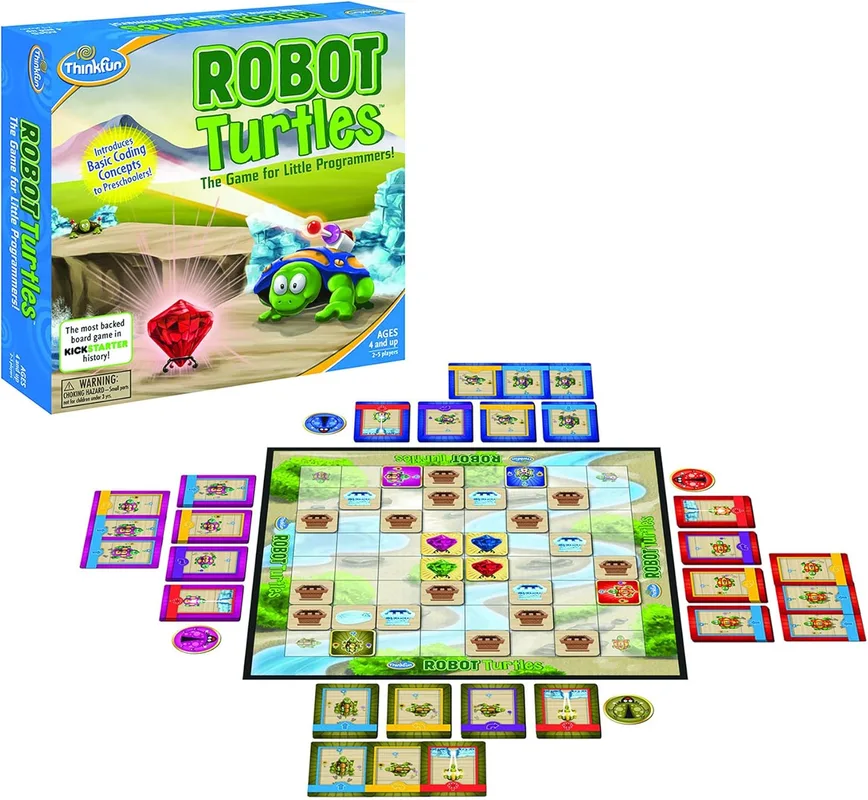
The game includes a game board with a grid, four turtle tokens, card sets for each player (Forward, Turn Left, Turn Right, Laser, and Bug cards), obstacle tiles (ice walls and stone walls), and jewel tokens. The adult acts as the “computer” — executing the child’s card instructions by moving their turtle on the board.
The game progresses through difficulty levels: starting with simple forward movement, then adding turns, obstacles, the Laser card (which removes ice walls), and finally the Function Frog (a subroutine mechanism that executes a preset sequence of instructions).
Our Evaluation
Build Quality: 7/10
Standard ThinkFun quality — sturdy cardboard components, clear card printing, colorful turtle tokens. Adequate for the price and intended age range.
Play Value: 7/10
The adult-as-computer mechanic is clever — the child never touches the turtle, only plays cards. This reinforces the programming metaphor: you write instructions, and the computer executes them. When the turtle doesn’t go where expected, the child shouts “BUG!” and gets to undo the last card — introducing debugging.
The learning progression is well-scaffolded. Our 4-year-old testers grasped forward movement in game 1, turns by game 3, and the Bug card by game 5. The Function Frog was the most challenging concept and the most rewarding when mastered.
The limitation: once children master all concepts (typically 15-20 games), the game loses its educational edge and becomes a simple navigation exercise without enough strategic depth to sustain interest as a pure game.
Age Appropriateness: 8/10
The 4+ recommendation is accurate for the basic levels. Full concept mastery is realistic by ages 5-6.
Value for Money: 8/10
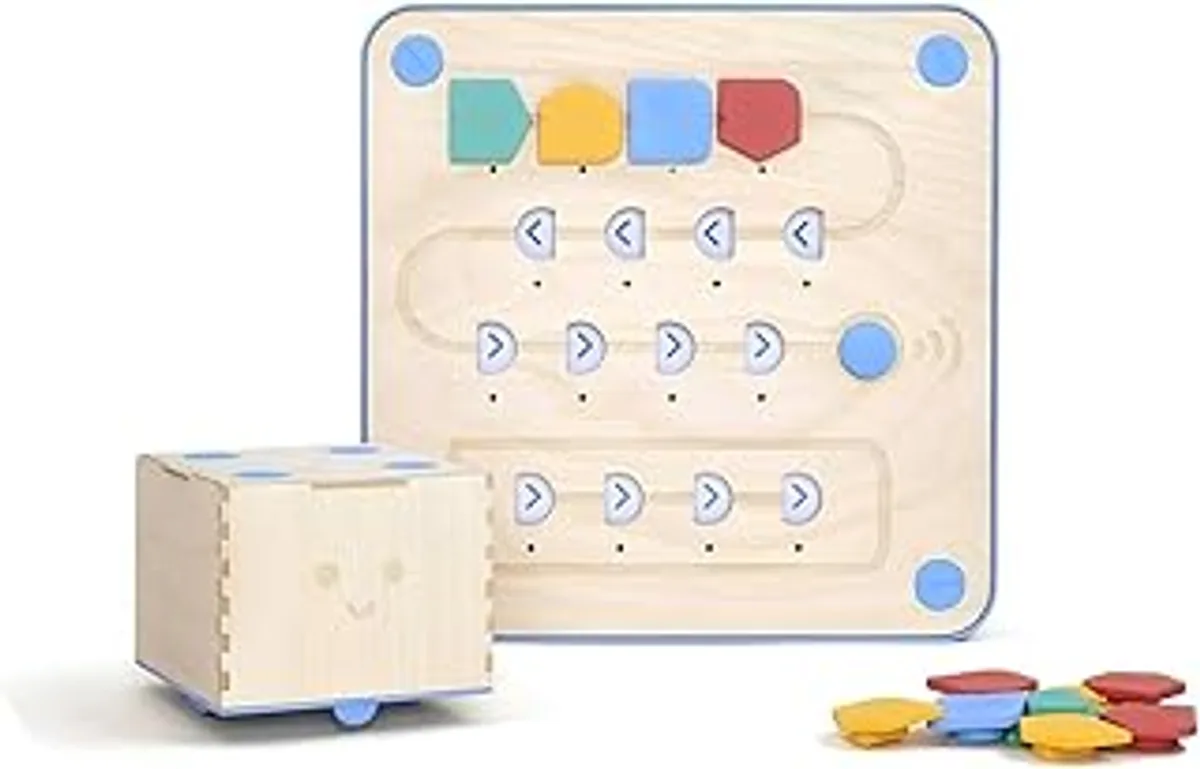
$25 for 15-20 games of genuine coding education is reasonable. The per-concept cost is far lower than Cubetto ($225 for similar concepts).
The Evidence

Computational Thinking in Early Childhood. Bers et al. (2014) demonstrated that kindergartners can learn sequencing, debugging, and control flow through age-appropriate programming interfaces.1 Robot Turtles implements exactly these concepts in a board game format.
The honest summary: Computational thinking is teachable to preschoolers through appropriate interfaces. Robot Turtles is a well-designed, affordable implementation.
Safety Notes
No small parts below choking hazard threshold. Meets ASTM F963. No CPSC recalls.
The Verdict
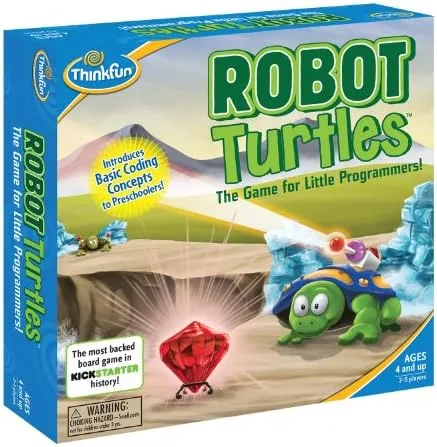
Robot Turtles is the most affordable way to introduce programming concepts to preschoolers. The card-based system is intuitive, the adult-as-computer mechanic reinforces the programming metaphor, and the progressive difficulty is well-calibrated. Limited replay value after concept mastery is the primary drawback.
Product Rating: 7/10 — Clever design and genuine educational value. Limited longevity prevents a higher score.
Evidence Rating: Emerging — Computational thinking education for preschoolers is well-supported.
Who Should Buy This
- Families wanting affordable coding education for ages 4-6
- Parents who prefer board games over screen-based coding tools
- Families who enjoy adult-child cooperative play
- Teachers seeking classroom coding activities
Who Should Skip This
- Children over 7 who may find it too simple
- Families seeking long-term replayable strategy games
- Parents unwilling to act as the “computer” (adult participation required)
- Families who prefer robotic/physical coding toys
This review reflects our independent evaluation. ScienceBasedKids.com purchased this product at retail price.
Footnotes
-
Bers, M. U., Flannery, L., Kazakoff, E. R., & Sullivan, A. (2014). “Computational thinking and tinkering.” Computers & Education, 72, 145-157. ↩
Enjoyed this review? We publish two new evidence-based evaluations every week.
Free. No spam. Unsubscribe anytime.
Sequential instructions were fastest; functions took the longest but were the most rewarding.
Recommended Accessories
Affiliate links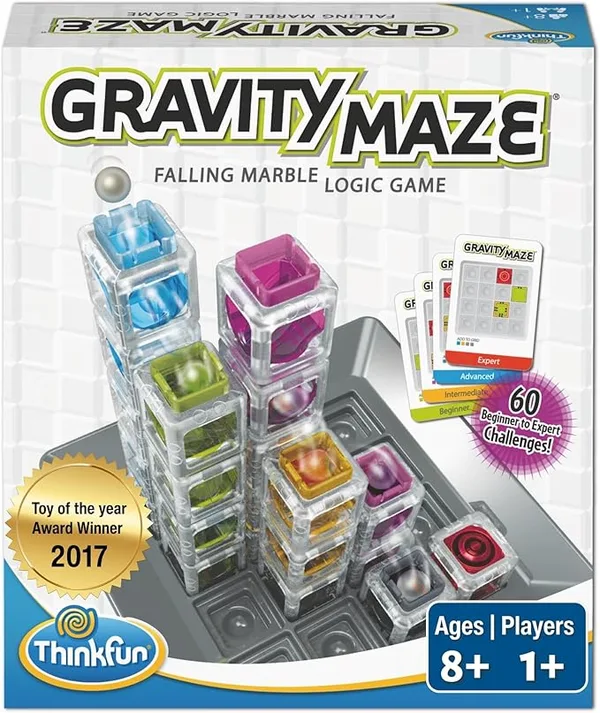
ThinkFun Gravity Maze Marble Run
“Another ThinkFun logic game that builds spatial reasoning. Great next step after Robot Turtles for kids who love puzzles.”
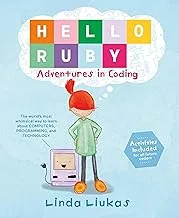
Hello Ruby: Adventures in Coding by Linda Liukas
“Picture book about coding concepts that pairs beautifully with Robot Turtles gameplay.”
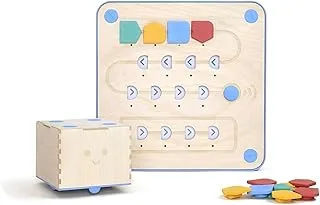
Cubetto Coding Robot Playset
“Premium robotic alternative with physical coding board. Much more expensive but more immersive.”
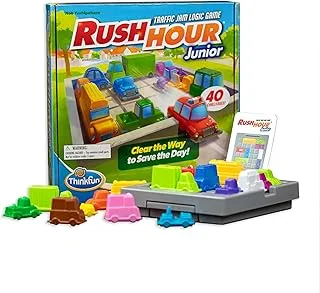
ThinkFun Rush Hour Jr.
“Different logical reasoning game from ThinkFun. Puzzle-based rather than coding-based.”