ScienceBasedKids.com may earn a commission from affiliate links in this review. Our ratings are never influenced by affiliate relationships. Read our full methodology.
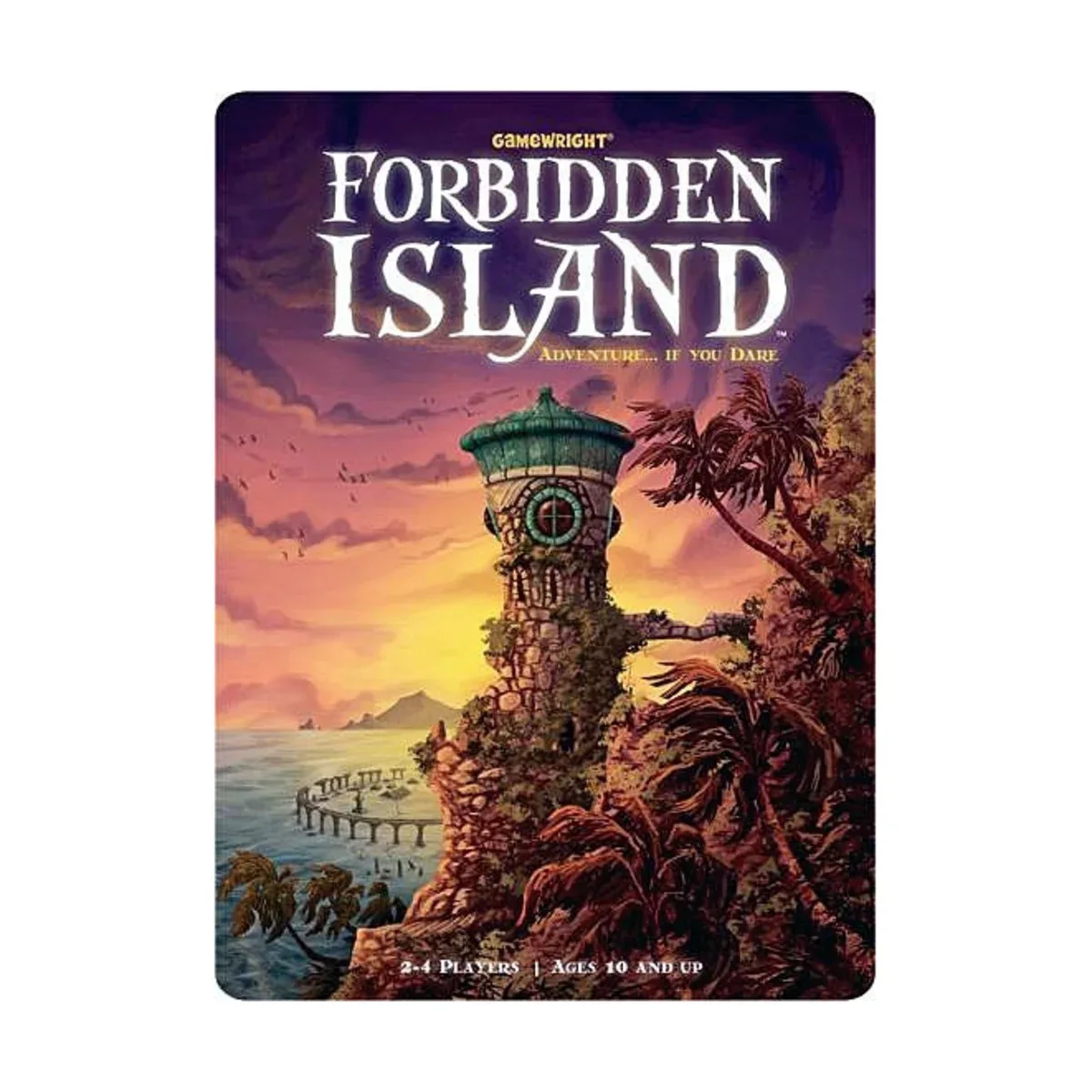
Matt Leacock designed Pandemic — the cooperative game that redefined the genre. Forbidden Island is his more accessible design, intended as the gateway drug. And like all great gateway drugs, it’s dangerously good on its own. At $18, in a collectible tin, with mechanics that scale from introductory to genuinely challenging, Forbidden Island might be the best board game value we’ve reviewed.
We tested it for eight weeks with families including children ages 9 through 14, playing at all four difficulty levels. The game delivers exactly what it promises: cooperative tension, meaningful decisions, and the shared triumph (or shared defeat) that makes cooperative games special.
Product Overview
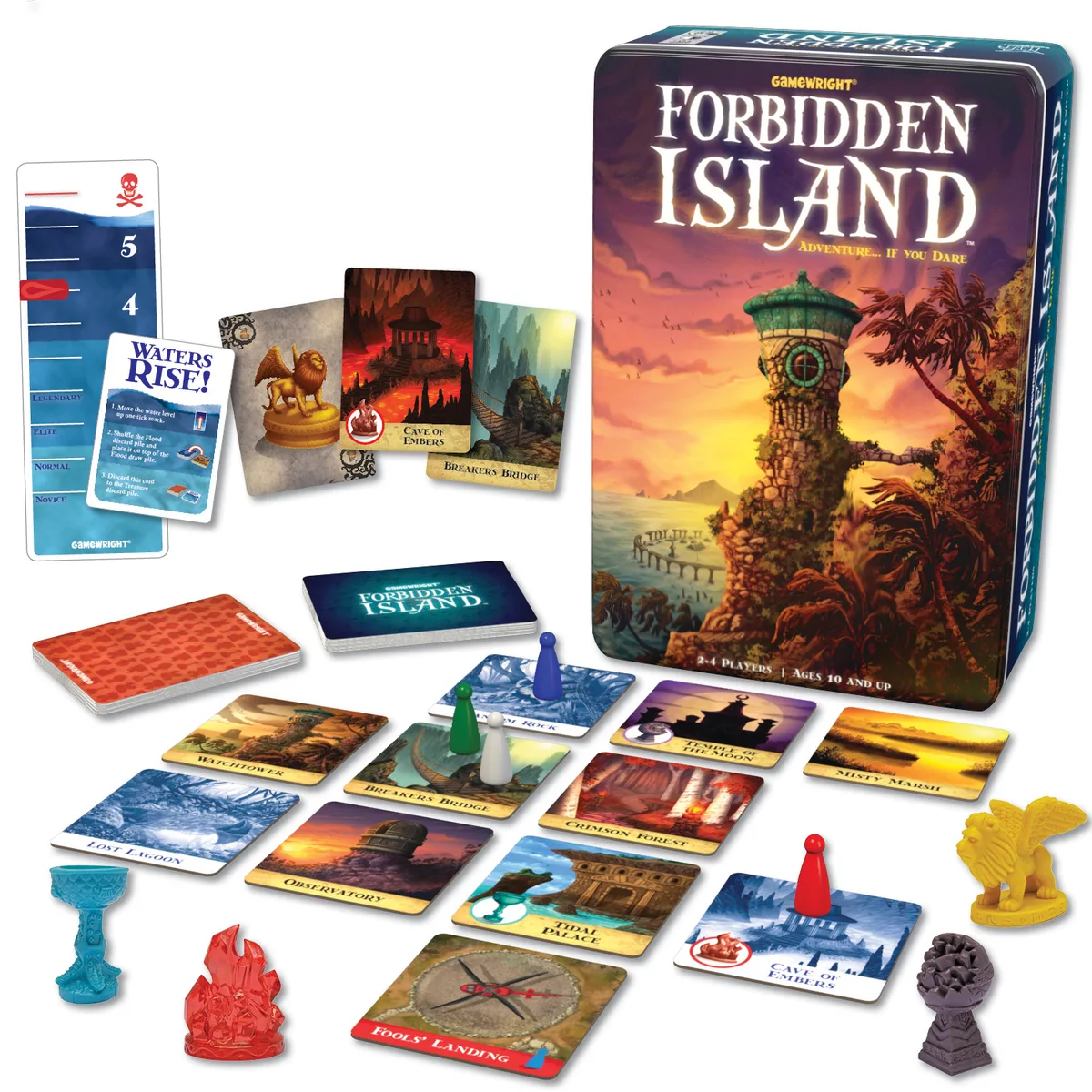
Forbidden Island is a cooperative game for 2-4 players where your team of adventurers must capture four ancient treasures from a sinking island before it disappears beneath the waves. Each turn:
- Take up to 3 actions (move, shore up sinking tiles, trade cards, capture treasure)
- Draw 2 treasure cards (needed to capture treasures)
- Draw flood cards (which sink island tiles)
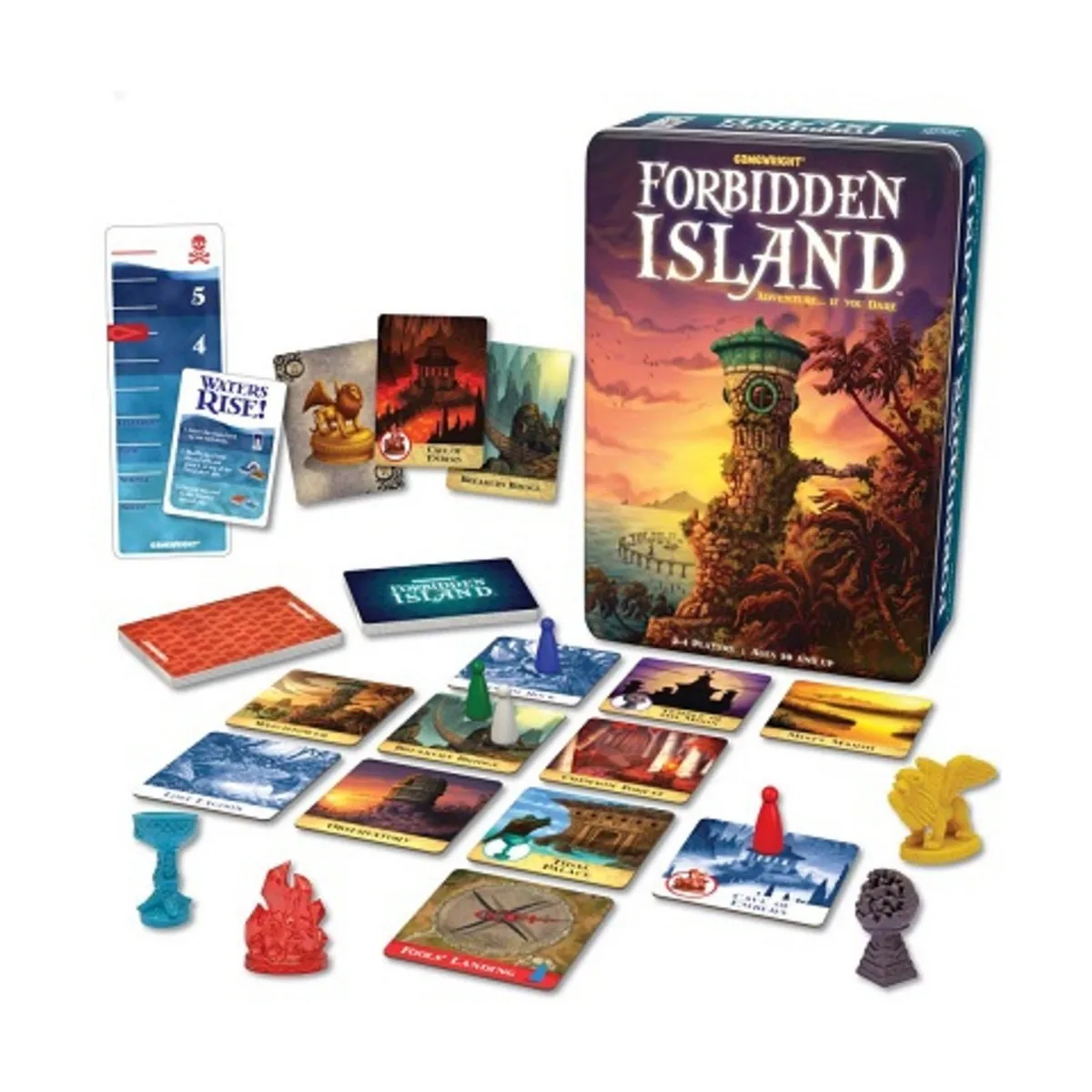
The island is composed of 24 modular tiles arranged in a diamond pattern. As flood cards are drawn, tiles flip to “flooded” status. If a flooded tile is drawn again, it sinks permanently — removed from the game. If key tiles sink before you capture their treasures, you lose. If the water level rises too high, you lose. If the helicopter pad sinks, you lose. Win condition: capture all four treasures and helicopter off the island.
Each player has a unique role with a special ability (the Diver can swim through sunken tiles, the Engineer can shore up two tiles per action, the Pilot can fly anywhere). These asymmetric roles create natural specialization and require coordination.
Our Evaluation
Build Quality: 8/10
The collectible tin is sturdy and attractive. The island tiles are thick cardboard with beautiful artwork. The treasure figurines are molded plastic — small but satisfying. The cards are standard quality. For $18, the production values are excellent.
Play Value: 9/10
Forbidden Island succeeds at the most difficult challenge in cooperative game design: making every player’s decisions feel meaningful without allowing one experienced player to dictate everyone’s moves (the “alpha player” problem). The game’s information is mostly public, but the combination of role-specific abilities, hand management, and rising water levels creates enough complexity that genuine discussion and disagreement emerge naturally.
The four difficulty levels provide remarkable replayability. “Novice” is genuinely accessible for 9-10 year olds and cooperative game newcomers. “Elite” is a legitimate challenge for experienced adult gamers. The scaling is achieved simply by starting the water level meter higher, which is elegant design — the same rules, the same components, but drastically different pressure.
Game length (20-30 minutes) is ideal for family play — long enough for meaningful decisions, short enough for “let’s play again.”
Age Appropriateness: 8/10
The 10+ recommendation is accurate. Children under 10 can participate but struggle with the multi-turn strategic planning required at higher difficulty levels. At Novice difficulty, capable 8-9 year olds can contribute meaningfully. The reading requirement is minimal (card names only).
Value for Money: 10/10
$18 for a game this good is extraordinary. The replayability across four difficulty levels, the modular board setup, and the strategic depth provide hundreds of hours of family gaming.
The Evidence
Cooperative Games and Prosocial Development. The cooperative game evidence base continues to apply. At this age level, the strategic complexity adds executive function engagement — planning, prioritizing, and managing multiple constraints simultaneously. Diamond (2013) identified these as core executive function skills.1
Strategic Thinking and Decision-Making. Forbidden Island requires weighing competing priorities: which tiles to shore up, which treasures to pursue first, when to trade cards. This multi-constraint decision-making engages cognitive flexibility and forward planning. Best and Miller (2010) documented that executive function continues developing through adolescence, with strategic planning maturing significantly between ages 10 and 14.2
The honest summary: Cooperative play and strategic thinking are well-supported developmental domains. Forbidden Island engages both at an age-appropriate level of complexity.
Safety Notes
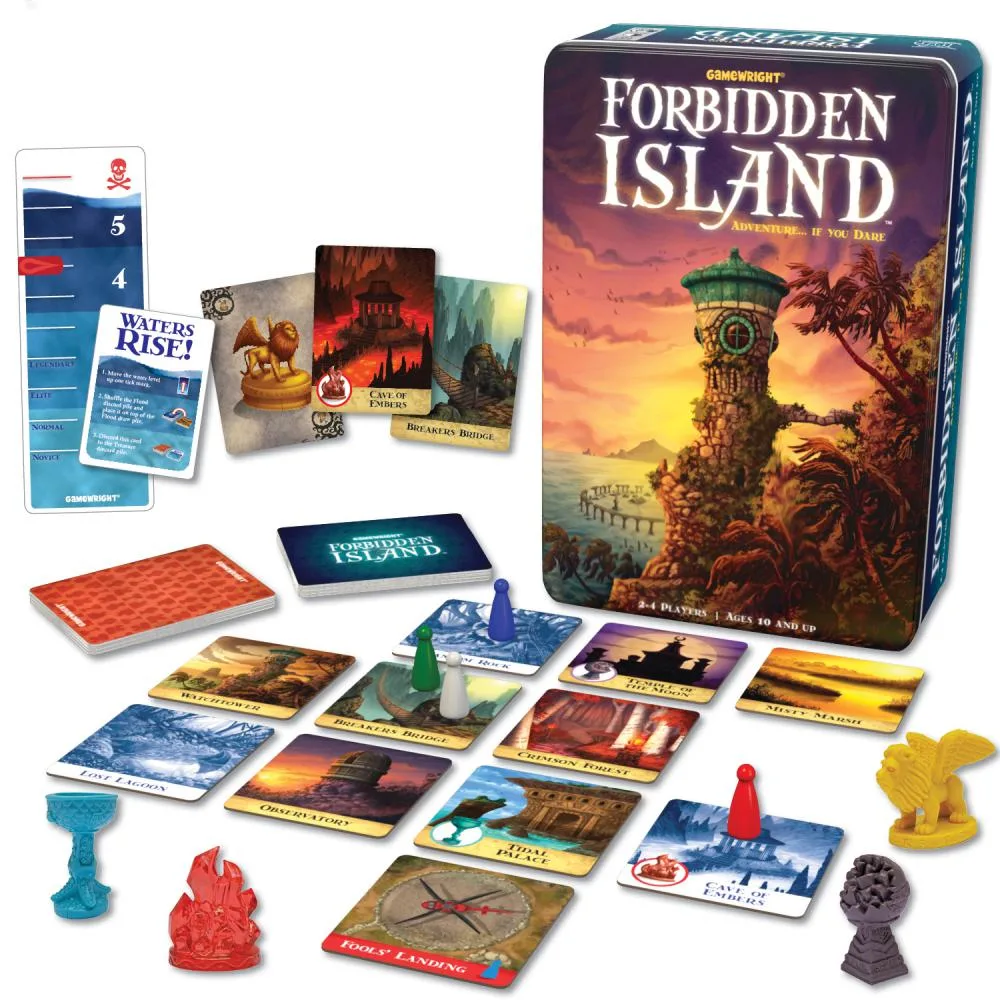
Small treasure figurines may pose a choking hazard for children under 3. No other safety concerns. No CPSC recalls.
The Verdict
Forbidden Island is the best cooperative strategy game for families with children ages 10+. The design is elegant, the tension is real, the cooperation is meaningful, and the price is remarkable. If you own one cooperative family game, this should be it.
Product Rating: 9/10 — Exceptional design, value, and replayability. Only the modest production quality prevents a perfect score.
Evidence Rating: Moderate — Cooperative play and strategic thinking are well-supported. Game-specific research is limited but category evidence is strong.
Who Should Buy This
- Families with children ages 10+ looking for a cooperative game night centerpiece
- Parents tired of competitive games producing arguments
- Families new to modern board games — this is the ideal entry point
- Teachers and youth group leaders seeking collaborative activities
Who Should Skip This
- Families with children under 9 — the strategy demands may frustrate
- Hardcore gamers who want more complexity — look at Pandemic or Spirit Island
- Families who prefer competitive games
- Anyone who dislikes the tension of losing — Forbidden Island can be stressful at higher difficulties
This review reflects our independent evaluation. ScienceBasedKids.com purchased this product at retail price.
Footnotes
Enjoyed this review? We publish two new evidence-based evaluations every week.
Free. No spam. Unsubscribe anytime.
Forbidden Island hits the sweet spot: enough strategy to challenge adults, accessible enough for 10-year-olds.
Recommended Accessories
Affiliate links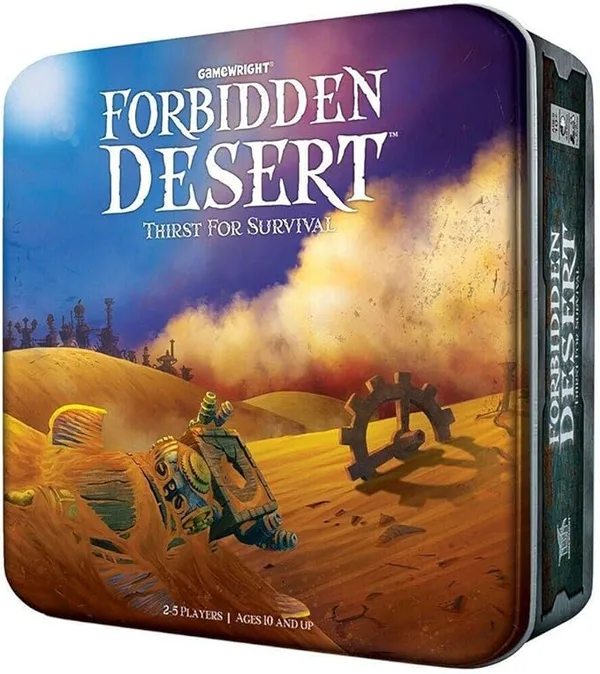
Forbidden Desert
“Sequel with different mechanics (sandstorm instead of sinking). Slightly more complex.”
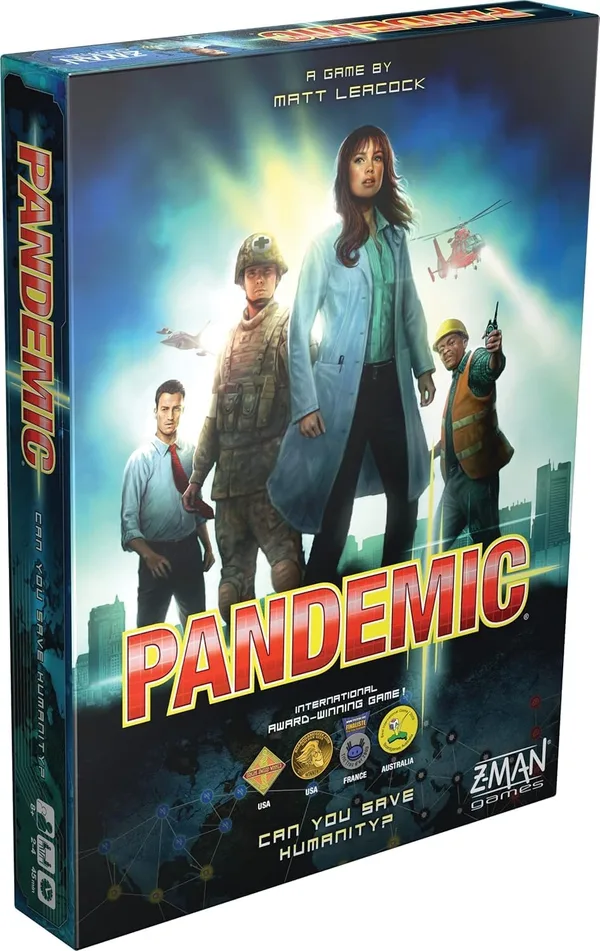
Pandemic
“By the same designer. More complex cooperative game for families ready to level up.”
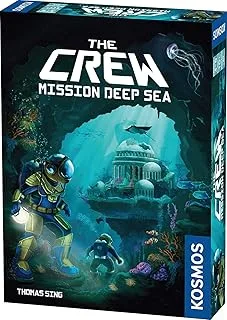
The Crew: Mission Deep Sea
“Card-based cooperative game. Brilliant for older families. Less visual, more strategic.”

Card Sleeves Standard Size (100-pack)
“Protect the treasure and flood cards from wear. Extends game life significantly.”