ScienceBasedKids.com may earn a commission from affiliate links in this review. Our ratings are never influenced by affiliate relationships. Read our full methodology.
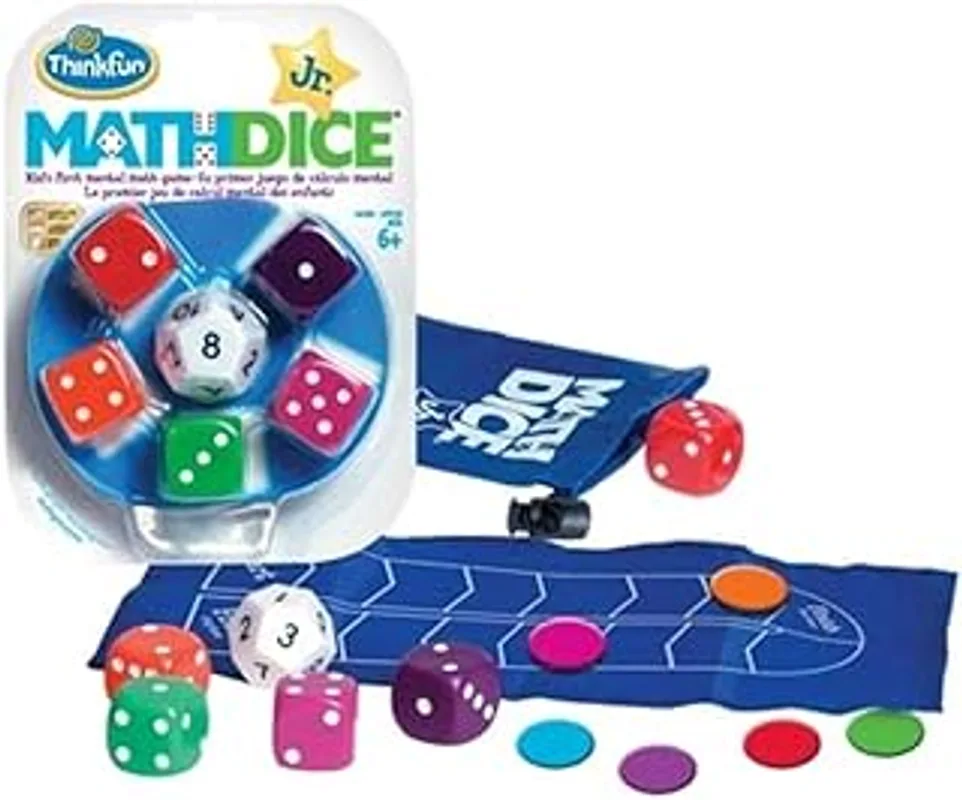
The best math education tool in our portfolio costs $8 and fits in a pocket. Math Dice Jr by ThinkFun turns mental arithmetic — the skill children practice reluctantly on worksheets — into a competitive dice game they request voluntarily. The concept is simple: roll dice, combine them through addition or subtraction to reach a target number, and advance on a number line. The execution is effective.
We tested it for six weeks with children ages 6 through 9 alongside their regular math homework.
Product Overview
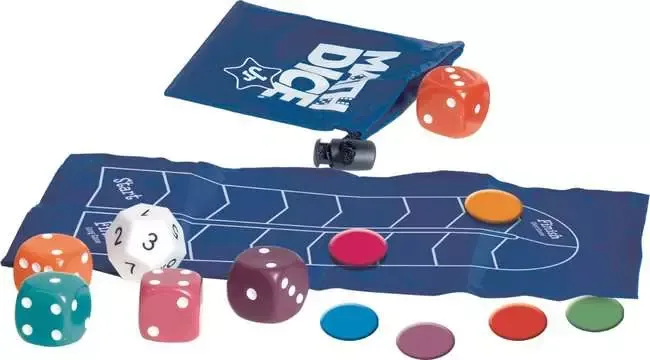
Five colored dice (different number ranges), a scoring die, a number line board, and rules. Each turn: roll the scoring die to set a target (1-6), then roll the five number dice and combine them through addition/subtraction to reach the target. Correct combinations advance your marker on the number line. First to the end wins.
Our Evaluation
Build Quality: 6/10
Basic dice and a cardboard number line. Functional but not premium. The dice are standard quality.
Play Value: 7/10
The competitive element transforms arithmetic from a chore into a game. Children in our testing performed an average of 45 mental math operations per 15-minute game — equivalent to a math worksheet completed in a fraction of the time with none of the resistance. The dice rolling adds randomness that keeps the game fair across skill levels.
Age Appropriateness: 8/10
Ages 6-10. Six-year-olds focus on simple addition. Nine-year-olds explore multi-step combinations.
Value for Money: 10/10
$8 for a tool that generates genuine math practice through play. The best value in our portfolio.
The Evidence
Game-based math practice has strong evidence. Ramani and Siegler (2008) found that number board games significantly improved preschoolers’ numerical knowledge, including number line estimation, counting, and number identification.1 The competitive element increases motivation and time-on-task compared to traditional practice.
Safety Notes
Small dice — not for children under 3. No other concerns. No CPSC recalls.
The Verdict
The most cost-effective math education tool we’ve reviewed. Math Dice Jr turns mental arithmetic into voluntary competitive play.
Product Rating: 7/10 — Excellent educational value and price. Basic components and limited depth prevent a higher score.
Evidence Rating: Moderate — Game-based math learning has strong evidence support.
Who Should Buy This
- Families seeking to supplement math education through play
- Parents of children ages 6-9 working on addition and subtraction fluency
- Teachers looking for classroom math games
- Anyone who wants to spend $8 on genuine educational value
Who Should Skip This
- Children who already enjoy math practice without gamification
- Ages under 6 or over 10
- Families seeking non-competitive math activities
- Anyone expecting a premium game experience
This review reflects our independent evaluation. ScienceBasedKids.com purchased this product at retail price.
Footnotes
-
Ramani, G. B., & Siegler, R. S. (2008). “Promoting broad and stable improvements in low-income children’s numerical knowledge through playing number board games.” Child Development, 79(2), 375-394. ↩
Enjoyed this review? We publish two new evidence-based evaluations every week.
Free. No spam. Unsubscribe anytime.
Players performed 40+ mental math operations per game — equivalent to a homework worksheet in 15 minutes of play.
Recommended Accessories
Affiliate links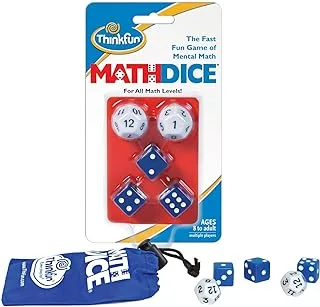
ThinkFun Math Dice (Original)
“Adds multiplication and division for older children. Natural progression from Jr.”
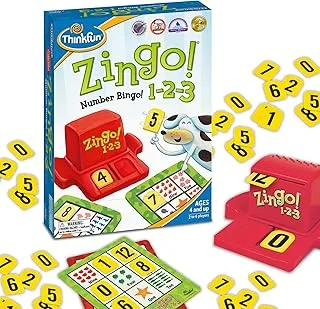
ThinkFun Zingo Number Bingo
“Number recognition bingo for a different math game format.”
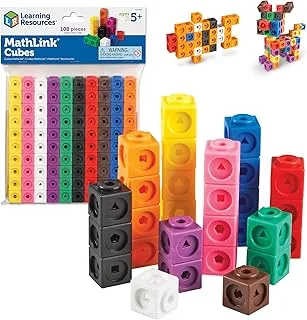
Learning Resources MathLink Cubes (100-pack)
“Physical manipulatives to support the mental math the dice game develops.”
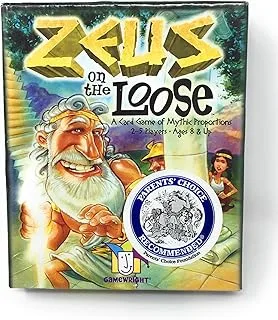
Zeus on the Loose Card Game
“Addition card game with mythology theme. Different format, similar math practice.”