ScienceBasedKids.com may earn a commission from affiliate links in this review. Our ratings are never influenced by affiliate relationships. Read our full methodology.
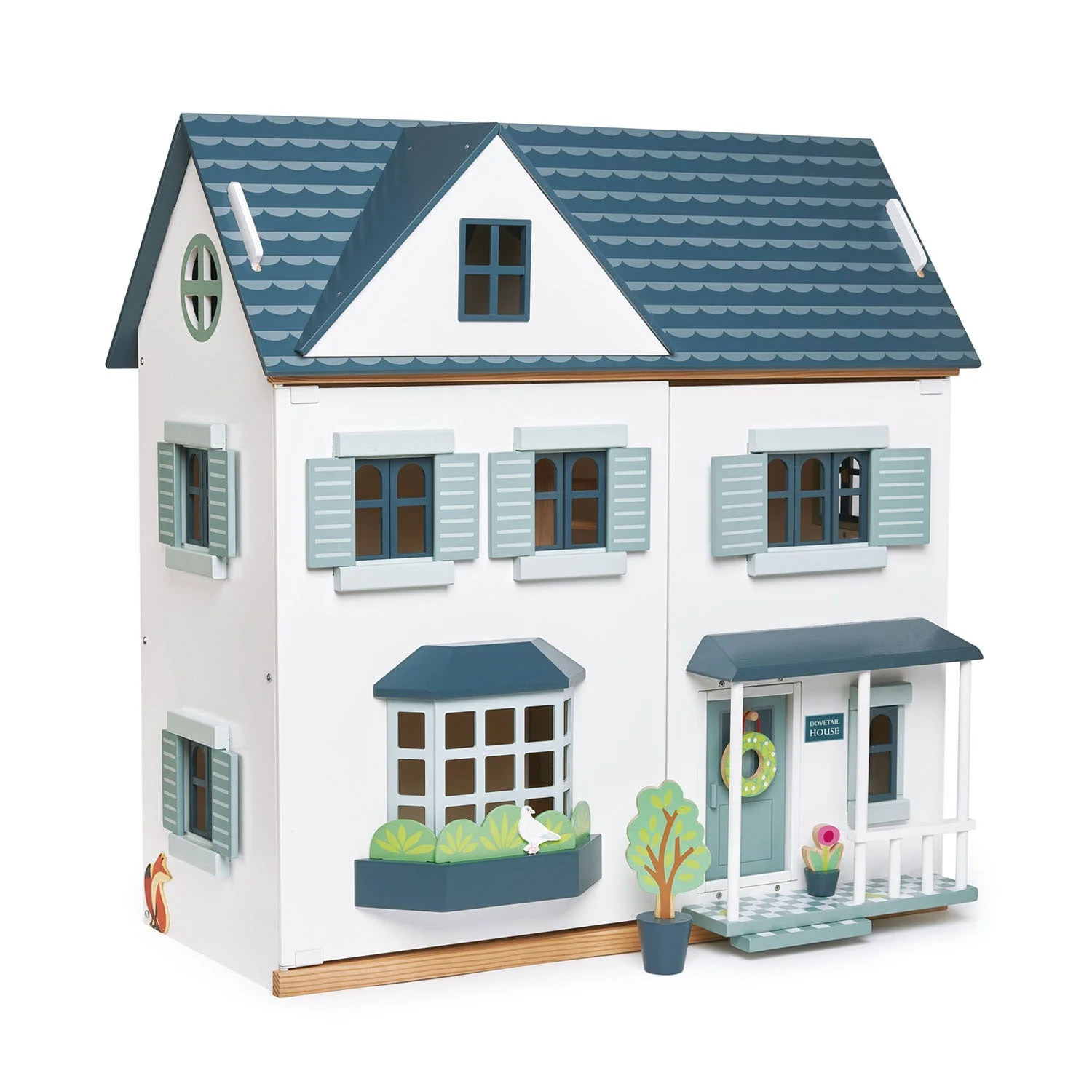
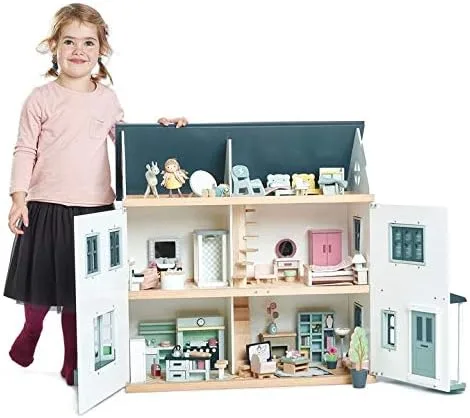
The dollhouse is one of the oldest and most enduring pretend play platforms in childhood. Tender Leaf Toys has created a version that respects both the child’s developmental needs and the parent’s aesthetic sensibility — a modern architectural design in sustainable rubberwood that looks like it belongs in a design magazine while functioning as a serious pretend play tool.
We tested the dollhouse for eight weeks with children ages 3 through 7, tracking narrative play development over time.
Product Overview
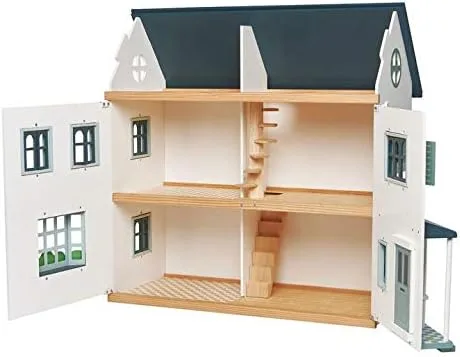
Three-story open-back dollhouse in rubberwood with water-based paint. Includes basic furniture set. Modular design allows room rearrangement. Dimensions approximately 24” H x 18” W x 12” D.
Our Evaluation
Build Quality: 9/10
The rubberwood is dense, smooth, and beautifully finished. The furniture miniatures are exquisitely detailed with working drawers and doors at the tiniest scale. The water-based paint is non-toxic and durable. Every piece communicates craftsmanship.
Play Value: 9/10
Dollhouse play is one of the richest vehicles for narrative development. Over eight weeks, we observed children’s play narratives growing in complexity — from simple figure placement (week 1) to multi-character stories with conflict, resolution, and emotional themes (week 8). The open-back design allows multiple children to play simultaneously from different sides, creating collaborative storytelling.
Age Appropriateness: 8/10
Ages 3-8. Young children (3-4) focus on figure placement and basic scenarios. Older children (5-8) create elaborate multi-character narratives.
Value for Money: 7/10
$200 is premium for a dollhouse. KidKraft offers larger dollhouses for less. The Tender Leaf premium buys sustainable materials, superior craftsmanship, and adult-friendly aesthetics.
The Evidence
Dollhouse Play and Narrative Development. Dollhouse play has been used as a clinical and research tool for decades. Fein (1981) identified miniature world play as a primary context for narrative development in early childhood.1 Nicolopoulou (2007) found that narrative play supports language development, social understanding, and emotional processing.2
Safety Notes
Small furniture pieces present choking hazard for children under 3. Adult supervision recommended for ages 3-4. Meets ASTM F963, EN-71. No CPSC recalls.
The Verdict
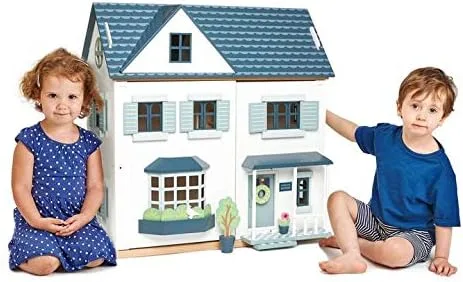
The most beautiful and best-constructed wooden dollhouse we’ve tested. The pretend play it facilitates has among the strongest developmental evidence in our portfolio.
Product Rating: 8/10 — Exceptional craft, genuine developmental value. Premium price limits accessibility.
Evidence Rating: Moderate — Narrative and social-cognitive development through dollhouse play is well-established.
Who Should Buy This
- Families who value natural materials and design aesthetics
- Parents investing in a multi-year pretend play platform
- Families with children ages 3-6 entering peak narrative play
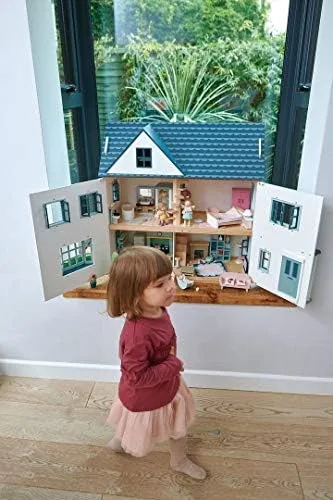
- Anyone seeking a dollhouse that doubles as decor
Who Should Skip This
- Budget-conscious families — KidKraft offers more at lower price
- Families seeking electronic or interactive features
- Children over 8 who have outgrown dollhouse play
- Minimalist families unwilling to store a large play structure
This review reflects our independent evaluation. ScienceBasedKids.com purchased this product at retail price.
Footnotes
Enjoyed this review? We publish two new evidence-based evaluations every week.
Free. No spam. Unsubscribe anytime.
Complexity increased consistently as children developed richer storylines and character relationships.
Recommended Accessories
Affiliate links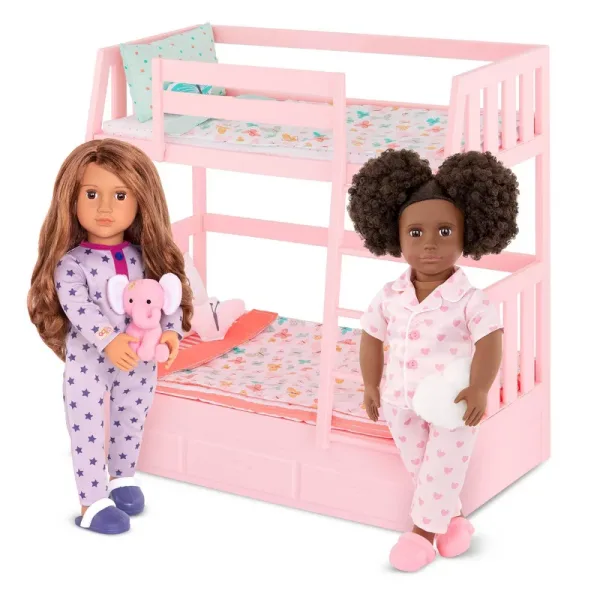
Tender Leaf Toys Dollhouse Furniture Set - Bedroom
“Additional furniture for room customization. Same quality wood and detail.”
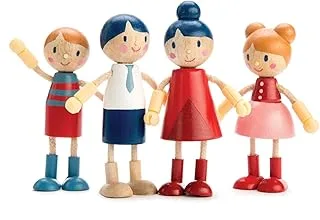
Tender Leaf Toys Leaf Family (4 Figures)
“Posable wooden family figures sized for the dollhouse.”
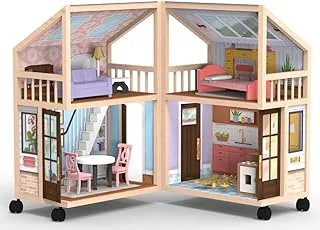
KidKraft So Chic Dollhouse
“Budget alternative with more features. MDF construction, pink color scheme.”
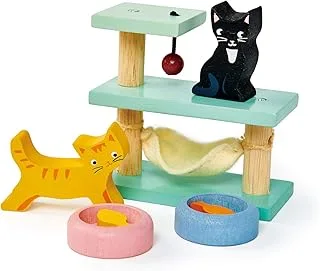
Tender Leaf Toys Pet Set
“Wooden pets for the dollhouse. Adds another narrative dimension.”