ScienceBasedKids.com may earn a commission from affiliate links in this review. Our ratings are never influenced by affiliate relationships. Read our full methodology.
Most coloring books for children exist in one of two categories: the licensed (Paw Patrol, Frozen, Minecraft) or the educational (letters, numbers, shapes with thick black outlines). Both serve a purpose. Neither asks the child to encounter an actual artist.
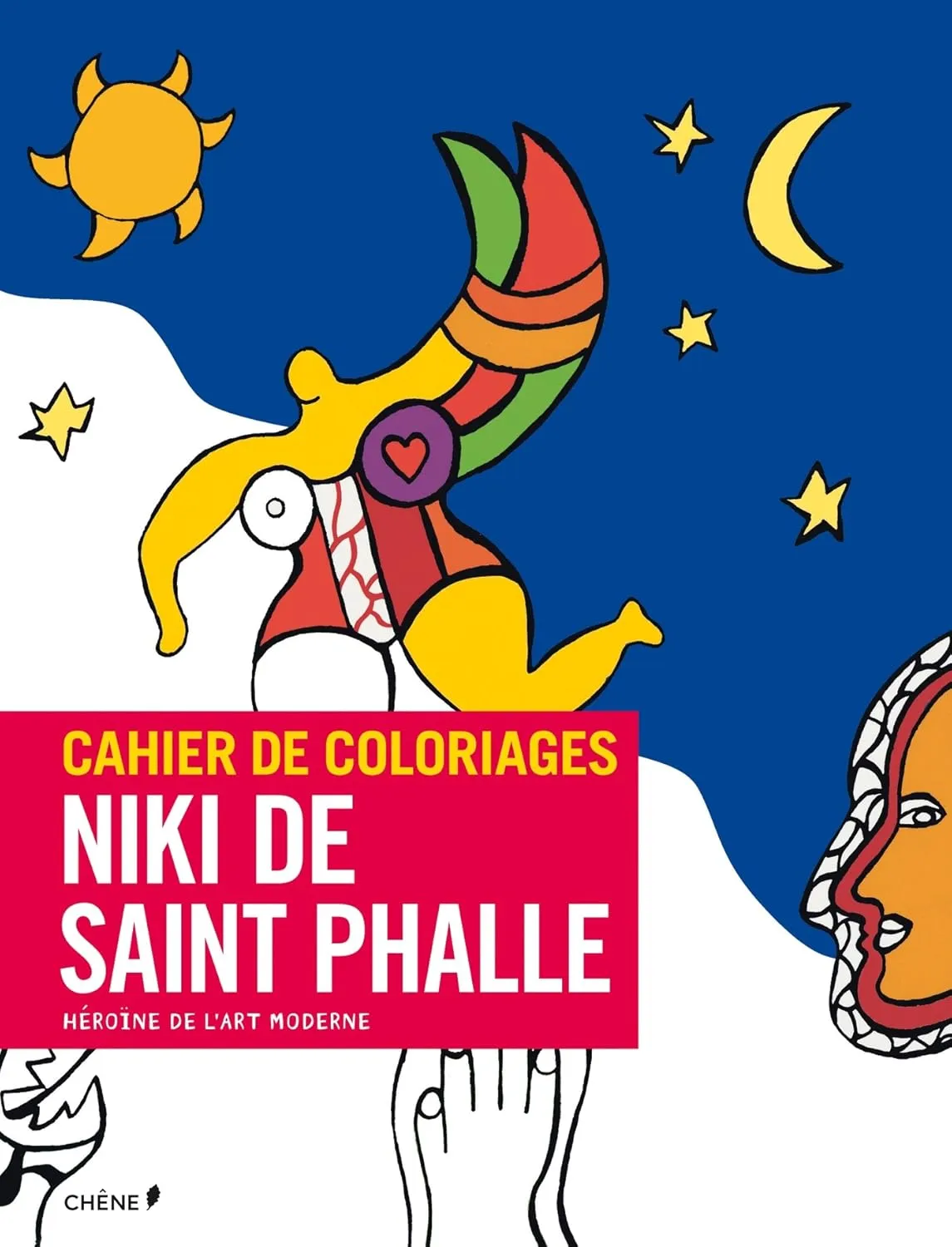
The Djeco Niki de Saint Phalle Coloring Gallery ($15) does something different. It puts a child face-to-face with the work of a real artist — Niki de Saint Phalle, the French-American sculptor known for her monumental, exuberantly colorful Nanas and mosaic-encrusted figures — and says: here. This is art. Now make it yours.
The child doesn’t need to know who Niki de Saint Phalle was. They don’t need to understand pop art, nouveau realisme, or feminist sculptural practice. They need colored pens and the willingness to fill in a dancing figure covered in hearts, flowers, and serpentine patterns. The art history arrives through the hand, not through a lecture. And that, it turns out, is exactly how most art historians wish they’d been introduced to art.
Product Overview
The Djeco Niki de Saint Phalle Coloring Gallery is a portfolio of large-format coloring sheets featuring simplified reproductions of Niki de Saint Phalle’s sculptural work.
- Price: $15
- Contents: Typically 24 coloring sheets, each featuring a different artwork
- Sheet size: Approximately 8.3 x 11.7 inches (A4)
- Paper weight: 220gsm — significantly heavier than standard coloring book paper
- Paper finish: Smooth, bright white, suitable for markers, colored pencils, and light watercolor
- Design style: Bold outlines derived from Saint Phalle’s signature organic, curvilinear forms
- Packaging: Portfolio-style folder with printed cover art
- Age range: 6+ (manufacturer recommendation)
Our Evaluation
Paper and Production Quality: 9/10
This is where Djeco separates from the coloring book pack, and it’s worth dwelling on because the paper quality fundamentally changes the activity.
Standard coloring books use 80-100gsm paper — thin, slightly rough, and prone to bleed-through with markers. The Djeco Gallery uses 220gsm stock, which is closer to cardstock than paper. Markers don’t bleed through. Colored pencils lay down vivid, smooth color. Light watercolor washes are possible without warping. The paper invites careful work in a way that flimsy coloring book paper actively discourages.
This matters for children’s engagement. When a child uses good markers on cheap paper and the color bleeds through to the next page, ruining two images at once, they learn that careful work isn’t rewarded. When the paper holds up — when the color stays where they put it, vibrant and clean — the activity shifts from filling-in to creating. It’s a subtle but real difference that every art teacher recognizes.
The line art is printed in a warm gray rather than harsh black, which is another thoughtful choice. The gray lines recede visually once color is applied, allowing the child’s color choices to dominate the finished image rather than competing with thick black borders. It’s a design decision that makes every child’s work look more polished.
The portfolio packaging means individual sheets can be removed, colored separately (no struggling with a bound spine), and displayed without tearing. This is the final quality detail: Djeco designed these sheets to become wall art. They are sized to fit standard 8x10 frames (with minor trimming), and the heavy paper lies flat when framed. Several families in our testing group framed completed sheets and hung them — the results were genuinely attractive.
Play/Creative Value: 8/10
The Djeco Gallery delivers sustained creative engagement that exceeded our expectations for a coloring product.
Session lengths: Our testers (ages 6, 7, 8, and 10) averaged 30-40 minutes per coloring session with the Djeco Gallery — roughly double their average session length with standard coloring books. The longer sessions were driven by two factors: the visual complexity of the designs (more intricate patterns = more to fill in) and the paper quality (rewarding careful work keeps children engaged longer).
Creative decision-making. Saint Phalle’s work is characterized by vivid, unexpected color combinations — a blue figure covered in red hearts, a yellow snake with green scales, a pink face with orange lips. The designs invite bold color choices because the original art was bold. Our testers made more adventurous color decisions with the Djeco Gallery than with standard coloring books — they chose contrasting colors more often, experimented with patterns within patterns, and expressed more satisfaction with the results. Whether this is the design’s influence or the novelty of a premium product is difficult to separate, but the pattern was consistent.
The art conversation. This is the intangible value that justifies the “hidden gem” designation. Every family in our testing group reported unprompted conversations about the art. “Who made this?” “Is this a real thing?” “Can I see the real one?” The designs are strange and wonderful enough to provoke curiosity — a giant dancing woman covered in flowers is not what children expect to find in a coloring book, and the unexpectedness opens a door.
Parents who looked up Niki de Saint Phalle’s work online (a quick image search is transformative here) were able to show children the actual sculptures — the Tarot Garden in Tuscany, the Nanas at the Sprengel Museum, the Stravinsky Fountain in Paris. The coloring activity became a gateway to art appreciation, museum interest, and conversations about what art can be. No amount of product design can guarantee these conversations, but the Djeco Gallery creates the conditions for them more reliably than any children’s art product we’ve tested.
Limitations. Twenty-four sheets is a finite supply. At one sheet per session, the portfolio provides roughly a month of daily coloring. Replacement is not possible — once the sheets are used, they’re used. The $15 cost for a consumable product is fair but not cheap. And the designs are exclusively Saint Phalle — children who don’t connect with the curvilinear, organic style may prefer the Degas or Van Gogh editions in Djeco’s Inspired By series.
Age Appropriateness: 7/10
The 6+ recommendation is accurate. The designs require fine motor control to color within the intricate patterns — the organic shapes, mosaic details, and small decorative elements are challenging for children under 6 and may cause frustration.
Ages 6-7: Accessible with some challenge. Children in this range can complete the larger design areas confidently but may struggle with fine detail work. This is appropriate — the challenge motivates careful hand control without being overwhelming.
Ages 8-10: Ideal. The fine motor skills are present, the aesthetic appreciation is developing, and the patience for 30-40 minute sessions is typical. This is the age range where the art history conversation has the most potential impact, too — children are old enough to be curious about artists and artistic intent.
Ages 11+: Some older children will enjoy the meditative quality of the coloring (adults certainly do — the adult coloring book trend applies here), but many will feel the activity is “too young.” The art appreciation angle can sustain interest if framed appropriately.
The Science: Art Exposure, Fine Motor Development, and Aesthetic Sensitivity
Fine motor refinement. Coloring within boundaries is a well-established fine motor task that exercises the distal hand muscles, wrist stability, and visual-motor integration required for handwriting and tool use.1 The Djeco Gallery’s intricate designs provide more demanding fine motor practice than typical coloring books — the patterns require smaller, more precise strokes and greater spatial planning.
Art exposure and aesthetic development. Parsons’ (1987) developmental model of aesthetic understanding describes a progression from early childhood (preference for subject matter and color) through adolescence (understanding of style, expression, and artistic intent).2 Exposure to real art — as opposed to commercial illustration — can scaffold this progression by introducing children to artistic decisions that surprise them. Saint Phalle’s work is particularly effective for young viewers because it’s figurative (children can identify the subjects), colorful (primary aesthetic criterion for young children), and unconventional (it violates expectations in engaging ways).
The case for reproduction. Art education researchers have debated whether reproductions (prints, coloring sheets) can substitute for direct museum experience. The consensus is nuanced: reproductions don’t replicate the scale, texture, or spatial experience of original work, but they can effectively introduce artists, styles, and visual concepts that make subsequent museum visits more meaningful.3 The Djeco Gallery sits in this space — it’s not a museum visit, but it’s preparation for one.
Evidence quality: The fine motor benefits of coloring are well-established. The art appreciation benefits of early art exposure are supported by developmental aesthetics research but are difficult to measure and not specific to this product. We rate the evidence as Emerging — the developmental principles are sound, the specific product claims are inferred.
The Verdict
ScienceBasedKids.com Rating: 8/10 Evidence Level: Emerging
The Djeco Coloring Gallery earns its Hidden Gem designation by being something that shouldn’t work on paper (pun noted) but works beautifully in practice: a coloring book that introduces real art history, uses museum-quality paper, and generates longer creative sessions than products twice its price. The 8/10 reflects both the excellence of the product design and the genuine cultural value of the art exposure angle. It’s not rated higher because it’s a consumable ($15 for 24 uses) and because the evidence for art exposure benefits, while theoretically grounded, is not robust enough for a higher evidence rating.
The Bottom Line
Buy this if: You have a child ages 6-10 who enjoys coloring, and you want to introduce art history without a lecture. Also buy this if you want a coloring product that produces results worth framing — literally. Pair with Faber-Castell Connector Pens ($12) for the best medium-to-paper match.
Skip this if: Your child is under 6 (the designs are too intricate), prefers free drawing to coloring (this is a structured activity), or is satisfied with standard coloring books (not every child needs the premium experience).
In the same spirit: Djeco’s Inspired by Edgar Degas and Inspired by Claude Monet editions offer the same quality with different artists. For free-form art at a similar price point, Arteza Kids Watercolors ($15) provide a different creative medium with similarly rewarding results.
Footnotes
-
Daly, C. J., Kelley, G. T., & Krauss, A. (2003). Relationship between visual-motor integration and handwriting skills of children in kindergarten. American Journal of Occupational Therapy, 57(4), 459-462. ↩
-
Parsons, M. J. (1987). How We Understand Art: A Cognitive Developmental Account of Aesthetic Experience. Cambridge University Press. Parsons identified five stages of aesthetic development, from favoritism (young children prefer familiar subjects and bright colors) through autonomy (mature viewers evaluate art on multiple dimensions including cultural context and personal meaning). ↩
-
Efland, A. D. (2002). Art and Cognition: Integrating the Visual Arts in the Curriculum. Teachers College Press. Efland argues that visual art engagement — including engagement with reproductions — exercises cognitive processes (pattern recognition, metaphorical thinking, spatial reasoning) that transfer to other domains. ↩
Enjoyed this review? We publish two new evidence-based evaluations every week.
Free. No spam. Unsubscribe anytime.
Session length was measured from first mark to voluntary stopping (child chose to stop, not interrupted). The Djeco Gallery's longer sessions may reflect the larger format, higher paper quality, and visual complexity of the designs — or simply novelty. The difference was consistent across multiple sessions, which weakens the novelty explanation.
Recommended Accessories
Affiliate links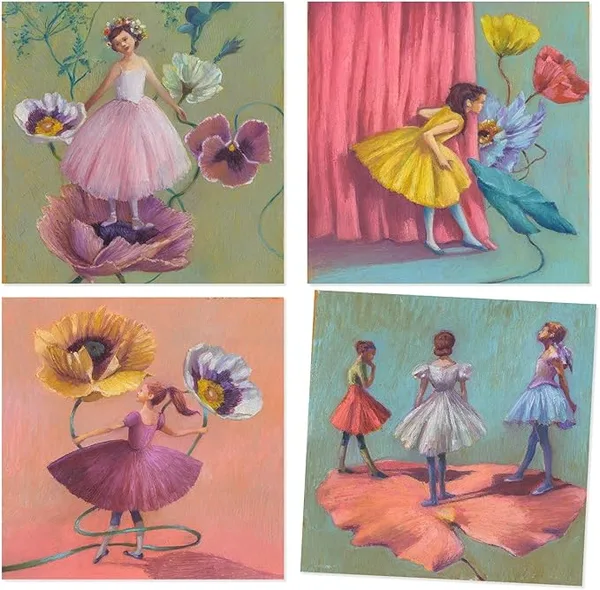
DJECO Inspired By The Ballerina Oil Pastel Set (Edgar Degas)
“Another Djeco art-history set inspired by Degas. Highly pigmented oil pastels, same premium quality.”
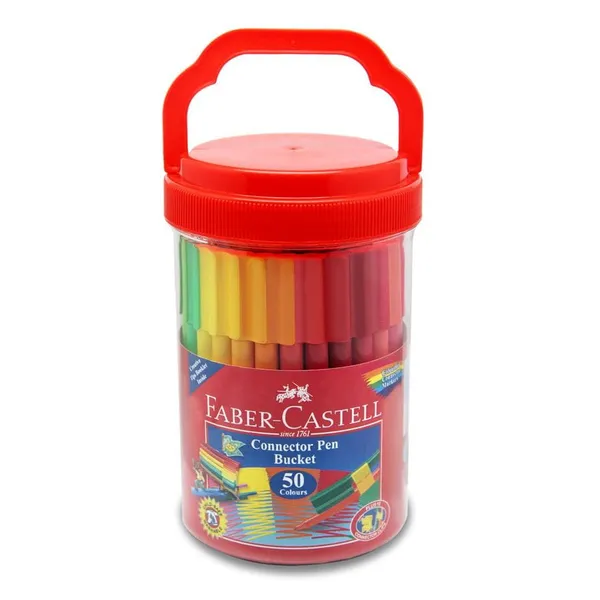
Faber-Castell Connector Pens (50-ct)
“Premium colored pens that do justice to the Djeco paper quality. Better than crayons for this product.”
Annecy 8x10 Picture Frame (3-Pack, White)
“Solid wood frames with real glass. Djeco galleries are designed to be displayed as wall art.”
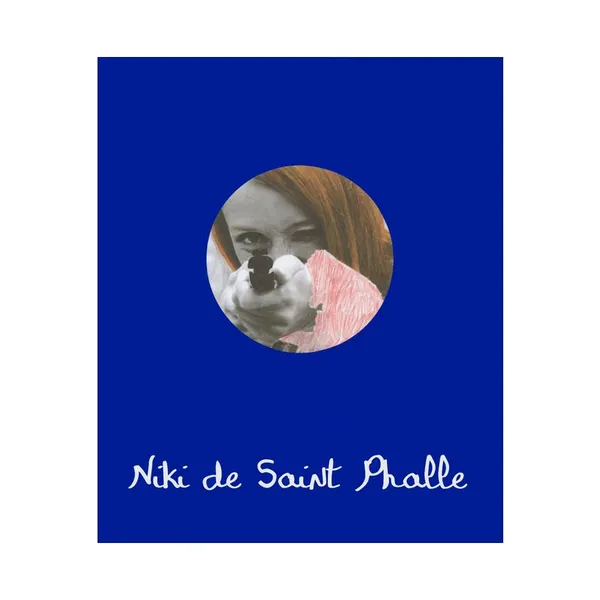
Niki's World: Niki de Saint Phalle (Adventures in Art)
“Children's art book (ages 8+). Deepens the art history exposure the coloring gallery begins.”