ScienceBasedKids.com may earn a commission from affiliate links in this review. Our ratings are never influenced by affiliate relationships. Read our full methodology.
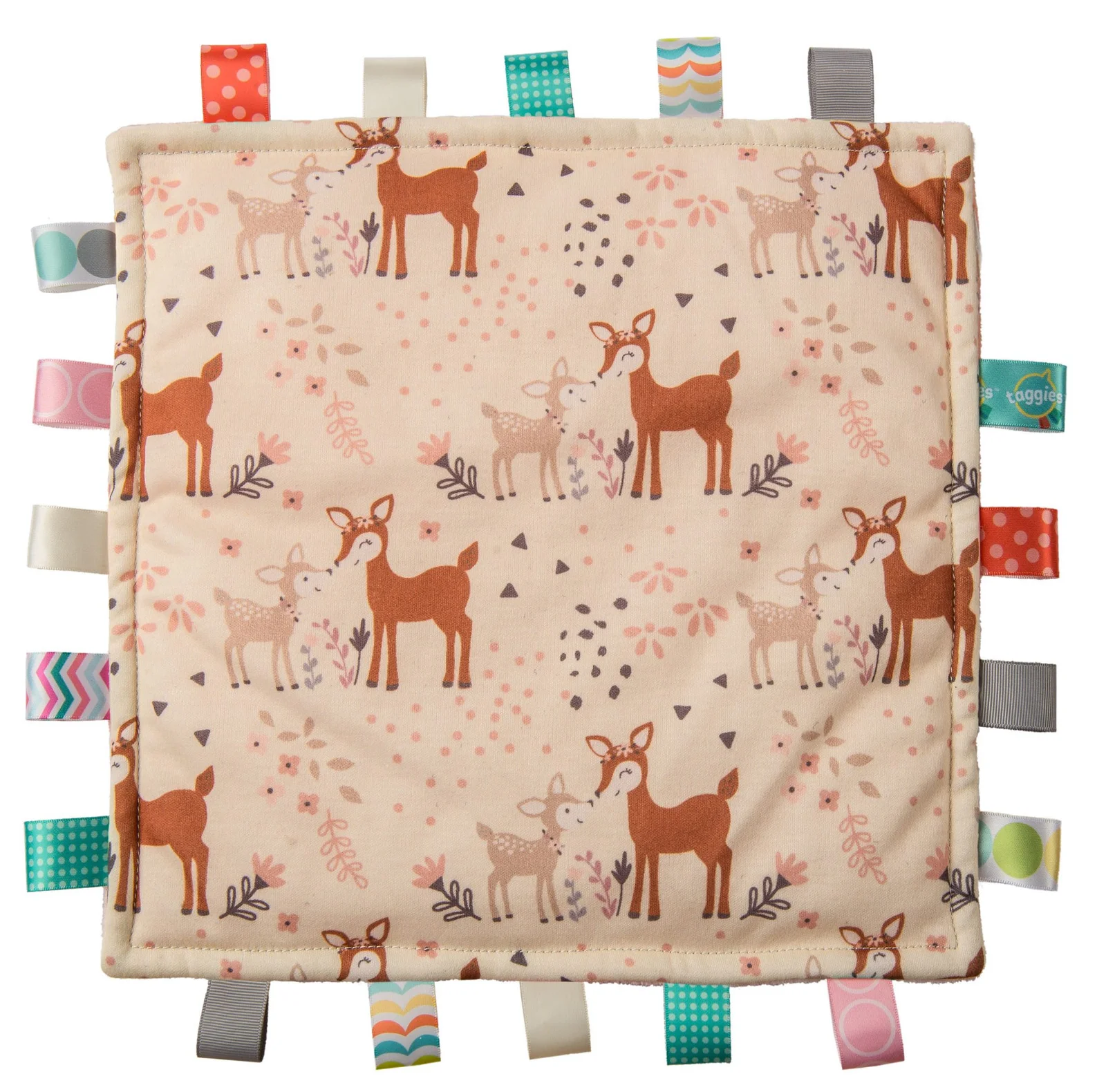
Babies discover the satin tags on the Taggies blanket within days and then rub them incessantly — between fingers, against cheeks, along lips. This isn’t random; it’s a self-soothing behavior driven by the tactile contrast between the smooth satin ribbons and the soft fabric body. The Taggies brand was built on this single observation: babies are drawn to the sensory experience of tags, and a blanket designed around this preference becomes a powerful comfort object.
We tested it with four infants from birth through 6 months.
Product Overview
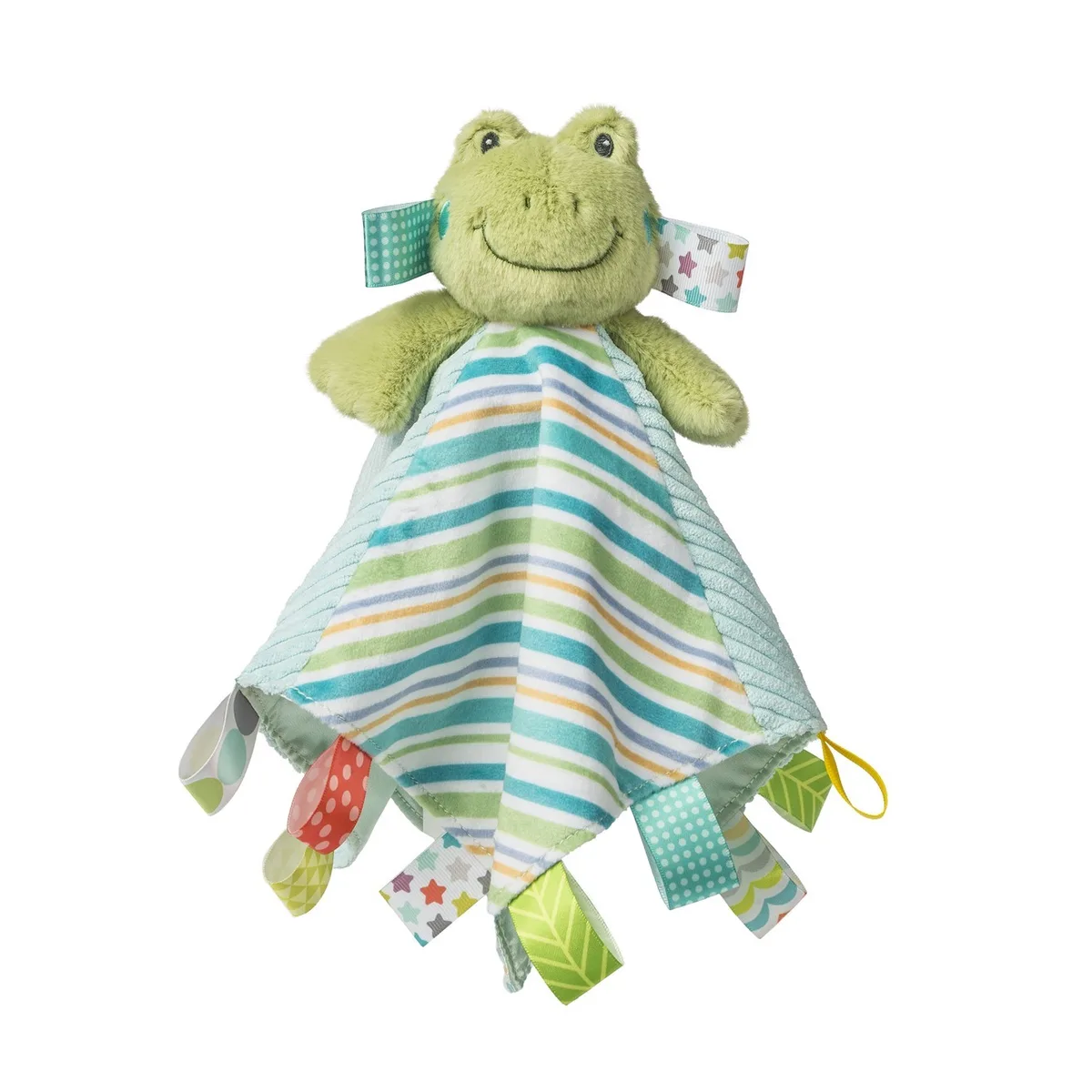
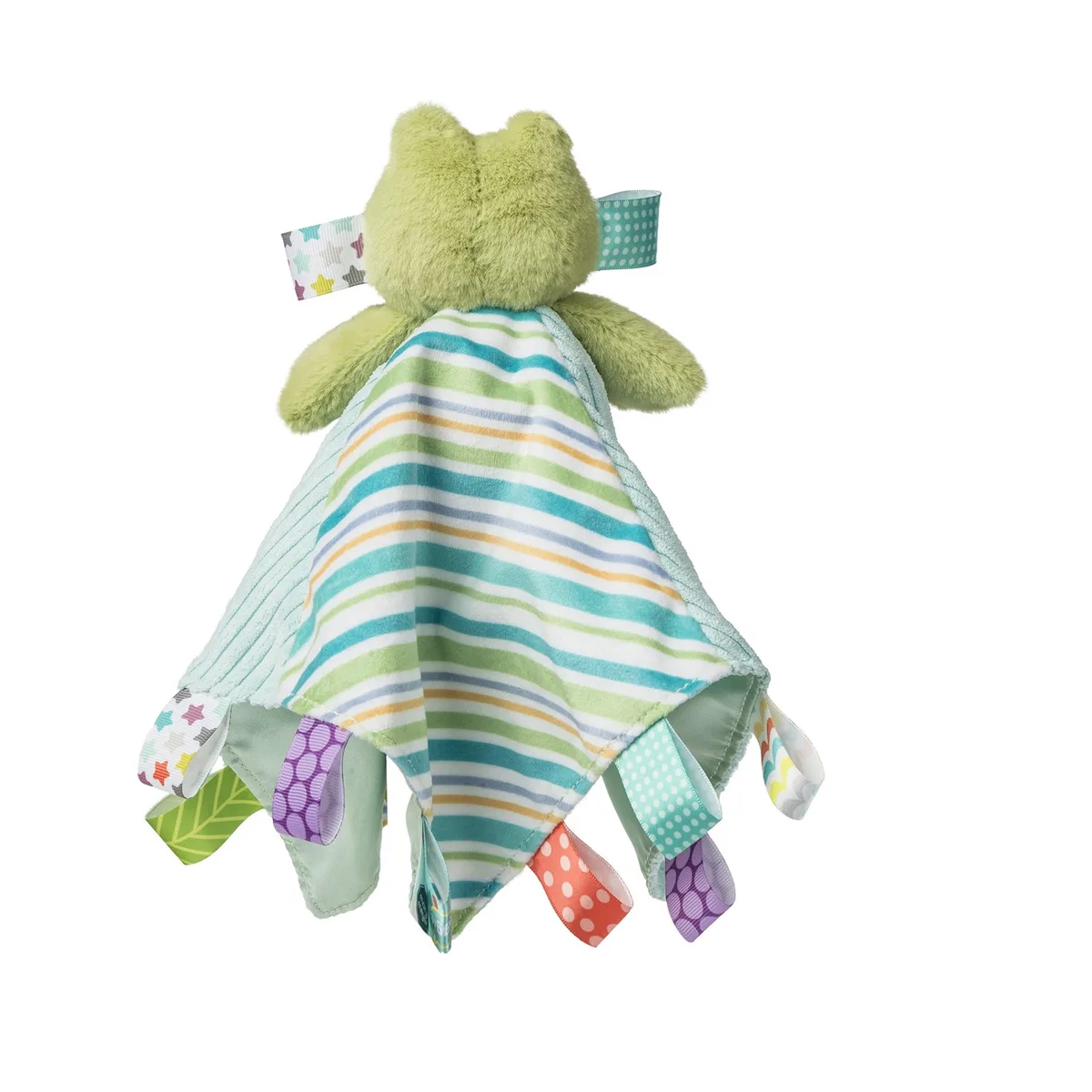
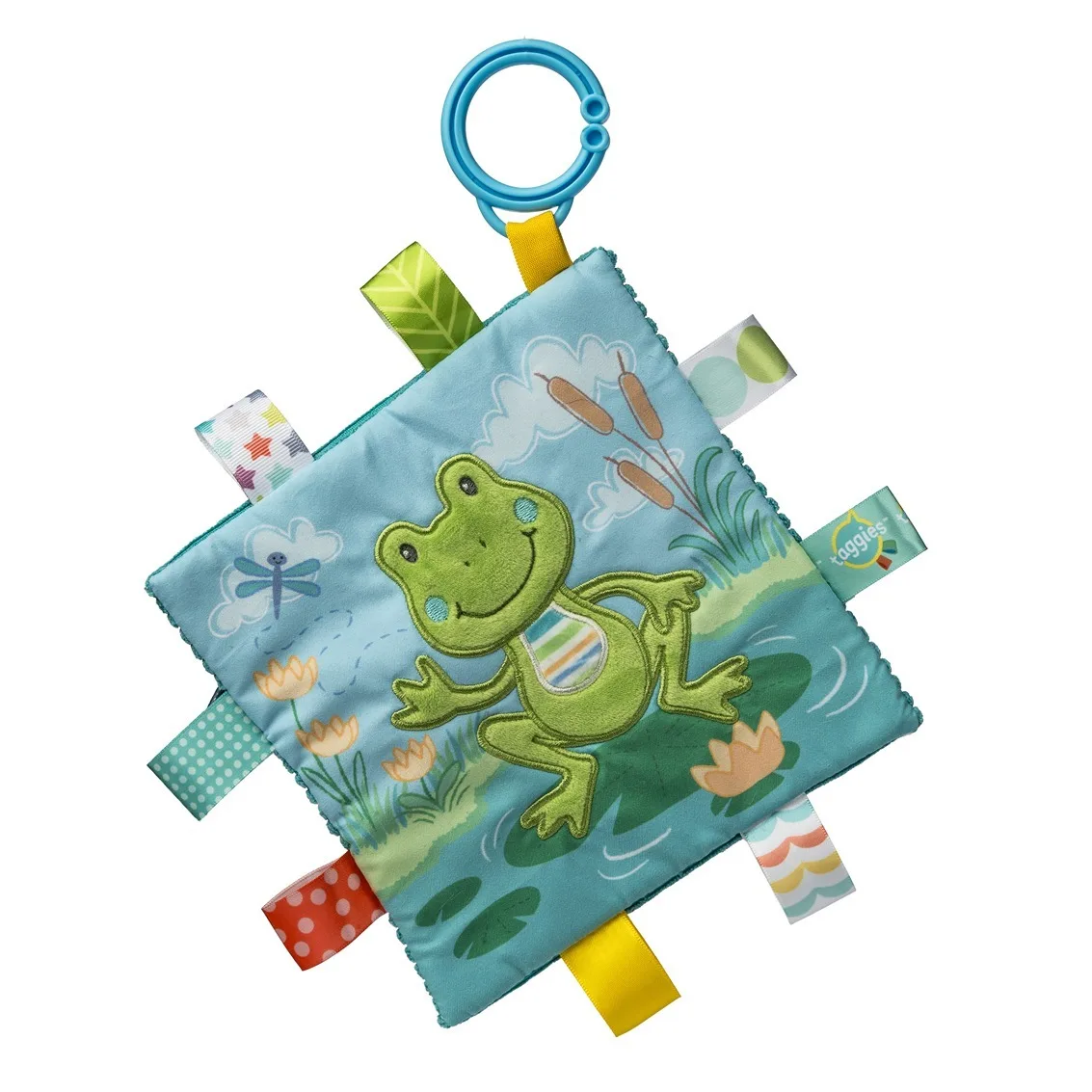
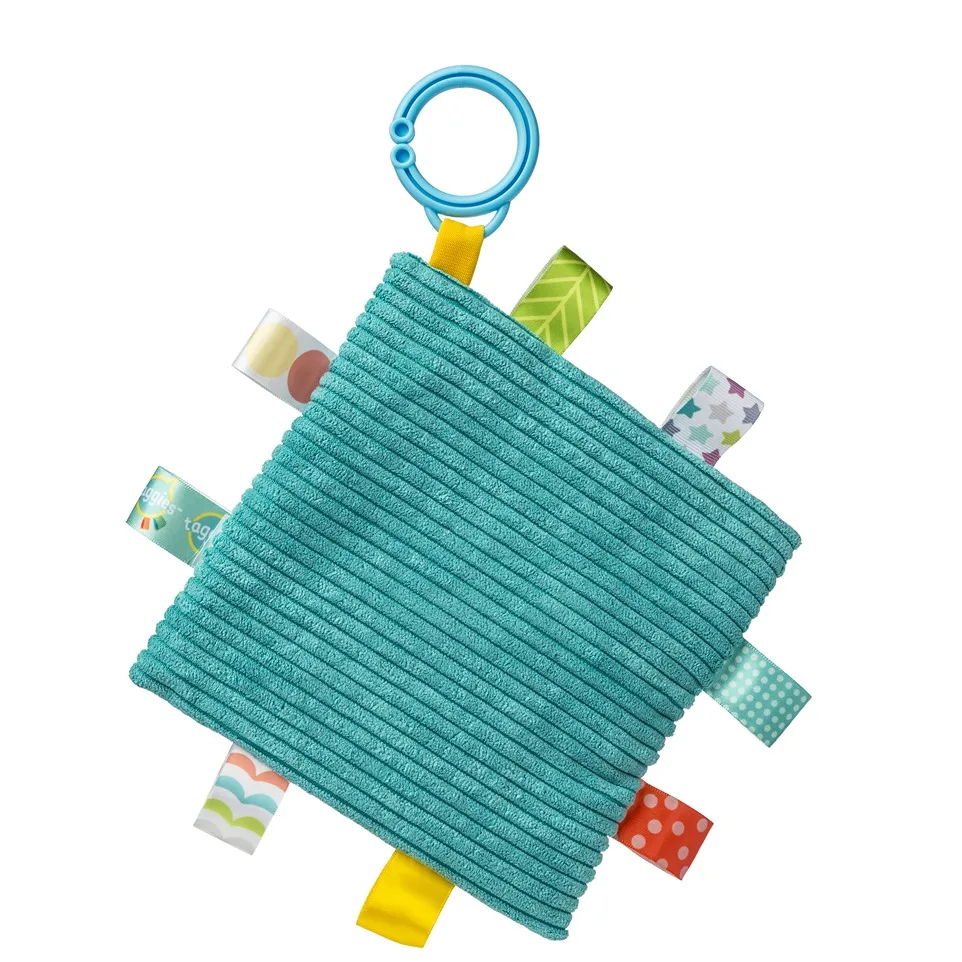
A small (12” x 12”) plush blanket with satin ribbon loops sewn along all four edges. Available in multiple colors and patterns. Machine washable.
Our Evaluation
Build Quality: 7/10
Soft, well-sewn fabric with securely attached satin ribbons. Machine washable and durable. The plush quality is adequate — not luxury, but soft enough for infant comfort.
Utility: 8/10
Three of four test babies developed noticeable preference for the Taggies blanket within two weeks. The tag-rubbing behavior emerged spontaneously and became a consistent self-soothing mechanism — particularly during sleep transitions and distress.
Age Appropriateness: 9/10
From birth onward. The sensory design is appropriate for the youngest infants. As a comfort object, it can be used for years.
Value for Money: 9/10
$15 for a comfort object that may become a years-long self-soothing tool. Buy two.
The Evidence
Transitional objects (comfort blankets) support self-regulation development. Winnicott (1953) identified transitional objects as important tools in the development of independent self-soothing.1 The sensory contrast between materials (satin vs. fabric) provides tactile variation that supports haptic exploration.
Safety Notes
Follow safe sleep guidelines — no loose blankets in the crib for infants under 12 months. Use during supervised awake time only for young infants. Machine washable. No CPSC recalls.
The Verdict
A simple, inexpensive comfort product with a genuine sensory design rationale. Buy two.
Product Rating: 7/10 — Effective comfort object with sensory design. Simple product limits the score ceiling.
Evidence Rating: Emerging — Transitional objects and self-soothing are well-supported.
Who Should Buy This
- New parents seeking a potential comfort/security object
- Families who want to introduce a lovey early
- Parents noticing tag-rubbing behavior in their infant
- Gift-givers for newborns
Who Should Skip This
- Parents whose baby already has an established lovey
- Families who prefer stuffed animal loveys
- Minimalist parents avoiding soft goods accumulation
- Anyone expecting the blanket to be a sleep aid (follow safe sleep practices)
This review reflects our independent evaluation. ScienceBasedKids.com purchased this product at retail price.
Footnotes
-
Winnicott, D. W. (1953). “Transitional objects and transitional phenomena.” International Journal of Psycho-Analysis, 34, 89-97. ↩
Enjoyed this review? We publish two new evidence-based evaluations every week.
Free. No spam. Unsubscribe anytime.
Recommended Accessories
Affiliate links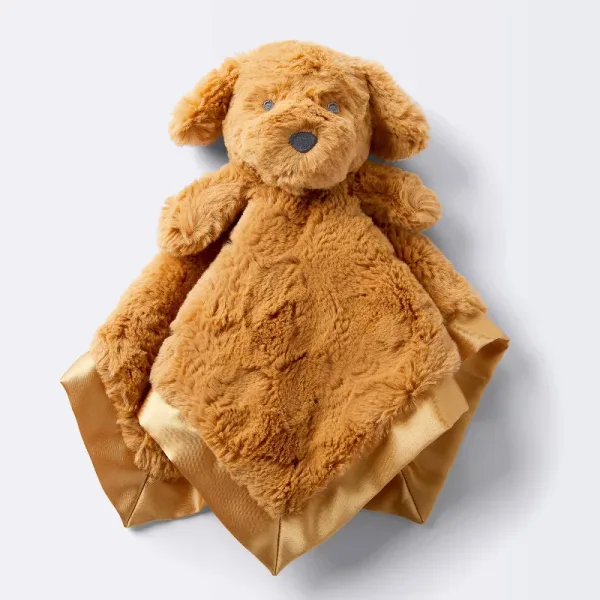
Taggies Buddy Dog Lovey
“Stuffed animal with tags — a lovey format for children who prefer animal attachment objects.”
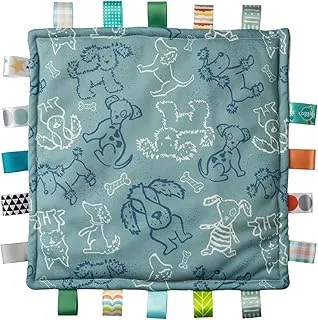
Taggies Blanket (Second, for Backup)
“Buy two. If your child attaches to a Taggies, losing it is a crisis. Backup is essential.”
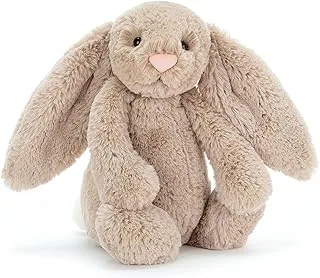
Jellycat Bashful Bunny
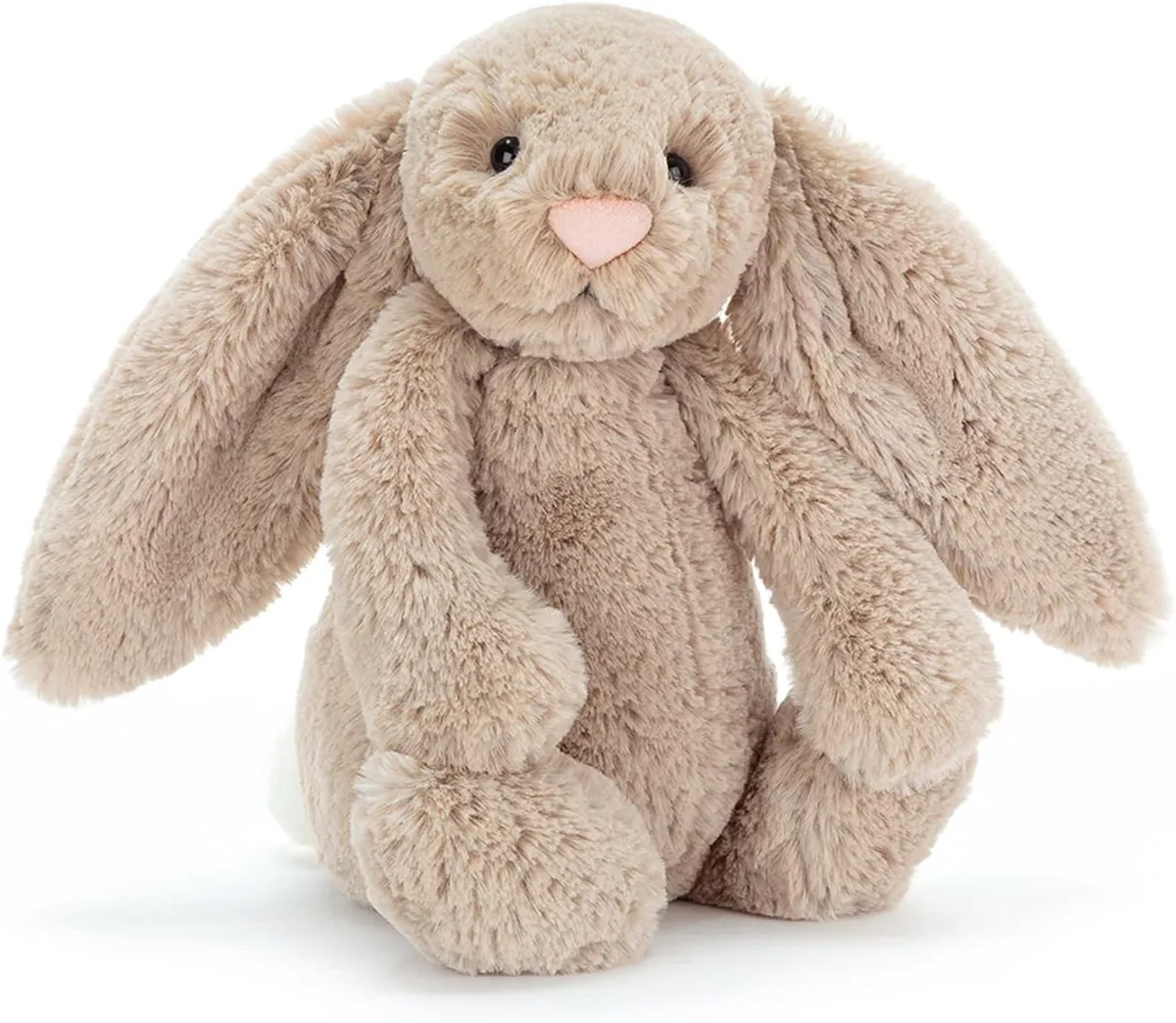
“Premium lovey alternative without the tag feature. Different texture, same comfort purpose.”
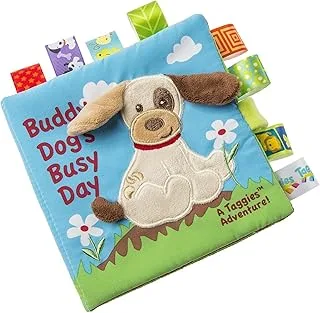
Taggies Characters Soft Book
“Soft book with tags throughout. Extends the tag-rubbing experience to reading.”