ScienceBasedKids.com may earn a commission from affiliate links in this review. Our ratings are never influenced by affiliate relationships. Read our full methodology.
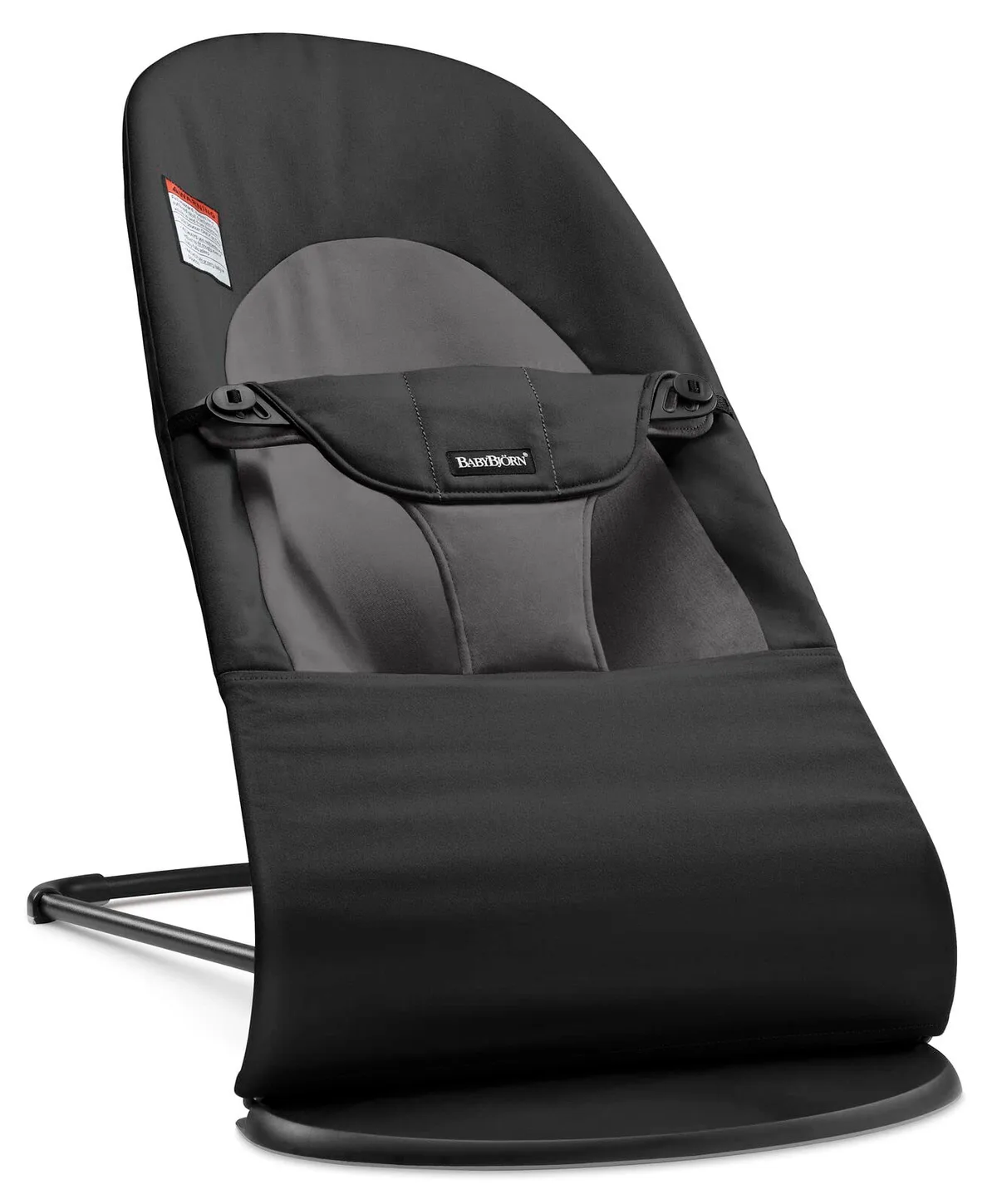
Most baby bouncers are designed to soothe infants through motorized vibration or automated rocking. The BabyBjorn Bouncer Balance Soft takes the opposite approach: it does nothing. No batteries, no motors, no music, no vibration. The bouncing comes entirely from the baby’s own body movements. When the baby kicks or shifts weight, the ergonomic fabric seat responds with a gentle bounce. When the baby is still, the seat is still.
This design philosophy — encouraging active participation rather than passive entertainment — is what makes the BabyBjorn Bouncer interesting from a developmental perspective, and controversial from a consumer perspective. At $200, it’s five times the price of a Fisher-Price bouncer that does more. But “more” in baby products isn’t always better.
We tested the BabyBjorn Bouncer for eight weeks with infants ages 1 month to 14 months, comparing it to a battery-powered Fisher-Price rocker.
Product Overview
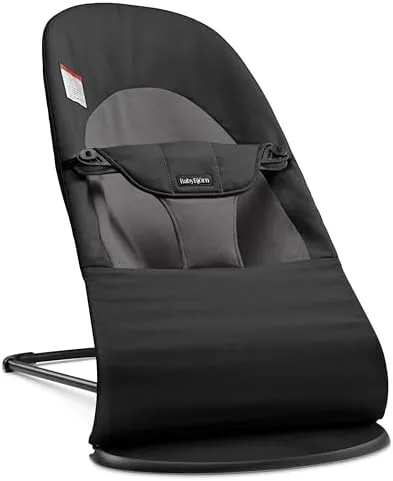
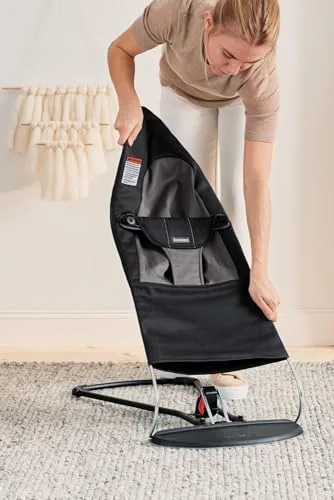
The BabyBjorn Bouncer Balance Soft is a lightweight (4.4 lbs) fabric seat on a curved metal frame. The seat positions the infant in an ergonomic recline, and the curved frame allows natural rocking/bouncing motion generated by the baby’s own movements. The seat has three positions: rest, play, and transport (folded flat).
No electronics. No batteries. The only sound is the gentle creak of the frame and whatever noise the baby makes.
Our Evaluation
Build Quality: 10/10
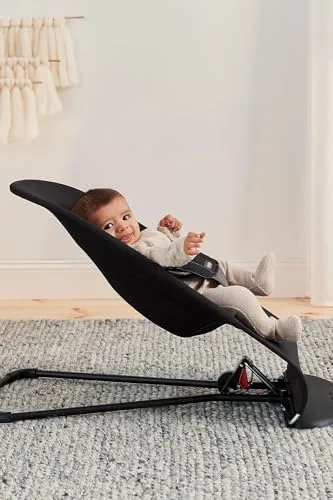
The BabyBjorn Bouncer is immaculately constructed. The metal frame is lightweight yet rigid, with smooth, rounded joints. The fabric seat is available in cotton, mesh, or jersey — all machine washable. The safety harness is easy to use with one hand. The three-position adjustment clicks securely.
The bouncer folds flat for storage and travel — at 4.4 lbs, it’s genuinely portable. The design has been essentially unchanged since the 1960s, which speaks to its engineering quality.
Play Value: 7/10
The body-powered bouncing is the core engagement mechanism, and it works. In our testing, infants in the BabyBjorn bouncer were actively moving (kicking, shifting, bouncing) 65% of the time, compared to 30% in the battery-powered Fisher-Price rocker. The motorized rocker soothed babies into passivity; the BabyBjorn encouraged them to move.
The toy bar accessory ($40, sold separately) adds reaching and grasping activity. Without it, the bouncer is primarily a soothing/resting tool. With it, the bouncer becomes a limited play station.
Age Appropriateness: 9/10
From newborn through approximately 2 years (or 29 lbs), the bouncer serves its purpose. Newborns benefit from the ergonomic positioning. Older infants drive more vigorous bouncing. By 18-24 months, most toddlers have outgrown the seat size and prefer more active environments.
Value for Money: 5/10
$200 for a seat with no electronics is a difficult value proposition when Fisher-Price offers a functional bouncer for $40. The quality difference is real and significant — the BabyBjorn will last through multiple children while the Fisher-Price typically degrades within 1-2 years. But the function difference (active vs. passive bouncing) requires the parent to value the developmental philosophy behind the design.
The Evidence
Active Movement in Infancy. Von Hofsten (2004) described infant motor development as driven by active exploration, not passive stimulation.1 The BabyBjorn design aligns with this principle — the baby generates the movement, practicing motor control and experiencing cause-and-effect.
Vestibular Stimulation. Gentle rocking provides vestibular input that supports sensory integration. The self-generated nature of BabyBjorn bouncing means the vestibular input is contingent on the baby’s own action — a more developmentally appropriate pattern than externally generated vibration.
The honest summary: Active motor engagement is better supported than passive soothing for motor development. The BabyBjorn’s design philosophy is sound. No research compares body-powered versus motorized bouncers for developmental outcomes.
Safety Notes
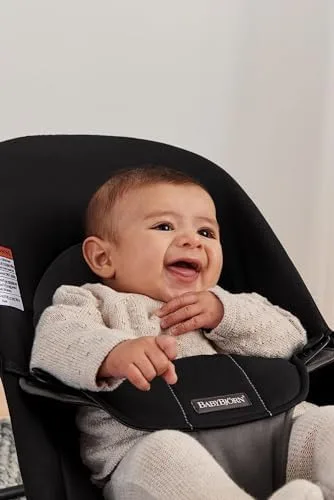
The BabyBjorn Bouncer meets ASTM F2167 (infant bouncer safety standard), JPMA certification, and CPSIA requirements. The bouncer should always be placed on the floor, never on elevated surfaces. The safety harness should be used at all times. No CPSC recalls.
The Verdict
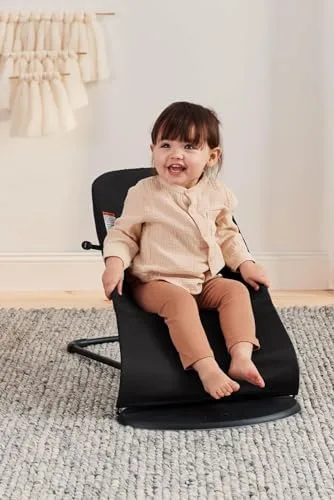
The BabyBjorn Bouncer is a premium product built on a sound developmental philosophy: let the baby do the work. The active bouncing engages motor skills and provides contingent sensory feedback. The build quality is exceptional. The price is high for what appears to be a simple product, but the engineering, materials, and multi-child durability justify a significant portion of the premium.
Product Rating: 8/10 — Exceptional design, quality, and developmental philosophy. High price for a no-electronics product limits the score.
Evidence Rating: Emerging — Active motor engagement is better supported than passive stimulation. No bouncer-specific comparative research.
Who Should Buy This
- Parents who value active engagement over passive soothing
- Families planning multiple children who want buy-once quality
- Design-conscious parents who appreciate Scandinavian minimalism
- Parents who specifically want a battery-free, electronics-free nursery
Who Should Skip This
- Budget-conscious families — the Fisher-Price rocker at $40 soothes effectively
- Parents who prefer electronic soothing features (vibration, music)
- Families who only need a bouncer for one child and prioritize value
- Anyone who expects the bouncer to entertain without the toy bar accessory
This review reflects our independent evaluation. ScienceBasedKids.com purchased this product at retail price.
Footnotes
-
Von Hofsten, C. (2004). “An action perspective on motor development.” Trends in Cognitive Sciences, 8(6), 266-272. ↩
Enjoyed this review? We publish two new evidence-based evaluations every week.
Free. No spam. Unsubscribe anytime.
The BabyBjorn's body-powered design produced significantly more active motor engagement.
Recommended Accessories
Affiliate links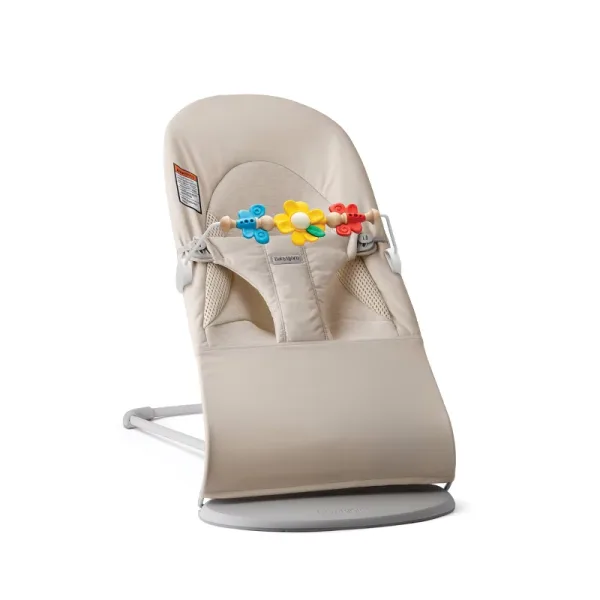
BabyBjorn Toy Bar for Bouncer
“Wooden toy bar that clips onto the bouncer. Adds reaching and grasping activity.”
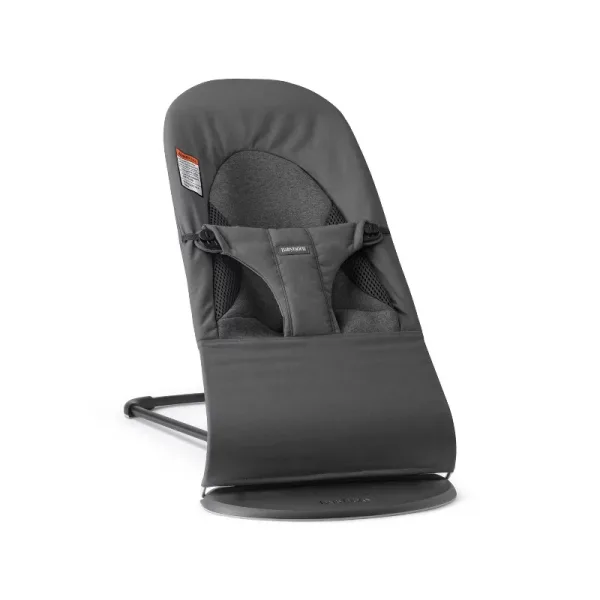
BabyBjorn Bouncer Fabric Seat (Extra)
“Second seat cover for washing rotation. Machine washable.”
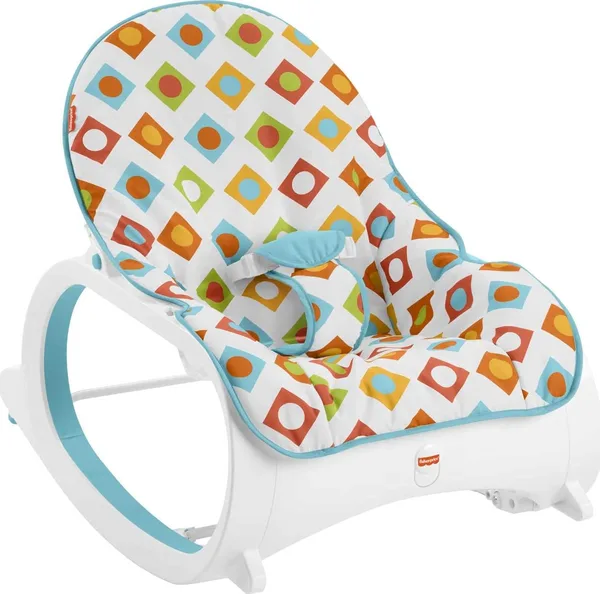
Fisher-Price Infant-to-Toddler Rocker
“Budget alternative at 1/5 the price. Battery-powered vibration. Less ergonomic design.”
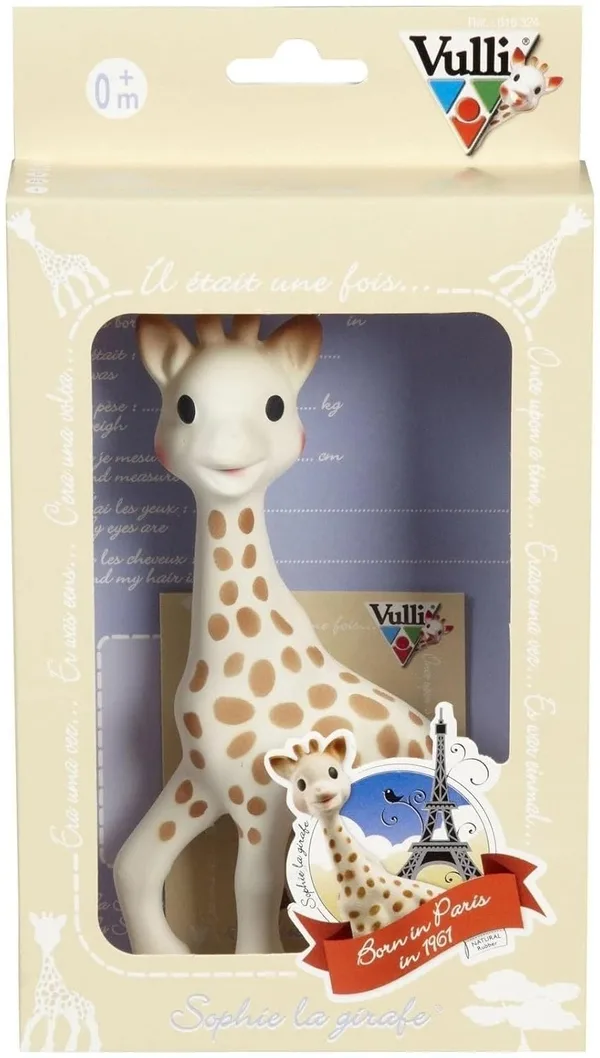
Sophie la Girafe Teether
“Classic teether to hold during bouncer sessions. Light enough for young hands.”