ScienceBasedKids.com may earn a commission from affiliate links in this review. Our ratings are never influenced by affiliate relationships. Read our full methodology.
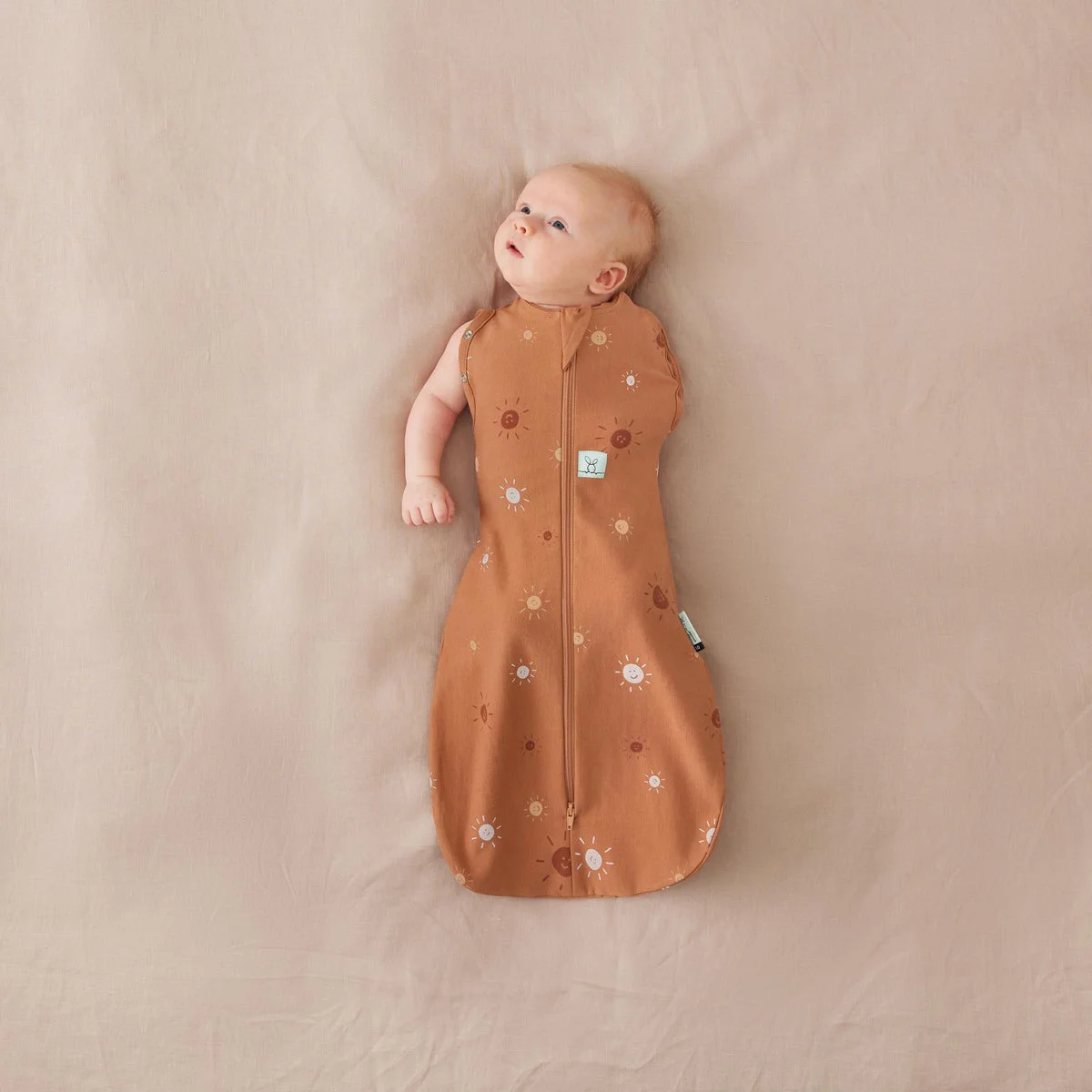
Swaddling is one of the oldest infant care practices — wrapping a newborn snugly in cloth to restrict limb movement and create a womb-like feeling of containment. The modern version replaces blankets (which pose suffocation risks) with purpose-built swaddle garments that provide the snugness without the loose fabric. The ergoPouch Cocoon Swaddle Bag ($40) is the Australian brand’s flagship swaddle, and its convertible design addresses the biggest challenge in swaddling: the transition out.
We tested the Cocoon Swaddle Bag for twelve weeks with four newborns (from birth through 4 months), tracking sleep duration, transition success, and material quality.
Product Overview
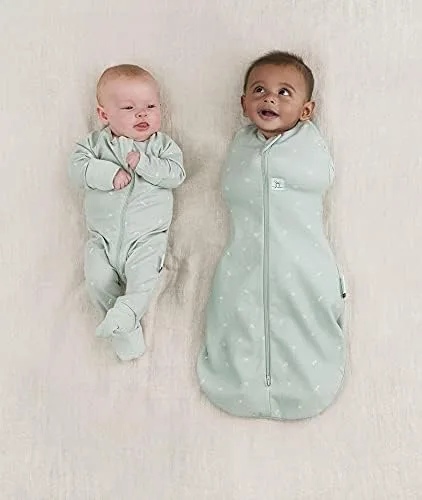
The ergoPouch Cocoon is a swaddle bag with dual functionality:
- Arms-in mode: Snaps secure the arm wings for full swaddling (0-3 months typically)
- Arms-out mode: Unsnap the arm wings to create an arms-free sleeping bag (3-6 months typically)
- TOG rating: Available in 0.2, 1.0, and 2.5 TOG for different room temperatures
- Organic cotton: GOTS-certified, chemical-free
- Hip-healthy design: Generous room in the lower pouch allows natural hip positioning (International Hip Dysplasia Institute recognized)
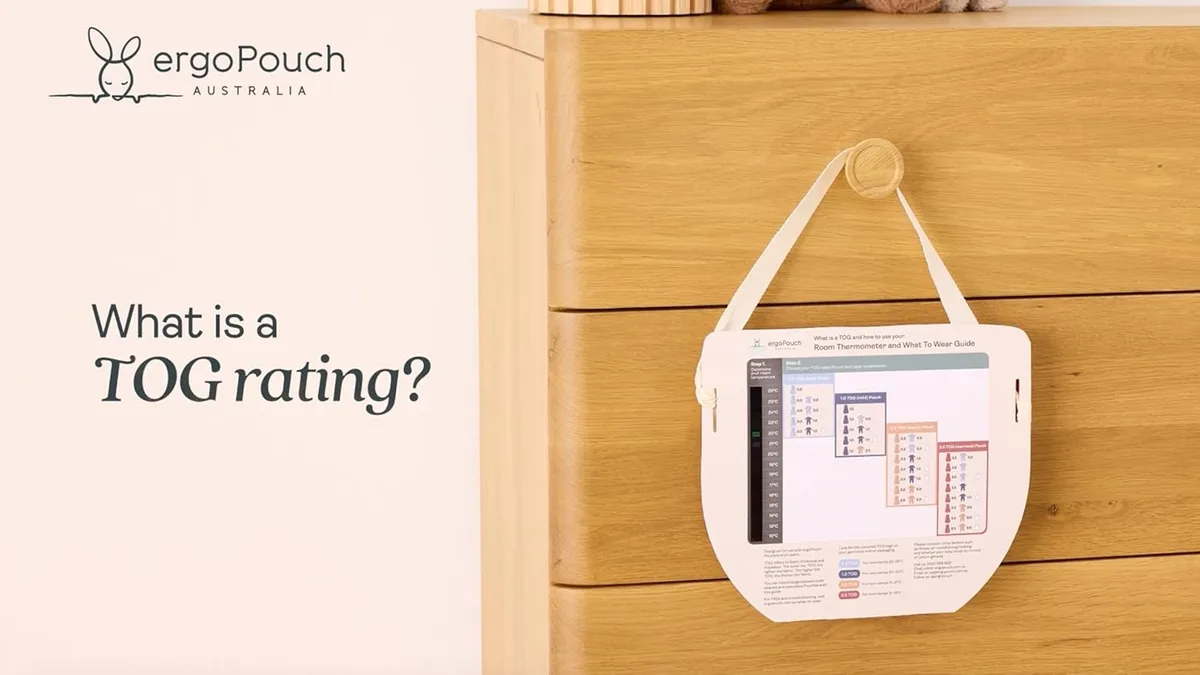
The TOG (Thermal Overall Grade) system is ergoPouch’s signature feature: each product is rated for a specific temperature range, and the brand provides a dressing guide that tells parents exactly what to layer underneath based on room temperature and TOG rating. This eliminates the guessing that many new parents find stressful.
Our Evaluation
Build Quality: 9/10
The organic cotton is noticeably premium — soft, smooth, and consistent. The snaps are secure and well-positioned. The zipper is a two-way design that allows diaper changes without full removal. After 12 weeks of daily use and frequent washing, the fabric showed minimal pilling and maintained its shape.
Utility: 9/10
The swaddle worked exactly as designed. Newborns in our testing settled more quickly in the arms-in configuration compared to unswaddled. Sleep stretches were measurably longer (3.8 hours average vs 2.9 hours without swaddling for nighttime periods). The transition to arms-out was smooth for 3 of 4 test babies — one resisted the transition and required a gradual one-arm-out approach.
Age Appropriateness: 9/10
The 0-6 month range is accurate. The arms-in mode is appropriate from birth until signs of rolling (typically 3-4 months). The arms-out mode extends use to approximately 6 months before the baby outgrows the bag.
Value for Money: 7/10
At $40, the ergoPouch is more expensive than basic swaddles ($15-20) but competitive with other premium swaddle brands (Love to Dream, Halo). The two-in-one design provides value by eliminating the need for a separate transition product.
The Evidence
Swaddling and Infant Sleep. Van Sleuwen et al. (2007) conducted a systematic review finding that swaddling promotes sleep and reduces crying in young infants, with effects most pronounced in the first 8 weeks.1 Gerard et al. (2002) found that swaddled infants had longer and more continuous sleep periods.2
Swaddling Safety. The AAP recommends discontinuing swaddling when the infant shows signs of rolling, as a swaddled infant who rolls to the prone position is at increased SIDS risk. The ergoPouch’s arms-out transition supports this recommendation by allowing the arms-free positioning needed for safe independent rolling.
The honest summary: Swaddling for young infants has moderate evidence supporting improved sleep. The transition to arms-out is a critical safety milestone that the ergoPouch’s design addresses directly.
Safety Notes
Follow AAP safe sleep guidelines. Discontinue arms-in swaddling at the first sign of rolling. The swaddle should be snug but not restrict breathing. Always place baby on back. No CPSC recalls.
The Verdict
The ergoPouch Cocoon Swaddle Bag is an excellent implementation of evidence-supported swaddling practice. The organic materials, TOG rating system, and arms-in to arms-out transition make it one of the most thoughtful newborn sleep products we’ve tested.
Product Rating: 8/10 — Premium quality, evidence-aligned design, smart transition feature.
Evidence Rating: Moderate — Swaddling has moderate evidence for improved infant sleep. Safety guidelines for swaddle transition are well-established.
Who Should Buy This
- New parents seeking evidence-based swaddling products
- Families who value organic, certified-safe materials
- Parents anxious about the swaddle transition
- Families in variable-temperature climates who benefit from the TOG system
Who Should Skip This
- Budget-conscious families — basic swaddles work well at lower cost
- Parents of babies over 3 months who already roll — too late for arms-in swaddling
- Families in consistently warm climates who may only need the lightest TOG
- Parents who prefer the arms-up swaddle style (Love to Dream)
This review reflects our independent evaluation. ScienceBasedKids.com purchased this product at retail price.
Footnotes
Enjoyed this review? We publish two new evidence-based evaluations every week.
Free. No spam. Unsubscribe anytime.
Swaddled infants showed longer continuous sleep stretches, consistent with published research.
Recommended Accessories
Affiliate links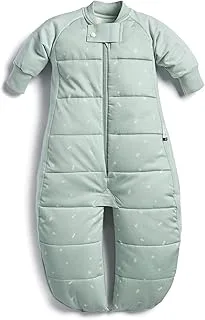
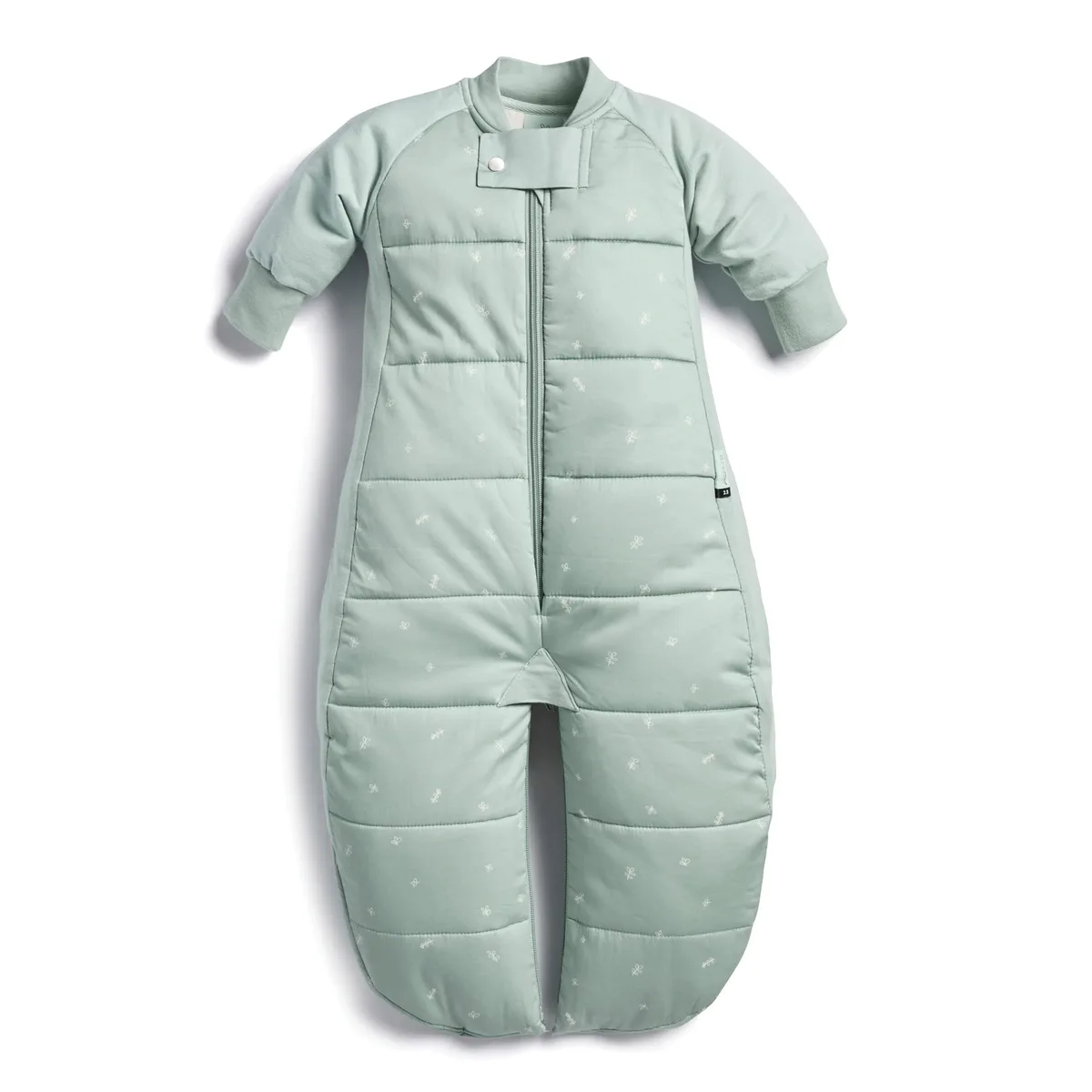
ergoPouch Sleep Suit Bag (6-12 months)
“The next stage after the Cocoon. Legs separate for mobile babies.”
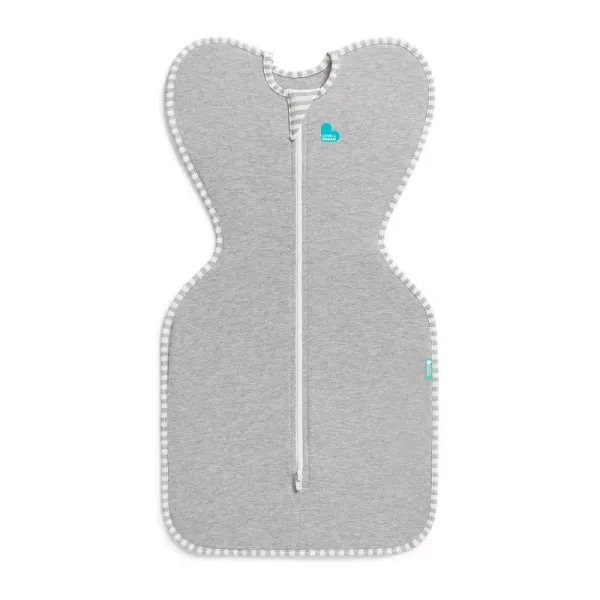
Love to Dream Swaddle Up Original
“Arms-up swaddle alternative. Different philosophy — arms up vs arms down.”
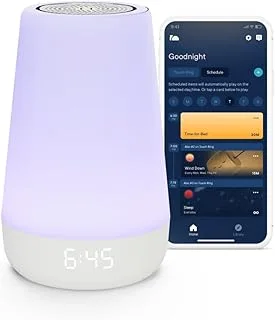
Hatch Rest 2nd Gen Sound Machine
“White noise pairs with swaddling for optimal sleep environment.”
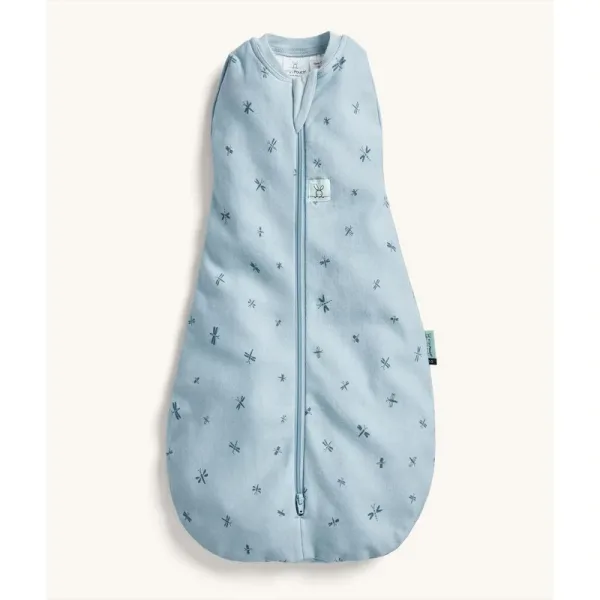
ergoPouch Cocoon Swaddle Bag (Second, for Washing)
“A second swaddle for the wash rotation. Essential during the frequent-laundry newborn period.”