ScienceBasedKids.com may earn a commission from affiliate links in this review. Our ratings are never influenced by affiliate relationships. Read our full methodology.
Slumberkins was created by a therapist and an educator who noticed that children’s emotional vocabulary — the words they have to name and process feelings — is often underdeveloped. Their solution: pair a comfort creature with a board book containing affirmations and emotional vocabulary, creating a daily ritual that builds social-emotional skills through the attachment bond children form with their lovey.
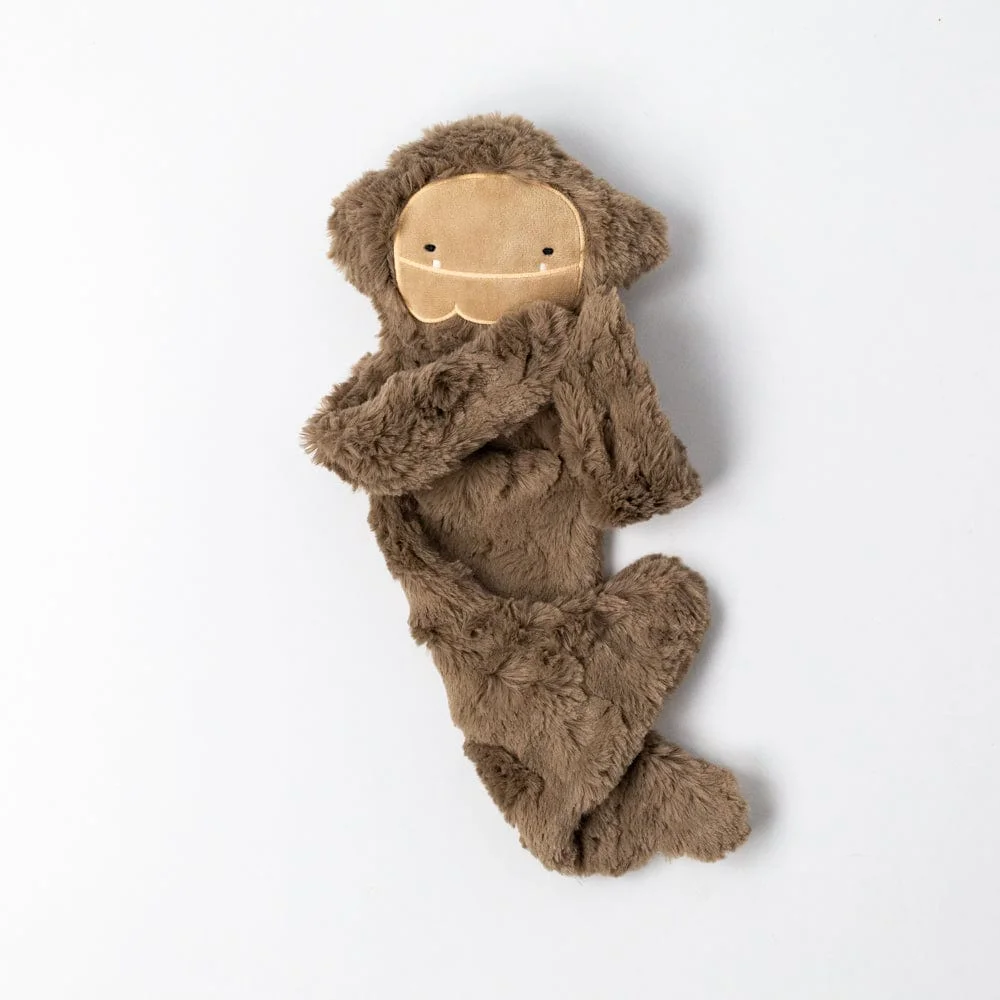
The Bigfoot Snuggler ($48) focuses on confidence and self-esteem. We tested it for six weeks with children ages 1 through 5.
Product Overview
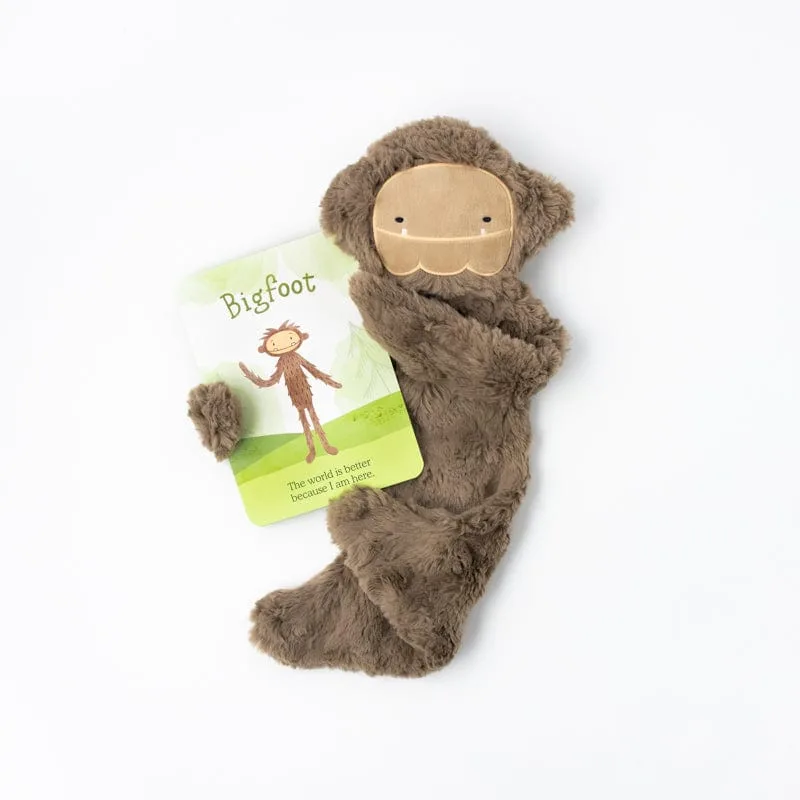
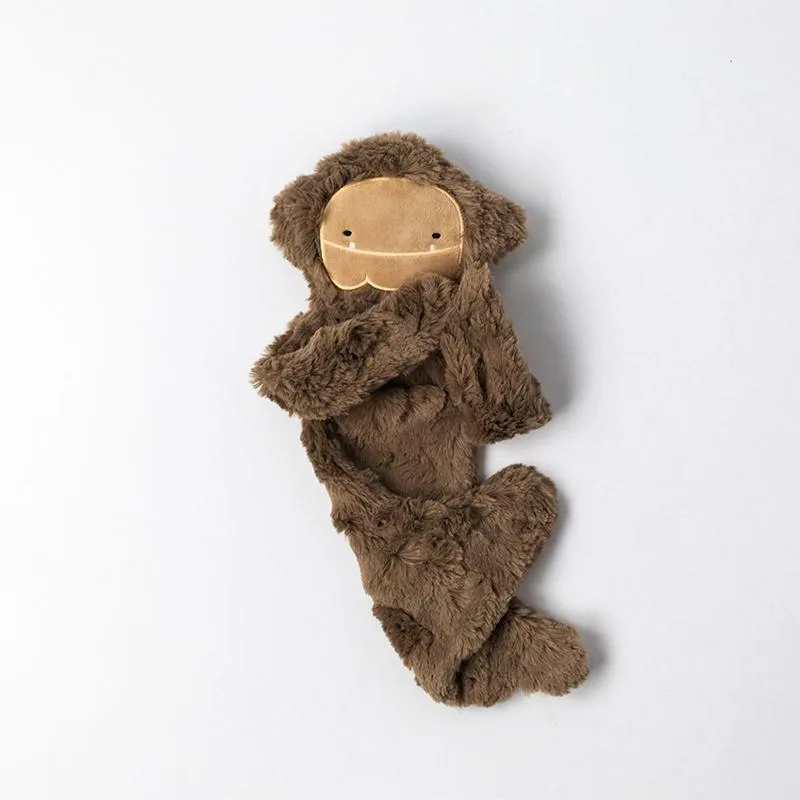
A soft, satin-lined plush creature (approximately 15” tall) paired with a board book containing affirmations, a confidence story, and guided emotional vocabulary. Each Slumberkins creature addresses a different SEL topic.
Our Evaluation
Build Quality: 8/10
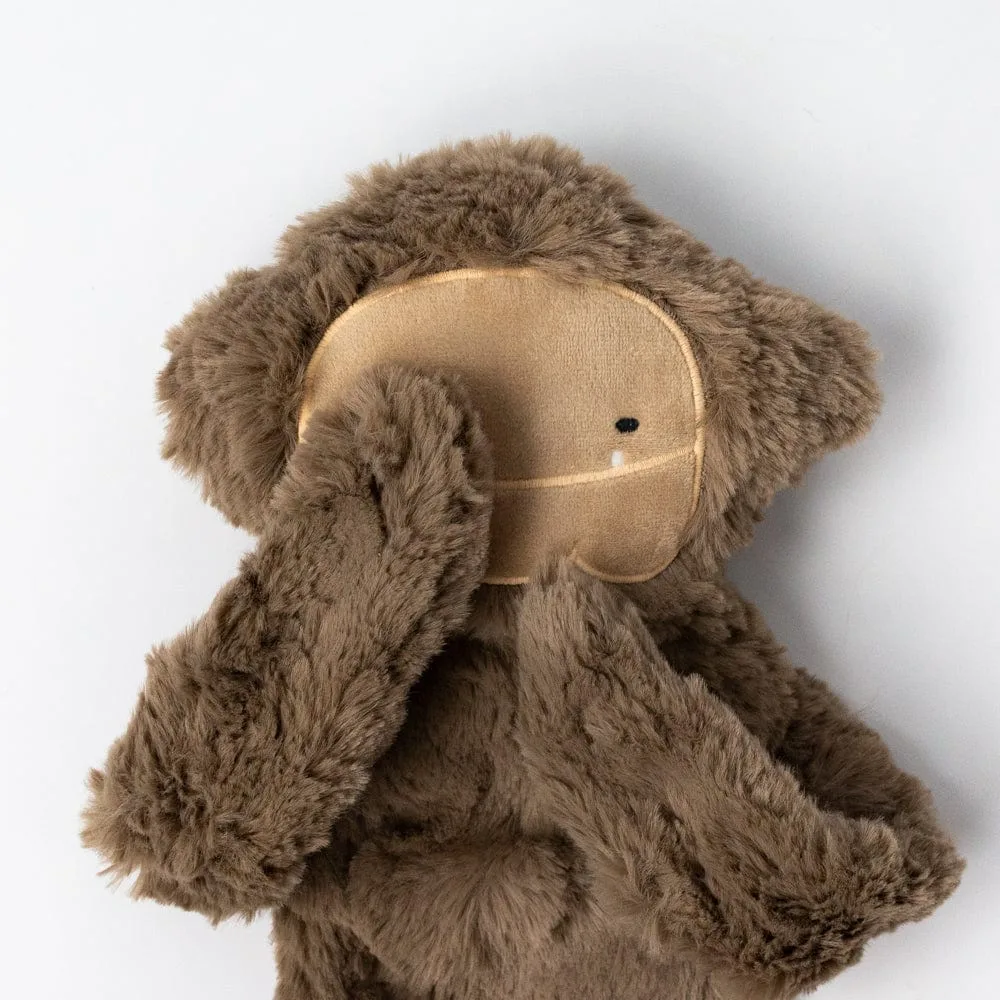
Exceptionally soft plush with satin interior lining. Machine washable. Well-constructed for daily snuggling.
Play/Utility Value: 7/10
The daily affirmation routine — reading the book, holding the creature, repeating the affirmation — became a cherished ritual in 3 of 4 test families. The emotional vocabulary embedded in the book expanded children’s ability to name feelings.
Age Appropriateness: 8/10
Birth through 6 years. Infants bond with the plush; toddlers and preschoolers engage with the book’s content.
Value for Money: 6/10
$48 for a plush and a board book is premium pricing. The SEL curriculum adds value beyond a standard lovey, but the price-per-component is high.
The Evidence
Social-emotional learning in early childhood is well-supported. Denham et al. (2003) found that emotional competence in preschool predicts social and academic success.1 Lovey-mediated affirmations align with Bowlby’s attachment theory (1969)2 — the comfort object becomes associated with positive self-messaging.
Safety Notes
Plush exceeds small-parts standards. Satin lining is securely attached. Machine washable. No CPSC recalls.
The Verdict
A thoughtful product that uses attachment bonding to deliver social-emotional learning. The concept is well-grounded and the execution is quality.
Product Rating: 7/10 — Good SEL concept with premium materials. High price for a plush-and-book set.
Evidence Rating: Emerging — Social-emotional learning is well-supported. Lovey-mediated delivery is innovative but unresearched.
Who Should Buy This
- Parents interested in social-emotional learning tools
- Families seeking daily affirmation/mindfulness routines
- Gift-givers for new babies or toddlers
- Parents of children with confidence or anxiety concerns
Who Should Skip This
- Budget-conscious families — the concept can be replicated with any lovey and a good book
- Families who already have an established lovey attachment
- Parents skeptical of premium pricing on plush toys
- Children over 6 who may not connect with the format
This review reflects our independent evaluation. ScienceBasedKids.com purchased this product at retail price.
Footnotes
Enjoyed this review? We publish two new evidence-based evaluations every week.
Free. No spam. Unsubscribe anytime.
Recommended Accessories
Affiliate links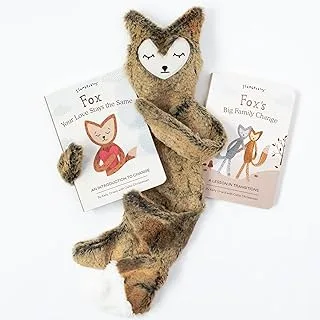
Slumberkins Fox Snuggler (Anxiety/Stress)
“Different creature, different SEL focus — managing anxiety. Build a collection by need.”
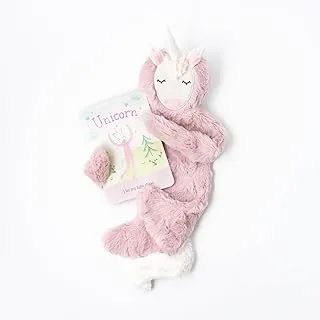
Slumberkins Unicorn Snuggler (Gratitude)
“Gratitude-focused companion. Each creature addresses a different emotional skill.”
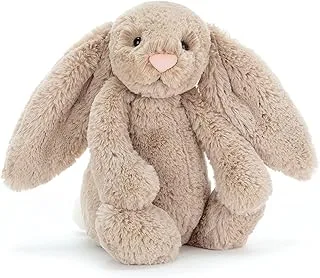
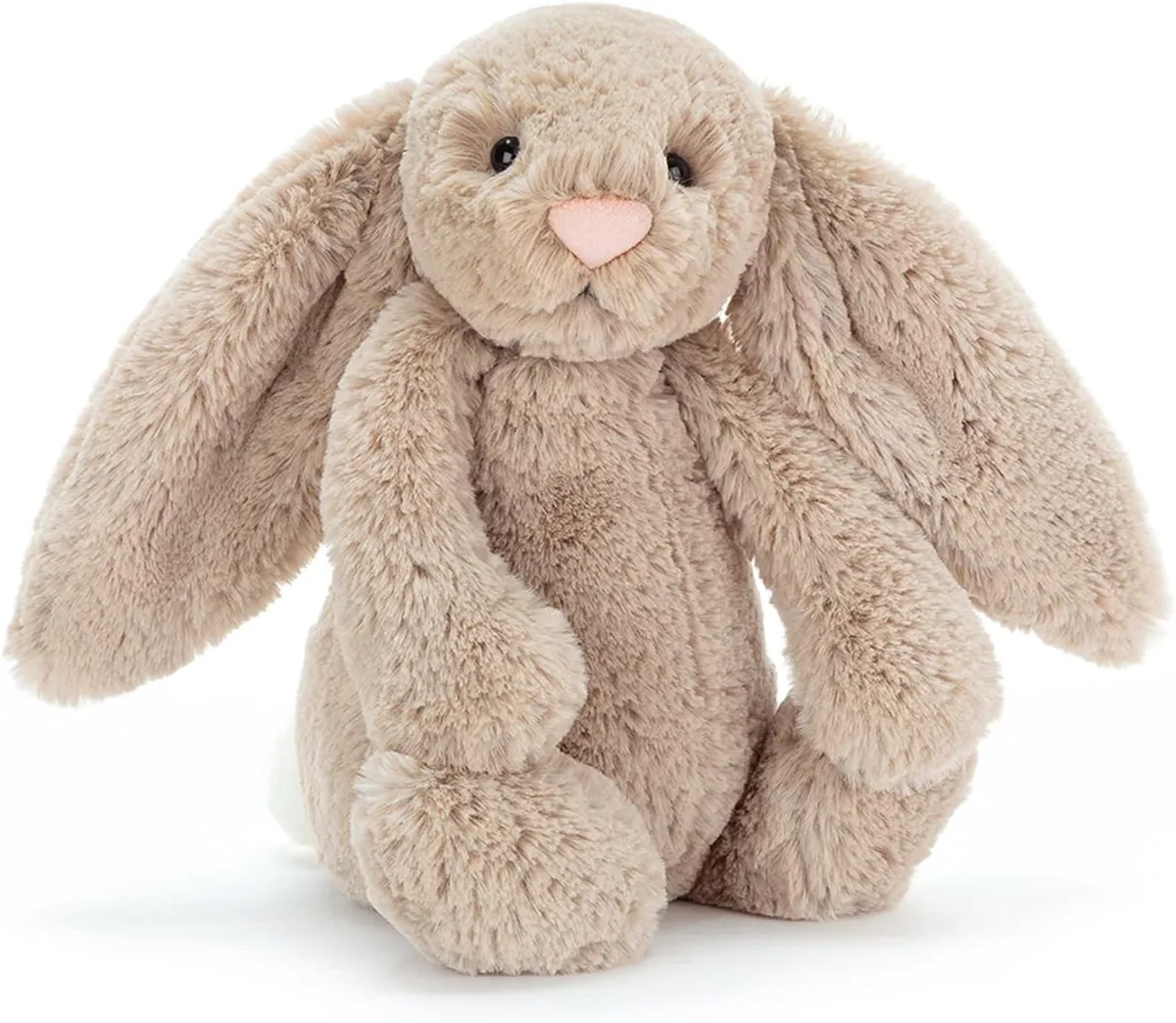
Jellycat Bashful Bunny
“Premium lovey without the SEL curriculum. Half the price, different purpose.”
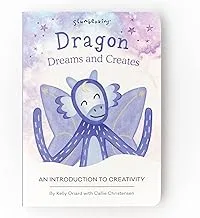
Slumberkins Board Book Add-On
“Additional affirmation books to extend the Bigfoot's story and emotional vocabulary.”