ScienceBasedKids.com may earn a commission from affiliate links in this review. Our ratings are never influenced by affiliate relationships. Read our full methodology.
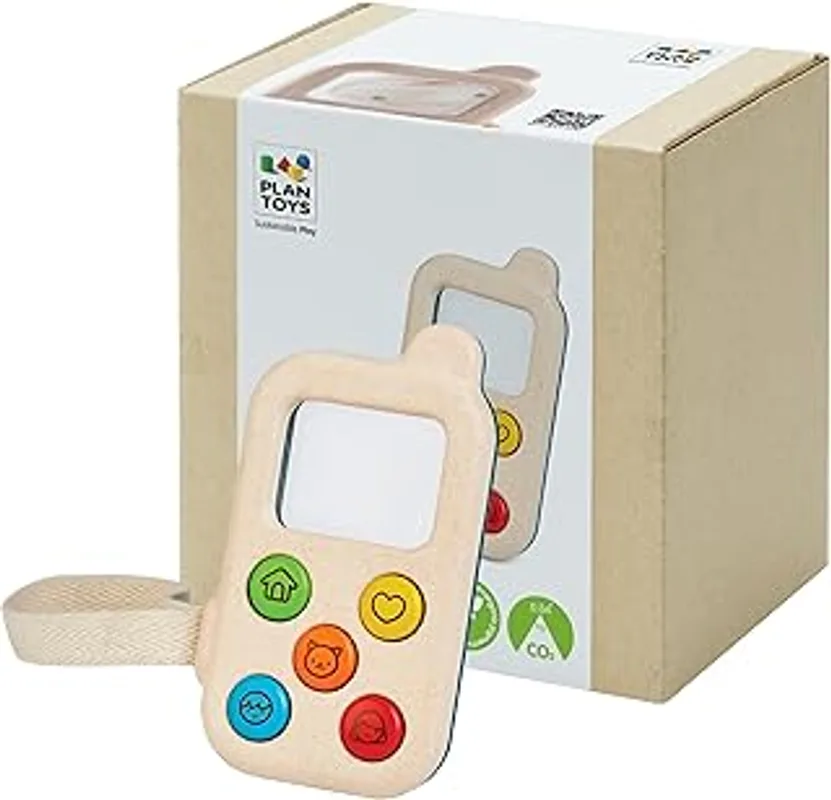
PlanToys is the brand that answers the question: what happens when a toy company takes sustainability as seriously as play value? Founded in Thailand in 1981, PlanToys manufactures from rubberwood trees that have aged out of latex production — turning agricultural waste into premium toys. The My First Phone ($20) is one of their simplest products, and it illustrates their design philosophy perfectly: natural materials, tactile interaction, and developmentally appropriate simplicity.
We tested it for six weeks with toddlers ages 10 months to 30 months.
Product Overview
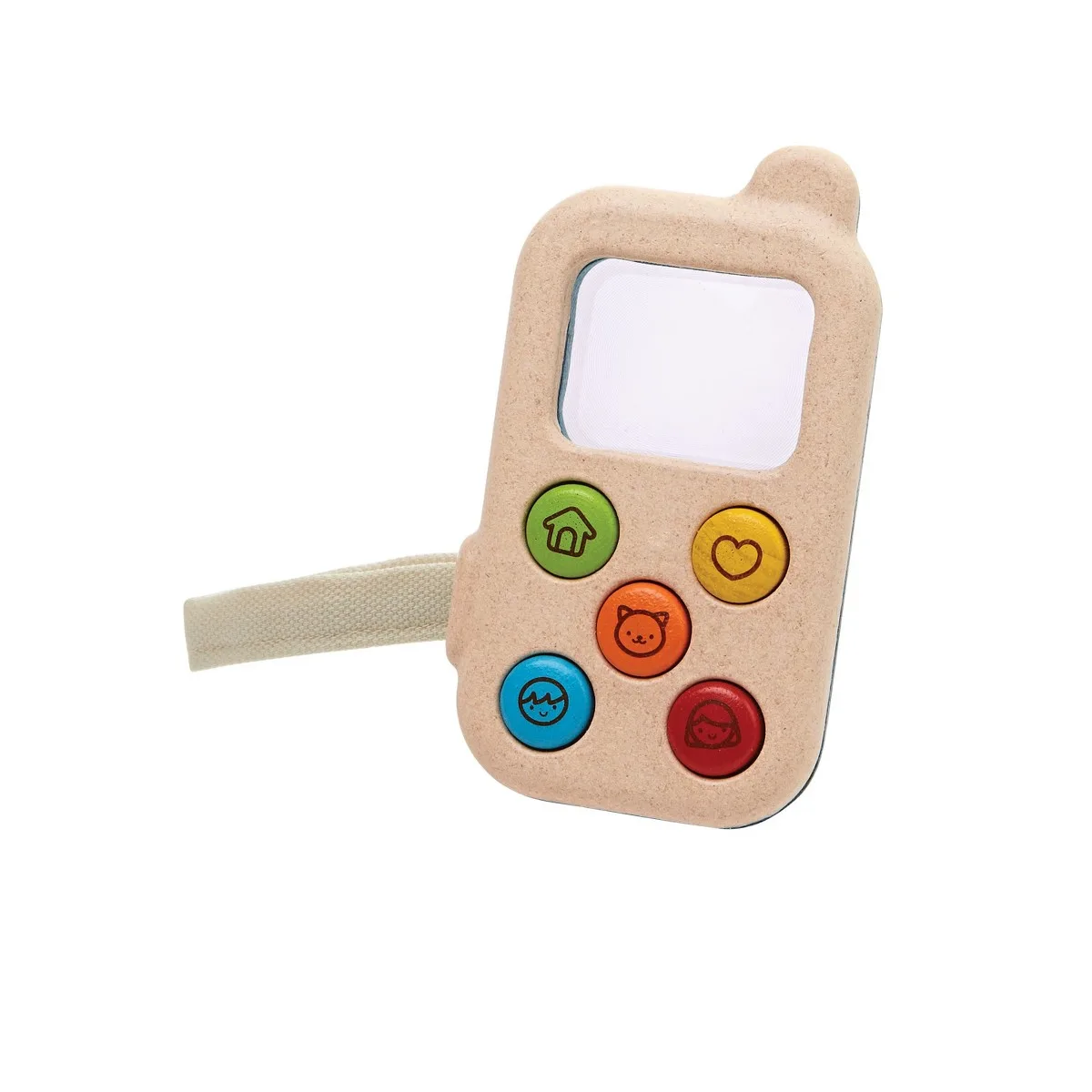
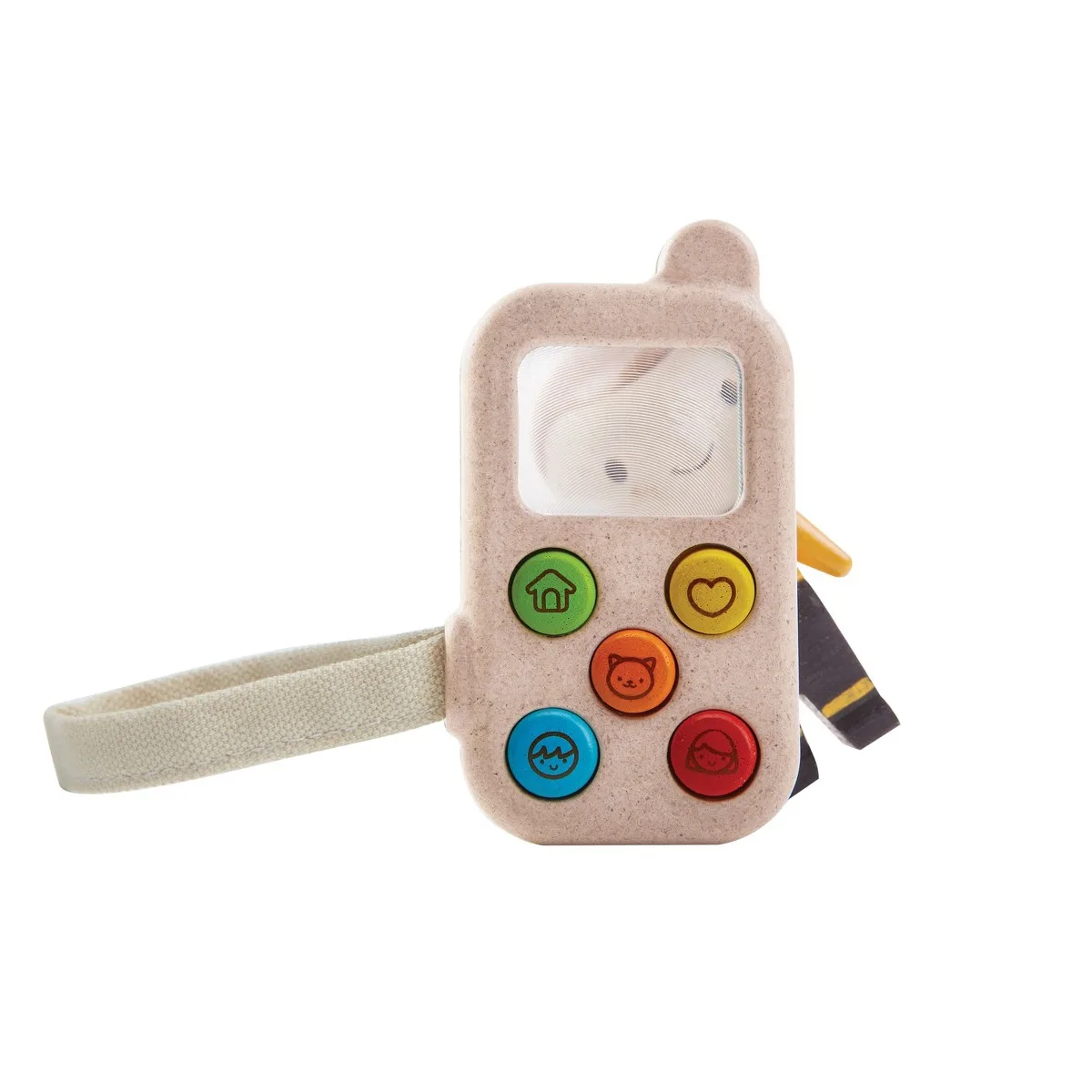
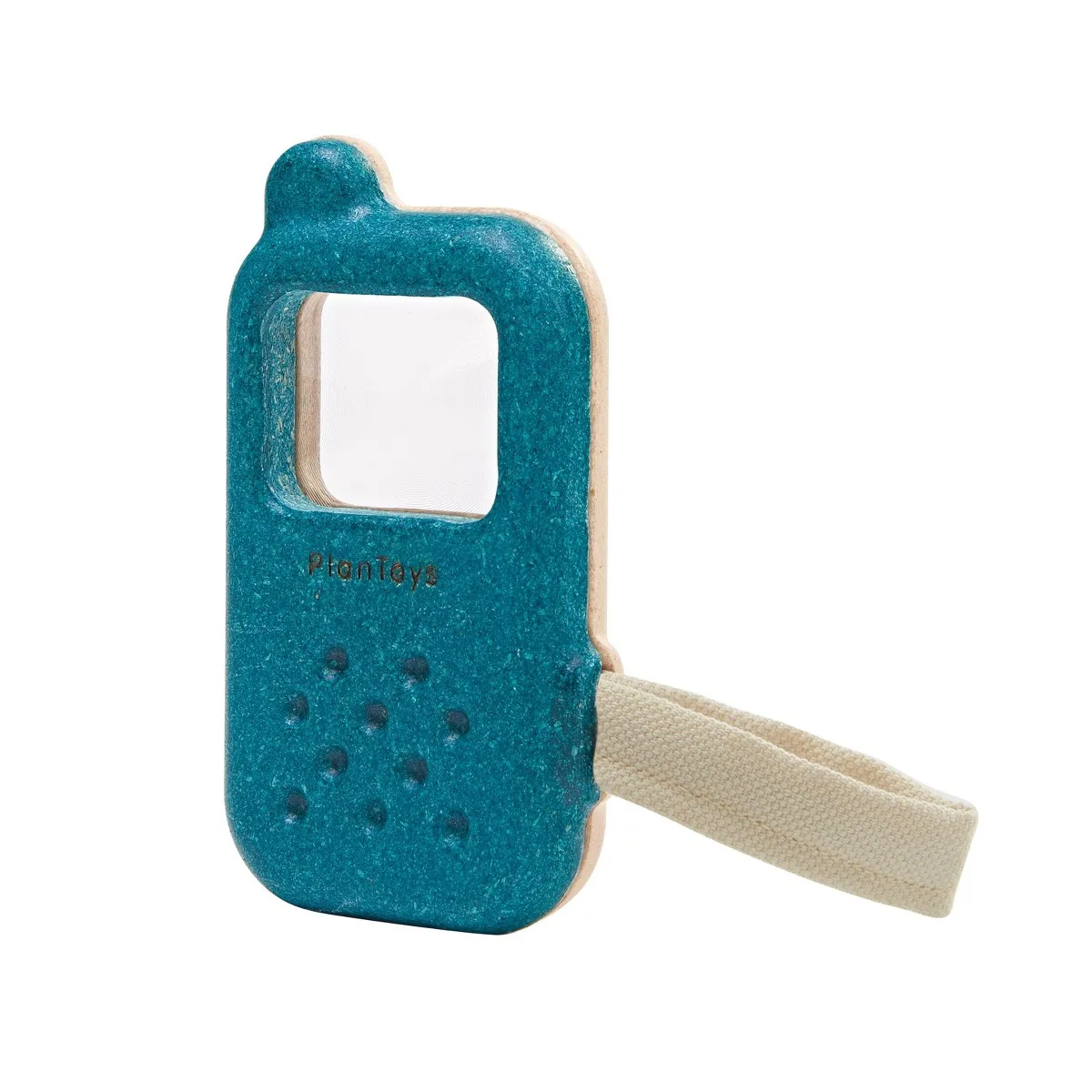
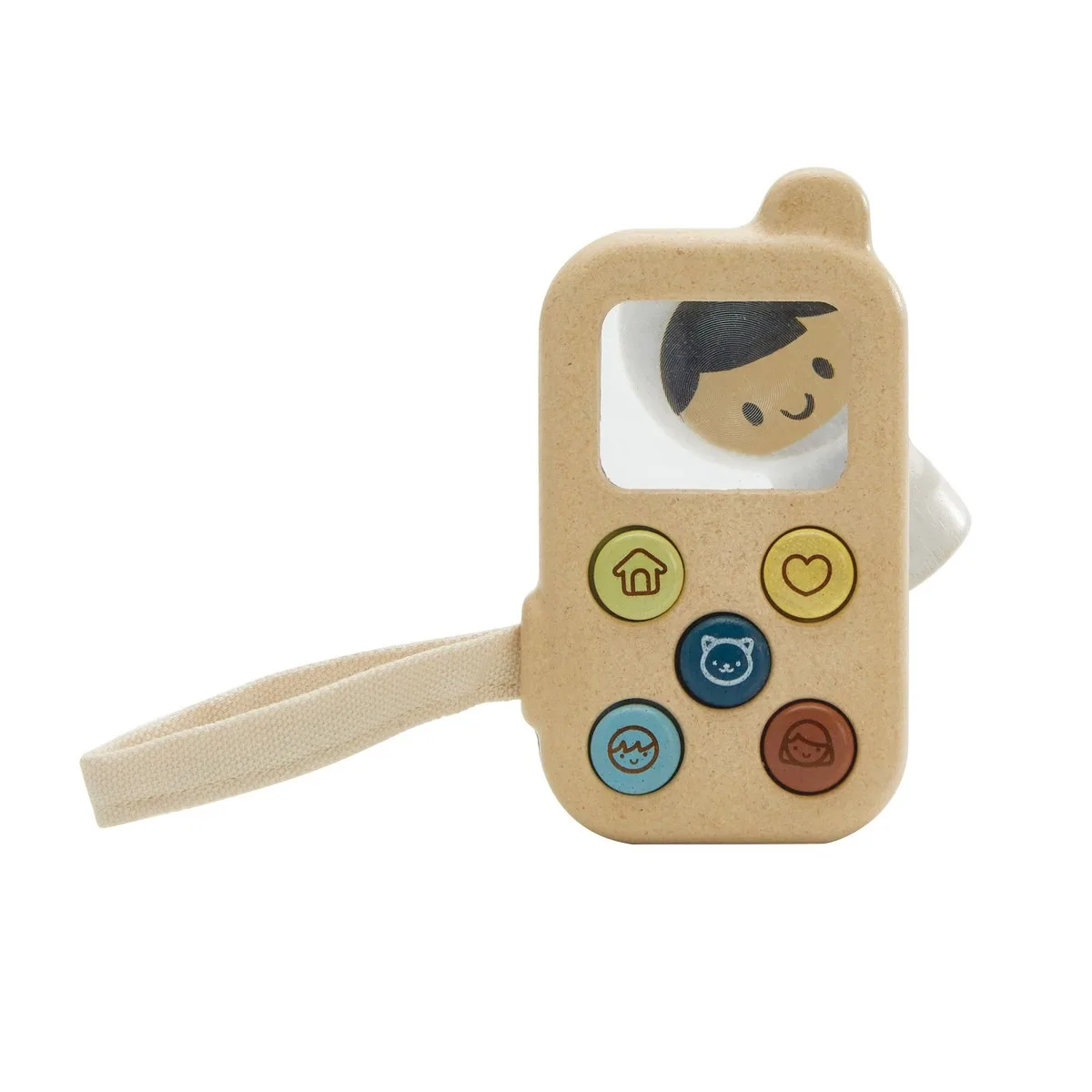
A chunky rubberwood phone with colorful push buttons, a spinning dial, and a smooth, rounded form designed for small hands and inevitable mouthing. The buttons don’t make electronic sounds — they click mechanically. The dial spins freely. No batteries required or desired.
Our Evaluation
Build Quality: 9/10
PlanToys quality is exceptional. The rubberwood is dense, smooth, and beautiful. The water-based dyes are vibrant and non-toxic. Every edge is rounded. The mechanical button action is reliable after weeks of toddler abuse. The phone survived drops, throws, and sustained mouthing without damage.
Play Value: 7/10
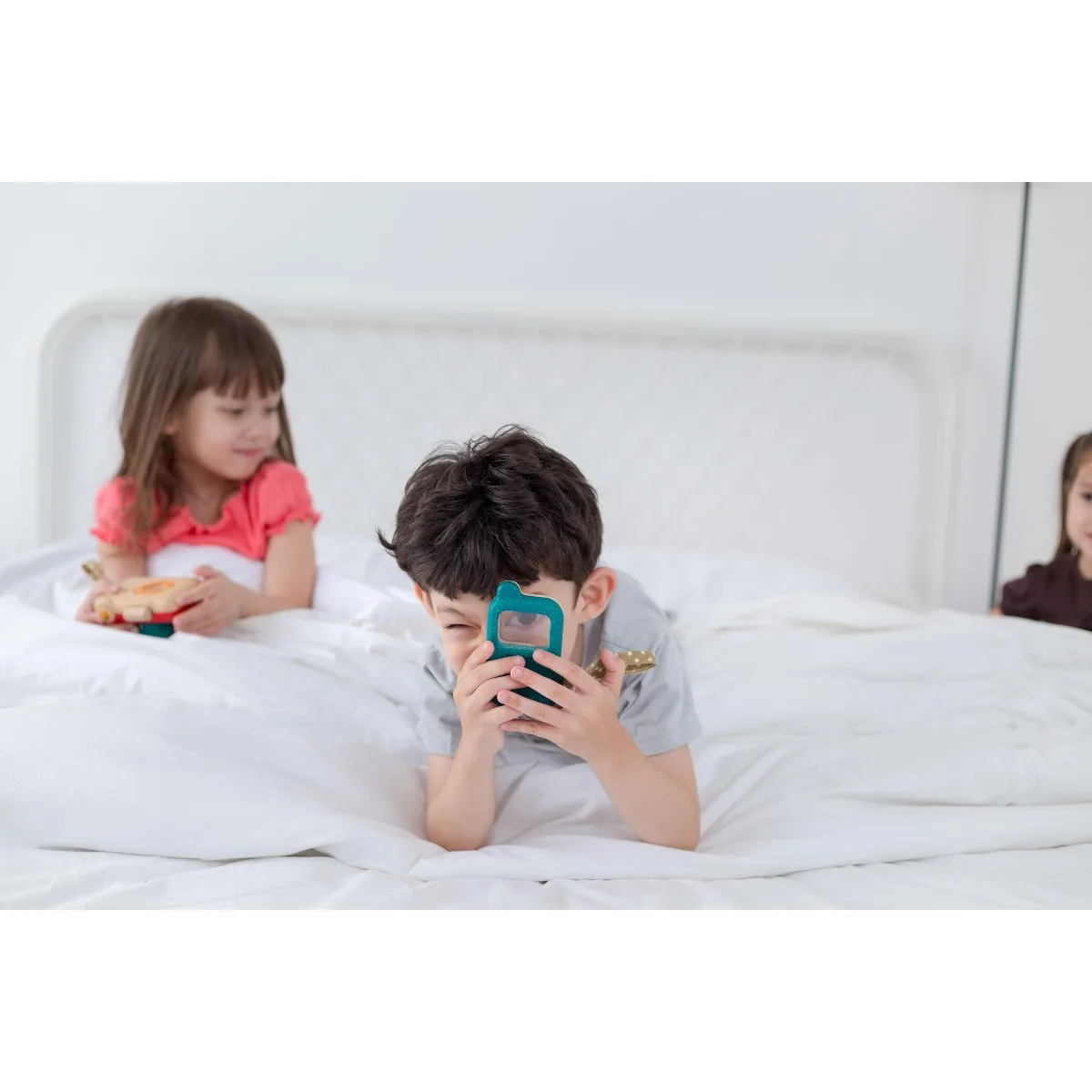
The play is simple but appropriate for the target age: pressing buttons (fine motor), spinning the dial (bilateral coordination), pretending to talk (early pretend play), and mouthing (sensory exploration). The lack of electronic sounds is intentional — the mechanical click of the buttons provides tactile feedback without the overstimulation of electronic noise.
Age Appropriateness: 8/10
Ideal for 12-24 months. The chunky design fits toddler hands. The pretend play element emerges naturally around 18 months. By age 3, most children have moved beyond the phone’s simplicity.
Value for Money: 8/10
$20 for a sustainably produced, heirloom-quality wooden toy is excellent value.
The Evidence
Fine Motor Development in Toddlerhood. Button-pressing, grasping, and dial-spinning all engage fine motor coordination. Cameron et al. (2012) found fine motor skills predict later academic achievement.1 Simple manipulative toys provide age-appropriate practice.
Early Pretend Play. Pretending to talk on a phone is one of the earliest forms of symbolic play. Lillard et al. (2013) reviewed associations between pretend play and cognitive development.2
The honest summary: Fine motor development and early pretend play are well-supported. The PlanToys phone is a simple vehicle for both.
Safety Notes
Exceeds choking hazard standards. Water-based, non-toxic dyes. Meets ASTM F963, EN-71. No CPSC recalls.
The Verdict
A beautiful, simple, sustainable toy that does exactly what toddlers need — provide tactile exploration and early pretend play in a safe, natural material. Not revolutionary, but reliably excellent.
Product Rating: 7/10 — Excellent quality and sustainability. Limited complexity prevents a higher score.
Evidence Rating: Emerging — Fine motor and pretend play are well-supported domains.
Who Should Buy This
- Eco-conscious families valuing sustainable materials
- Parents seeking screen-free, battery-free toys
- Waldorf/Montessori families preferring natural materials
- Gift-givers for first birthdays
Who Should Skip This
- Families seeking interactive electronic toys
- Children over 2.5 who will find it too simple
- Parents who prefer multi-function toys
- Budget shoppers who can find plastic alternatives for less
This review reflects our independent evaluation. ScienceBasedKids.com purchased this product at retail price.
Footnotes
Enjoyed this review? We publish two new evidence-based evaluations every week.
Free. No spam. Unsubscribe anytime.
Button pressing was the dominant action, with the spinning dial a close second.
Recommended Accessories
Affiliate links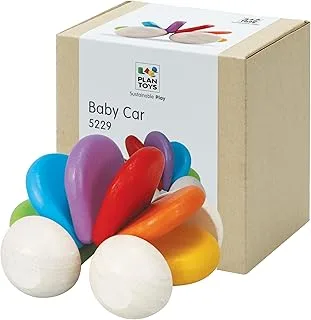
PlanToys Baby Car
“Same sustainable rubberwood construction. Simple push vehicle for youngest toddlers.”
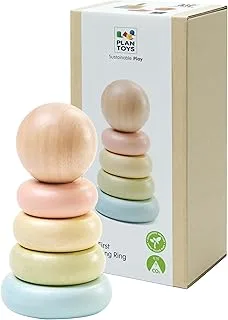
PlanToys Stacking Ring
“Classic stacking toy in PlanToys quality. Complements the phone for fine motor practice.”
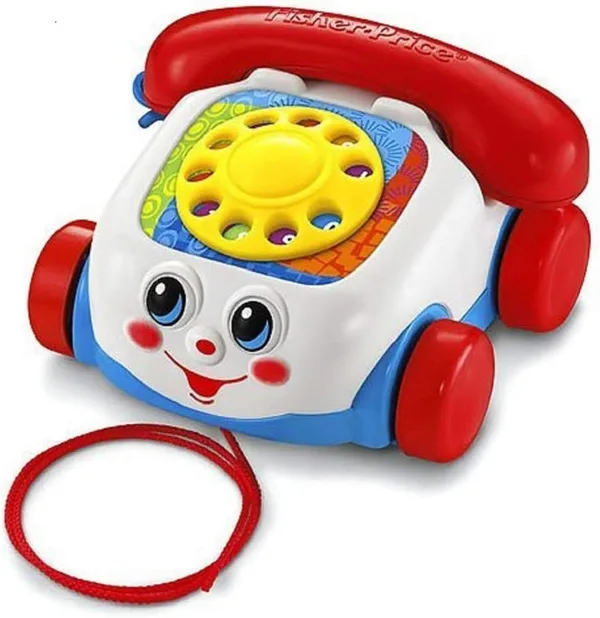
Fisher-Price Chatter Telephone
“Classic plastic alternative with rotary dial. Less premium, more interactive features.”
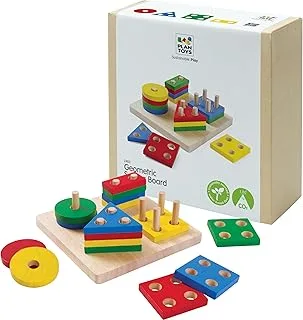
PlanToys Shape Sorter
“Extends the PlanToys collection with shape recognition and spatial problem-solving.”