ScienceBasedKids.com may earn a commission from affiliate links in this review. Our ratings are never influenced by affiliate relationships. Read our full methodology.
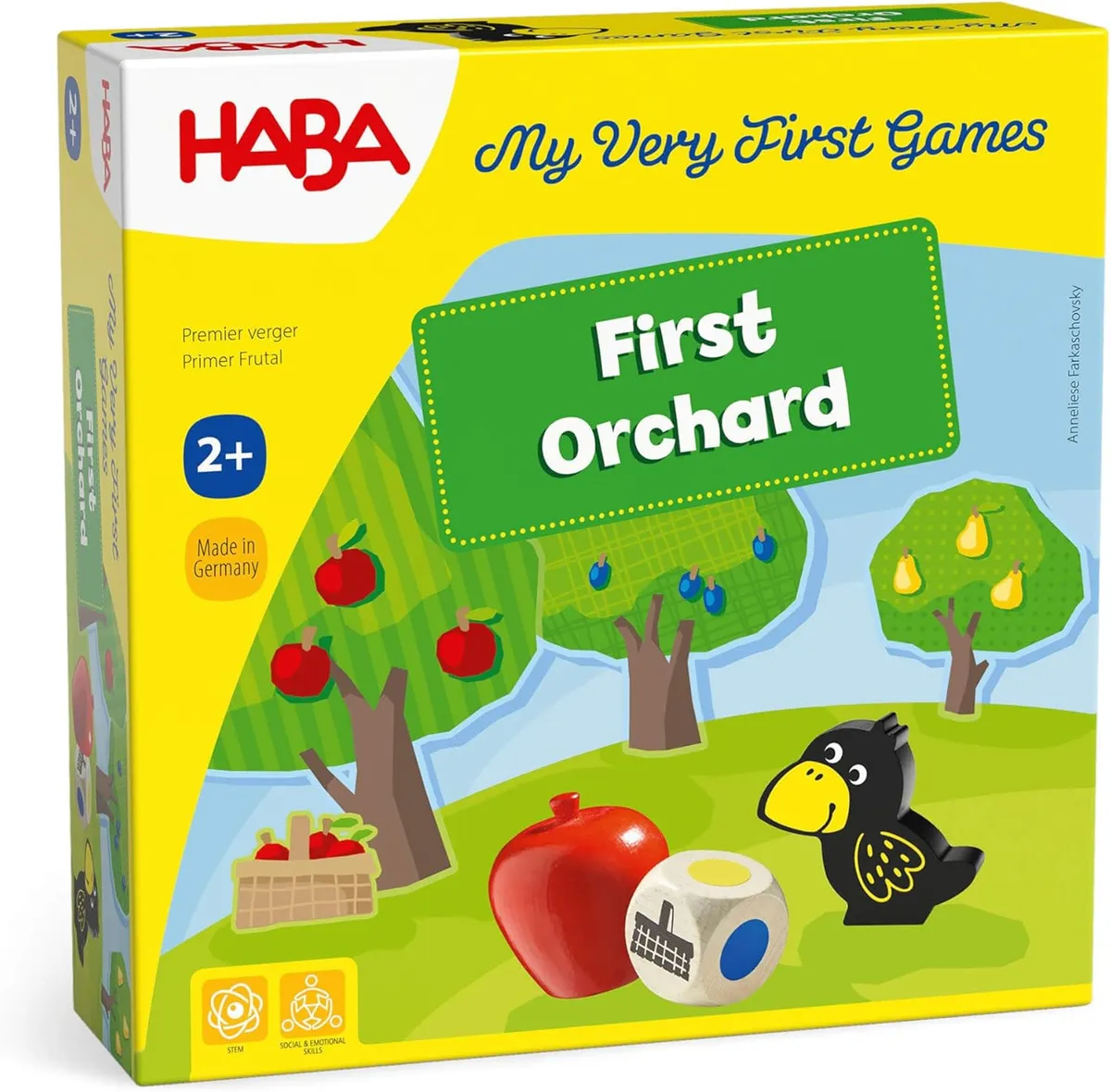
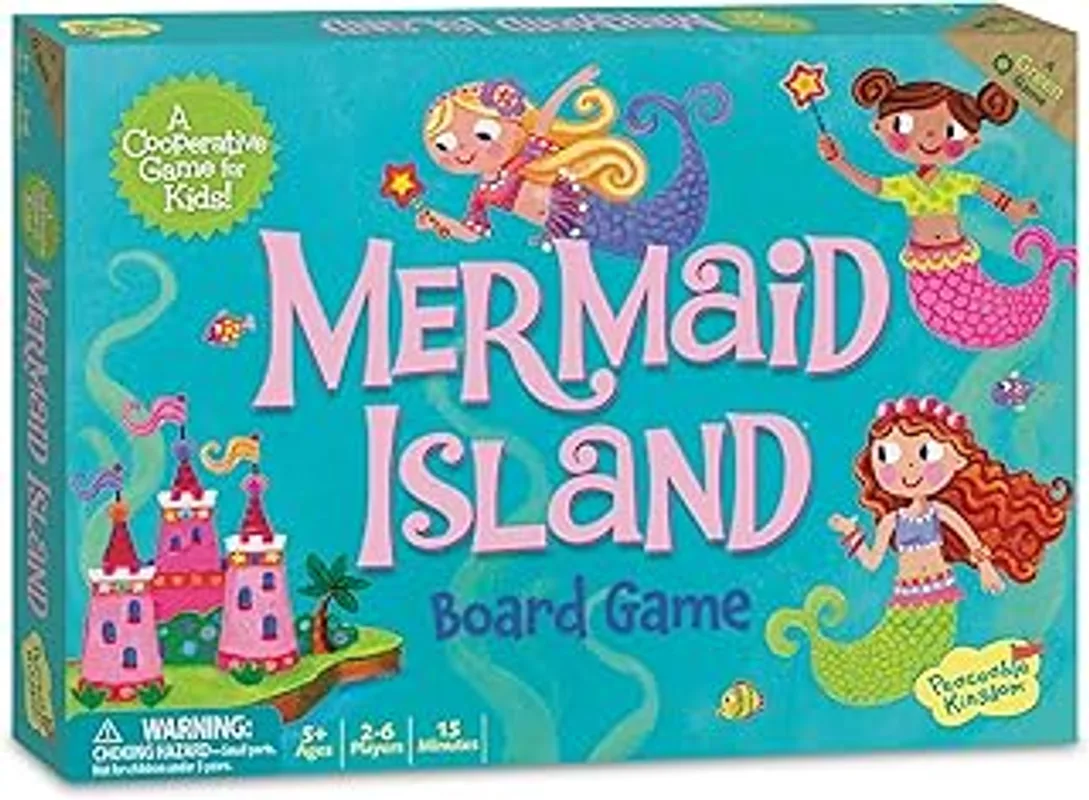
If HABA’s First Orchard teaches toddlers what a game is, Mermaid Island teaches kindergartners what a game can do. The leap from “roll the die and place the fruit” to “choose which mermaid to move and debate which path avoids the sea witch” is a developmental leap that happens between ages 3 and 5 — and Mermaid Island is designed precisely for the landing zone.
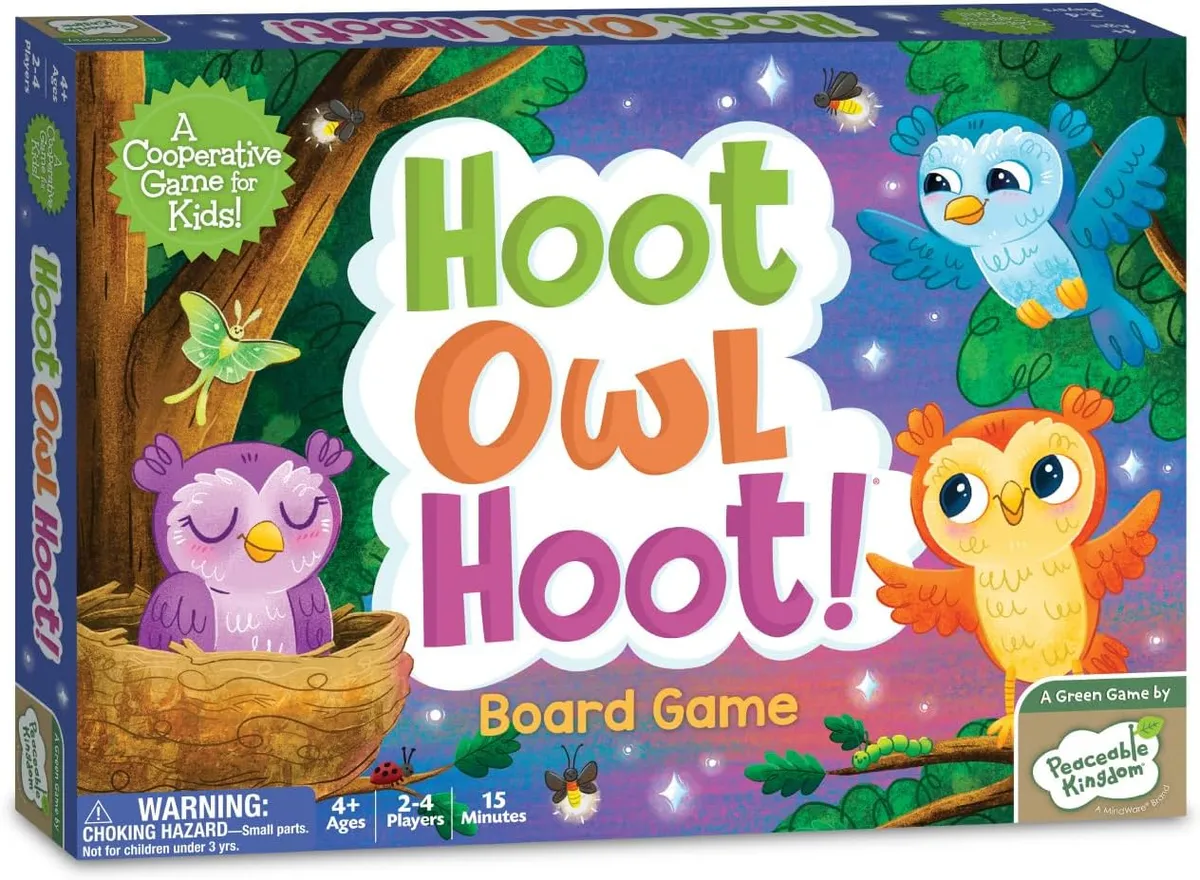
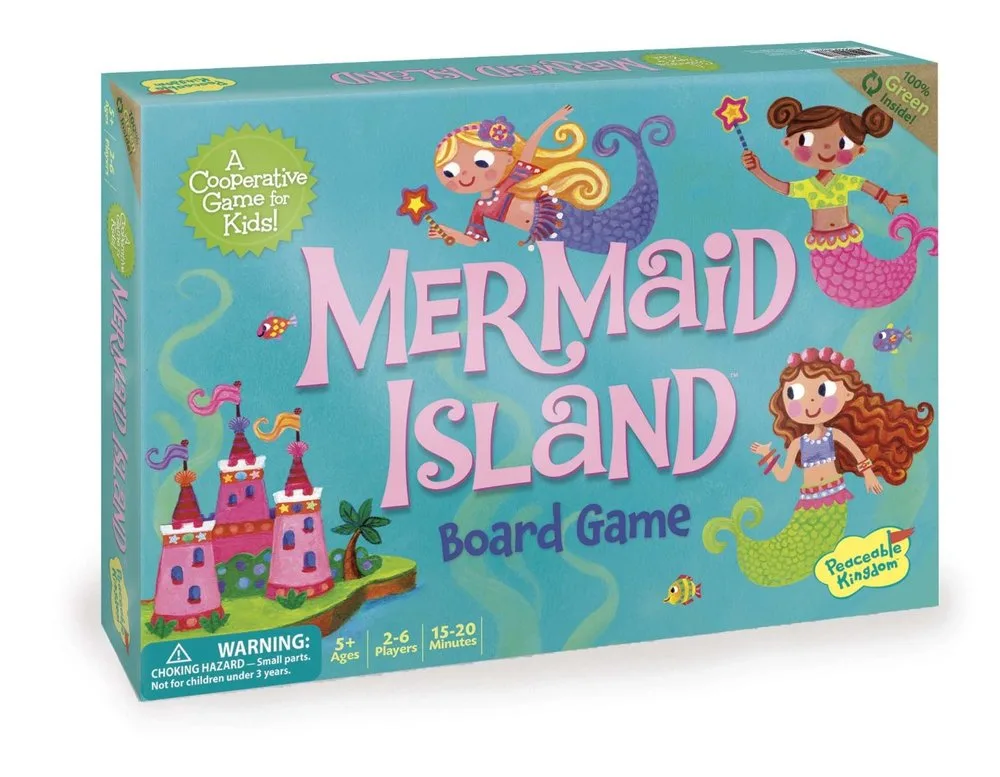
Peaceable Kingdom’s Mermaid Island ($18) is a cooperative board game for 2-6 players ages 5 and up, with games lasting approximately 15 minutes. We tested it alongside our existing cooperative game portfolio (First Orchard, Hoot Owl Hoot, Outfoxed) with children ages 4 through 8 across multiple play sessions.
Product Overview
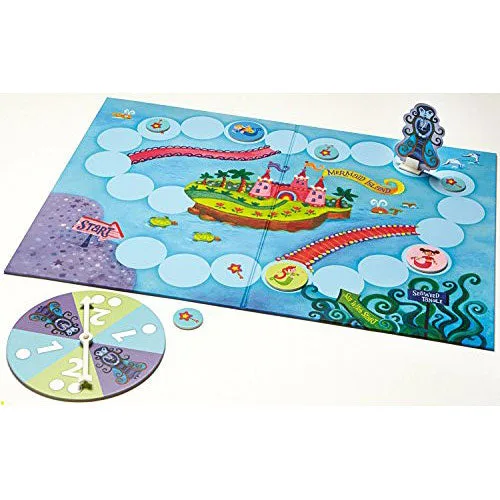
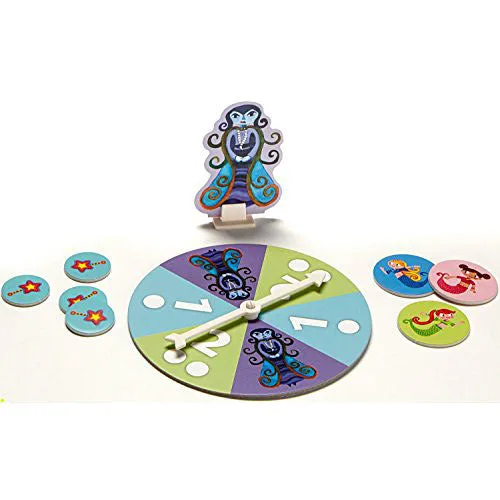
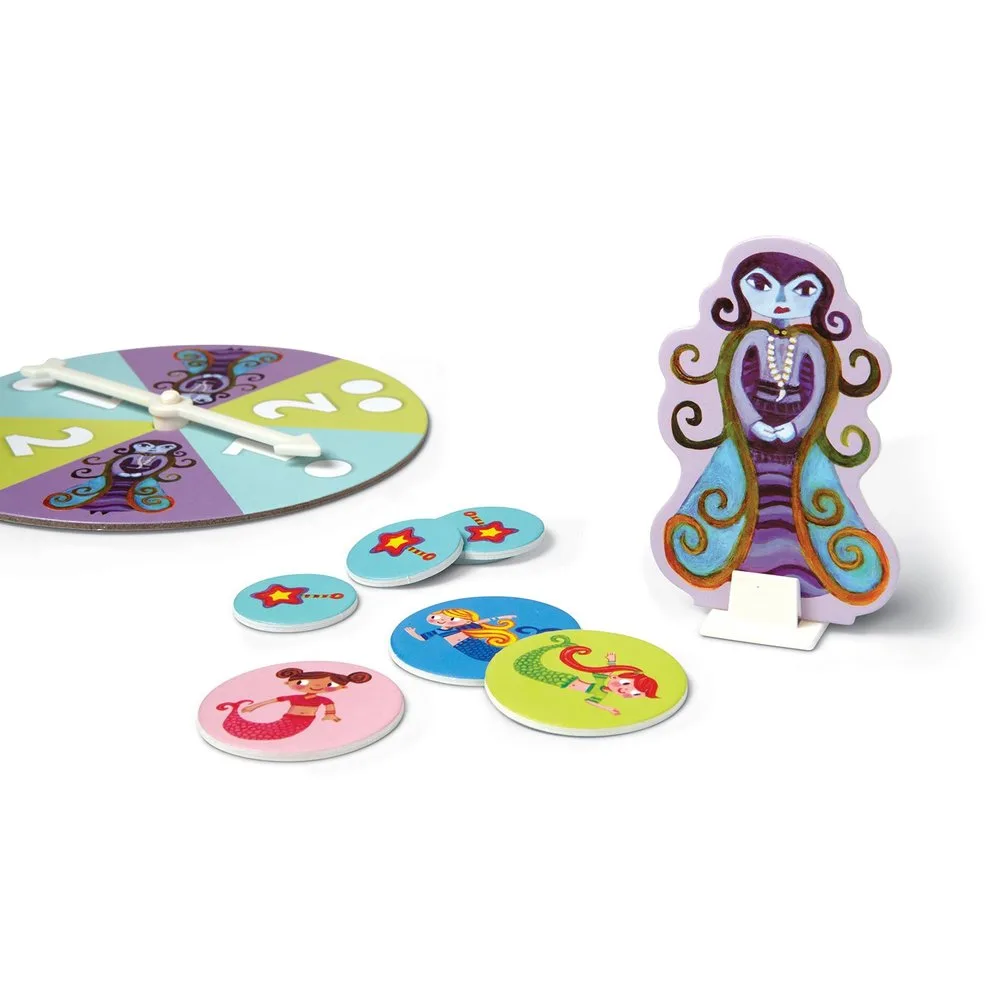
Mermaid Island is a cooperative game where players guide three mermaids from various starting positions to the safety of Mermaid Island before the Sea Witch reaches them. On each turn, a player spins the spinner. If it lands on a mermaid color, that mermaid moves forward. If it lands on a wand, the player places a magic wand token that blocks the sea witch’s path. If it lands on the sea witch, she advances.
The strategic element: mermaids have multiple possible paths, and players collectively decide which path each mermaid takes. Placing wand tokens strategically can block the sea witch from reaching certain routes. These decisions are the game’s core — and they require group discussion, collaborative thinking, and weighing trade-offs.
Our Evaluation
Build Quality: 7/10
The game board is sturdy cardboard with colorful, appealing art. The mermaid pawns are wooden with printed designs. The spinner works reliably. The overall production quality is appropriate for an $18 game — functional, attractive, and durable enough for regular play.
Play Value: 8/10
The cooperative-with-strategy format is engaging for the target age range. Five-year-olds in our testing understood the basic mechanic and participated in group decisions with scaffolding. Seven-year-olds engaged in genuine strategic discussion — “If we move the blue mermaid this way, the sea witch can’t reach her even if she advances twice.” The decision space is simple enough for kindergartners but rich enough to sustain interest through multiple plays.
The cooperative mechanic continues to demonstrate its value: no tears, no sore losers, shared celebration or commiseration. The sea witch provides tension without inter-player conflict.
Age Appropriateness: 8/10
The 5+ recommendation is accurate. Children under 5 can play with significant help but miss the strategic element. Children over 8 will find the strategy too light. The 5-8 sweet spot is well-targeted.
Value for Money: 9/10
At $18, Mermaid Island is excellent value. The game provides 15-20 minutes of engaged play per session with strong replayability. The cooperative mechanic means it’s useful for 2-4 years before children outgrow it.
The Evidence
Cooperative Games and Prosocial Behavior. The same research base that supports First Orchard applies here. Orlick (1981) and Bay-Hinitz et al. (1994) demonstrated that cooperative games increase cooperative behavior and reduce aggression in young children.12 Mermaid Island adds a strategic decision-making layer that engages executive function more deeply than simpler cooperative games.
Strategic Thinking Development. The game’s path-choice mechanic requires forward thinking — anticipating the sea witch’s possible moves and planning accordingly. This type of prospective reasoning develops between ages 4 and 7 (Atance & O’Neill, 2001).3
The honest summary: Cooperative game benefits are well-established. Mermaid Island’s strategic element engages age-appropriate executive function development. No game-specific research.
Safety Notes
Meets ASTM F963 and CPSIA. All pieces are above choking hazard threshold. No CPSC recalls.
The Verdict
Mermaid Island is a well-designed bridge between simple cooperative games and genuine strategy games. It introduces meaningful decision-making while maintaining the cooperative structure that prevents competitive meltdowns.
Product Rating: 7/10 — Good cooperative game with genuine strategy for the 5-8 range. Limited production quality and moderate replay ceiling prevent a higher score.
Evidence Rating: Moderate — Cooperative play research is strong. Strategic thinking development at this age is well-documented.
Who Should Buy This
- Families graduating from First Orchard or Hoot Owl Hoot who want more challenge
- Parents seeking cooperative games that build strategic thinking
- Families with children ages 5-7 who want engaging, tearless game nights
- Teachers and therapists looking for prosocial development tools
Who Should Skip This
- Families with children under 5 — try First Orchard or Hoot Owl Hoot first
- Children over 8 who want more strategic depth
- Families who prefer competitive games
- Anyone expecting complex, adult-engaging strategy
This review reflects our independent evaluation. ScienceBasedKids.com purchased this product at retail price.
Footnotes
-
Orlick, T. (1981). “Positive socialization via cooperative games.” Developmental Psychology, 17(4), 426-429. ↩
-
Bay-Hinitz, A. K., Peterson, R. F., & Quilitch, H. R. (1994). “Cooperative games: A way to modify aggressive and cooperative behaviors in young children.” Journal of Applied Behavior Analysis, 27(3), 435-446. ↩
-
Atance, C. M., & O’Neill, D. K. (2001). “Episodic future thinking.” Trends in Cognitive Sciences, 5(12), 533-539. ↩
Enjoyed this review? We publish two new evidence-based evaluations every week.
Free. No spam. Unsubscribe anytime.
Decision density correlates with strategic depth and sustained engagement for the 5-8 age range.
Recommended Accessories
Affiliate links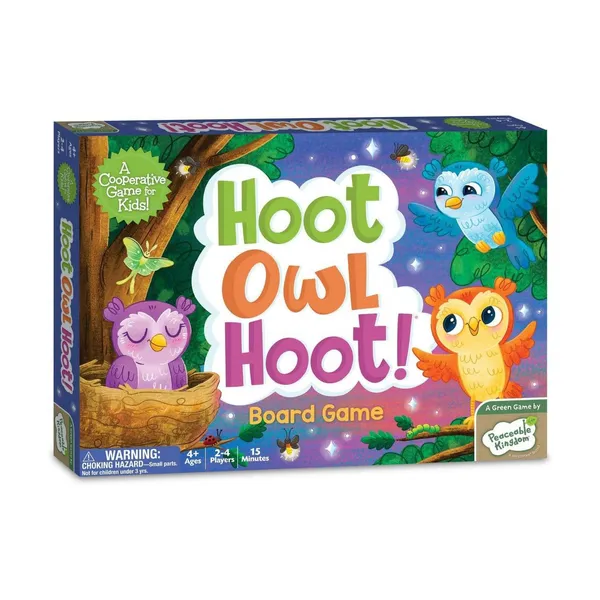
Peaceable Kingdom Hoot Owl Hoot
“Simpler cooperative game from the same publisher. Good stepping stone for younger siblings.”
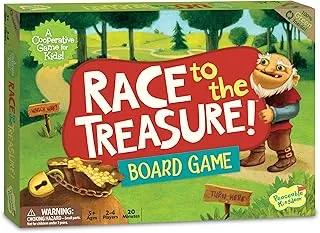
Peaceable Kingdom Race to the Treasure
“Another cooperative game with path-building strategy. Similar age range, different mechanic.”
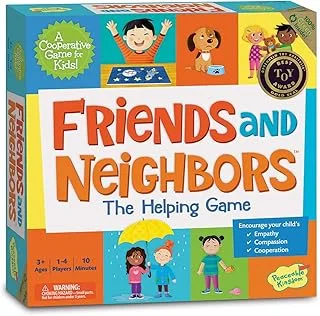
Peaceable Kingdom Friends and Neighbors
“Cooperative matching game with social-emotional learning focus. Expands the cooperative collection.”
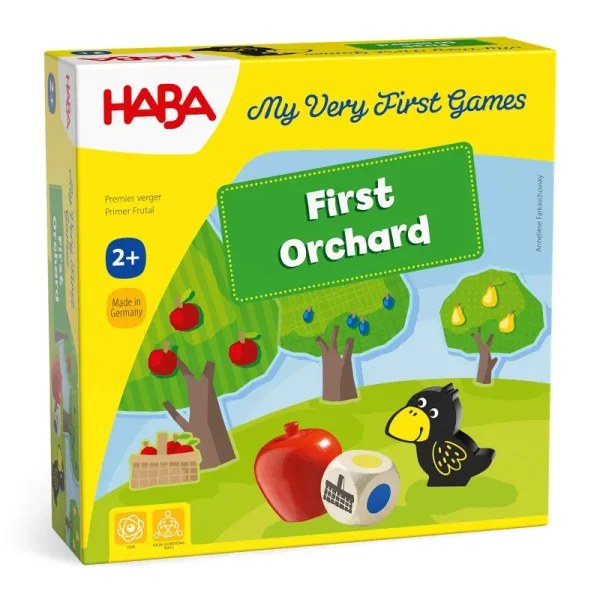
HABA First Orchard
“Simpler cooperative game for younger players (2+). The natural predecessor to Mermaid Island.”