ScienceBasedKids.com may earn a commission from affiliate links in this review. Our ratings are never influenced by affiliate relationships. Read our full methodology.
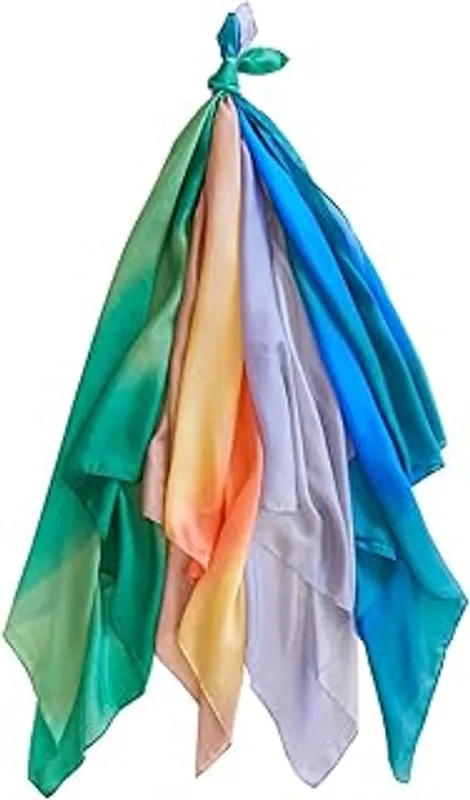
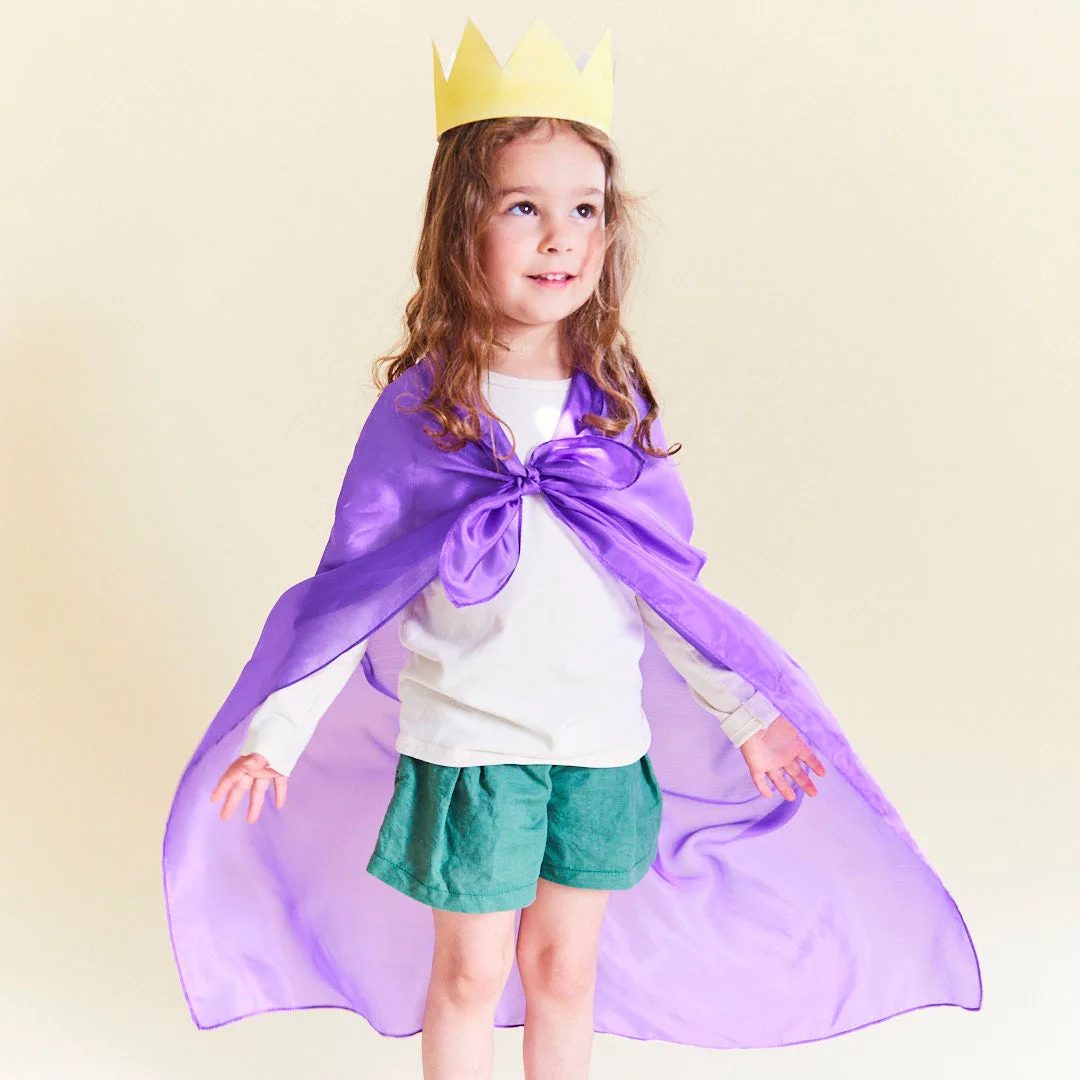
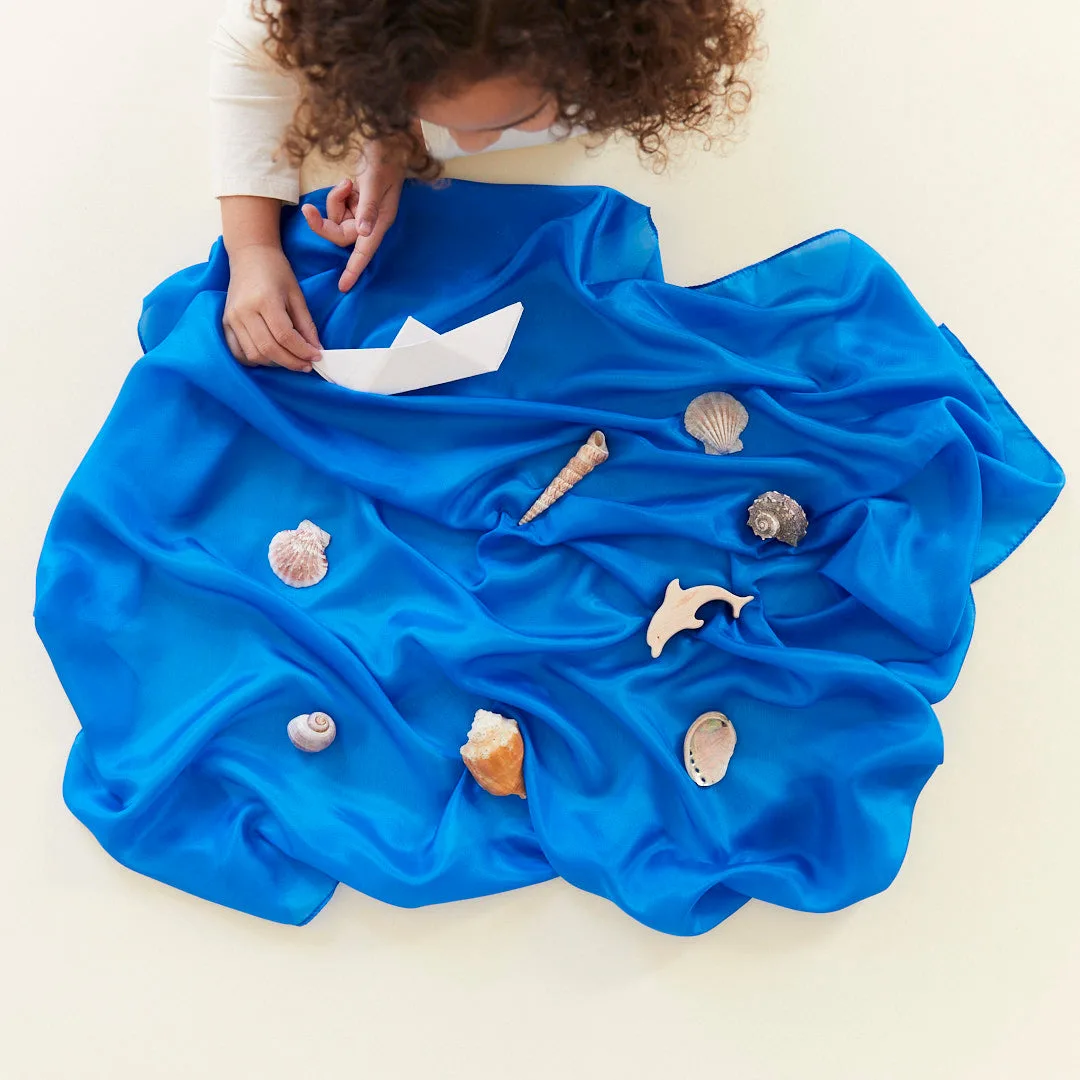
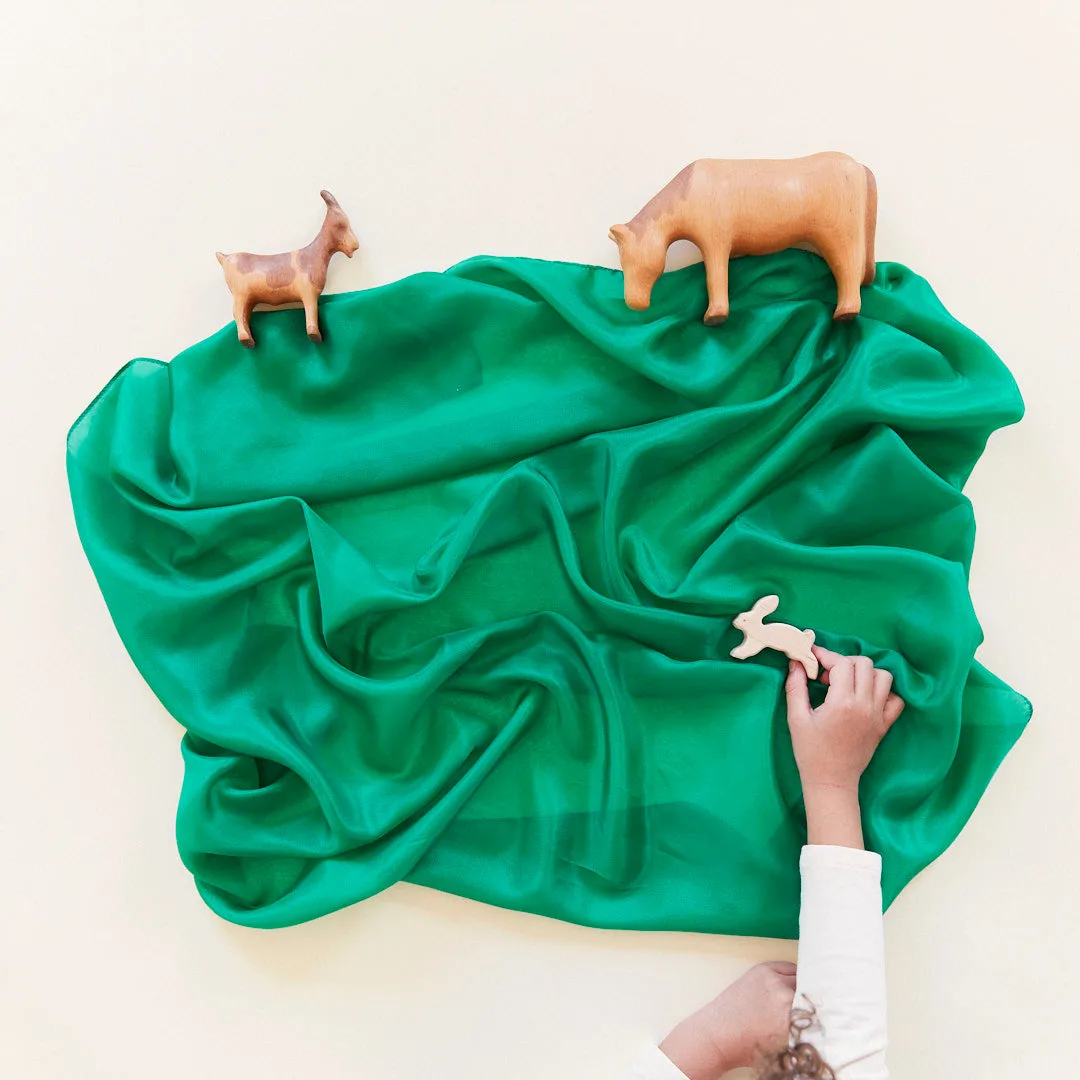
A playsilk is a large piece of lightweight silk. That’s it. There are no instructions, no intended use, no age range limitation, and no skill requirement. What happens when you hand a 3-year-old a shimmering blue silk cloth and step back? It becomes an ocean. Hand it to a 5-year-old and it’s a superhero cape. Hand it to an 8-year-old and it’s the canopy of a blanket fort. The silk transforms according to the child’s imagination, and the sheer variety of transformations we observed across eight weeks of testing was remarkable.
Product Overview
A set of 35” x 35” hand-dyed silk cloths in vibrant colors. Lightweight, translucent, flowing fabric. Machine washable on gentle cycle. Made from 100% real silk.
Our Evaluation
Build Quality: 8/10
Real silk with a beautiful hand and drape. The dye is colorfast through washing. The fabric is delicate by necessity — it can snag and tear with rough handling, but the lightness and flow that make it magical require this delicacy.
Play Value: 9/10
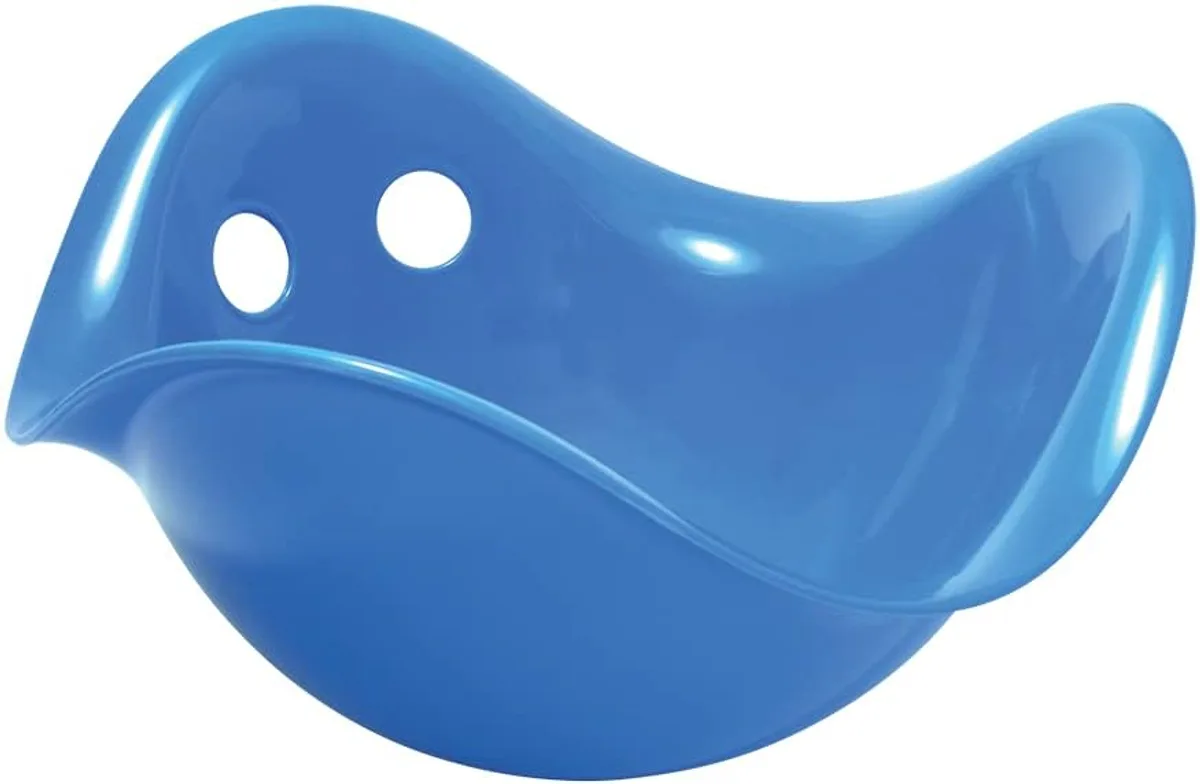
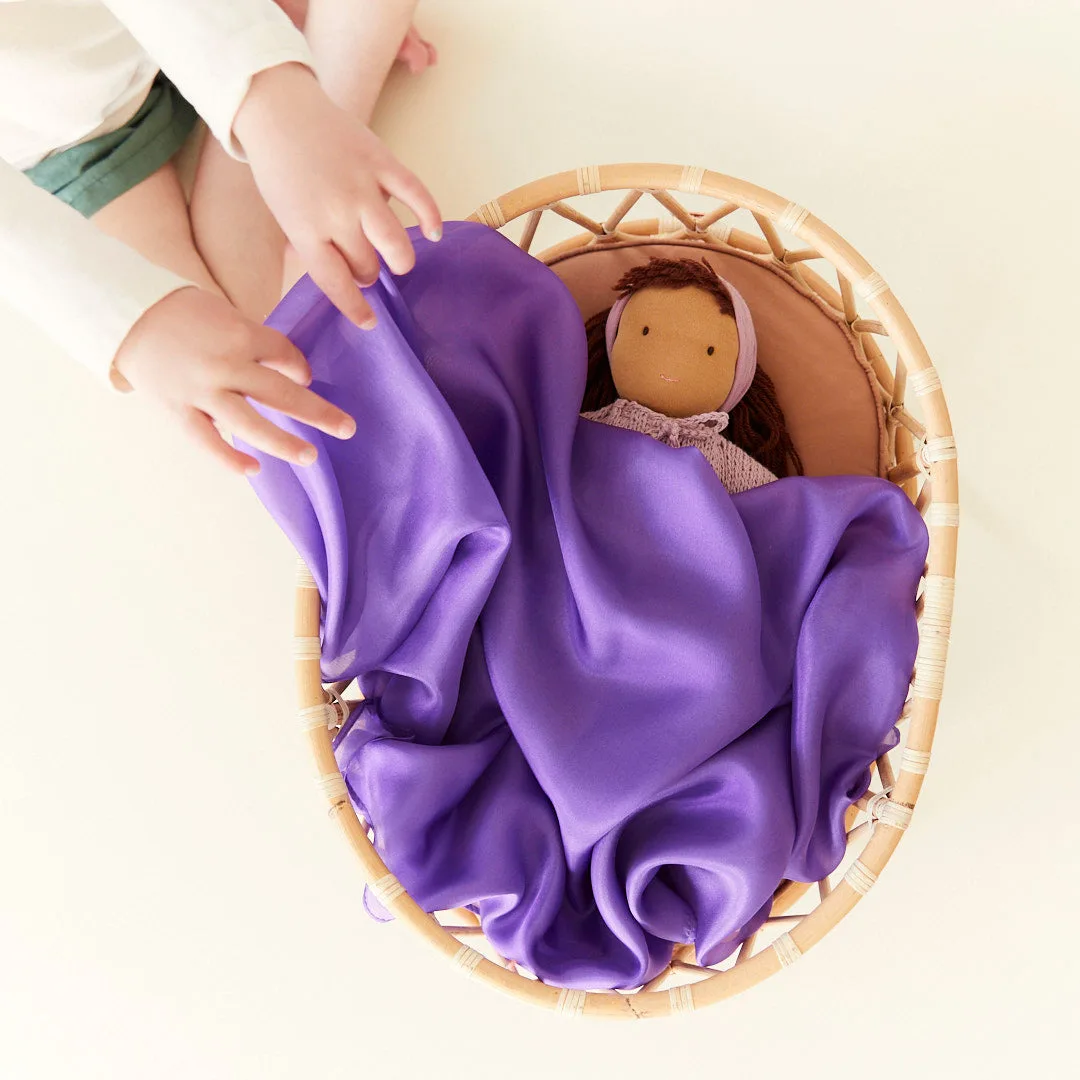
Like the Bilibo, the playsilk’s value comes from having no prescribed purpose. Children used them as costumes, scenery, building materials, comfort objects, and play props across dozens of different scenarios. The versatility is genuinely extraordinary.
Age Appropriateness: 9/10
Ages 1-10+. The youngest children explore the texture and visual properties. Older children incorporate silks into elaborate pretend play.
Value for Money: 8/10
$30 for a set of versatile, premium play materials with a decade of utility.
The Evidence
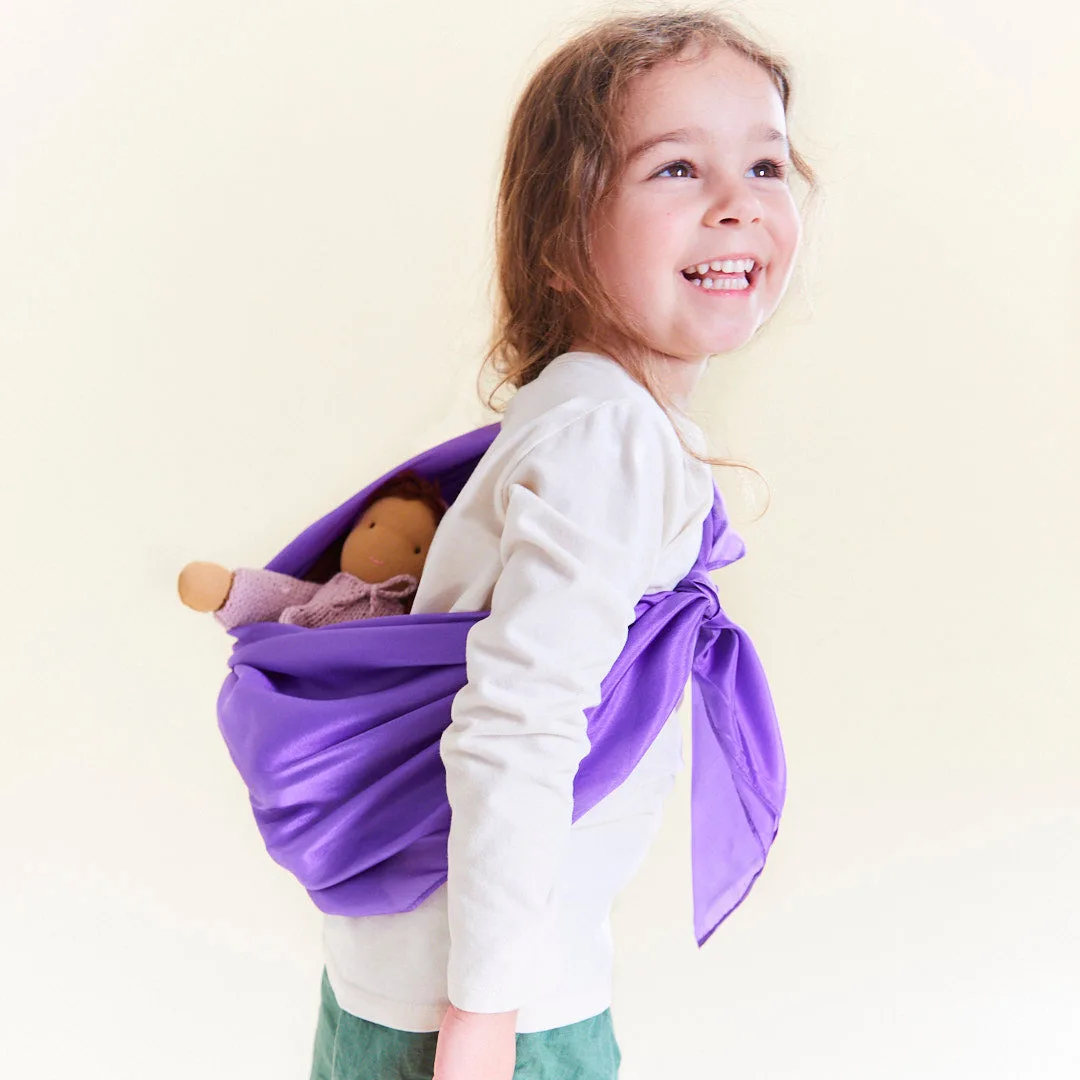
Open-ended play materials support creative thinking (Russ & Wallace, 2013).1 Costume and prop play develops narrative skills and perspective-taking (Bergen, 2002).2
Safety Notes
Not intended for children under 1 without supervision (loose fabric). No small parts. Non-toxic dyes. No CPSC recalls.
The Verdict
One of the best open-ended play materials available. A simple piece of silk becomes whatever a child’s imagination requires.
Product Rating: 8/10 — Exceptional open-ended versatility. Delicate material requires care.
Evidence Rating: Emerging — Open-ended and costume play are well-supported.
Who Should Buy This
- Waldorf/Montessori families valuing open-ended materials
- Parents seeking toys that grow with children across years
- Families who value imaginative play over structured play
- Minimalists who want few, versatile play materials
Who Should Skip This
- Families who prefer toys with clear purposes
- Children who need more structured play guidance
- Families rough on delicate materials
- Parents who don’t see the value in “just fabric”
This review reflects our independent evaluation. ScienceBasedKids.com purchased this product at retail price.
Footnotes
Recommended Accessories
Affiliate links
Sarah's Silks Fort Building Kit
“Clips and connectors for securing silks to furniture. Creates canopies and forts.”
Sarah's Silks Star Playsilk
“Star-shaped silk for different draping and costume possibilities.”
Bilibo
“Another open-ended toy. Silks + Bilibo = unlimited imaginative play combinations.”
Grimm's Play Cloths (3-pack)
“Organic cotton alternative from the Waldorf tradition. Different texture, same purpose.”