ScienceBasedKids.com may earn a commission from affiliate links in this review. Our ratings are never influenced by affiliate relationships. Read our full methodology.
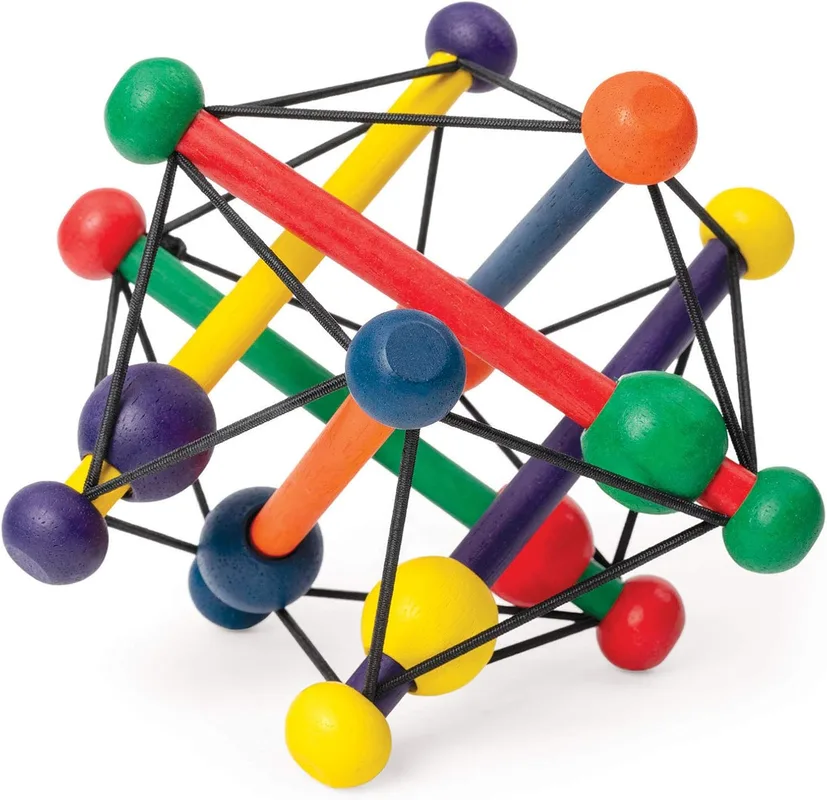
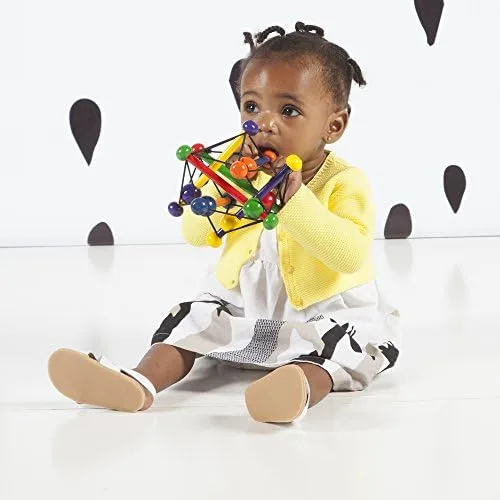
The Manhattan Toy Skwish Classic has been in continuous production since the early 1990s. In an industry obsessed with novelty, this is remarkable. It means that for over three decades, parents have been handing their babies a geometric construction of wooden dowels and elastic cords, watching their babies compress it, listening to the gentle rattle of the sliding beads, and then buying another one to give as a gift. We’ve tested dozens of infant toys, and the Skwish remains one of the few we recommend without qualification.
Product Overview
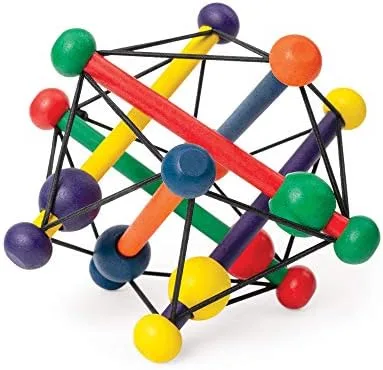
The Skwish Classic ($20) is a geometric rattle and grasping toy:
- Construction: Wooden dowels connected at intersections by elastic cords, forming a three-dimensional geometric shape
- Material: Rubberwood (sustainably harvested) with water-based, non-toxic paint
- Beads: Sliding wooden beads on center dowels provide rattling sound
- Dimensions: Approximately 5” × 5” × 5” — sized for infant hands
- Weight: Very lightweight — approximately 3 oz
- Safety rating: Newborn and up
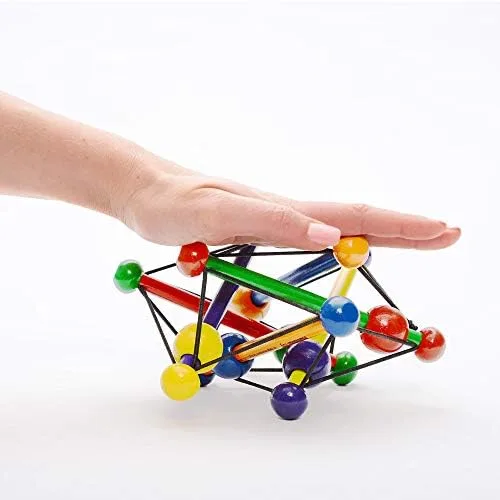
The defining feature is the elastic construction. When compressed, the Skwish flattens completely. When released, it springs back to its original geometric shape. This compression-and-return behavior is endlessly fascinating to infants and provides a unique sensory experience among baby toys.
Our Evaluation
Build Quality: 9/10
The Skwish is impeccably constructed. The rubberwood dowels are smooth and uniform. The elastic cords are durable and show no signs of loosening during our testing period. The beads slide freely along the center dowels without catching. The paint application is consistent with no visible imperfections.
The craftsmanship reflects Manhattan Toy’s 40+ years of wooden toy manufacturing experience. The joints where elastic meets wood are clean and secure. The overall feel is substantial without being heavy — an important balance for a newborn toy.
Play Value: 9/10
The Skwish engages infants across multiple developmental stages:
Newborn to 3 months: Visual tracking of the colorful geometric shape. The Skwish can be suspended above the baby’s field of vision, providing color contrast and geometric pattern stimulation.
3-6 months: Grasping and holding. The thin dowels are easier to grip than solid rattles, and any grip orientation produces an interesting tactile experience. The lightweight construction means even early graspers can hold it.
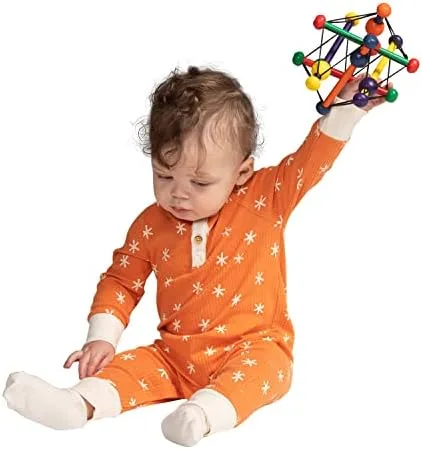
6-12 months: Active manipulation. Compression, release, bead sliding, mouthing, shaking. The return-to-shape physics becomes a game — squash it flat, watch it pop back, repeat.
12-18 months: Diminishing novelty but continued occasional engagement, particularly the compression-release behavior and bead manipulation.
Age Appropriateness: 9/10
The newborn safety rating is accurate and justified. The lightweight construction, smooth surfaces, and no-small-parts design make it safe for unsupervised infant play from birth. The elastic cords are internal to the structure and not accessible for chewing.
Durability: 8/10
Wooden construction means long-term structural integrity. The elastic cords are the primary durability concern — they can lose tension over years of heavy use, though we saw no degradation in our testing period. The paint resists chipping from normal infant handling but will show wear from aggressive mouthing.
Value for Money: 8/10
At $20, the Skwish is moderately priced for a wooden baby toy. The effective engagement window of 12-18 months provides good value per month. The construction quality means it can be passed to younger siblings or gifted forward.
The Evidence
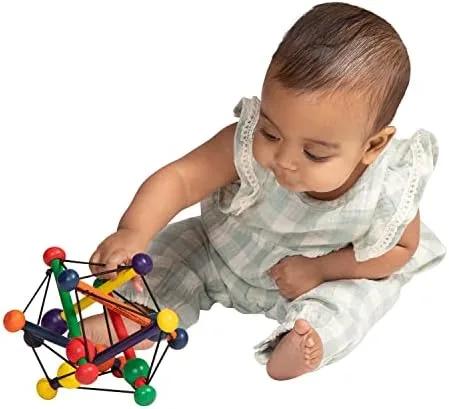
Grasping development. The Skwish’s thin dowel design supports early grasping development. von Hofsten and Rönnqvist (1988) documented the progression from reflexive to intentional grasping in the first year, noting that object properties (size, weight, shape) influence the development of grip patterns.1 The Skwish’s varied grip possibilities support this progression.
Object exploration and sensory integration. Infants learn through multi-sensory object exploration. Rochat (1989) demonstrated that infants as young as 2 months engage in systematic exploration of object properties through vision, touch, and mouthing.2 The Skwish provides rich multi-sensory feedback: visual (color, shape), tactile (wood texture, compression), auditory (bead rattle), and proprioceptive (elastic resistance).
Cause and effect. The compression-and-return behavior provides a clear, repeatable cause-and-effect demonstration. Piaget’s foundational work on sensorimotor development identified this type of contingent feedback as essential for cognitive development in the first 18 months.
The honest summary: The Skwish aligns well with established developmental research on infant object exploration and grasping. While no study specifically evaluates the Skwish, the toy’s design principles — multi-sensory feedback, graduated grasping difficulty, clear cause-and-effect — are well-supported.
Safety Notes
The Skwish Classic meets ASTM F963, EN-71, and CPSIA standards. It’s BPA-free, phthalate-free, and uses non-toxic, water-based paint. The elastic cords are internal to the structure and not accessible for pulling or chewing. No CPSC recalls on record.
Inspect the elastic cords periodically for signs of wear. If any cord becomes exposed or frayed, discontinue use immediately.
The Verdict
The Manhattan Toy Skwish Classic is a nearly perfect infant toy. The elastic-dowel construction creates a unique sensory object that supports grasping development, cause-and-effect learning, and multi-sensory exploration from birth through 18 months. The build quality is outstanding, the design has been validated by 30 years of market success, and the developmental principles underlying its design are well-supported by research. It’s not flashy, it’s not electronic, and it’s not trying to be anything other than a beautifully designed object for babies to explore.
Product Rating: 8/10 — Outstanding design, excellent construction, wide age range. The $20 price point is fair but not exceptional for a single infant toy.
Evidence Rating: Moderate — Strong alignment with established grasping, sensory exploration, and cause-and-effect research. No brand-specific studies.
Who Should Buy This
- Parents of newborns looking for a first grasping toy
- Families who prefer wooden, non-electronic toys
- Gift-givers seeking a beautiful, reliable baby gift
- Anyone building a sensory toy collection for a 0-12 month old
Who Should Skip This
- Families with infants over 18 months (the engagement window has likely passed)
- Parents who prefer teething-focused toys (the wood is mouthable but not specifically designed for teething)
- Anyone who already owns the Skwish Natural or Color Burst variant (same product, different finish)
This review reflects our independent evaluation. ScienceBasedKids.com purchased this product at retail price. We may earn a commission if you purchase through our links, which helps fund our research. This never influences our ratings.
Footnotes
-
von Hofsten, C., & Rönnqvist, L. (1988). “Preparation for grasping an object: A developmental study.” Journal of Experimental Psychology: Human Perception and Performance, 14(4), 610-621. ↩
-
Rochat, P. (1989). “Object manipulation and exploration in 2- to 5-month-old infants.” Developmental Psychology, 25(6), 871-884. ↩
Categories are not exclusive — multiple interaction types observed per session. Chart shows dominant mode.
Recommended Accessories
Affiliate links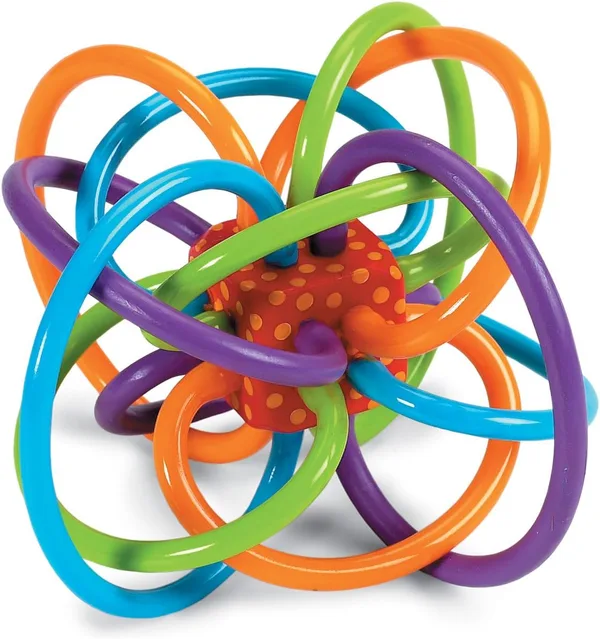
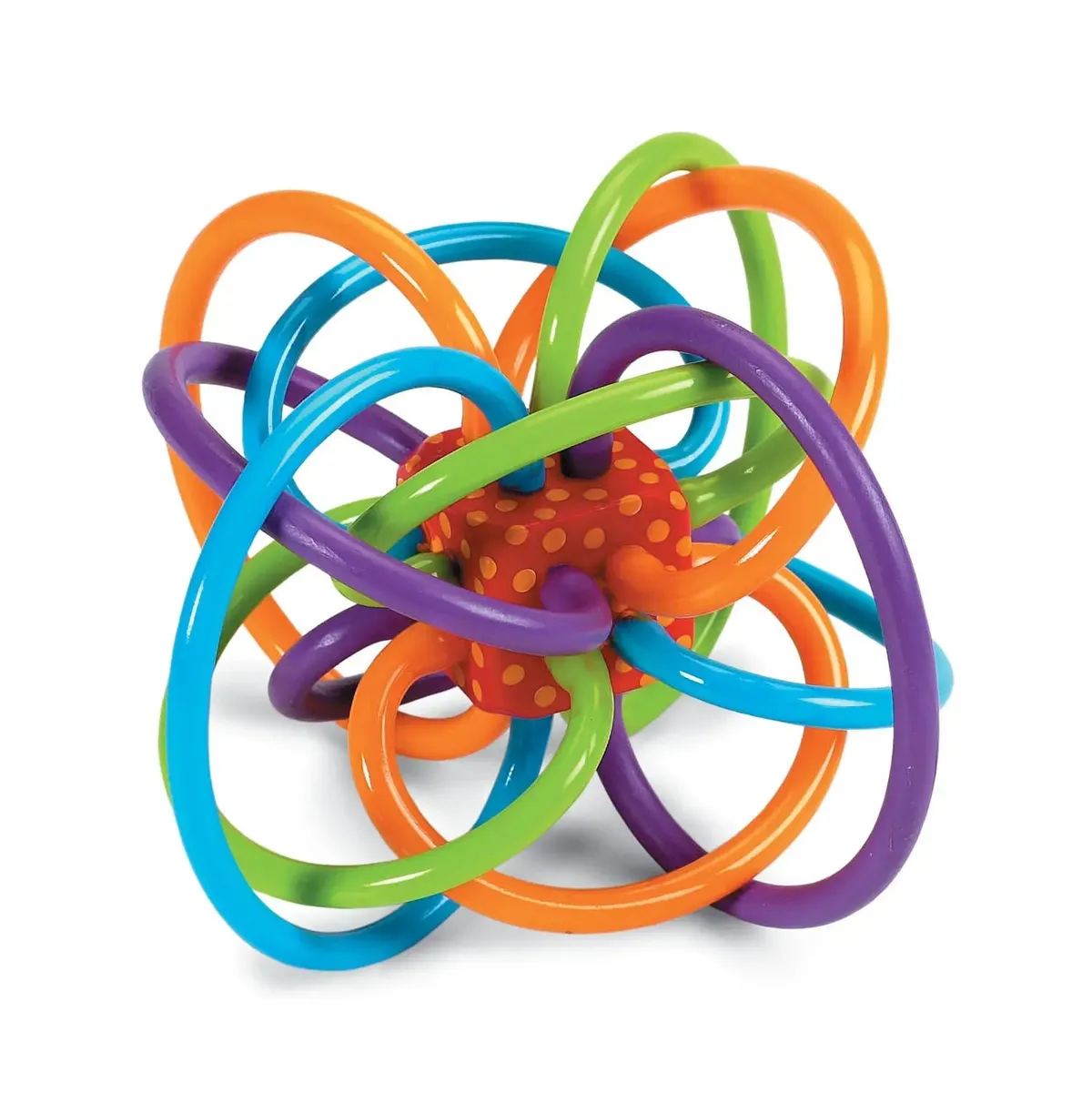
Manhattan Toy Winkel Rattle & Sensory Teether
“Different sensory profile — BPA-free plastic tubes vs wooden dowels. Excellent pairing.”
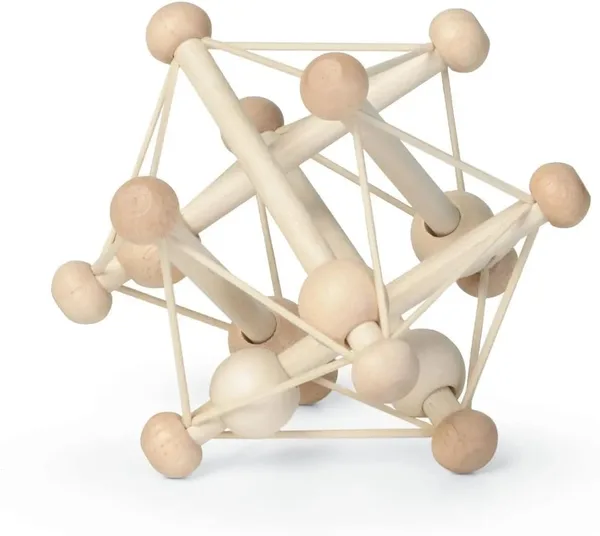
Manhattan Toy Skwish Natural
“Un-dyed rubberwood version for families preferring natural finishes.”
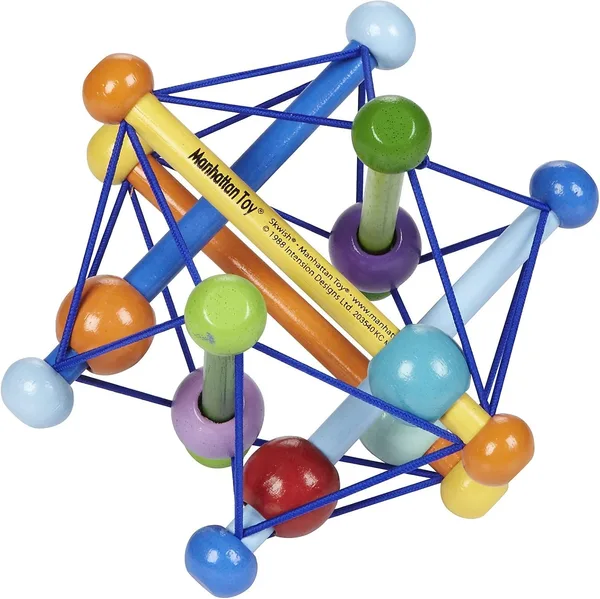
Manhattan Toy Skwish Color Burst
“Vibrant rainbow color variant. Same construction, bolder palette.”
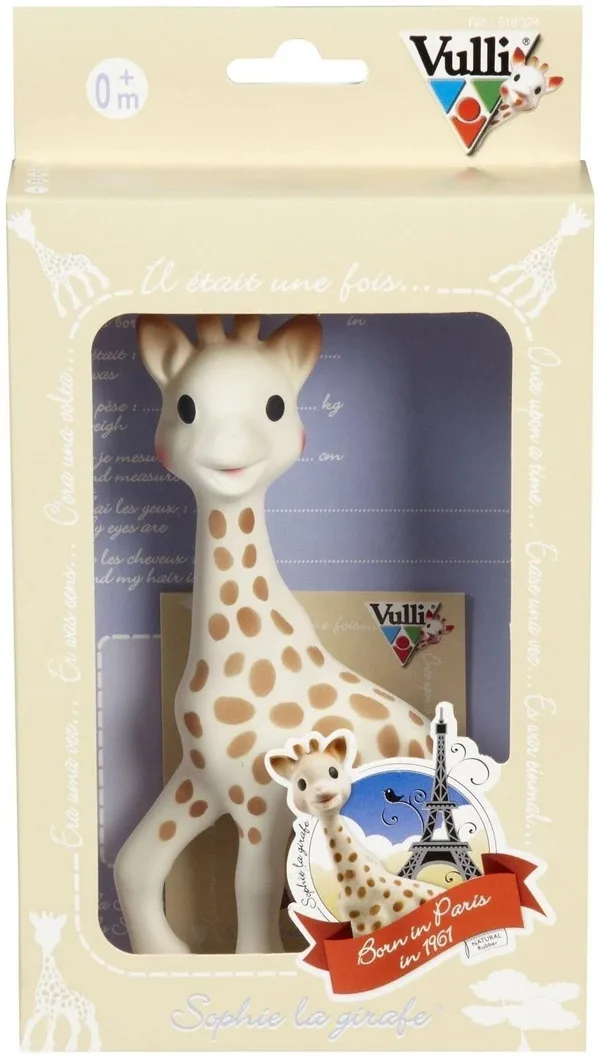
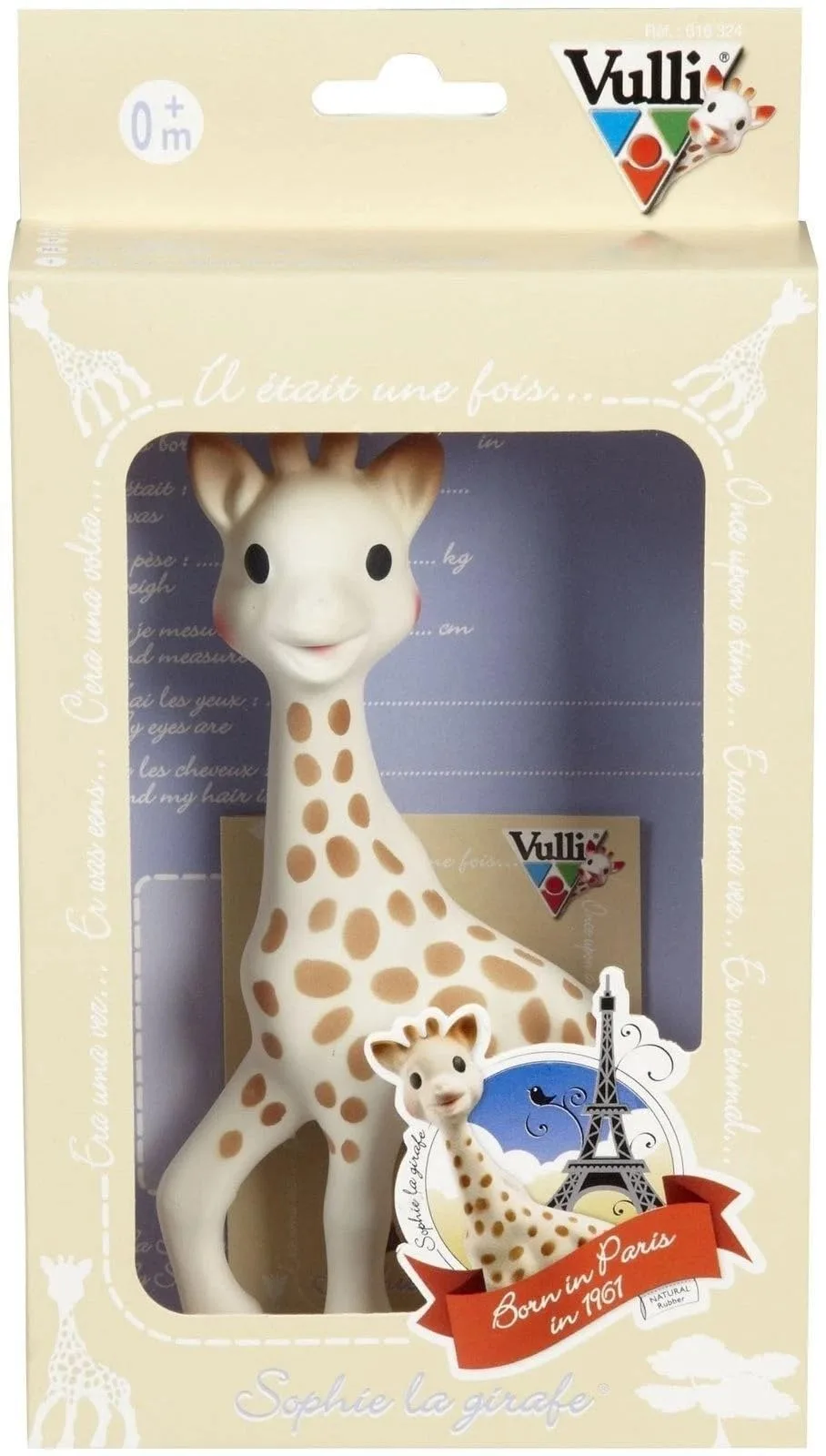
Sophie la Girafe Teether
“Natural rubber teether for tactile variety. Different texture and material.”