ScienceBasedKids.com may earn a commission from affiliate links in this review. Our ratings are never influenced by affiliate relationships. Read our full methodology.
Number puzzles are a staple of toddler education, and Lovevery’s version adds their signature combination of premium materials and developmental staging. The Slide & Seek mechanism — where children slide wooden panels to reveal illustrations showing the quantity each number represents — adds an element of discovery that standard peg puzzles lack.
We tested it for six weeks with toddlers ages 18 months to 30 months, tracking number recognition progress.
Product Overview
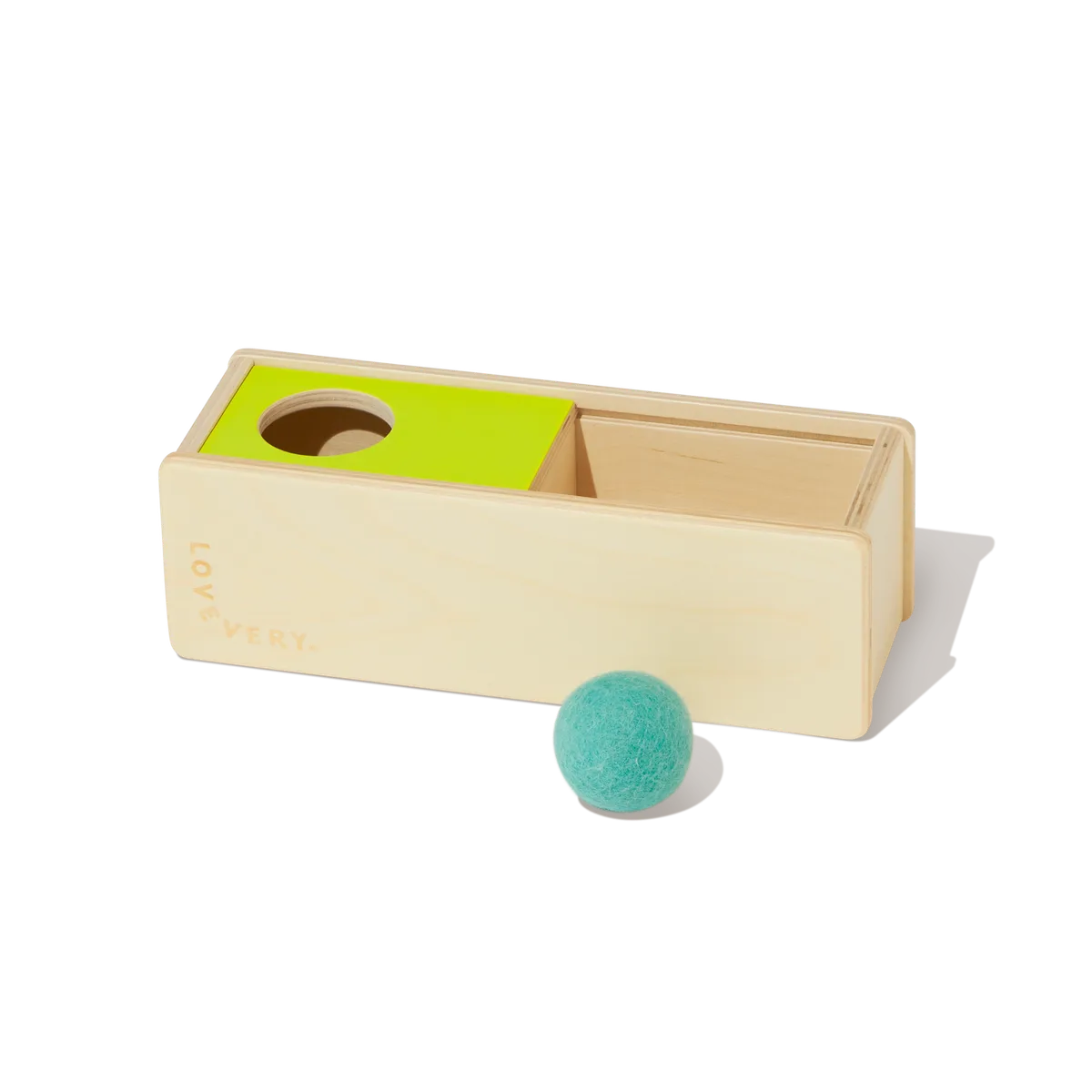
A wooden puzzle board with numbers 1-10. Each number has a sliding panel that reveals a hidden illustration showing the corresponding quantity. FSC-certified wood, water-based non-toxic paint.
Our Evaluation
Build Quality: 9/10
Beautiful Lovevery quality. The sliding mechanism works smoothly. The wood is dense and well-finished. Durable enough for toddler handling.
Play Value: 7/10
The slide-to-reveal mechanism adds genuine engagement beyond standard puzzles. Toddlers in our testing slid panels repeatedly, counting the revealed objects with increasing accuracy. The play is educational but somewhat repetitive — after mastering the numbers, engagement declines.
Age Appropriateness: 8/10
The 18-month to 3-year range is accurate. The sliding mechanism is manageable for 18-month-olds. Number mastery typically occurs by 2.5-3 years.
Value for Money: 6/10
$30 for a number puzzle is premium pricing. Melissa & Doug offers a comparable (though less elegant) number puzzle for $10.
The Evidence
Number recognition in toddlerhood is well-studied. Mix et al. (2002) found that early numerical competence predicts later mathematical achievement.1 Puzzles and manipulatives support number learning through physical interaction.
Safety Notes
All pieces above choking threshold. Non-toxic paint. Meets ASTM F963. No CPSC recalls.
The Verdict
A beautifully made number puzzle with a clever interactive mechanism. The Lovevery premium buys quality and design but doesn’t produce measurably different number learning outcomes compared to budget alternatives.
Product Rating: 7/10 — Excellent quality and clever mechanism. Premium pricing for a common educational category.
Evidence Rating: Emerging — Early number recognition is well-supported as a developmental milestone.
Who Should Buy This
- Lovevery ecosystem families
- Parents who value premium wooden toys
- Gift-givers for 18-month to 2-year-olds
- Families who prefer curated developmental products
Who Should Skip This
- Budget-conscious families — Melissa & Doug puzzles teach the same skills
- Children over 3 who already know their numbers
- Families with extensive puzzle collections
- Parents who prefer DIY number teaching approaches
This review reflects our independent evaluation. ScienceBasedKids.com purchased this product at retail price.
Footnotes
-
Mix, K. S., Huttenlocher, J., & Levine, S. C. (2002). “Quantitative development in infancy and early childhood.” Oxford University Press. ↩
Enjoyed this review? We publish two new evidence-based evaluations every week.
Free. No spam. Unsubscribe anytime.
Recommended Accessories
Affiliate links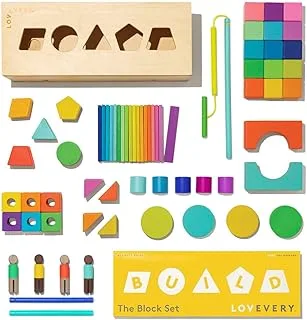
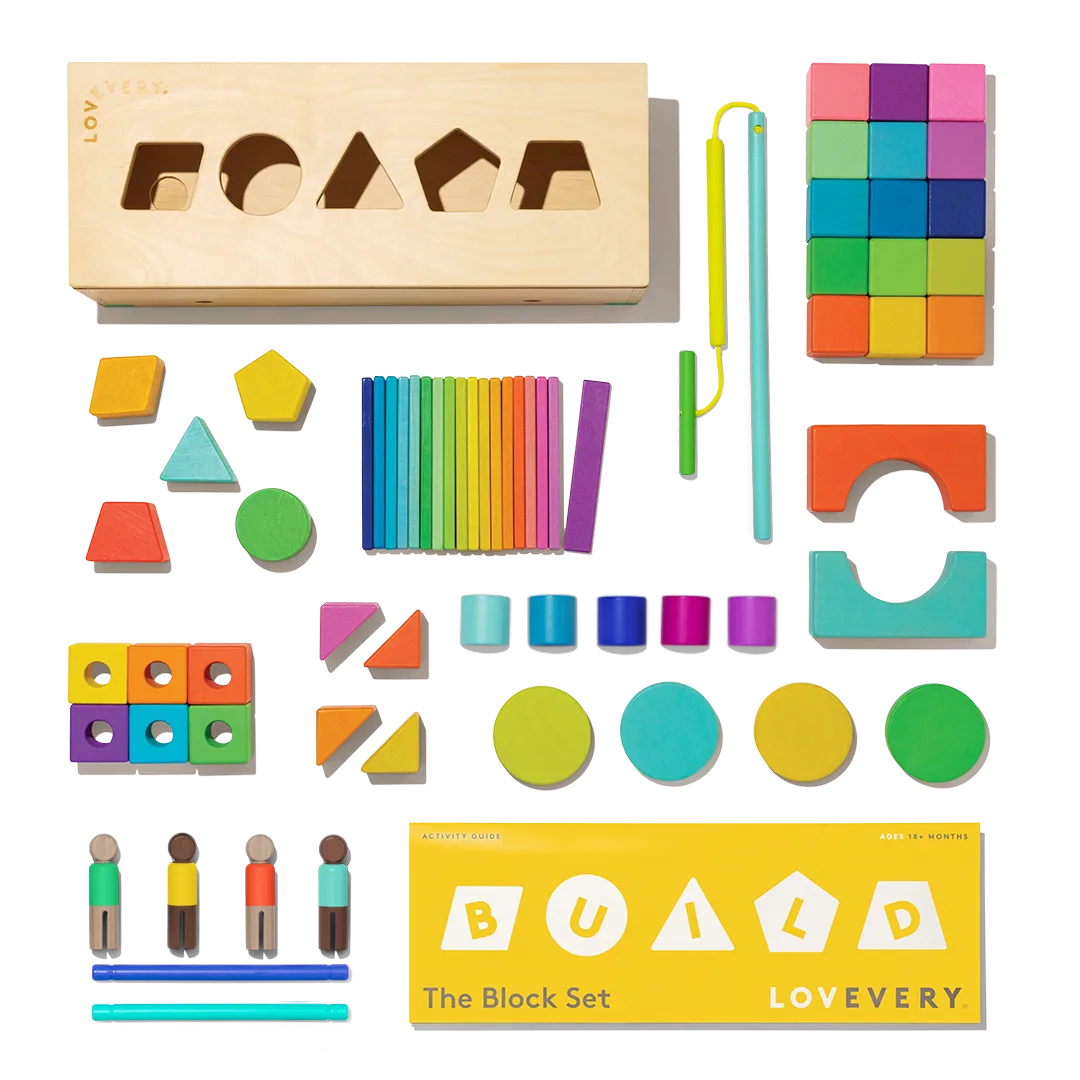
Lovevery Block Set
“Extends the Lovevery ecosystem with open-ended building play.”
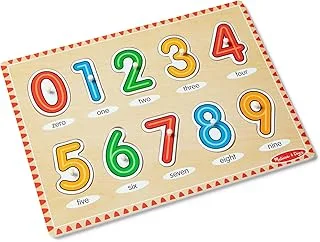
Melissa & Doug See-Inside Numbers Peg Puzzle
“Budget alternative at 1/3 the price. Standard peg puzzle without slide mechanism.”
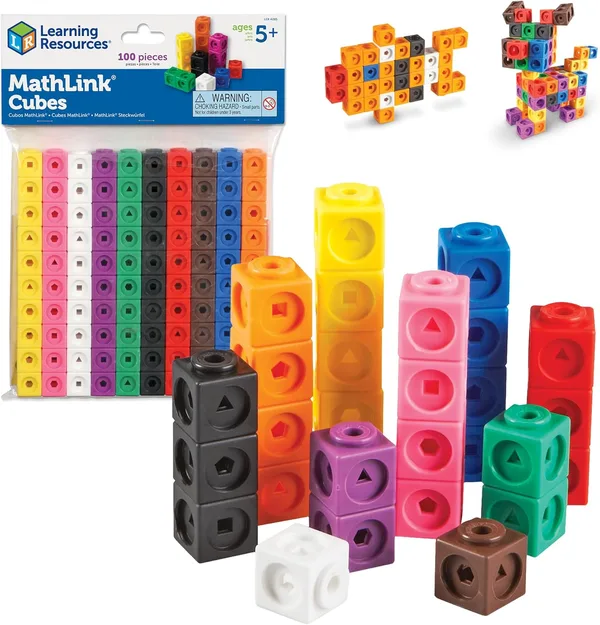
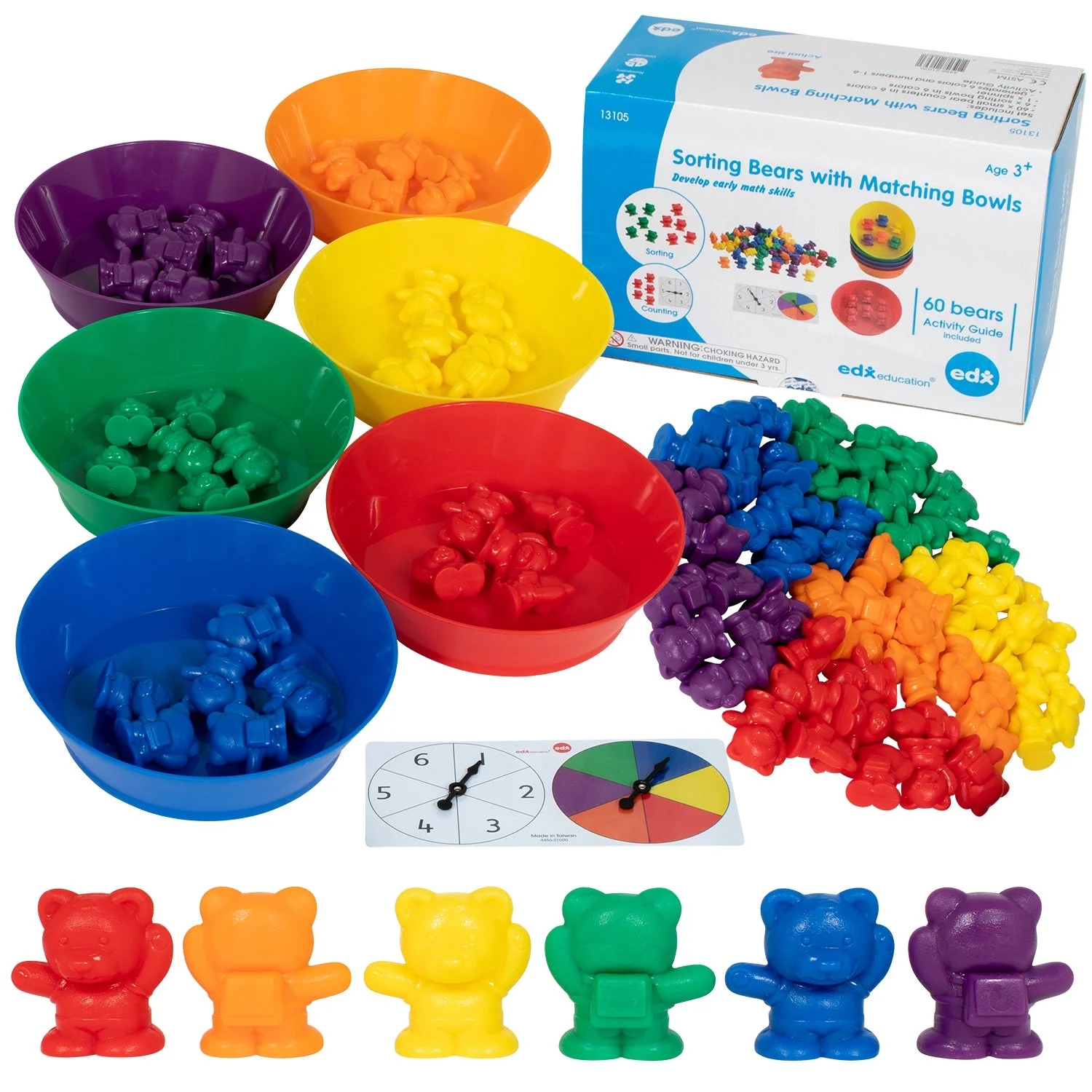
Learning Resources MathLink Cubes (Set of 100)
“Physical counting manipulatives that build on number recognition.”
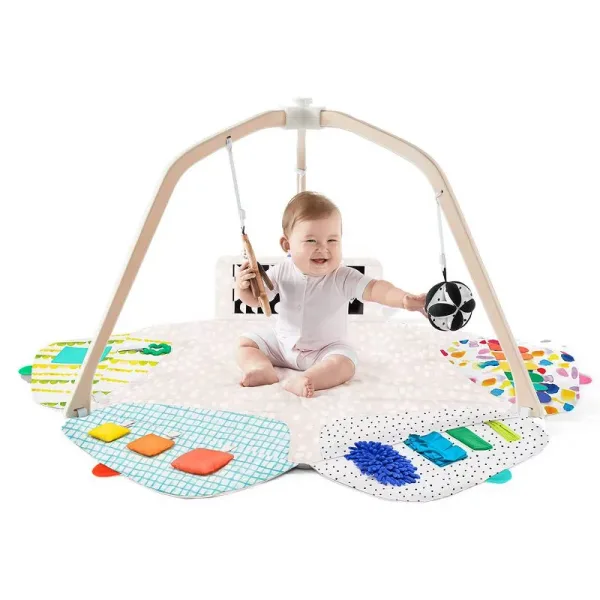
Lovevery Explorer Play Kit
“Continues the Lovevery developmental progression.”