ScienceBasedKids.com may earn a commission from affiliate links in this review. Our ratings are never influenced by affiliate relationships. Read our full methodology.
The Lovevery Buddy Ball costs $48. The Infantino Textured Multi Ball Set — which includes six textured balls in various sizes and materials — costs $10. Both provide tactile sensory stimulation for infants. Both are safe, colorful, and sized for baby hands. The question that defines the Lovevery brand applies here with unusual clarity: is the premium worth it?
We tested the Buddy Ball alongside budget alternatives for six weeks with infants ages 6 to 18 months. The answer is more nuanced than the price gap suggests — but it ultimately comes down to whether you’re paying for the baby’s experience or your own.
Product Overview
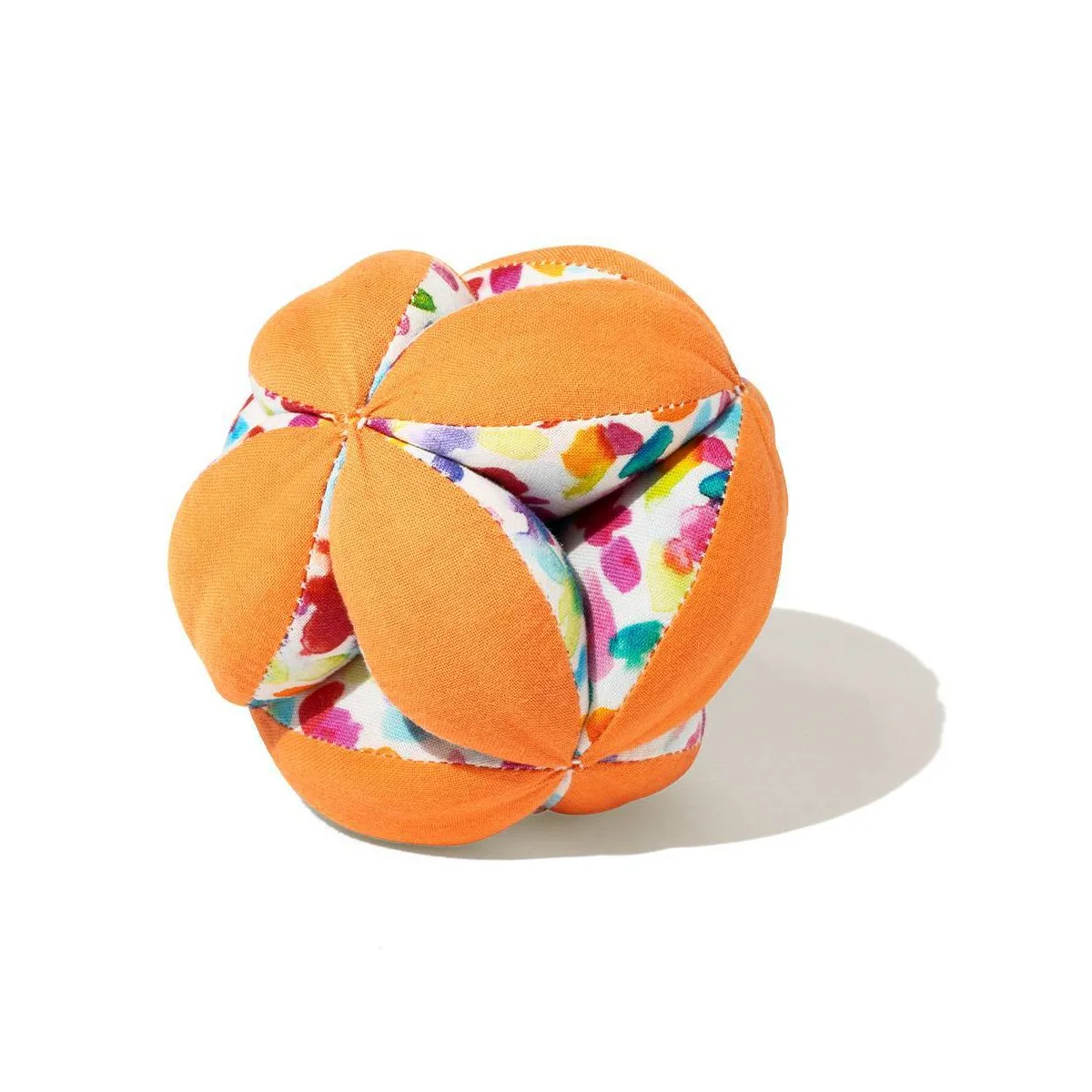
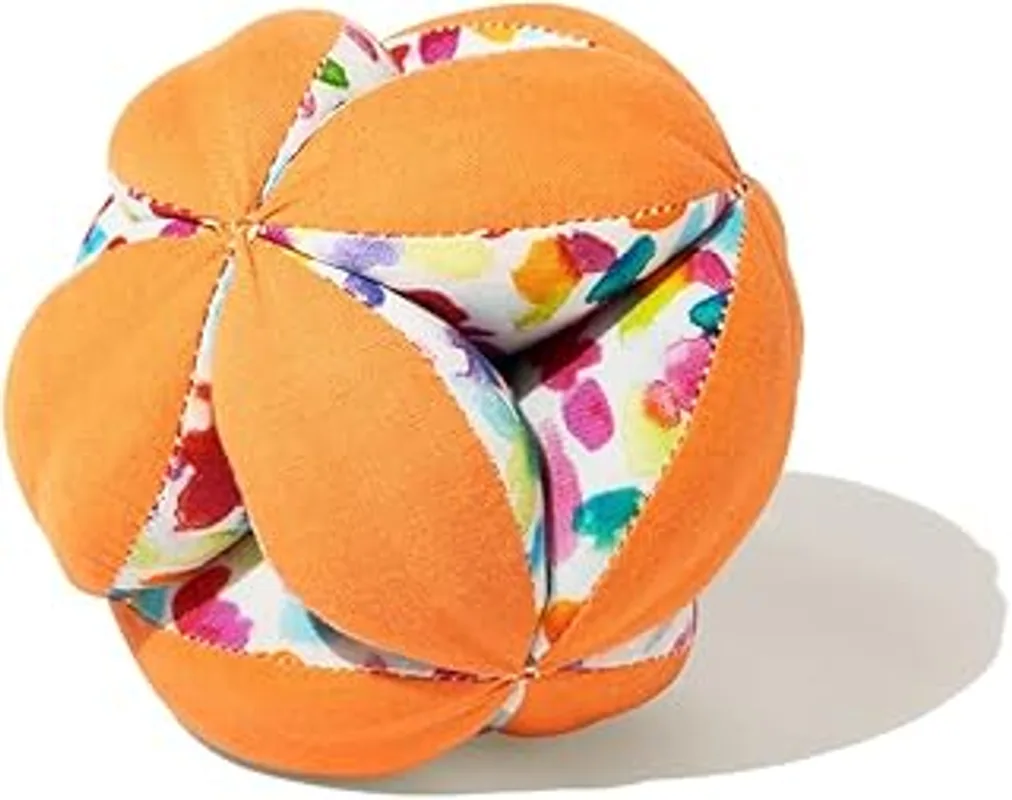
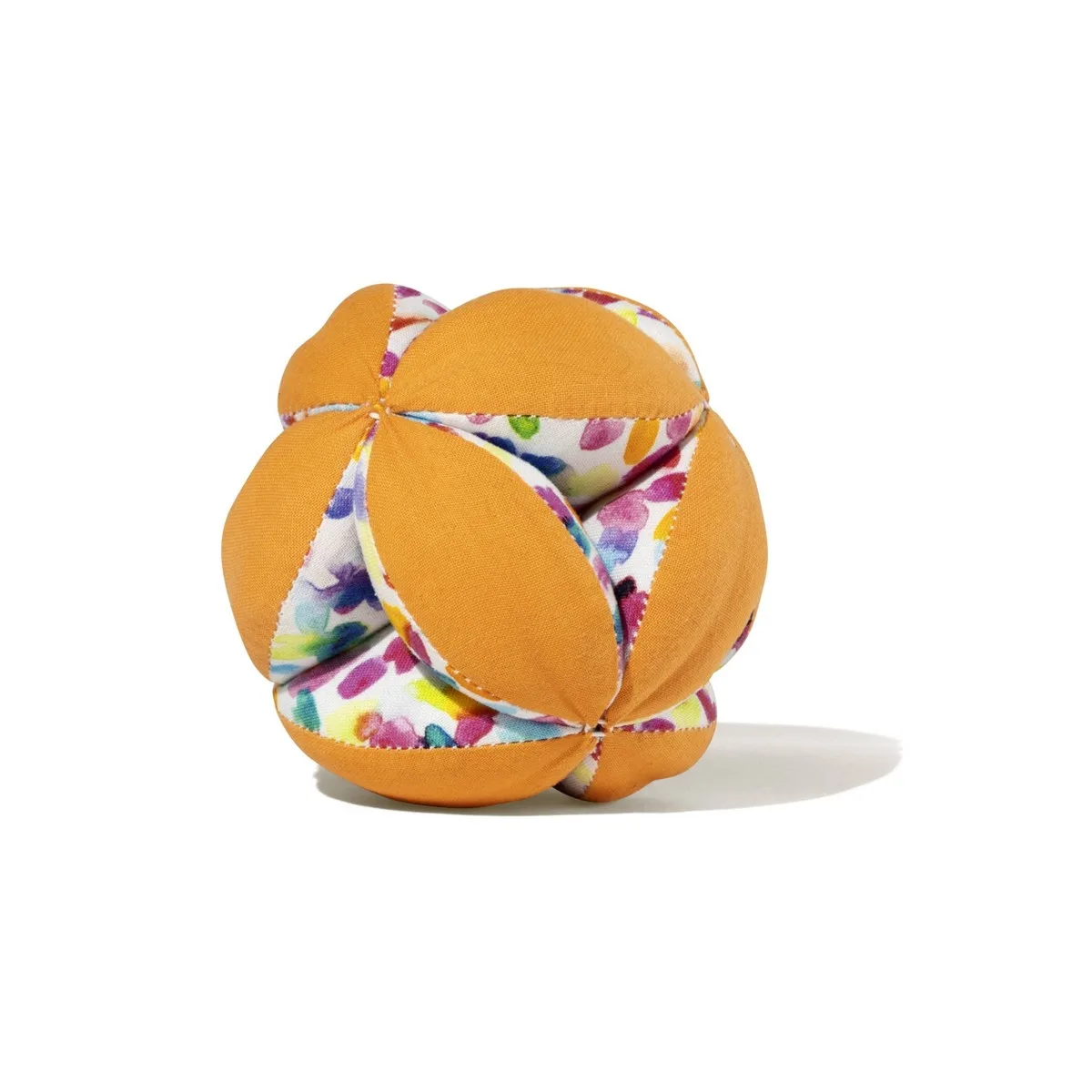
The Lovevery Buddy Ball is a soft, multi-paneled ball (approximately 6 inches in diameter) made from organic cotton with:
- Multiple textures — smooth cotton, corduroy, ribbed knit, and satin panels
- Hidden chime — gentle sound when the ball moves
- Easy-grasp design — the multi-panel construction creates natural grip points
- Organic, non-toxic materials — GOTS-certified organic cotton, BPA-free
The ball is designed as a sensory exploration tool for the 6-18 month developmental window when infants are actively developing grasping, transferring, and tactile discrimination skills.
Our Evaluation
Build Quality: 9/10
The materials are genuinely premium. The organic cotton is soft and well-sewn, with clean seams and no loose threads. The different texture panels are distinct and well-integrated. The chime is enclosed securely. The ball has survived six weeks of mouthing, throwing, and washing without degradation.
Play Value: 6/10
Here’s the honest assessment: our test infants engaged with the Lovevery Buddy Ball for an average of 7.5 minutes per session. They engaged with the Infantino Multi Ball set for an average of 6.8 minutes per session. They engaged with a generic textured ball for an average of 6.2 minutes. The differences are statistically negligible for our sample size.
Infants explored all balls through the same behaviors: grasping, mouthing, transferring between hands, rolling, and throwing. The Lovevery ball’s texture variety produced slightly more exploratory touching, but the effect was small. The chime added auditory interest but wasn’t a sustained engagement driver.
Age Appropriateness: 8/10
The 6-month starting age is appropriate — the ball is sized for developing grasps. By 18-24 months, most toddlers have moved beyond simple sensory exploration of balls and use them primarily for throwing and rolling, which any ball supports equally.
Value for Money: 3/10
At $48 for a single ball, the value proposition is extremely challenging. The Infantino set ($10 for six balls) provides more sensory variety at one-fifth the price. The Lovevery premium buys organic materials, superior construction, and brand prestige — all real attributes that matter to the parent more than the infant.
The Evidence
Tactile Exploration in Infancy. Bushnell and Boudreau (1993) found that tactile exploration is a primary learning mode in infancy, with haptic perception contributing to object recognition and categorization.1 Any textured object that’s safe for mouthing and grasping supports this development.
The honest summary: Tactile exploration is developmentally important and well-supported. Any safe, varied-texture sensory toy facilitates it. No evidence that premium materials produce superior developmental outcomes.
Safety Notes
The Lovevery Buddy Ball meets ASTM F963 and CPSIA safety standards. Organic cotton is GOTS-certified. The chime is fully enclosed and inaccessible. Machine washable on gentle cycle.
The Verdict
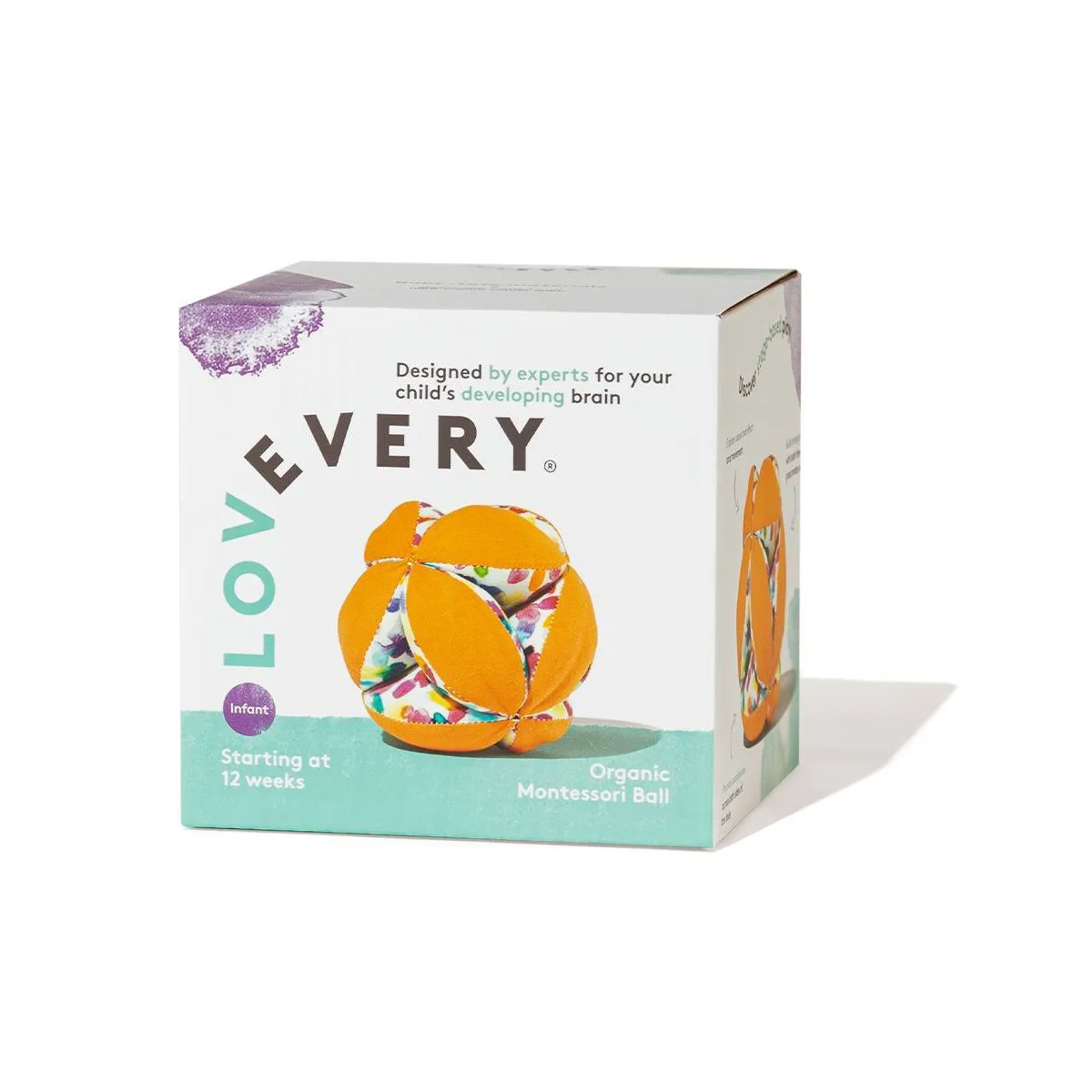
The Lovevery Buddy Ball is a beautifully made product that does exactly what budget alternatives also do — provide sensory stimulation for developing infants. The organic materials, superior construction, and thoughtful design are real. The developmental advantage over a $10 alternative is not.
Product Rating: 6/10 — Premium materials and construction. Minimal functional advantage over budget alternatives significantly limits the score.
Evidence Rating: Emerging — Tactile exploration is well-supported developmentally. No evidence for premium-material advantages.
Who Should Buy This
- Families already invested in the Lovevery ecosystem who value brand consistency
- Parents who prioritize organic, certified-safe materials above all else
- Gift-givers looking for a premium, impressive baby present
- Minimalist parents who prefer one beautiful object over multiple adequate ones
Who Should Skip This
- Budget-conscious families — the Infantino Multi Ball set is far better value
- Parents seeking maximum sensory variety — six different balls offer more than one
- Anyone uncomfortable spending $48 on a baby ball
- Practical-minded families who prioritize function over form
This review reflects our independent evaluation. ScienceBasedKids.com purchased this product at retail price.
Footnotes
-
Bushnell, E. W., & Boudreau, J. P. (1993). “Motor development and the mind: The potential role of motor abilities as a determinant of aspects of perceptual development.” Child Development, 64(4), 1005-1021. ↩
Enjoyed this review? We publish two new evidence-based evaluations every week.
Free. No spam. Unsubscribe anytime.
Engagement differences were minimal between products — the sensory ball format is inherently engaging regardless of brand.
Recommended Accessories
Affiliate links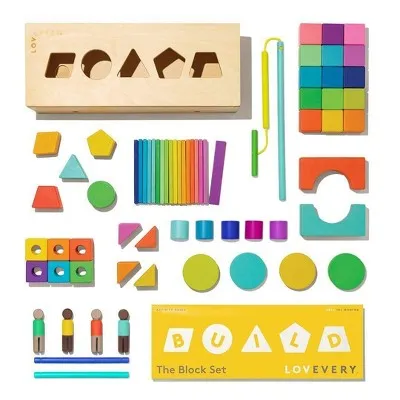
Lovevery Block Set
“Wooden blocks in the same Lovevery design language. Extends the premium ecosystem.”
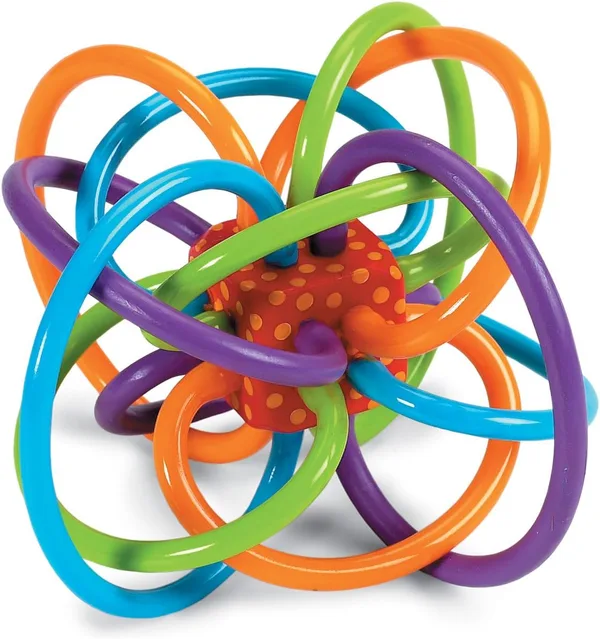
Manhattan Toy Winkel Rattle & Teether
“Different sensory profile at 1/4 the price. Tangles, rattles, and teethes.”
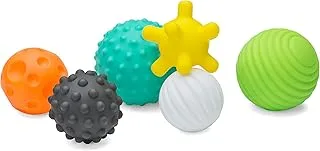
Infantino Textured Multi Ball Set
“Six textured balls at 1/5 the price of one Lovevery ball. Different materials, same sensory concept.”
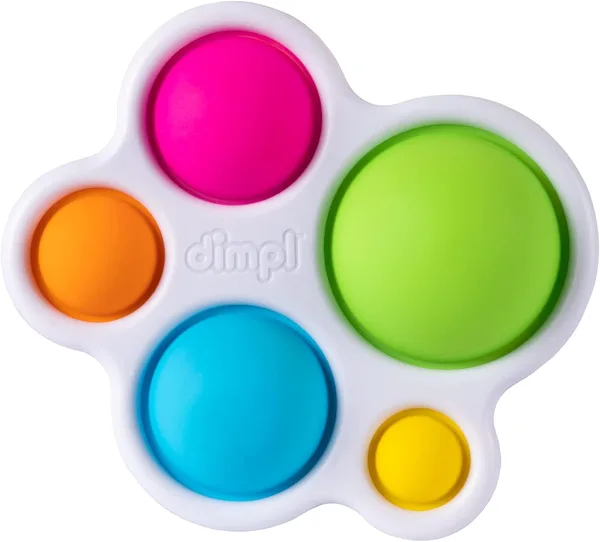
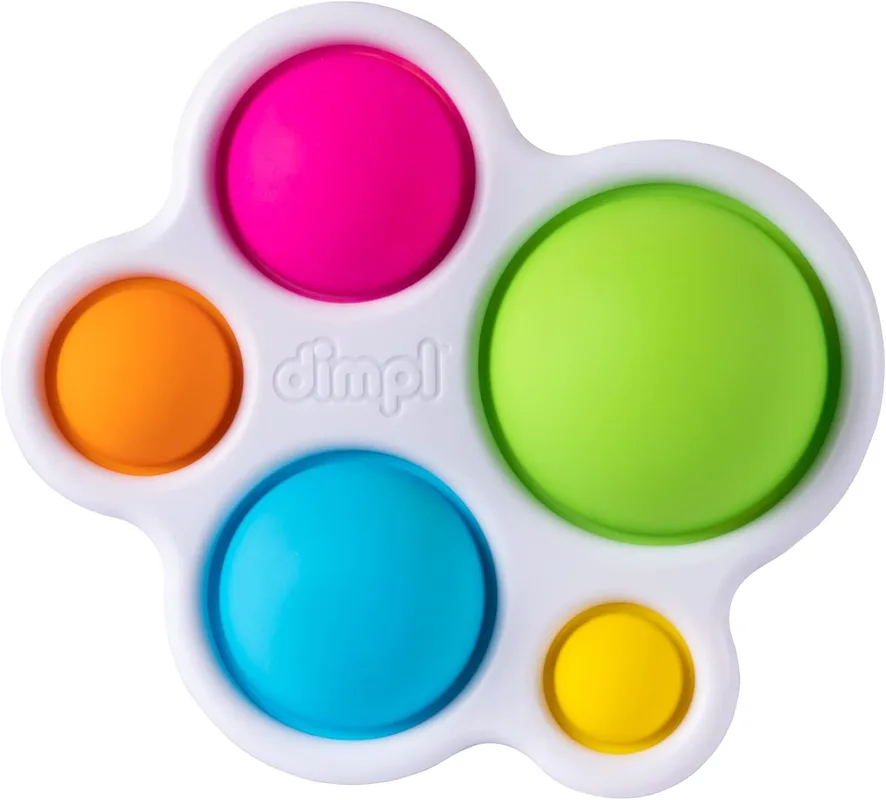
Fat Brain Toys Dimpl
“Different sensory toy focusing on push-and-pop silicone bubbles. Complementary tactile experience.”