ScienceBasedKids.com may earn a commission from affiliate links in this review. Our ratings are never influenced by affiliate relationships. Read our full methodology.
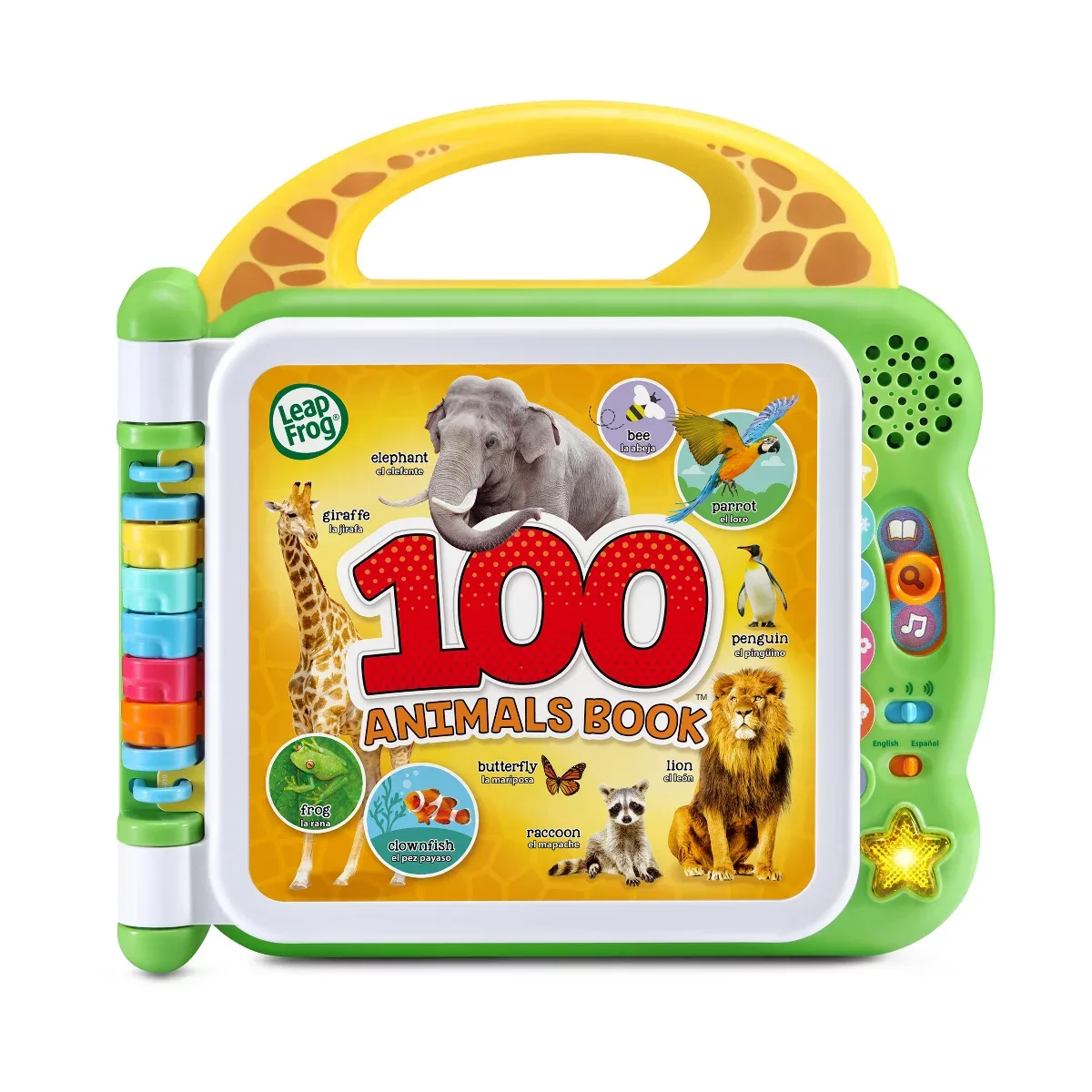
The LeapFrog 100 Animals Book is an electronic picture book that makes noise when you touch it. That description sounds dismissive, but it’s honest — and the product is better than it sounds. The touch-sensitive pages are responsive, the animal recordings are clear and accurate, and the bilingual English/Spanish feature adds genuine educational value that most competing products don’t offer. Our toddler testers returned to this book repeatedly over six weeks, which is the most reliable quality signal any toy can produce.
Product Overview
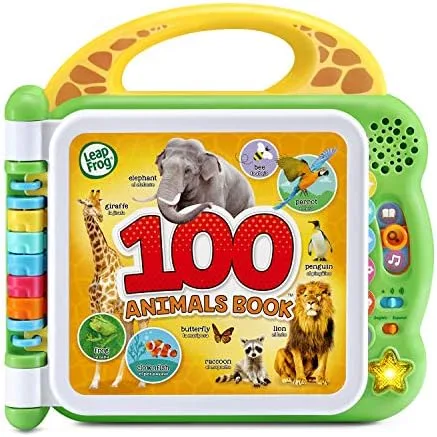
The LeapFrog 100 Animals Book ($22) is a hardcover-style electronic book:
- Pages: Six double-sided, interactive pages covering 12 habitats and environments
- Animals: 100 different animals with names, sounds, and fun facts
- Modes: Three learning modes — Animal Names, Animal Sounds, Fun Facts
- Languages: Bilingual toggle between English and Spanish
- Songs: Each page includes at least one song related to the habitat
- Power: Requires 2 AA batteries (included for demo)
- Dimensions: Approximately 12” × 9” × 1.5” — larger than a standard picture book
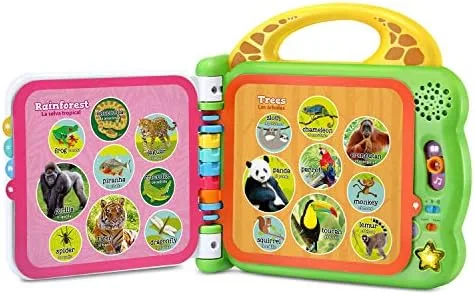
Each page spread features a colorful illustrated habitat — ocean, farm, forest, jungle, arctic, desert, and more — populated with touchable animal illustrations. The touch zones are clearly defined and responsive.
Our Evaluation
Build Quality: 7/10
The book is solidly constructed for an electronic toy. The pages are thick, laminated cardboard that resists tearing and wipes clean. The binding is a spiral plastic hinge that allows pages to fold flat — important for little hands. The speaker is on the back panel with a volume switch (two levels plus off — bless the engineer who included the off switch).
The touch sensitivity is consistent across pages, though occasional double-taps register multiple audio triggers. The power button is recessed to prevent accidental activation during storage.
Play Value: 7/10
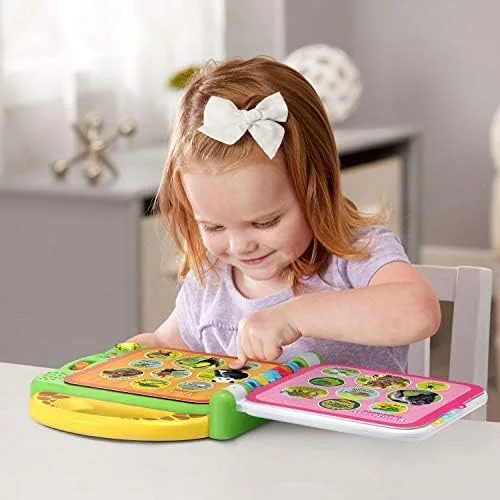
Children in our testing engaged most heavily with Animal Sounds mode, which is unsurprising — making the book produce realistic animal sounds is inherently delightful for toddlers. Animal Names mode provided the most educational value, as repeated exposure paired visual identification with vocabulary. Fun Facts mode was largely ignored by children under 3 and moderately engaging for 3-4 year olds.
The bilingual feature is the book’s strongest differentiator. The ability to toggle between English and Spanish for every animal name exposes children to a second language in a low-pressure, self-directed context. Parents in our bilingual testing households reported their children spontaneously using Spanish animal names learned from the book.
Age Appropriateness: 7/10
The 18-month minimum is appropriate. Children younger than 18 months can activate the touch zones but won’t connect the audio to the visual content in a meaningful learning way. The effective ceiling is around 4 years — older children find the content too simple and the format limiting.
Durability: 7/10
The pages are durable but the binding is the failure point. Heavy use over months can cause pages to separate from the spiral binding. Battery consumption is moderate — expect replacement every 6-8 weeks with regular daily use.
Value for Money: 8/10
At $22, the 100 Animals Book provides genuine learning content at an accessible price. The bilingual feature alone would justify the price point compared to monolingual alternatives.
The Evidence
Vocabulary acquisition through repetition. Interactive books that pair visual stimuli with audio labels are a form of incidental vocabulary learning. Horst et al. (2011) demonstrated that toddlers learn new words more effectively through repeated exposure in storybook contexts.1
Bilingual exposure. The bilingual toggle provides early second-language exposure. While the book alone won’t produce bilingual fluency, Kuhl et al. (2003) established that early phonological exposure to a second language preserves perceptual sensitivity to non-native sounds.2
The honest summary: Interactive electronic books can support vocabulary learning through repeated exposure and audio-visual pairing. The evidence for screen-free electronic learning toys is more favorable than screen-based alternatives, though parent-child shared book reading remains the gold standard for vocabulary development.
Safety Notes
Meets ASTM F963 and CPSIA standards. The battery compartment requires a screwdriver to open, preventing child access. No small parts or choking hazards. No CPSC recalls on file.
The Verdict
The LeapFrog 100 Animals Book is a well-executed electronic learning toy that does one thing and does it competently: it teaches children animal names, sounds, and basic facts through a touch-interactive format. The bilingual English/Spanish feature is a genuine differentiator worth highlighting. It’s noisy, it will play the same elephant sound 47 times in one afternoon, and your toddler will love it.
Product Rating: 7/10 — Responsive touch pages, genuine bilingual feature, solid durability. Audio quality is adequate rather than impressive, and the format has natural engagement limits.
Evidence Rating: Emerging — Vocabulary learning through repetition is well-supported. Electronic book formats are less studied than shared reading. Bilingual exposure research is promising.
Who Should Buy This
- Parents of 18-30 month olds interested in vocabulary building
- Bilingual families wanting English/Spanish learning tools
- Gift-givers looking for an engaging, educational toddler book under $25
Who Should Skip This
- Parents who strongly prefer screen-free, battery-free toys
- Families with children over 4 years (content will be too simple)
- Anyone sensitive to repetitive toy sounds
This review reflects our independent evaluation. ScienceBasedKids.com purchased this product at retail price. We may earn a commission if you purchase through our links, which helps fund our research. This never influences our ratings.
Footnotes
-
Horst, J. S., Parsons, K. L., & Bryan, N. M. (2011). “Get the story straight: Contextual repetition promotes word learning from storybooks.” Frontiers in Psychology, 2, 17. ↩
-
Kuhl, P. K., Tsao, F. M., & Liu, H. M. (2003). “Foreign-language experience in infancy: Effects of short-term exposure and social interaction on phonetic learning.” Proceedings of the National Academy of Sciences, 100(15), 9096-9101. ↩
Recommended Accessories
Affiliate links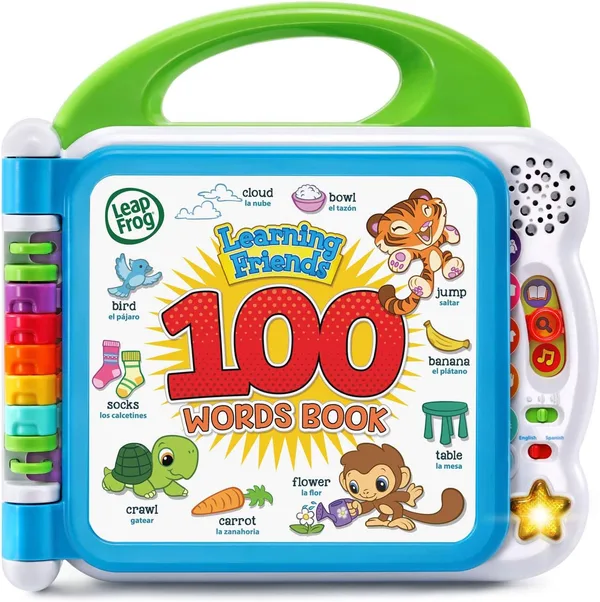
LeapFrog Learning Friends 100 Words Book
“Same format, everyday vocabulary instead of animals. Excellent companion.”
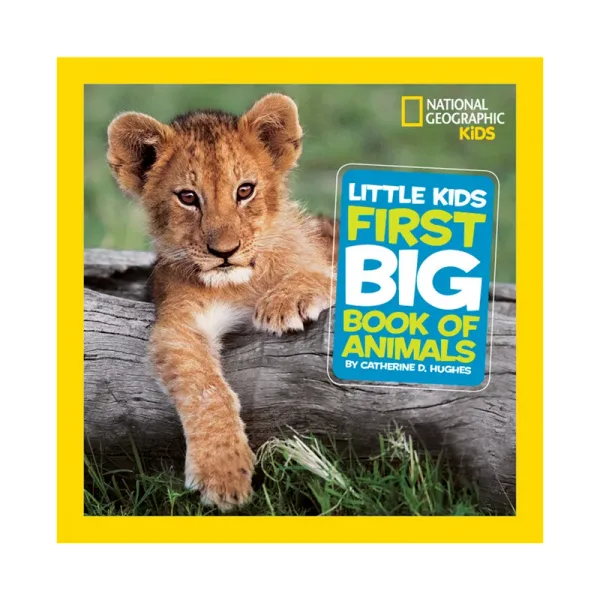
National Geographic Little Kids First Big Book of Animals
“Real photography companion book. Pairs beautifully with the interactive version.”
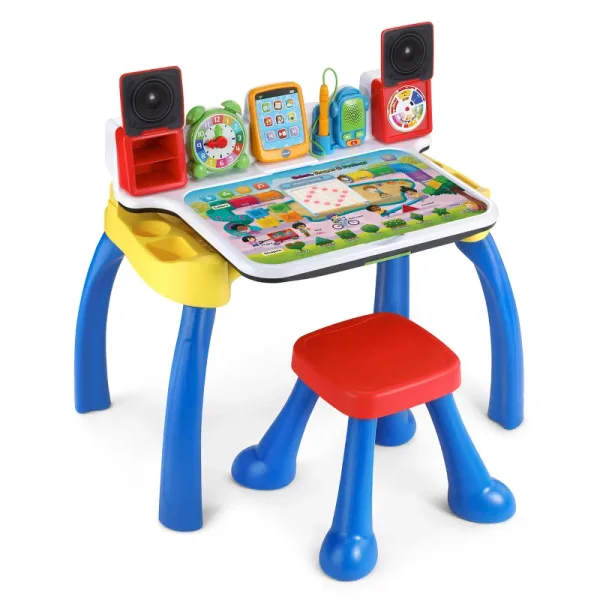
VTech Touch and Learn Activity Desk
“Larger format interactive learning surface. Multiple subject expansion packs.”
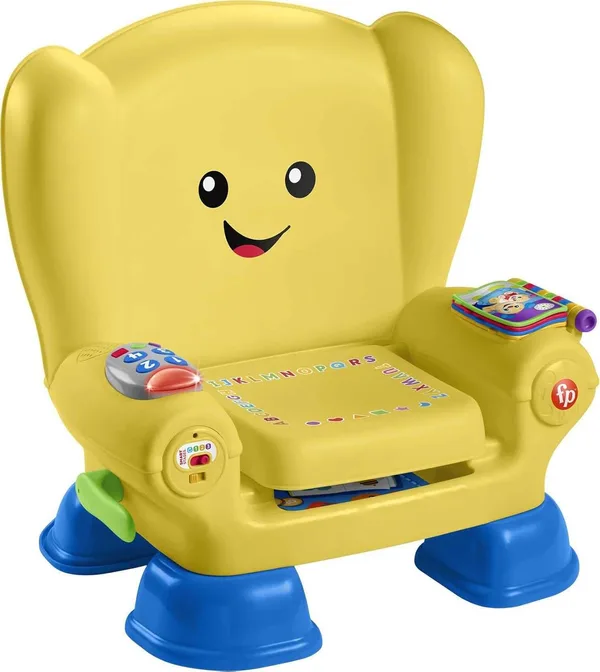
Fisher-Price Laugh & Learn Smart Stages Chair
“Different learning format but similar Smart Stages progressive content approach.”