ScienceBasedKids.com may earn a commission from affiliate links in this review. Our ratings are never influenced by affiliate relationships. Read our full methodology.
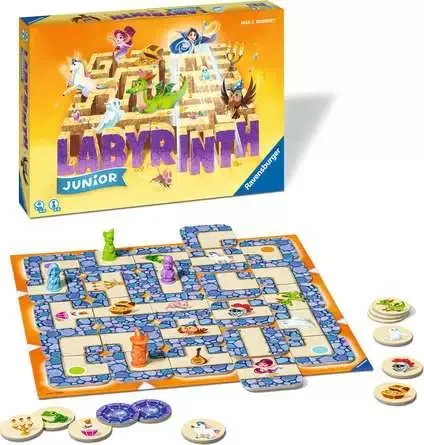
The Labyrinth series is one of Ravensburger’s flagship game families, and the Junior version brings the core mechanic — sliding tiles to change a maze — to ages 5 and up. The spatial reasoning challenge is genuine: before sliding a tile, children must visualize how the shift will affect pathways across the entire board. This mental rotation and spatial transformation is exactly the cognitive skill that developmental research identifies as foundational to STEM aptitude.
We tested Labyrinth Junior for six weeks alongside the classic Labyrinth with children ages 5 through 9.
Product Overview
A 5x5 grid of movable maze tiles with fixed tiles at alternating positions. Players take turns sliding a spare tile into a row or column, shifting the entire row and pushing a tile off the opposite end. Then move your pawn through newly created pathways to collect treasure tokens. First to collect all treasures wins.
Our Evaluation
Build Quality: 8/10
Ravensburger’s standard quality — thick cardboard tiles, sturdy board, well-printed art. The tiles slide smoothly in the board grooves.
Play Value: 7/10
The tile-shifting mechanic is genuinely unique in children’s gaming. Each shift changes the maze in ways that affect all players, creating both strategic opportunity and unpredictability. Children ages 5-6 understand the basic mechanic; ages 7-9 begin to plan shifts that benefit themselves while blocking opponents.
Age Appropriateness: 8/10
The 5+ rating is accurate. The Junior version simplifies the full game with fewer tiles and simpler treasure collection. Younger children grasp the mechanic but miss the strategic depth.
Value for Money: 8/10
$22 for a well-made, replayable spatial strategy game. Good value.
The Evidence
Spatial transformation — visualizing how a physical change affects a system — is a core spatial reasoning skill. Uttal et al. (2013) found spatial skills are malleable and trainable.1 The Labyrinth mechanic provides repeated practice in exactly this type of spatial transformation.
Safety Notes
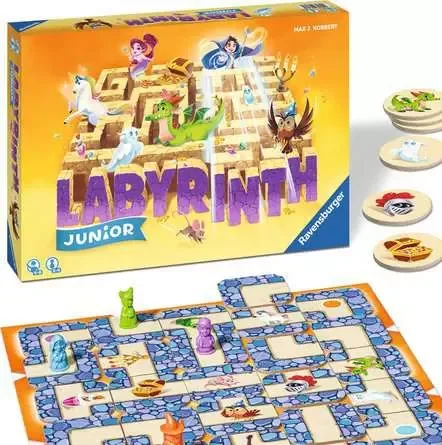
Small treasure tokens — not for children under 3. Meets standard safety certifications. No CPSC recalls.
The Verdict
A well-designed junior strategy game that genuinely develops spatial transformation skills through an engaging maze mechanic.
Product Rating: 7/10 — Good spatial reasoning game. Limited depth compared to the classic version.
Evidence Rating: Emerging — Spatial reasoning through game play is well-supported.
Who Should Buy This
- Families with children ages 5-8 ready for spatial strategy games
- Parents seeking alternatives to standard board games
- Families who love the classic Labyrinth and want a version for younger players
- Gift-givers for kindergarten-age children
Who Should Skip This
- Children over 9 — the classic Labyrinth is better
- Families seeking cooperative rather than competitive games
- Children who prefer physical activity over board games
- Anyone who already owns the classic Labyrinth (it serves ages 7+)
This review reflects our independent evaluation. ScienceBasedKids.com purchased this product at retail price.
Footnotes
-
Uttal, D. H., et al. (2013). “The malleability of spatial skills.” Psychological Bulletin, 139(2), 352-402. ↩
Enjoyed this review? We publish two new evidence-based evaluations every week.
Free. No spam. Unsubscribe anytime.
Recommended Accessories
Affiliate links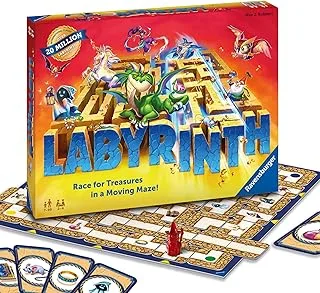
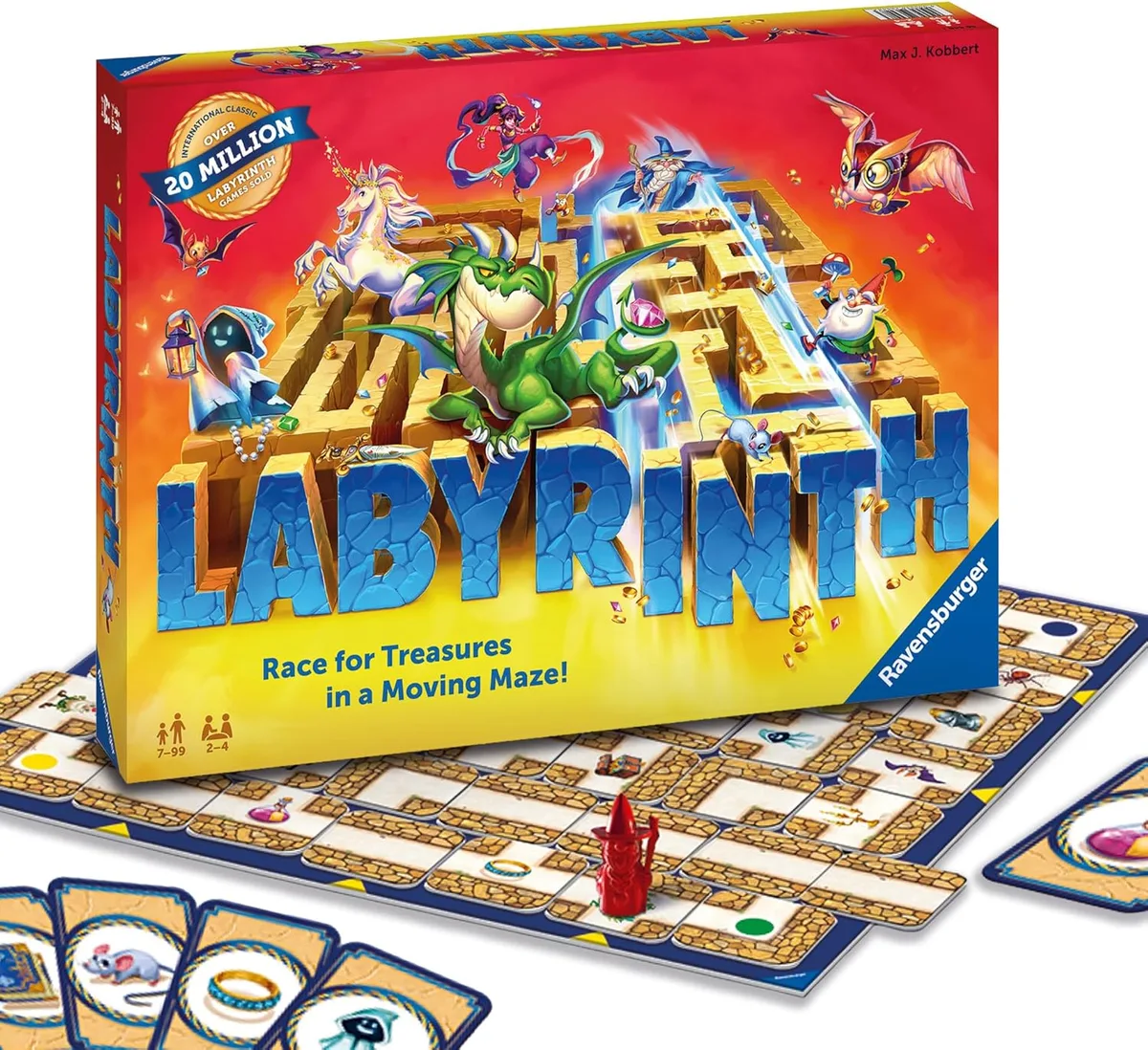
Ravensburger Labyrinth (Classic)
“The full-size version for when kids outgrow Junior. More tiles, more strategy.”
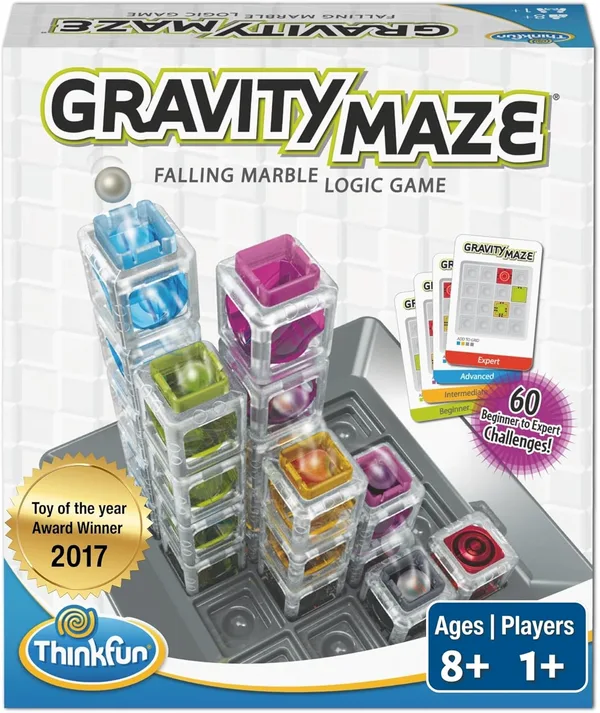
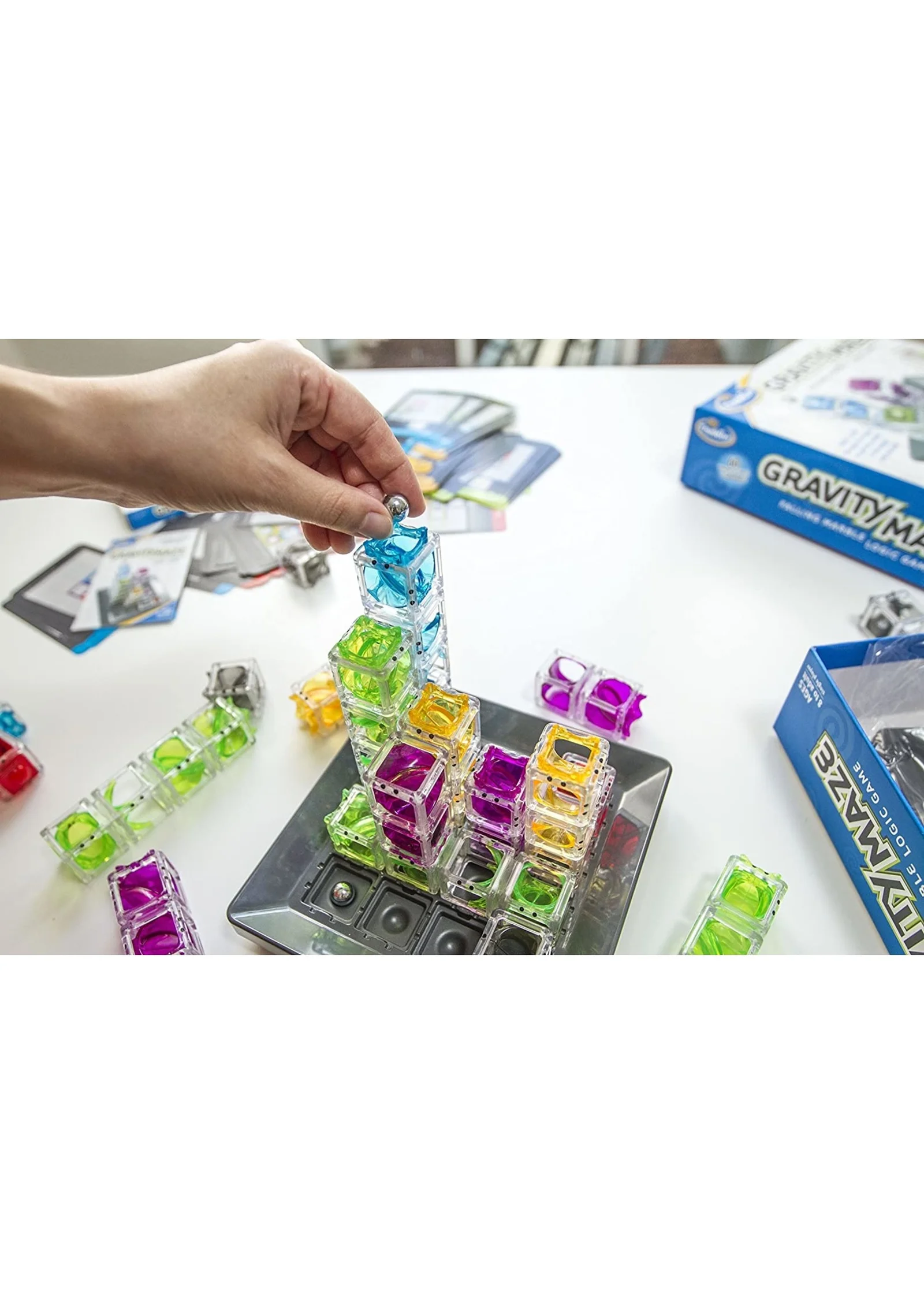
ThinkFun Gravity Maze
“Different spatial reasoning puzzle — marble run logic rather than maze navigation.”
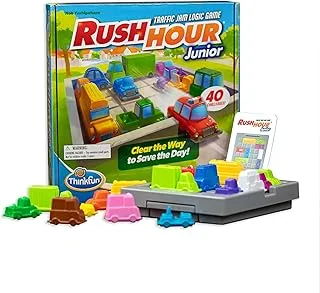
ThinkFun Rush Hour Jr.
“Solo spatial puzzle alternative. Different format, similar cognitive engagement.”
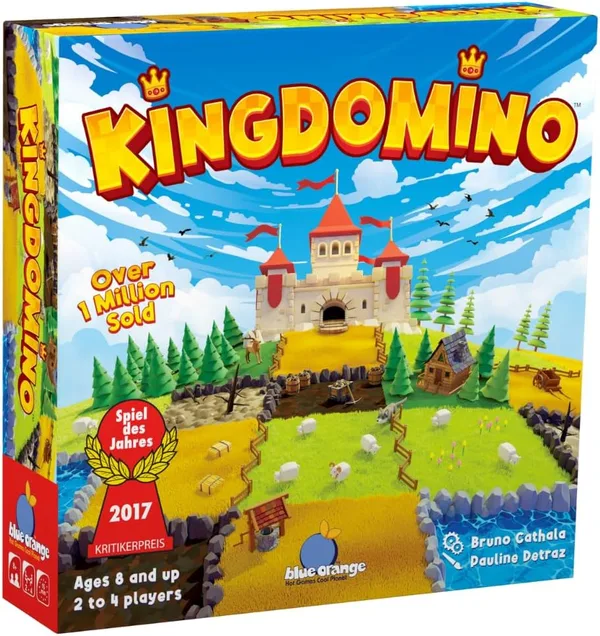
Kingdomino
“Another tile-based strategy game with spatial planning requirements.”