ScienceBasedKids.com may earn a commission from affiliate links in this review. Our ratings are never influenced by affiliate relationships. Read our full methodology.
Most board games require sitting still. For preschoolers with boundless energy, this is a contradiction — the game demands stillness while their bodies demand movement. Hedgehog Hop resolves this by making movement the game mechanic. Roll the die, perform the physical action, advance the hedgehog. Everyone hops, spins, and stretches together. Everyone wins or loses together.
We tested it for six weeks with children ages 3 through 5.
Product Overview
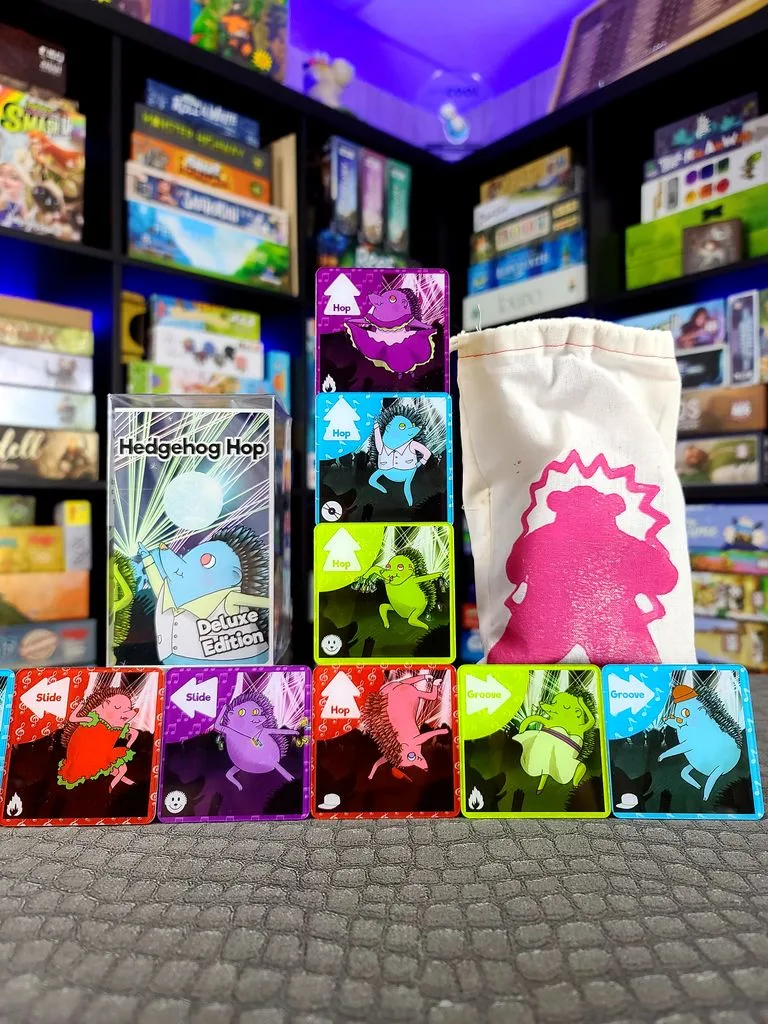
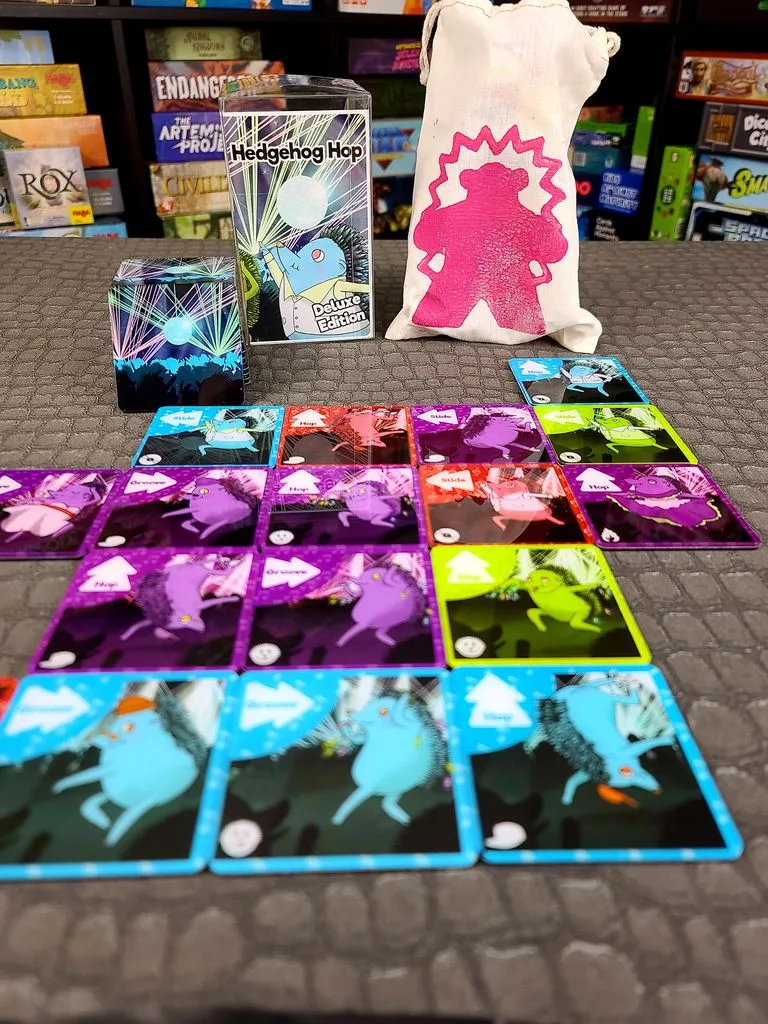
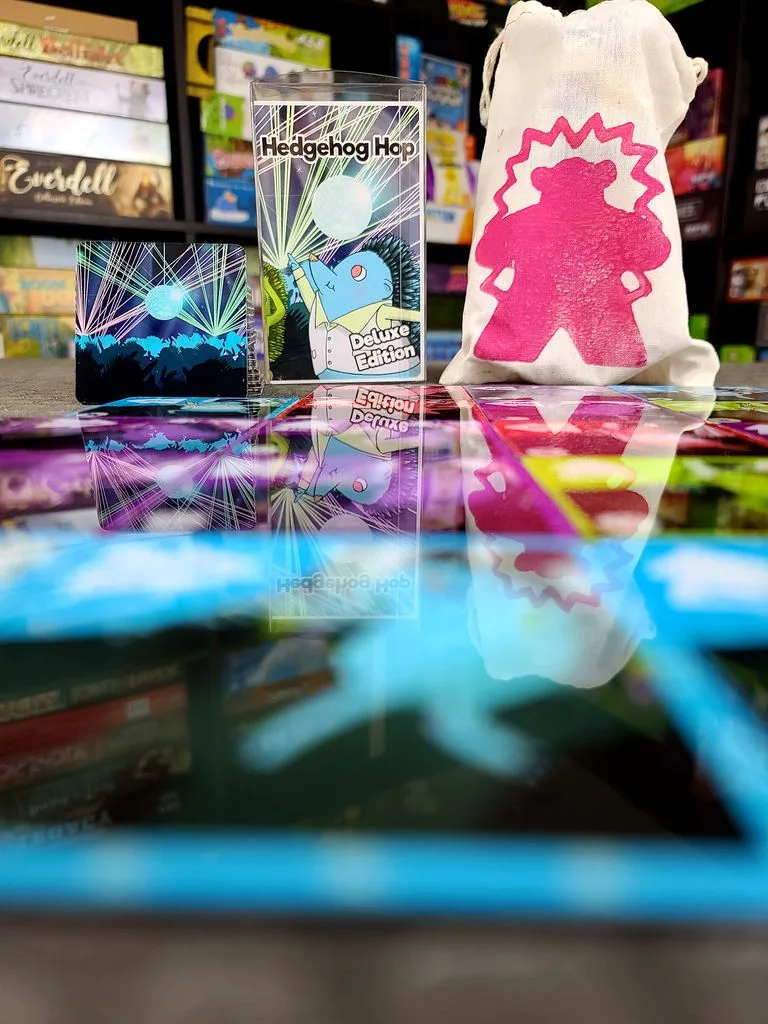
A cooperative game with a movement die showing physical actions (hop, spin, stretch, wiggle, freeze, player’s choice), a color die for hedgehog advancement, hedgehog tokens, and a path board.
Our Evaluation
Build Quality: 7/10
Standard Peaceable Kingdom quality — sturdy cardboard, colorful art, durable dice.
Play Value: 8/10
The movement element transforms game time into physical activity time. Children in our testing were significantly more engaged than during seated games of similar complexity. The cooperative structure means the movement is shared and celebratory rather than competitive.
Age Appropriateness: 9/10
Ages 3-6. The physical actions are simple enough for 3-year-olds. The cooperative structure prevents meltdowns.
Value for Money: 8/10
$20 for a game that provides physical activity and cooperative play simultaneously.
The Evidence
Cooperative games promote prosocial behavior (Orlick, 1981).1 Physical activity in preschoolers supports motor development and self-regulation (Becker et al., 2014).2 Hedgehog Hop combines both.
Safety Notes
Ensure adequate play space for movement activities. No choking hazards. No CPSC recalls.
The Verdict
A clever hybrid that combines cooperative board game structure with physical movement. Ideal for energy-loaded preschoolers.
Product Rating: 7/10 — Innovative format combining cooperative play and movement. Limited strategic depth.
Evidence Rating: Emerging — Cooperative play and physical activity are individually well-supported.
Who Should Buy This
- Families with high-energy preschoolers
- Parents seeking active alternatives to sedentary games
- Cooperative game collections expanding beyond seated games
- Preschool teachers and playgroups
Who Should Skip This
- Families in small spaces — movement requires room
- Children over 6 who want more strategic depth
- Families seeking purely cerebral gaming experiences
- Parents who prefer to keep game time calm
This review reflects our independent evaluation. ScienceBasedKids.com purchased this product at retail price.
Footnotes
Recommended Accessories
Affiliate links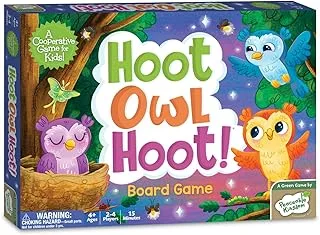
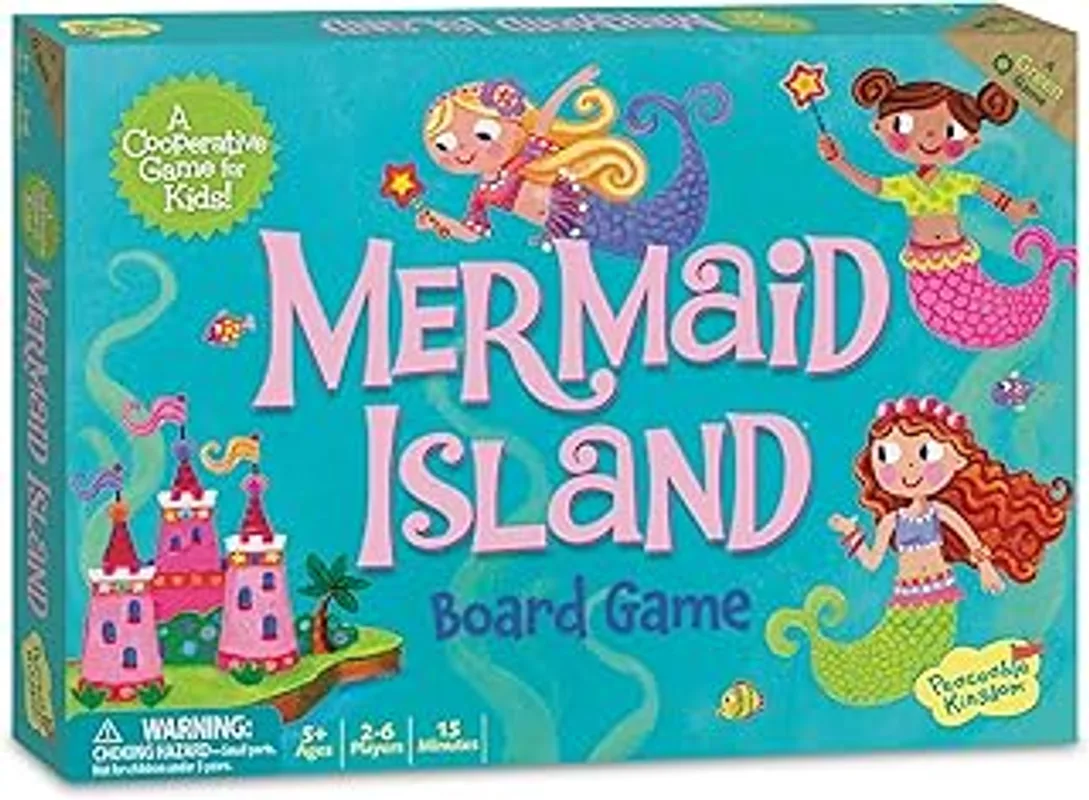
Peaceable Kingdom Hoot Owl Hoot
“Seated cooperative game that pairs well with Hedgehog Hop for variety.”
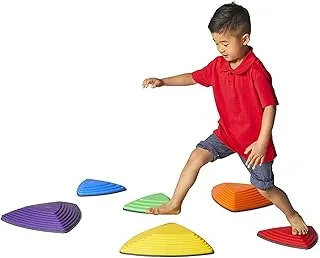
Gonge Riverstones (6-pack)
“Physical balance equipment that extends the movement play concept.”
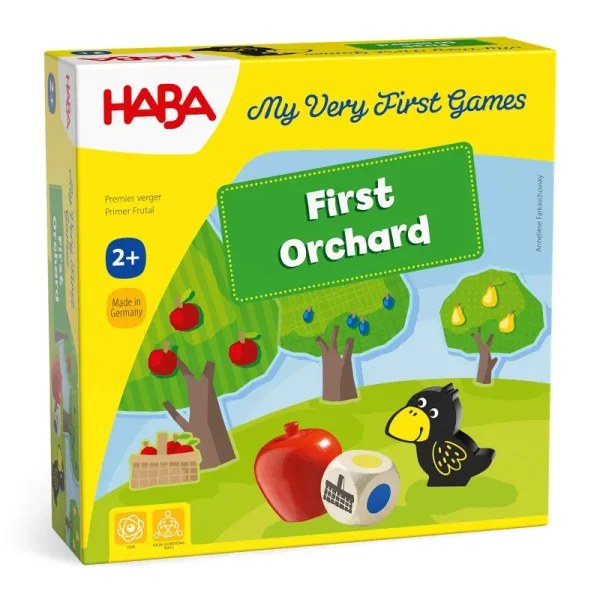
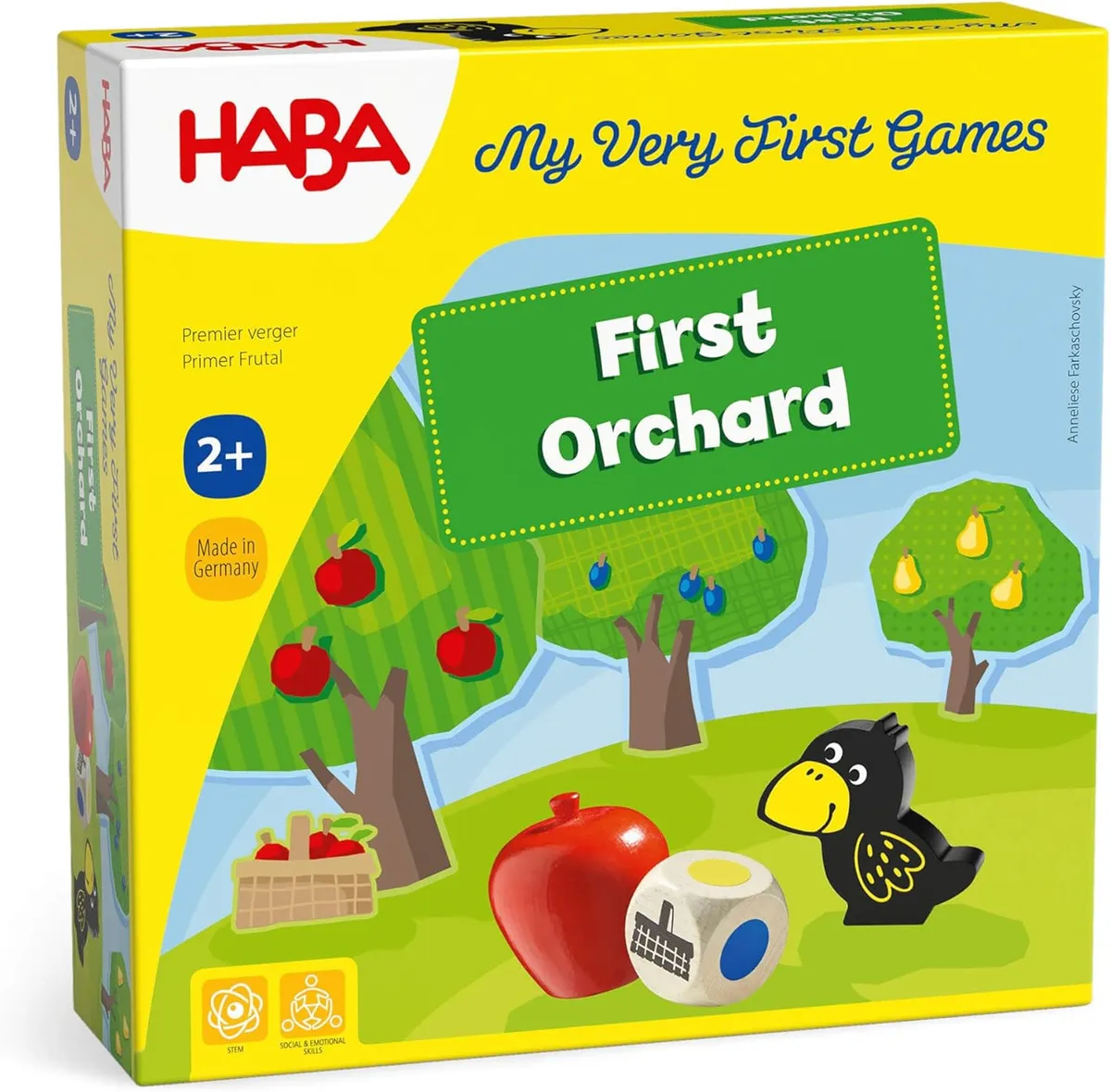
HABA First Orchard
“Seated cooperative alternative. Same age range, different play format.”
ThinkFun Yoga Spinner Game
“Another movement game with yoga poses. Different physical vocabulary.”