ScienceBasedKids.com may earn a commission from affiliate links in this review. Our ratings are never influenced by affiliate relationships. Read our full methodology.
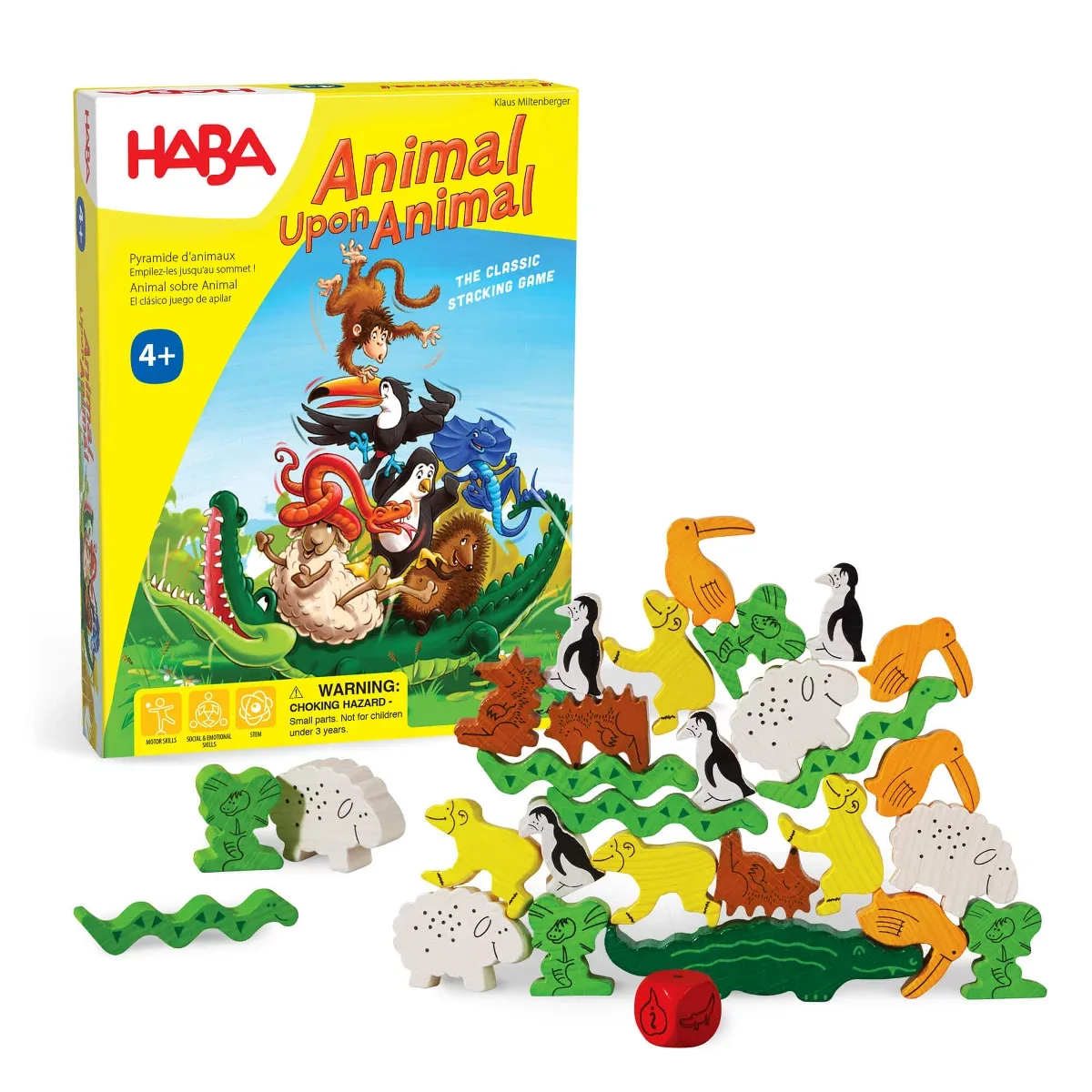
HABA has been making wooden games in Germany since 1938, and Animal Upon Animal is their crown jewel — a dexterity stacking game that has been in continuous production since 2005 and has won enough awards to fill a shelf. The concept is deceptively simple: stack wooden animals on top of each other without the tower falling. What makes it interesting is that every animal is a different shape — a flat snake, a pointy hedgehog, a curved penguin, a blocky sheep — and each shape creates unique stacking challenges. It’s a physics lesson disguised as a party game.
We tested Animal Upon Animal across four households with children ages 3.5 to 9 and multiple adult players over six weeks.
Product Overview
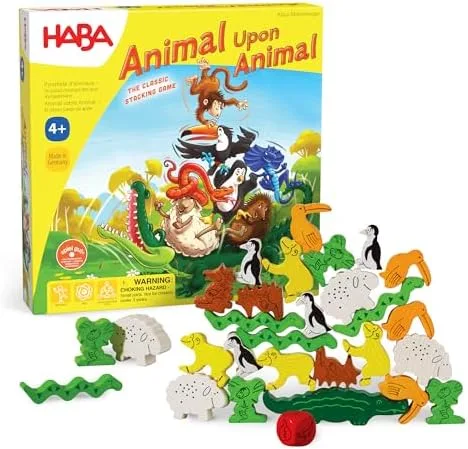
HABA Animal Upon Animal ($25) is a wooden dexterity game for 2-4 players:
- Animals: 29 hand-painted wooden animals in seven species (hedgehog, penguin, toucan, monkey, snake, sheep, lizard) plus one alligator base
- Die: One custom wooden die determining placement rules
- Rules: Players take turns placing animals on the growing stack based on die results
- Game length: 10-15 minutes
- Player count: 2-4 (works best with 3-4)
- Material: Beech wood with non-toxic water-based stain, made in Germany
The die determines each turn: place one animal, place two animals, give an animal to another player, or place an animal extending from the alligator base. The player who successfully places all their animals first wins.
Our Evaluation
Build Quality: 9/10
HABA’s wood quality is the gold standard in the children’s game industry. The beech wood animals are heavy, smooth, and beautifully finished. The paint application is precise, with each animal having genuine character. The pieces feel like objects worth keeping — they have the heft and finish of collectibles rather than disposable game tokens.
Play Value: 9/10
Animal Upon Animal generates something rare in children’s games: genuine physical comedy. When a carefully placed toucan tips the stack and seven animals cascade across the table, everyone laughs — winners and losers alike. The dexterity challenge is real but accessible, the die mechanic adds just enough randomness to prevent skill-dominant outcomes, and the short game length (10-15 minutes) is perfectly calibrated for the attention span of 4-8 year olds.
The game also scales naturally with age. Young players develop basic stacking skills. Older players develop strategic thinking about which animals to place and where. Adults can play competitively against children without feeling patronized.
Age Appropriateness: 8/10
The 4+ rating is accurate. Three-year-olds in our testing could physically stack animals but struggled with the turn-taking and rule-following structure of the game. The game remains engaging through age 8-9 and works as a family game with adult players.
Durability: 9/10
Beech wood construction with water-based stain is exceptionally durable. The animals showed no wear during six weeks of regular play. The die survived repeated rolling. The only durability concern is losing pieces — 29 small wooden animals can migrate to unexpected locations in a family home.
Value for Money: 8/10
At $25 for a hand-painted wooden game from Germany, the value is excellent. The replayability is high, the components are beautiful, and the game spans 4-5 years of the family game library.
The Evidence
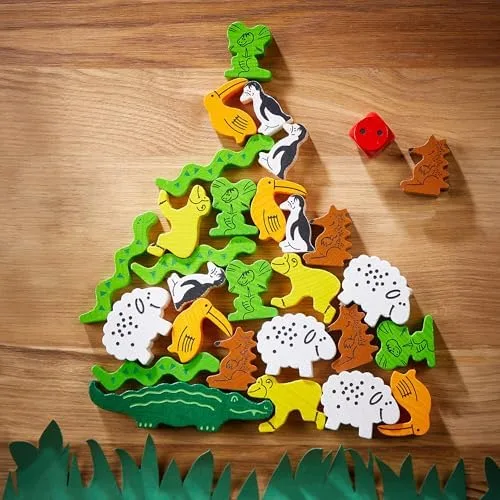
Dexterity games and fine motor development. Stacking tasks requiring precision placement support fine motor skill development. The asymmetric animal shapes add a spatial reasoning component — children must evaluate surfaces, balance points, and placement angles.
Turn-taking and social development. Board games that require turn-taking, rule-following, and graceful losing support social-emotional development. Ramani and Siegler (2008) documented how structured game play supports numerical and social skills in preschoolers.1
Spatial reasoning through 3D manipulation. The stacking challenge requires mental rotation and spatial evaluation — placing a 3D object on an irregular 3D surface requires the same spatial skills documented by Newcombe and Frick (2010) as important for STEM readiness.2
The honest summary: Dexterity games combine fine motor, spatial reasoning, and social skill development. Animal Upon Animal is an excellent example of the genre.
Safety Notes
Meets EN-71 European safety standards and ASTM F963. Non-toxic water-based stains. All pieces are too large for choking hazard classification. Made in Germany with HABA’s stringent quality control. No CPSC recalls on record.
The Verdict
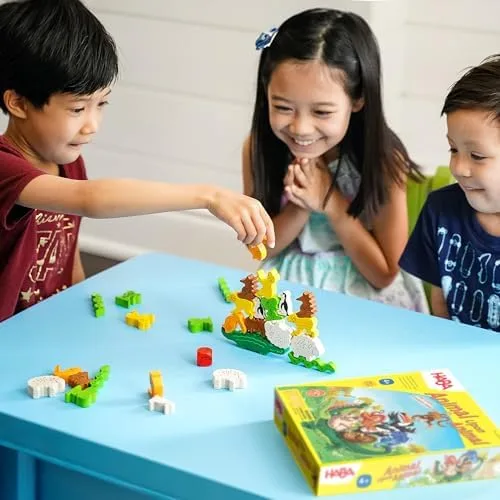
HABA Animal Upon Animal is one of the best children’s games we’ve reviewed. The combination of physical dexterity, strategic thinking, and pure entertainment value makes it a genuine family game that spans ages 4 through adult. The wood quality is exceptional, the animal designs have personality, and the gameplay creates memorable moments of tension and laughter. At $25, it’s a cornerstone of any family game collection.
Product Rating: 8/10 — Outstanding component quality, excellent gameplay, wide age range. The small piece count requires careful storage management.
Evidence Rating: Moderate — Dexterity games support fine motor and spatial skill development. Turn-taking games support social development. Both are well-researched areas.
Who Should Buy This
- Families with children ages 4-8 looking for a physical, non-electronic game
- Board game collections needing a dexterity game entry
- Gift-givers seeking a beautiful, replayable game under $30
- Families wanting games that work across wide age ranges
Who Should Skip This
- Families with children under 4 (consider Animal Upon Animal Junior)
- Anyone easily frustrated by random die outcomes affecting strategy
- Families with very young siblings who might mouth the small wooden pieces
This review reflects our independent evaluation. ScienceBasedKids.com purchased this product at retail price. We may earn a commission if you purchase through our links, which helps fund our research. This never influences our ratings.
Footnotes
-
Ramani, G. B., & Siegler, R. S. (2008). “Promoting broad and stable improvements in low-income children’s numerical knowledge through playing number board games.” Child Development, 79(2), 375-394. ↩
-
Newcombe, N. S., & Frick, A. (2010). “Early education for spatial intelligence: Why, what, and how.” Mind, Brain, and Education, 4(3), 102-111. ↩
Recommended Accessories
Affiliate links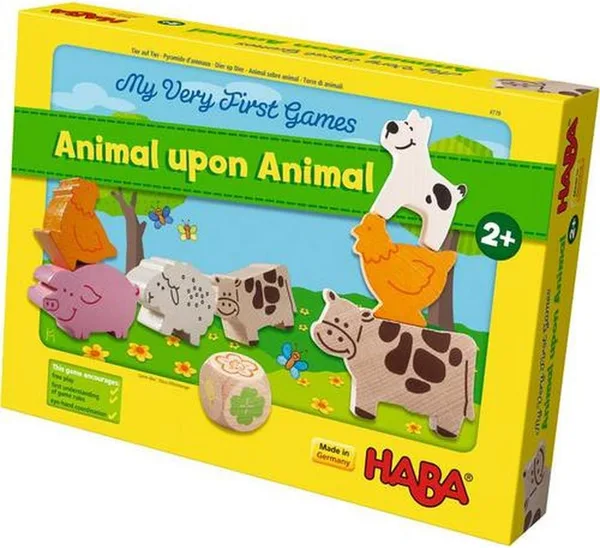
HABA My Very First Games: Animal Upon Animal Junior
“Simplified version for ages 2+. Larger animals, simpler stacking.”
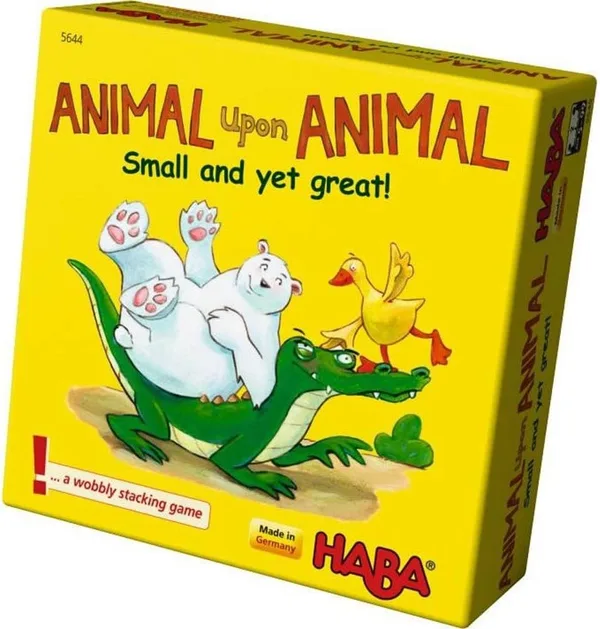
HABA Animal Upon Animal: Small Yet Great!
“Travel-sized version with smaller animals. Perfect for on-the-go play.”
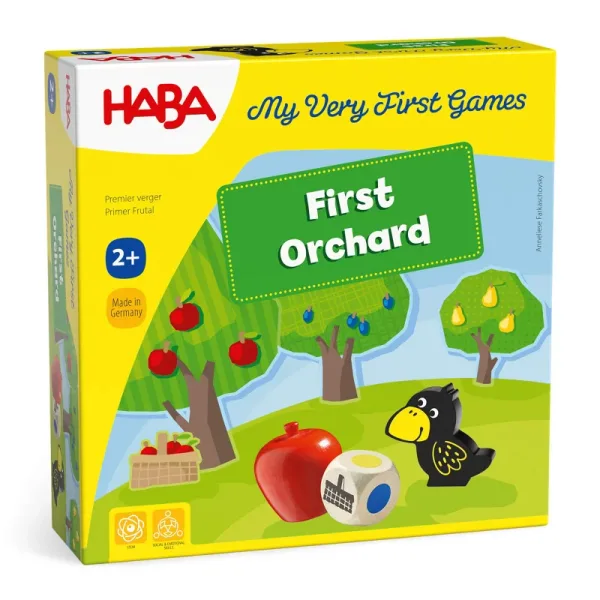
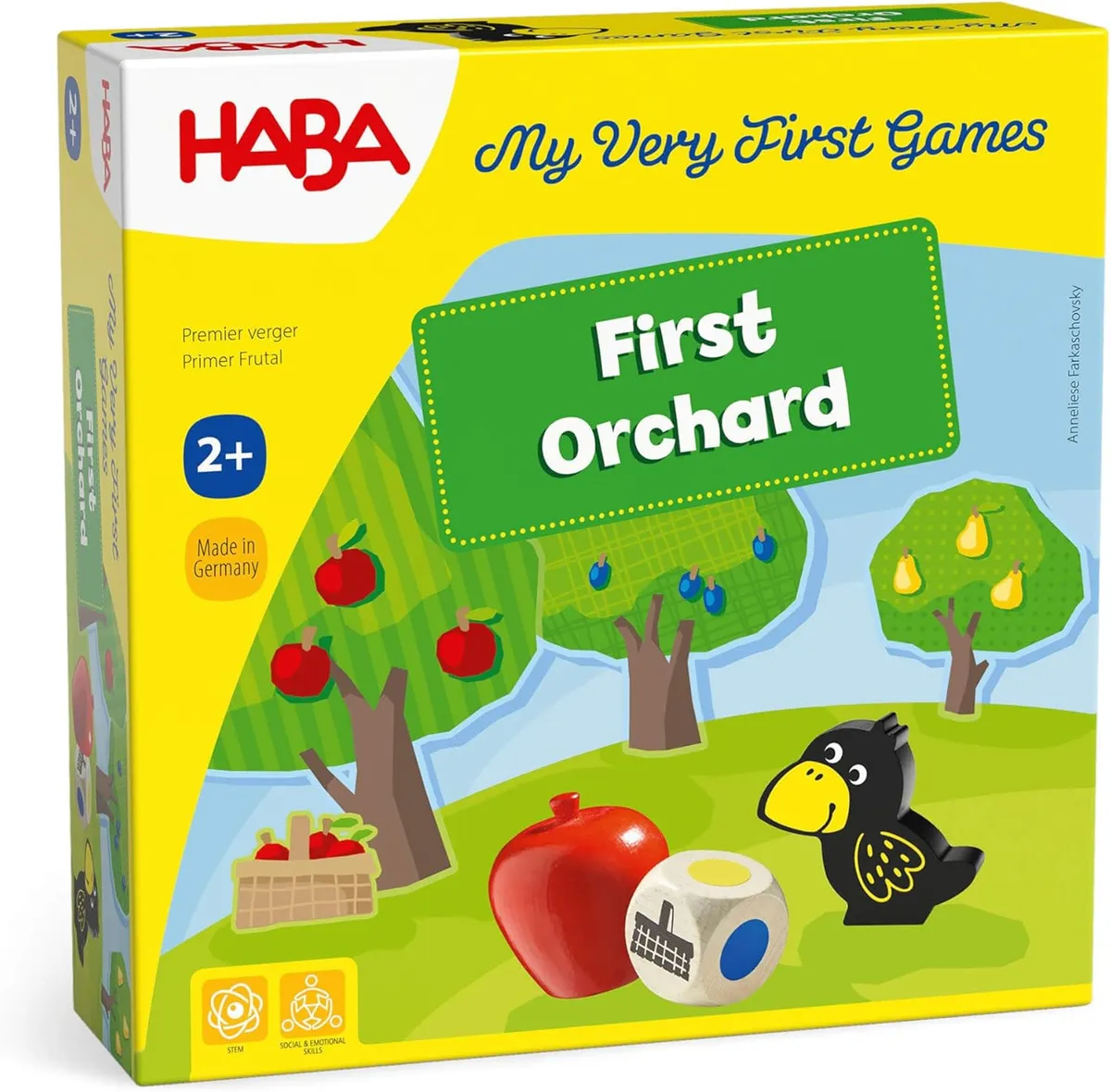
HABA First Orchard
“Cooperative alternative from HABA. Different game type, same wood quality.”
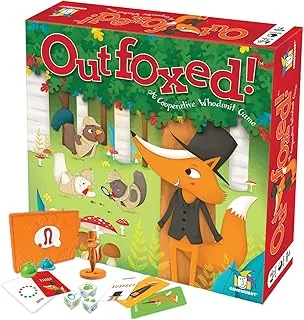
Outfoxed! Cooperative Whodunit Game
“Different game type (deduction) for the same age group. Good rotation partner.”