ScienceBasedKids.com may earn a commission from affiliate links in this review. Our ratings are never influenced by affiliate relationships. Read our full methodology.
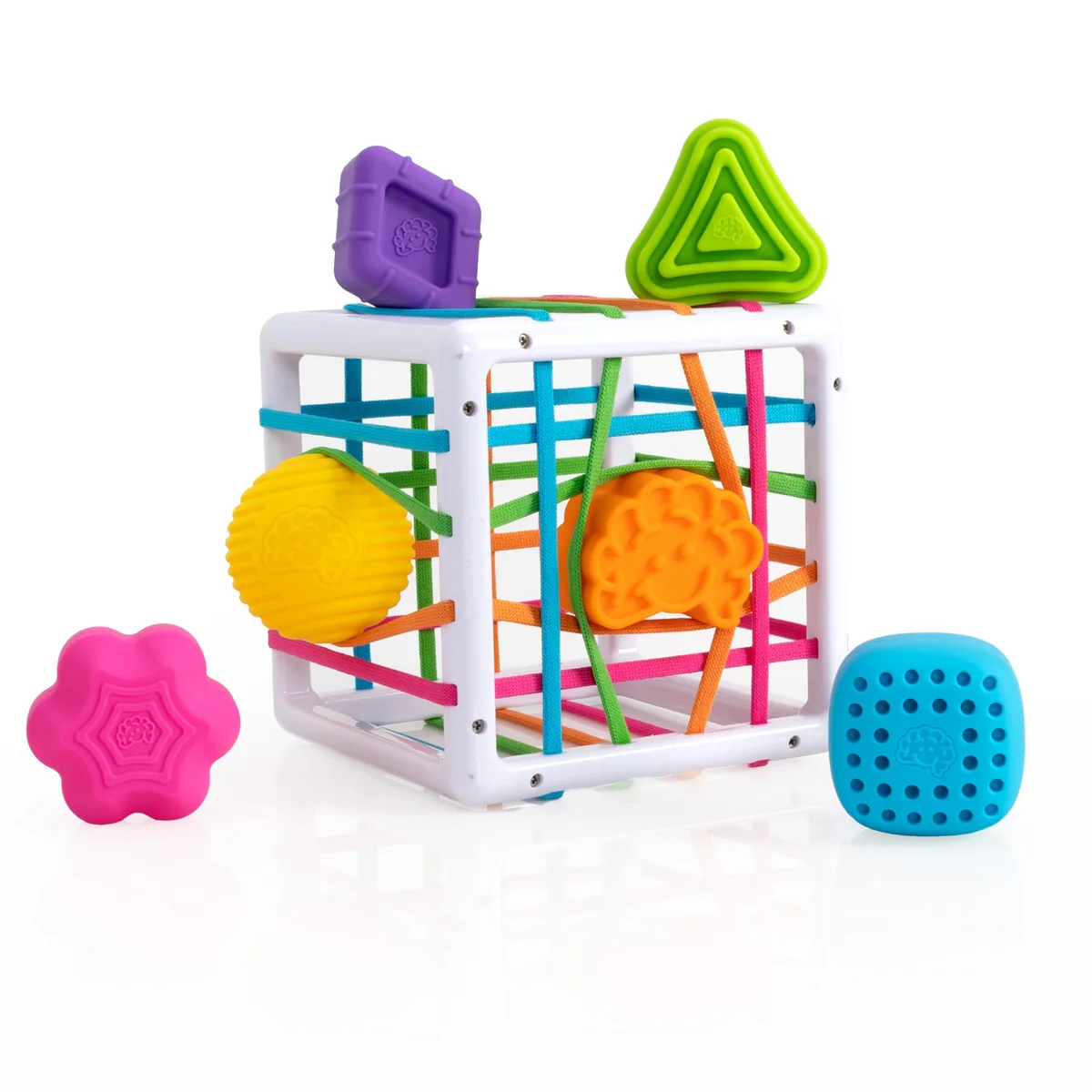
Traditional shape sorters have a fundamental design flaw for their youngest users: the shape must match the hole exactly, and a 10-month-old doesn’t understand why the circle won’t go through the square hole. The Fat Brain InnyBin solves this with elastic silicone bands that stretch to accept any shape through any side. The shapes push through with satisfying resistance and drop into the cube’s interior. No wrong answers, no frustration — just tactile feedback and the satisfaction of pushing objects through flexible barriers.
We tested the InnyBin for six weeks alongside a traditional Melissa & Doug shape sorter with babies ages 10 to 18 months.
Product Overview
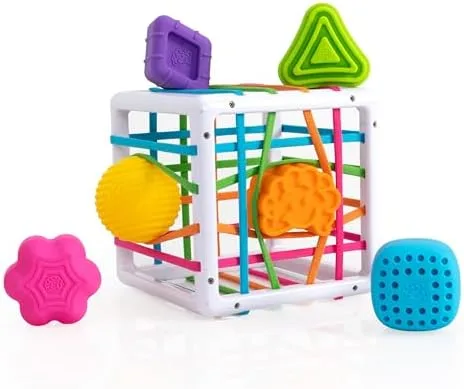
A cube with elastic silicone bands stretched across each side in different patterns. Six colorful silicone shapes in different forms. The shapes push through the elastic openings with resistance, dropping into the cube’s interior. Open the cube’s bottom to retrieve shapes and repeat.
Our Evaluation
Build Quality: 9/10
BPA-free, food-grade silicone for both shapes and bands. The cube frame is sturdy plastic. The elastic bands are durable and maintain tension after weeks of use. The whole product is dishwasher-safe.
Play Value: 8/10
The reduced frustration produced dramatically longer play sessions — 12 minutes average versus 6 minutes with a traditional sorter. Babies experimented with pushing shapes through different elastic patterns, discovering which orientations offered more or less resistance. The cause-and-effect (push shape, it disappears inside) was immediately understood and endlessly repeated.
Age Appropriateness: 9/10
The 10-month starting age is accurate. The elastic resistance is calibrated for developing hand strength — challenging but achievable.
Value for Money: 8/10
$25 for a well-designed, durable sensory toy. Good value.
The Evidence
Shape manipulation develops fine motor control and spatial awareness. Bushnell and Boudreau (1993) found that haptic exploration is a primary learning mode in infancy.1 The InnyBin’s elastic resistance adds proprioceptive feedback that may support grip strength development.
Safety Notes
All components are BPA-free, food-grade silicone. Shapes are above choking threshold. Dishwasher safe. Meets ASTM F963. No CPSC recalls.
The Verdict
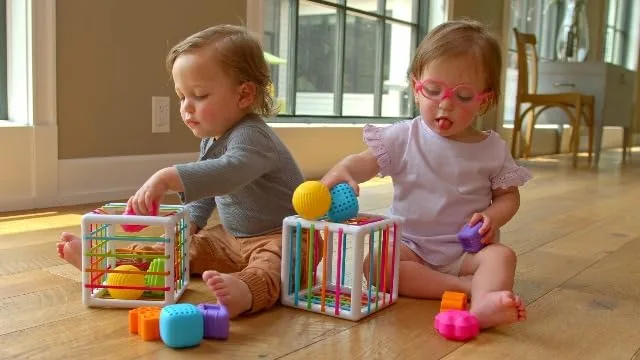
A brilliantly reimagined shape sorter that reduces frustration while maintaining developmental value. One of the best sensory toys for the 10-18 month age range.
Product Rating: 8/10 — Excellent design innovation and engagement. Limited age range prevents a higher score.
Evidence Rating: Emerging — Fine motor and haptic development are well-supported.
Who Should Buy This
- Parents of babies ages 10-18 months
- Families frustrated by traditional shape sorter tantrums
- Gift-givers for first birthdays
- Parents who value sensory-rich, frustration-reduced toys
Who Should Skip This
- Babies under 10 months who lack the hand strength
- Toddlers over 2 who are ready for traditional shape matching
- Families seeking toys with longer age-range utility
- Parents who want the specific shape-to-hole cognitive challenge
This review reflects our independent evaluation. ScienceBasedKids.com purchased this product at retail price.
Footnotes
-
Bushnell, E. W., & Boudreau, J. P. (1993). “Motor development and the mind.” Child Development, 64(4), 1005-1021. ↩
Enjoyed this review? We publish two new evidence-based evaluations every week.
Free. No spam. Unsubscribe anytime.
InnyBin's reduced frustration produced significantly longer play sessions.
Recommended Accessories
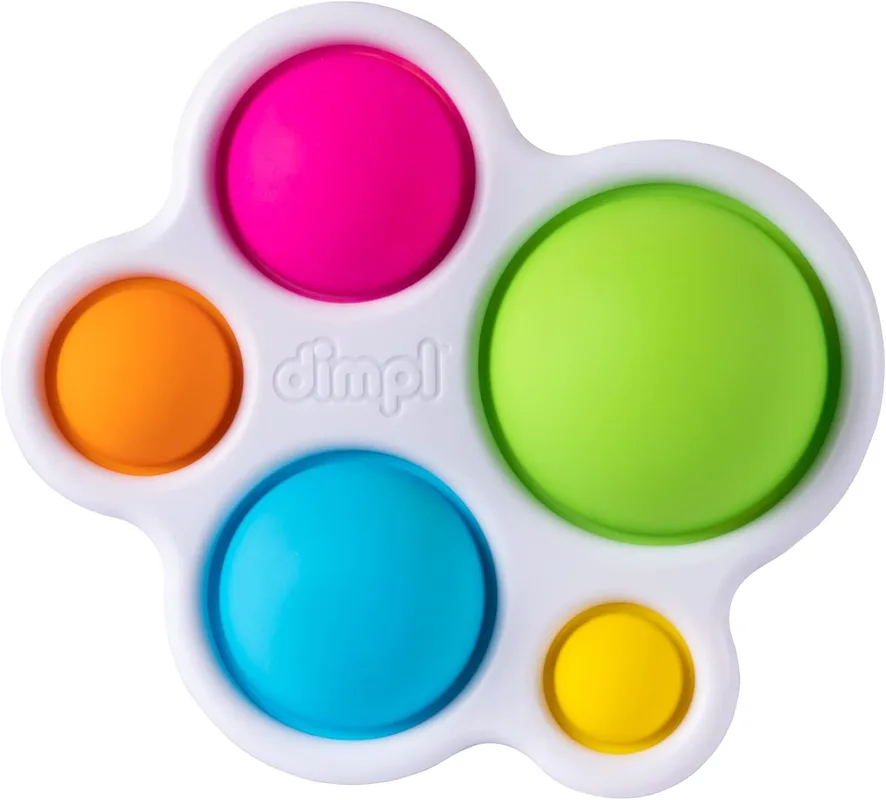
Affiliate linksFat Brain Toys Dimpl
“Push-and-pop silicone bubbles. Same sensory satisfaction, different motor challenge.”
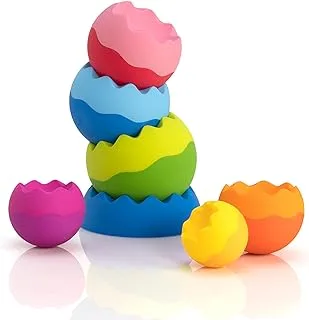
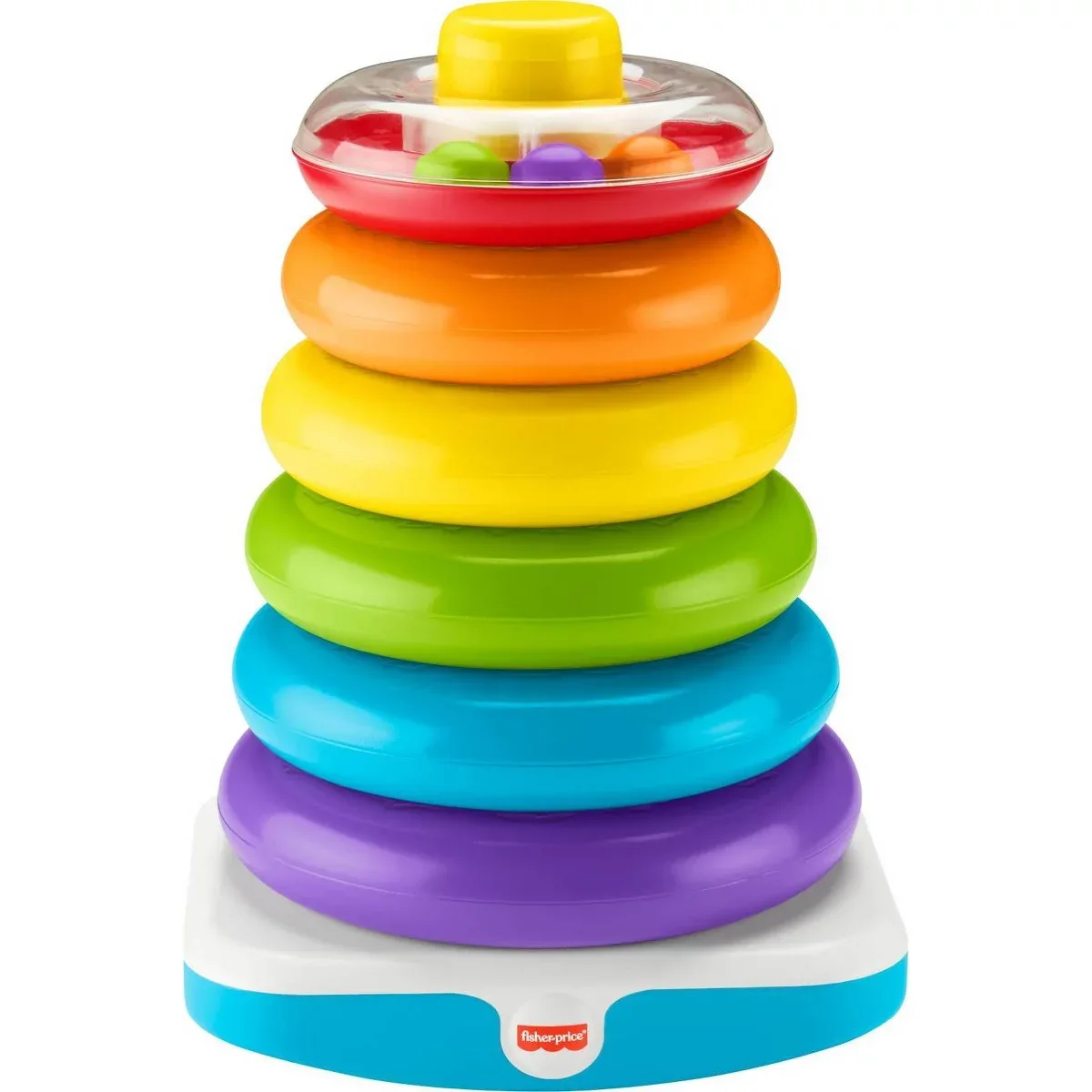
Fat Brain Toys Tobbles Neo
“Stacking with a twist — weighted, spinning, tilting. Same quality brand.”
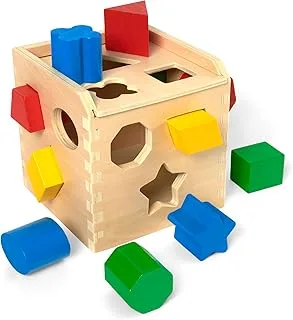
Melissa & Doug Shape Sorting Cube
“Traditional wooden shape sorter. More frustrating for young babies but more educational for older toddlers.”
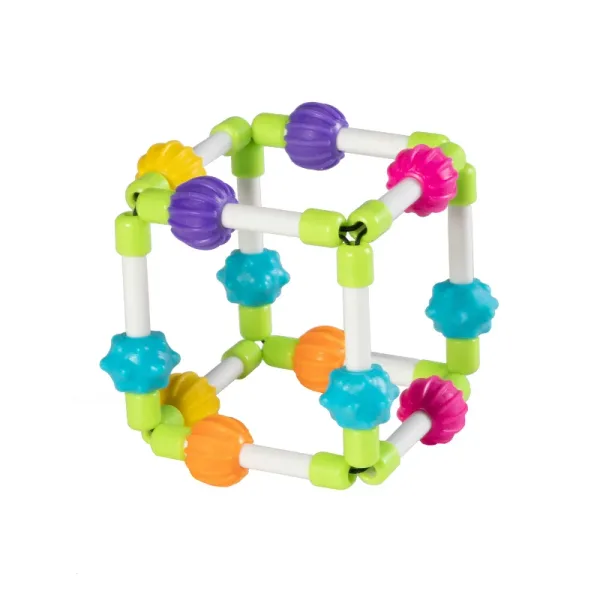
Fat Brain Toys SpinAgain
“Spinning stacking toy with mesmerizing visual feedback.”