ScienceBasedKids.com may earn a commission from affiliate links in this review. Our ratings are never influenced by affiliate relationships. Read our full methodology.
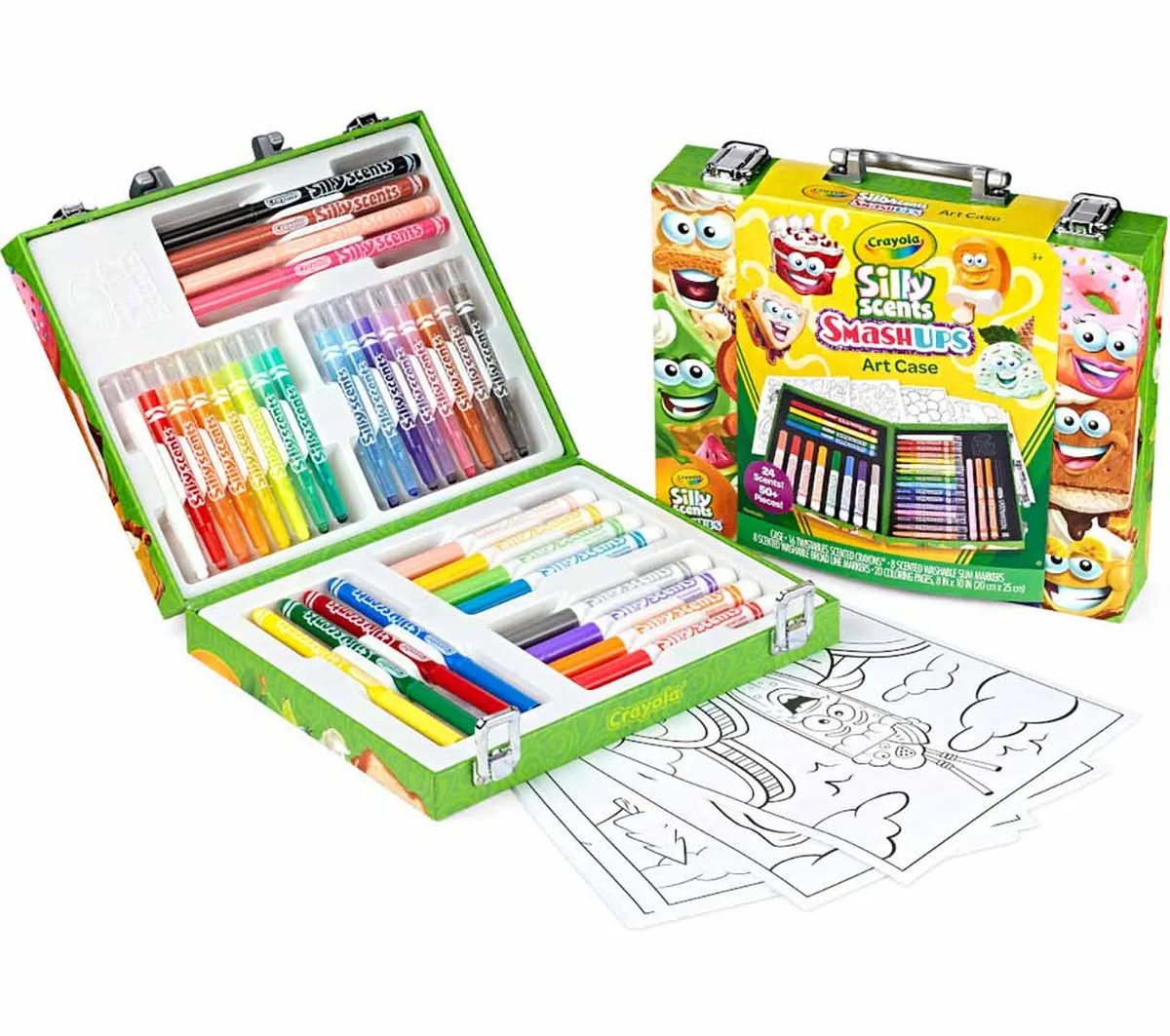
Scented crayons are a novelty — let’s be upfront about that. Crayola Silly Scents Twistables ($10 for 12) add fruit and candy fragrances to their twist-up crayon format. Children love the multisensory experience of smelling their art supplies. The question is whether the novelty adds lasting value or is a gimmick that fades.
We tested them for five weeks alongside standard Crayola Twistables.
Product Overview
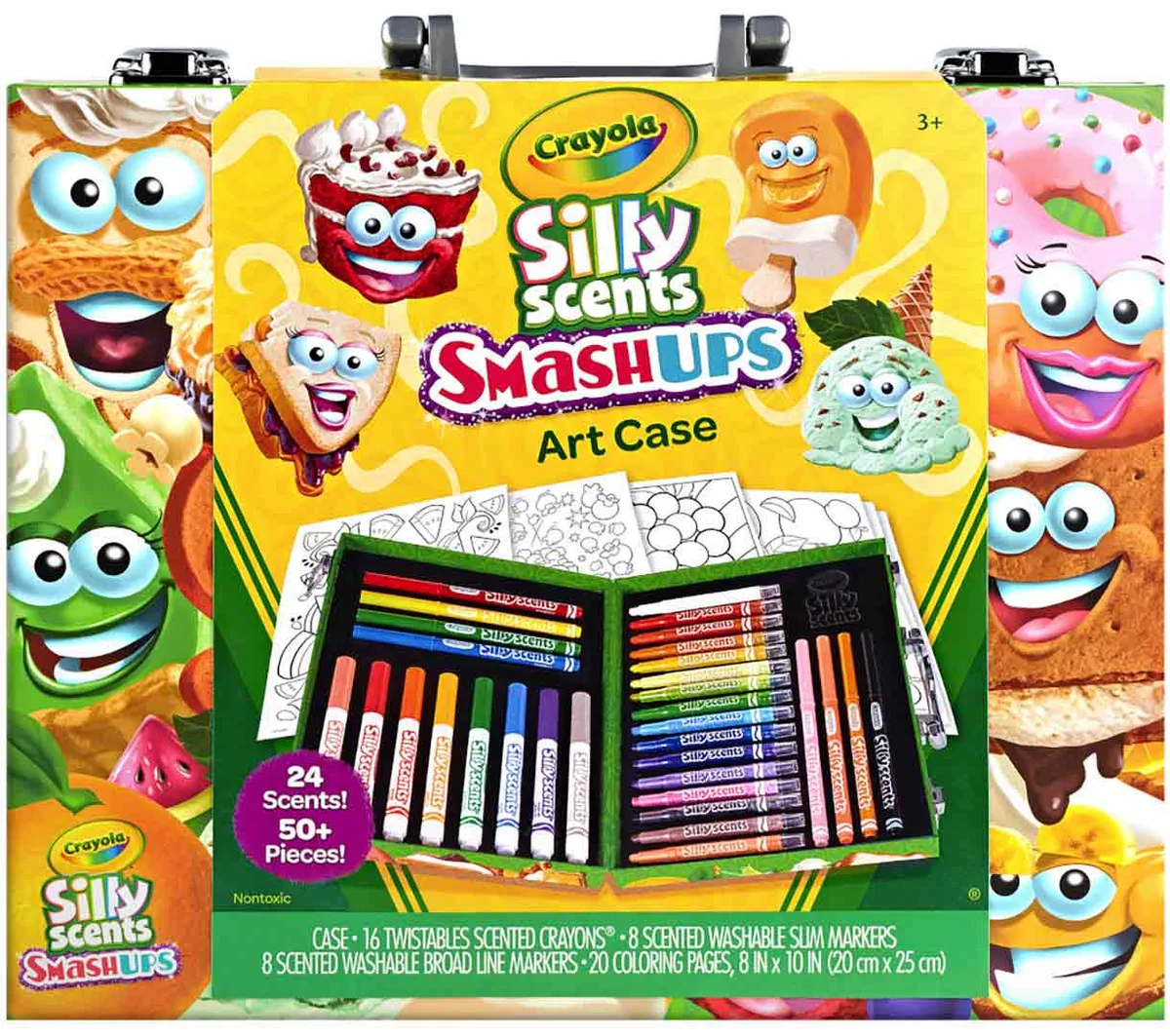
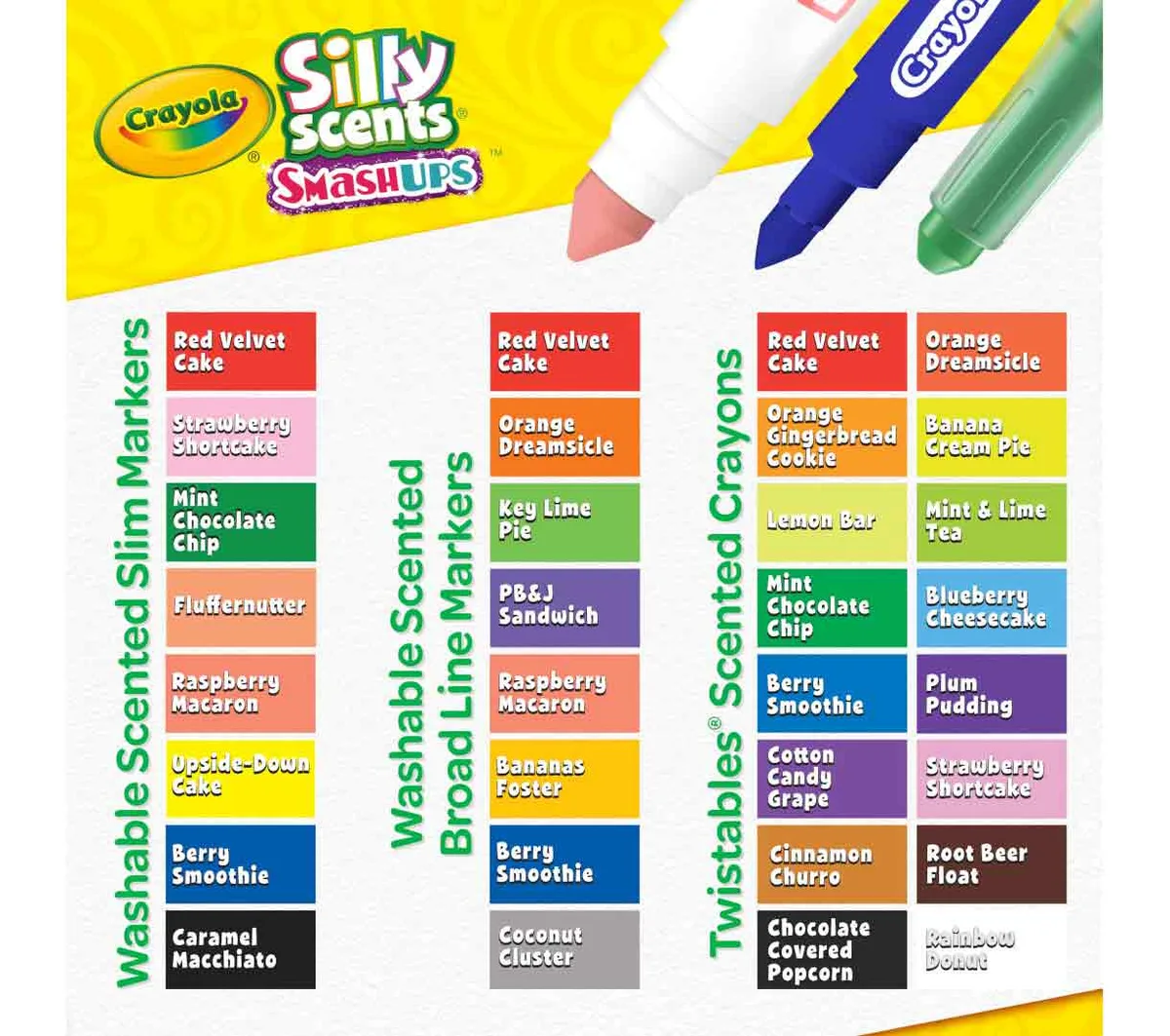
12 twist-up crayons in a plastic barrel, each scented to match its color (grape, strawberry, blueberry, lemon, watermelon, etc.). Same twist mechanism as standard Twistables.
Our Evaluation
Build Quality: 6/10
The crayon quality is slightly below standard Twistables — the wax formula accommodates the scent compound, resulting in slightly less pigment density. Color laydown is adequate but not as rich.
Play Value: 6/10
High initial engagement driven by the scent novelty. By week 3, the scent element was largely ignored, and children used them as regular (slightly inferior) crayons.
Age Appropriateness: 8/10
Ages 3+ is accurate. The scent element is universally appealing to young children.
Value for Money: 6/10
$10 for 12 crayons is standard pricing. The scent doesn’t add lasting value, and the slightly reduced color quality makes standard Twistables the better art supply.
The Evidence
No developmental evidence for scented art supplies. Multisensory experiences are generally positive for engagement, but the specific contribution of fragrance to artistic or cognitive development is unstudied.
Safety Notes
All Crayola products are AP-certified non-toxic. The scents are synthetic and food-grade. Not intended for eating despite food-like scents. Meets ASTM D4236. No CPSC recalls.
The Verdict
A fun novelty that delights children initially but doesn’t add lasting value to the art experience. Buy for gift-giving or special occasions, not as a primary art supply.
Product Rating: 6/10 — Fun novelty. Fading engagement and reduced crayon quality limit the score.
Evidence Rating: None — No developmental evidence for scented art supplies.
Who Should Buy This
- Gift-givers looking for a fun, affordable novelty
- Parents adding sensory variety to an art supply collection
- Children who need extra motivation to engage with coloring
- Party favors or stocking stuffers
Who Should Skip This
- Families seeking primary art supplies — standard Twistables are better
- Children with scent sensitivities
- Parents concerned about scent-eating temptation in very young children
- Serious young artists who prioritize color quality
This review reflects our independent evaluation. ScienceBasedKids.com purchased this product at retail price.
Enjoyed this review? We publish two new evidence-based evaluations every week.
Free. No spam. Unsubscribe anytime.
The scent novelty fades predictably — by week 3, children used them as regular crayons.
Recommended Accessories
Affiliate links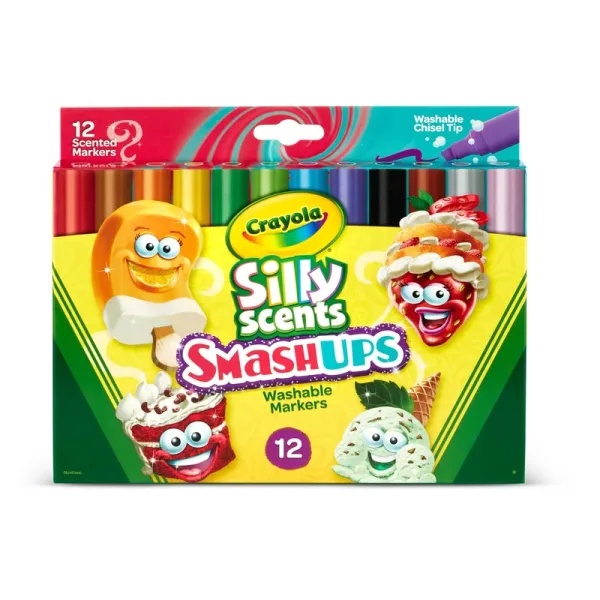
Crayola Silly Scents Washable Markers (12-pack)
“Scented markers in the same fragrance line. Stronger scent than the crayons.”
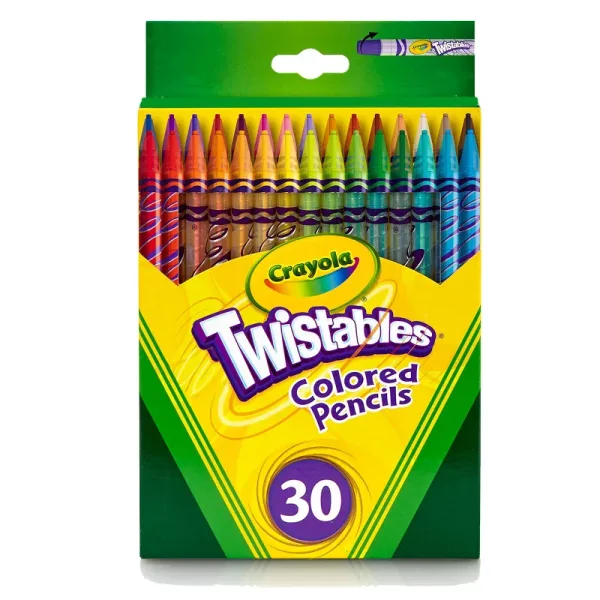
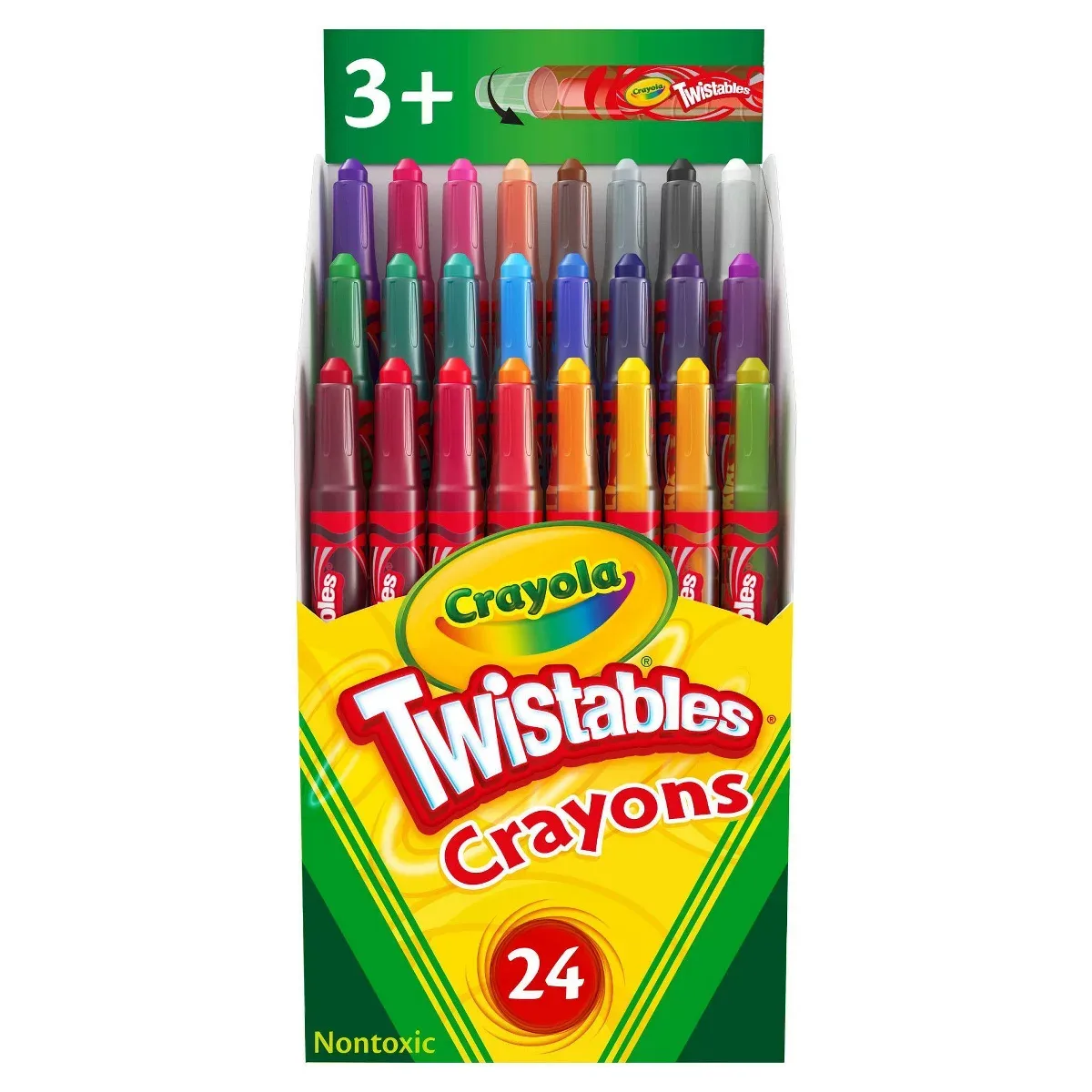
Crayola Twistables Standard (24-pack)
“Same format, no scent, more colors. Better as actual art supplies.”
Melissa & Doug Jumbo Coloring Pad
“Large-format coloring pages that give scented crayons room to work.”
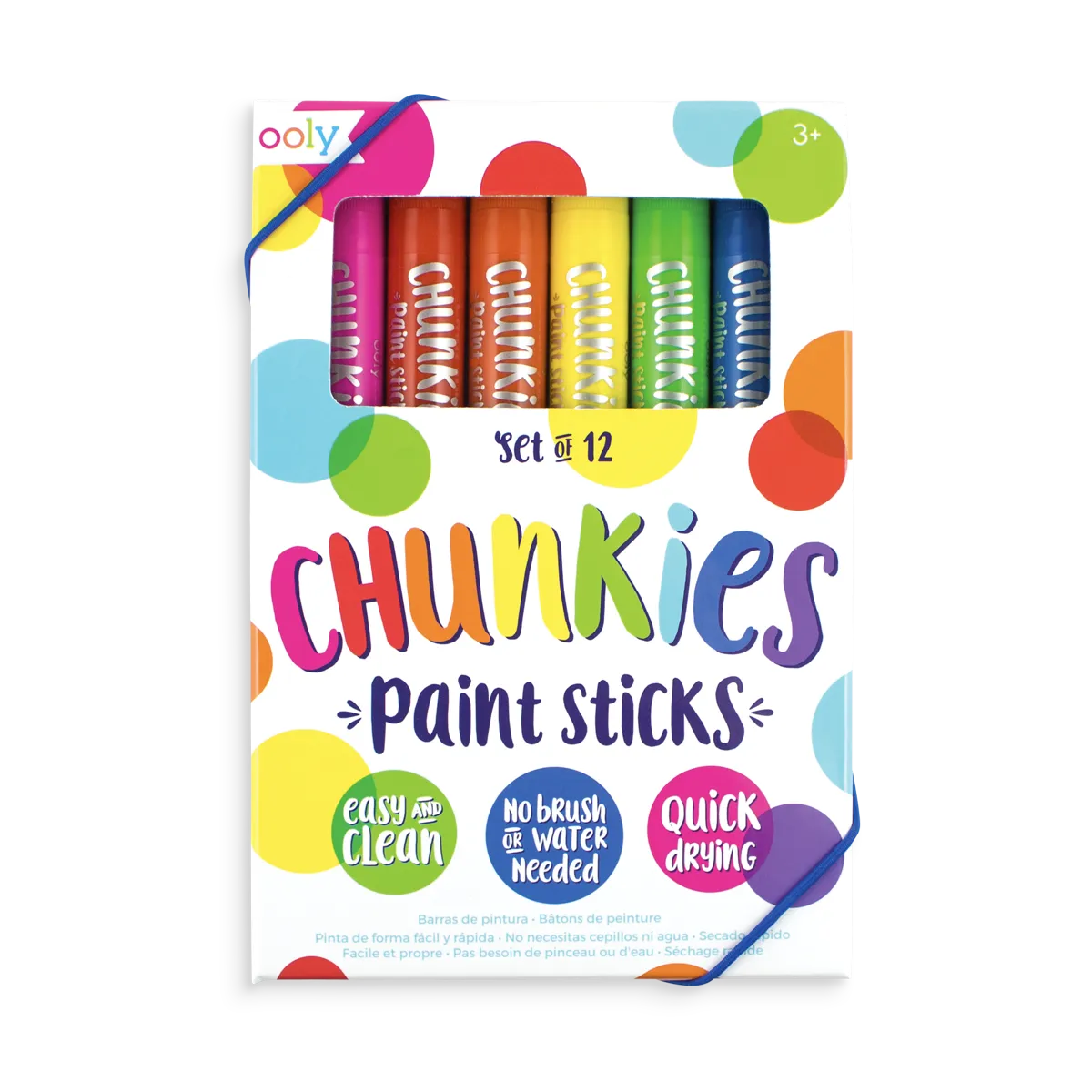
Ooly Chunkies Paint Sticks (12-pack)
“Different art medium for variety. No scent but bold, creamy color.”