ScienceBasedKids.com may earn a commission from affiliate links in this review. Our ratings are never influenced by affiliate relationships. Read our full methodology.
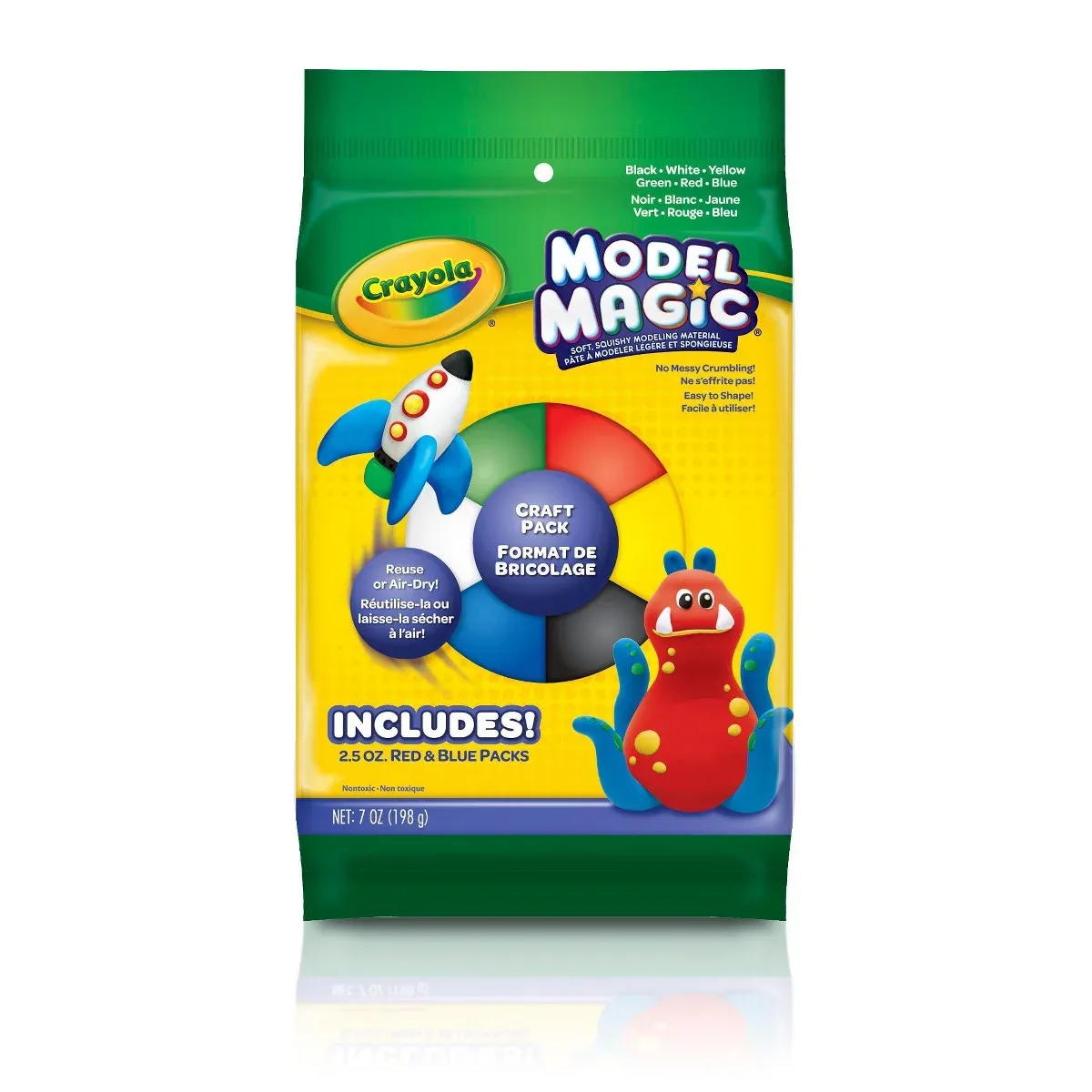
Every parent has a Play-Doh horror story. The purple smear ground into the beige carpet. The dried chunks in the couch cushions. The mystery colors mixed into a uniform brown that somehow ended up in the dryer. Play-Doh is a fantastic sensory material with a devastating mess profile. Crayola Model Magic ($15 for 8 oz) was designed to solve this problem — a soft, lightweight modeling compound that doesn’t stain, doesn’t stick to carpets, and air-dries into permanent, paintable sculptures.
We tested Model Magic alongside Play-Doh and traditional air-dry clay for six weeks with children ages 3 through 10. The mess difference is dramatic. The creative difference is more nuanced.
Product Overview
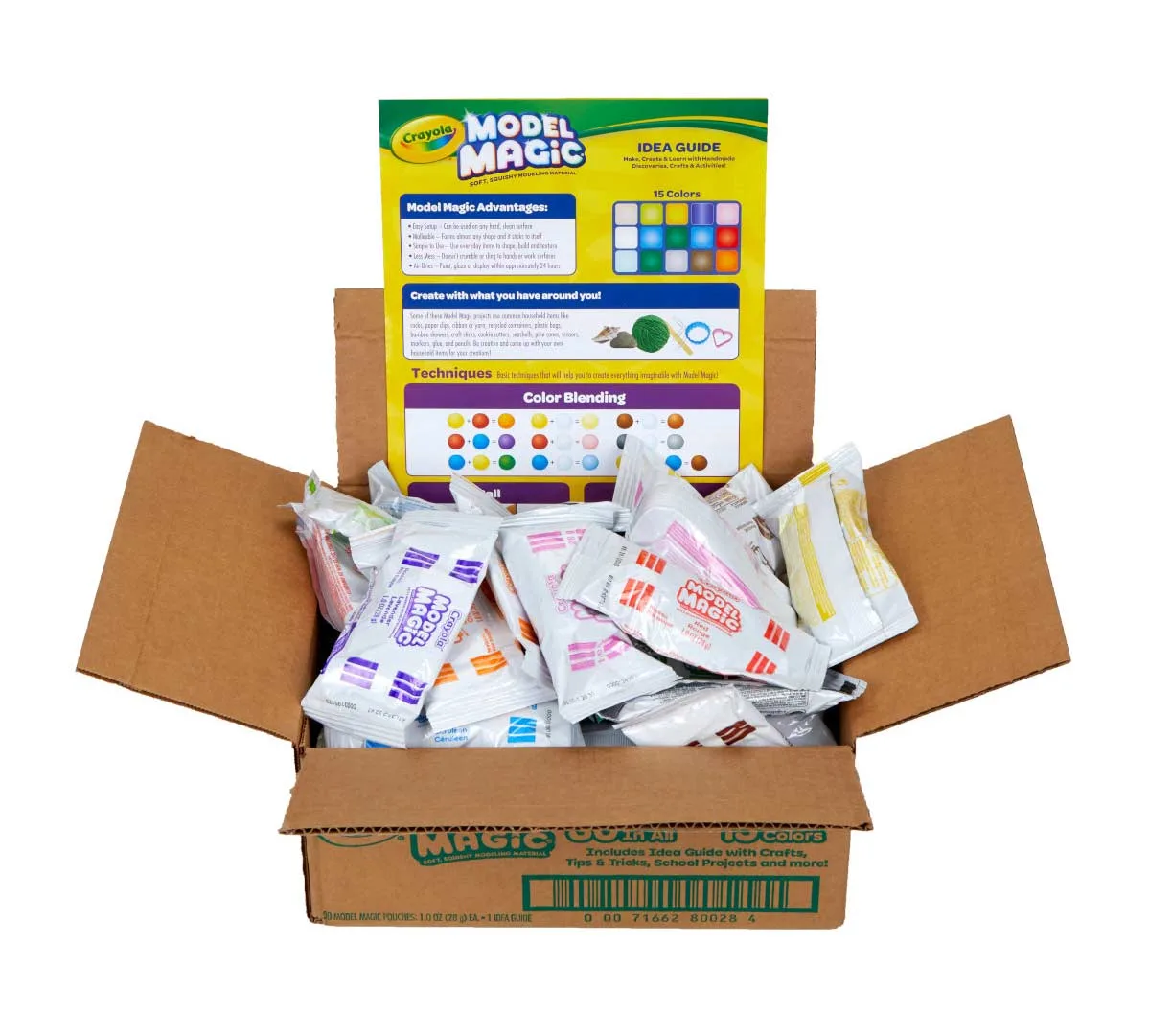
Model Magic is a lightweight, non-toxic modeling compound that:
- Feels soft and marshmallow-like straight from the package
- Does not stick to hands, fabric, or surfaces when fresh
- Can be shaped, molded, rolled, and sculpted like clay
- Air-dries within 24 hours to a lightweight, paintable solid
- Is available in white and assorted colors
- Colors can be blended to create custom shades
Unlike Play-Doh, Model Magic is not reusable — once opened, it begins to dry. An opened package has a working window of approximately 30-60 minutes before the surface begins to crust. This makes it a project material rather than a daily play material.
Our Evaluation
Build Quality: 7/10
The compound itself is consistent in texture and color. Fresh packages are reliably soft and workable. The air-dried finished product is lightweight but fragile — thin extensions and small details can break off. For display pieces and play figures, the durability is adequate. For objects that will be handled roughly, the dried compound is too brittle.
Play Value: 7/10
Model Magic excels as a project material. Children in our testing created animals, monsters, ornaments, and diorama elements that they could keep permanently — a significant motivational advantage over Play-Doh, where creations must be destroyed to recover material. The ability to paint dried creations added a second creative phase that extended engagement.
The limitation is the non-reusable nature. Once a session’s Model Magic is shaped and begins drying, it’s committed. This creates a more deliberate, project-oriented mindset — children think before sculpting — which is different from Play-Doh’s consequence-free experimentation.
Age Appropriateness: 9/10
The 3+ recommendation is accurate. The soft texture requires minimal hand strength, making it accessible to very young sculptors. Older children (8+) can create detailed figures and multi-component structures. The painting phase is particularly engaging for ages 6+.
Value for Money: 6/10
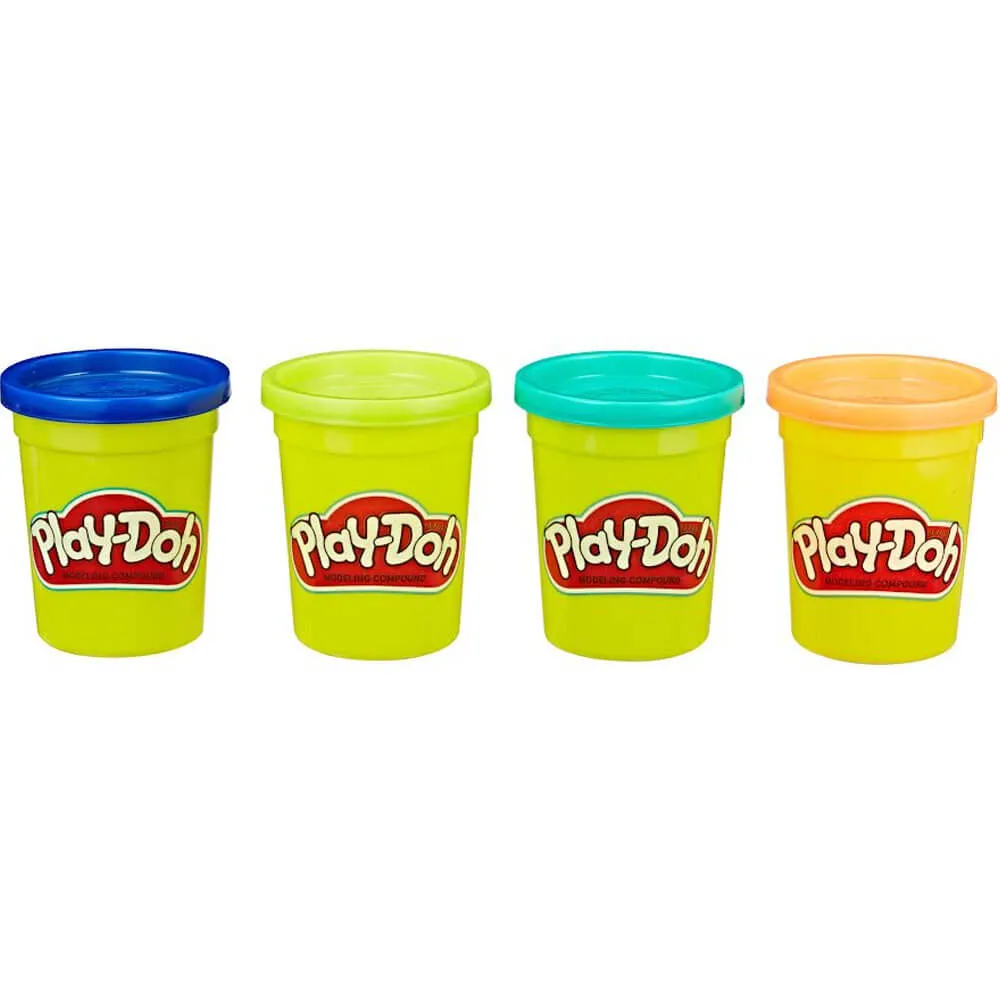
At $15 for 8 oz (approximately $1.88/oz), Model Magic is significantly more expensive than Play-Doh ($10 for 80 oz, approximately $0.13/oz). The non-reusable nature means ongoing purchases for active sculptors. However, the mess-free advantage and permanent-creation capability justify the premium for many families.
The Evidence
Sculpting and Fine Motor Development. Three-dimensional sculpting engages fine motor skills, spatial reasoning, and creative expression simultaneously. Golomb (2004) documented that children’s sculptural development follows predictable stages, with increasing complexity in form representation between ages 3 and 10.1
Creative Expression and Emotional Development. Art-making provides a non-verbal channel for emotional expression. Malchiodi (2011) reviewed the therapeutic use of creative arts with children, finding that art-making supports emotional processing and self-expression.2
The honest summary: Sculpting supports fine motor development and creative expression — well-supported domains. No research specific to Model Magic or comparisons between modeling compounds.
Safety Notes
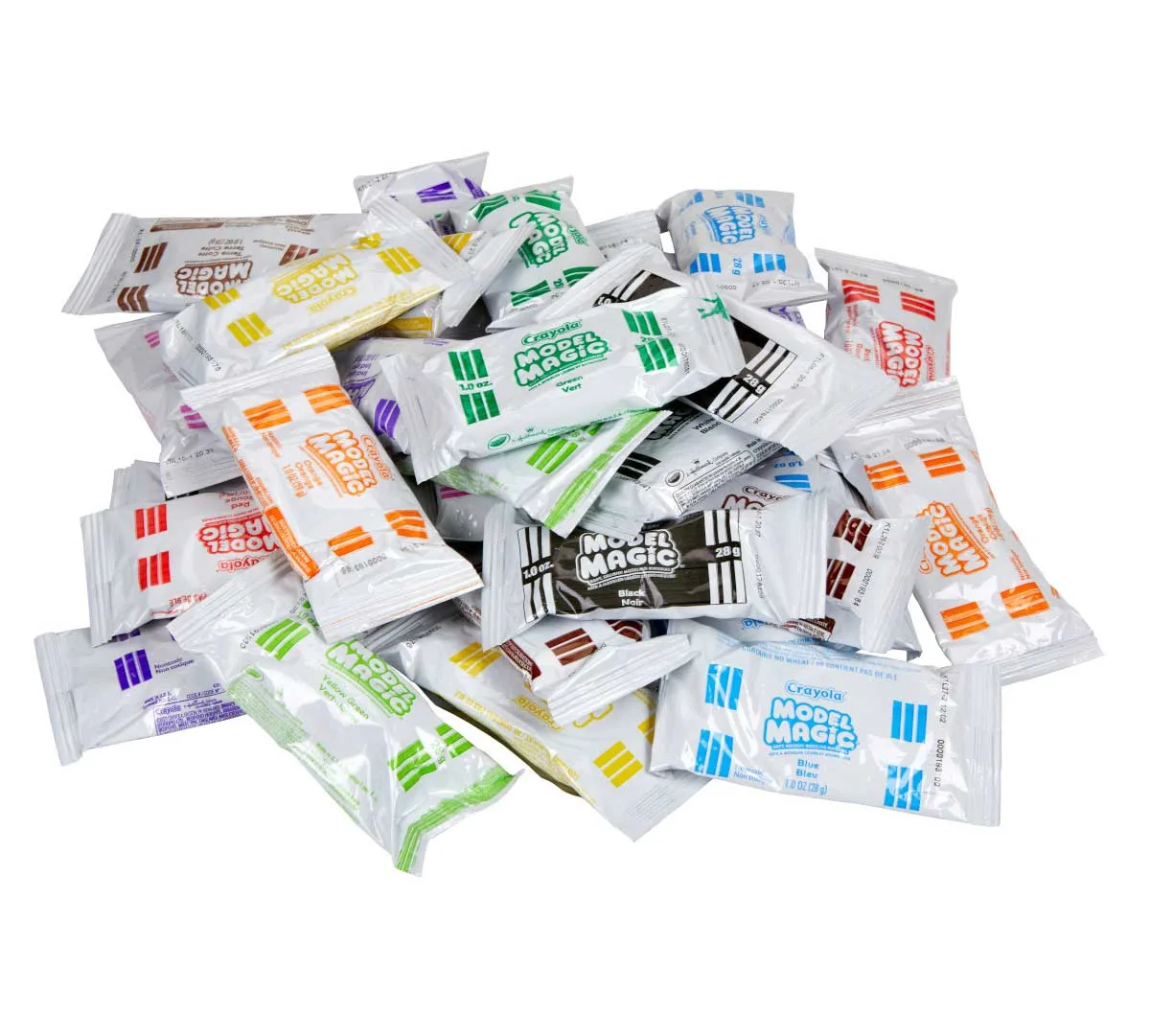
Model Magic is non-toxic and conforms to ASTM D4236. Not intended for consumption despite its marshmallow-like appearance — a genuine concern with very young children. No CPSC recalls.
The Verdict
Model Magic is the best mess-free modeling compound available. The soft texture, non-staining properties, and permanent air-dry finish make it ideal for project-based sculpting. The trade-off — non-reusability and higher cost — makes it a complement to Play-Doh rather than a replacement.
Product Rating: 7/10 — Excellent mess-free creative medium. Non-reusable nature and higher cost limit the score.
Evidence Rating: Emerging — Sculpting and fine motor development are well-supported. No compound-specific research.
Who Should Buy This
- Families who love sculpting but hate Play-Doh mess
- Children who want to keep their creations permanently
- Parents looking for project-based creative activities
- Families who want a paintable sculpting medium
Who Should Skip This
- Families seeking daily reusable sensory play — Play-Doh is better
- Budget-conscious buyers — the per-ounce cost is 15x Play-Doh
- Very young children who might eat the marshmallow-like compound
- Families who prefer the weight and texture of real clay
This review reflects our independent evaluation. ScienceBasedKids.com purchased this product at retail price.
Footnotes
Enjoyed this review? We publish two new evidence-based evaluations every week.
Free. No spam. Unsubscribe anytime.
Model Magic's clean-up advantage is its primary differentiator versus Play-Doh and wet clay.
Recommended Accessories
Affiliate links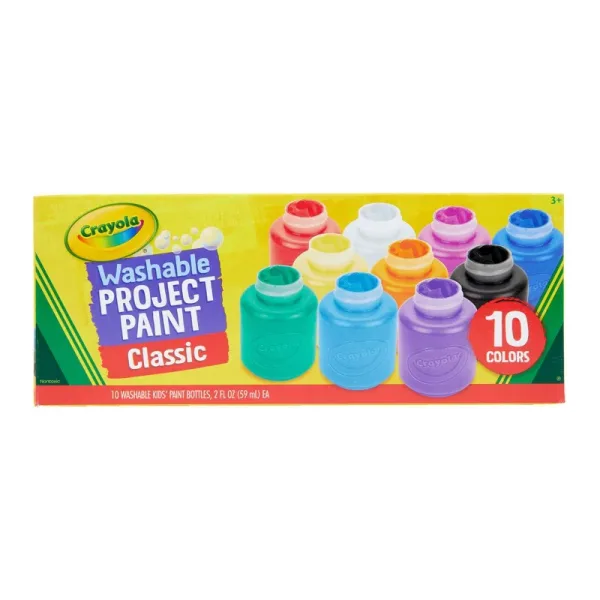
Crayola Washable Paint Set (18 Colors)
“Paint dried Model Magic creations. The white compound is a blank canvas for painting.”
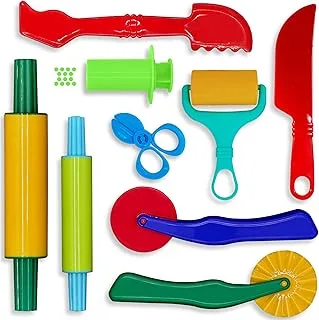
Crayola Modeling Tools (5-piece)
“Plastic sculpting tools sized for children's hands. Adds detail capability to Model Magic.”
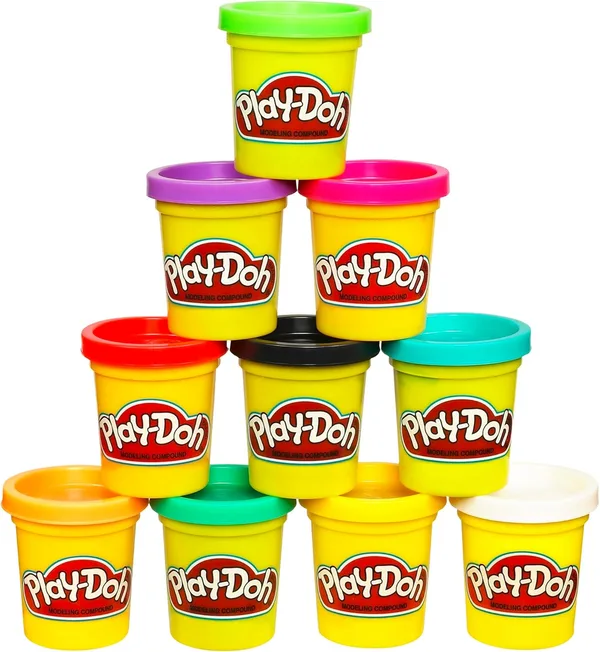
Play-Doh Classic 10-Pack
“Reusable alternative for daily open-ended play. Messier but infinitely renewable.”
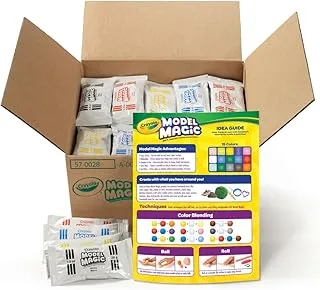
Crayola Model Magic Variety Pack (14 oz)
“Larger quantity in multiple colors. Better value for bigger projects.”