ScienceBasedKids.com may earn a commission from affiliate links in this review. Our ratings are never influenced by affiliate relationships. Read our full methodology.
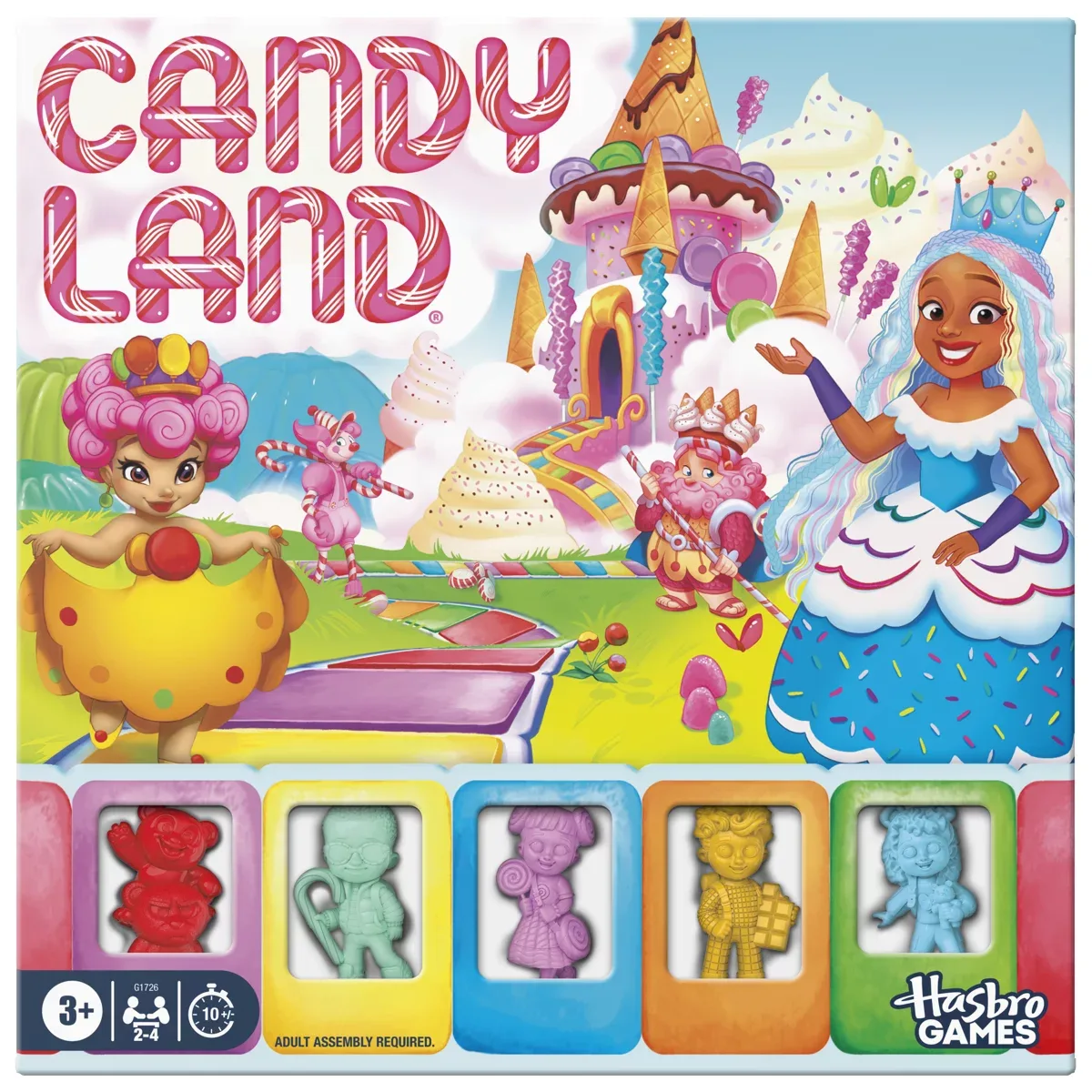
Candy Land is America’s first board game — not the first ever made, but the first game most American children play. It’s been teaching color recognition and turn-taking since 1949, and its cultural position is unassailable. But cultural significance and developmental value are different things, and our honest assessment of Candy Land requires separating nostalgia from function.
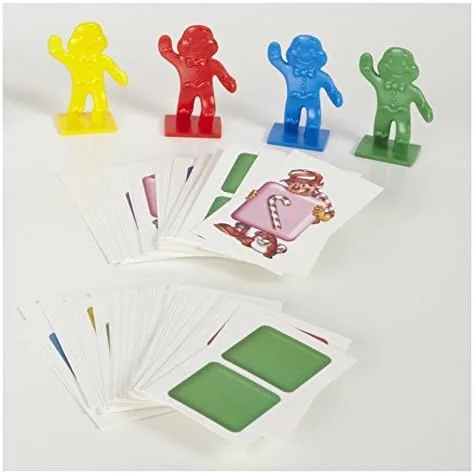
The function: draw a card showing a color, move your gingerbread person to the next matching color space on the board. First to reach King Kandy’s Castle wins. There are no decisions. The winner is determined by the order of cards in the shuffled deck before the first card is drawn. Candy Land is a random walk with a theme.
Product Overview
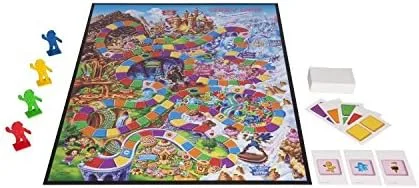
A colorful path board, four gingerbread pawns, and a deck of color cards. Draw a card, advance to the matching color. Special cards jump you to named locations. That’s it.
Our Evaluation
Build Quality: 5/10
Basic Hasbro cardboard and plastic. Functional but not durable or attractive.
Play Value: 5/10
Candy Land teaches turn-taking. It also teaches color recognition. Beyond that, the developmental value is minimal. There are no choices, no strategy, no skills to develop. The game is entirely predetermined.
Age Appropriateness: 7/10
Ages 3-5 can play independently. By age 6, children recognize the lack of agency and lose interest.
Value for Money: 6/10
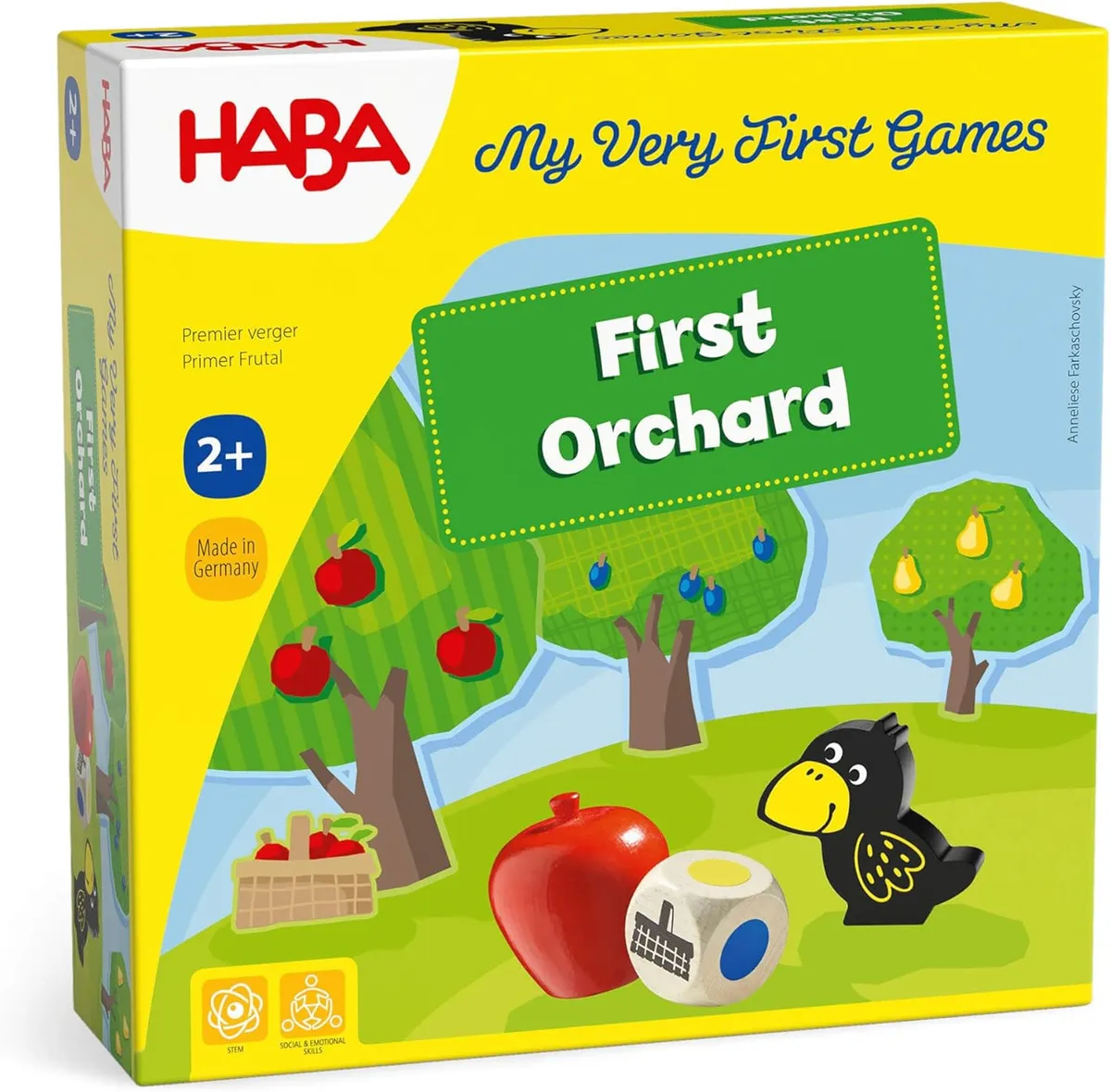
$10 is affordable, but HABA First Orchard at $25 provides dramatically more developmental value.
The Evidence
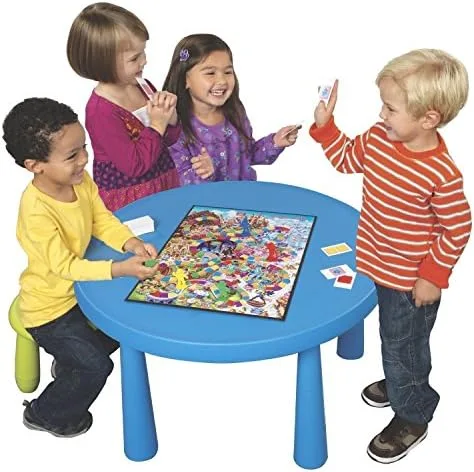
Turn-taking develops inhibitory control (Diamond, 2013).1 Color recognition is a standard developmental milestone. However, games without decision-making provide less executive function engagement than games with choices (even simple ones like First Orchard’s basket selection).
Safety Notes
No safety concerns for the target age. No CPSC recalls.
The Verdict
Candy Land teaches turn-taking and color recognition. It does not teach strategy, decision-making, cooperation, or any skill that develops through repeated play. For $15 more, HABA First Orchard provides the same turn-taking practice with cooperative play, wooden components, and genuine decision-making.
Product Rating: 5/10 — Adequate for turn-taking basics. Zero decision-making and poor build quality limit the score.
Evidence Rating: Emerging — Turn-taking and color recognition are supported. No strategic engagement.
Who Should Buy This
- Families specifically seeking Candy Land for nostalgia
- Budget-conscious families wanting a $10 first game
- Classrooms needing multiple copies of a simple game
- Parents who value the cultural touchstone
Who Should Skip This
- Families willing to spend $25 on HABA First Orchard — it’s simply better
- Parents seeking developmental depth in gaming
- Children who already know their colors and can wait turns
- Anyone frustrated by purely random outcomes
This review reflects our independent evaluation. ScienceBasedKids.com purchased this product at retail price.
Footnotes
-
Diamond, A. (2013). “Executive functions.” Annual Review of Psychology, 64, 135-168. ↩
| Brand | Price | Quality | Rating |
|---|---|---|---|
| | |||
| | |||
| | |||
| | |||
| | |||
| |
Recommended Accessories
Affiliate links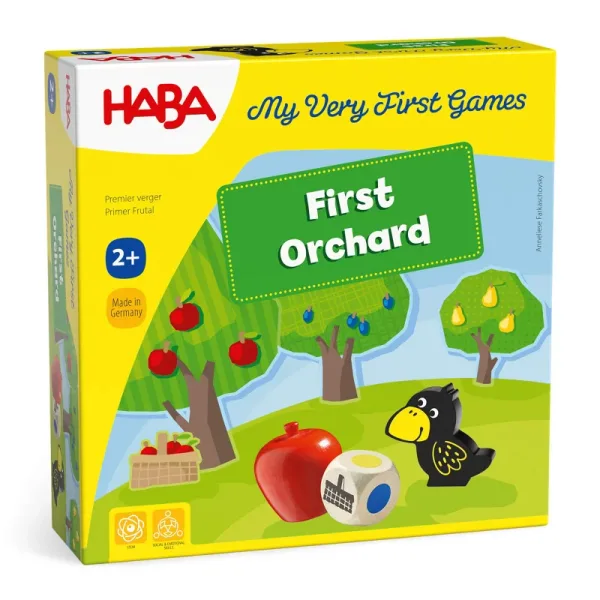
HABA First Orchard
“Our recommended first game. Cooperative, wooden components, same age range. Worth the premium.”
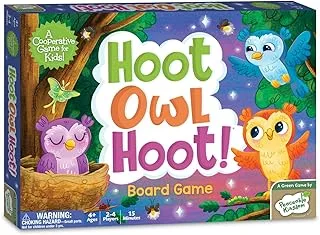
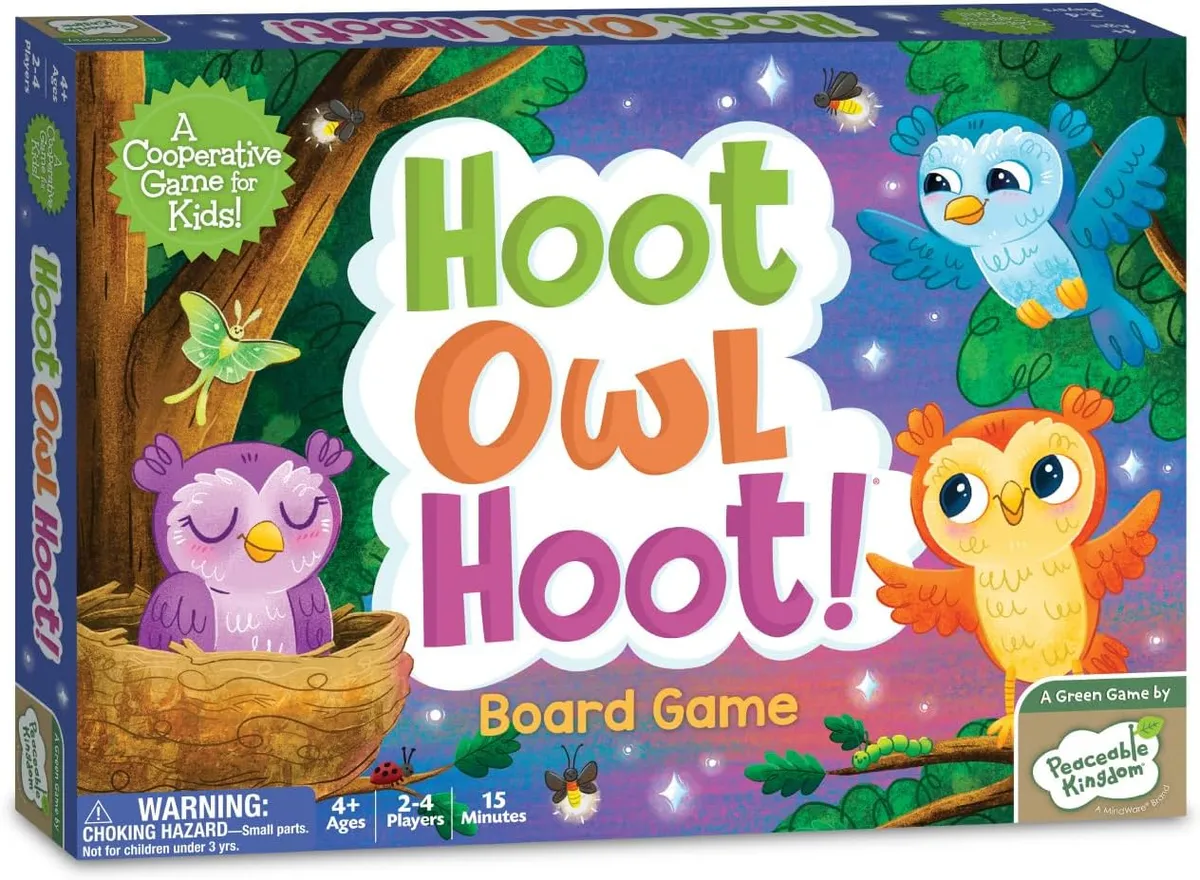
Peaceable Kingdom Hoot Owl Hoot
“Cooperative game with actual decision-making. Better developmental value.”
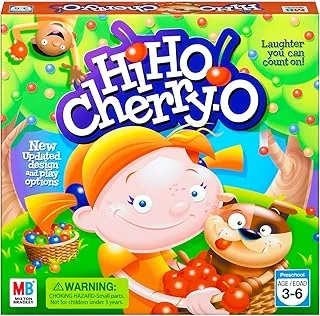
Hi Ho Cherry-O
“Another classic with counting added. Marginally more educational.”
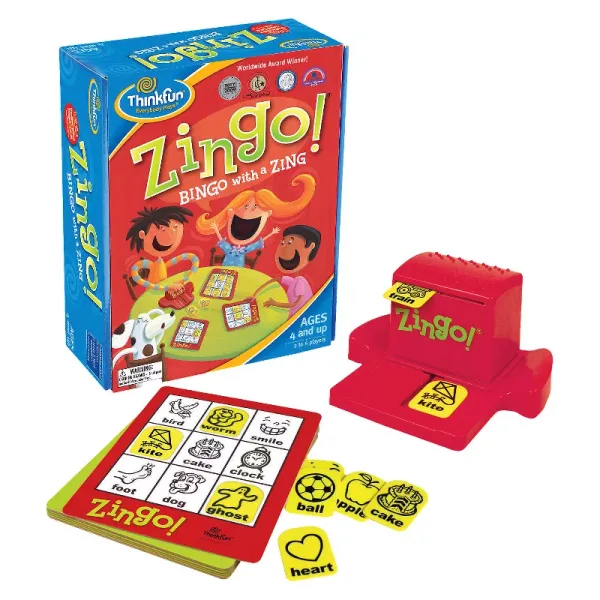
ThinkFun Zingo
“Pattern recognition bingo. More cognitively engaging for the same age range.”