ScienceBasedKids.com may earn a commission from affiliate links in this review. Our ratings are never influenced by affiliate relationships. Read our full methodology.
Sensory bins are a staple of occupational therapy, Montessori classrooms, and Instagram parenting accounts — and for good reason. The concept is simple: fill a container with a tactile material (rice, dried beans, sand, or specialty fillers) and provide tools for scooping, pouring, sorting, and exploring. The play it generates is surprisingly sustained and developmentally rich.
This kit ($35) provides everything needed to start: bin, filler, scoops, funnels, tweezers, and sorting cups.
Product Overview
A clear plastic bin with lid, dried sensory filler material, 2 scoops, 2 funnels, 1 pair of tweezers, and 6 sorting cups. The filler is non-toxic dried material suitable for indoor play.
Our Evaluation
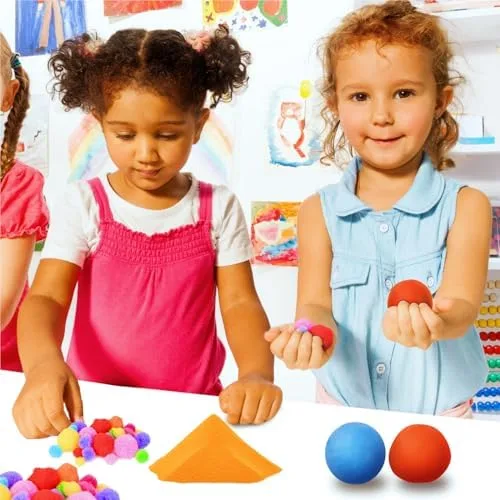
Build Quality: 6/10
Basic plastic bin and tools. Functional but not premium. The bin is the right size for toddler arm reach.
Play Value: 8/10
Sensory bin play is consistently one of the highest-engagement activities for toddlers. Sessions in our testing averaged 20+ minutes — remarkable for the 18-36 month age range. The scooping, pouring, and sorting activities develop fine motor skills naturally.
Age Appropriateness: 8/10
Ages 18 months to 5 years. Supervision required to prevent eating of filler materials.
Value for Money: 8/10
$35 for a reusable play system that provides months of engagement.
The Evidence
Sensory play supports fine motor development, tactile processing, and early mathematical concepts (volume, capacity). Gascoyne (2012) documented sensory play as foundational to early childhood development.1 Occupational therapists routinely prescribe sensory bin activities for fine motor and sensory integration goals.
Safety Notes
Supervise to prevent ingestion of filler materials. Not for children who mouth everything. Choose fillers appropriate for the child’s age and behavior.
The Verdict
One of the best-value play investments for toddlers. The sensory bin format is simple, evidence-supported, and endlessly customizable.
Product Rating: 7/10 — Excellent play value and developmental support. Basic materials limit the score.
Evidence Rating: Moderate — Sensory play is well-supported by occupational therapy and developmental research.
Who Should Buy This
- Parents of toddlers ages 18-36 months
- Families seeking high-engagement, low-screen activities
- Homeschooling families incorporating sensory learning
- Parents looking for occupational therapy activities at home
Who Should Skip This
- Families with children who still mouth everything
- Parents who can’t tolerate mess (sensory bins are messy)
- Families who prefer assembling their own bins from household items
- Minimalist families who don’t want another plastic container
This review reflects our independent evaluation. ScienceBasedKids.com purchased this product at retail price.
Footnotes
-
Gascoyne, S. (2012). Sensory play: Play in the EYFS. Andrews UK Limited. ↩
Recommended Accessories
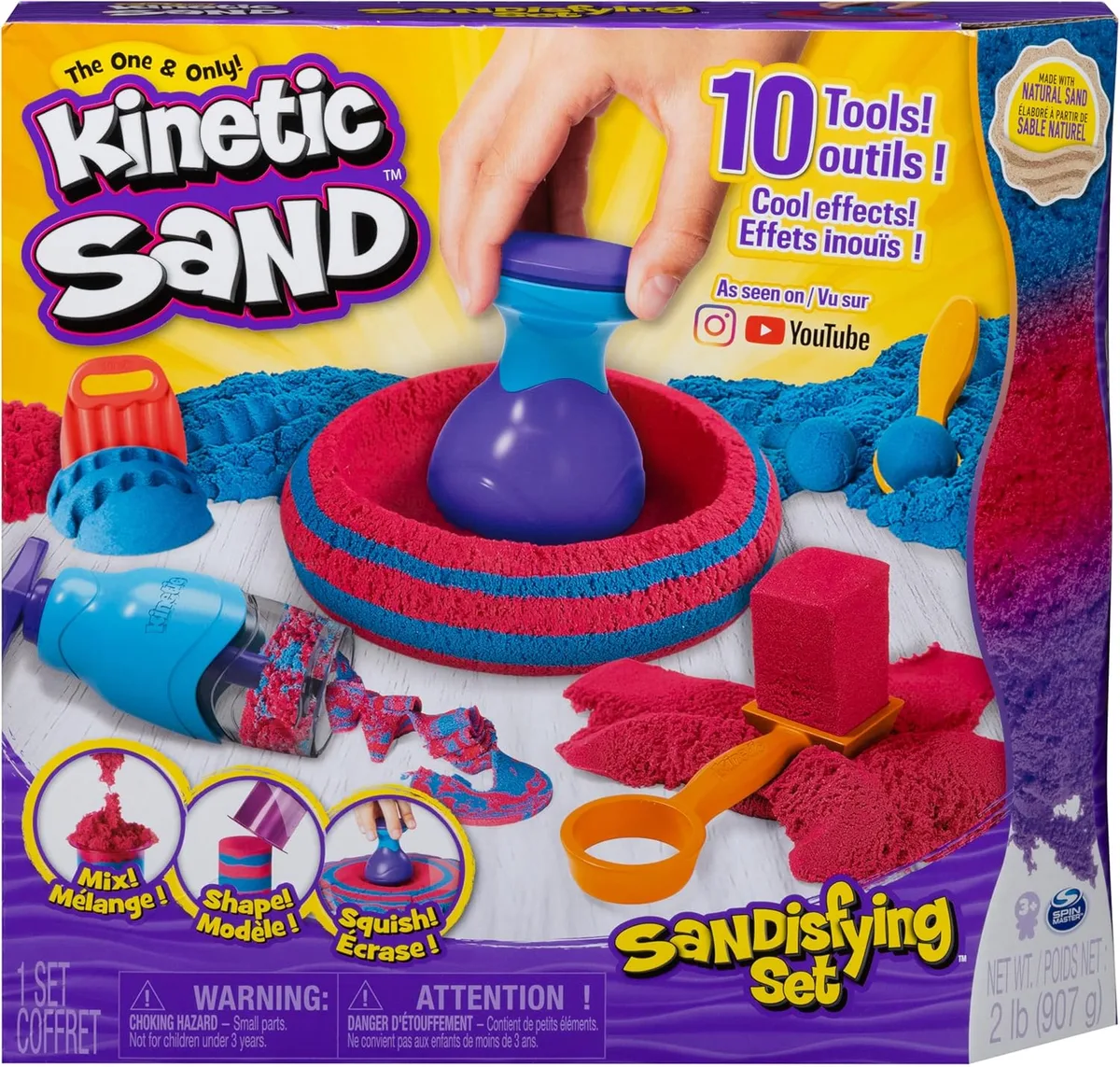
Affiliate linksKinetic Sand (3 lb)
“Alternative sensory filler that molds and holds shape. Less mess than dry materials.”
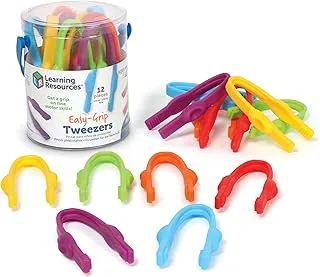
Learning Resources Tweezers (12-pack)
“Adds fine motor challenge to sensory bin play.”
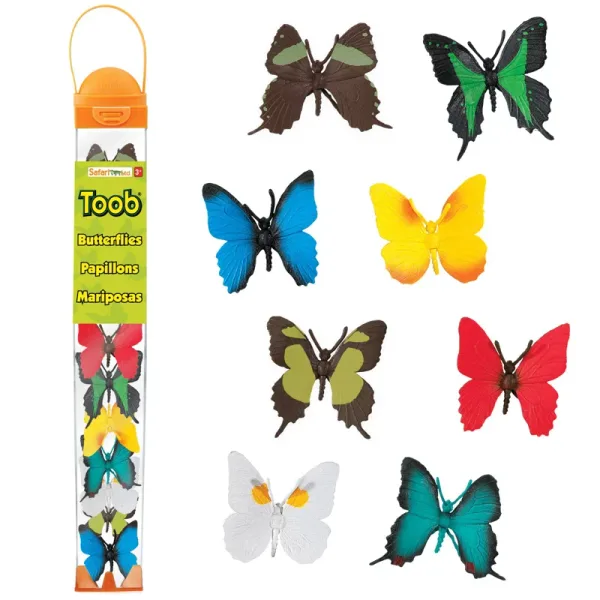
Safari Ltd Animal TOOB (12 figurines)
“Hide figurines in the sensory bin for seek-and-find play.”
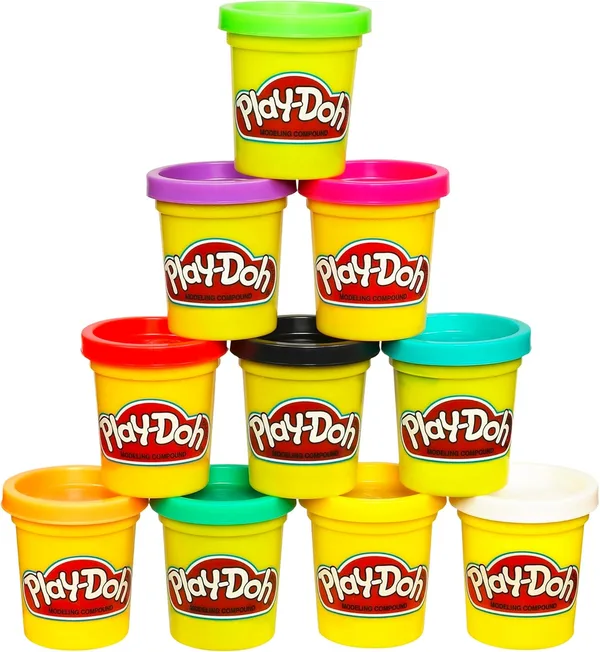
Play-Doh Classic 10-Pack
“Different tactile material for variety in sensory play rotation.”