ScienceBasedKids.com may earn a commission from affiliate links in this review. Our ratings are never influenced by affiliate relationships. Read our full methodology.
Most puzzles marketed for toddlers aren’t actually designed for toddler hands. The pieces are too small, the tolerances are too tight, and the completed image is too small to feel like an achievement. Banana Panda’s Suuuper Size puzzles fix all three problems: pieces the size of adult palms, generous tolerances that forgive imprecise placement, and a completed puzzle that stretches over three feet across the living room floor. The result is a floor puzzle that toddlers can actually complete independently, which is the whole point.
We tested the Little Creatures Suuuper Size Puzzle across three households with children ages 22 months to 4 years over four weeks.
Product Overview
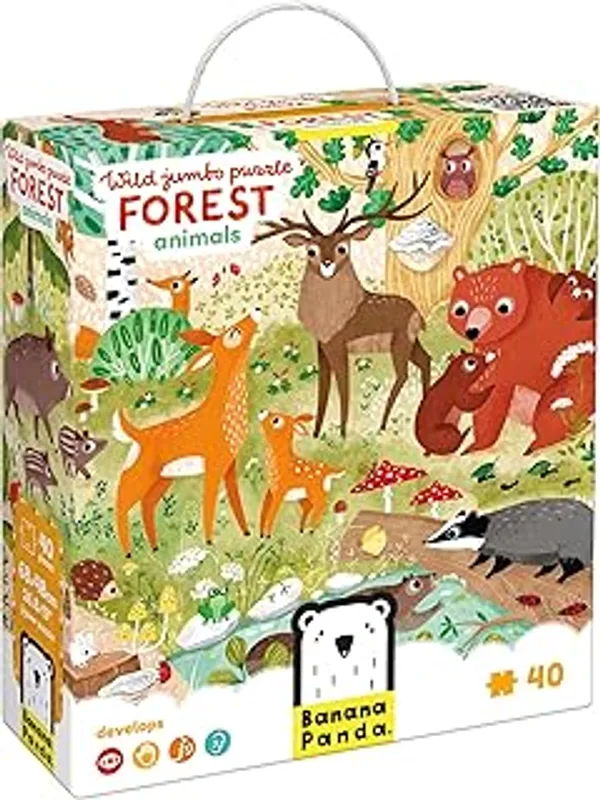
The Banana Panda Suuuper Size Puzzle - Little Creatures ($16) is a large-format floor puzzle:
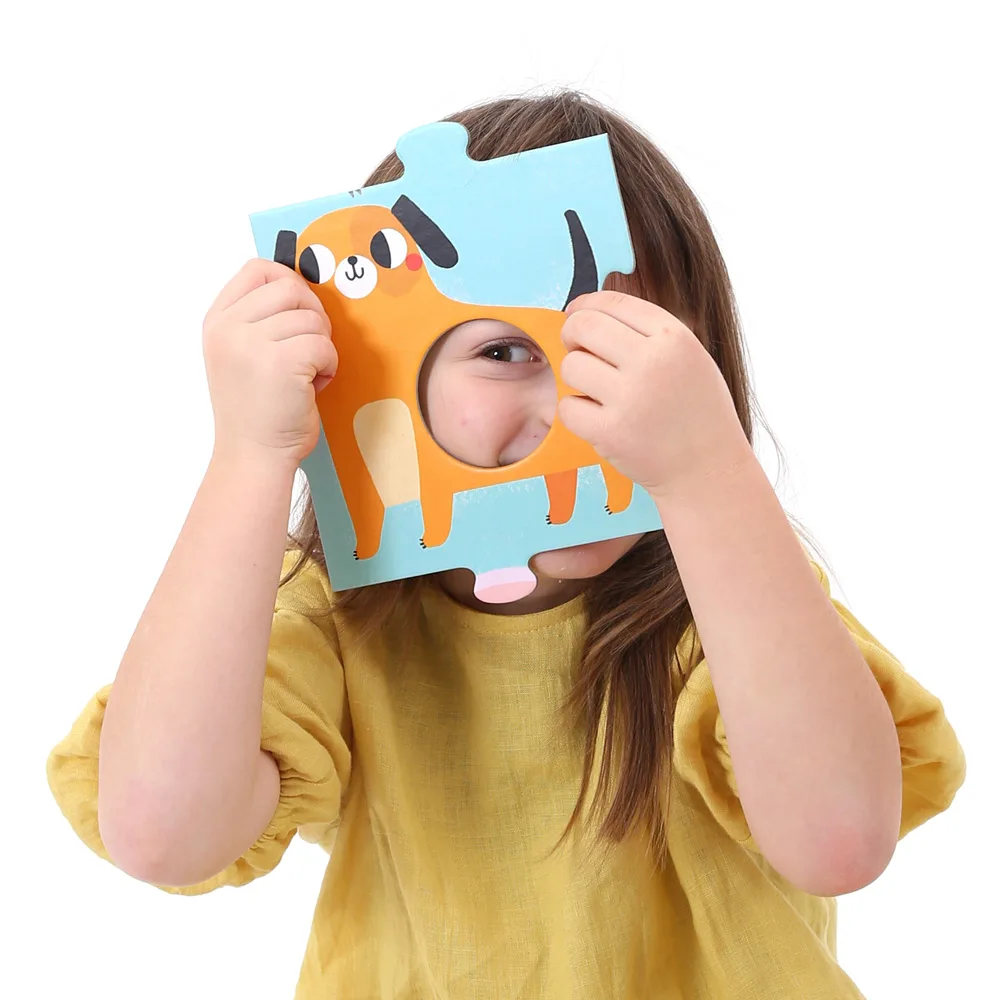
- Pieces: 35 thick cardboard pieces, each approximately 4-5 inches at widest point
- Completed size: Over 35” × 24” — floor-scale
- Cardboard thickness: Extra-thick (approximately 3mm) for durability and easy handling
- Illustration: Bright, friendly insect and creature characters with simple backgrounds
- Packaging: Keepsake box with handle for storage and transport
The piece count (35) and piece size create a puzzle that is manageable for 2-year-olds but still offers a satisfying challenge for 3-4 year olds. The illustrations are clear with distinct color regions that help children identify where pieces belong.
Our Evaluation
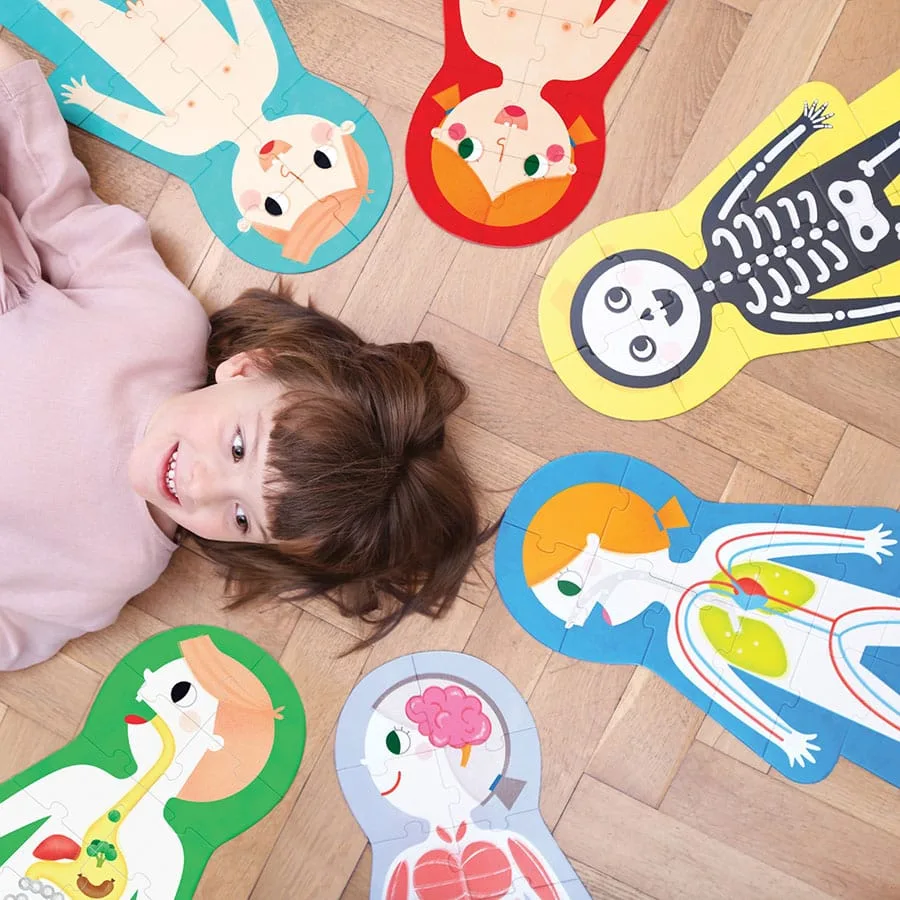
Build Quality: 7/10
The cardboard is genuinely thick — noticeably more substantial than standard puzzle pieces. The printing is vibrant and the lamination layer protects against moderate moisture (a spilled cup won’t immediately destroy a piece, though prolonged exposure will). The pieces interlock securely without excessive force.
Play Value: 7/10
The floor puzzle format transforms puzzle assembly from a tabletop activity into a physical experience. Children crawl across the puzzle, reaching for pieces, physically positioning themselves around the image. This gross motor element is unique to floor puzzles and adds a physical dimension to the cognitive task.
The large piece size eliminates the frustration factor that kills puzzle interest for many toddlers. Children in our testing were able to grip, orient, and place pieces independently, building confidence through successful completion.
Age Appropriateness: 8/10
The 2+ age recommendation is accurate. Children at 24 months needed guidance but could physically manage the pieces. By 30 months, independent completion was achievable. The puzzle remains engaging through age 4, at which point the 35-piece count becomes too easy and children are ready for more complex puzzles.
Durability: 7/10
The extra-thick cardboard withstands toddler handling well. Pieces bend rather than fold, and the lamination prevents surface damage from normal play. The corners will show wear over time, and pieces should be stored flat (the box handle makes this easy).
Value for Money: 8/10
At $16 for a high-quality floor puzzle with 12-24 months of active use, the value is strong. The keepsake box and thick construction justify the price over thinner, cheaper puzzles.
The Evidence
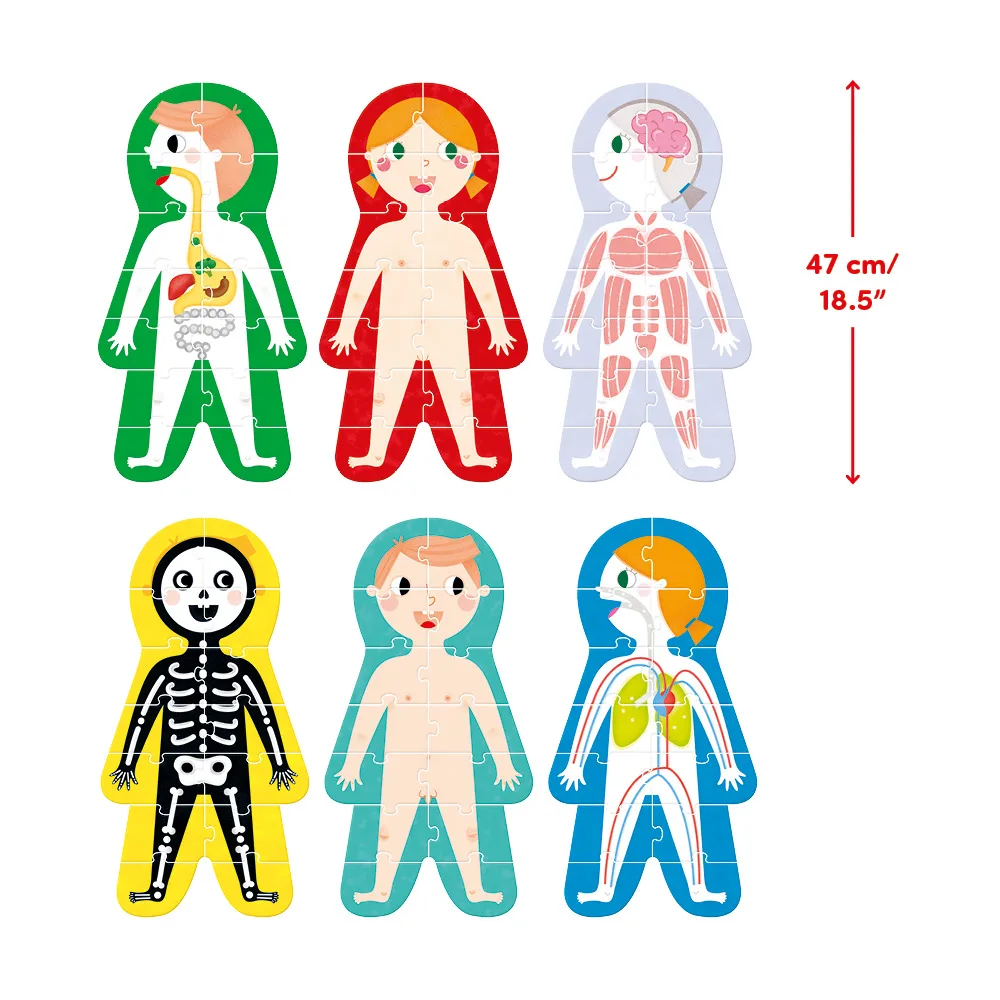
Puzzle play and spatial reasoning. Puzzle assembly is one of the most directly studied toy interactions in developmental psychology. Levine et al. (2012) found that children who played with puzzles between ages 2 and 4 had better spatial transformation abilities at age 4.5.1
Piece size and independent success. The large piece size supports independent completion, which builds self-efficacy. Bandura’s (1977) self-efficacy theory suggests that mastery experiences — successfully completing a challenging task — are the most powerful source of confidence.2
The honest summary: Puzzle play is among the most well-researched toy activities for spatial reasoning development. The Suuuper Size format makes this evidence-supported activity accessible to younger children than standard puzzles.
Safety Notes
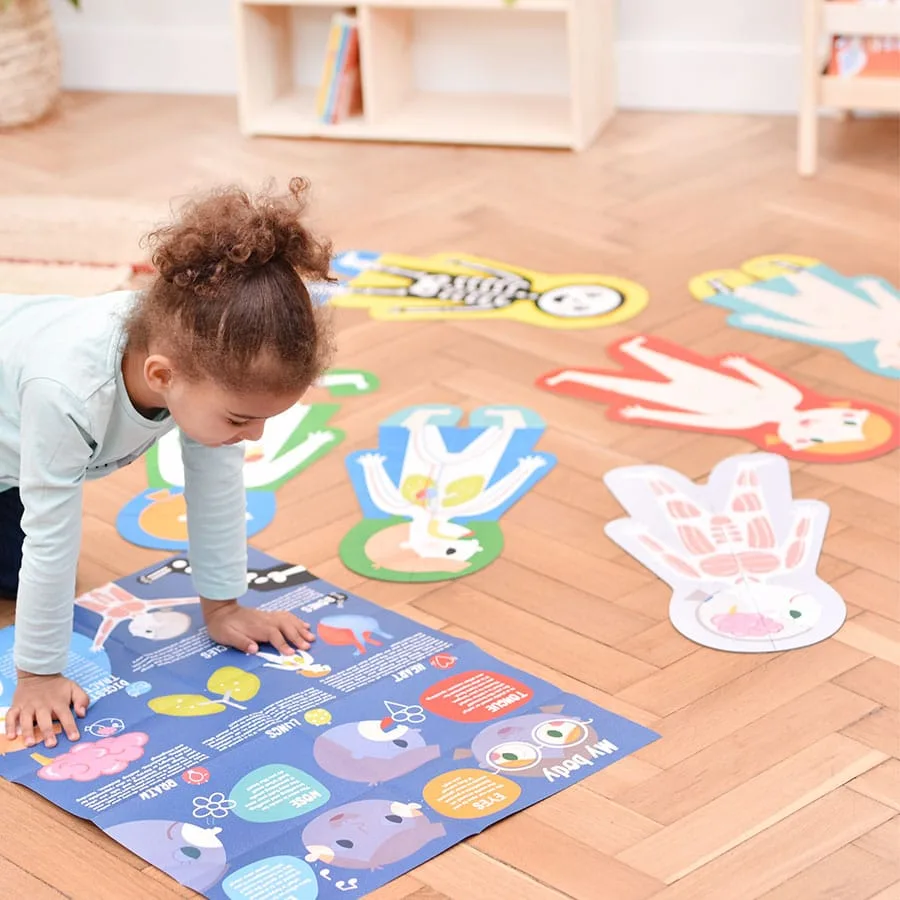
Meets EN-71 European safety standards. All pieces are far too large for choking hazard classification. No small parts. The cardboard is non-toxic. No CPSC recalls on record.
The Verdict
Banana Panda Suuuper Size puzzles solve the fundamental problem of toddler puzzles: pieces that are actually designed for toddler hands. The extra-thick cardboard, generous piece size, and floor-scale format create a puzzle experience that 2-year-olds can meaningfully engage with and independently complete. The evidence for puzzle play and spatial reasoning is strong, and this puzzle format makes that evidence-supported activity accessible earlier than standard puzzles.
Product Rating: 7/10 — Excellent piece size, good build quality, strong value. Limited replayability once mastered is the primary limitation.
Evidence Rating: Moderate — Puzzle play and spatial reasoning are well-researched. Large-format puzzles make this evidence accessible to younger children.
Who Should Buy This
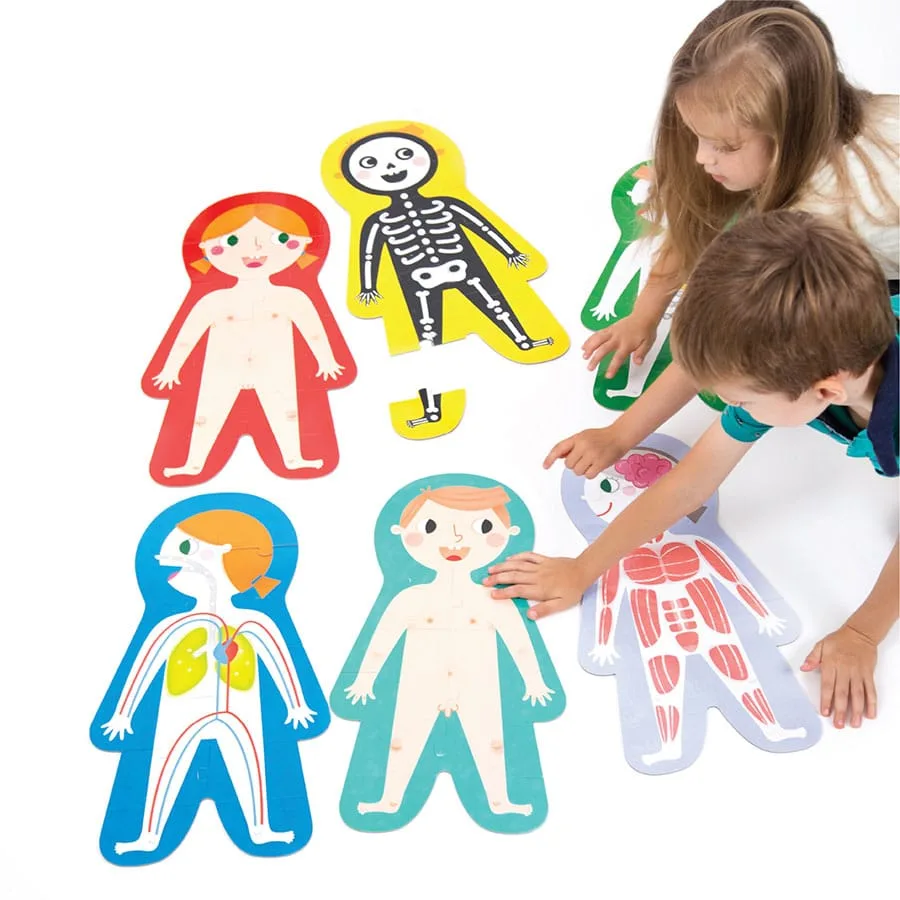
- Parents of 2-3 year olds looking for first puzzle experiences
- Families wanting floor-scale activities that involve physical movement
- Gift-givers seeking educational toys for toddlers under $20
Who Should Skip This
- Families with children over 4 (too easy)
- Parents looking for puzzles with high replay value (once mastered, the challenge is gone)
- Anyone with limited floor space for puzzle assembly
This review reflects our independent evaluation. ScienceBasedKids.com purchased this product at retail price. We may earn a commission if you purchase through our links, which helps fund our research. This never influences our ratings.
Footnotes
-
Levine, S. C., Ratliff, K. R., Huttenlocher, J., & Cannon, J. (2012). “Early puzzle play: A predictor of preschoolers’ spatial transformation skill.” Developmental Psychology, 48(2), 530-542. ↩
-
Bandura, A. (1977). “Self-efficacy: Toward a unifying theory of behavioral change.” Psychological Review, 84(2), 191-215. ↩
Recommended Accessories
Affiliate links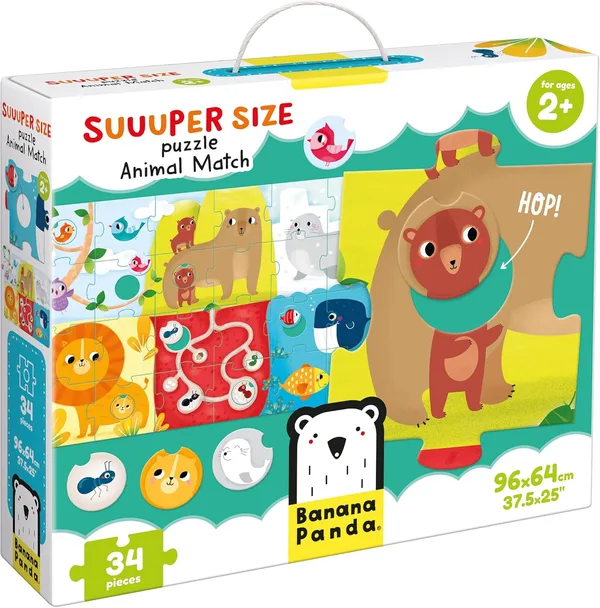
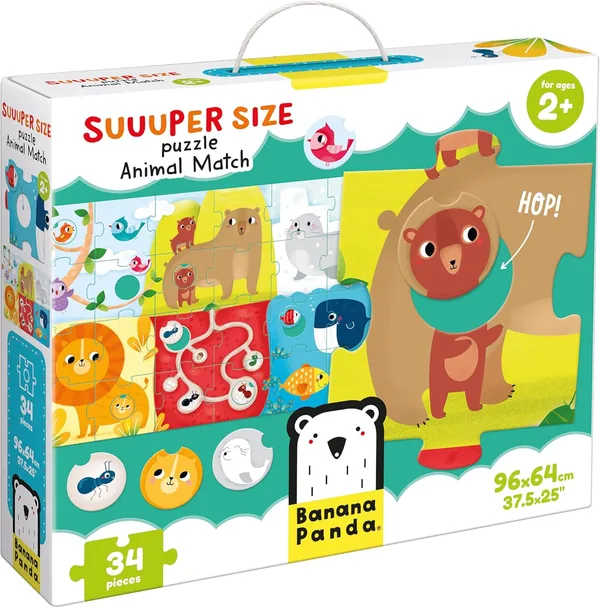
Banana Panda Animal Match Suuuper Size Puzzle
“Matching activity combined with puzzle assembly. Adds a memory element.”
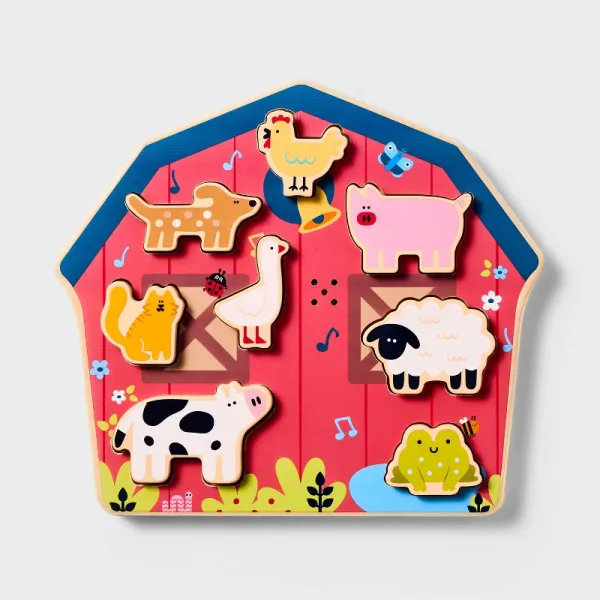
Banana Panda Suuuper Size Puzzle On the Farm
“Different theme, same piece size. Farm animals are a toddler favorite.”
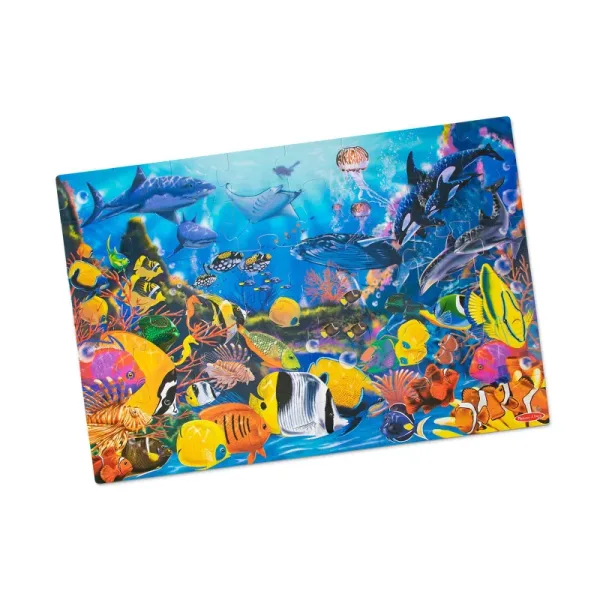
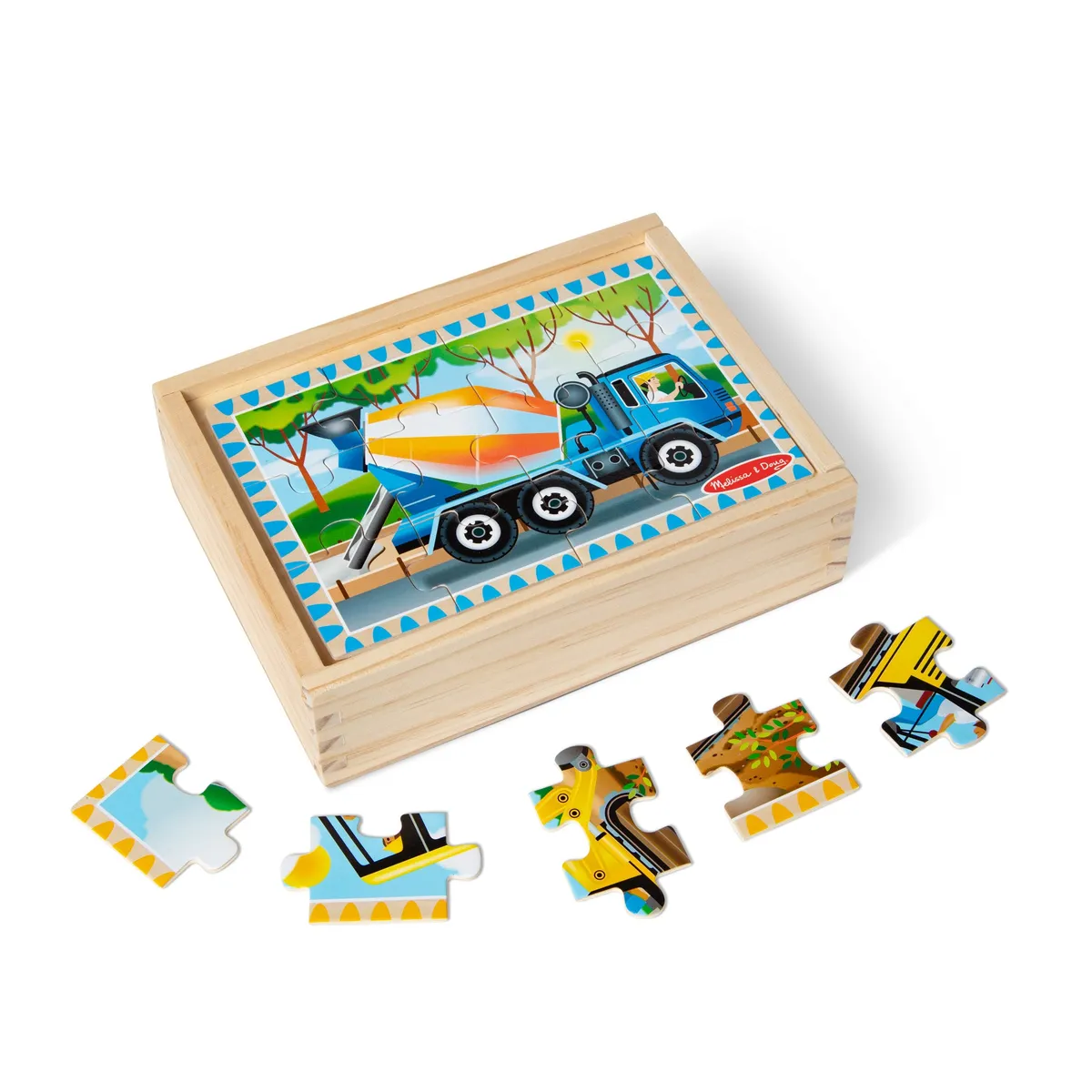
Melissa & Doug Floor Puzzles
“More piece variety but smaller pieces. Steps up the challenge for ages 3+.”
Banana Panda Suuuper Size Puzzle My Body
“Educational body-parts theme with interchangeable pieces. Learning-focused variant.”