ScienceBasedKids.com may earn a commission from affiliate links in this review. Our ratings are never influenced by affiliate relationships. Read our full methodology.
Thirty million units sold. That number, which Baby Einstein prominently features in their marketing, is either impressive or meaningless depending on your perspective. Impressive because sustained commercial success at this scale suggests the product genuinely resonates with families. Meaningless because popularity doesn’t equal developmental value. The truth is somewhere in between: the Take Along Tunes is a well-designed, inexpensive infant toy that does exactly what parents need it to do — entertain a baby for a few minutes in a car seat, stroller, or high chair.
We tested the Take Along Tunes across three households with infants ages 2 months to 18 months over four weeks.
Product Overview
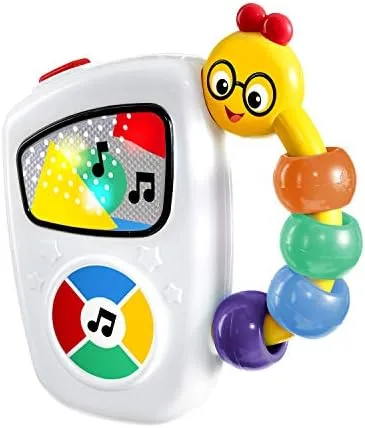
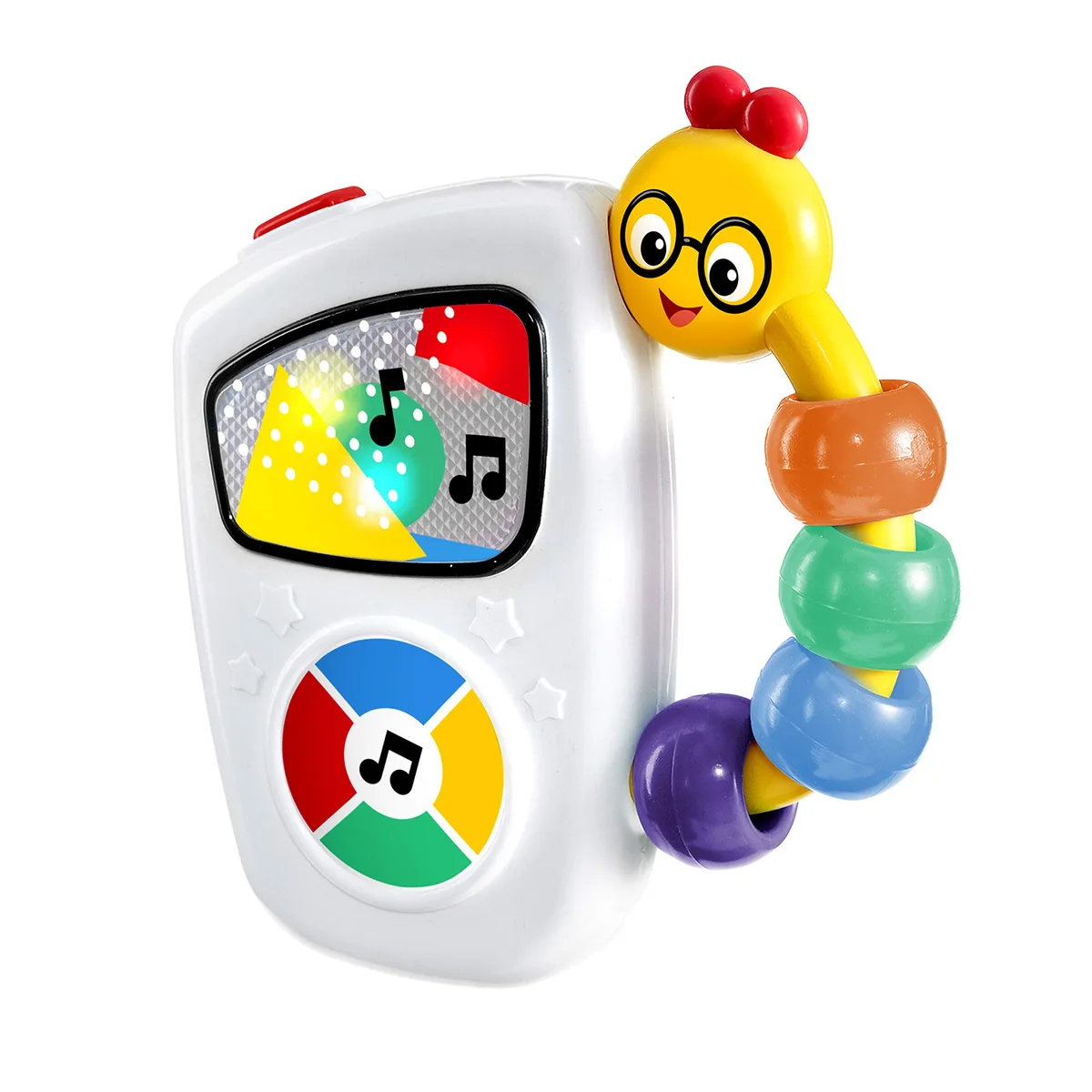
The Baby Einstein Take Along Tunes ($10) is a handheld electronic musical toy:
- Music: 10 classical melodies (Chopin, Mozart, Vivaldi, and others)
- Controls: One large button to cycle through melodies
- Display: LED light-up panel that pulses colors in rhythm with the music
- Volume: Two-position volume switch (low and high)
- Size: Approximately 5” × 5” × 1” — sized for infant hands
- Power: 2 AA batteries (included for demo)
- Character: Features “Cal” — a blue caterpillar character from the Baby Einstein franchise
The design is intentionally simple. One button changes songs. That’s the entire interface. The light display provides visual stimulation during playback. The plastic construction is smooth with no sharp edges.
Our Evaluation
Build Quality: 6/10
The Take Along Tunes is a $10 product, and the build quality reflects that price point. The plastic is thin but not flimsy. The button is responsive and requires minimal force — important for infant hands. The speaker is small and produces tinny audio that’s acceptable at low volume and grating at high volume.
The light-up display is the design highlight — the color patterns are engaging for young infants who are developing visual tracking. The overall construction survived our testing period without issues, though the device lacks any water resistance (a notable omission for something that will inevitably be drooled on).
Play Value: 7/10
The Take Along Tunes succeeds specifically as a portable entertainment tool. In car seats, strollers, and other confined settings, it provides reliable distraction for infants ages 3-12 months. The classical melodies are pleasant enough that parents don’t actively resent hearing them on repeat — a low bar, but one that many musical toys fail to clear.
The single-button interface is well-matched to infant motor capabilities. Babies as young as 4-5 months can activate the button, creating a clear cause-and-effect interaction. The immediate audio and visual feedback reinforces the connection between action and result.
Age Appropriateness: 7/10
The 3-month minimum age is appropriate for passive listening and visual engagement with the light display. Active button-pressing typically begins around 4-5 months. By 18 months, most children have moved on to more complex toys, though the device occasionally resurfaces as a comfort object.
Durability: 6/10
Adequate for the price. The plastic housing withstands drops onto carpet and moderate handling. Hard surface drops may crack the housing. The battery compartment seal is not tight enough to prevent moisture ingress from heavy drooling — we recommend periodic drying.
Value for Money: 9/10
At $10, the Take Along Tunes offers exceptional value. The cost-per-month of active use (typically 6-12 months) is under $2. There is essentially no competing product that delivers comparable utility at this price point.
The Evidence
Music and infant development. The idea that classical music makes babies smarter (the “Mozart Effect”) has been thoroughly debunked in its strong form. Rauscher et al.’s (1993) original finding was specific to college students performing spatial tasks and was never replicated with infants.1 However, music exposure in infancy does support auditory processing development. Trainor et al. (2012) found that musically enriched environments support earlier and more sophisticated neural responses to sound.2
Cause-and-effect learning. The single-button interface provides contingent feedback — press button, hear music. This simple contingency supports the development of causal understanding, a fundamental cognitive milestone in the first year of life.
The honest summary: The Take Along Tunes will not make your baby smarter. It will provide pleasant auditory and visual stimulation, support early cause-and-effect learning, and entertain your infant during car rides. That’s enough.
Safety Notes
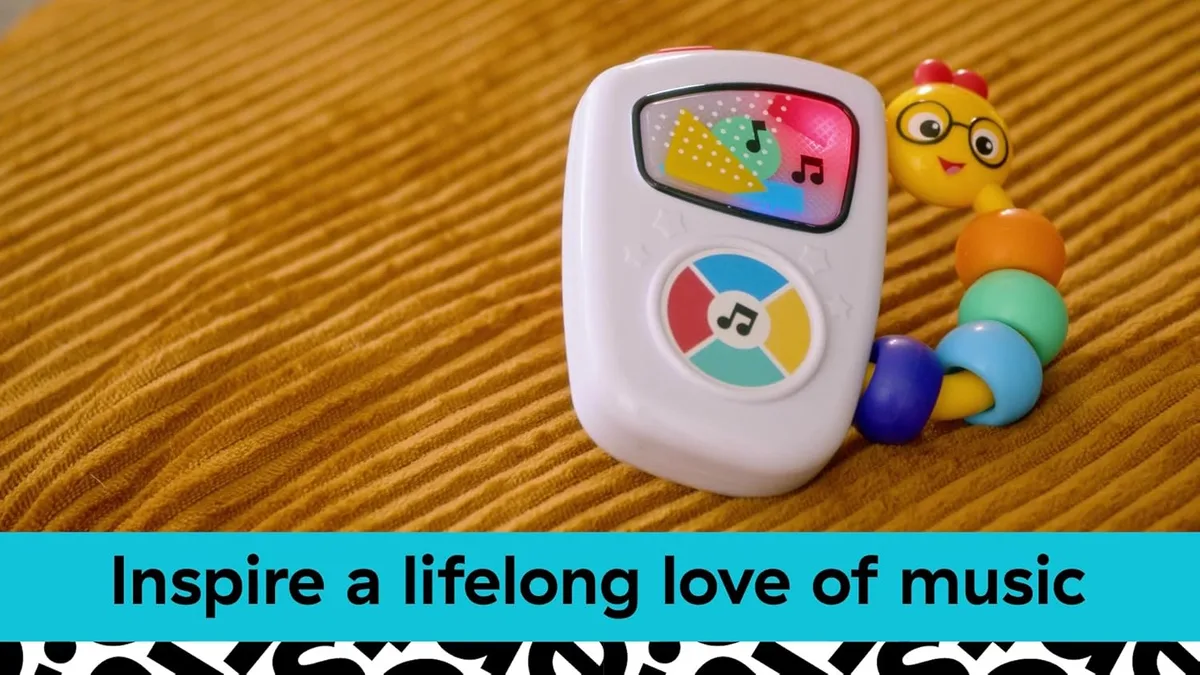
Meets ASTM F963 and CPSIA standards. BPA-free plastic. Battery compartment is screwed shut. No small parts or choking hazards. No active CPSC recalls.
The device should not be left in direct sunlight (battery heat risk) or submerged in water. The strap attachment point can be used with a pacifier clip for stroller and car seat attachment.
The Verdict
The Baby Einstein Take Along Tunes is a $10 musical toy that has earned its place in the diaper bag of millions of families. It’s not a developmental tool — it’s a well-designed entertainment device for infants that happens to play classical music instead of electronic jingles. The light-up display, single-button interface, and portable form factor combine to create a product that reliably works when you need it to work.
Product Rating: 7/10 — Excellent portability and value. Limited build quality and audio fidelity prevent a higher score, but at $10, expectations should be calibrated accordingly.
Evidence Rating: Emerging — Cause-and-effect learning is supported. Music exposure supports auditory development. The “Mozart Effect” on infant intelligence is not supported.
Who Should Buy This
- Parents of infants 3-12 months looking for portable entertainment
- Families who need a reliable car seat / stroller distraction
- Gift-givers seeking an inexpensive, universally appropriate baby gift
- Parents building a diaper bag toy rotation
Who Should Skip This
- Parents committed to battery-free, screen-free sensory play
- Families with children over 18 months (they’ve outgrown it)
- Anyone expecting developmental acceleration from a musical toy
This review reflects our independent evaluation. ScienceBasedKids.com purchased this product at retail price. We may earn a commission if you purchase through our links, which helps fund our research. This never influences our ratings.
Footnotes
-
Rauscher, F. H., Shaw, G. L., & Ky, C. N. (1993). “Music and spatial task performance.” Nature, 365, 611. ↩
-
Trainor, L. J., Marie, C., Gerry, D., Whiskin, E., & Unrau, A. (2012). “Becoming musically enculturated: Effects of music classes for infants on brain and behavior.” Annals of the New York Academy of Sciences, 1252, 129-138. ↩
Recommended Accessories
Affiliate links
Baby Einstein Octoplush Musical Toy
“Plush musical toy that teaches colors in three languages. Different sensory profile.”
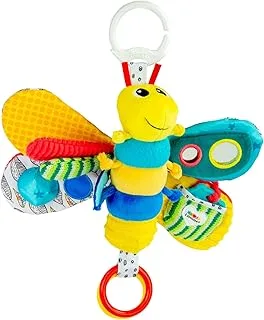
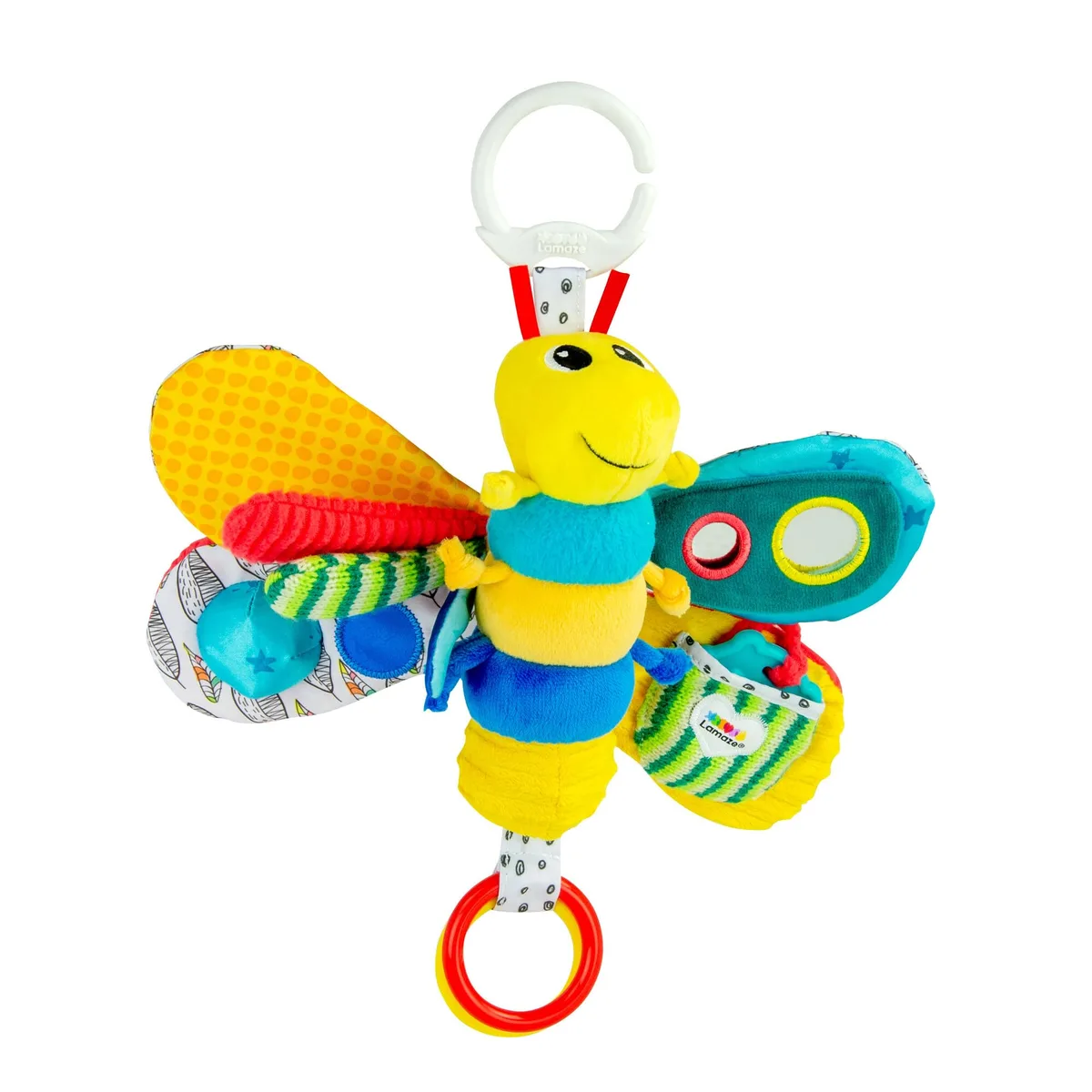
Lamaze Freddie the Firefly
“Multi-sensory clip-on toy. Different textures and sounds for variety.”
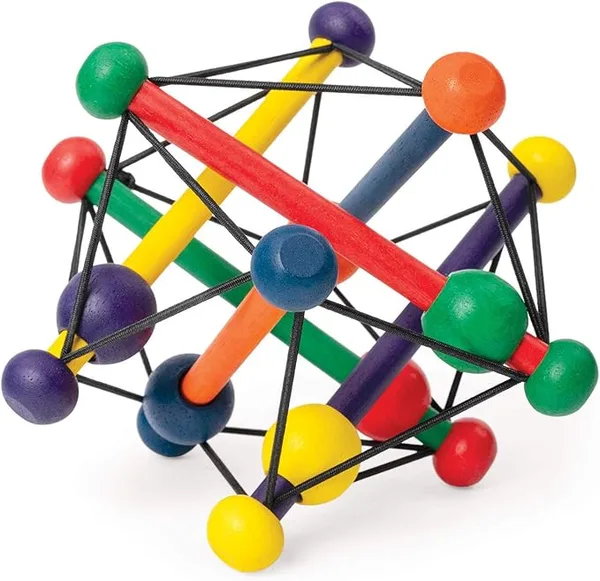
Manhattan Toy Skwish Classic
“Non-electronic rattle alternative. Wooden construction, natural sounds.”
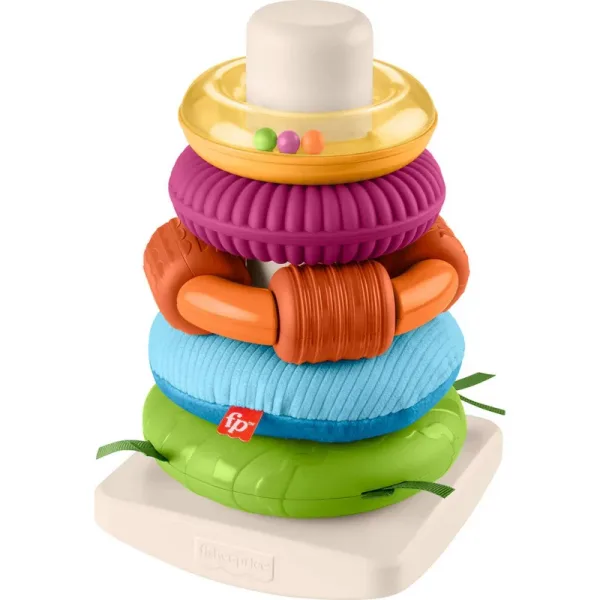
Fisher-Price Rock-a-Stack
“Non-musical alternative. Classic stacking rings at an even lower price point.”