ScienceBasedKids.com may earn a commission from affiliate links in this review. Our ratings are never influenced by affiliate relationships. Read our full methodology.
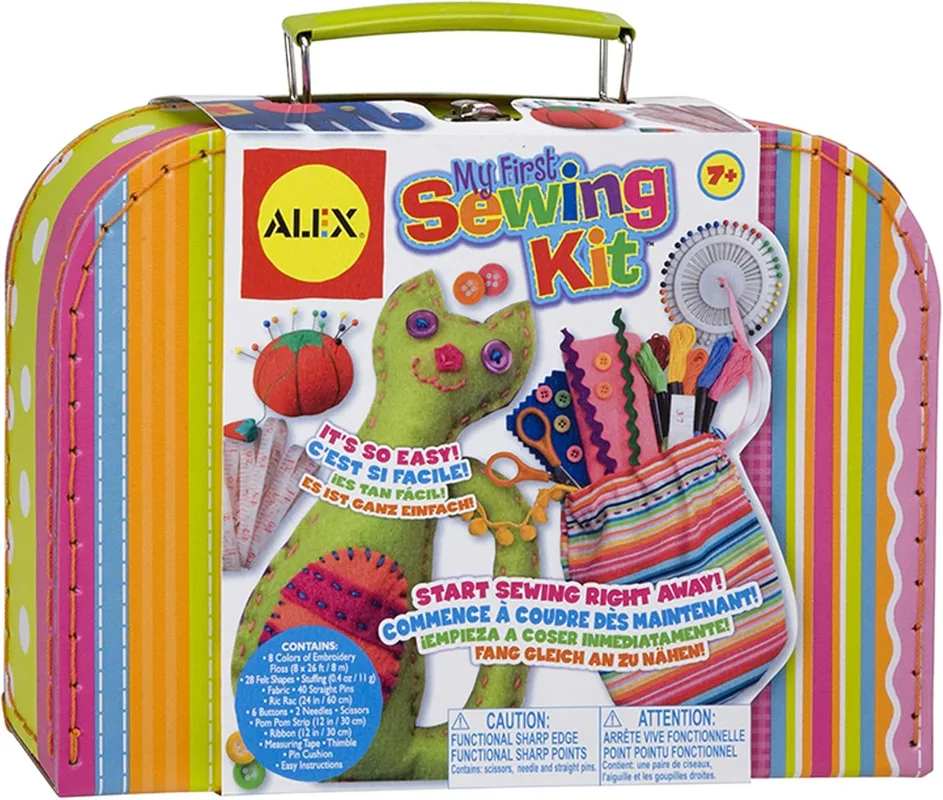
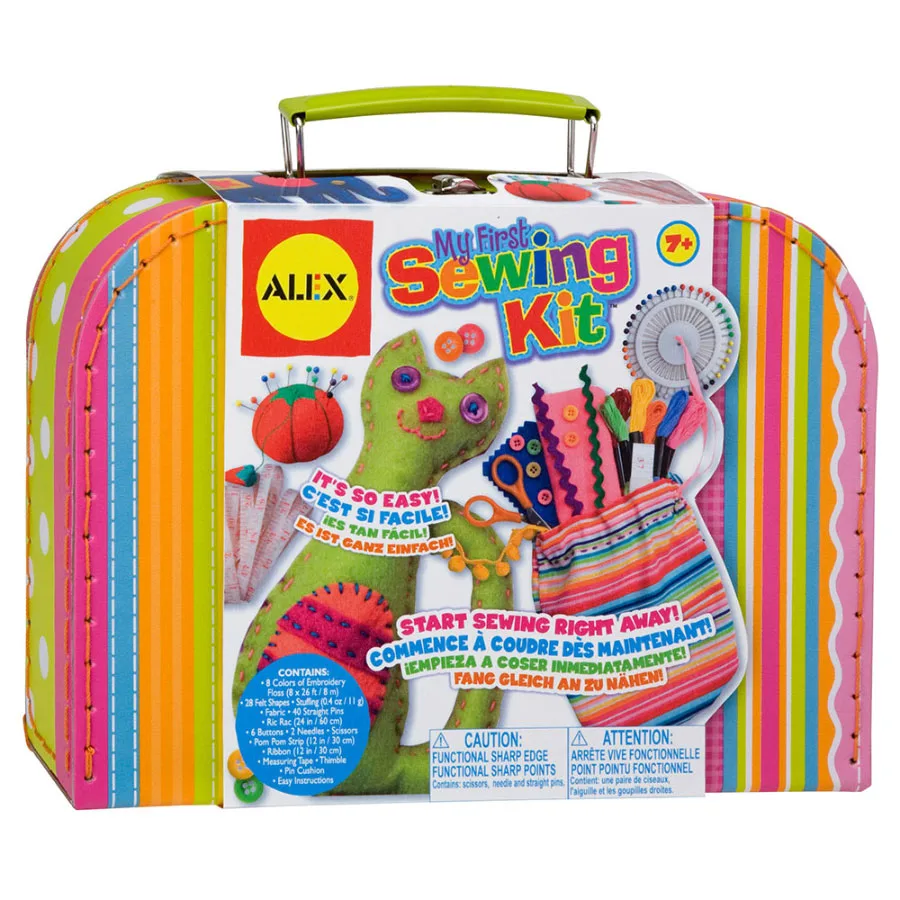
Sewing is one of the few craft skills that children can learn and carry into adulthood as a useful competency. The Alex Toys My First Sewing Kit ($20) provides a structured introduction: pre-cut felt pieces with pre-punched holes, blunt plastic needles, embroidery thread, and instructions for 16 projects ranging from a simple bookmark to a stuffed owl.
We tested it for six weeks with children ages 7 through 11.
Product Overview
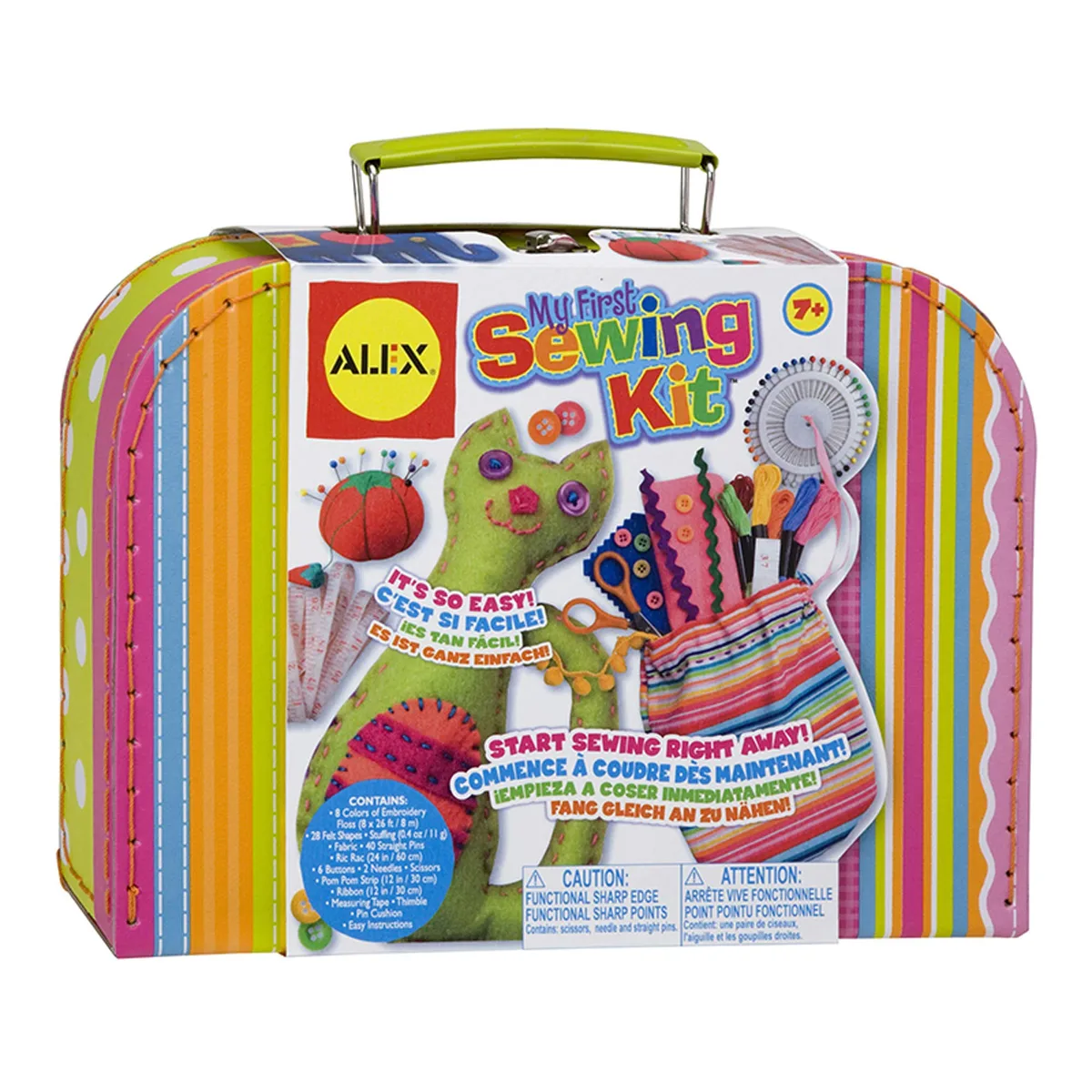
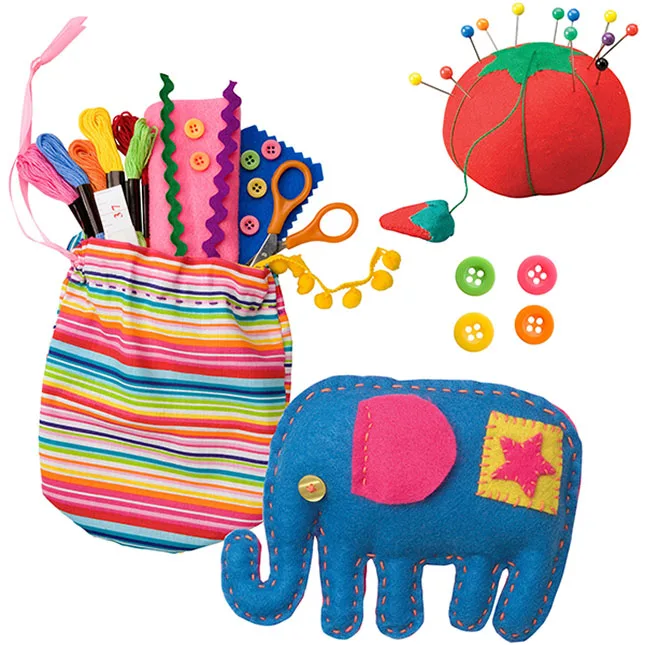
Kit includes pre-cut felt pieces for 16 projects, plastic needles (2), embroidery thread in multiple colors, polyester stuffing, illustrated instructions, and a storage case.
Our Evaluation
Build Quality: 6/10
The felt is thin but workable. The plastic needles are safe but require more force than metal needles. The thread is standard quality. Adequate for learning; not premium.
Play Value: 8/10
The project-based structure provides clear goals and the satisfaction of completing tangible items. Children in our testing showed remarkable persistence — sewing requires patience, and the visible progress of stitches accumulating motivated continued effort. The finished products (animals, accessories, pouches) were worn, gifted, and displayed with pride.
Age Appropriateness: 8/10
Ages 7-12. Children under 7 struggle with the needle threading and stitch consistency. Ages 8-10 is the sweet spot.
Value for Money: 8/10
$20 for 16 projects and a genuine skill-building experience. Good value.
The Evidence
Sewing engages bilateral coordination, hand-eye coordination, and sequencing — fine motor skills documented by Cameron et al. (2012) as predictive of academic achievement.1 The project completion builds self-efficacy (Bandura, 1977).2
Safety Notes
Blunt plastic needles reduce puncture risk. Adult supervision recommended for first projects. No CPSC recalls.
The Verdict
A well-structured introduction to a lifelong skill. The project-based format provides motivation, and the fine motor challenge is genuine.
Product Rating: 7/10 — Good skill-building kit. Basic materials limit the score.
Evidence Rating: Emerging — Fine motor and self-efficacy development well-supported.
Who Should Buy This
- Children ages 7-10 interested in crafting
- Families seeking screen-free creative activities
- Parents who want children to learn practical skills
- Gift-givers for elementary-age crafters
Who Should Skip This
- Children under 7 who may find the motor demands frustrating
- Experienced young sewers who need better materials
- Families seeking instant-gratification activities
- Children who prefer digital or construction-based creativity
This review reflects our independent evaluation. ScienceBasedKids.com purchased this product at retail price.
Footnotes
Enjoyed this review? We publish two new evidence-based evaluations every week.
Free. No spam. Unsubscribe anytime.
Recommended Accessories
Affiliate links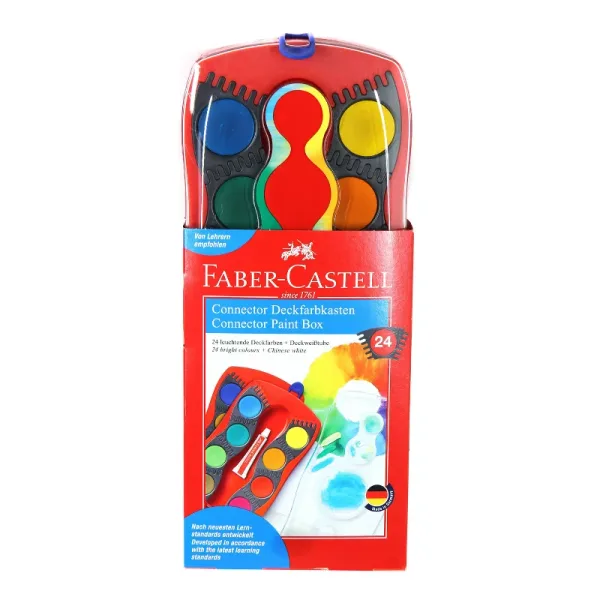
Faber-Castell Sewing Kit for Beginners
“Simpler beginner kit with fewer projects but guided instructions.”
Felt Sheets Assortment (40 Colors)
“Additional felt for custom projects after completing the kit's designs.”
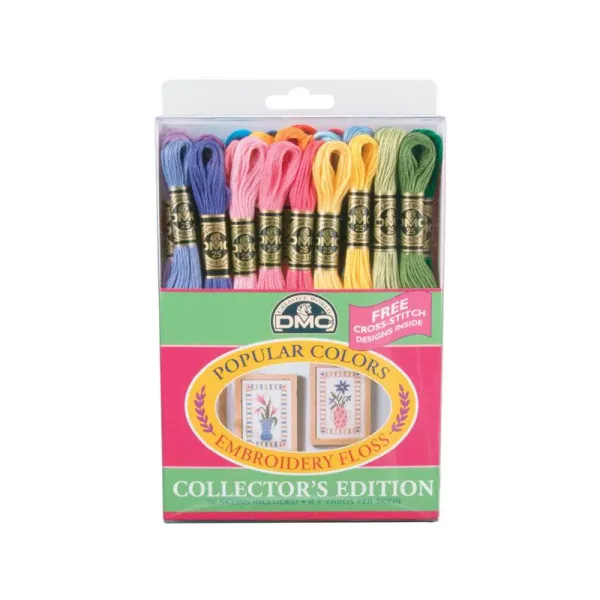
DMC Embroidery Thread (36 Skeins)
“More thread colors for expanded creative possibilities.”

KiwiCo Kiwi Crate Monthly Subscription
“Monthly craft subscription for ongoing project-based creative engagement.”