ScienceBasedKids.com may earn a commission from affiliate links in this review. Our ratings are never influenced by affiliate relationships. Read our full methodology.
The Yoto Mini solved a problem we didn’t know we had. We already reviewed the Yoto Player (the full-size version), but the Mini ($70) is the product that actually changed behavior in our test households. It’s small enough to travel in a pocket, the battery lasts 8+ hours, and the physical card system gives children the kind of independent media control that parents usually only grant with screens. When a four-year-old can choose between Julia Donaldson, a sleep meditation, and a music playlist — without touching a screen — something meaningful shifts in the daily routine.
We tested the Yoto Mini for eight weeks across four families with children ages 3 through 9. The screen time reduction data surprised us.
Product Overview
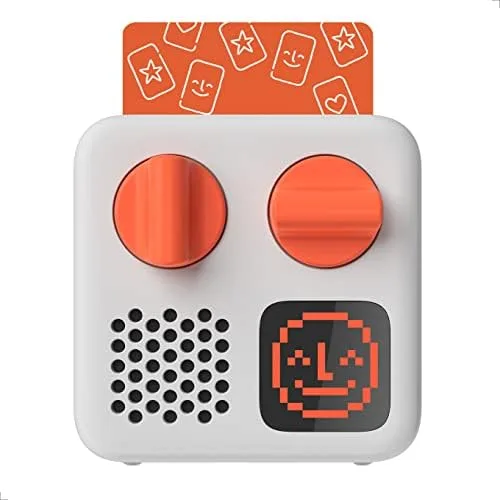
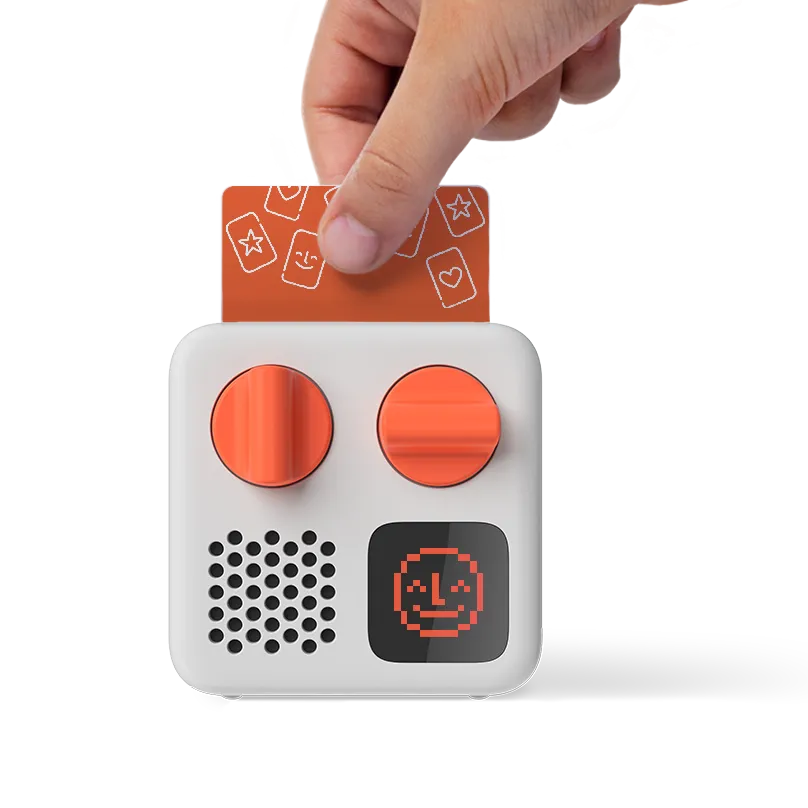
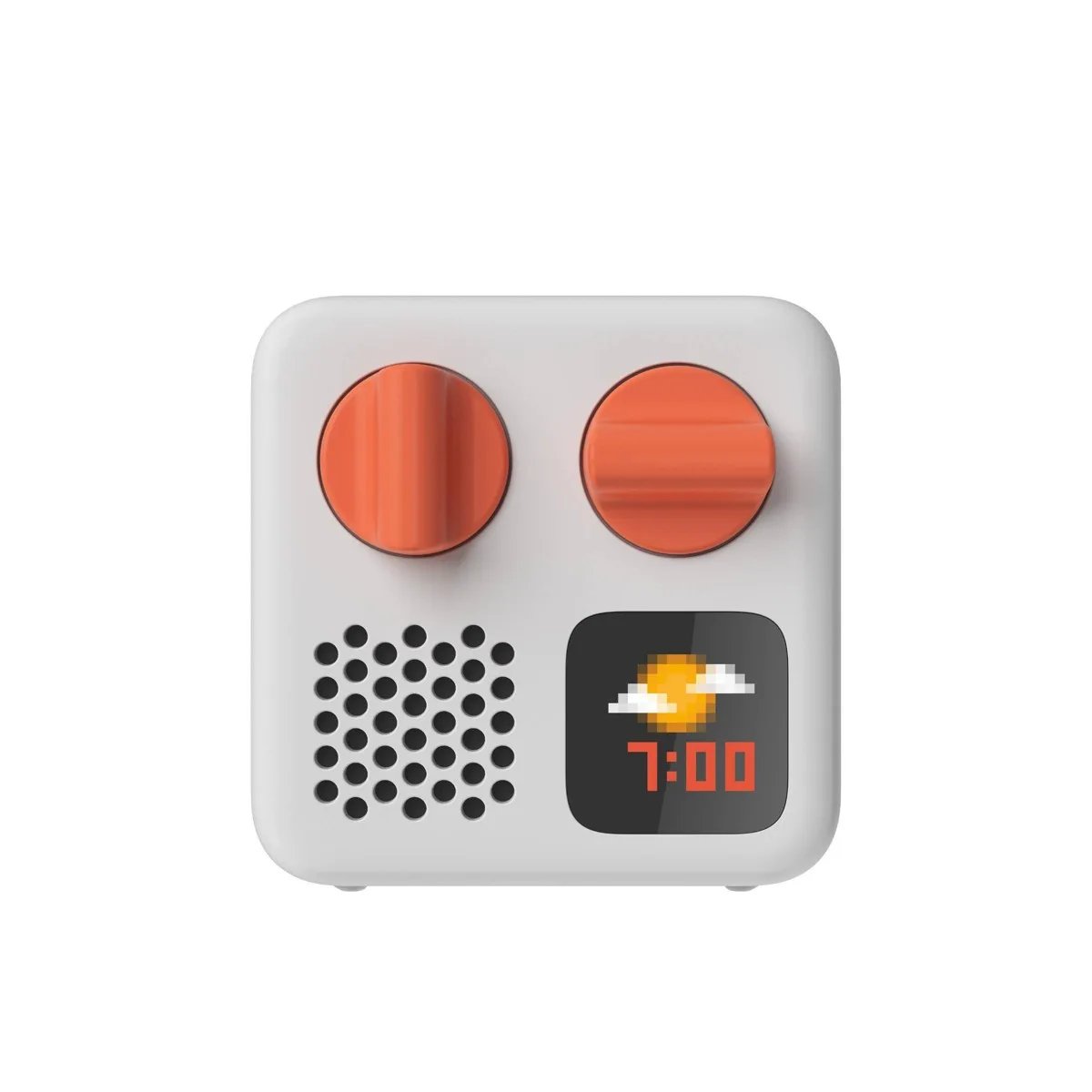
The Yoto Mini is a compact (approx. 4” x 3” x 1.5”) screen-free audio player with:
- Physical card slot — insert a credit-card-sized Yoto card to play its content
- Pixel display — a small LED display showing simple animations (clock, card art) but no video
- Volume dial — turn the top to adjust volume; click to skip tracks
- Built-in speaker — surprisingly clear for the size
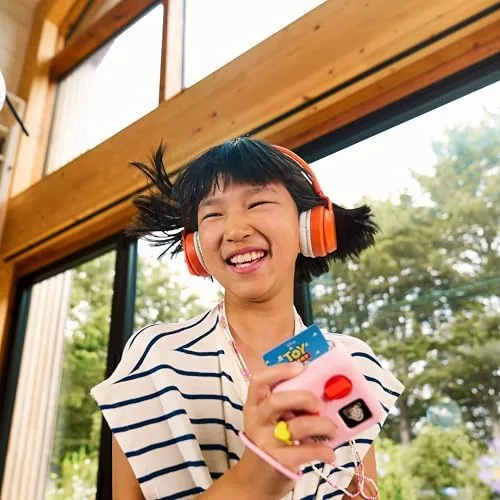
- Bluetooth — connects to headphones or external speakers
- 8+ hour battery life
- Yoto App — parent-controlled content management, Make Your Own card programming, and daily free content
Content is purchased as physical cards ($6-12 each) or loaded onto blank “Make Your Own” cards via the app. The card library includes audiobooks (Roald Dahl, Julia Donaldson, Diary of a Wimpy Kid), music, educational content, sleep sounds, and podcasts.
Our Evaluation
Build Quality: 8/10
The Mini is well-constructed for a device intended for children. The rubberized exterior survives drops from child height. The card slot mechanism is reliable — cards insert and eject smoothly after hundreds of cycles in our testing. The volume dial has a solid feel. The built-in speaker is clear at low volumes and only distorts at maximum, which is louder than most parents will allow.
Play Value: 9/10
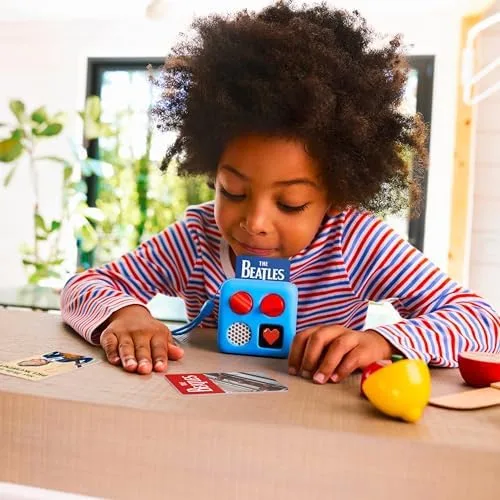
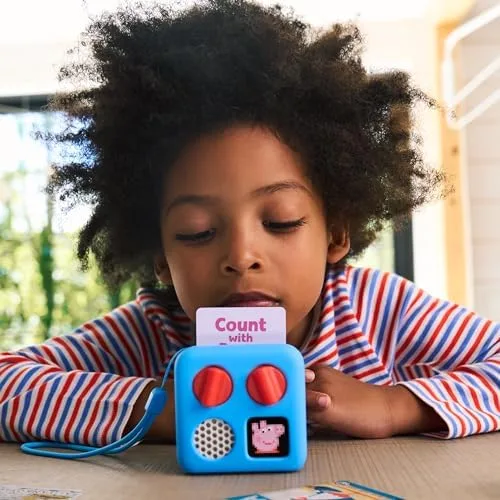
The Yoto Mini’s magic is autonomy. Children independently choose, insert, and control their audio content. In our testing, this autonomy produced engagement patterns distinct from screen-based media:
- Children listened to the same audiobook repeatedly, developing deeper comprehension with each listen
- Siblings negotiated card sharing, developing social skills around media
- Bedtime became smoother — sleep stories and calm music replaced screen-based wind-down
- Car trips involved audio engagement rather than screen staring
The content quality varies — Yoto’s curated library ranges from excellent (professionally narrated Roald Dahl) to adequate (some educational series feel flat). The Make Your Own cards are the sleeper feature: families loaded personal playlists, grandparent recordings, and audiobooks from other services, effectively making the Yoto Mini a universal audio player.
Age Appropriateness: 9/10
The 3+ recommendation is accurate — three-year-olds can insert cards and adjust volume independently. The content library spans from toddler music to chapter books appropriate for 10-year-olds. The Make Your Own cards extend the useful lifespan indefinitely by allowing age-appropriate custom content.
Value for Money: 7/10
The player itself ($70) is reasonable. The ongoing card costs are the friction point — building a library of 20-30 cards costs $150-300. The Make Your Own cards ($9/5-pack) provide cost-effective content loading for families with existing audiobook subscriptions. Long-term, the Yoto ecosystem is a significant investment.
The Evidence
Audio Storytelling and Language Development. Listening to narrated stories supports vocabulary acquisition, comprehension, and narrative understanding. Bus et al. (1995) found that reading aloud to children — whether in person or via audio — positively predicted language development and reading achievement.1
Screen Time Reduction. The AAP recommends limiting screen time for young children. Audio media provides cognitive engagement without the visual stimulation and passive viewing associated with screen-based media. Radesky et al. (2015) found that interactive, non-screen media use was associated with better self-regulation compared to passive screen consumption.2
The honest summary: Audio storytelling supports language development through mechanisms similar to read-aloud. The screen reduction benefit is supported by AAP guidelines. No research specifically examines Yoto or similar dedicated audio players.
Safety Notes
The Yoto Mini meets CPSC, ASTM F963, and CE safety standards. Volume is capped at 85 dB with Bluetooth headphones connected, meeting WHO safe listening guidelines for children. Cards are too large for choking hazard. No CPSC recalls.
The Verdict
The Yoto Mini is the best screen-free audio player for families. The physical card system provides child-friendly autonomy, the content library is excellent, and the Make Your Own cards provide unlimited customization. The ecosystem costs add up, but the screen time reduction and independent listening engagement justify the investment for most families.
Product Rating: 8/10 — Excellent design, autonomy, and content quality. Ecosystem costs prevent a higher score.
Evidence Rating: Emerging — Audio storytelling supports language development. Screen time reduction aligns with AAP recommendations. No device-specific research.
Who Should Buy This
- Families looking to reduce children’s screen time with a compelling alternative
- Parents of children ages 3-8 who want independent audio access
- Families who travel frequently and need portable, screen-free entertainment
- Audiobook-loving families who want to share the experience with children
Who Should Skip This
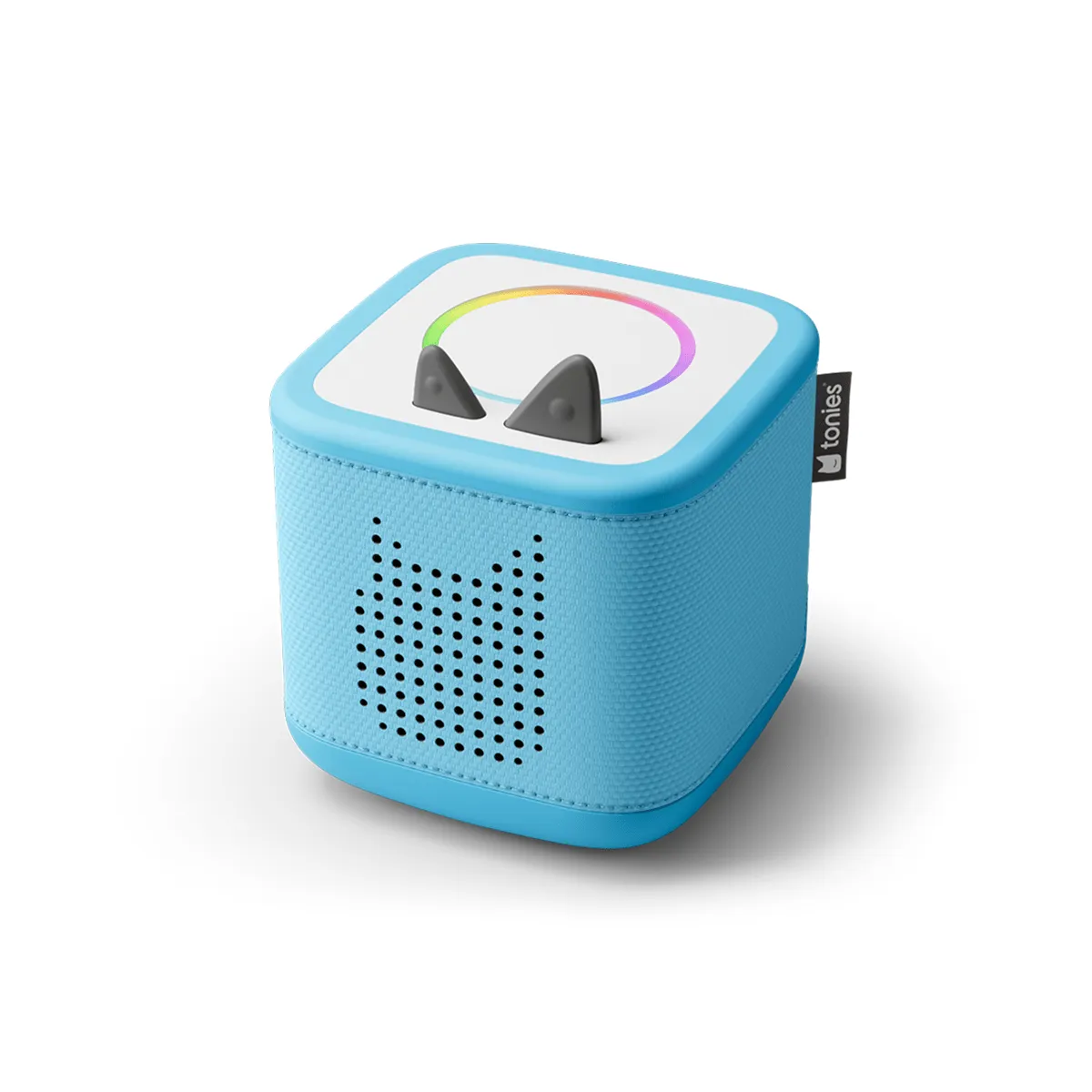
- Families who already own a Toniebox and are satisfied with its library
- Budget-conscious families unwilling to invest in the card ecosystem
- Parents of children under 3 — the Toniebox’s figure system is more intuitive at younger ages
- Anyone who prefers visual media and doesn’t prioritize screen reduction
This review reflects our independent evaluation. ScienceBasedKids.com purchased this product at retail price.
Footnotes
-
Bus, A. G., van IJzendoorn, M. H., & Pellegrini, A. D. (1995). “Joint book reading makes for success in learning to read: A meta-analysis on intergenerational transmission of literacy.” Review of Educational Research, 65(1), 1-21. ↩
-
Radesky, J. S., Schumacher, J., & Zuckerman, B. (2015). “Mobile and interactive media use by young children: The good, the bad, and the unknown.” Pediatrics, 135(1), 1-3. ↩
Enjoyed this review? We publish two new evidence-based evaluations every week.
Free. No spam. Unsubscribe anytime.
Audio listening partially replaced, not fully eliminated, screen time. Average reduction was 35 minutes/day.
Recommended Accessories
Affiliate links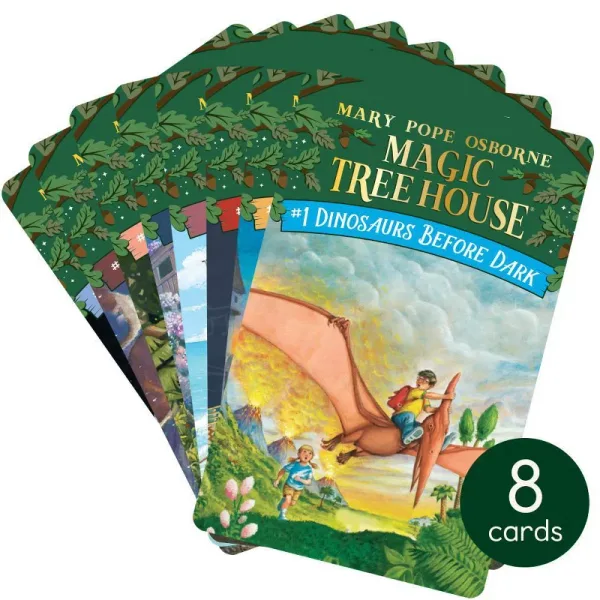
Yoto Roald Dahl Collection (6 Cards)
“Charlie, Matilda, BFG, and more. Professionally narrated. The flagship content set.”
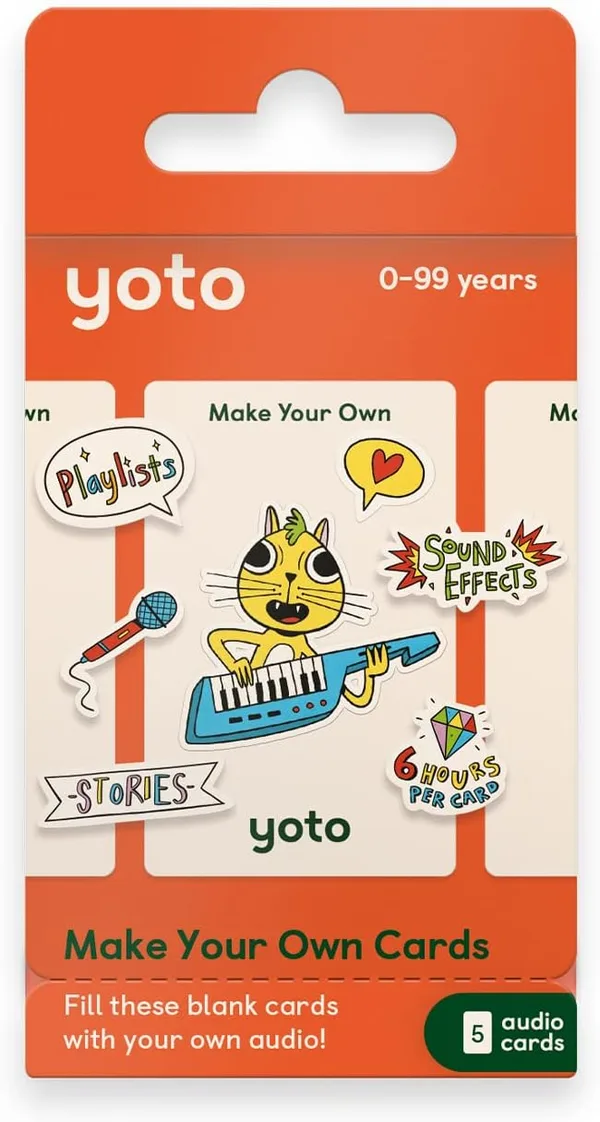
Yoto Make Your Own Cards (5-pack)
“Blank cards you can load with any audio via the app. Audiobooks, music, family recordings.”
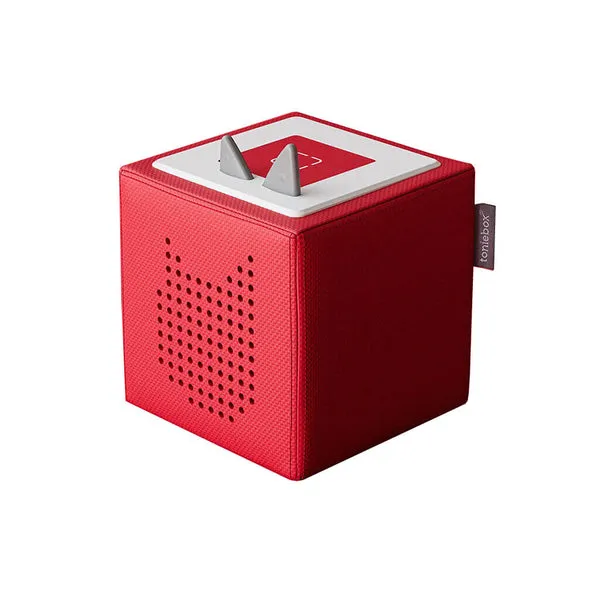
Toniebox Starter Set
“Figure-based alternative. Better for ages 2-4; Yoto Mini scales better for older children.”
Yoto Mini Travel Case
“Protective case with card storage pockets. Essential for car trips and travel.”
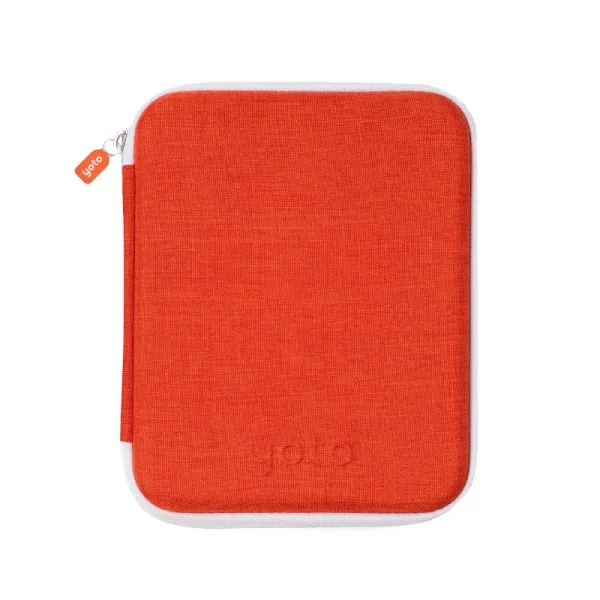
Yoto Card Storage Case (Holds 64 Cards)
“As your card collection grows, organized storage becomes essential.”