ScienceBasedKids.com may earn a commission from affiliate links in this review. Our ratings are never influenced by affiliate relationships. Read our full methodology.
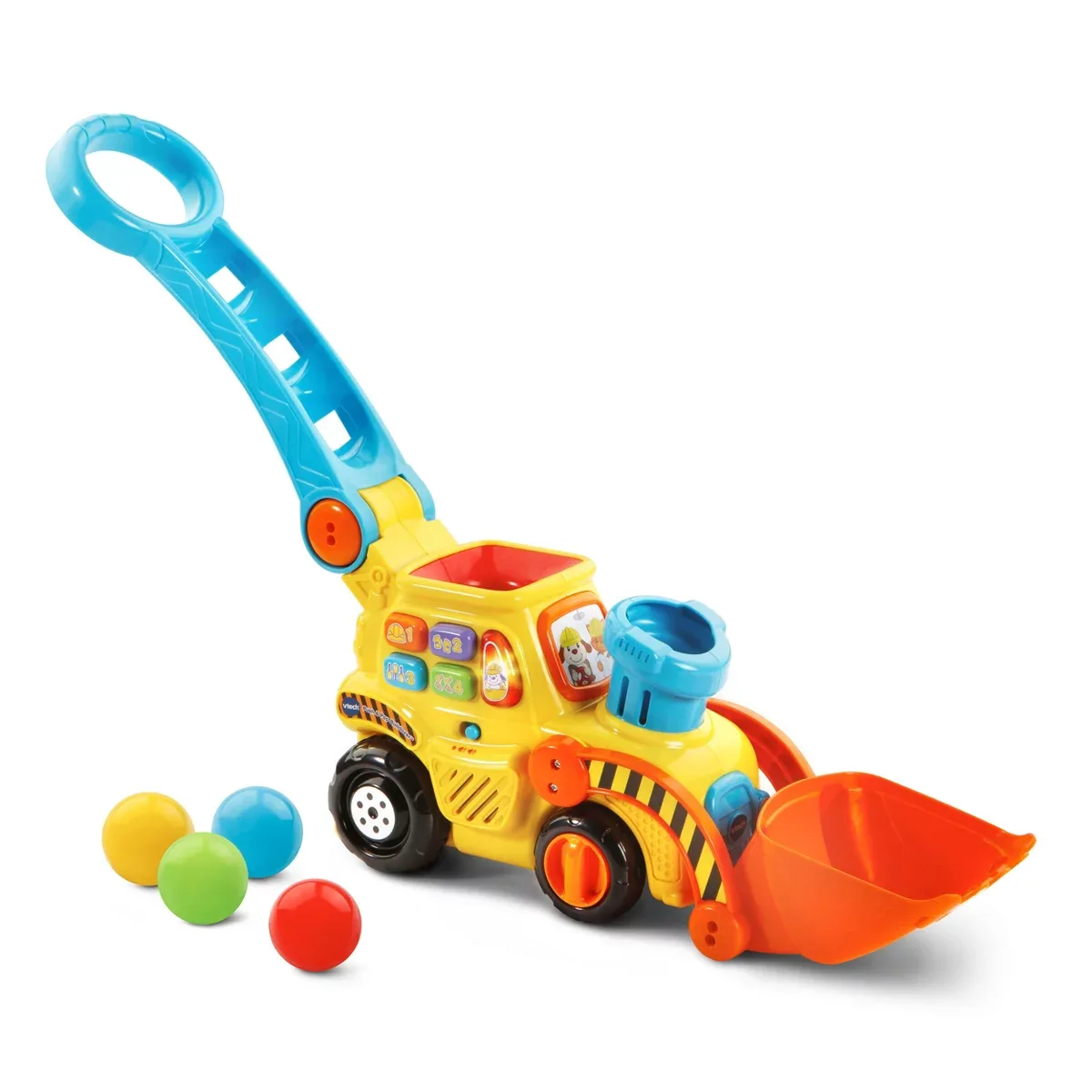
There’s a stage in toddler development — roughly 12 to 24 months — when pushing things is the activity. Push the chair. Push the box. Push the dog. The VTech Pop-a-Balls Bulldozer meets this developmental moment with a simple proposition: push this across the floor and watch balls pop out of the chimney. The proposition works.
We tested the Bulldozer in three households with children ages 11 months to 30 months over four weeks.
Product Overview
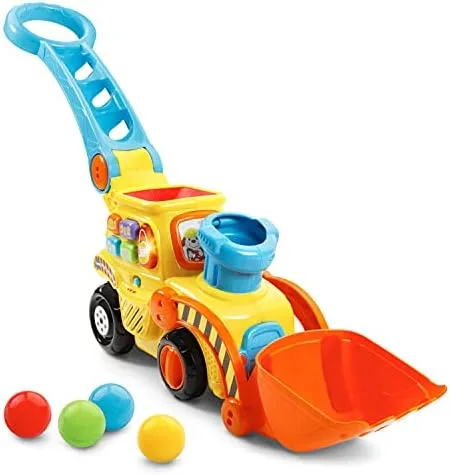
The VTech Pop-a-Balls Push & Pop Bulldozer ($20) is a push-along toddler toy:
- Mechanism: Rolling wheels activate an internal mechanism that launches colorful balls from a chimney into a front scoop bucket
- Balls: Three colorful plastic balls (included)
- Buttons: Side buttons teach colors, numbers, and phrases
- Music: Songs and sound effects triggered by motion sensors and button presses
- Handle: Curved push handle approximately 15” from ground
- Power: 2 AAA batteries (included for demo)
The core play loop: child pushes the bulldozer, wheels turn, balls pop from chimney to scoop, child dumps scoop, balls return to chimney through the internal channel. Repeat.
Our Evaluation
Build Quality: 6/10
Standard VTech construction — lightweight plastic that’s colorful and functional but not premium. The ball-popping mechanism is the engineering highlight and works reliably. The push handle is sturdy enough to support a leaning early walker. The buttons are responsive but feel cheap compared to the mechanical popping mechanism.
Play Value: 7/10
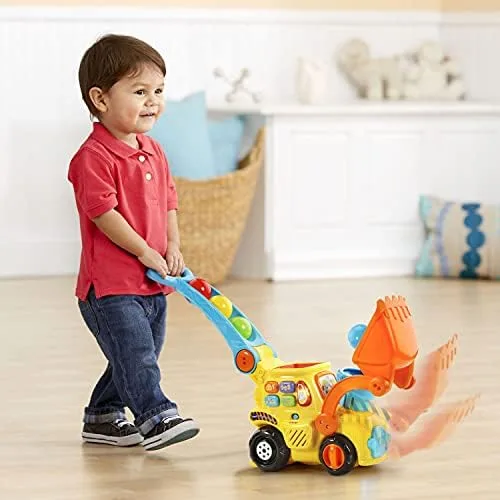
The ball-popping action is genuinely compelling for toddlers. The cause-and-effect relationship (push = pop) is immediate, visual, and satisfying. Motion sensors trigger sound effects as the bulldozer moves, adding auditory feedback to the physical activity. Children in our testing were physically active while playing — walking, turning, navigating around furniture — making this one of the more movement-intensive electronic toys we’ve reviewed.
The balls will disappear under furniture approximately every three minutes of play. This is not a design flaw — it’s an inevitable consequence of having loose balls and toddlers in the same space. Budget for replacement balls.
Age Appropriateness: 7/10
The 12-month minimum requires the child to be pulling to stand and beginning to cruise or walk. The handle height and push resistance work well for early walkers. By 24 months, the push-and-pop novelty is waning, and by 30 months, most children have moved on entirely.
Durability: 7/10
The ball mechanism survived four weeks of daily use without issues. The plastic housing handles normal toddler impact well. The balls are the main durability concern — they’re small enough to roll away and hard enough to resist crushing but soft enough to show teeth marks from mouthing.
Value for Money: 8/10
At $20 for a push toy with a reliable kinetic gimmick, the Bulldozer is reasonably priced. The engagement window is narrow (approximately 12-24 months) but intense during that period.
The Evidence

Gross motor development and push toys. Push toys support early walking development by providing stability and motivation for forward locomotion. Adolph and Berger (2006) documented how environmental affordances — including toys that encourage walking — support gross motor development during the second year.1
Cause and effect through physical action. The push-to-pop mechanism creates a contingent physical relationship between the child’s gross motor action and a visual result. This physical contingency is developmentally richer than button-press contingency because it involves whole-body coordination.
The honest summary: Push toys support early walking development. The ball-popping mechanism adds cause-and-effect learning. The electronic learning content is minimal.
Safety Notes
Meets ASTM F963 and CPSIA standards. The balls are sized above choking test requirements. BPA-free and phthalate-free. No CPSC recalls on record. The push handle should not be used as a support for children who cannot yet stand independently.
The Verdict
The VTech Pop-a-Balls Bulldozer does one thing memorably well: it pops balls while your toddler pushes it across the floor. The kinetic play experience encourages movement, supports early walking, and provides clear cause-and-effect feedback. The electronic learning content is forgettable, but the physical play is solid. Buy it, budget for replacement balls, and enjoy the 12-24 month window.
Product Rating: 7/10 — Compelling ball-popping mechanism, good push toy design, reasonable price. Narrow age range and loose ball problem prevent a higher score.
Evidence Rating: Emerging — Push toys support gross motor development. Cause-and-effect learning through physical action is well-supported conceptually.
Who Should Buy This
- Parents of early walkers (10-15 months) looking for movement-encouraging toys
- Families wanting a push toy with added kinetic entertainment
- Gift-givers seeking a crowd-pleasing toddler toy under $25
Who Should Skip This
- Families who dislike noisy electronic toys
- Parents of children already walking confidently (over 20 months)
- Anyone unwilling to retrieve balls from under the couch repeatedly
This review reflects our independent evaluation. ScienceBasedKids.com purchased this product at retail price. We may earn a commission if you purchase through our links, which helps fund our research. This never influences our ratings.
Footnotes
-
Adolph, K. E., & Berger, S. E. (2006). “Motor development.” In D. Kuhn & R. Siegler (Eds.), Handbook of child psychology: Cognition, perception, and language (6th ed., pp. 161-213). Wiley. ↩
Recommended Accessories
Affiliate links
Replacement Balls for VTech Pop-a-Balls (6-pack)
“Balls disappear under furniture. Spares are essential, not optional.”
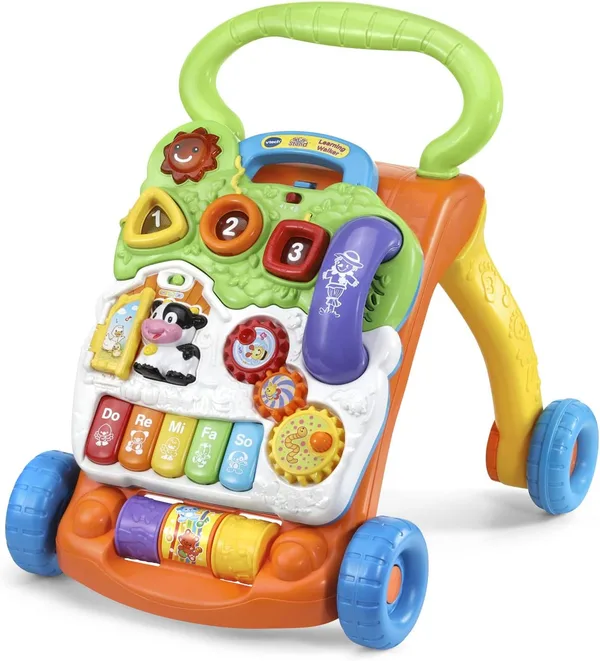
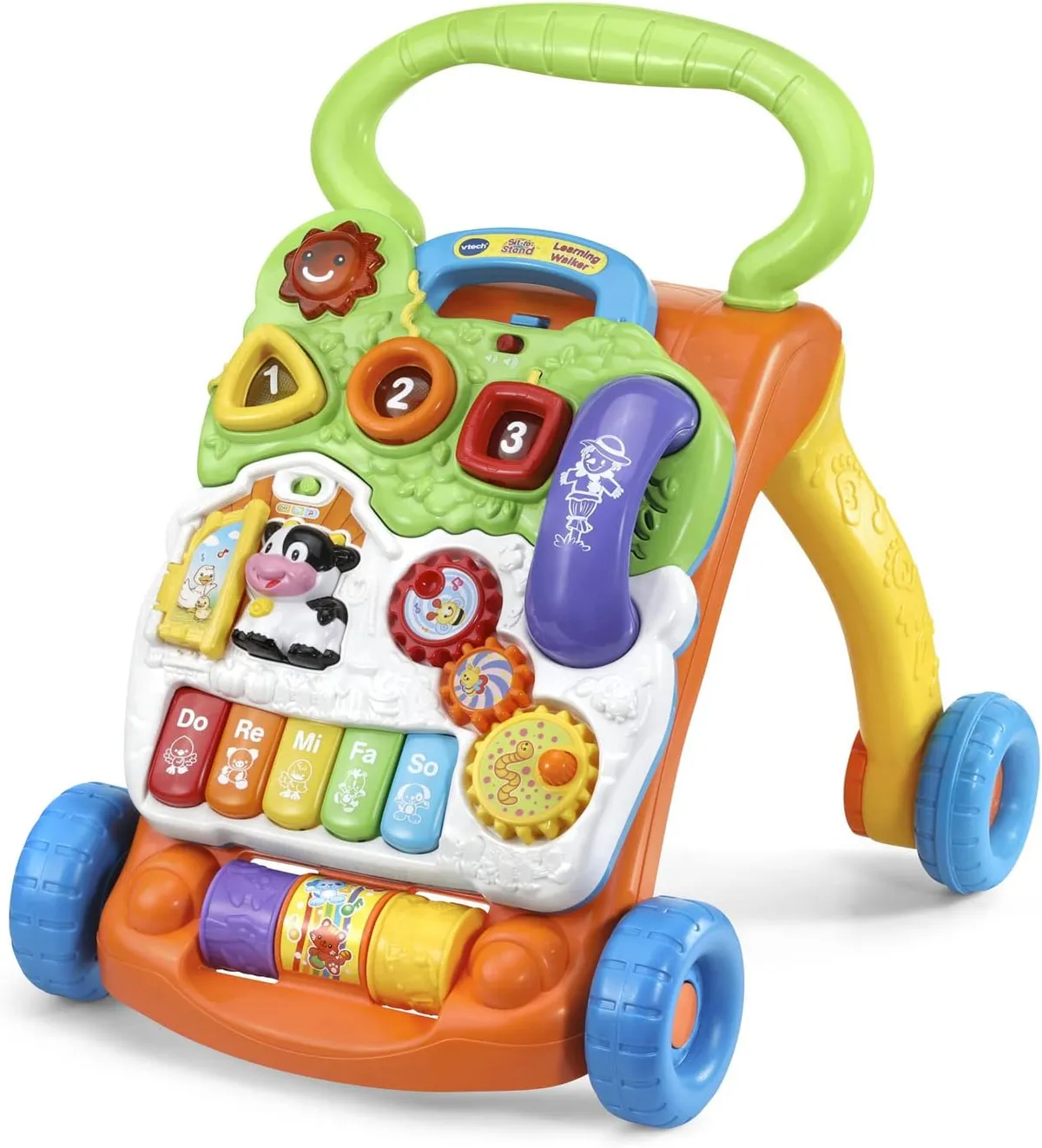
VTech Sit-to-Stand Learning Walker
“More versatile push toy with removable activity panel. Higher price.”
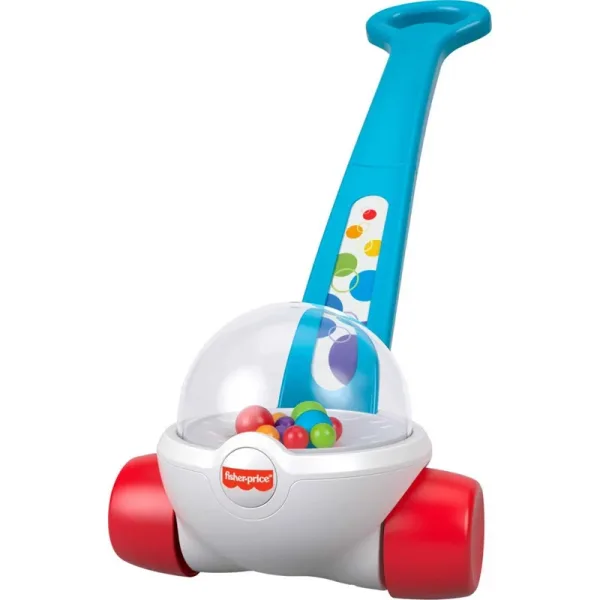
Fisher-Price Corn Popper Push Toy
“Classic non-electronic ball popper. Different mechanism, same push-and-pop appeal.”
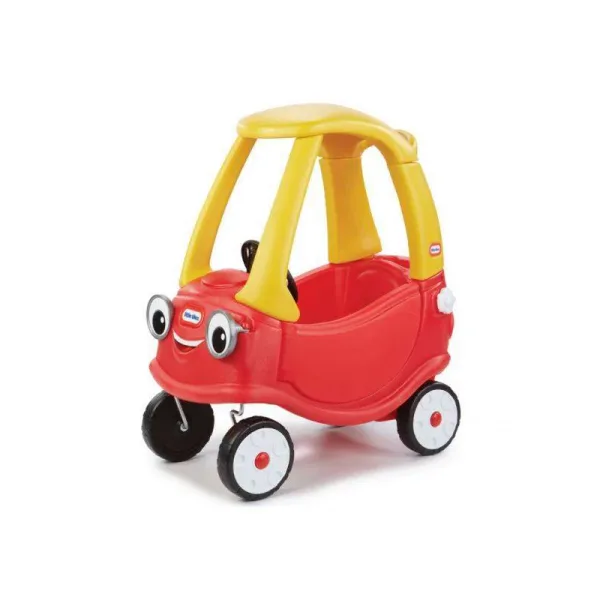
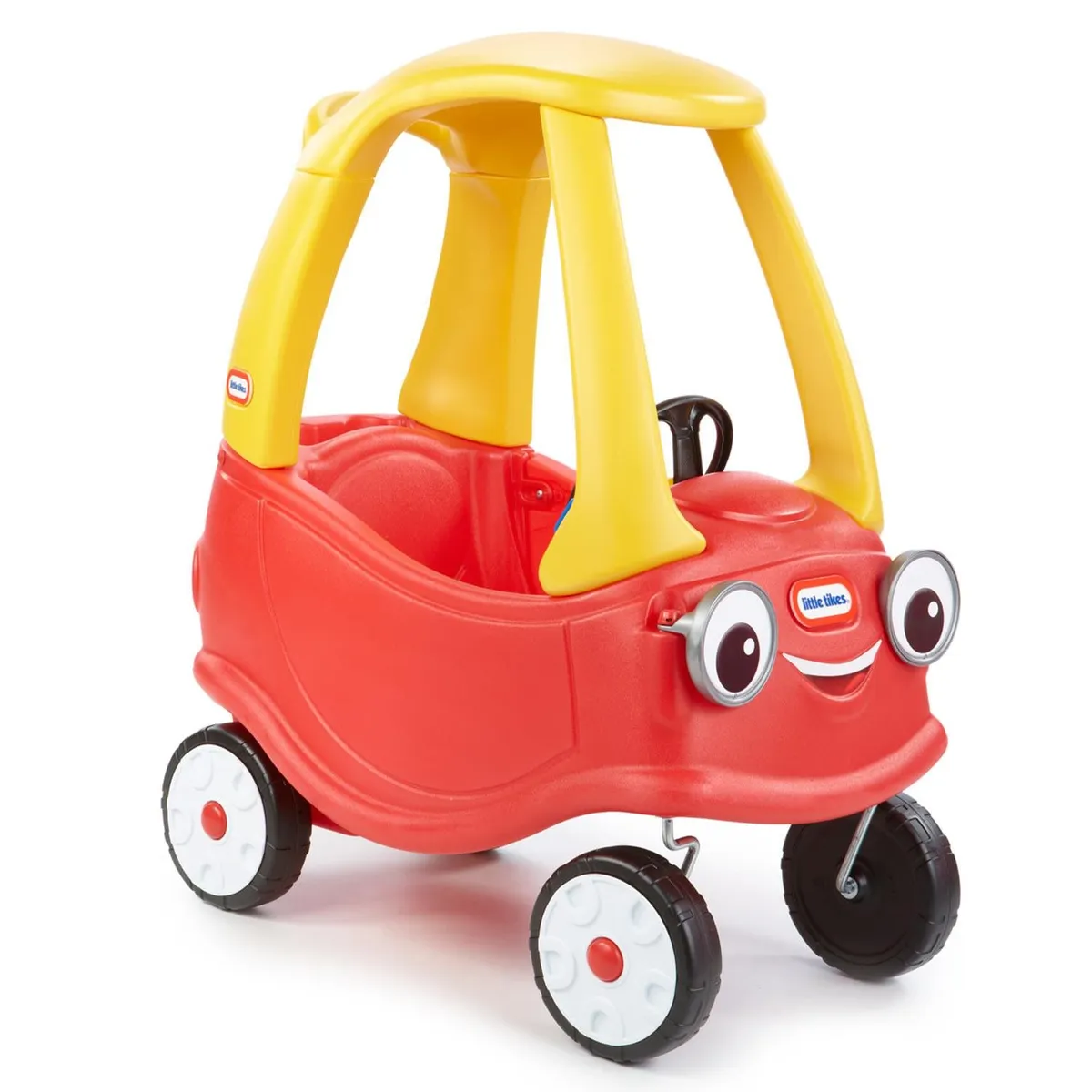
Little Tikes Cozy Coupe
“Full-body ride-on alternative. Different scale of gross motor engagement.”