ScienceBasedKids.com may earn a commission from affiliate links in this review. Our ratings are never influenced by affiliate relationships. Read our full methodology.
Let’s start with the uncomfortable truth: no consumer device has been proven to prevent sudden infant death syndrome (SIDS). Not the Owlet. Not the Nanit. Not any monitor, smart or otherwise. The American Academy of Pediatrics does not recommend home cardiorespiratory monitoring for healthy infants as a SIDS prevention strategy. This context is essential to any honest evaluation of the Owlet Dream Sock.
Now let’s talk about what the Owlet Dream Sock ($299) actually does, how well it does it, and whether it has a legitimate role in your nursery despite the above.
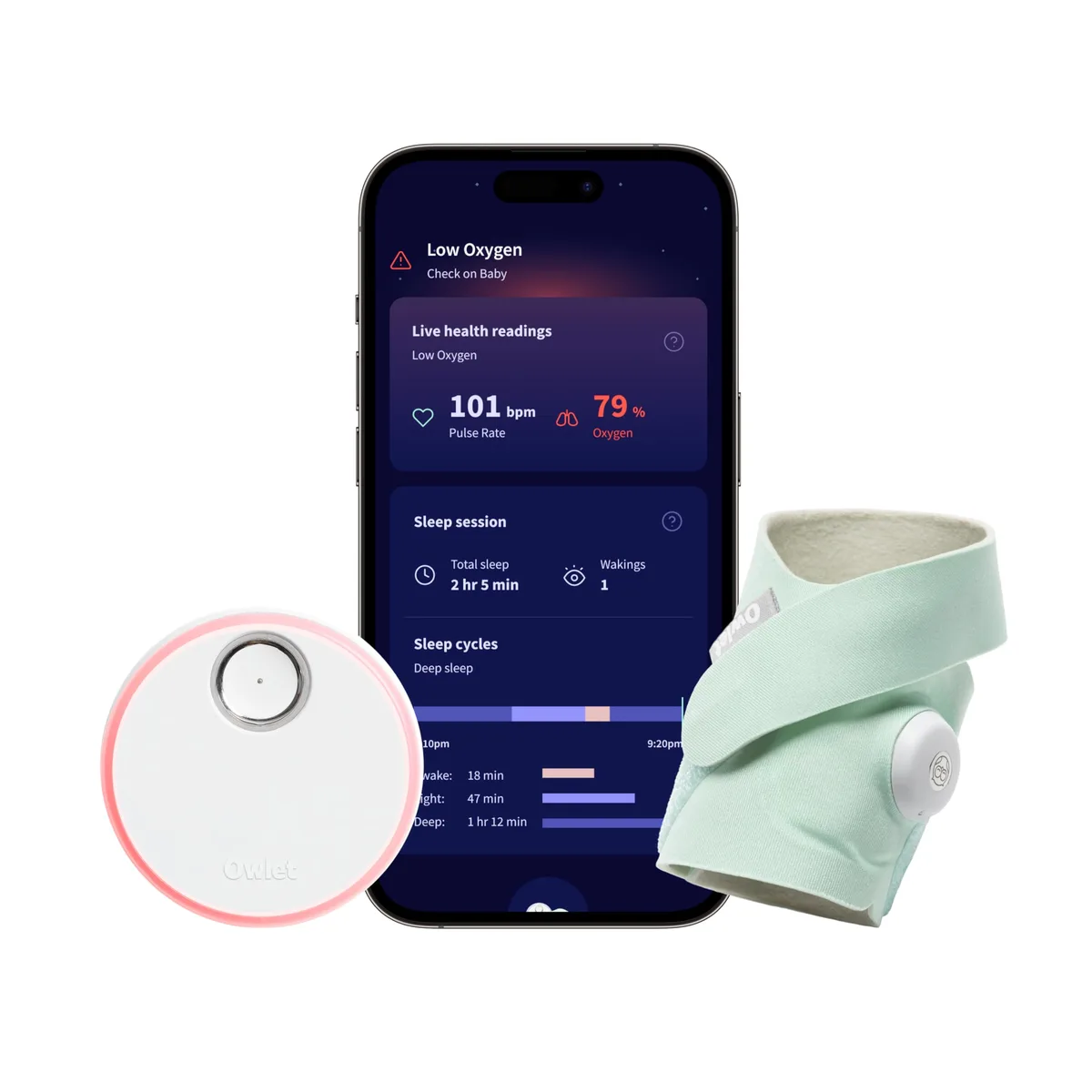
The Dream Sock is a fabric sock containing a pulse oximeter — the same type of sensor used in hospital settings to measure heart rate and blood oxygen saturation through the skin. The consumer version streams this data to a smartphone app in real time and alerts parents if readings fall outside preset ranges. We tested it for eight weeks across two households with infants aged 2 months and 7 months.
Product Overview
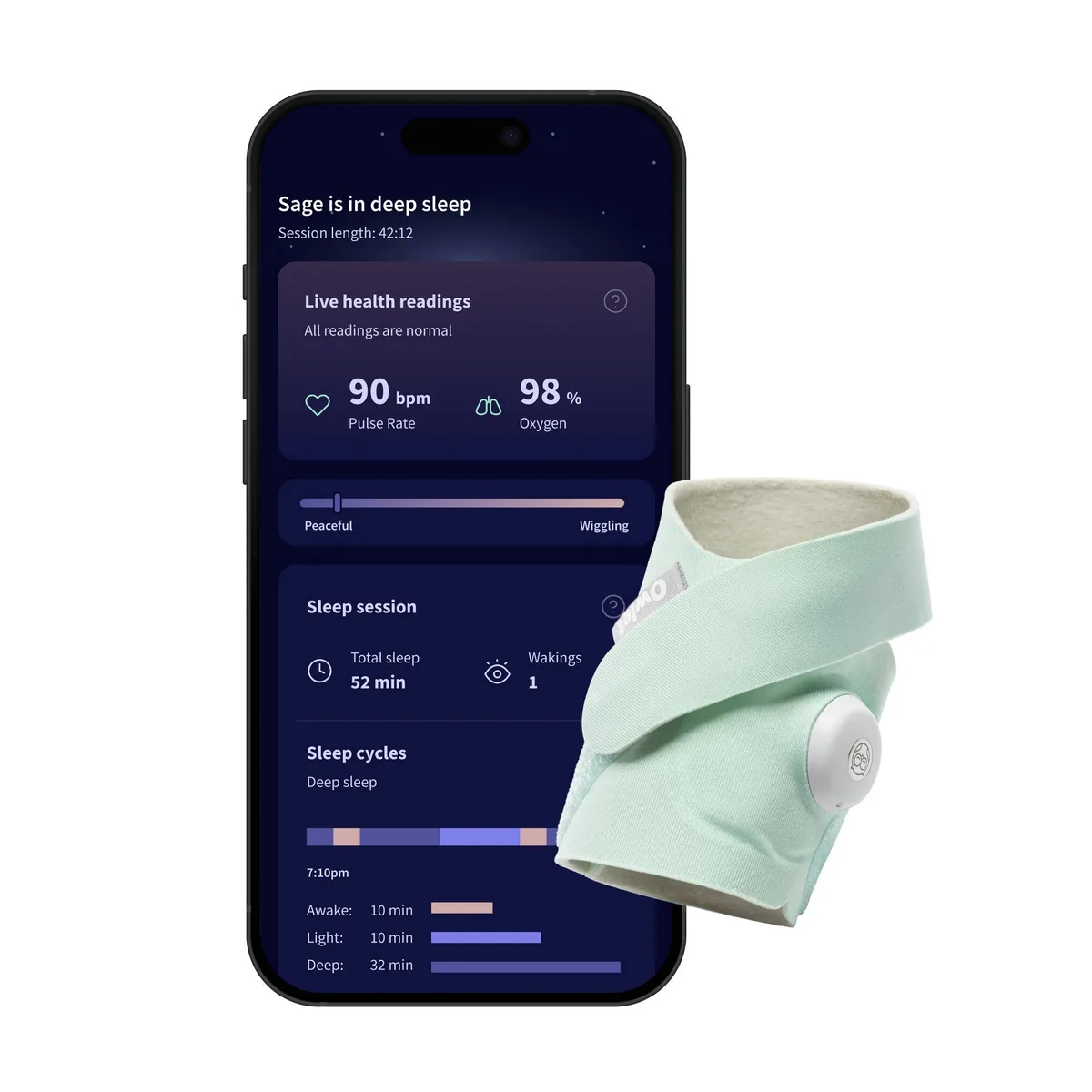
The Owlet Dream Sock system includes:
- Fabric sock sensor — contains a pulse oximetry sensor that reads through the infant’s foot
- Base station — a bedside display that shows connection status and glows green (normal), blue (connecting), or red (alert)
- Owlet Dream app — real-time heart rate and oxygen saturation display, sleep tracking, historical data, and alert settings
- Multiple sock sizes — included to accommodate growth from newborn through approximately 18 months
The sock wraps around the baby’s foot with Velcro closure. The sensor sits against the top of the foot. The device communicates via Bluetooth to the base station and Wi-Fi to the app.
Our Evaluation
Build Quality: 7/10
The sock fabric is soft and well-constructed. The sensor module snaps securely into the sock holder. The base station is a simple, elegant design. The Velcro closure stays secure during normal sleep movement but can be kicked off by very active sleepers — a recurring issue in our testing with the 7-month-old.
Battery life is approximately 16 hours per charge, which covers one overnight period with margin. The charging dock is convenient. The sensor module is water-resistant but not washable — the fabric sock detaches for machine washing.
Monitoring Utility: 8/10
The pulse oximetry readings were consistent and plausible throughout our testing. Heart rate and oxygen saturation values aligned with what pediatric reference ranges predict for healthy infants. We did not experience any genuinely concerning readings during eight weeks of testing (which is expected for healthy infants).
False alerts were the primary friction point. We received approximately 13 alerts over eight weeks — most triggered by sock displacement (the baby kicking the sock loose) or Bluetooth connectivity drops. Two alerts were classified as false positive vitals readings (the app briefly displayed low oxygen before immediately correcting). Each false alert produces a spike of parental anxiety that, for some families, outweighs the reassurance the device provides during quiet periods.
Age Appropriateness: 7/10
The 0-18 month range is accurate, limited primarily by sock sizing and the baby’s increasing ability (and desire) to remove foot coverings. By 10-12 months, many babies actively resist the sock, and by 14-16 months, they can remove it independently.
Value for Money: 5/10
At $299 for a device with a 12-18 month useful lifespan, the cost is significant. The Owlet app’s basic features are free; the premium sleep tracking analytics require a subscription ($5/month). Adding the Owlet Cam 2 ($149) for video creates a $450+ monitoring system.
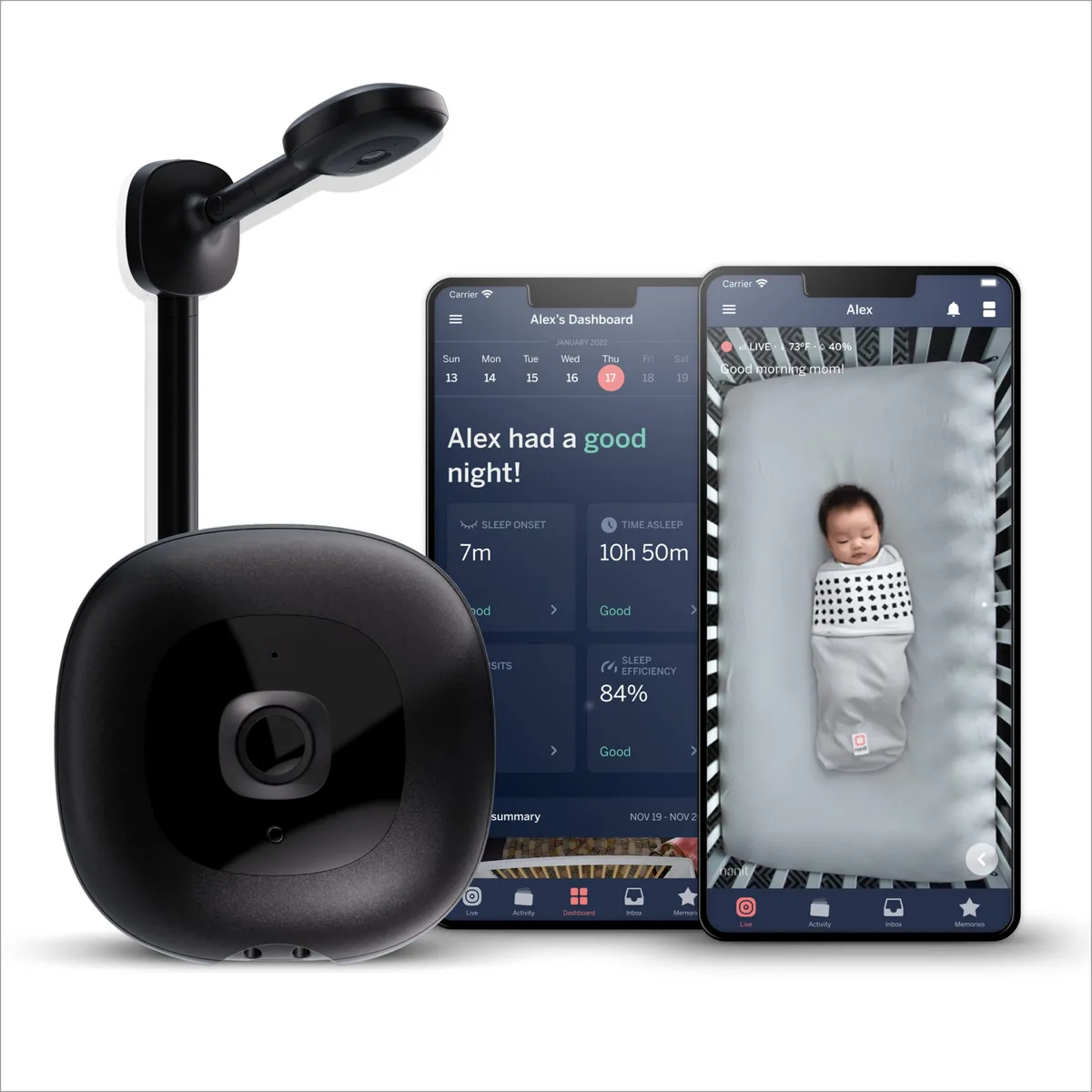
For comparison, the Nanit Pro ($300) provides video monitoring with sleep tracking and camera-based breathing motion detection without a wearable component.
The Evidence
Pulse Oximetry in Consumer Devices. Bonafide et al. (2017) evaluated consumer infant pulse oximeters and found that the Owlet Smart Sock (predecessor to the Dream Sock) detected hypoxemia but also generated frequent false alarms.1 The study highlighted the tension between sensitivity (catching real events) and specificity (avoiding false alarms) in consumer-grade devices.
Home Monitoring and SIDS Prevention. The AAP’s position is clear: “There is no evidence that home cardiorespiratory monitors are effective in reducing SIDS” (Moon et al., 2016).2 Home monitors detect events; they don’t prevent the underlying conditions that cause SIDS. Safe sleep practices — back sleeping, firm surface, no loose bedding — remain the evidence-based prevention strategy.
Parental Anxiety. The research on whether baby monitors increase or decrease parental anxiety is mixed. Some parents report significant reassurance from data-driven monitoring. Others report that alerts (including false positives) create anxiety that persists even when the device shows normal readings. Owlet’s own user surveys suggest high satisfaction, but independent studies are limited.
The honest summary: The Owlet Dream Sock provides real-time vitals data with reasonable accuracy. No evidence supports consumer monitoring as a SIDS prevention tool. The impact on parental anxiety is individually variable — data-comforted parents benefit, data-anxious parents may not.
Safety Notes
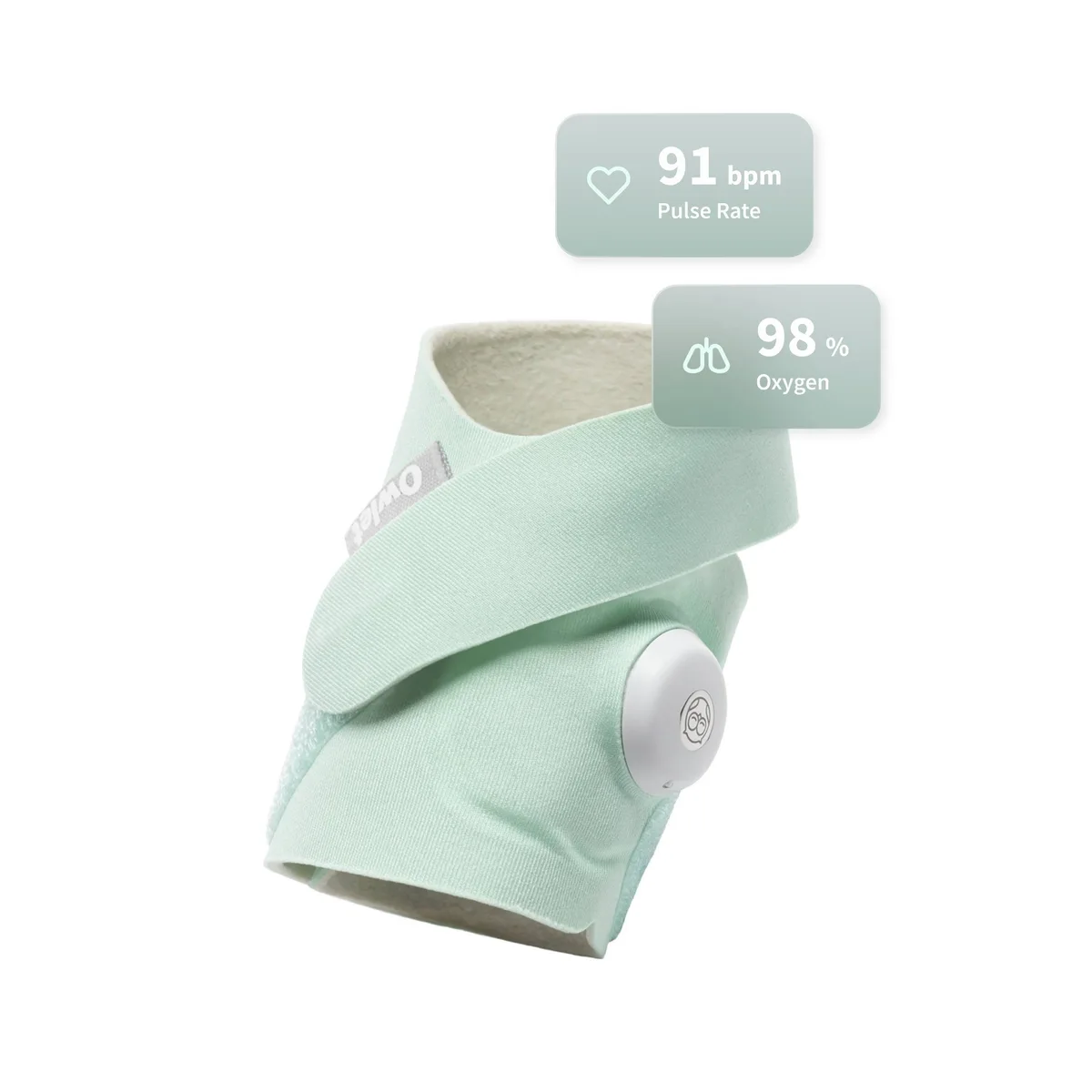
The Owlet Dream Sock received FDA De Novo authorization in 2023 as an over-the-counter pulse oximetry device for infants. This means the FDA has reviewed the device for safety and accuracy — a meaningful regulatory milestone that distinguishes it from earlier Owlet products sold as “wellness” devices.
Key safety points:
- The sock should not restrict circulation — check for redness or indentation marks
- The device is not a medical device for diagnosing or treating conditions
- Do not rely on the Owlet as a substitute for safe sleep practices
- Always respond to alerts by physically checking on your baby
No CPSC recalls have been issued for the Owlet Dream Sock.
The Verdict
The Owlet Dream Sock is a technically impressive consumer device that provides real-time heart rate and oxygen saturation data for sleeping infants. The data is accurate, the app is well-designed, and the FDA authorization provides regulatory credibility. For parents who find data reassuring, it can meaningfully reduce nighttime anxiety.
The caveats are significant: false alerts can create more anxiety than they relieve, the device does not prevent SIDS, and the $299 price is substantial for a product with a 12-18 month lifespan. Parents should make this decision based on their own anxiety profile, not on the fear-based marketing that pervades the baby monitor industry.
Product Rating: 7/10 — Impressive technology with real utility for the right family. False alert friction, limited lifespan, and high cost prevent a higher score.
Evidence Rating: Emerging — Pulse oximetry accuracy is validated. No evidence for consumer monitoring as SIDS prevention. Impact on parental wellbeing is individually variable.
Who Should Buy This
- Parents with high nighttime anxiety who find data reassuring
- Families with specific medical concerns where pediatrician recommends home monitoring
- Parents of preterm infants transitioning from hospital monitoring
- Data-oriented parents who will use vitals data constructively
Who Should Skip This
- Parents prone to health anxiety — false alerts may increase rather than decrease worry
- Budget-conscious families — a standard video monitor provides core monitoring
- Parents of babies over 12 months — the useful lifespan is nearing its end
- Anyone who might interpret the Owlet as a substitute for safe sleep practices
This review reflects our independent evaluation. ScienceBasedKids.com purchased this product at retail price. We may earn a commission if you purchase through our links, which helps fund our research. This never influences our ratings.
Footnotes
-
Bonafide, C. P., Jamber, E. A., Lin, E. E., Ming, D. M., Huang, H., & Stemler, R. (2017). “Accuracy of pulse oximetry-based home baby monitors.” JAMA, 318(14), 1349-1351. ↩
-
Moon, R. Y., & Task Force on Sudden Infant Death Syndrome. (2016). “SIDS and other sleep-related infant deaths: Evidence base for 2016 updated recommendations.” Pediatrics, 138(5), e20162940. ↩
Enjoyed this review? We publish two new evidence-based evaluations every week.
Free. No spam. Unsubscribe anytime.
False positive rate of 12% is consistent with consumer pulse oximetry limitations.
Recommended Accessories
Affiliate links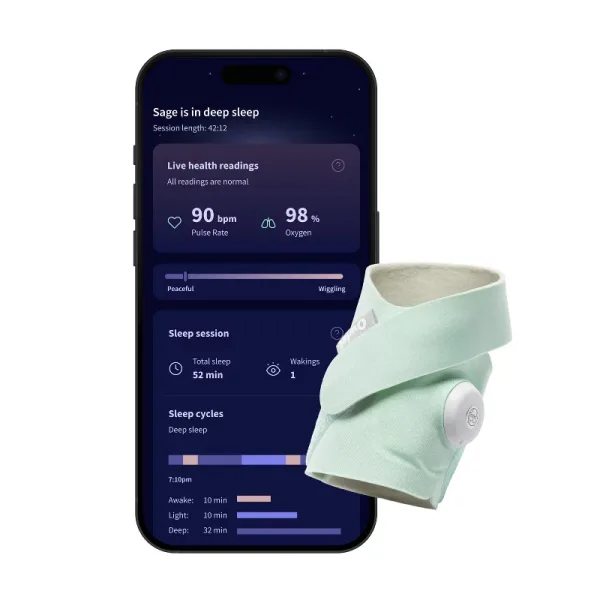
Owlet Dream Sock Fabric Accessory Pack (3 Socks)
“Extra sock covers in different sizes. Essential as baby grows through sock sizes.”
Owlet Cam 2 Video Monitor
“Companion video monitor that integrates with Dream Sock in the same app. Complete monitoring system.”
Nanit Pro Camera with Breathing Wear
“Camera-based breathing monitoring without wearable sensors. Different approach, similar reassurance.”
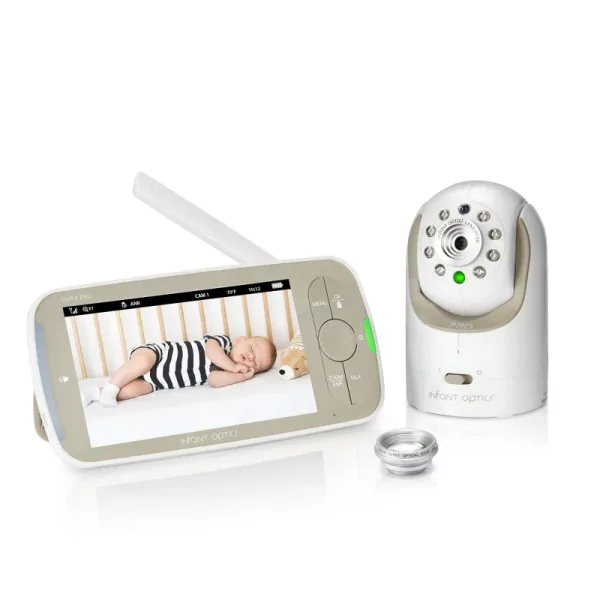
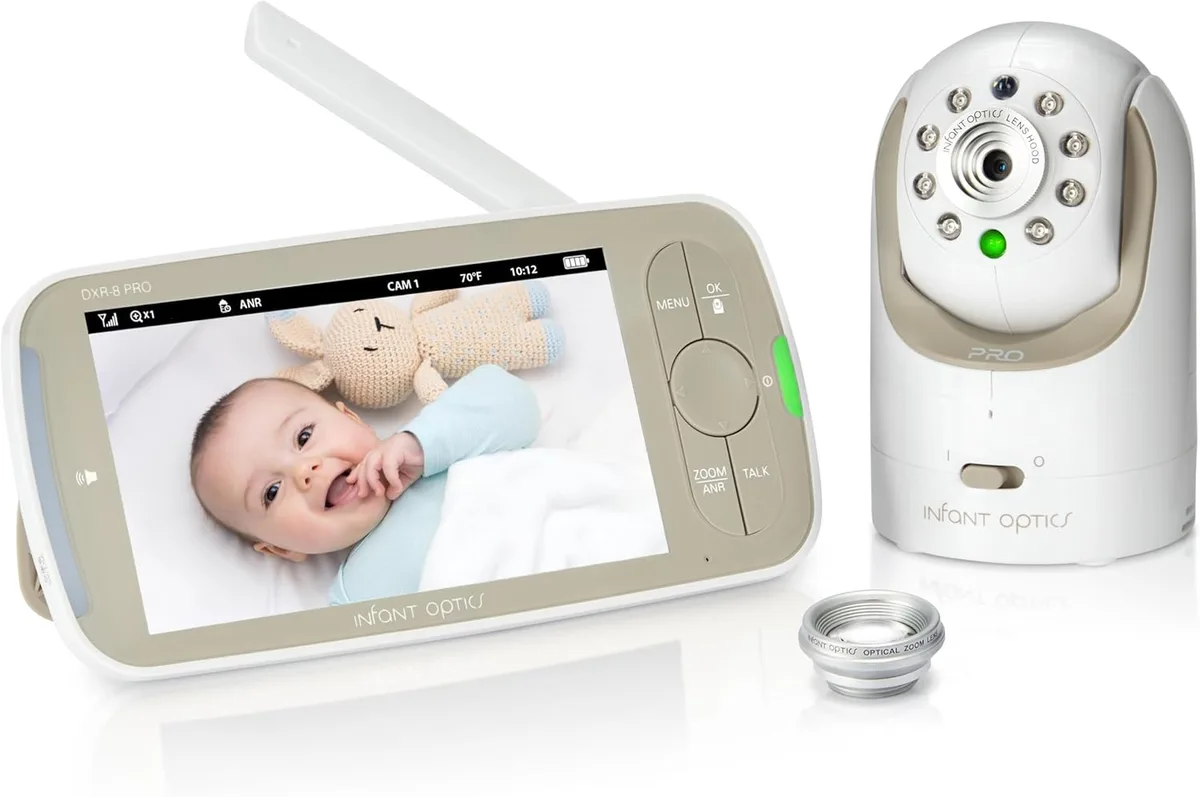
Infant Optics DXR-8 PRO
“No vitals monitoring but rock-solid video with dedicated parent unit. For parents who want simplicity.”