ScienceBasedKids.com may earn a commission from affiliate links in this review. Our ratings are never influenced by affiliate relationships. Read our full methodology.
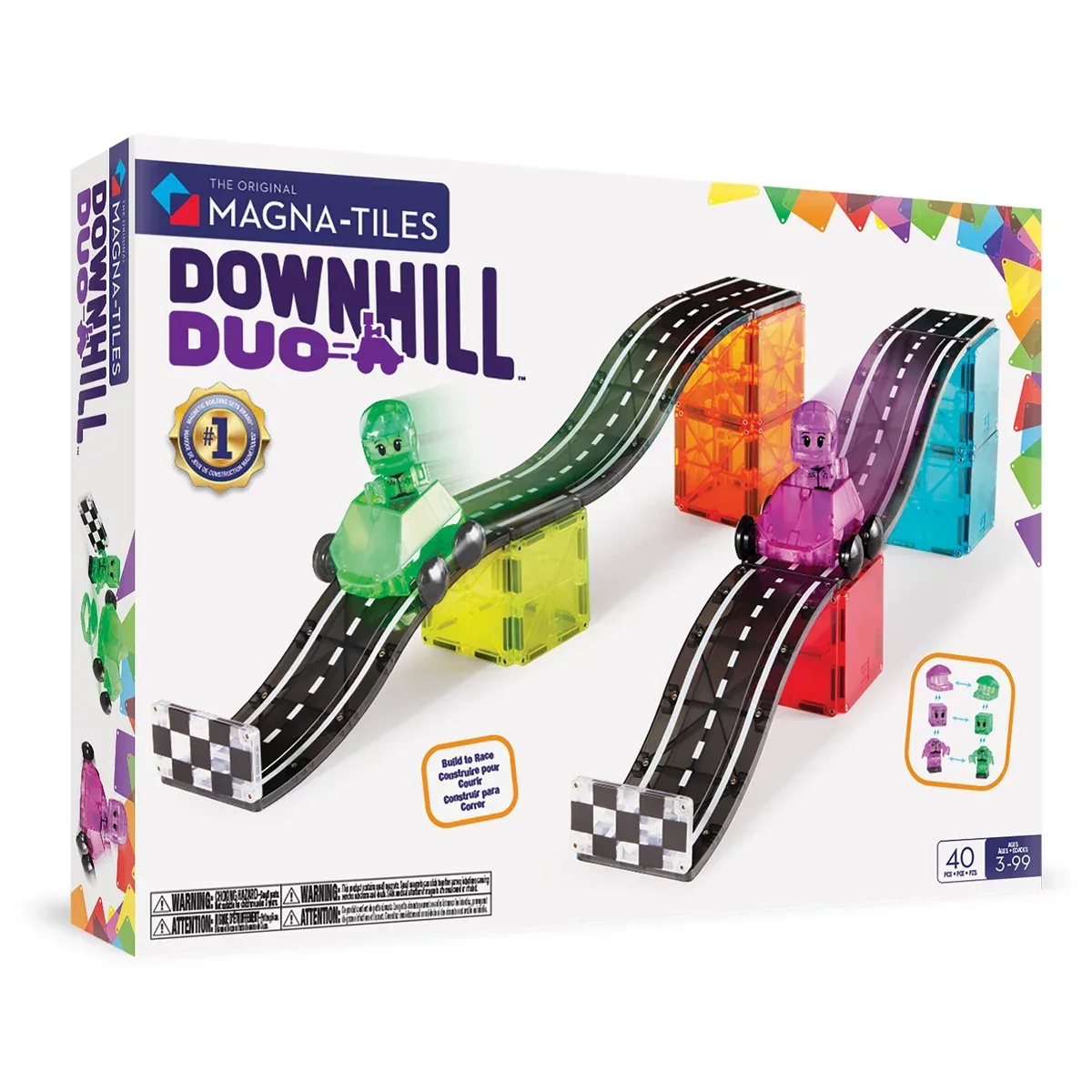
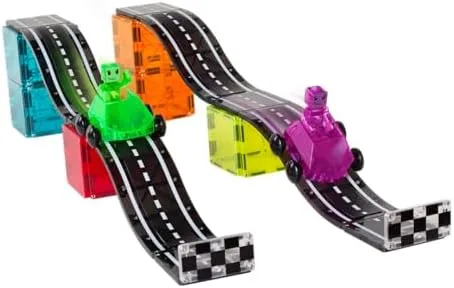
Magna-Tiles’ core appeal is open-ended building. The Downhill Duo ($45) adds a purpose to that building: make the cars go fast. This simple addition transforms the play dynamic — children build ramps not for their own sake but to test how high, how steep, and how far they can make a car travel. The result is implicit physics education wrapped in the familiar Magna-Tiles format.
We tested the Downhill Duo for six weeks alongside an existing Magna-Tiles 100-piece set with children ages 3 through 8.
Product Overview
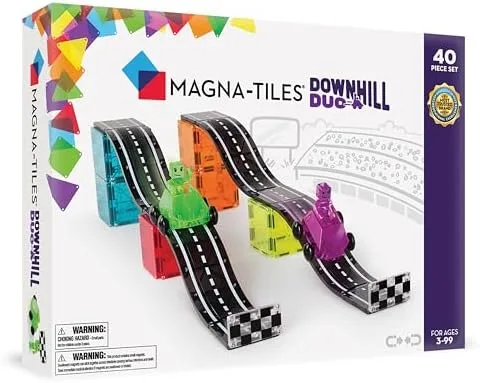
The set includes 40 pieces: standard squares and triangles, specially designed ramp tiles with a smooth running surface, and two magnetic car bases with wheels. The cars are flat platforms that connect magnetically to tiles — children build car bodies by attaching tiles to the magnetic base, then race their custom vehicles down ramps.
Our Evaluation
Build Quality: 8/10
The car bases are well-engineered — wheels roll smoothly, the magnetic connection to tiles is strong, and the low center of gravity prevents tipping. The ramp tiles are standard Magna-Tiles quality with an additional smooth running surface. Compatible with all existing Magna-Tiles.
Play Value: 8/10
The addition of motion transforms building play. Children in our testing:
- Experimented with ramp angles to control speed
- Built increasingly complex multi-level ramp systems
- Designed custom car bodies of varying sizes and shapes
- Raced cars competitively, creating start/finish lines
- Discovered that heavier cars (more tiles) rolled differently than lighter ones
This experimentation is genuine physics inquiry — children testing hypotheses about slope, weight, friction, and momentum through play.
Age Appropriateness: 8/10
Ages 3-8 engage at different levels. Young children enjoy basic ramp-and-roll. Older children optimize ramp designs for maximum speed and distance.
Value for Money: 6/10
$45 for 40 pieces including 2 cars is reasonable but works best as an addition to an existing tile collection. As a standalone set, the piece count limits building possibilities.
The Evidence
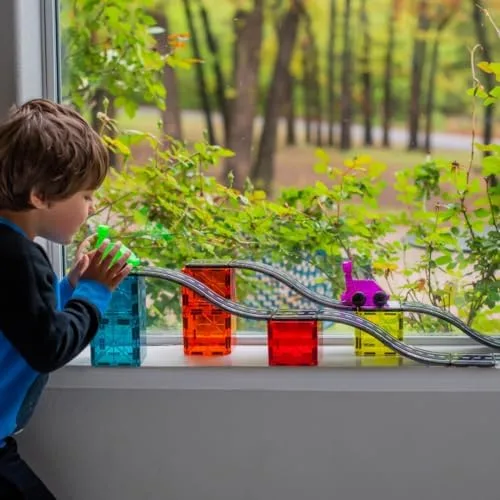
The spatial reasoning evidence for magnetic tiles applies here, with the added dimension of physics concepts through inclined plane experimentation. Klahr et al. (2011) found children develop scientific reasoning through hands-on experimentation.1
Safety Notes
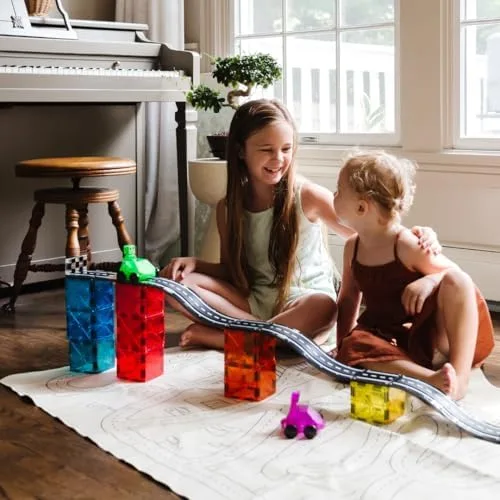
Standard Magna-Tiles safety profile. No small parts. Magnets fully enclosed. No CPSC recalls.
The Verdict
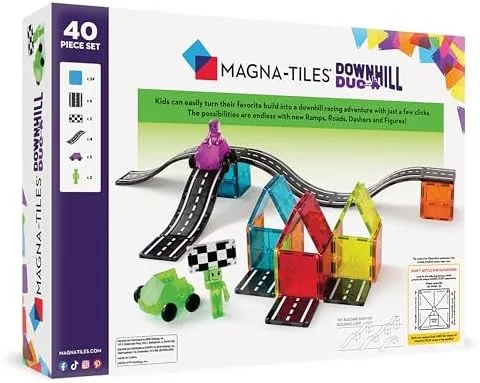
A clever expansion that adds physics play to the Magna-Tiles ecosystem. Best paired with an existing tile collection for maximum building potential.
Product Rating: 7/10 — Clever physics play addition. Limited standalone value prevents a higher score.
Evidence Rating: Moderate — Spatial reasoning plus physics concepts through hands-on experimentation.
Who Should Buy This
- Families with existing Magna-Tiles collections seeking new play dimensions
- Children who love both building and vehicles
- Parents looking for implicit physics education through play
Who Should Skip This
- Families without existing Magna-Tiles — buy the 100-piece set first
- Children who prefer static building over kinetic play
- Budget-conscious families — prioritize the base set
This review reflects our independent evaluation. ScienceBasedKids.com purchased this product at retail price.
Footnotes
-
Klahr, D., Zimmerman, C., & Jirout, J. (2011). “Educational interventions to advance children’s scientific thinking.” Science, 333(6045), 971-975. ↩
Enjoyed this review? We publish two new evidence-based evaluations every week.
Free. No spam. Unsubscribe anytime.
Children adjusted ramp angles to modify speed — an intuitive exploration of inclined plane physics.
Recommended Accessories
Affiliate links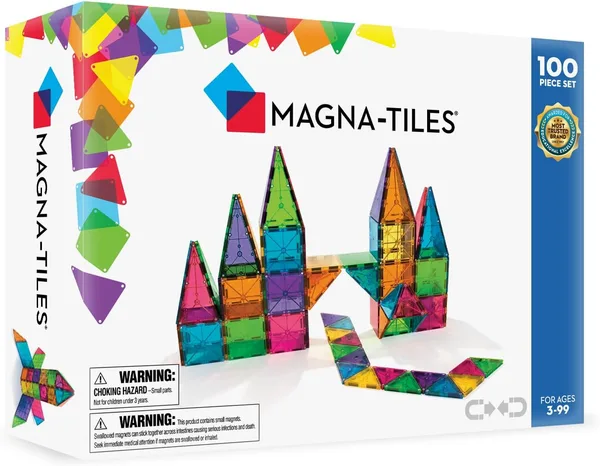
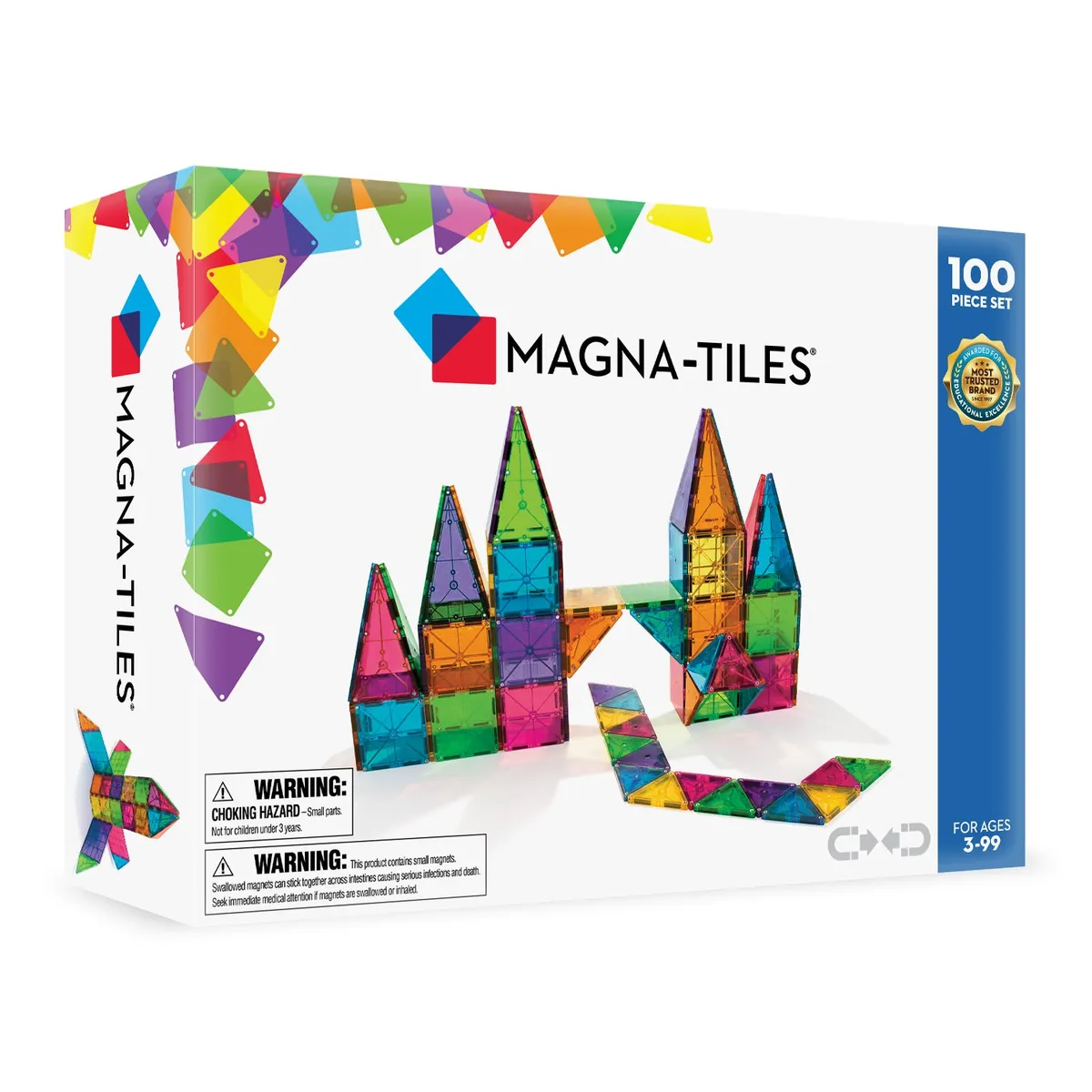
Magna-Tiles Clear Colors 100-Piece Set
“The base set that makes this expansion shine. More tiles = longer ramps and bigger builds.”
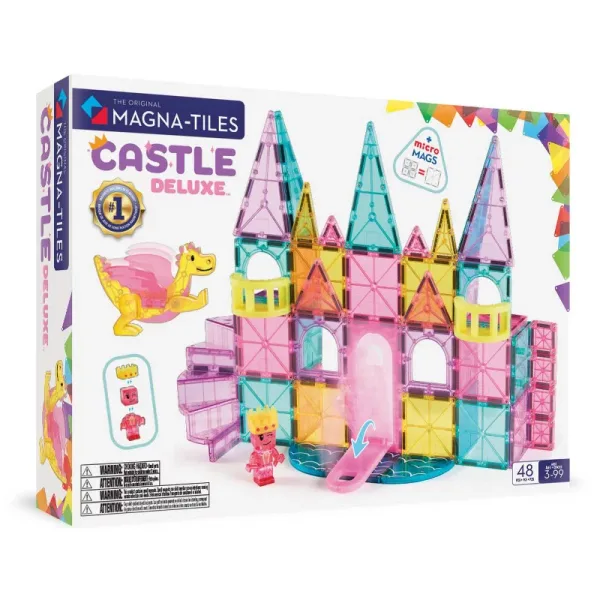
Magna-Tiles Magna-Qubix (29-piece)
“3D magnetic building set that creates structures for cars to drive through.”
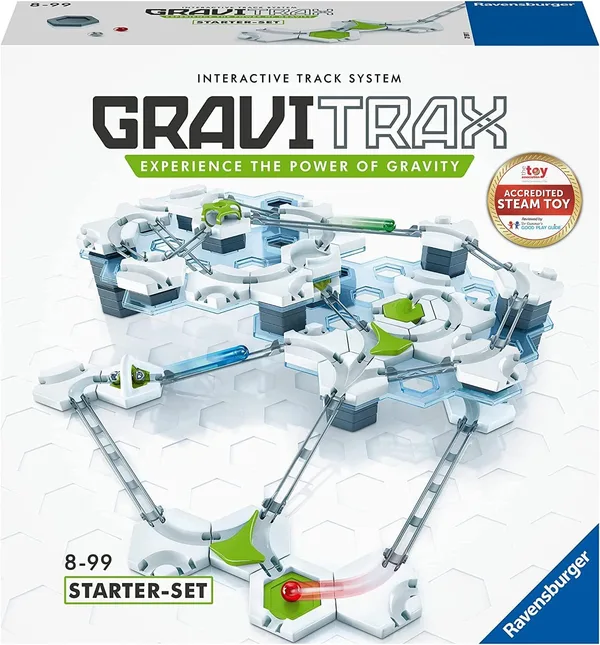
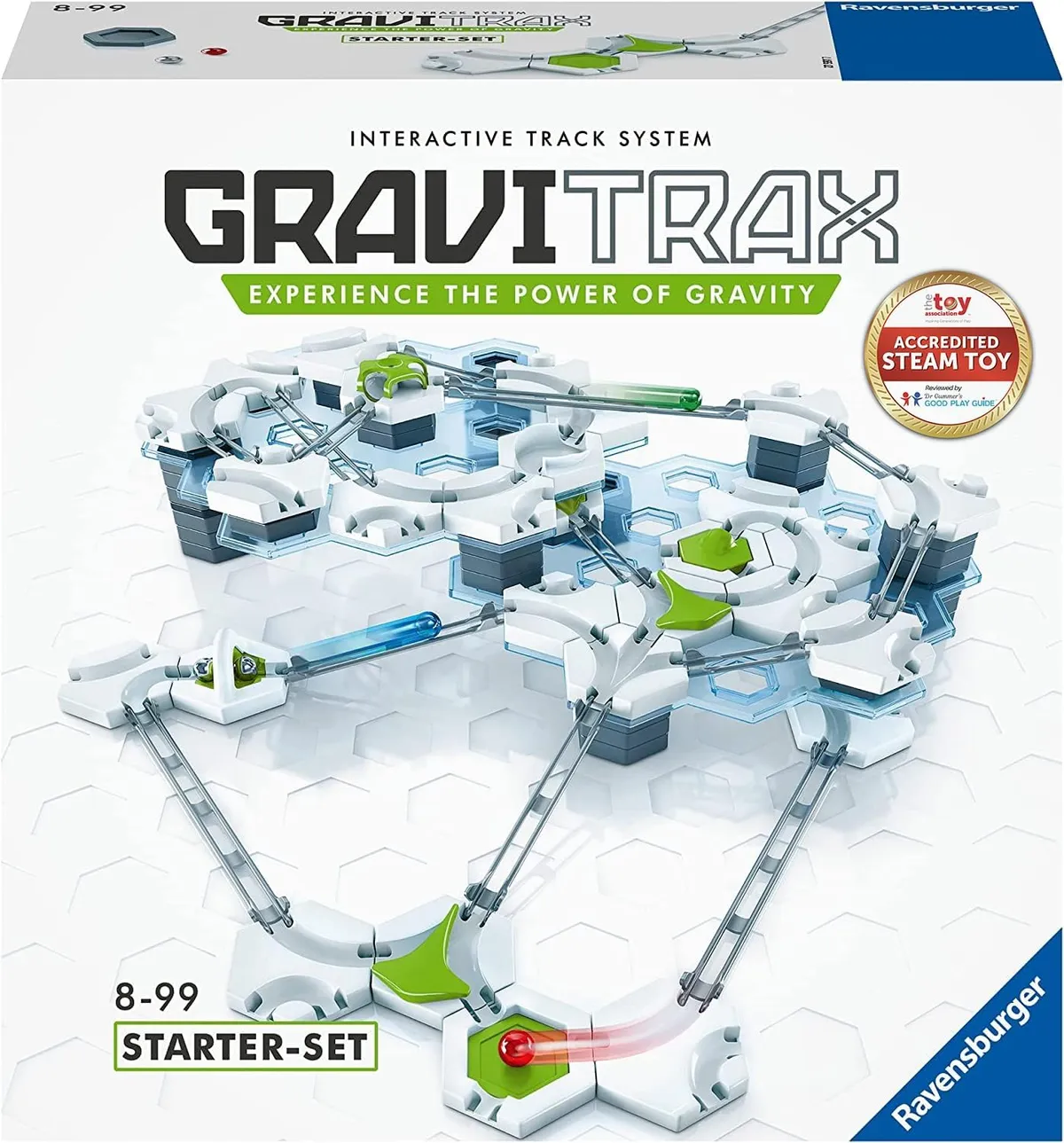
GraviTrax Starter Set
“More sophisticated physics track system. Different aesthetic, more engineering complexity.”
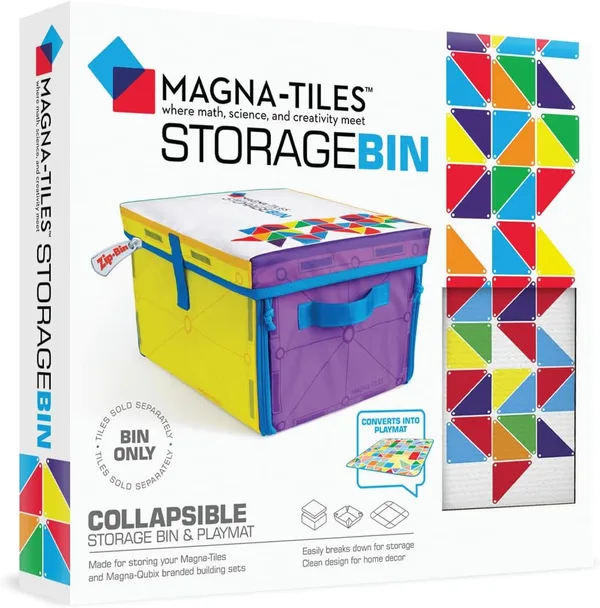
MAGNA-TILES Storage Bin & Interactive Play-Mat
“Storage for tiles and cars together. Play mat surface works as ramp launching area.”