ScienceBasedKids.com may earn a commission from affiliate links in this review. Our ratings are never influenced by affiliate relationships. Read our full methodology.
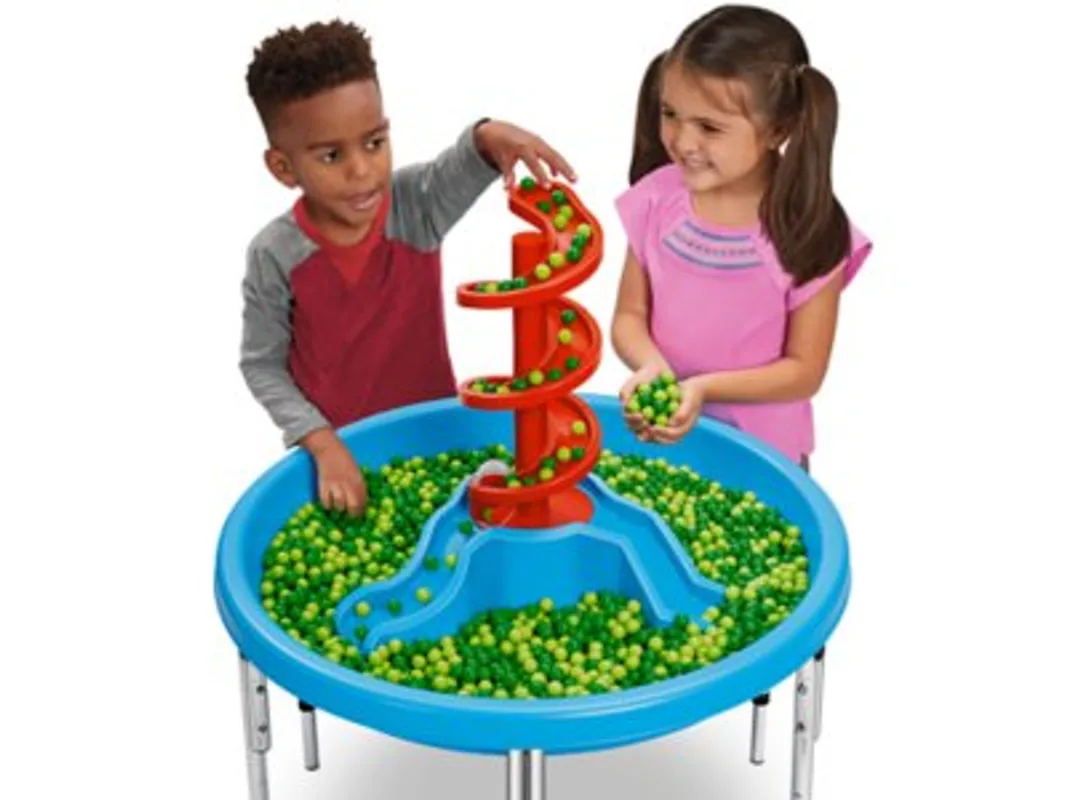
Sensory tables are a fixture in early childhood classrooms because they work. Fill a table with rice, sand, water, or sensory beads, add scoops and funnels, and watch toddlers explore for extended periods. The Lakeshore Sensory Table ($120) brings classroom-grade construction home, with a deep bin, sturdy legs, and a lid for storage.
Product Overview
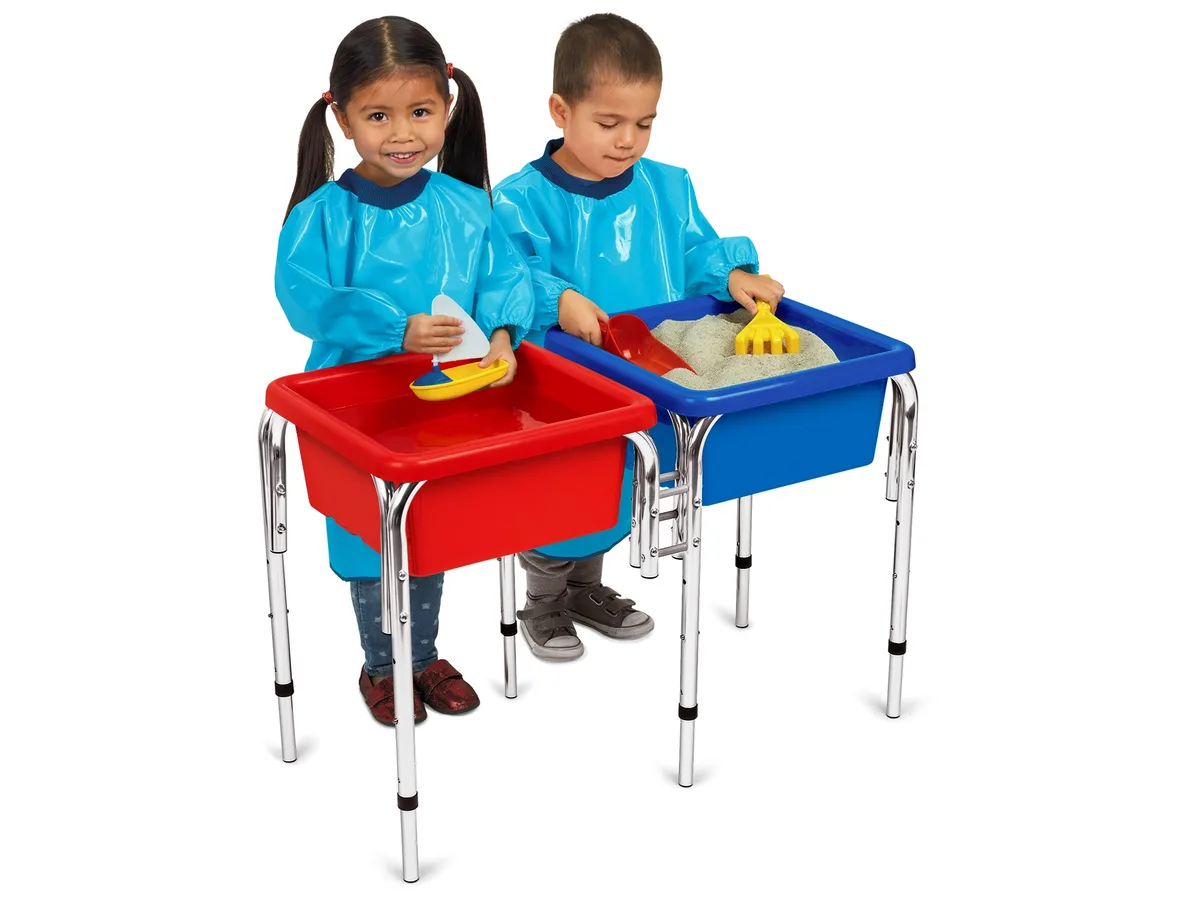
A freestanding table with a removable deep plastic bin (approximately 6 inches deep), adjustable-height legs, and a snap-on lid. The bin is waterproof and large enough for substantial sensory play materials.
Our Evaluation
Build Quality: 8/10
Classroom-grade durability. The frame is tubular steel, the bin is thick plastic, and the lid seals adequately. Designed for daily classroom use, which means home use is well within its capacity.
Play Value: 8/10
The open-ended nature of sensory table play generates high engagement. Different fill materials provide completely different experiences, creating essentially infinite replayability through material rotation.
Value for Money: 7/10
$120 is significant for a table. The IKEA FLISAT ($40) provides a similar concept at lower cost. The Lakeshore premium buys deeper bins, sturdier construction, and height adjustability.
The Evidence
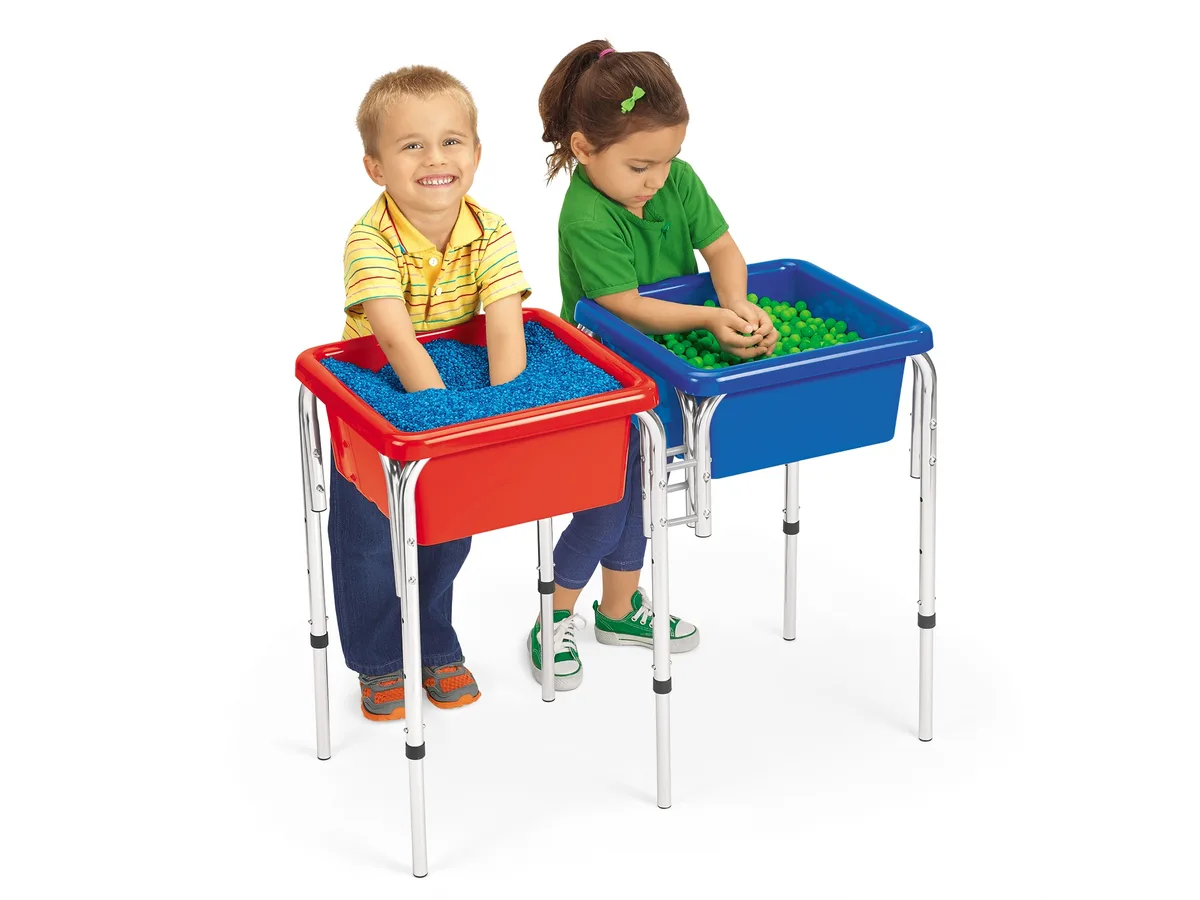
Sensory play is among the best-supported domains in early childhood education. Gascoyne (2012) documented that sensory exploration supports fine motor development, scientific thinking, language development, and emotional regulation.1 Montessori (1912) identified sensory exploration as foundational to cognitive development.2
Safety Notes
Supervise all water play. Water beads are a choking/aspiration hazard for children under 3. Keep sensory materials age-appropriate. No CPSC recalls.
The Verdict
A well-built sensory play station that facilitates one of the most evidence-supported forms of early childhood learning.
Product Rating: 7/10 — Excellent for its purpose. Premium pricing for essentially a table with a bin.
Evidence Rating: Moderate — Sensory play has strong, well-replicated evidence in early childhood education.
Who Should Buy This
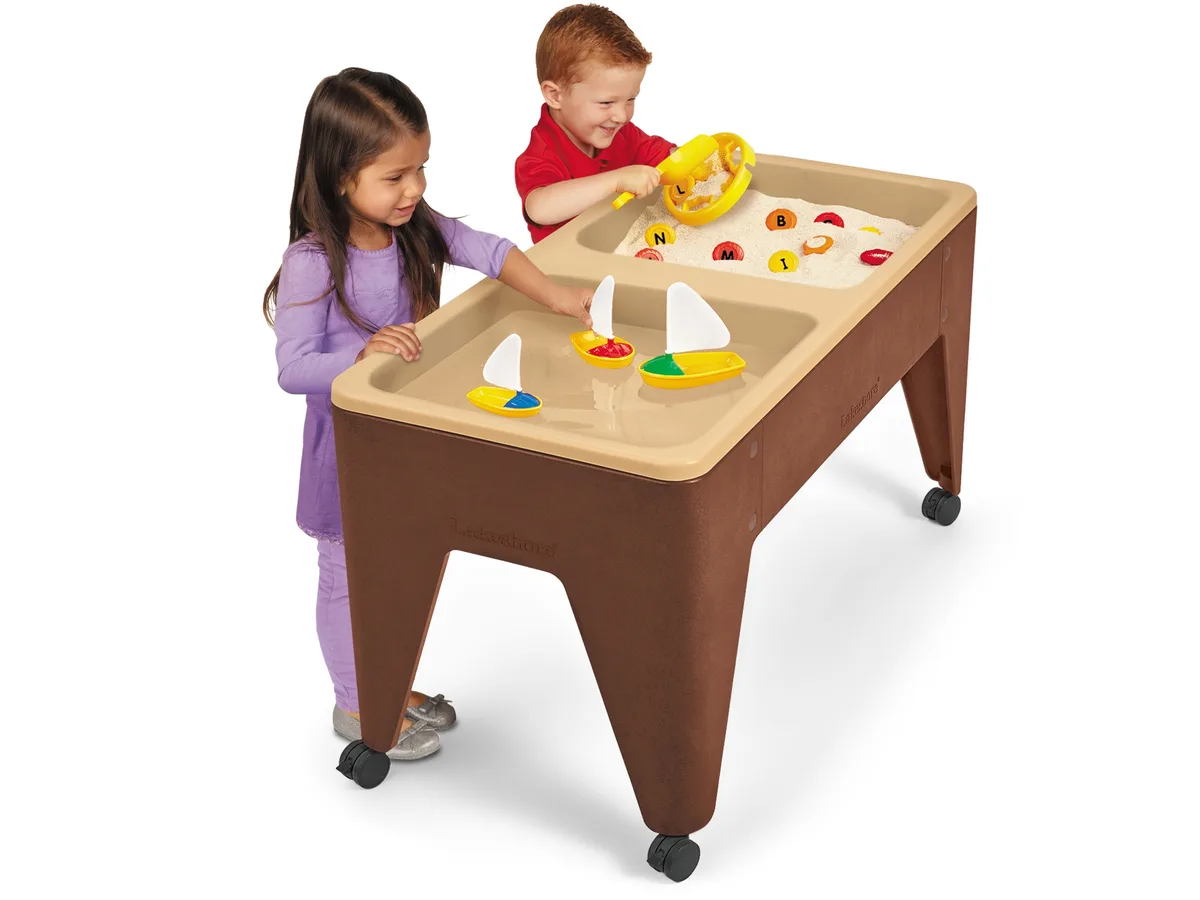
- Montessori/Reggio-inspired families wanting structured sensory stations
- Parents of toddlers ages 2-4 in peak sensory exploration
- Families with dedicated playroom space
- Homeschooling families
Who Should Skip This
- Budget-conscious families — IKEA FLISAT serves a similar purpose for less
- Families without indoor space for a permanent table
- Parents of children over 5
- Minimalists who can use a regular storage bin on a table
This review reflects our independent evaluation. ScienceBasedKids.com purchased this product at retail price.
Footnotes
Enjoyed this review? We publish two new evidence-based evaluations every week.
Free. No spam. Unsubscribe anytime.
Recommended Accessories
Affiliate links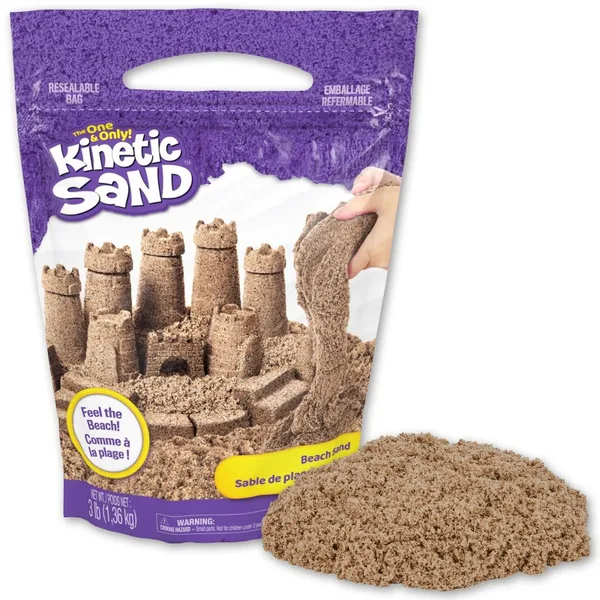
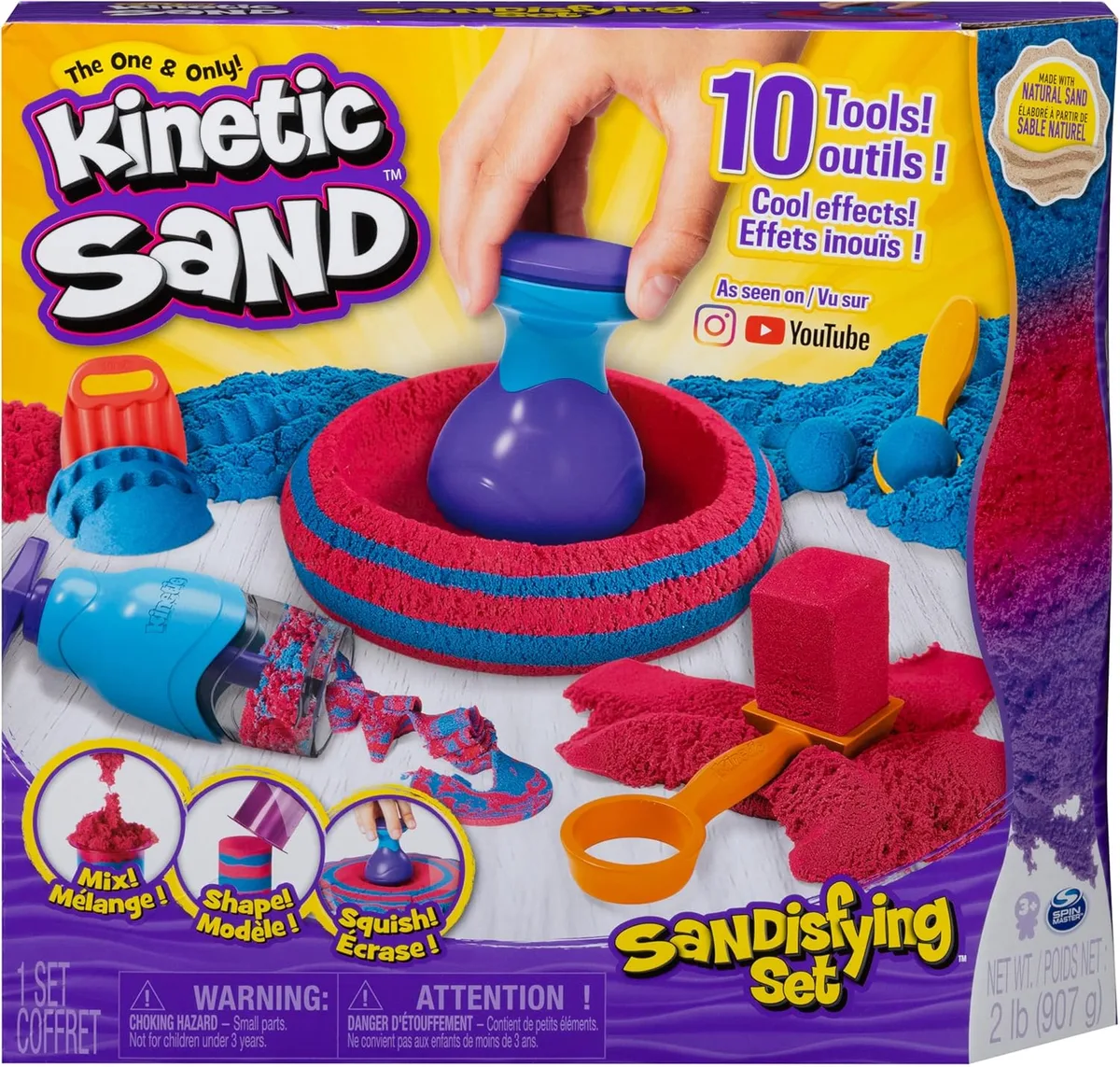
Kinetic Sand (5 lb)
“The perfect sensory table fill material. Moldable, contained, and fascinating.”
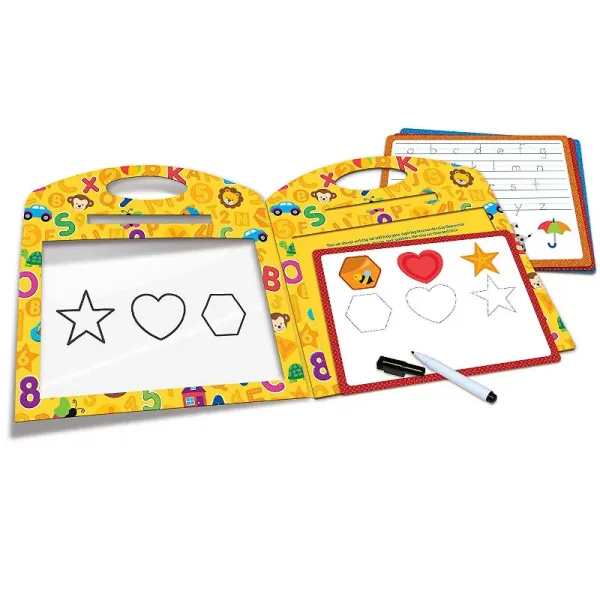
Learning Resources Sensory Play Tools (20-piece)
“Scoops, funnels, sieves, and tongs designed for sensory table activities.”
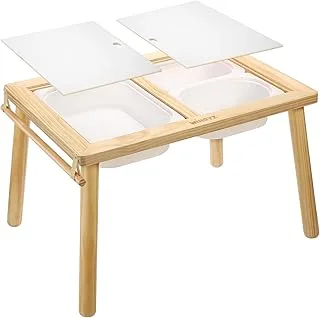
IKEA FLISAT Children's Sensory Table
“Budget alternative with shallower bins. Less durable but adequate for home use.”
Water Beads (20,000 count)
“Gel sensory beads for a unique tactile experience. Supervise closely with young children.”