ScienceBasedKids.com may earn a commission from affiliate links in this review. Our ratings are never influenced by affiliate relationships. Read our full methodology.
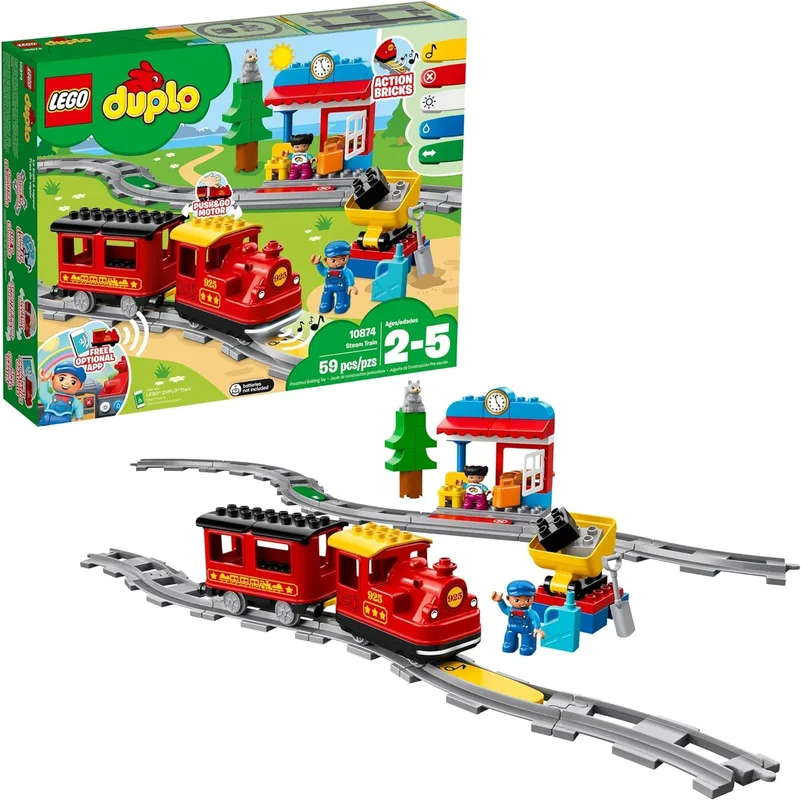
The LEGO DUPLO Steam Train is the rare product that serves two completely different play modes equally well. Mode one: a chunky, battery-powered train that runs on a circular track while a toddler watches, chases, and narrates. Mode two: a coding introduction where colored “action bricks” placed on the track trigger specific train behaviors — green means go, red means stop, yellow plays a light, blue pauses. The child programs the train’s journey by arranging bricks on the track.
We tested it for six weeks with children ages 2 through 5.
Product Overview
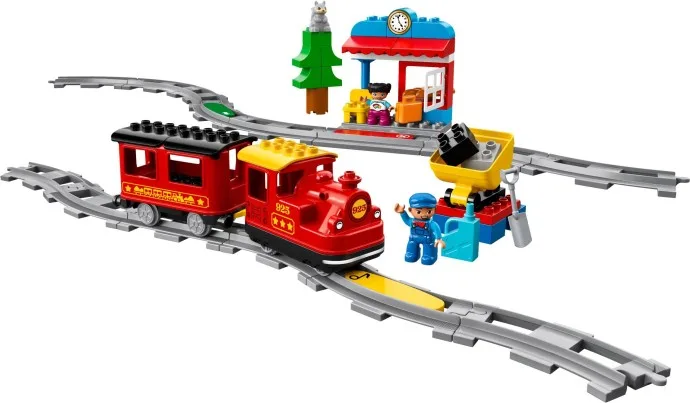
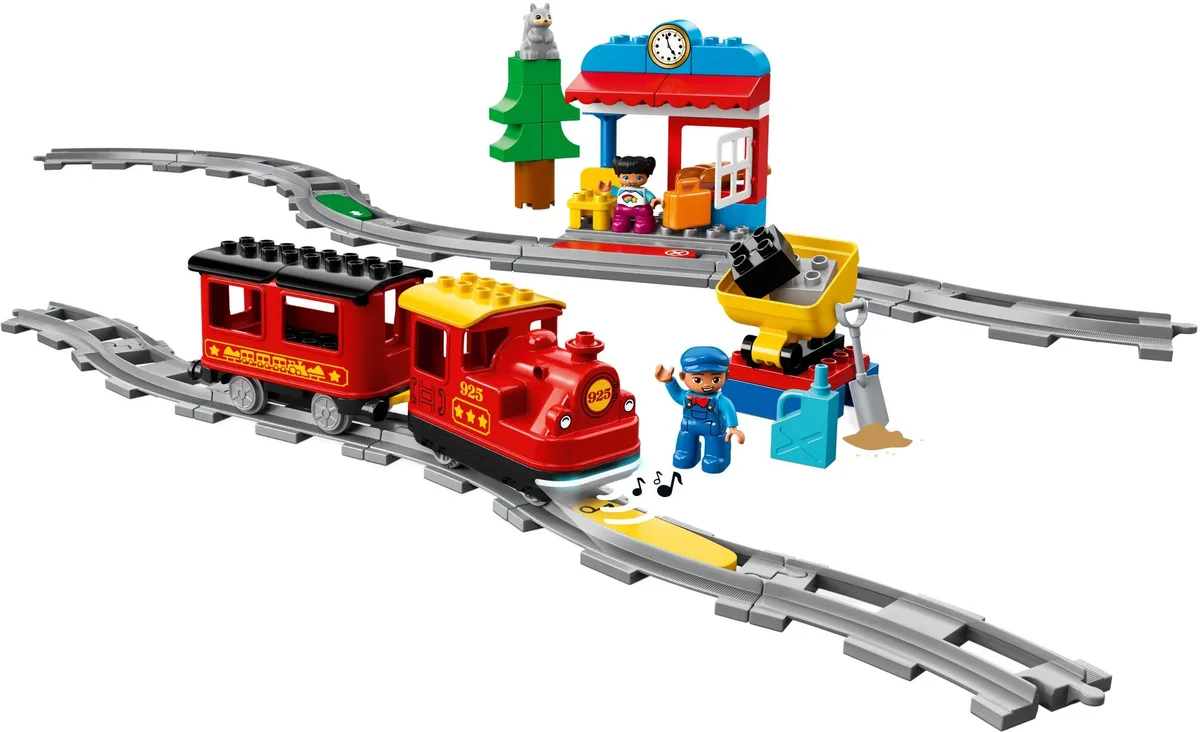
59 pieces including a motorized engine with push-and-go motor, passenger car, 5 action bricks, 16 track pieces, buildable train station, fuel pump, and 2 DUPLO figures. The engine is powered by batteries and activated by pushing — no buttons needed. Optional free app adds remote control and additional coding activities.
Our Evaluation
Build Quality: 9/10
Standard DUPLO quality — large, chunky, nearly indestructible. The motor mechanism is sealed and reliable.
Play Value: 8/10
The push-and-go motor is brilliantly simple for toddlers — push the train forward and it runs. The action bricks add a layer of cause-and-effect programming that 3-4 year olds grasp intuitively. Children in our testing spent significant time rearranging action bricks on the track, predicting what would happen when the train reached each one.
Age Appropriateness: 9/10
Ages 2-5 is well-targeted. Two-year-olds enjoy the push-and-go. Four-year-olds experiment with action brick sequences.
Value for Money: 8/10
$60 for a motorized train set with track, coding elements, and DUPLO compatibility. Good value.
The Evidence
The action brick system introduces computational thinking concepts (sequencing, conditional actions) appropriate for the 2-5 age range. Bers et al. (2014) demonstrated that children as young as kindergarten can learn programming concepts through tangible interfaces.1
Safety Notes
All DUPLO pieces are above choking hazard thresholds. Batteries are secured in a screw-closed compartment. Meets ASTM F963, EN-71. No CPSC recalls.
The Verdict
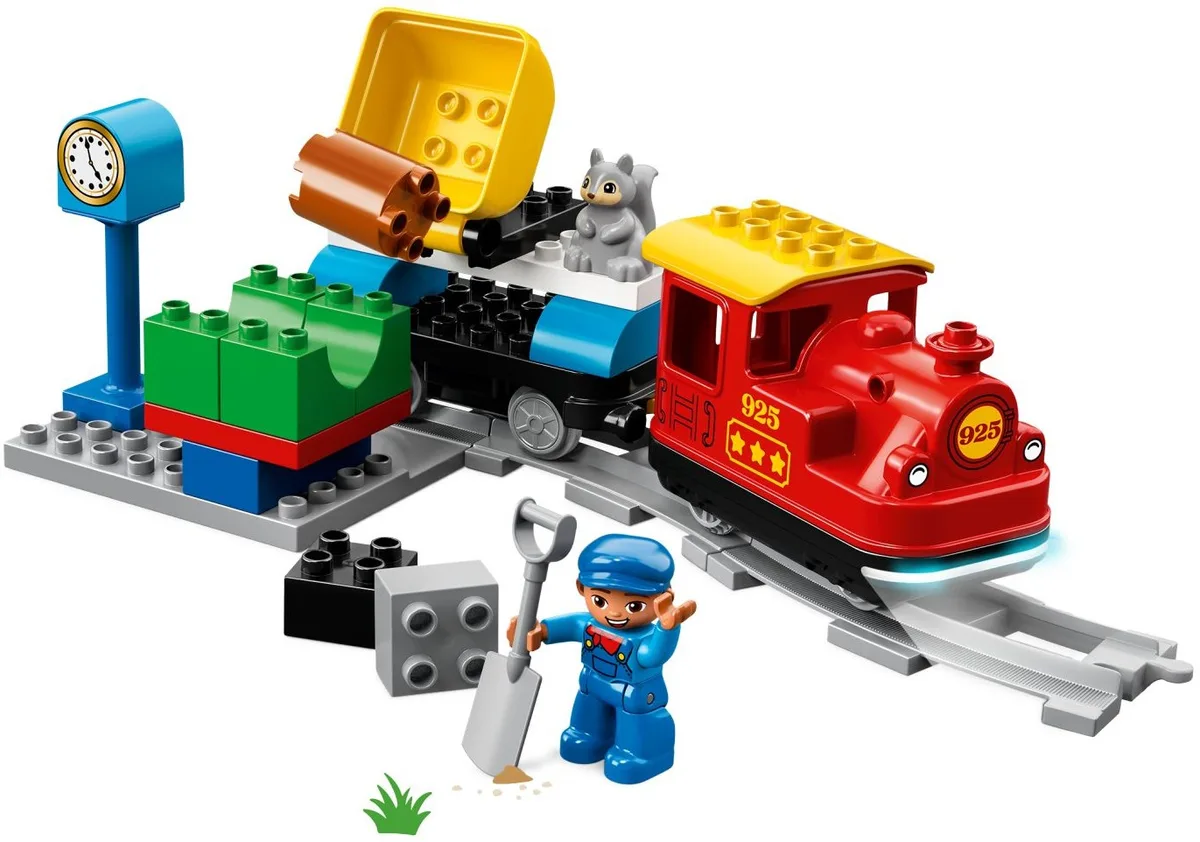
The best toddler train set on the market. The push-and-go motor, action brick coding, and DUPLO build quality combine for exceptional play value.
Product Rating: 8/10 — Excellent design combining train play with early coding.
Evidence Rating: Emerging — Computational thinking for young children is well-supported.
Who Should Buy This
- Families with children ages 2-4 who enjoy trains
- Parents seeking STEM introduction for toddlers
- DUPLO ecosystem families wanting expansion
- Gift-givers for second and third birthdays
Who Should Skip This
- Families seeking wooden train aesthetics — BRIO is the choice
- Children over 5 who may find it too simple
- Minimalist families avoiding battery-powered toys
- Families with extensive BRIO/wooden track who don’t want a second system
This review reflects our independent evaluation. ScienceBasedKids.com purchased this product at retail price.
Footnotes
-
Bers, M. U., et al. (2014). “Computational thinking and tinkering.” Computers & Education, 72, 145-157. ↩
Enjoyed this review? We publish two new evidence-based evaluations every week.
Free. No spam. Unsubscribe anytime.
Recommended Accessories
Affiliate links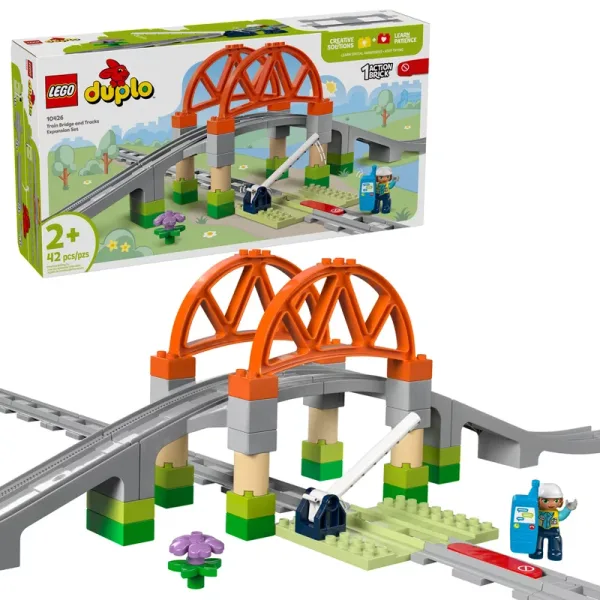
LEGO DUPLO Train Bridge and Tracks
“Adds elevation, bridge, and more track for bigger layouts.”
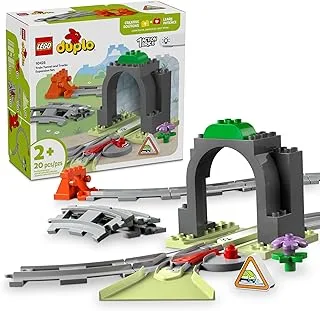
LEGO DUPLO Train Tracks Expansion
“Additional straight and curved track pieces for larger circuits.”
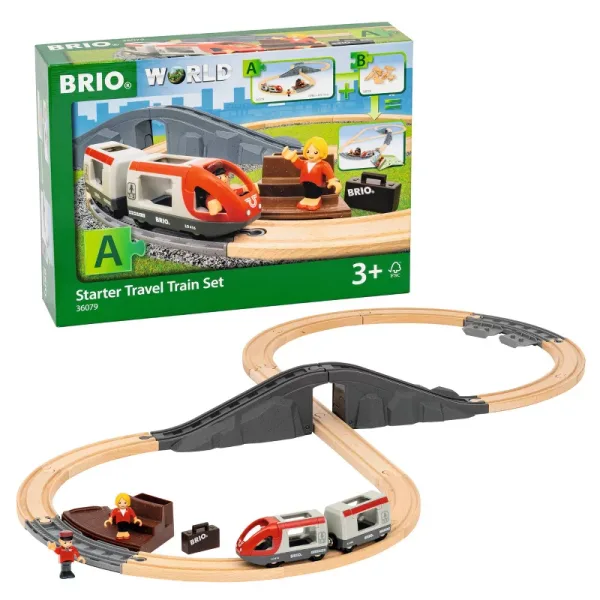
BRIO World Railway Starter Set
“Manual wooden train alternative with heirloom quality. No motor or coding.”
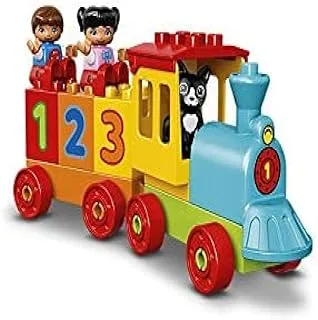
LEGO DUPLO Number Train
“Number-learning train that complements the Steam Train.”