ScienceBasedKids.com may earn a commission from affiliate links in this review. Our ratings are never influenced by affiliate relationships. Read our full methodology.
Clicformers exist in the shadow of Magna-Tiles and LEGO — less famous but genuinely innovative. Where Magna-Tiles connect through magnetic attraction (easy but weak), and LEGO connects through friction-fit studs (strong but precision-demanding), Clicformers use a proprietary click mechanism that connects flat panels along their edges. The result is stronger than magnets, easier than LEGO, and produces builds that survive the rough play of the 4-8 age range.
We tested the Basic 150-piece set for six weeks alongside Magna-Tiles and LEGO Classic with children ages 4 through 9.
Product Overview
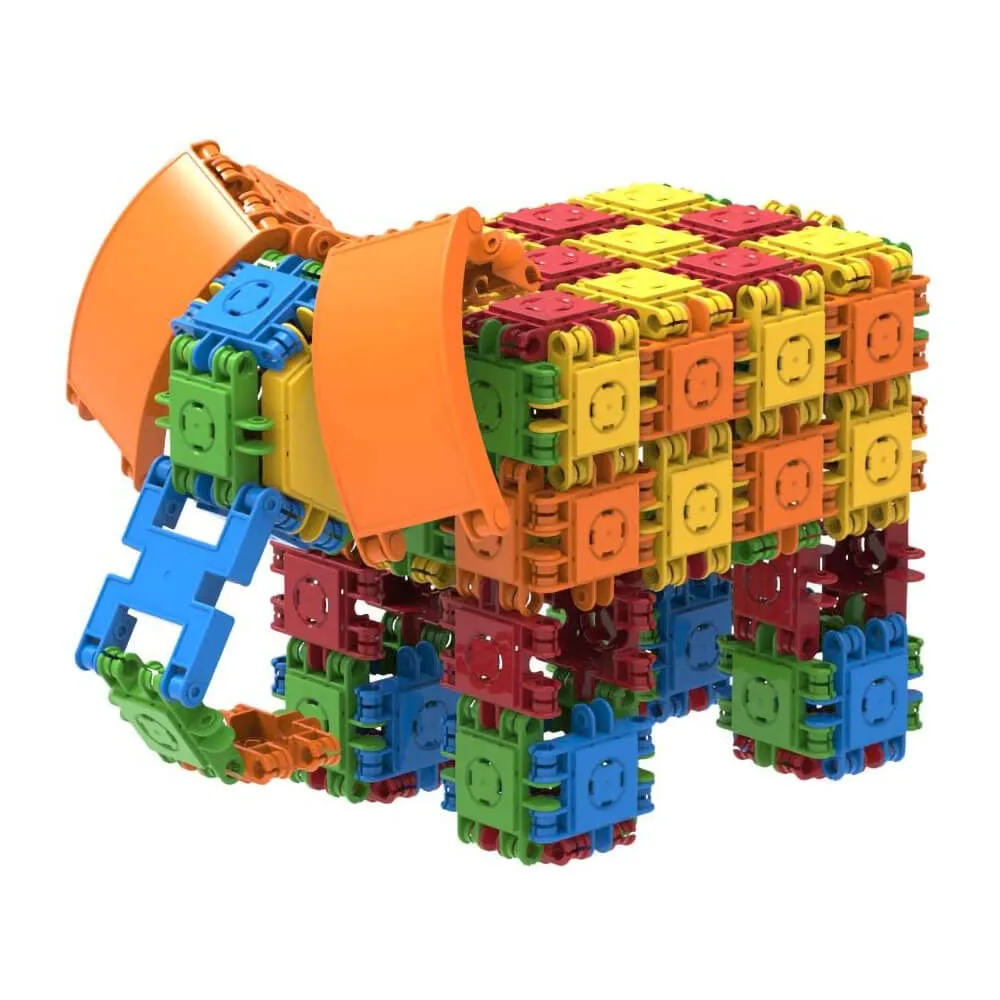
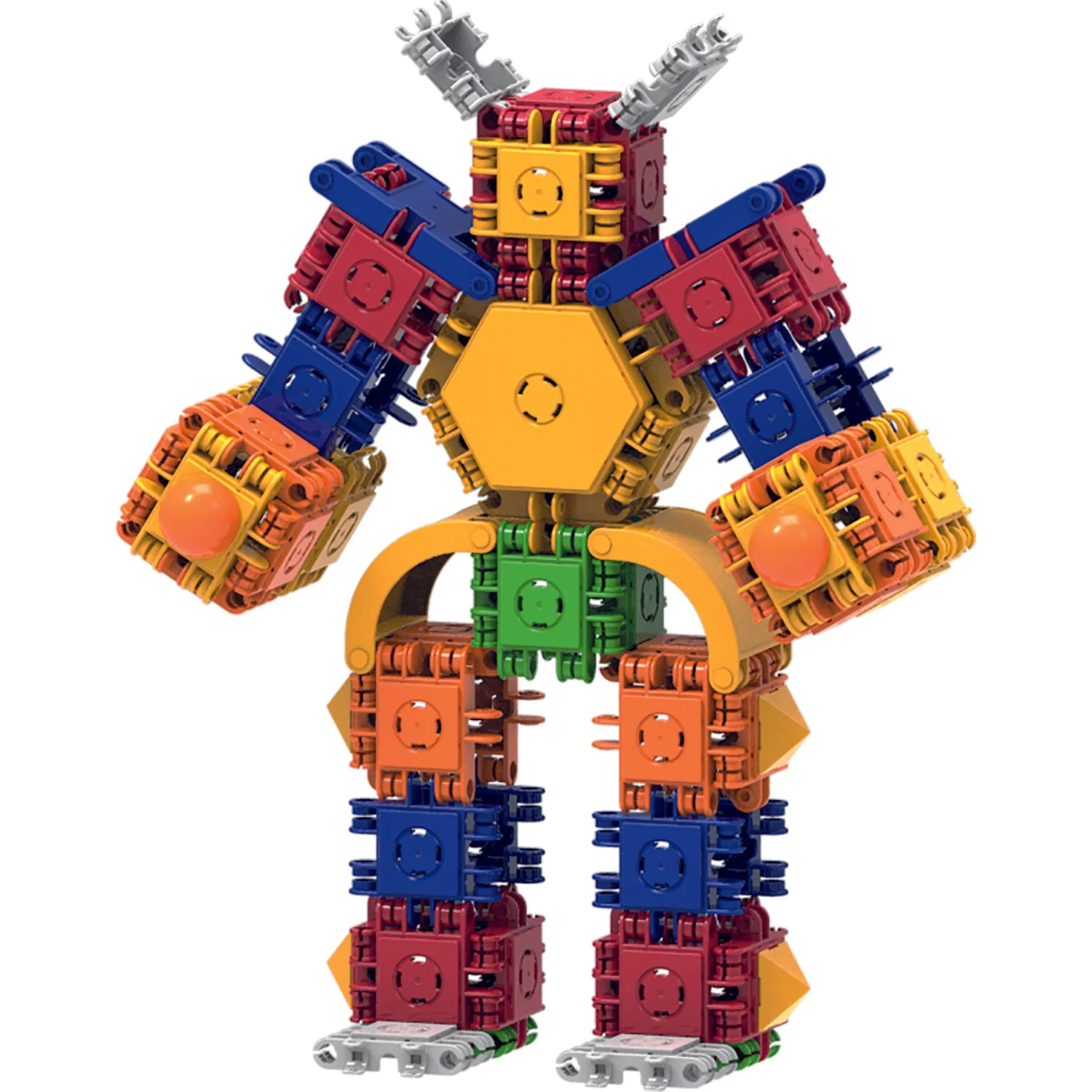
The set includes 150 pieces in various flat geometric shapes — squares, triangles, hexagons, and specialty connector pieces — that click together along their edges through a proprietary hinge mechanism. The connection is secure enough for robust play but releases with deliberate force. Includes a guide booklet with build suggestions.
Our Evaluation
Build Quality: 7/10
The plastic is durable ABS with clean molding. The click mechanism works consistently. Colors are bright and uniform. The pieces show minimal wear after six weeks. Not quite the premium feel of LEGO or the warm aesthetics of wooden toys, but solidly functional.
Play Value: 7/10
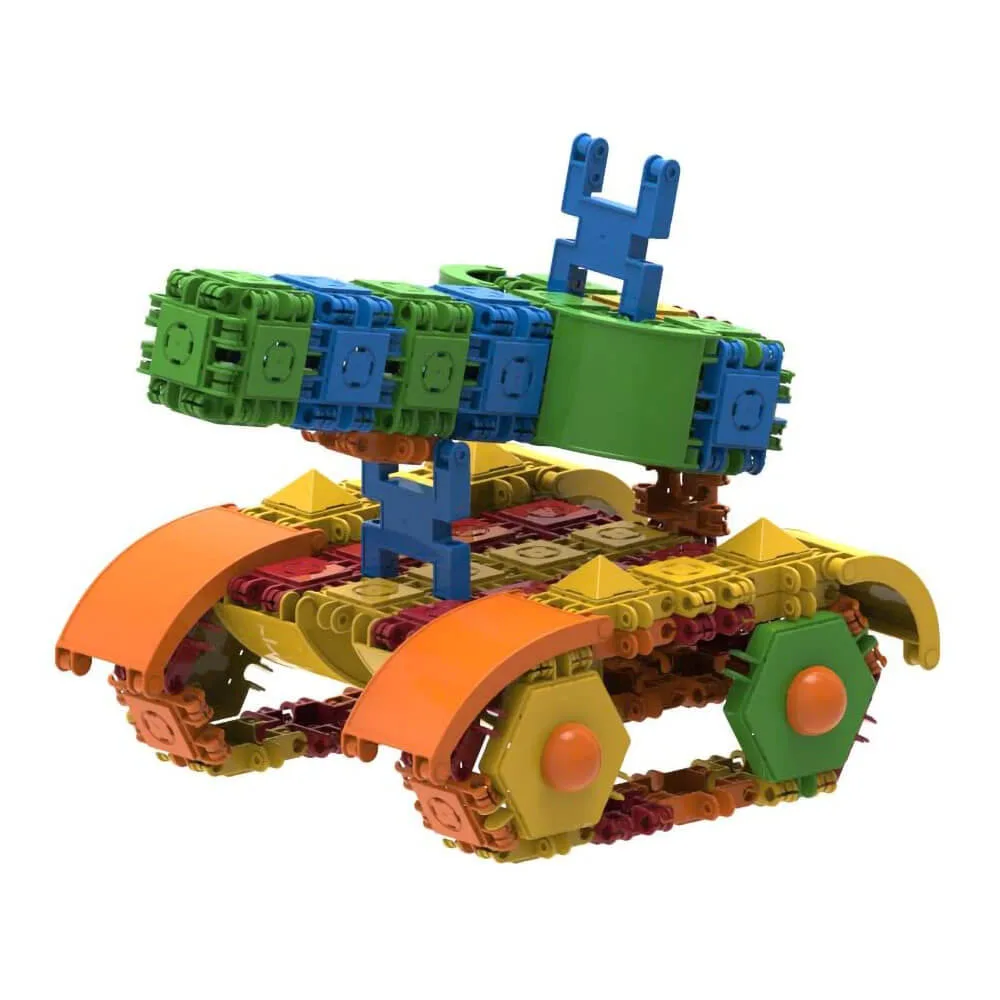
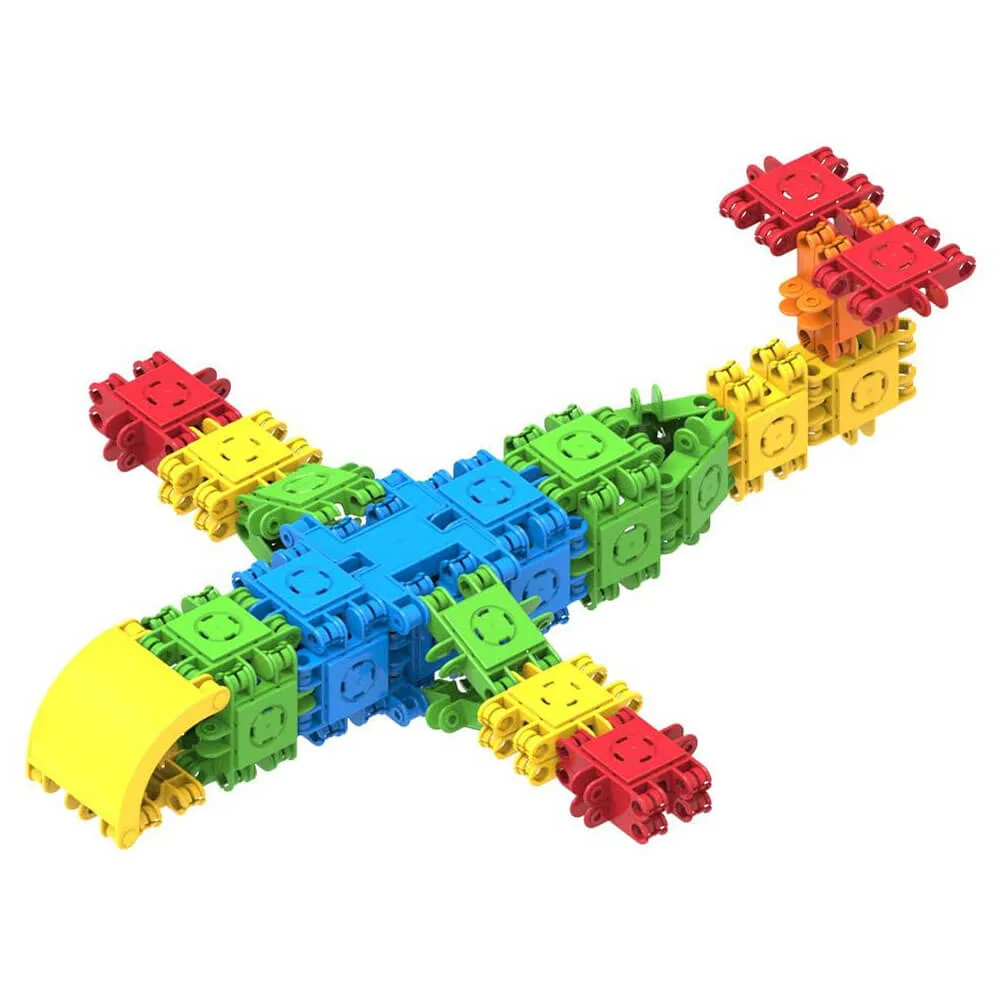
The click mechanism occupies a sweet spot: easier than LEGO for young builders but producing more robust structures than magnetic tiles. Children in our testing built vehicles, animals, robots, and architectural structures that survived being carried around, played with, and occasionally dropped.
The flat-panel construction teaches 3D geometry concepts — children learn how flat shapes fold into three-dimensional forms, which is the same spatial transformation skill that magnetic tiles develop but with a more permanent result.
Age Appropriateness: 8/10
Ages 4-10. Younger children (4-5) can connect pieces with moderate effort. Older children (7-10) create complex, multi-component builds.
Value for Money: 8/10
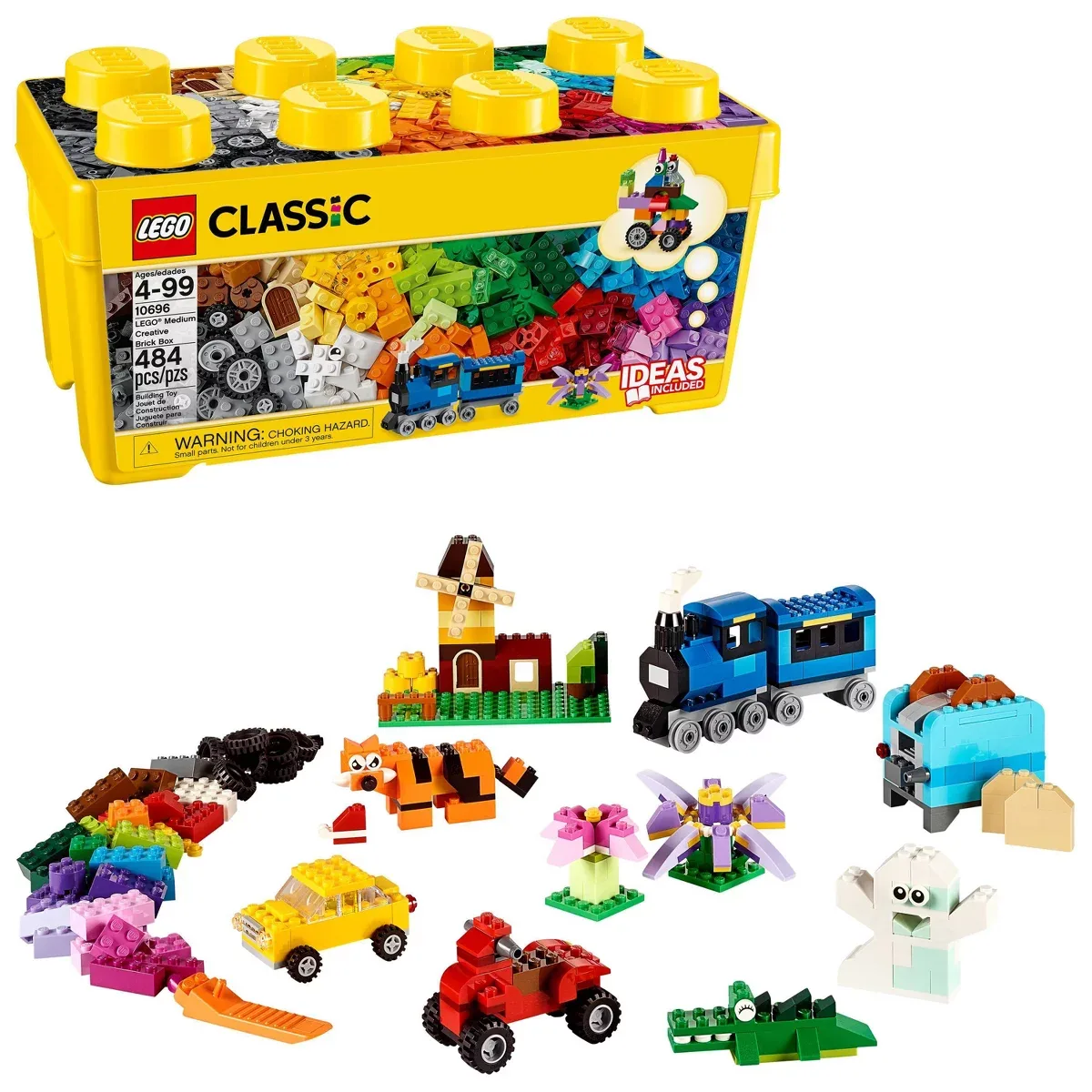
$60 for 150 pieces ($0.40/piece) is competitive with Magna-Tiles ($1.20/piece) and below LEGO Classic ($0.10/piece but requiring more precision).
The Evidence
Same spatial reasoning evidence as other geometric construction toys. Verdine et al. (2014) on spatial assembly predicting mathematical skills.1
Safety Notes
No small parts. Meets ASTM F963, EN-71. No CPSC recalls.
The Verdict
A strong building system that deserves more recognition. The click mechanism solves the durability problem of magnetic tiles while remaining accessible to younger builders.
Product Rating: 7/10 — Strong construction, good value, genuine building play. Lower brand recognition and aesthetic appeal limit the score.
Evidence Rating: Emerging — Spatial reasoning through geometric construction is well-established.
Who Should Buy This
- Families frustrated by Magna-Tiles’ structural fragility
- Children ages 4-8 who enjoy building but find LEGO too fiddly
- Parents seeking sturdy builds that survive play
- Budget-conscious families wanting construction play at lower per-piece cost
Who Should Skip This

- Families committed to the Magna-Tiles ecosystem
- Children who prefer the aesthetic of translucent magnetic tiles
- LEGO devotees satisfied with the stud-and-brick system
- Minimalist families who don’t want another building system
This review reflects our independent evaluation. ScienceBasedKids.com purchased this product at retail price.
Footnotes
-
Verdine, B. N., et al. (2014). “Deconstructing building blocks.” Child Development, 85(3), 1062-1076. ↩
Enjoyed this review? We publish two new evidence-based evaluations every week.
Free. No spam. Unsubscribe anytime.
Clicformers' click mechanism significantly outperforms magnetic connection for play durability.
Recommended Accessories
Affiliate links
Clicformers Craft Set (25-piece)
“Specialty pieces with decorative elements for creative builds.”
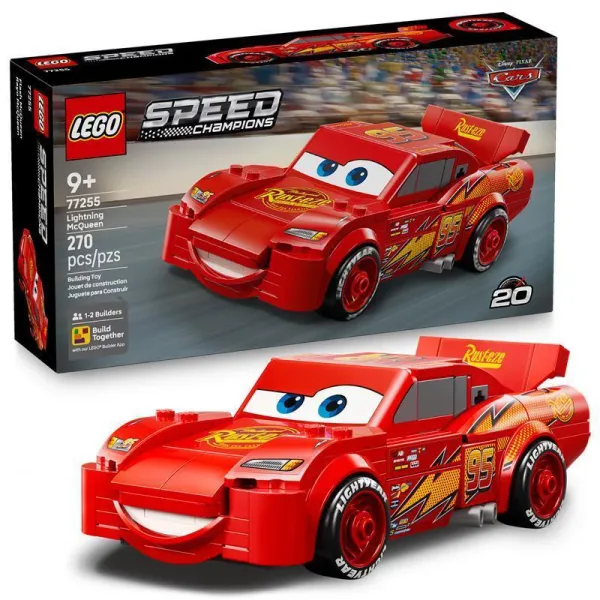
Clicformers Speed Wheel Set
“Working wheels for vehicle construction. Transforms builds into rolling toys.”
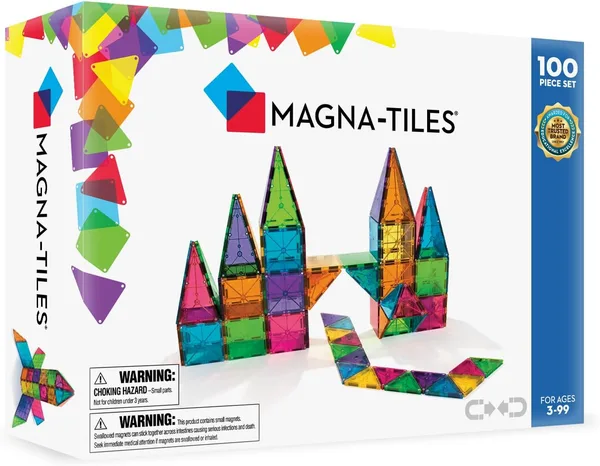
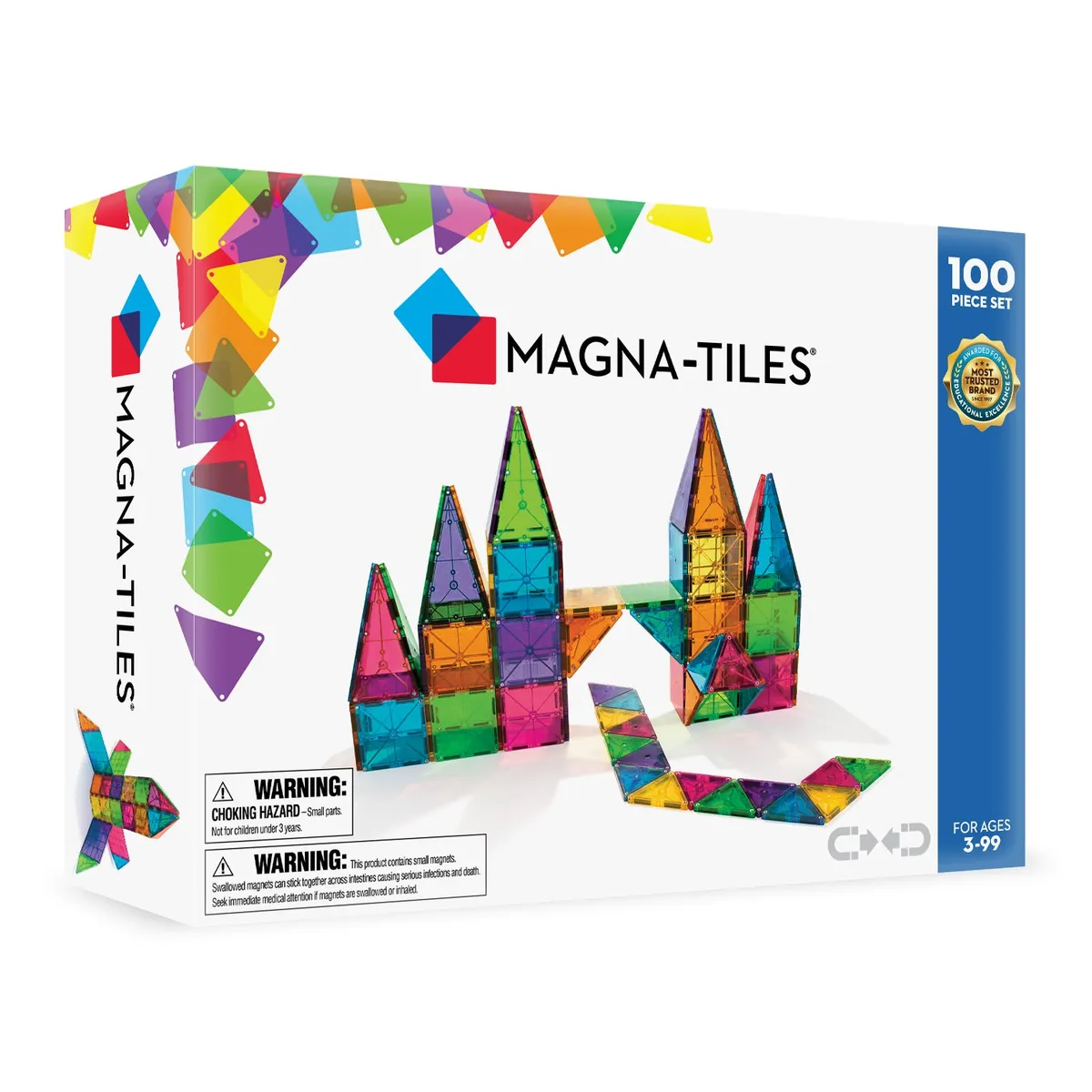
Magna-Tiles Clear Colors 100-Piece
“Magnetic alternative with easier connection but weaker hold. Double the price.”
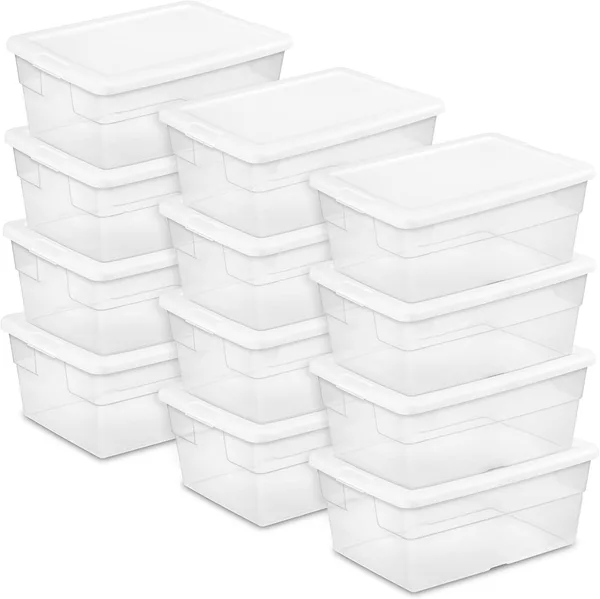
Sterilite 20-Quart Storage Container
“Clear storage bin perfectly sized for the 150-piece set.”