ScienceBasedKids.com may earn a commission from affiliate links in this article. Our ratings are never influenced by affiliate relationships. Read our full methodology.
Why YouTube Is Complicated
YouTube is powerful for kid science but risky:
- Pro: Free; visual; animated explanations; community of creators
- Con: Algorithm pushes to lower-quality content; ad density; unregulated
Strategy: Curate specific channels, disable autoplay, co-watch.
The Top Channels
1. SciShow Kids — Ages 5–9
Content: 4-minute explanations of science questions kids ask. Approach: Host explains with animations + props. Production: High. Strengths: Age-perfect; scientifically accurate; answers real questions. Weaknesses: Can feel “educational” (slow pacing for some kids).
2. Mystery Doug — Ages 6–10
Content: Short science questions answered (5 min each). Approach: Casual host; kid-submitted questions. Strengths: Great for morning meeting classroom use; daily format. Weaknesses: Some episodes are commercial-adjacent.
3. Mark Rober — Ages 8–13
Content: Engineering feats (glitter bombs, Rube Goldberg machines, cannons, pool tricks). Approach: Celebrity-engineer content; high production. Strengths: Exciting; shows real engineering; kids love the “wow” factor. Weaknesses: Entertainment-heavy; less explanation; some content age-inappropriate for under-8.
4. Kurzgesagt — Ages 13+
Content: 8–15 min animated deep-dives into science topics. Approach: Info-rich; Illustration-heavy; covers philosophy + science + existential. Strengths: Beautiful production; serious content; respected by scientists. Weaknesses: Sometimes tackles dark topics (death, climate collapse); age-inappropriate younger.
5. Veritasium — Ages 10+
Content: Physics and general science explainers. Approach: Host experiments + reveals counter-intuitive results. Strengths: Excellent physics; often surprising. Weaknesses: Occasionally adult-paced.
6. SmarterEveryDay — Ages 10+
Content: Engineering + science with in-the-field visits. Approach: Host visits scientists, engineers, professionals. Strengths: Real people, real work; accessible.
7. CrashCourse Kids — Ages 7–12
Content: Structured science curriculum videos. Approach: Host-led; classroom-style. Strengths: NGSS-aligned; teacher-friendly. Weaknesses: More educational; less “wow.”
8. 3Blue1Brown — Ages 13+
Content: Math + physics animations. Approach: Beautiful visualizations; deep topics. Strengths: Best-in-class math explanations. Weaknesses: Advanced level; not for under 13 typically.
9. The Kid Should See This — Ages 3–10 (Curation)
Content: Curated videos from around the web — various sources. Approach: Parent-vetted curation, not single channel. Strengths: Wide variety of high-quality content; parent-mediated.
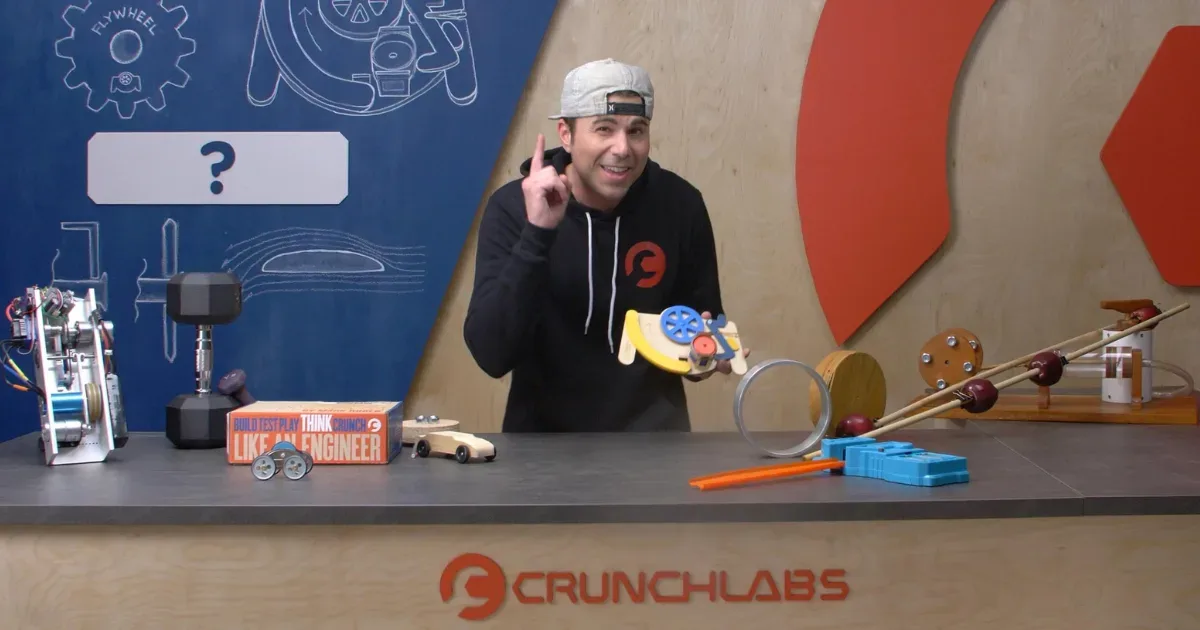
10. CrunchLabs — Ages 8–12
Associated with CrunchLabs Build Box subscription — YouTube extension. Content: Mark Rober-affiliated maker content. Strengths: High production; tie-in to physical product if subscribed.
By Age
Ages 3–5
- The Kid Should See This (curated)
- SciShow Kids (some episodes)
Ages 6–8
- SciShow Kids (primary)
- Mystery Doug (short-format)
Ages 9–11
- Mark Rober (entertainment + engineering)
- Veritasium (physics; pick videos carefully)
- SciShow Kids (still age-appropriate)
- CrashCourse Kids
Ages 12–14
- Kurzgesagt
- Mark Rober (any)
- Veritasium
- SmarterEveryDay
- Math-specific: 3Blue1Brown
Ages 14+
- Full adult content library: Kurzgesagt, Veritasium, SmarterEveryDay, Minute Physics, PBS Space Time.
What to Avoid
- Algorithm-recommended “kid science” channels without verified credentials. Often unscientific.
- Channels under 100K subscribers unless specifically vetted.
- “Educational” kid content with product placement that’s actually toy commercials.
- Slime + goo + crafts channels that call themselves “science.”
- Conspiracy-adjacent science channels. Easy to find; hard for kids to distinguish.
Co-Watching Strategy
Best practice for kids under 10:
- Pick one channel at a time for watching.
- Sit together for the first 3–5 videos.
- Ask questions: “What do you think happened there?”
- Look up follow-ups: What else is interesting about this topic?
This converts passive watching into active learning.
Screen Time Limits
Research on screen time is mixed, but consensus supports:
- Ages 2–5: 1 hour/day screens total (AAP)
- Ages 6–10: 2 hours/day
- Ages 11+: Self-regulation develops
YouTube often exceeds these in single sitting. Set time limits.
YouTube Kids vs Main YouTube
- YouTube Kids: Filtered but restricts some great content; over-protective for older kids.
- Main YouTube: Full access; requires parental vigilance.
For most science content, main YouTube is better — YouTube Kids’ filtering excludes quality channels sometimes.
Subscription-Based Alternatives
Paid alternatives to free YouTube:
- Disney+ (educational content)
- National Geographic Kids YouTube Premium
- CuriosityStream (documentaries)
Cost: $5–$15/mo. Removes ads; sometimes better curation.
Teacher / Classroom Use
- SciShow Kids — 4 min clips fit classroom schedule
- Mystery Doug — daily format supports morning meeting
- Mark Rober — engineering unit inspiration
Record favorites for use offline (requires YouTube Premium for legal download).
Science Fair Inspiration
YouTube-inspired fair projects:
- Mark Rober Rube Goldberg — build your own
- Veritasium physics paradoxes — test one experimentally
- SciShow Kids “why” questions — turn one into fair project
See our science fair project guides:
- 3rd Grade
- 4th Grade
- 5th Grade
Related Guides
- Best Science Podcasts for Kids — audio alternative
- Screen-Free STEM Kit Audit — if screen-free preferred
- Science Books for Kids by Age
- No-App STEM Toys
The Bottom Line
Default pick for 6–10: SciShow Kids + Mystery Doug.
Default for 10–14: Mark Rober + Kurzgesagt (co-watch).
Default for 14+: Full adult library (Veritasium, Kurzgesagt, etc.).
Key rule: Pick specific channels; disable autoplay; co-watch for younger kids.
Avoid: Slime channels; algorithm recommendations; channels under 100K with unverified content.
YouTube can be science gold or entertainment-only junk. Curation makes the difference.
Channels vetted for scientific accuracy and age-appropriate content.