ScienceBasedKids.com may earn a commission from affiliate links in this article. Our ratings are never influenced by affiliate relationships. Read our full methodology.
The 14-Year-Old Reality
At 14, a kid is:
- Cognitive adult by most measures
- In 8th or 9th grade — serious academic classes
- Increasingly discriminating about “kids’ stuff”
- Capable of real hobbyist-level work in their areas of interest
- Probably has a smartphone and regular laptop/computer access
- Has real subject preferences
Gift framing matters. A “STEM kit” presented as a serious tool lands better than the same kit presented as a “teen STEM experience.”
The Short Answer
| Interest | Pick |
|---|---|
| Programming | Arduino Starter Kit or Raspberry Pi 5 Kit — $85–$120 |
| Chemistry | Thames & Kosmos Chem C3000 — $200 |
| Electronics | Real soldering iron + project kit — $80 |
| Astronomy | Celestron AstroMaster 102AZ — $200 |
| Biology | Real student microscope (used Zeiss/Olympus) — $150+ |
| Math | Graphing calculator TI-84 Plus CE — $120 |
| Robotics | LEGO SPIKE Prime — $400 |
| Subscription | Mel Chemistry or Mel Physics — $45/mo |
The Picks
1. Arduino Starter Kit — $85–$110
Real electronics development kit. Official kit or Elegoo UNO R3 Super Starter ($60). Arduino is the de facto standard for hobby electronics + embedded programming.
Why it lands at 14: Used by real engineers, students, hobbyists. Produces working devices (weather stations, LED matrices, music boxes, robots). Long learning horizon.
2. Raspberry Pi 5 Starter Kit — $80–$120
Full Linux computer the size of a credit card. Gateway to software, home-lab, server, robotics.
Why it lands at 14: Bridge from “using computers” to “building with computers.” Real hobbyist + professional tool.
3. Thames & Kosmos Chem C3000 — $200
The top of the T&K chemistry line. 333 experiments. Real reagents including some that require adult supervision.
Why it lands at 14: Sufficient depth that a motivated teen can work through it over a year. Not a toy; real chemistry. See our ASTM F963 chemistry set guide.
4. Celestron AstroMaster 102AZ or NexStar 4SE — $200–$700
Real beginner-to-intermediate telescope. The AstroMaster 102 at $200 is a serious beginner scope; NexStar 4SE at $700 is a computerized mount and objectively excellent.
Why it lands at 14: Astronomy is deeply engaging for a teen who has any interest. A real scope produces real images of Jupiter, Saturn, the Moon.
5. Real Student Microscope — $150+
Used Zeiss, Olympus, or Nikon student microscope from eBay or a lab-surplus dealer ($150–$400). Real optics; real coarse-and-fine focus. Lasts a lifetime.
Why it lands at 14: A genuine hobbyist microscope produces results so different from the $80 “kids’ microscope” that they’re different tools. See our microscope-for-10yo guide for the buying framework.
6. Soldering Iron + Electronics Project Kit — $50–$80
Real soldering iron (Weller or Hakko clone at $30) + an LED watch kit or audio amplifier kit ($30–$50).
Why it lands at 14: Real maker skill. Safety training opportunity. Produces a finished object (e.g., working watch, working amplifier).
7. LEGO SPIKE Prime — $400
Serious robotics LEGO. For a 14-year-old deep in robotics or FIRST LEGO League.
Why it lands at 14: Block-based programming extends to Python; real sensors/motors; multi-year platform.
8. Graphing Calculator (TI-84 Plus CE) — $120
Required for most 9th-12th grade math classes. Owning a personal unit through college is worth the cost.
Why it lands at 14: Practical academic tool. Lasts 6+ years.
9. Mel Chemistry Subscription — $45/mo
Ongoing structured chemistry curriculum. 18-month program.
Why it lands at 14: Age-appropriate depth. Reagents are real. Good gift for a kid whose interest is sustained.
10. Quality Lab Notebook + Real Pens — $40
Rite-in-the-Rain lab notebook ($18) + Rotring 600 pen ($40) or Lamy Safari fountain pen ($30).
Why it lands at 14: Adult-quality tools. A real lab notebook signals respect for the kid’s work. Use it for documentation of any of the above projects.
Book Pairings
At 14, skip the “STEM book for teens” shelf — go to adult nonfiction:
- A Short History of Nearly Everything (Bryson) — science history, humor
- The Disappearing Spoon (Kean) — chemistry and the periodic table
- Packing for Mars (Roach) — space flight + biology
- The Making of the Atomic Bomb (Rhodes) — physics + history
- The Code Book (Singh) — cryptography + math
- What If? (Munroe) — everyday science via xkcd
- Gödel, Escher, Bach (Hofstadter) — high-engagement math/CS/AI classic (serious reader level)
$250 Combination
- Arduino Starter Kit — $85
- LED watch-kit solder project — $30
- Thames & Kosmos Chem C1000 or C2000 — $100–$150
- Rite-in-the-Rain lab notebook + pen — $45
Total: $260 (rounded).
What to Avoid at 14
- Anything marketed “ages 8+” or “for teens” if it’s obviously a kids’ product. Immediate disqualifier.
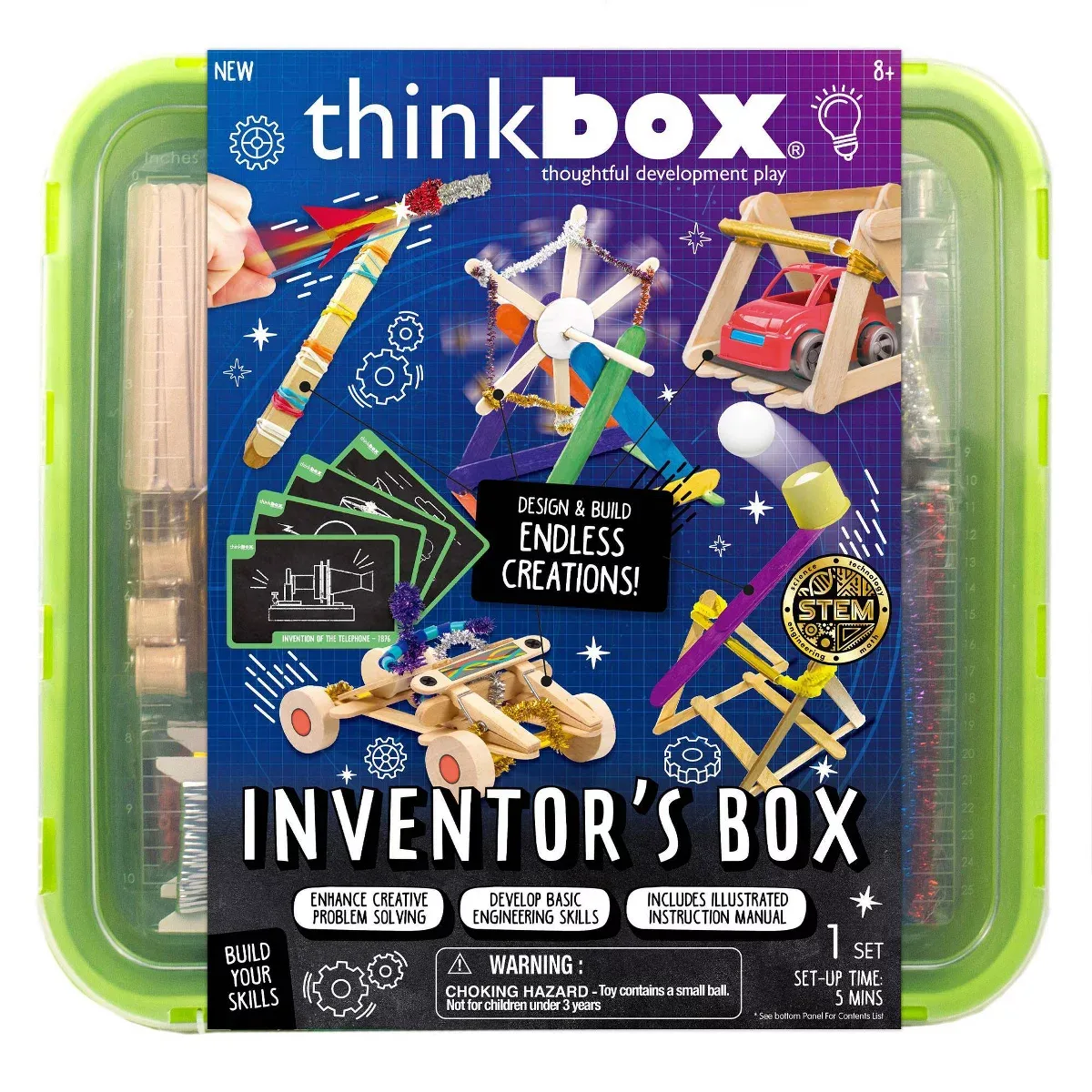
- “STEM backpack” / “inventor kits” at retail toy stores. Assembled from stock parts at 3× cost.
- Entry-level toys relabeled for teens. Some brands relabel 10+ products for 14+; you can spot them by inconsistent packaging.
- Cheap (under $60) microscopes and telescopes. Better to skip than buy a bad version.
- Workbooks and study guides as gifts. Even if helpful, these read as schoolwork.
The Bottom Line
Default pick: Arduino Starter Kit ($85). Long horizon.
Big investment: Thames & Kosmos Chem C3000 ($200) or real student microscope ($150+).
Subscription: Mel Chemistry ($45/mo).
Books: Adult nonfiction, not “teen science.”
See STEM Gifts for 13-Year-Olds and Mel Science vs KiwiCo for Teens.
Treat a 14-year-old’s STEM gift like a tool, not a toy. The kid will notice.